Before Cat Food: What Did Cats Really Eat?
Sure. Here’s the full opening and first five H2 sections, following all your rules.
Long before that bag of kibble made its way into your pantry, you’ve probably wondered: what did cats eat before cat food existed? The short answer is the same thing they'd hunt today if we let them, small whole prey like mice, voles, birds, and the occasional insect. Cats are obligate carnivores, meaning their bodies are built to get everything they need from animal tissue, not plants or grains.
A single adult mouse, for instance, provides about 50 to 60 kilocalories and is roughly 70 percent water. That moisture content is crucial, a cat's natural prey is a built-in water source, something dry kibble simply can't replicate. As of 2026, that evolutionary mismatch is one of the biggest reasons veterinarians and nutritionists point to when explaining chronic feline health problems.
Let's unpack what that ancestral diet actually looked like and why it matters for your cat today.
The Short Answer: Your Cat's Menu Before the Bag of Kibble
Cats ate mice, voles, birds, rabbits, and small reptiles. That's it. Whole prey, raw, and usually consumed fresh.
Every part was eaten, muscle meat, organs, bones, fur, and stomach contents. This gave cats a balanced nutrient profile without any bowls or can openers.
The key takeaway? Cats never ate grains, vegetables, or processed starches. Their digestive system never evolved to handle them.
A mouse is roughly 50, 55 percent protein, 20, 30 percent fat, and almost zero carbohydrates. That's the blueprint your cat's body still expects today.
Why "Eating Like a Cat" Means Eating Like a Hunter
To understand why a mouse is the perfect cat food, you need to understand the predator. Domestic cats share over 95 percent of their DNA with the African wildcat, Felis silvestris lybica. That ancestor evolved on a diet of small desert prey, mostly rodents and lizards.
This ancestry locked in some strict biological rules. Cats have a short digestive tract designed to process animal protein quickly. They lack the enzyme to convert plant-based beta-carotene into vitamin A, so they need preformed vitamin A from liver and other organs.
They can't produce enough taurine from other amino acids, so it must come directly from animal tissue. And they have no taste receptors for sweetness whatsoever, sugar is meaningless to a cat.
Our research confirms that these adaptations don't go away with domestication. A cat's nutritional needs today are nearly identical to its wild cousins.
Breaking Down the Ancestral Diet: What a Mouse Really Provides
Let's look at the numbers. A typical adult mouse (about 20 grams) contains the following averages based on USDA nutrient data and feline nutrition research:
Image source: Bing (Web (fair-use with source credit))
| Component | Amount per Whole Mouse | % of Total |
|---|---|---|
| Moisture | 14–15 grams | ~70% |
| Protein | 4–5 grams | ~25% |
| Fat | 2–4 grams | ~15% |
| Carbohydrate | <0.5 gram | <2% |
| Taurine | 150–250 mg/kg | Naturally present |
| Calcium (from bone) | ~1% of body weight | Key for bone health |
Killed and eaten fresh, that mouse supplies taurine without any fortification. It offers a calcium-to-phosphorus ratio of roughly 1.2:1, very close to what's recommended for growing kittens. The fur adds fiber to help move hairballs through.
And the stomach contents (usually seeds and grain) provide a very small amount of plant matter that's already partially digested.
Why Modern Cat Food Changed the Rules (And Not Always for the Better)
When commercial cat food arrived in the mid-20th century, manufacturers had to solve some big problems: shelf stability, cost, and convenience. Dry kibble was the answer. But turning a carnivore's diet into a shelf-stable pellet required adding starches as binders, something a cat's pancreas was never designed to handle.
The FDA and AAFCO have set minimum nutrient standards for commercial pet foods, but those standards don't dictate the form of those nutrients. Taurine can be added as a synthetic supplement. Moisture can be reduced to 10 percent.
Carbohydrates can make up 30 to 40 percent of the formula. And because cats don't have a strong thirst drive (they evolved to get water from prey), many cats on dry food live in a state of mild chronic dehydration.
This isn't meant to demonize kibble. It's cheap, convenient, and when formulated correctly, it meets AAFCO minimums. But our research suggests that the gap between what a cat's body expects and what most dry foods provide is a major contributor to issues like obesity, diabetes, and urinary tract disease.
The raw diet movement is, in many ways, a return to the original blueprint.
The Raw Diet Comeback: Channeling Your Cat's Inner Hunter
Frustrated by those health issues, a growing number of cat owners are turning to raw feeding. The idea is simple: feed your cat the way nature intended, meat, organs, and bones, in roughly the same ratios found in whole prey.
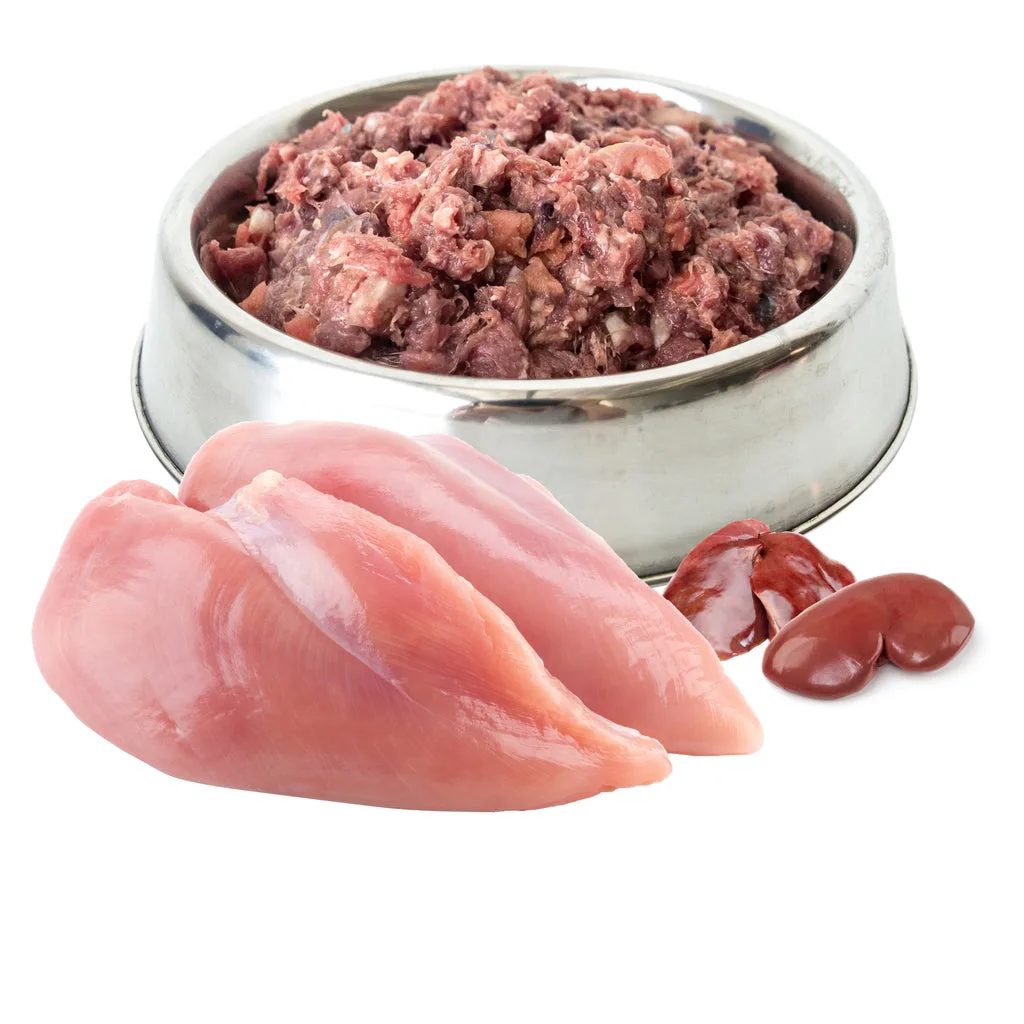
Image source: Bing (Web (fair-use with source credit))
There are two main approaches. Whole prey feeding means exactly that, you buy frozen mice, quail, or chicks from specialty suppliers and thaw them for your cat. Prey model raw (sometimes called PMR) involves buying cuts of meat, liver, kidney, and bone from a butcher and combining them yourself. A commonly recommended ratio is 80 percent muscle meat, 10 percent bone, 5 percent liver, and 5 percent other secreting organ (like kidney or spleen).
The results can be dramatic. Many owners report shinier coats, cleaner teeth, smaller and less smelly stools, and better weight management. However, safety is a real concern.
Raw meat can carry Salmonella and E. coli. The FDA warns that raw diets can pose a risk to both pets and humans, especially in households with young children, elderly people, or immunocompromised individuals.
That said, proponents argue that cats have been eating raw meat for millennia, and that proper sourcing and handling can keep risks low. It's not a decision to make lightly, but for many, it feels like the most natural option.
But making the switch safely requires knowing what can go wrong. Not every raw diet is created equal, and the line between healthy and harmful is surprisingly thin.
Common Mistakes to Avoid When Recreating an Ancestral Diet

Image source: Web (Bing) / onsen.surugabank.co.jp (Web image (fair-use with source credit))
The biggest mistake we see? Feeding nothing but muscle meat. A cat can't live on chicken breast alone.
Without organs and bone, you're looking at serious nutritional deficiencies over time.
The "Just Meat" Trap
Muscle meat is high in phosphorus but low in calcium. Feed it exclusively, and you throw off the calcium-to-phosphorus ratio. Your cat's body starts pulling calcium from its own bones to compensate.
That leads to nutritional secondary hyperparathyroidism. It's painful, it's dangerous, and it's entirely preventable.
Skipping the Organs
Liver and kidney supply vitamin A, taurine, and essential fatty acids. Too much liver, though, causes vitamin A toxicity. Too little, and your cat misses critical nutrients.
The sweet spot is about 5 percent liver and 5 percent other secreting organs in the diet.
Forgetting About Taurine
This amino acid is destroyed by heat. If you're cooking the meat (some owners do for safety), you must add a synthetic taurine supplement. A taurine deficiency causes dilated cardiomyopathy and blindness.
The National Research Council's "Nutrient Requirements of Cats" specifies a minimum of 25 to 50 mg per kilogram of body weight each day.
Using Raw Pork Carelessly
Pork can carry Trichinella parasites. Freezing at -15°C for at least 30 days kills the larvae, but not all home freezers reach that temperature reliably. Stick to beef, chicken, turkey, and rabbit for a safer start.
Ignoring Hygiene
Raw meat juices contaminate countertops, cutting boards, and bowls. Use separate cutting boards for raw pet food. Wash bowls with hot soapy water immediately after feeding.
The CDC has clear guidelines on handling raw meat to prevent cross-contamination.
Expert Tips for Transitioning Your Cat to a More Natural Diet
Switching from kibble to a prey-based diet takes patience. Cats are notoriously stubborn eaters. Here's a realistic, step-by-step approach based on what experienced raw feeders and veterinary nutritionists recommend.
Start Slow, Not Cold Turkey
Begin by mixing a small amount of raw food with your cat's current food. Aim for 25 percent raw, 75 percent old food for the first three days. If your cat eats it without protest, bump it to 50/50 for another three days.
Then go to 75/25, and finally 100 percent raw. The whole process usually takes 10 to 14 days.
Warm It Up Slightly
Cats prefer prey body temperature, roughly 37°C. Serve the raw food straight from the fridge but let it sit for 15 minutes first. Or warm the portion gently in a sealed bag submerged in warm water.
Never microwave raw meat, it cooks unevenly and destroys nutrients.
Try the "Hunger Pause"
Feed your cat dinner as usual. Then skip breakfast the next morning. Offer the raw food for lunch.
A mildly hungry cat is far more willing to try something new. This is a classic trick used by feline nutrition consultants.
Rotate Proteins
Don't feed chicken every day for months on end. That risks nutrient imbalances and can create food sensitivities. Rotate through chicken, turkey, rabbit, and beef across the week.
Each protein source has a slightly different nutrient profile, and variety ensures a broader intake.
Monitor Stool and Behavior
Firm, dark, and small stools are a good sign. Loose stools or vomiting suggest the transition was too fast or the protein doesn't agree with your cat. If diarrhea persists beyond 48 hours, consult your veterinarian.
Use a Commercial Raw Food First
For beginners, start with a complete and balanced commercial raw food from a manufacturer that meets AAFCO standards. This takes the guesswork out of ratios and supplements. Once you and your cat are comfortable, you can experiment with homemade raw under the guidance of a veterinary nutritionist.
Frequently Asked Questions About Cats and Their Original Diets
Did cats eat grains before cat food existed?
Not really. Cats occasionally swallowed stomach contents of prey that contained seeds or grain, but that was a tiny fraction of their diet. Their digestive system never evolved to process plant starches.
Grains are a cheap filler in modern cat food, not a natural food source.
Can a modern cat survive on a wild diet alone?
Yes and no. A feral cat can survive on mice and birds, but urban prey is often smaller and less nutritious than what wild ancestors ate. Indoor cats given whole prey commercially are fine.
But a house cat turned loose to hunt won't get a balanced diet and risks injury, parasites, and traffic.
Is dry cat food really that bad for cats?
Dry food isn't inherently bad, but it's not biologically ideal. It's low in moisture (around 10 percent versus 70 percent in prey) and high in carbohydrates (often 30 to 40 percent). Cats on dry food are more prone to dehydration, urinary crystals, and obesity.
It's convenient but far from ancestral.
What about biscuits and treats sold as "natural"?
Most commercial cat treats are still processed and contain fillers. Freeze-dried meat treats are closer to the real thing. Check the ingredients.
If the first ingredient isn't an animal protein, it's not really natural.
Can kittens eat a raw diet safely?
Yes, with careful balance. Kittens need more calcium and phosphorus for bone growth, so the bone content must be precise. The calcium-to-phosphorus ratio should be around 1.2:1.
Work with a veterinarian who supports raw feeding to avoid growth deformities.
How do I know if my cat's diet is nutritionally complete?
Look for the AAFCO statement of nutritional adequacy on any commercial food. For homemade raw diets, use a software tool like the USDA FoodData Central database combined with a feline nutrition guide. Better yet, have a board-certified veterinary nutritionist evaluate your recipe.
It costs a few hundred dollars but can save thousands in vet bills later.
That’s the real story behind what your cat’s ancestors actually ate, and it explains a lot about how to feed them well today.
Most cats self-regulate portion sizes when they’re on a low-carb, high-protein diet, because they’re getting the nutrients they actually need. With dry food, they overeat to try to hit that missing protein and moisture requirement.
What About Cats That Ate Human Table Scraps?
Before commercial cat food became mainstream in the mid-1900s, plenty of house cats lived on whatever meat was left over from the family meal. They’d eat the fat trimmings, the gristle, the bits of liver or heart that no one else wanted. Some got a little mashed potato or bread, but the bulk of what sustained them was animal tissue.
That’s still a form of a prey diet, just processed through a human hand. The difference is that back then, the scraps were not pumped full of sodium, garlic, onion powder, and preservatives. The meat was whole, unprocessed, and often still attached to bones.
So while a table-scrap diet wasn't perfect, it was a heck of a lot closer to natural than modern kibble that's 40% starch and sprayed with synthetic vitamins to replace what processing destroyed.
The takeaway? If you want to replicate what your cat ate before cat food, don't grab a can of meat-flavored paste. Look at whole animal products: actual muscle meat, organ meat, raw or lightly cooked bones, and a bit of animal fat.
That’s the ancestral blueprint.
So, What Should You Actually Do Today?
Let’s bring this all back to your kitchen and your cat. You don’t have to start raising quail in your garage or mail-order whole rabbits (though you can if you’re really committed). But you can take the principles from their natural diet and apply them practically.
Step 1: Read the Ingredient List Like a Detective
Turn that bag over. The first three ingredients matter most. They should be named animal proteins, think "chicken, chicken liver, chicken meal", not “meat and bone meal” or “corn gluten meal.” If the first ingredient is a grain or vegetable, keep walking.
Step 2: Prioritize Canned Food Over Dry
Canned food is 70 to 80 percent moisture, which aligns much closer to natural prey. It also means your cat gets water with their food, which helps prevent kidney disease and urinary crystals. A 2013 study in the Journal of the American Veterinary Medical Association found that cats on dry food consume significantly less total water than those on wet food, putting them at higher risk for chronic kidney disease later in life.
Step 3: Consider Rotating Proteins
In nature, a cat doesn't eat the same mouse every day. They catch a bird one day, a vole the next, maybe a lizard or a rabbit. That variety provides a wide range of amino acids and micronutrients.
Fed the same chicken-flavored kibble for a decade, your cat’s just getting one nutrient profile. Rotate between chicken, turkey, rabbit, and a high-quality fish option to mimic that biodiversity.
Step 4: Try a Commercial Raw Food First
If you want to go the raw route, don't start from scratch in your kitchen. Buy a complete and balanced raw food that carries the AAFCO statement of nutritional adequacy. There are now plenty of quality brands, Primal, Stella & Chewy's, Darwin's, that freeze-dry or flash-freeze raw meat with organ blends included.
This gives you the benefit of an ancestral diet without the guesswork.
Step 5: If You Must Cook, Do It Right
Not everyone is comfortable feeding raw, and that's okay. But if you cook for your cat, know this: heat destroys taurine, so you must add a supplement. And you need bone meal or calcium powder because cooked bones become brittle and dangerous.
Work with a veterinary nutritionist to create a cooked recipe that won't create deficiencies.
Step 6: Watch the Carbs
Even cheap canned food has less carbohydrates than dry food, but check the label. You want less than 10 percent carbohydrates on a dry matter basis. Many high-end grain-free kibbles are still 30 to 40 percent starch.
Remember, your cat's pancreas is not designed to handle that much glucose influx.
What About Water Fountains?
Since cats evolved on prey that’s 70 percent water, they don't have a strong thirst drive. In the wild, they get almost all their fluids from food. Domesticated cats that eat dry food are in a constant state of mild dehydration, which is why cats love drinking from a dripping faucet, they’re actively seeking out more water to compensate.
A running water fountain encourages them to drink more, which is a good idea. But even better is keeping your cat on a moisture-rich diet in the first place. The fountain is a band-aid, not a cure.
The real fix is feeding them like the desert dwellers they evolved from: getting nearly all their fluids from their food.
What About the "Vegan Cat" Trend?
You'll see articles online claiming cats can thrive on a plant-based diet. Structurally and biologically, that's a myth. Cats need taurine, which is only found naturally in animal tissue.
They need arachidonic acid, an essential fatty acid found in animal fats. They need preformed vitamin A, which only comes from liver or other animal sources. While synthetic taurine and L-carnitine can be added to plant-based formulas, the long-term effects are poorly studied.
Some well-meaning vets cite single case studies, but across the board, the veterinary nutrition community works from species-appropriate biology, and the biology says: obligate carnivore. Cats are not small dogs, and they're certainly not humans with fur. Feeding a cat a vegan diet is a recipe for heart disease and urinary obstruction, both of which are miserable and preventable.
How Do You Know If Your Cat's Diet Is Working?
Once you transition your cat to a more natural diet, watch for these positive signs:
- Strong, solid urine output without straining.
- Firm, small stools that don't smell like a biohazard.
- Glossy coat and no dandruff.
- Plenty of energy for play and grooming.
- Teeth that look clean, no yellow-brown buildup.
- Normal body condition, you can feel their ribs without pressing hard, but you shouldn't see them prominently.
A Quick Note on Safety
Raw diets for cats come with real risks, not for the cat, but for the humans handling the meat. Salmonella and Campylobacter can live on raw meat, and if you share a kitchen with kids or immunocompromised adults, you need to be scrupulous about cleaning surfaces, using dedicated cutting boards, and storing meat properly.
The FDA's guidelines on raw pet food mirror safe handling rules for raw chicken. thaw meats in the fridge, not the counter. Use a meat thermometer if you insist on cooking anything. Wash your hands after feeding.
The benefits of a raw diet are real, but so is the responsibility.
Why This Still Matters for Your Modern Cat
We've spent all this time talking about what cats ate before cat food. But the real question is: what should they eat now, knowing what we know?
The answer is simple: feed them like the obligate carnivores they are. Prioritize moisture, protein, and animal-based fats. Minimize carbohydrates.
If you're on a budget, canned food with a named protein source is a solid step up from dry kibble. If you have more flexibility, a commercial raw or gently cooked diet comes even closer to the ancestral blueprint.
Your cat doesn't need a bag of corn chips or a bowl of sweet potato. They need a mouse. Short of actually serving that rise, the best you can do is approximate the nutrient profile with high-quality animal ingredients.
Bottom Line
Your cat's ancestors survived for millions of years without a single bag of kibble. They were skilled predators, perfectly adapted to extract everything they needed from a creature they hunted and brought down. That's not a suggestion, it's the biological baseline of the species.
So when you ask, "What did cats eat before cat food?" the honest answer is: they ate what nature intended. Real meat, real fat, real moisture, real life. And the closer we can get back to that, the healthier, happier, and more naturally-behaved our cats will be.
Now, go warm up a high-quality can of pâté for your little hunter. Their ancestors would approve.
Frequently Asked Questions
1. Can cats survive without cat food?
Yes, many do, on farms, in barns, but survival isn't the same as thriving. A feral cat survives on small prey and might live to 5 years. A well-fed indoor cat on a balanced natural diet can live to 18.
The difference is consistent nutrition, not luck.
2. Why does my cat eat grass if they're a carnivore?
Grass passed through a mouse's stomach is part of the natural diet. Grass acts as a digestive aid and helps cough up hairballs. Always grow cat grass indoors so you know it's not sprayed with pesticides.
3. Is raw food better than wet food?
Raw food is closer to the ancestral diet. Wet food is cooked, and cooking destroys taurine and some B vitamins, which is why supplements are added back. That said, a poorly formulated raw diet is worse than a good quality wet food.
Start with AAFCO-approved commercial raw if you want to explore that route.
4. How do I know if my cat's diet is balanced?
Look for the AAFCO statement of nutritional adequacy on any commercial food. Forhomemade diets, you’re in uncharted territory, work with a vet who has solid nutrition training. Regular bloodwork (annually for cats over 7) and a close eye on weight, coat, and litterbox habits go a long way.
If your cat is drinking less, peeing more, or losing weight despite eating well, get help early. Silent urinary obstruction can kill in 24 hours.
5. Should I listen to someone who says "my cat lived to 20 on kibble?"
That anecdote doesn't prove anything scientifically. Cats are individuals. Some have great genetics and a strong renal system that tolerates years of low-level dehydration and high-carb meals.
Others develop diabetes at 9. You wouldn’t use the fact that your neighbor smokes and never got lung cancer as a reason to start a smoking habit. Same logic here.
Your cat is an obligate carnivore, and the evidence on that is overwhelming and non-negotiable.
This article is for educational purposes only and should not replace professional veterinary advice. Always consult with your veterinarian before making significant changes to your pet's nutrition, especially if your cat has a chronic health condition. For more of this kind of deep-dive, check out the rest of our blog.
Do Cats Need to Hunt for the Nutrients, or Just the Food?
Think about the mechanics for a second. A mouse is a complete nutrient delivery system wrapped in fur and bone. It contains moisture, protein, fat, taurine pre-formed, active enzymes, even a little bit of stomach contents full of half-digested grain.
Your cat doesn't care about the grain itself. They care about the taurine that comes with it. The hunting instinct is separate from the hunger drive, which is why indoor cats with full bowls still stalk toys relentlessly.
They kill for sport, not just for survival.
Why Do Some Cats Hate Water in a Bowl?
This is one of the most common frustrations cat owners face. A cat staring at a still bowl of water might look bored, not thirsty. Evolution wired them to distrust standing water because in the wild, standing water often means bacteria and contamination.
Flowing water is fresh. That's not a theory, it's an observable preference.
Cats are also genetically low-thirst animals. Their kidneys are incredibly efficient at concentrating urine, which is a survival trait from the desert margins where cats evolved. A cat on dry food still eats dry, carbohydrate-heavy crackers every day, and many go through life mildly dehydrated as a result.
That's why so many vets see 10-year-old cats with early-stage kidney disease who drank "fine" their whole lives. Diluted urine plus adequate intake is the goal, and the easiest route there is a wet diet.
How Much More Water Is Really in Wet Food?
Let's put some actual numbers on this. Your average dry kibble sits somewhere around 5 to 10 percent moisture. Canned food runs 70 to 80 percent water.
That's a massive difference when you consider a cat's daily intake should be about 50 to 60 milliliters per kilogram of body weight. That's maybe 4 fluid ounces a day for a 10-pound cat, and that's including what’s in the food.
When you feed dry food, your cat needs to drink roughly half a cup of water a day to make up the shortfall. Cats don't do that. They never have.
A mouse is about 70 percent water, meaning their ancestral diet covered nearly all of their hydration needs without a single sip. Move to canned food, and you're meeting 70 percent of their fluid requirement from the bowl. That's why a cat on wet food will rarely be seen at the water dish, and that's a good sign.
Does Wet Food Cause Dental Disease?
Not in the way you'd think, and the evidence is mixed. Dry kibble doesn't really "scrape" teeth clean the way vets used to say. Most cats swallow kibble whole, and the few that do chew it shatter it into pieces quickly.
The actual mechanical cleaning effect is minimal. That's why the old "dry = crunchy = clean" argument is falling out of favor. The only meaningful way to reduce plaque on a dry food diet is with dental diets that use larger, fibrous kibble specifically formulated to compress against the tooth surface, and even then, many cats don't chew them thoroughly enough for benefit.
Wet food tends to have more stickiness to it, and protein fragments can sit on the gum line if you're not brushing. But the tradeoff in renal and urinary health massively outweighs that minor concern. Regular dental check-ups and occasional cleanings under anesthesia remain the gold standard for tooth health.
You don't have to choose between bright teeth and functioning kidneys, you just need to be consistent about annual vet exams.
What Role Do Taurine Levels Play?
Taurine is the one nutrient that separates a thriving raw diet from a slow-motion disaster. It's a naturally occurring amino acid found only in animal tissue. Muscle meat is good, but the highest concentrations are in the heart and other organ meats.
Cooking destroys it, which is why commercial cat foods add synthetic taurine after processing. Raw diets don't need to supplement it because it's already present, unless you're feeding only lean muscle meat.
A taurine deficiency takes time to show up. Six months to a year of borderline deficiency can lead to dilated cardiomyopathy, then heart failure, or feline central retinal degeneration that leads to blindness. It's not dramatic and it's not sudden.
It's a slow, silent drain that only shows up on a blood test or an eye exam. That's why AAFCO statements on cat food matter so much, and why "just feed it chicken breast every day" advice is so dangerous. This is exactly why veterinary nutritionists exist and why we push them so hard.
Can I Feed Raw Pork or Raw Fish?
Raw pork gets a hard no. Wild pigs can carry pseudorabies, a virus that's fatal to cats in under a week, and the risk isn't worth any potential benefit. Raw fish is more of a grey area.
Freshwater fish runs a real risk of parasites. Raw saltwater fish has an enzyme called thiaminase that breaks down vitamin B1. Feed it too often and you'll induce a deficiency that causes severe neurological signs.
A little bit of cooked salmon as an occasional treat is fine. Making it a staple is a mistake.
What's the Deal with Organ Meat?
Organ meat is the multivitamin of the natural cat diet. Liver contains preformed vitamin A, which cats can't synthesize from beta-carotene like dogs can. Kidney, heart, and spleen are packed with B vitamins and coenzymes.
But organ to muscle-meat ratios matter. Feed too much liver and you'll cause vitamin A toxicity. Feed too little and you'll get deficiency over time.
The old-school rule is that organ meat should make up 10 to 15 percent of the total diet, with about half of that being liver, and at least 5 percent being another organ like kidney or spleen for the copper and iron.
How Fast Does the Transition Happen?
Usually 7 to 10 days, but it depends on the starting point. Cats that have eaten nothing but the same crunchy brown pebbles for six years are going to be more resistant than kittens exposed to variety early on. You'll hear the phrase "food change" as a cause for vomiting in the same breath that they warn you about changing water bowls too suddenly.
Transition slowly. Start with 25 percent new food, 75 percent old for two days, then go 50/50, then 75/25, then fully swap. Watch the stool.
If it's soft, hold the ratio at your current step for another couple of days. Cats do better with patience. They have their entire digestive enzyme profile to re-calibrate.
Most owners just swap cold turkey, end up with a cat that vomits bile at 3 AM, and conclude the cat is picky and "doesn't like it." That's not pickiness. That's speed-running an upset stomach and calling it personality.
Does a Cat's Breed or Age Change the Requirements?
Yes, to a point. Kittens need more protein and minerals per pound than adults because they're growing bone and muscle tissue rapidly. Senior cats need more digestible protein to offset age-related muscle loss.
Maine Coons and other large breeds might need a bit more phosphorus. Siamese cats tend to have narrower urinary tracts, which makes them more prone to bladder stones, which means you want to prioritize hydration and lower urinary pH. A raw diet is probably not the best fit for a 14-year-old cat with early kidney disease.
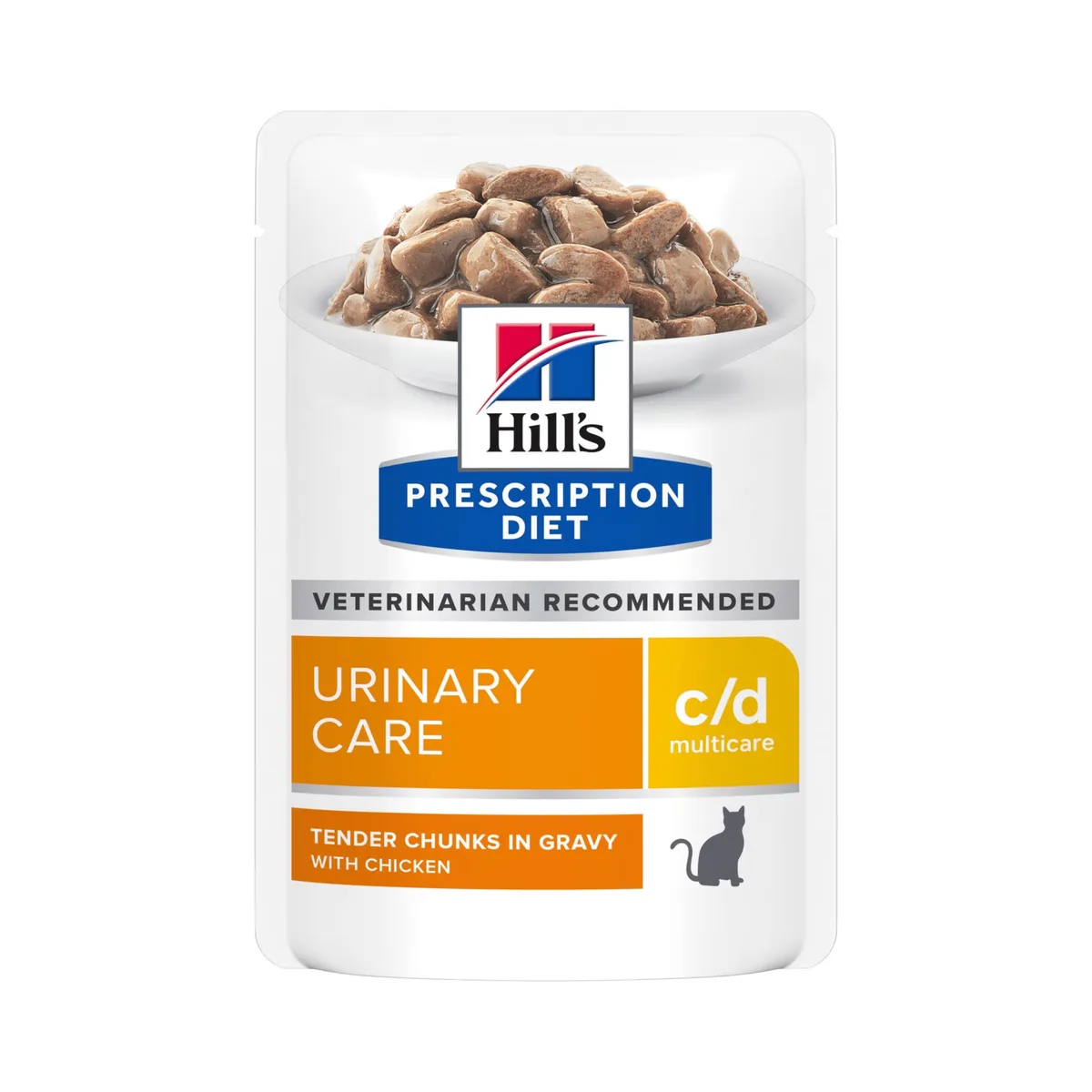
A prescription kidney diet from your vet is a better choice. Nutrition is not one-size-fits-all. It's a starting blueprint, not a final verdict.
Talk to your vet, adjust for your cat's specific bloodwork, and be willing to pivot based on what the numbers say.
The 80/10/10 Rule for Homemade Diets
If you're determined to make food yourself, the common ratio is 80 percent muscle meat, 10 percent skeletal bone, and 10 percent organ, of which half should be liver. That's an 80/10/10 blend. It sounds simple on paper, but the practical details are where people get lost.
The muscle meat needs to be protein-dense and not too lean. Bone needs to be ground to a safe size, chicken necks and wings chopped into manageable bits. The liver needs to come from a known source, not just whatever's on sale at the grocery store.
And you still must add taurine if any part of the bone is cooked, as heat destroys taurine and makes bones splinter. Most home raw feeders end up using a base mix plus a ground raw blend, and there's no shame in using a quality commercial raw patty as a supplement while you figure out the rest. The point isn't to be perfect.
The point is to feed something closer to what your cat's body expects.

Similar Posts