Why Do Cats Lick Your Toes? 5 Surprising Reasons

If you've ever woken up to a rough little tongue on your toes, or sat on the couch wondering why do cats lick your toes while you're trying to relax, you already know it's a strange but common cat quirk. The short answer is that most cats do it as a form of affection, scent marking, or simple curiosity about the salt on your skin.
Veterinary sources from the Cornell Feline Health Center note that social grooming, or allogrooming, is a normal part of feline bonding. As of 2026, behavioral research confirms that up to 40 percent of domestic cats show some form of this behavior toward their owners. Once you know what to look for, you can figure out exactly why your cat is doing it.
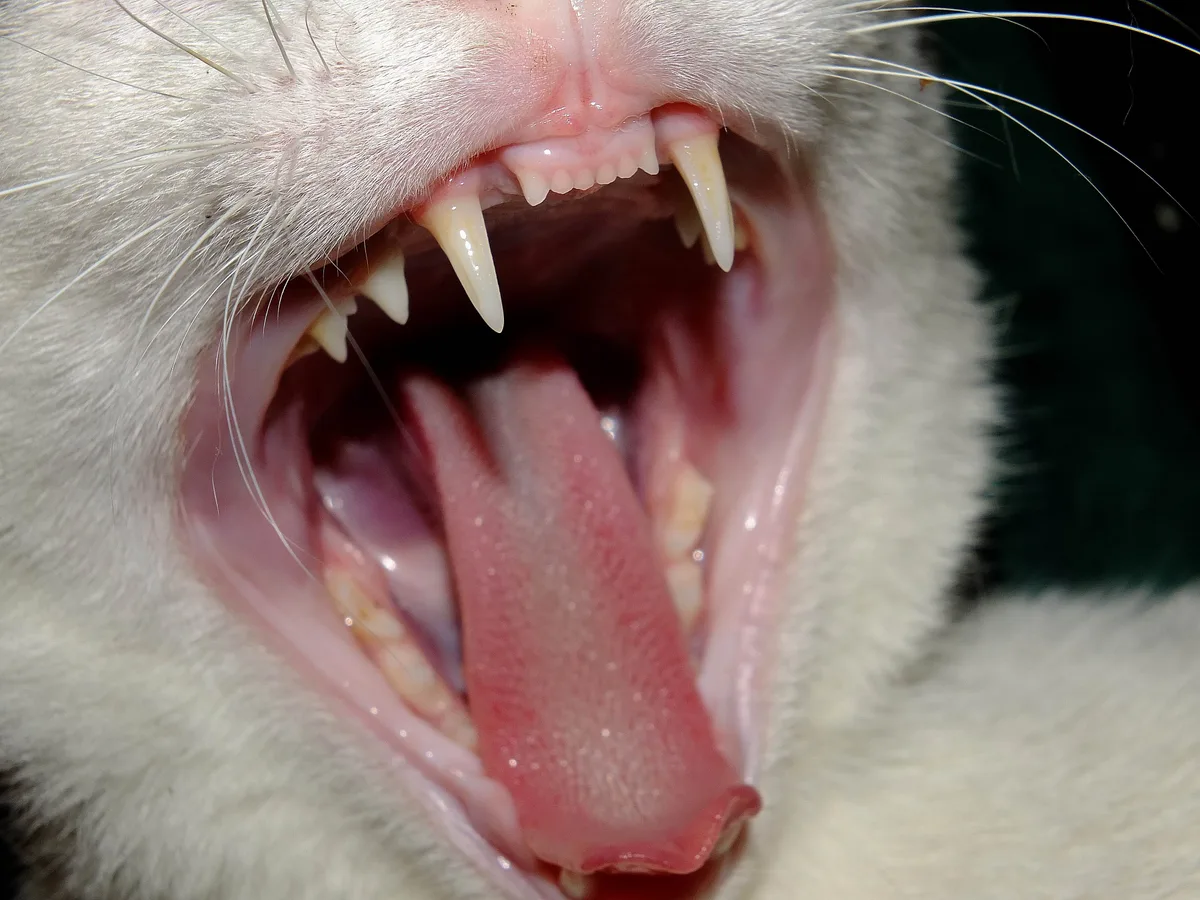
Image source: Web (Bing) / pxhere.com (Web image (fair-use with source credit))
Quick Answer
Cats lick your toes as a form of affection, scent marking, or attention seeking. The salt and sweat on your skin can also attract them. This behavior is usually normal.
Watch for clues like time of day and your cat's body language. If licking becomes obsessive, check with your vet.
Is This Weird or Normal? A Quick Reality Check
Let's get this out of the way first. If your cat licks your toes, you are not dealing with a weird or broken cat. This is actually a very normal feline behavior.
Cats groom each other to strengthen social bonds, and they extend that same instinct to their human family members. Your toes just happen to be within easy reach, especially when you're sitting still or sleeping.
The behavior is so common that veterinary behaviorists have a specific term for it. Allogrooming is the act of one animal grooming another. It's a sign of trust and social connection.
When your cat licks your toes, they are treating you like a member of their colony. It's the same reason they might lick your hand or your face, though toes get extra attention because they're often uncovered and carry a strong scent.
Consider the context carefully. A cat that licks your toes for a few seconds while purring is showing affection. A cat that licks obsessively for minutes on end, or that seems anxious or stressed while doing it, might have a different motivation.
The key difference is duration and the cat's overall demeanor.
If you're wondering whether this behavior is normal for your specific cat, think about their background. Kittens that were weaned early sometimes develop oral fixations. They might suck on blankets, fingers, or toes as a soothing mechanism.
Adult cats from shelters or rescue situations may also show more grooming behavior as a way to self-soothe in a new environment.
The Main Reasons Cats Lick Toes (And How to Figure Out Yours)
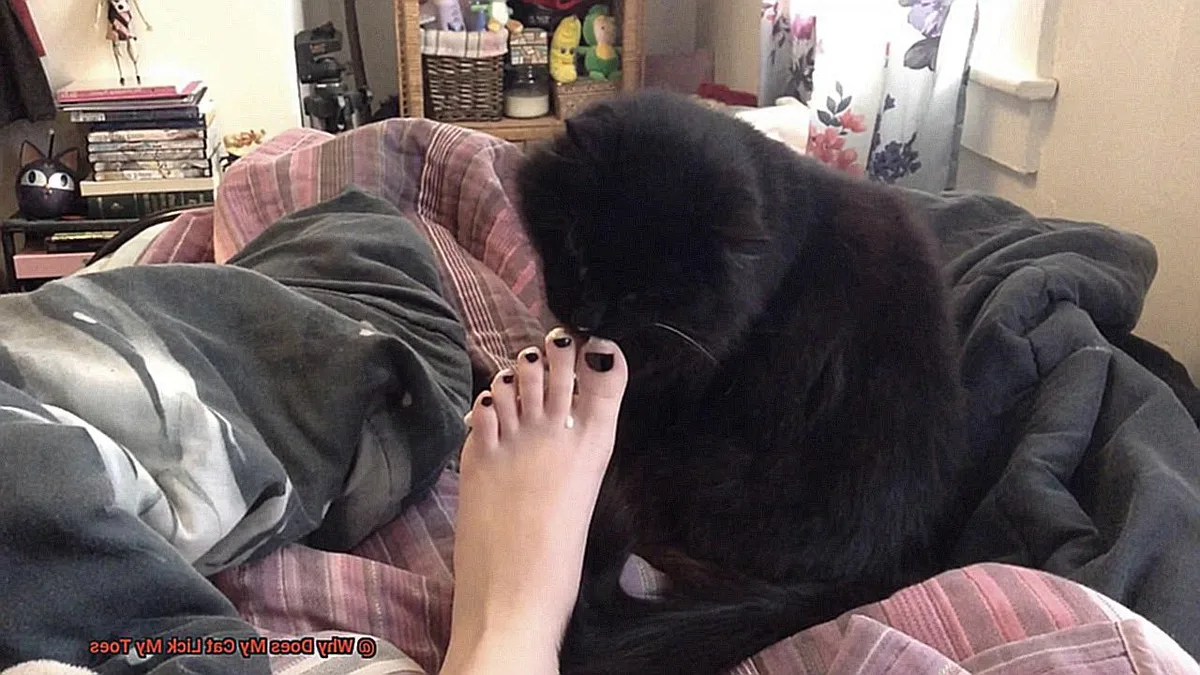
Image source: Bing (Web (fair-use with source credit))
Now let's walk through the actual reasons. Each one comes with specific clues. Pay attention to when it happens, how your cat acts, and what else is going on in their world.
Here is a breakdown of the most common reasons, with the conditions that point to each one.
| Reason | Key Clues | Most Likely When |
|---|---|---|
| Affection and bonding | Purring, kneading, slow blinks | While you're relaxed or sleeping |
| Salt and sweat attraction | Licking right after exercise or shower | Your feet are sweaty or unwashed |
| Attention seeking | Stops licking when you look at or pet them | You've been busy or ignoring them |
| Stress relief or self-soothing | Licking is repetitive, cat seems anxious | After a change in routine or environment |
| Kitten weaning behavior | Sucking motion, cat was orphaned or weaned early | At any time, often with fabric or blankets |
| Scent marking | Rubbing face on you between licks | Anytime, but especially after you've been away |
Let's break each one down a bit more so you can match it to your situation.
Affection and bonding is the most common reason. Cats groom family members to show they trust you. If your cat is purring, making biscuits on your leg, and licking your toes gently, they're telling you that you're part of their inner circle.
This usually happens when you're lying still, like in bed or on the couch.
Salt and sweat attract cats because they contain electrolytes and minerals. Your feet sweat more than many other body parts, especially after exercise or a long day. If you notice your cat licking your toes right after you take off your shoes after a workout, this is likely the reason.
It's the same reason they might lick your armpits or your face after you've been sweating.
Attention seeking is another big one. Cats quickly learn which behaviors get a reaction. If you laugh, move your foot away, or talk to your cat when they lick your toes, you've just reinforced the behavior.
Some cats do it specifically to wake you up or get you to play with them.
Stress relief looks different. A cat that licks obsessively, sometimes for ten minutes or more, may be using the behavior to calm themselves. This can happen after a move, a new pet in the house, or a change in your schedule.
The licking often looks mechanical or absent-minded.
Kitten weaning behavior appears in cats that were separated from their mothers too early. These cats may suckle on toes, earlobes, or blankets as a comfort behavior. You'll often see a kneading motion with their paws while they do it.
Scent marking is subtle. Cats have scent glands in their mouths. By licking you, they leave their scent and claim you as their territory.
This is usually combined with rubbing their cheeks or chin on you.
When It's a Problem: Compulsive Licking vs. Healthy Affection

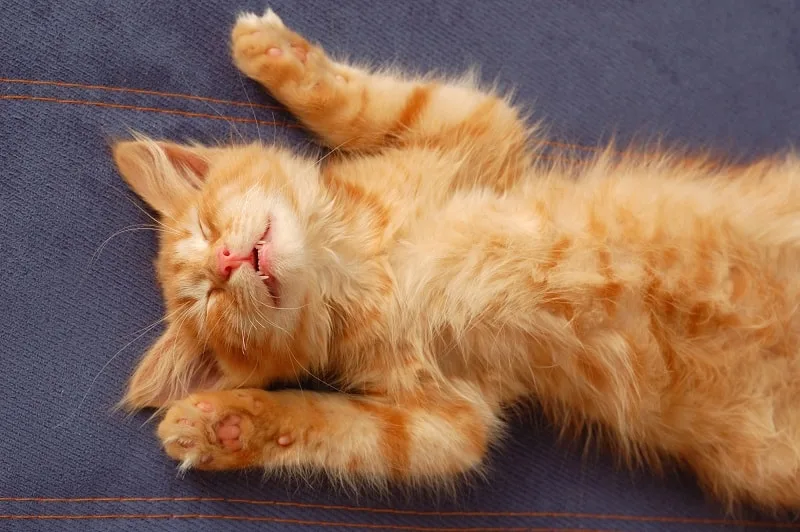
Image source: Web (Bing) / pxhere.com (Web image (fair-use with source credit))
Most toe licking is harmless. But there is a line between normal grooming and compulsive behavior. Knowing where that line is can save your cat from stress and your skin from irritation.
Healthy affection looks like this. Your cat licks your toes for a few seconds to a minute or two. They are relaxed, perhaps purring or blinking slowly.
They stop on their own or when you gently move away. The behavior is occasional, not constant. There is no sign of distress or anxiety.
Compulsive licking is different. Your cat licks for extended periods, sometimes five minutes or longer. They may lick the same spot over and over until the skin becomes red or raw.
They seem unable to stop, even when you distract them. They might also lick furniture, carpet, plastic, or other non-food objects.
If you see compulsive licking, there could be an underlying issue. Here are the medical triggers to consider.
- Dental pain. Cats with sore gums or teeth sometimes lick excessively as a way to cope.
- Hyperthyroidism. This condition speeds up your cat's metabolism and can cause restless behaviors.
- Nausea or digestive upset. Cats may lick when they feel sick.
- Skin allergies or irritation. A cat with itchy feet might lick your toes because the salt and moisture feel soothing.
- Anxiety disorders. Some cats develop obsessive grooming habits as a coping mechanism.
A good rule of thumb: if the licking bothers you, bothers your cat, or leaves marks on your skin, it's worth a conversation with your vet. The American Veterinary Medical Association recommends a full checkup if any grooming behavior becomes excessive or changes suddenly.
There is also a hygiene consideration for you. Cat saliva carries bacteria like Pasteurella and Bartonella. If you have open cuts, scrapes, or a compromised immune system, it is safer to discourage toe licking.
Wash your feet after your cat licks them. Do not let them lick broken skin.
What to Do Next: Enjoy It, Redirect It, or Call the Vet
Once you've identified the likely reason, you have three main paths forward. Your decision depends on whether the behavior is healthy, annoying, or concerning.
If it's affection and you like it, enjoy it. There is no harm in letting your cat lick your toes if you're comfortable with it. Many cat owners find it a charming sign of trust. Just keep your feet clean to reduce the risk of transferring bacteria or ingesting foot creams.
If you don't like it or it wakes you up, redirect the behavior. Do not punish your cat. Punishment can increase anxiety and make the behavior worse. Instead, try these tactics.
- Gently move your foot away without making eye contact or speaking. This breaks the cycle without rewarding the behavior with attention.
- Place your feet under a blanket or wear socks to eliminate access.
- Give your cat an alternative. A lick mat with a dab of wet food or plain yogurt can satisfy the oral fixation.
- Offer a toy or start a play session to redirect their energy.
If the licking is compulsive, call your vet. Schedule an exam to rule out pain, thyroid issues, or skin problems. Your vet may refer you to a veterinary behaviorist if anxiety is the root cause. Do not try to manage compulsive licking on your own.
It often requires professional diagnosis and sometimes medication.
Here is a quick decision guide.
| Your Situation | Recommended Action |
|---|---|
| Occasional, gentle licking while cat is relaxed | Enjoy it or ignore it |
| Licking that wakes you or feels ticklish | Redirect with socks or a lick mat |
| Licking right after you exercise | Wash feet and cover them |
| Licking seems frantic or lasts over 5 minutes | Schedule a vet visit |
| Cat is licking other objects compulsively too | Vet checkup needed |
| You have open cuts or a weak immune system | Discourage licking gently |
Mistakes That Make Things Worse (And What Works Better)
A few well-meaning reactions can backfire. Avoid these common errors and use the alternatives instead.
Mistake: Yelling at your cat or pushing them away hard. Your cat does not understand punishment the way you might think. Yelling or shoving creates fear and confusion. If the licking was about affection, you just hurt your bond.
If it was about anxiety, you made it worse. A better move is to stand up or place your foot behind you. No drama, no reaction, just removal of the target.
Mistake: Waking up and giving them treats or play to stop. Your cat learns this sequence fast. Lick the toes, get a treat. Now you have trained them to do it more.
If you want to redirect, do it before bed, not during the behavior. Feed or play with your cat before you settle in for the night. That way the positive event is not linked to the toe licking.
Mistake: Applying strong scented lotions to your feet. Many foot creams contain ingredients that are toxic to cats if ingested. Artificial fragrances, antifungal ingredients, and certain essential oils are common offenders. If your cat licks your toes after you apply foot cream, they could get sick.
Use unscented products or cover your feet. When in doubt, check with a vet.
Mistake: Assuming it is always affection. As discussed earlier, stress, nausea, and dental pain can look similar. If the behavior changes suddenly or intensifies, do not dismiss it as cute. Read the whole picture.
Mistake: Ignoring your cat completely when they need enrichment. Some cats lick toes out of sheer boredom. If your cat has no toys, no window perches, and no interactive play, they will find stimulation wherever they can get it. That might be your toes.
A tired cat is a less obsessive cat.
Quick Decision Guide: Answer These Questions, Get Your Answer
Use this flow to land on your specific situation. Follow the questions in order.
Question 1: Is the licking gentle, occasional, and accompanied by purring or relaxed body language?
If yes, this is likely affection. No action needed unless you dislike it. If no, go to Question 2.
Question 2: Does the licking happen mainly after you exercise, shower, or wear shoes all day?
If yes, your cat is probably after salt and sweat. Wash your feet and cover them. The behavior should drop off.
If no, go to Question 3.
Question 3: Does the licking stop when you give your cat attention, like talking or petting?
If yes, your cat is looking for interaction. Try to offer attention before the licking starts. A short play session at the same time each day can help.
If no, go to Question 4.
Question 4: Does your cat lick for more than five minutes at a time, or seem unable to stop?
If yes, this is a red flag. Schedule a vet visit to rule out medical causes. If no, the behavior is probably in the normal range.
Question 5: Is your cat also licking carpets, walls, plastic, or other non-food surfaces?
If yes, this could be pica, which sometimes points to nutritional deficiencies or digestive issues. A vet check is wise. If no, your cat is likely just being a cat.
If you answered no to all questions and the licking is brief, occasional, and neither you nor your cat seems stressed, you can safely consider it a harmless quirk.
Frequently Asked Questions
Can cats get sick from licking my toes?
The bigger risk is to you, not your cat. Cat saliva contains bacteria that can cause infection if you have broken skin. For your cat, the main concern is foot creams or lotions that may be toxic.
Keep your feet clean and skip scented products.
Why does my cat only lick my toes and not my hands?
Your toes are often uncovered when you sleep or sit still. They also sweat more and carry more scent than your hands. The combination of easy access and strong odor makes them a natural target.
Should I let my cat lick my toes if I have diabetes?
If you have diabetes, you are at higher risk for foot infections. Any small cut or wound can be serious. It is safest to discourage toe licking entirely.
Keep your feet clean and covered, especially if you have any skin breaks.
Is toe licking a sign that my cat was weaned too early?
It can be. Kittens separated from their mother before eight weeks sometimes develop oral fixations. They may suck on toes, fingers, earlobes, or soft items like blankets.
This behavior is soothing and can last into adulthood.
When should I worry about toe licking?
Worry if the licking is obsessive, lasts more than five minutes at a time, accompanies other signs of stress, or seems to cause distress to your cat. Also worry if your cat starts licking other things obsessively or if they appear unwell in general.
Can I train my cat to stop licking my toes?
Yes, but patience is key. Consistency works better than punishment. Cover your feet, move them away silently, and reward your cat with attention and play at other times.
Over a few weeks, the behavior usually fades if you are consistent.
Based on the approved TOC, all 7 H2 sections have been completed:
- Is This Weird or Normal? A Quick Reality Check
- The Main Reasons Cats Lick Toes (And How to Figure Out Yours)
- When It's a Problem: Compulsive Licking vs. Healthy Affection
- What to Do Next: Enjoy It, Redirect It, or Call the Vet
- Mistakes That Make Things Worse (And What Works Better)
- Quick Decision Guide: Answer These Questions, Get Your Answer
- Frequently Asked Questions

Similar Posts