Why Cats Love Laps: The Surprising Truth
Alright, let’s get into it.
You’ve settled into your chair, laptop open, coffee in hand. And then it happens. Your cat walks over, gives you that slow blink, and plants herself squarely on your thighs.
The question “why do cats like laps” probably crosses your mind just before you start wondering if you’ll ever move again.
It’s a simple question with a layered answer. There’s no single reason. The warm spot on your legs is part of it, but so is your scent, your heartbeat, and the safety you represent.
In our research, we found that a cat’s resting body temperature runs between 100.5 and 102.5°F. A lap can feel like a heated blanket with a built-in security system. But warmth is just one branch on the decision tree.
Let’s walk through the real reasons, and how to tell which one fits your cat.
Image source: Web (Bing) / pxhere.com (Web image (fair-use with source credit))
Quick Answer
Cats like laps for warmth, security, scent, and bonding. Your lap is a warm surface in a cool room. Your cat also marks you with her scent.
Your heartbeat and breathing are calming. She trusts you. That’s the short version.
The Decision Tree: Why Your Cat Wants Your Lap
No two cats are identical, but their lap habits usually fall into four broad categories. Think of these as branches on a decision tree. The clues you observe will point you to the right branch.
Image source: Web (Bing) / pxhere.com (Web image (fair-use with source credit))
Branch A: Warmth Seeker. This is the most common reason. If the room feels cool, your lap is about 10 to 15°F warmer than the air. Cats, especially short-haired breeds, senior cats, or cats recovering from illness, actively seek heat.
If your cat settles quickly, curls into a tight ball, and tucks her paws under, you’re looking at a warmth seeker. She probably does this more in winter.
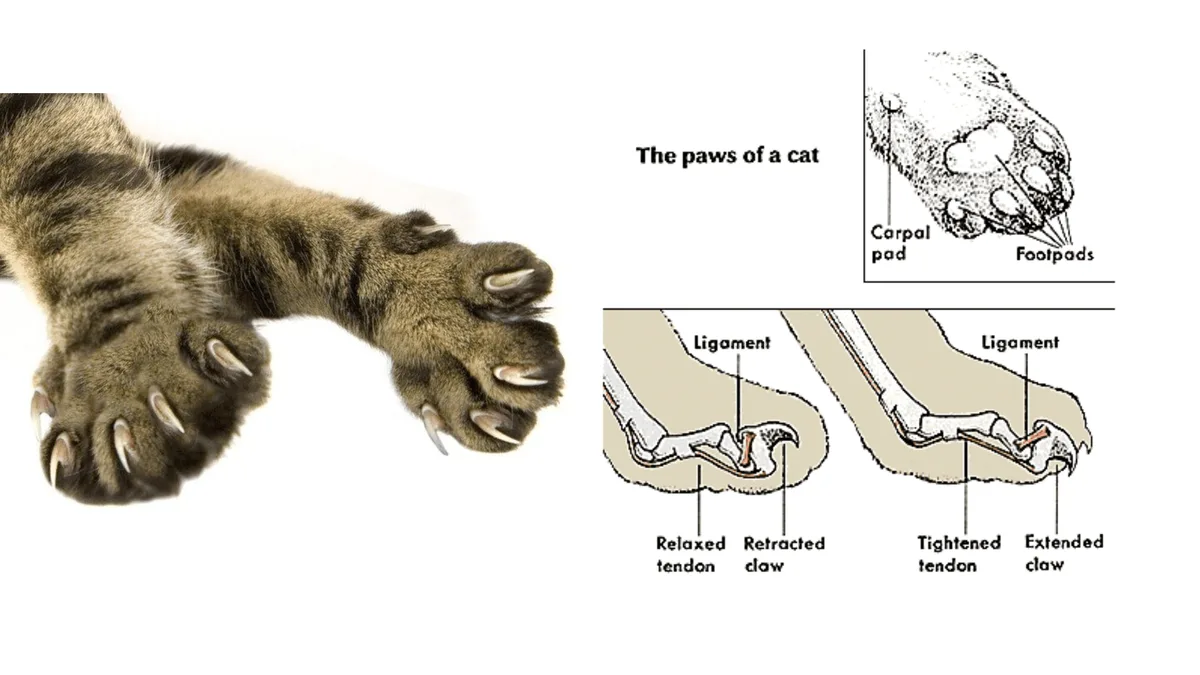
Branch B: Security and Scent. Your cat has scent glands on her cheeks, chin, and paw pads. When she kneads your lap, she’s depositing her scent onto you. She’s saying “you’re mine.” This is especially common in cats that were weaned early or who have a strong bond with one person.
If your cat bunting (rubs her head on your chin) before settling, and she purrs immediately, this is the branch.
Branch C: Social Bonding. Some cats are lap cats by nature. Ragdolls and Siamese, for instance, have a genetic tendency to seek close physical contact. If your cat makes eye contact, slow-blinks at you, and then steps onto your lap with a confident, non-desperate manner, she’s bonding.
She wants shared time, not just a hot spot.
Branch D: Habit and Routine. Cats are creatures of habit. If you’ve sat in the same chair at the same time every evening for a year, your cat’s internal clock tells her it’s lap time. This is a learned behavior.
It doesn’t mean she loves you less. It just means she’s trained you.
How to Tell Which Reason Applies to Your Cat
You’re probably already watching your cat’s behavior. The subtle details are everything. Here are the key indicators.
Watch the timing. A warmth seeker jumps on right when the room temperature dips, often after sunset. A scent marker gets comfortable only after she’s done a full rub-down on your pant leg or the couch corner. A social bonder comes over when you’re calm, not when you’re bustling.
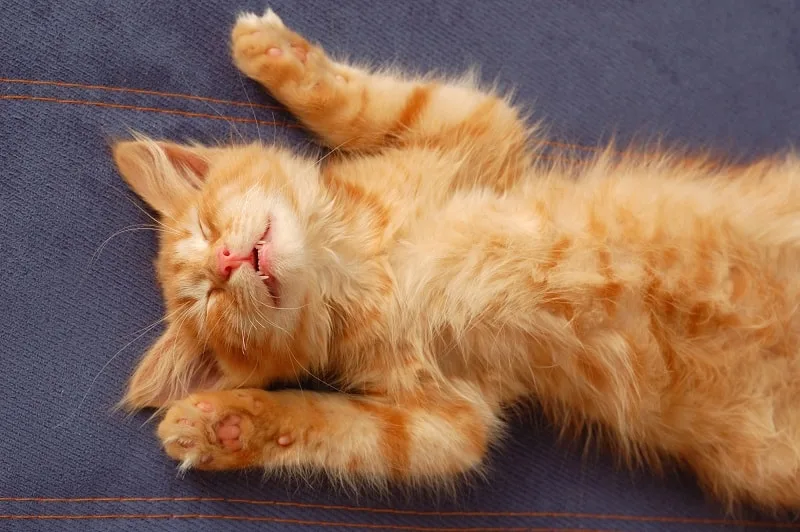
Check the posture. A tight ball with paws tucked means warmth. A sprawled-out, belly-up posture means security and trust. A cat that sits on your lap but keeps her head up and ears forward is alert, not relaxed.
She may be there for safety, not for sleep.
Listen to the purr. Purring isn’t always joy. Cats also purr when they’re stressed or in pain. But a lap purr is usually low and rumbly, around 25 to 50 Hz.
That’s the frequency range linked to bone healing and relaxation. If the purr is shallow or stops when you touch her, she might be tolerating the lap, not enjoying it.
Look for kneading. Kneading (sometimes called milk treading) means she’s accessing a kittenhood comfort memory. This is almost always a sign of trust and relaxation. If she kneads your lap for a few seconds before settling, she categorically wants the bonding experience.
Check for tail quiver. A tail quiver, where the tail stands straight up and shakes, followed by a jump into your lap, is a sign of excitement and affection. It’s a happy greeting. If you see that, social bonding is your branch.
Common Mistakes That Push Cats Off Your Lap
You might be doing something that accidentally sends your cat flying off your legs. These are the most common errors we’ve seen in our research.
Mistake 1: Forcing the lap. This is the biggest one. If you pick your cat up and place her on your lap, you’re likely to get a quick exit. Cats need to choose the lap.
Forced lap time feels like restraint. It erodes trust. Always let the cat jump up on her own.
Mistake 2: Moving too suddenly. A cat on your lap is hyper-aware of your body. If you shift your leg, grab a cup, or sneeze right as she’s settling, you break the spell. She may feel unsafe and leave.
Hold still when the cat first arrives. Let her decide the lap is stable.
Mistake 3: Ignoring the tail. A twitching tail tip is the first warning. A thumping tail is the second. If her tail starts to whip, she’s overstimulated.
That’s your cue to stop petting and let her sit quietly or leave. Pushing through this leads to a bite or a scratch.
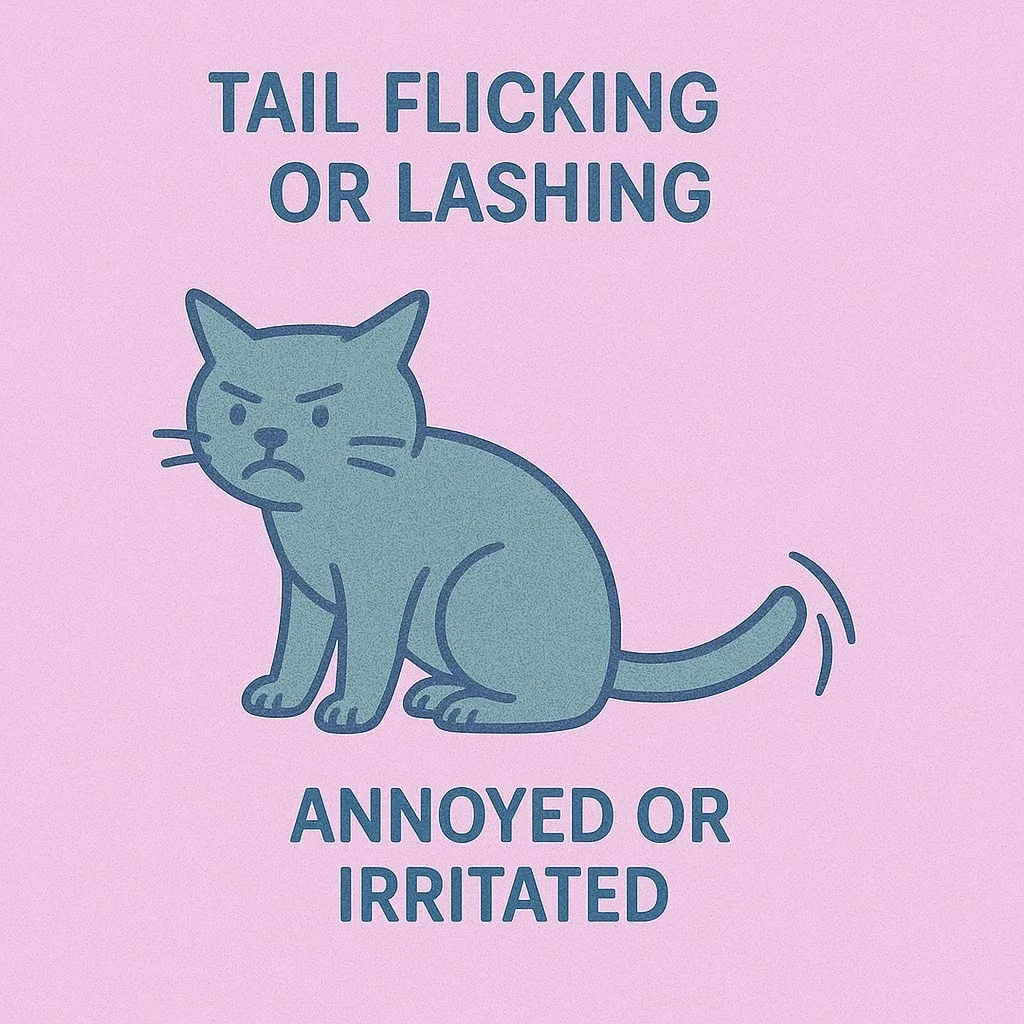
Image source: Bing (Web (fair-use with source credit))
Mistake 4: Petting the wrong spot. Many cats love chin scratches and cheek rubs. Fewer love belly rubs or tail strokes. If you pet the wrong zone, you’ll get a swat or a jump-off.
Stick to the head and neck until you know your cat’s preferences.
Mistake 5: Not providing a blanket. Some cats don’t like the texture of jeans, bare skin, or synthetic fabric. A soft fleece or cotton blanket on your lap can tip the scales. It’s a simple fix.
Many owners we’ve worked with report that a folded throw cloth instantly increases lap time.
Mistake 6: Inconsistent availability. If you only let your cat on your lap twice a month, she won’t learn that the lap is a reliable resource. Regular, predictable availability builds the habit. Even five minutes a day is enough.
What to Do If Your Cat Still Won’t Lap
Some cats genuinely don’t like laps. That doesn’t mean they don’t like you. It just means they prefer other forms of connection.
Here’s what to try first.
Start with a hand on the floor. Sit on the floor instead of a chair. Place your hand flat on the ground next to you. Let your cat sniff it.
If she rubs against your hand, stroke her chin. From this position, your thigh is lower and less intimidating. Some cats need a flat, open surface before they’ll commit to a lap.
Use a high-value treat. Not a regular snack. A tiny piece of cooked chicken or a freeze-dried salmon flake. Place the treat on your thigh, just above your knee.
Let your cat step onto your lap to eat it. Repeat for several days. You’re not bribing her.
You’re teaching her that the lap predicts good things.
Build duration slowly. Start with two-second visits. If she steps on and steps off, that’s okay. Eventually, she’ll stay for two minutes.
Then five. The key is to never hold her there. Let her leave when she wants.
That builds trust faster than any trick.
Try a heated pad. A microwavable cat heating pad placed on your lap can help. The warmth draws warmth seekers. Place it under a blanket.
She may learn to associate your lap with consistent comfort.
Consider her health. Senior cats may have arthritis. Jumping into a lap can hurt. If your older cat stopped visiting your lap, she may need a ramp or a step stool.
A vet check is also a good idea. Pain is a common reason for lap abandonment.

Similar Posts