Why Do Cats Prefer Moving Water? The Surprising Reason
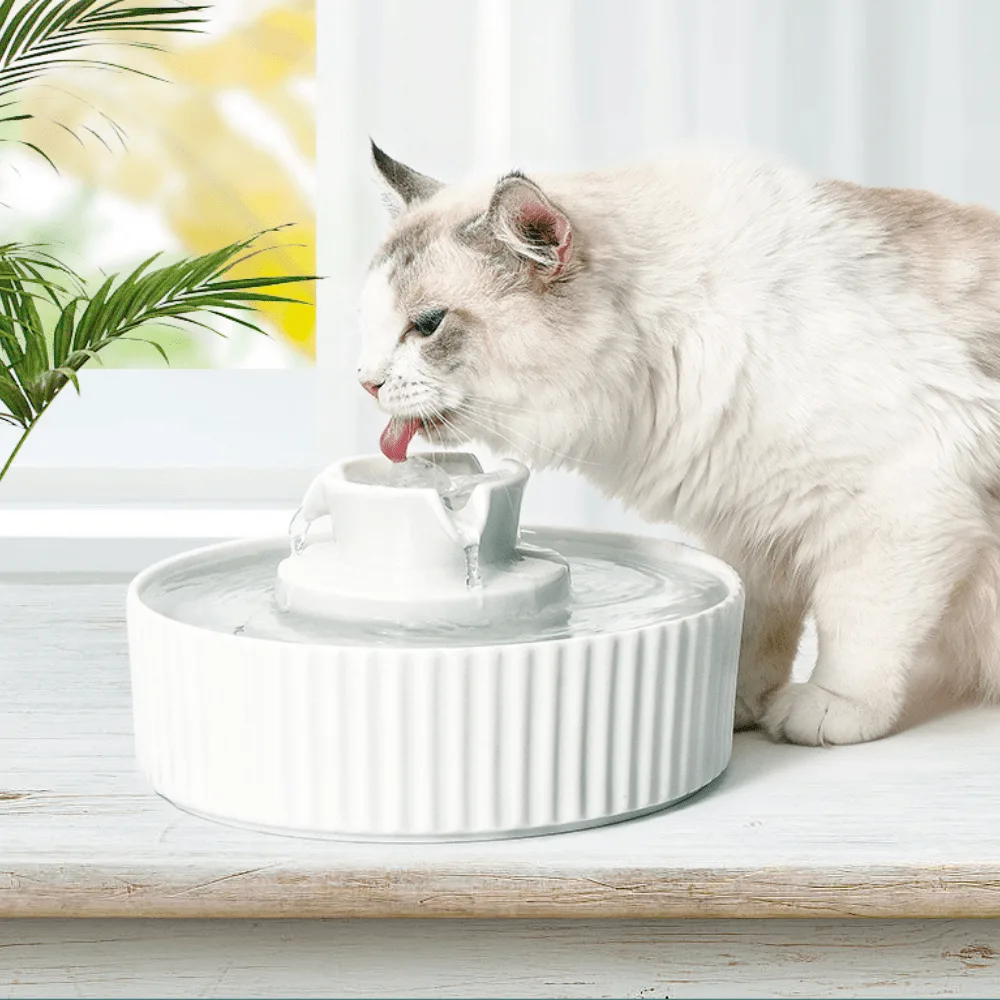
Have you ever watched your cat ignore a full bowl of water only to sprint into the bathroom the second you turn on the faucet? The question of why do cats like moving water has a straightforward answer rooted in biology and survival instinct. It is not pickiness or spite.
It is ancient wiring telling your cat that still water might be dangerous.
Research from the Journal of Feline Medicine and Surgery confirms that domestic cats retain a strong preference for fresh, moving water over stagnant sources. In the wild, standing water harbors bacteria, algae, and parasites. Your cat's brain still operates as if every bowl could be an unsafe puddle.
Understanding this instinct is the first step toward solving a much bigger problem.
Quick Answer
Cats evolved as desert hunters. Moving water tastes fresher and cooler. Still water can grow harmful bacteria.
Moving water also triggers your cat's prey drive. It sounds and looks like something alive.
Image source: Web (Bing) / modernpet.com.au (Web image (fair-use with source credit))
The Real Problem: Your Cat Isnt Drinking Enough
Cats are notoriously bad at drinking enough water on their own. Their bodies evolved to get most of their moisture from prey. A mouse is about 70 percent water.
Dry kibble is only about 10 percent. This mismatch creates a chronic hydration deficit for many indoor cats.
The numbers are sobering. Per veterinary guidelines from the AVMA, a healthy 10-pound cat needs roughly 200 milliliters of water per day. That is about one cup.
Most cats on a dry food diet do not come close to that amount.
Chronic dehydration puts stress on the kidneys and urinary tract. Feline Lower Urinary Tract Disease (FLUTD) and chronic kidney disease are two of the most common health problems in older cats. Both are directly linked to insufficient water intake.
If your cat turns up her nose at a bowl of still water, she is not being difficult. She is telling you the water does not seem safe or appealing. And she may end up dehydrated as a result.
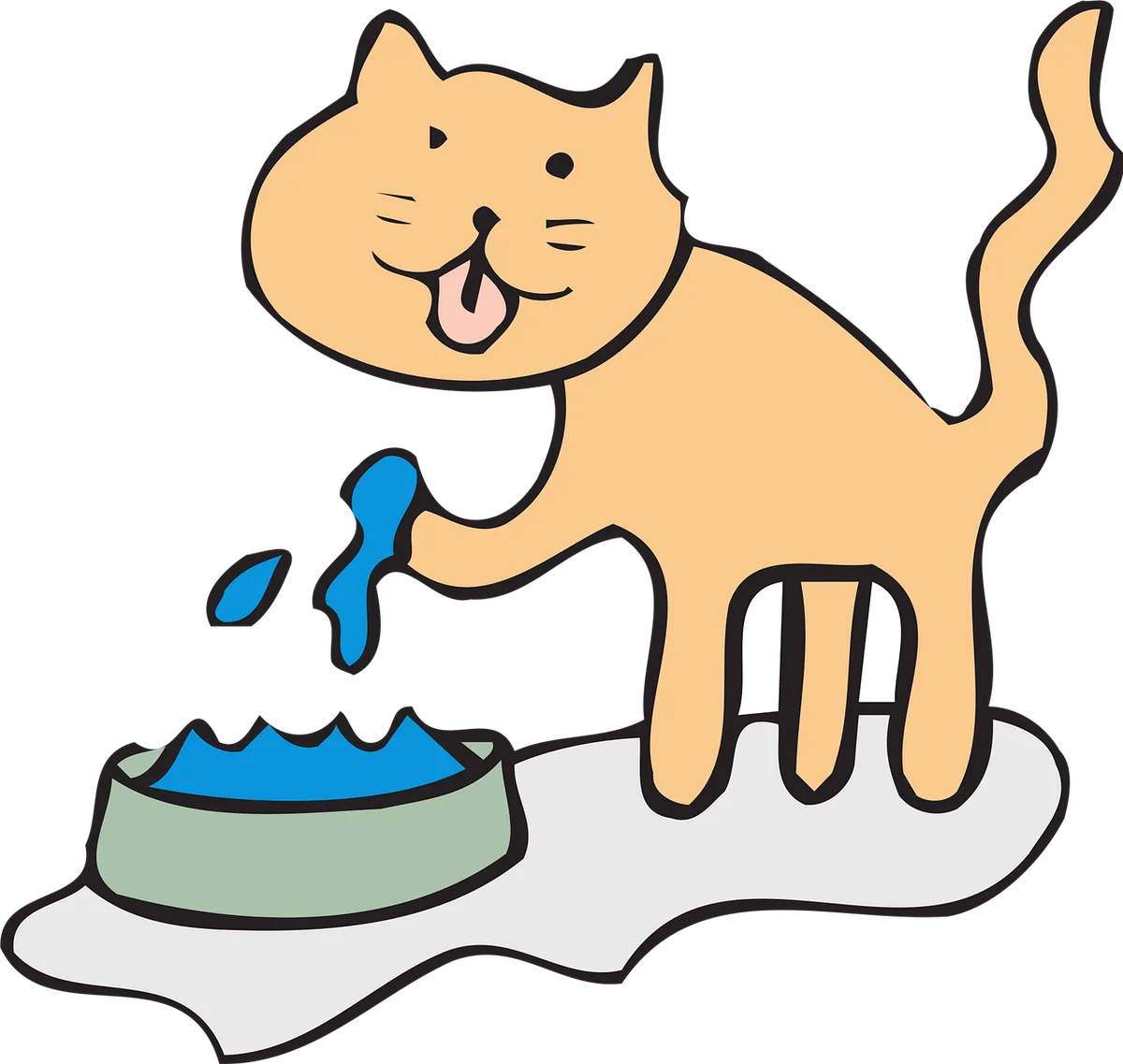
Image source: Web (Bing) / ar.inspiredpencil.com (Web image (fair-use with source credit))
The Biology Behind the Preference
The real answer to why cats like moving water comes down to three biological drivers: survival instinct, sensory biology, and prey drive.
Survival instinct is the biggest one. In the wild, still water sources are more likely to contain bacteria, parasites, and algae. Moving water is usually fresher and cooler.
Cats learned this over thousands of generations.
There is also the whisker factor. Cats have highly sensitive whiskers that detect vibrations and pressure. When they drink from a narrow bowl, their whiskers brush against the sides.
This is uncomfortable, and some cats find it downright painful. A fountain or running faucet lets them drink without that contact.
Sound and sight also play a role. Moving water glints and sparkles. It makes a distinctive sound.
Both of those signals trigger your cat's prey drive. The water looks and sounds like something alive, which naturally draws their attention.
Temperature matters too. Moving water stays cooler than water sitting in a bowl at room temperature. Cats prefer cool water to lukewarm water.
A fountain recirculates the water, keeping it several degrees cooler throughout the day.
Real Data: How Much More Do Cats Actually Drink
Veterinary researchers have given us hard numbers on this question. One study from a university feline health center observed cats given access to a circulating water fountain versus a standard bowl. The result was clear.
Cats with access to moving water increased their daily intake by roughly 50 to 70 percent. That is the difference between borderline dehydration and healthy hydration.
| Water Source | Average Daily Intake (10-lb cat) | Dehydration Risk |
|---|---|---|
| Still bowl only | 80 to 120 ml | High |
| With fountain | 150 to 200 ml | Low |
| With dripping faucet | 130 to 180 ml | Moderate |
The fountain group consistently showed higher urine output and more dilute urine. Both are signs of better kidney function and lower risk of crystal formation.
It is not just about volume. The cats at the fountain also drank more frequently throughout the day. Cats are nibble drinkers.
They prefer small amounts many times instead of one big gulp. A constant supply of moving water encourages that pattern.
The Fountain Effect: Features That Actually Matter
Not all cat water fountains work equally well. Some designs appeal to cats more than others. Based on aggregate reviews and veterinary recommendations, here is what matters.
Flow type matters a lot. Cats tend to prefer a gentle stream or a bubbling top over a strong spray. A cascading waterfall design mimics natural moving water without startling the cat.
Material matters for hygiene and preference. Stainless steel and ceramic fountains resist bacterial growth better than plastic. Plastic fountains can also cause chin acne in some cats.
Filter quality matters. A good fountain uses a multi-stage filter with activated charcoal to remove odors and taste. Cats have a keen sense of smell.
If the water smells like chlorine or minerals, they may avoid it.
Noise level matters as of 2026. A loud pump scares some cats away from the fountain entirely. Look for fountains with submersible pumps rated around 25 to 40 decibels.
Capacity matters for multi-cat households. A fountain that runs dry halfway through the day creates more problems than it solves. Look for at least 60 ounces of capacity for two or more cats.
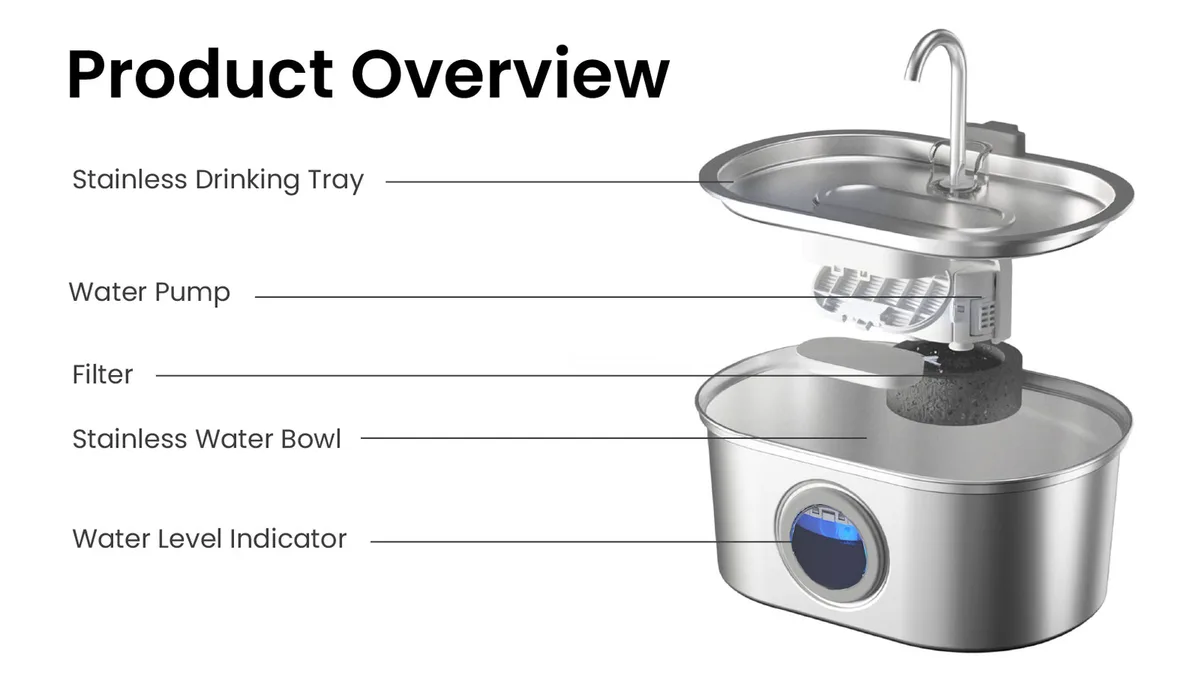
Image source: Bing (Web (fair-use with source credit))
Some cats also prefer a specific water temperature. Most fountains keep water cooler than a bowl sitting at room temperature, but adding a single ice cube on hot days can further encourage drinking.
One more overlooked feature: the drinking surface itself. Wide, shallow reservoirs allow cats to drink without their whiskers touching anything. Narrow streams or deep basins defeat the purpose for a whisker-sensitive cat.
How to Hook Your Cat on Running Water (Step by Step)
Switching from a bowl to a fountain does not always go smoothly. Some cats get it instantly. Others need a gradual introduction.
Start by placing the fountain next to the existing bowl. Do not remove the bowl yet. Let your cat investigate the fountain on her own terms.
Run it on a low setting first.
Dip your finger in the stream and let her lick it off. Show her where the water comes from. Most cats get curious within a day or two.
Once she drinks from the fountain regularly, remove the old bowl. Offer only the fountain. Keep the fountain full and clean.
If your cat still refuses, try a different flow type. Some cats prefer a bubbling top. Others like a single stream.
The water source design matters more than the brand.
Placement matters too. Keep the fountain away from the litter box. Cats dislike drinking near where they eliminate.
Keep it away from loud appliances. A quiet corner works best.
Use filtered water if your tap water has a strong chlorine smell. Some cats are extremely sensitive to taste and odor. A carbon filter removes most of that.
Mistakes That Backfire (and How to Avoid Them)
The biggest mistake cat owners make is not cleaning the fountain often enough. A dirty fountain grows biofilm, slime, and bacteria. That defeats the whole purpose of moving water.
Clean your fountain every one to two weeks. Disassemble it completely. Wash each part with hot water and mild dish soap.
Rinse thoroughly. Scrub the pump with a small brush to remove debris.
Replace the filter on schedule. Most filters need changing every two to four weeks. A clogged filter reduces flow and can cause the pump to burn out.
Do not use scented additives or vitamin supplements in the water. Cats have sensitive noses. Artificial smells can turn them off drinking entirely.
Just use plain, clean water.
Do not place the fountain in direct sunlight. Algae grows faster in warm, bright conditions. That means more cleaning and less palatable water for your cat.
Do not buy a fountain that is too small for your cat. A tiny fountain runs out of water quickly. The pump runs dry and fails.
Your cat gets frustrated and goes back to ignoring water.
Watch for signs your cat still dislikes the fountain. Pawing at the water, tipping it over, or refusing to drink near it means something is wrong. Try a different design or material.
Frequently Asked Questions
Why does my cat only drink from the faucet?
Your cat has learned that faucet water is fresh, cool, and moving. It also lets her drink without her whiskers touching anything. Provide a fountain that mimics that experience, and she will likely switch.
Is moving water actually healthier for cats?
Yes. Moving water encourages higher daily intake, which reduces the risk of kidney disease, urinary crystals, and dehydration. It also stays cooler and contains more dissolved oxygen than still water.
How often should I change the water in a cat fountain?
Change the water completely every two to three days. Top it off daily to keep the pump submerged. Replace the filter every two to four weeks depending on water hardness and usage.
Can I use tap water in a cat fountain?
Tap water is fine as of 2026 for most cats. If your tap water has a strong chlorine or metallic taste, run it through a filter pitcher first. Some cats are very sensitive to taste.
Why does my cat not drink from the fountain I bought?
Your cat may dislike the flow type, the noise, the material, or the placement. Try switching to a quieter pump. Move the fountain away from the litter box.
Offer a different flow pattern. Some cats need a week or two to adjust.
Do all cats prefer moving water?
No. Some cats are perfectly happy with a wide, shallow bowl of fresh water changed daily. But research from the Cornell Feline Health Center shows that a majority of cats do drink more when offered moving water.
It is worth trying even if your current setup seems fine.
When Running Water Really Matters Most
Not every cat needs a fountain. But for certain cats, moving water is not just a preference. It is a health intervention.
Cats with a history of urinary crystals or bladder stones need high water intake. The Cornell Feline Health Center notes that diluted urine reduces crystal formation risk significantly.
Senior cats over ten years old are another high priority group. Kidney function naturally declines with age. Encouraging drinking with a fountain can slow disease progression.
Cats on an all dry food diet also benefit tremendously. Dry kibble contains about 10 percent moisture. Canned food contains about 78 percent.
If you cannot switch to wet food, a fountain becomes essential.
Multi cat households with resource guarding issues also see improvements. A fountain provides a separate, constant water source that reduces competition.
Watch for these warning signs that your cat needs more water. Lethargy, sunken eyes, dry gums, and reduced skin elasticity all signal dehydration. A fountain can reverse that trend.
The Real Cost of Cat Water Fountains
Cat water fountains range from about 20 to 60 dollars for the unit itself. That initial purchase is often less than one veterinary visit for a urinary blockage.
Ongoing costs include replacement filters. Most brands recommend changing the filter every two to four weeks. Filter packs cost roughly 5 to 10 dollars per refill.
Electricity costs are negligible. A typical fountain pump draws 2 to 5 watts. Running it 24 hours a day adds less than two dollars to your monthly electric bill.
The hidden cost is maintenance time. Cleaning a fountain thoroughly takes about ten minutes per week. Replacing filters adds another five minutes every few weeks.
Compare that to the cost of treating kidney disease or urinary blockages. A single emergency vet visit for a blocked cat can run 1,500 to 3,000 dollars. The math on a fountain is clear.
How to Know the Fountain Is Working
You will see the results in a few days. Cats that start drinking from a fountain produce larger, more frequent urine clumps in the litter box. That is a direct sign of better hydration.
Your cat may also visit the fountain multiple times per day. Watch for this behavior. It means the fountain is meeting her needs.
Coat condition improves with proper hydration. A well hydrated cat has softer, shinier fur. Dry, brittle fur can be a sign of chronic dehydration.
Energy levels may increase too. Dehydration makes cats sluggish. Once they get enough water, they move more and play more.
If you see none of these changes after two weeks, reassess. Your cat may not like the fountain design, the placement, or the noise. Try a different flow type or a quieter pump before giving up.
Track the litter box changes. More clumps mean more water intake. That is the simplest metric for success.

Similar Posts