Why Cats Pee on Bathroom Rugs (And How to Stop It)
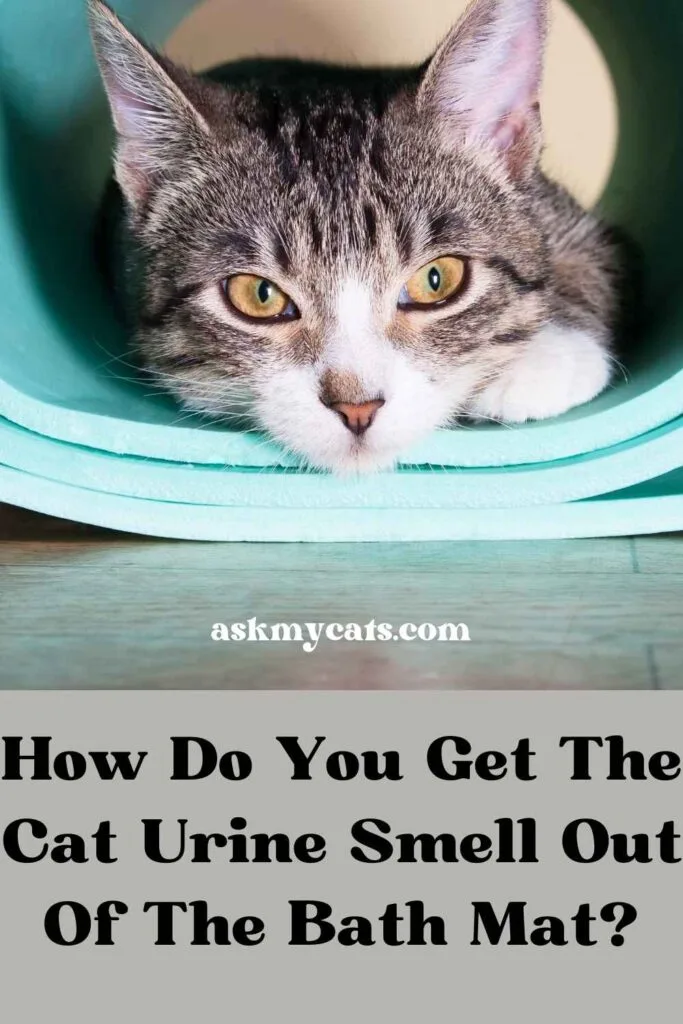
If you've ever stepped out of the shower onto a wet, smelly bathroom rug, you already know how maddening this problem is. You've likely asked yourself why do cats pee on bathroom rugs when the litter box is right there and perfectly clean. The honest answer is rarely spite or laziness.
It's almost always a medical issue your cat can't control or a stress response that makes that rug feel like the safest spot in the house.
What most owners don't realize is that in cats under 10 years old, fewer than 3% of lower urinary tract issues are caused by a simple bacterial infection. Most cases involve feline idiopathic cystitis (FIC), bladder crystals, or stress-driven inflammation that antibiotics alone won't touch. That's why the first step is a vet visit, not a new litter box.
Let's walk through what's really happening and how to fix it.
Quick Answer
Cats pee on bathroom rugs due to medical issues or stress. The soft, absorbent rug holds their scent. Bathroom rugs are private and quiet.
A vet visit must come first. Never assume it's just bad behavior.
Image source: Bing (Web (fair-use with source credit))
Why Bathroom Rugs Are a Prime Target
Bathroom rugs have a nasty combo of features that make them irresistible to a stressed or uncomfortable cat. First, the texture. Most bathroom rugs are plush, soft, and absorbent.
That feels good under their paws and mimics the feel of loose soil or sand they'd naturally eliminate on.
The absorbency is a double-edged sword. A cotton or microfiber rug soaks up urine fast, which means the scent penetrates deep into the backing and fibers. Once a cat pees on a rug once, that spot smells like a bathroom to them.
Even if you can't smell it anymore, your cat's nose is 40 times more sensitive than yours. They will find it again.
Then there's the location. Bathrooms are quiet and private. Most cats prefer to eliminate away from high-traffic areas, noisy appliances, and other pets.
The bathroom offers solitude. It's also often on the way to the laundry room or a quiet corner of the house, making it a convenient detour.
The rubber backing on many bathroom rugs is another problem. Rubber traps odors and resists thorough cleaning. Even after a machine wash, some urine residue stays locked in the backing.
An enzymatic cleaner can break it down, but many owners don't know they need one. They use soap or vinegar and wonder why the cat keeps returning to the exact same spot.
So you have a soft, quiet, private spot that holds scent like a sponge. It's no wonder your cat chose it. The question is why they felt the need to go there in the first place.
The Medical Reasons Most Owners Miss
Here's the part that surprises most people. When a cat pees outside the box, especially on a soft surface, a medical problem is the most likely cause. Let's run through the main suspects.
Feline lower urinary tract disease (FLUTD) is the umbrella term for several conditions that cause pain, urgency, and inappropriate elimination. Feline idiopathic cystitis (FIC) is the most common form. It's inflammation of the bladder wall with no identifiable infection.
Stress is a major trigger, and the symptoms come and go. One day your cat seems fine, the next they're squatting on the rug.
Urinary tract infections are actually rare in cats under 10. Only about 1 to 3% of FLUTD cases in that age group are bacterial. In cats over 10, the rate climbs to around 10%.
Senior cats and cats with kidney disease are at higher risk.
Bladder stones and crystals are more common. Struvite and calcium oxalate crystals can irritate the bladder lining, cause pain, and block the urethra. A blocked urethra is a life-threatening emergency, especially in male cats.
If your male cat is straining to pee, crying out, or producing only drops, get to a vet immediately.
Kidney disease and diabetes both cause increased thirst and urination. A cat that drinks more pees more. Sometimes they just can't make it to the box in time, especially at night.
The bathroom rug is the closest soft surface.
Arthritis is another hidden culprit. Older cats with painful joints may find the litter box too hard to step into. A low-sided box helps, but many senior cats start using rugs because they're easier on their hips.
Here's a quick comparison of the most common medical causes:
| Condition | Key Signs | Urgency |
|---|---|---|
| Feline idiopathic cystitis (FIC) | Blood in urine, straining, peeing on soft surfaces, comes and goes | Medium — vet visit within a few days |
| Urinary tract infection (UTI) | Frequent small pees, blood, strong odor | Medium — vet visit within 1-2 days |
| Bladder stones or crystals | Straining, blood, possibly obstruction (male cat not peeing) | High to Emergency |
| Kidney disease | Increased thirst, large amounts of urine, weight loss | Medium — vet visit within a week |
| Diabetes | Increased thirst and urine, increased appetite, weight loss | Medium — vet visit within a week |
| Arthritis | Avoiding litter box, stiffness, peeing near box on rugs | Low — vet visit within a month |
The takeaway is simple. If your cat pees on the bathroom rug, assume it's medical until proven otherwise. The Cornell Feline Health Center and other veterinary authorities all agree on this.
Don't waste time on behavioral fixes until a vet rules out a physical cause.
The Behavioral and Environmental Triggers
Once the vet clears your cat of medical issues, it's time to look at the environment. This is where the rug's location and the litter box setup matter most.
Litter box aversion is the top behavioral cause. Cats are fastidious animals. If the box is dirty, smells bad, or is in a spot they don't like, they'll find an alternative.
The bathroom rug is warm, soft, and quiet. It's a clear upgrade in their mind.
What makes a cat reject the litter box? The list is longer than most owners expect. A box that's too small.
A covered box that traps odors. A liner that catches their claws. A scent they dislike.
Litter that's too dusty or too deep. A location near a noisy washing machine or another cat's food bowl. Any one of these can be the trigger.
The standard rule is one litter box per cat plus one extra. If you have two cats, that's three boxes. They should be in different quiet locations, not all in the same bathroom.
And they need to be scooped daily, fully emptied and washed monthly.
Stress is another major factor. Cats are creatures of habit. A new pet, a move, a baby, new furniture, or even a change in your work schedule can stress them out. Stress triggers the release of cortisol, which can cause bladder inflammation in cats prone to FIC.
The cat doesn't just pee on the rug out of spite. They pee because their bladder hurts and the rug feels safe.
Multi-cat households have their own challenges. Even if cats seem to get along, competition for resources can cause stress. One cat may block another from accessing the litter box.
The bullied cat then finds a safer spot, often the bathroom rug. Adding more boxes, food bowls, and water stations in different areas usually helps.
Territorial marking is different from regular urination. Marking is usually vertical, on walls or furniture, not on a rug on the floor. If your cat is spraying the bathroom rug, they're likely squatting to empty a full bladder, not marking territory.
The distinction matters because spraying requires different solutions, like addressing the source of conflict or using synthetic pheromones.
How to Tell If It's Medical or Behavioral
This is the most important skill you'll learn from this article. You need to decide whether to call the vet or reorganize the living room. The answer isn't always obvious, but there are clear signals in either direction.
Signs pointing to a medical problem:
- Straining to urinate, producing very little, or crying out
- Blood in the urine
- Increased frequency, like going every few minutes
- Peeing in multiple spots, not just the bathroom rug
- Increased thirst and drinking more water than usual
- Lethargy, hiding, or loss of appetite
- Accidents while sleeping or resting
- Male cat, especially if neutered (higher risk for obstruction)
Signs pointing to a behavioral problem:
- The urine stream looks normal, no straining
- No blood present
- Only peeing on the bathroom rug, not in other locations
- The litter box was recently changed to a different type or location
- A recent stressor like a new pet, visitor, or move
- The litter box is dirty or has a strong odor
- Your cat is otherwise eating, drinking, and acting normal
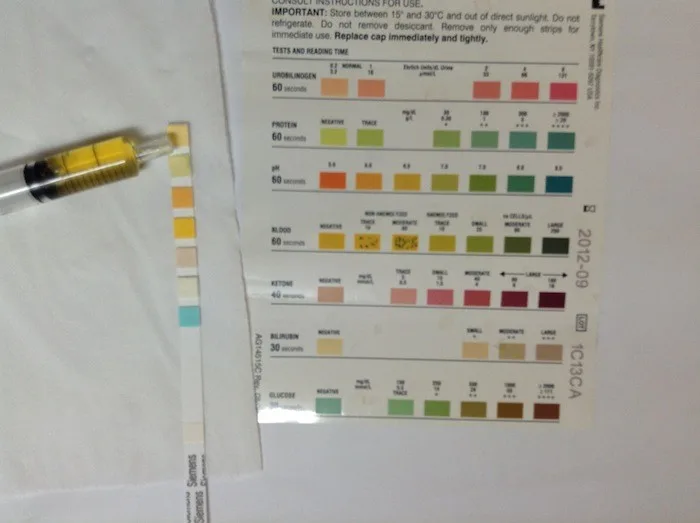
Image source: Web (Bing) / wallpapers.com (Web image (fair-use with source credit))
Here's the rule of thumb. If you see any medical signs, call the vet today. If your male cat is straining and not producing urine, that's an emergency.
Go to the vet right now. A urinary obstruction can kill a male cat in 24 to 48 hours.
If all the signs point to behavior, you still need to be careful. Cats are masters at hiding pain. A cat with early stage kidney disease or FIC may show no obvious symptoms for weeks.
That's why the safest approach is always to rule out medical causes first, even if you're sure it's behavioral.
The vet will typically run a urinalysis, check for crystals and infection, and possibly do bloodwork to check kidney function and thyroid levels. If everything comes back clean, then you can focus on the environment with confidence. You won't waste time guessing, and you won't accidentally punish a cat that's actually sick.
Your Step-by-Step Response Plan
You now know the causes. Here is the action plan that works in practice, not just on paper. Follow these steps in order.
Skipping step one is the most common and costly mistake owners make.
Step 1: See the vet. Schedule an appointment within 24 to 48 hours unless your male cat is straining. In that case, go to the emergency vet immediately. Ask for a urinalysis at minimum.
A urine culture may be needed if infection is suspected. Bloodwork helps rule out kidney disease, diabetes, and thyroid issues.
Step 2: Clean the rug correctly. Stop using vinegar, bleach, or ammonia-based cleaners. Ammonia smells like urine to cats. Bleach is toxic and doesn't break down urine proteins.
You need an enzymatic cleaner designed for pet urine. These products use enzymes to digest the proteins and eliminate the odor at a molecular level.
Apply the cleaner generously. Let it soak for 10 to 15 minutes. Do not wipe it off immediately.
The enzymes need time to work. Then blot dry. If the rug has a rubber backing, consider replacing it.
Rubber holds odor even after enzymatic treatment.

Image source: Bing (Web (fair-use with source credit))
Step 3: Block access temporarily. While you address the root cause, keep the cat out of the bathroom. Close the door. Put a baby gate across the doorway.
Or roll up the rug and store it somewhere inaccessible. This breaks the habit of returning to that spot.
Step 4: Fix the litter box setup. Scoop daily. Wash the box with mild soap and warm water monthly. Use unscented clumping litter.
Most cats prefer a fine-grain, sand-like texture. The box should be uncovered, at least one and a half times the cat's body length, and placed in a quiet low-traffic area.
If you have multiple cats, you need multiple boxes in different rooms. The rule is one per cat plus one extra. Place them away from food and water bowls.
Step 5: Reduce stress. Identify recent changes in the household. A new pet, a move, a new baby, or even new furniture can trigger stress-related peeing. Use synthetic feline pheromones like Feliway in a diffuser near the bathroom or cat's resting areas.
Add vertical space with cat trees or shelves. Provide hiding spots like cardboard boxes or covered beds.
Step 6: Monitor and adjust. Keep a log of accidents, changes in environment, and any new symptoms. If the problem returns after a few weeks, revisit step one. Some cats have chronic FIC that flares up during stressful periods.
You may need a long-term plan involving prescription diet, environmental enrichment, or medication.
Mistakes That Make It Worse
Some well-intentioned actions backfire badly. Avoid these at all costs.
Punishing the cat. Yelling, rubbing their nose in the urine, or confining them to a small space increases stress. Stress makes bladder inflammation worse and triggers more inappropriate urination. You end up in a vicious cycle.
Punishment never teaches a cat where to go. It only teaches them to be afraid of you.
Using bleach or ammonia-based cleaners. As mentioned earlier, ammonia mimics the smell of urine. Bleach leaves a chemical residue that some cats find attractive. Both products are also toxic if ingested or inhaled in enclosed spaces.
Stick to enzymatic cleaners.
Cleaning only the surface. If the urine soaked through to the rug backing or the floor underneath, surface cleaning isn't enough. The subfloor may need treatment. Black light detection helps find hidden spots.
A bad smell that lingers will keep the cat coming back.
Assuming it's behavioral without a vet visit. This is the most expensive mistake. If the cat has a UTI, crystals, or an obstruction, days matter. Waiting to see if the problem resolves on its own can turn a treatable condition into a life-threatening emergency.
Blocking access without addressing the cause. Closing the bathroom door is a temporary fix. If the cat still needs to pee and the box isn't right, they'll find another soft surface. Your bed, the couch, or a pile of laundry becomes the new target.
Solve the root problem, not just the location.
Ignoring other cats in the household. Even friendly cats can have subtle conflicts. One cat may guard the litter box area. The other cat avoids confrontation and pees on the rug.
Watch for staring, hissing, or blocking behavior. Add resources and separate feeding areas to reduce competition.
Frequently Asked Questions
Why does my cat only pee on the bathroom rug and nowhere else?
The rug's soft texture, absorbency, and quiet location make it ideal. Once urine soaks into the fibers and backing, the spot smells like a toilet to your cat. Even if you can't smell it, their sensitive nose finds it and reinforces the habit.
Can a cat hold a grudge and pee on purpose?
No. Cats don't pee out of spite or revenge. If your cat pees on your rug after you come home late or change their routine, it's stress-related, not malicious.
The behavior is a response to discomfort or anxiety, not a grudge.
How do I get the smell out completely?
Use an enzymatic cleaner designed for pet urine. Let it soak for 10 to 15 minutes. Blot, don't rub.
If the rug has a rubber backing, replace it. For floor damage, seal the subfloor with a shellac-based primer before replacing the rug.
Is it spraying or regular peeing?
Spraying is usually vertical on walls or furniture. Peeing on a rug is almost always squatting to empty the bladder. That means it's likely a full bladder issue, not territorial marking.
Solutions focus on medical causes and litter box setup, not territorial conflict.
How long can I wait before going to the vet?
If your male cat is straining and not producing urine, do not wait. Go to an emergency vet immediately. For all other cases, schedule a vet visit within 24 to 48 hours.
If the cat shows no other symptoms and seems fine, a week is usually safe, but sooner is better.
Will getting another litter box fix it?
It might, but only if the root cause is litter box aversion or competition between cats. If the problem is medical, stress, or the rug's unique appeal, a new box won't help. Always start with a vet visit.
Add boxes after medical issues are ruled out.
Mistakes That Make It Worse
Some well-intentioned actions backfire badly. Avoid these at all costs.
Punishing the cat. Yelling, rubbing their nose in the urine, or confining them to a small space increases stress. Stress makes bladder inflammation worse and triggers more inappropriate urination. You end up in a vicious cycle.
Punishment never teaches a cat where to go. It only teaches them to be afraid of you.
Using bleach or ammonia-based cleaners. As mentioned earlier, ammonia mimics the smell of urine. Bleach leaves a chemical residue that some cats find attractive. Both products are also toxic if ingested or inhaled in enclosed spaces.
Stick to enzymatic cleaners.
Cleaning only the surface. If the urine soaked through to the rug backing or the floor underneath, surface cleaning isn't enough. The subfloor may need treatment. Black light detection helps find hidden spots.
A bad smell that lingers will keep the cat coming back.
Assuming it's behavioral without a vet visit. This is the most expensive mistake. If the cat has a UTI, crystals, or an obstruction, days matter. Waiting to see if the problem resolves on its own can turn a treatable condition into a life-threatening emergency.
Blocking access without addressing the cause. Closing the bathroom door is a temporary fix. If the cat still needs to pee and the box isn't right, they'll find another soft surface. Your bed, the couch, or a pile of laundry becomes the new target.
Solve the root problem, not just the location.
Ignoring other cats in the household. Even friendly cats can have subtle conflicts. One cat may guard the litter box area. The other cat avoids confrontation and pees on the rug.
Watch for staring, hissing, or blocking behavior. Add resources and separate feeding areas to reduce competition.

Similar Posts