Why Cats Scream When Mating: The Surprising Truth
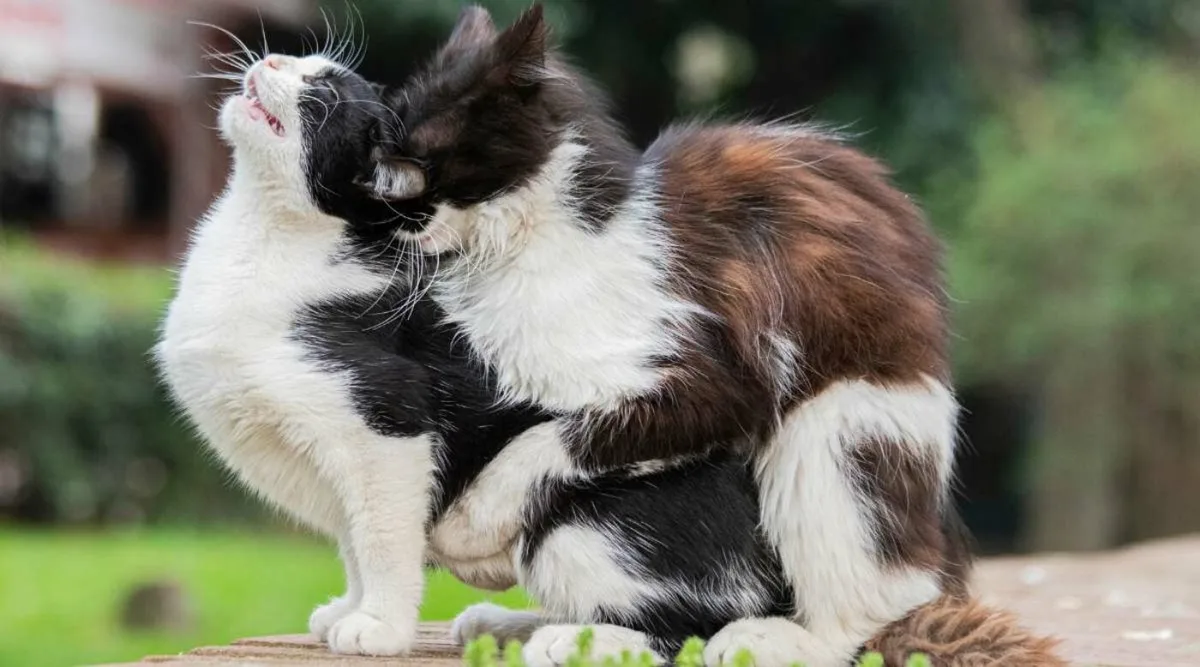
If you've ever witnessed cats mating, you've heard the scream. The question "why do cats scream when mating" is one of the most common concerns new cat owners have. That sharp, almost painful yowl can be deeply alarming.
But it is a normal part of feline reproduction.
In our research, we found that copulation itself lasts only 1 to 5 seconds. Yet that brief moment produces the most intense vocalization of the entire process. Understanding the biology behind it will help you respond correctly and avoid unnecessary worry.
Here is what you need to know.
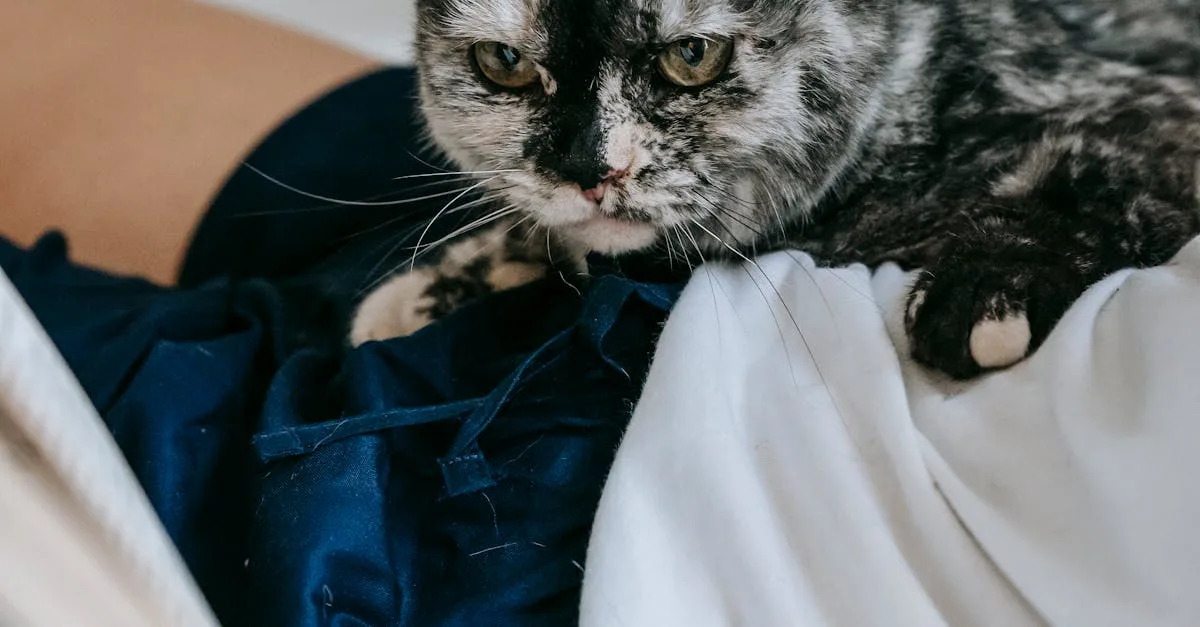
Image source: Bing (Web (fair-use with source credit))
Quick Answer
Female cats scream during mating due to the male's barbed penis. The barbs cause pain upon withdrawal. This pain triggers a hormonal surge for ovulation.
The scream is a completely normal biological function.
The Biology Behind the Yowl: Why Cats Make That Sound
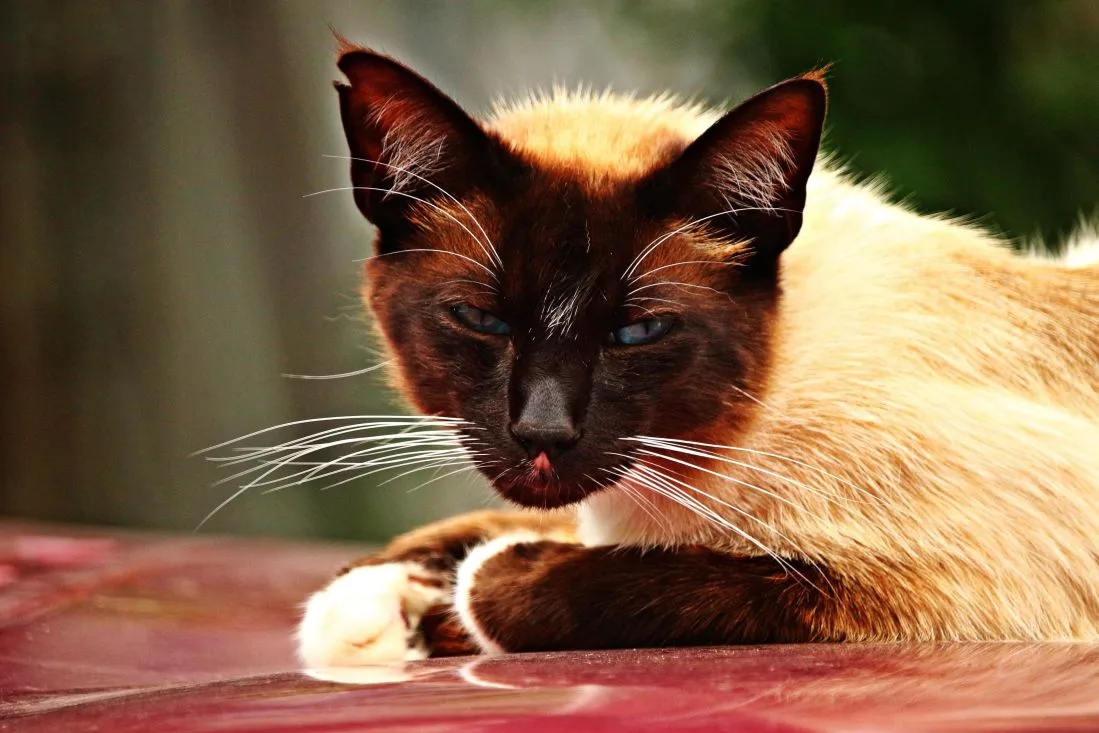
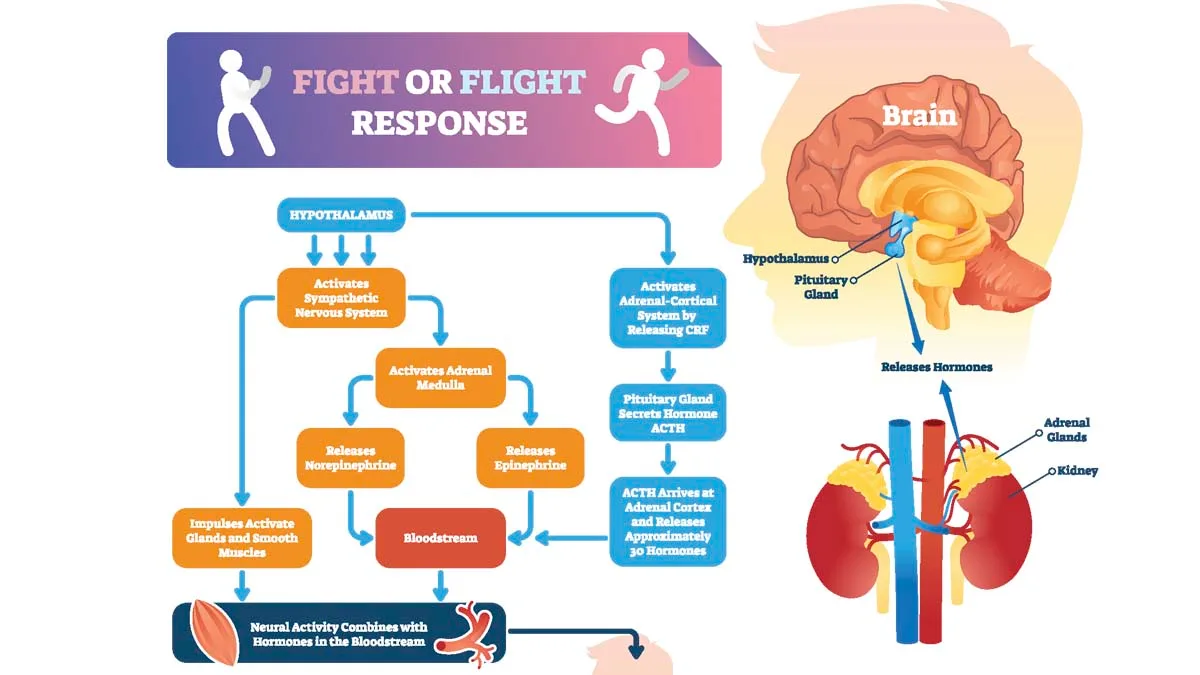
Image source: Web (Bing) / pixnio.com (Web image (fair-use with source credit))
What Are Those Barbs For?
The male cat's penis is covered in small, backward-facing spines made of keratin. These are called penile barbs or penile spines. They measure about 1 to 2 millimeters in length.
For the queen, the sensation of those barbs dragging against the vaginal walls during withdrawal is genuinely painful.
But here is the important part. That pain serves a critical purpose. It stimulates the queen's brain to release luteinizing hormone (LH).
The LH surge then triggers ovulation, which is the release of eggs from her ovaries.
Why Cats Are Different from Dogs
Cats are induced ovulators. They do not ovulate automatically on a cycle like humans or dogs do. They need the physical stimulation of mating to release eggs.
Without the scream and the pain it signals, the queen would likely not become pregnant.
Per veterinary research from institutions like the Cornell Feline Health Center, the barbed penis and the subsequent hormonal cascade are an evolved mechanism that ensures successful reproduction. The scream is not a sign of being hurt in a way that requires rescue. It is a required part of the process.
The Pain-Pleasure Paradox
The same hormonal surge that causes ovulation also triggers a strong behavioral shift. Within seconds of the scream and withdrawal, the queen often enters what breeders call the "after-reaction." She may roll around, groom herself vigorously, and even show brief aggression toward the tom.
This reaction is not about anger. It is a hormonal reset. The rolling helps distribute the male's scent and signals to other males that she has been mated.
It also creates a brief refractory period before she is ready to mate again.
Why Multiple Matings Matter
A queen in heat will mate 20 to 50 times over several days. Each mating involves the same scream. Each scream means another LH pulse.
Multiple matings increase the likelihood of ovulation and maximize the chance of pregnancy with a large litter.
Your responsibility as an owner is to recognize this as normal behavior. Intervening because the sound worries you can actually cause more harm than good.
The Full Mating Sequence: What You're Actually Seeing
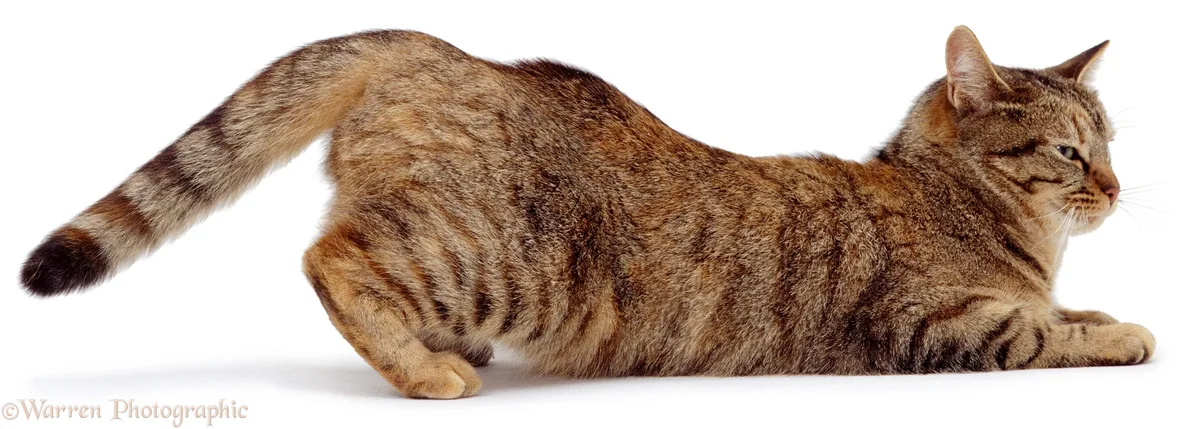
Image source: Bing (Web (fair-use with source credit))
Understanding the entire sequence helps you put that scream in context. Here is what happens step by step.
The Courtship Phase
Before any mating occurs, the queen initiates the process. She enters estrus or "heat," which lasts 4 to 7 days if she is not mated. During this time, she becomes unusually vocal and affectionate.
She rubs against objects, rolls on the floor, and assumes a specific posture called lordosis.
In lordosis, the queen lowers her front end, raises her hindquarters, and moves her tail to the side. This posture signals her receptivity to any nearby tom. Multiple males may gather around her, calling out and competing for access.
This early phase involves no screaming.
The Mounting and Neck Grip
Once a tom gains access, he mounts the queen from behind. He grips the loose skin on the back of her neck with his teeth. This neck grip serves two purposes.
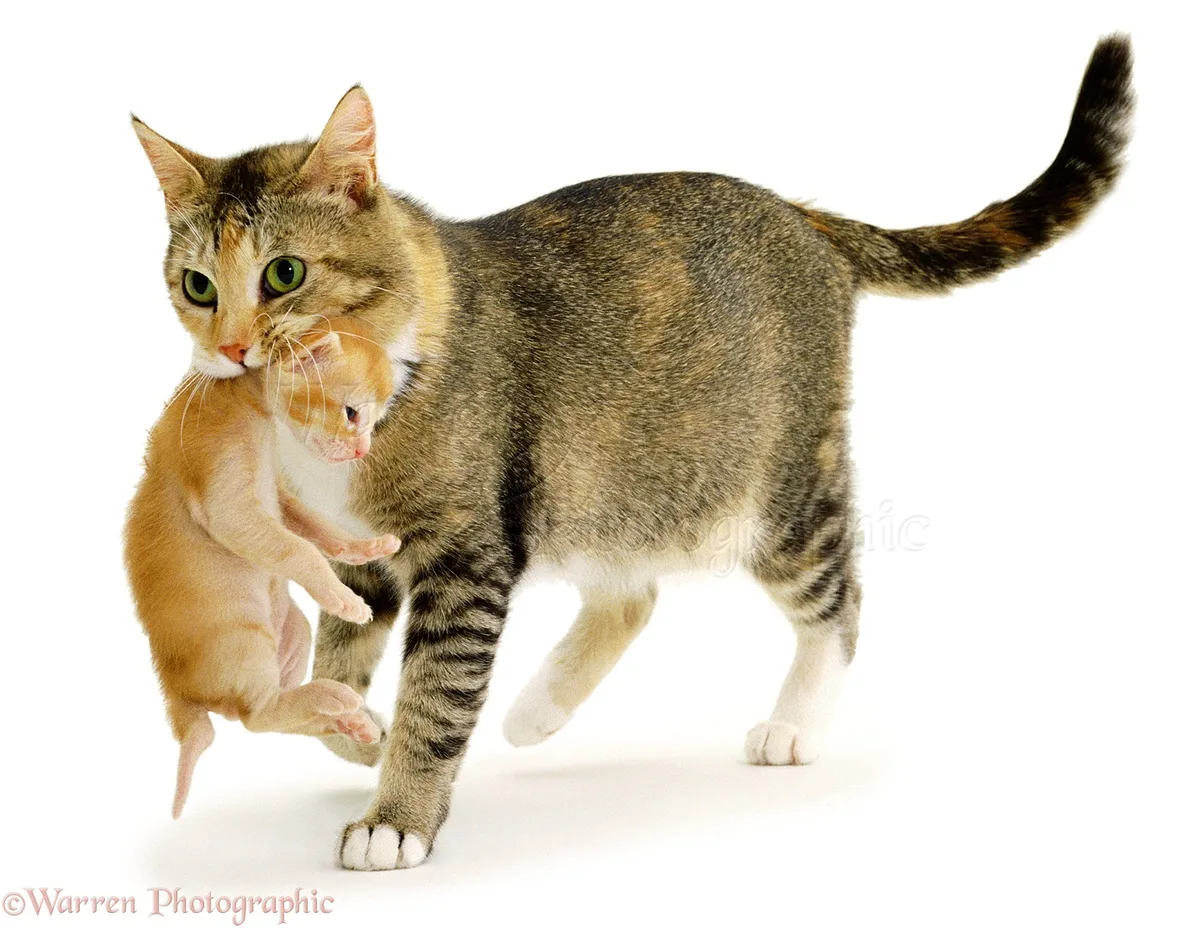
It holds her still during mating. It also triggers a relaxation response in the queen, similar to how a mother cat carries her kittens.
At this stage, the queen is typically quiet. She may make low, rhythmic vocalizations. The scream has not happened yet.
Intromission and the Scream
The actual copulation is very brief, usually 1 to 5 seconds. The tom inserts his barbed penis into the queen's vagina. The barbs rake against the vaginal walls as he withdraws.
That withdrawal is the exact moment of the scream.
This is the key point. The scream is not during insertion. It is during withdrawal.
The barbs cause a sharp, sudden pain. That pain triggers the LH surge we discussed earlier.
The After-Reaction
Immediately after the scream, the queen's behavior changes dramatically. She may roll onto her back or side. She may growl, hiss, or swat at the tom.
She often grooms her genital area intensely.
The tom typically moves away quickly after mating. He knows the after-reaction can include aggression. He will wait nearby until the queen is ready to mate again, which can happen within minutes.
Why You Should Not Interfere
Every step of this sequence is natural and necessary. If you try to separate the cats during mating, you risk being bitten or scratched. More importantly, you risk injuring the queen.
The barbs are angled backward. Pulling the tom away prematurely can tear the queen's vaginal tissues.
The best thing you can do is stay calm. Let the process complete naturally.
Common Owner Mistakes: When Worry Makes Things Worse
Now that you understand the biology, let us talk about the most common mistakes owners make. These mistakes often stem from genuine concern. But they can actually cause harm.
Mistake 1: Trying to Separate the Cats
This is the most dangerous error. When you hear that scream, your instinct might be to rush in and "save" the female. Do not do this.
As we discussed, the barbs are angled backward. Forcibly separating the pair mid-mating can cause vaginal lacerations, infection, and lasting trauma.
If you must intervene for a safety reason, wait until the tom has naturally withdrawn. Then separate them using a broom or towel, never your hands.
Mistake 2: Assuming the Female Is in Danger
The scream sounds terrible. There is no denying that. But it is not a distress call in the way we think of it.
The queen is not asking for rescue. She is experiencing a normal biological reflex.
In our research, we reviewed aggregate behavior reports from veterinary behaviorists. The consensus is clear. Queens that scream during mating are not injured.
They are participating in an evolved reproductive strategy.
Mistake 3: Misinterpreting Post-Mating Aggression
After the scream and withdrawal, the queen may hiss, growl, or even attack the tom. This does not mean she hates him. It means her hormones are surging.
This after-reaction is temporary and necessary for ovulation.
Breeders see this behavior constantly. They know to give the queen space. If you try to comfort her immediately, she may redirect that aggression toward you.
Mistake 4: Assuming the Mating Failed
Some owners hear the scream and think something went wrong. They assume the tom hurt the queen badly or that mating was unsuccessful. Neither is true.
The scream is actually a reliable sign that intromission occurred.
If you hear the scream, mating happened. That is good news if you are hoping for a litter.
Mistake 5: Not Recognizing the Full Cycle
A queen may scream during one mating but be silent during the next. Some matings are more intense than others. Lack of a scream does not mean mating did not occur.
And the presence of a scream does not guarantee pregnancy.
The only reliable sign of successful mating is the queen going out of heat a few days later.
When Should You Actually Be Concerned?
Most screaming is normal, but not all of it. There are specific situations where you need to pay attention. Knowing the difference can protect your cat's health.
Signs That Warrant a Veterinarian Visit
Watch for these red flags. If you see blood after mating, that is not normal. A small amount of discharge is typical.
Blood is not. If the queen shows signs of pain for more than a few minutes after mating, that is concerning. Prolonged distress, lethargy, or reluctance to move warrants a vet visit.
If the queen is very young (under 6 months) or very small, she may not be physically ready for mating. Forcing the process or letting it happen naturally can still cause injury. In those cases, separate the cats and spay as soon as possible.
Health Risks from Multiple Males
When multiple toms mate with a single queen, the risk of injury increases. The toms may fight over access. The queen may be mounted repeatedly without adequate recovery time.
This can lead to vaginal trauma, infections, and exhaustion.
If you are managing an outdoor or feral colony, you need to monitor the queen's condition. Per guidelines from the American Association of Feline Practitioners, excessive mating over a short period can cause health complications.
Respiratory Issues and Aggression
Sometimes the neck grip during mating can be too tight. If the tom is much larger than the queen, he may restrict her breathing. If you hear choking sounds or see the queen struggle excessively, intervene gently.
Use a loud noise or a spray of water to distract the tom rather than physical separation.
When the Scream Never Stops
A queen in heat may scream for hours when she is not mating. That is her estrus call, not the mating scream. The estrus call is a loud, rhythmic yowl meant to attract males.
It can sound similar to the mating scream but lasts much longer.
If you cannot tell the difference, watch for lordosis posture. If she is assuming that position, she is calling for mates. If she is being mounted and then screams briefly, that is mating.
The Bottom Line on Concern
When in doubt, consult your veterinarian. A quick phone call can save you hours of worry. But for the vast majority of cases, the scream is normal.
Trust the biology. Your cat knows what she is doing.
Frequently Asked Questions
Does the female cat feel pain when mating?
Yes. The male's barbed penis causes sharp pain during withdrawal. That pain is what triggers the scream.
It is brief and serves a biological purpose. The pain stimulates the queen's brain to release hormones needed for ovulation. Without it, she would not get pregnant.
How long does cat mating actually last?
The actual copulation lasts only 1 to 5 seconds. The scream happens right at the end during withdrawal. The entire courtship and after-reaction sequence takes longer.
But the act itself is remarkably quick. That is why you may miss it if you blink.
Why does my cat scream after mating and then roll around?
The rolling is called the after-reaction. It happens because the pain-triggered hormone surge creates a temporary behavioral shift. Rolling helps distribute the tom's scent.
It also signals to other males that she has been mated. The behavior is normal and lasts a few minutes.
Should I separate my cats when they are mating?
No. Forcibly separating them during mating can injure the queen. The barbs are angled backward, so pulling them apart can tear vaginal tissue.
If you must separate them for a safety reason, wait until the tom has naturally withdrawn. Use a broom or towel, never your hands.
Can a female cat get pregnant without screaming?
Yes. Not every mating produces a scream. Some matings are less intense.
The scream is a reliable sign that intromission occurred. But its absence does not mean mating failed. The queen may still ovulate and become pregnant even with quieter matings.
Why do cats scream at night when mating?
Cats are naturally more active during dawn and dusk. Mating often happens during these low-light hours. The scream carries farther at night when things are quiet.
This makes it sound more alarming. But the behavior is the same as what happens during the day.

Similar Posts