Why Do Cats Run Away From Home? Top Reasons
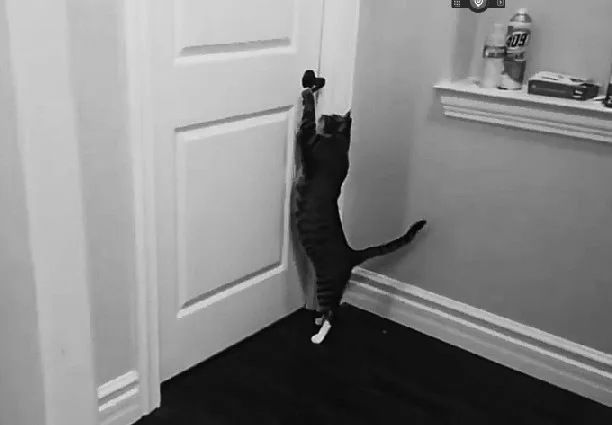
You rush to the door when you realize it's been ajar too long. Or you look out the window and they're just gone. Why do cats run away from home?
It's rarely simple. And it's rarely a reflection of how much they love you.
Research from animal welfare organizations indicates that most lost cats are found within a five-house radius. The first 24 to 48 hours are critical. To know what to do, you first have to understand why they left.
That's where we'll start.
Image source: Bing (Web (fair-use with source credit))
Why Cats Run Away: It's Not Always What You Expect
Cats leave for specific reasons. They aren't trying to run away from you. They're running toward something or away from something else.
The most common drivers break into four categories. Fear ranks number one. A loud noise, a visitor, or a new pet can trigger a bolt.
Mating instinct is second, especially for unneutered males. They can travel three to four times farther than a fixed cat. Curiosity is third.
Some cats simply want to explore beyond the territory they know. Health issues are fourth. A cat in pain or dealing with cognitive decline may wander without purpose.
Veterinary behaviorists note that indoor cats who escape often hide close to home. They stay within a five-house radius for the first several days. Outdoor cats or indoor-outdoor cats may roam further because their home range is already larger.
The cat's personality and history matter more than anything else.
Here is a quick breakdown of the primary triggers.
| Trigger | Typical Cat Profile | Typical Distance |
|---|---|---|
| Fear | Any cat, any age | Hides within 1-3 houses |
| Mating | Unneutered male, unspayed female | Roams several blocks |
| Curiosity | Bold, young (1-3 years) | Explores gradually, may not return |
| Health issue | Senior cat or one with known condition | Wanders aimlessly, may not hide |
Is Your Cat a Fear-Flight Type or a Curiosity Roamer? A Quick Self-Check
This distinction matters because it changes what you do next. Fear-fleeing cats hide and stay silent. Curiosity roamers move outward and may check back in.
Ask yourself these questions. Did something happen right before the escape? A slammed door.
A guest arriving. A repair person. Fireworks.
If yes, your cat is in fear-flight mode. They are likely within 150 feet of your home. They will not come when called until they feel safe.
Does your cat usually greet visitors? Do they dash for open doors? Are they under three years old and full of energy?
If yes, you likely have a curiosity roamer on your hands. They are exploring. They may be several houses away.
They are more likely to be seen by neighbors.
Is your cat a senior with health issues? Have you noticed them staring at walls, pacing, or sleeping less? This points to a health-related disappearance.
They may not be hiding at all. They may simply be disoriented.
Unneutered male or unspayed female? This is the most straightforward trigger. The mating drive overrides everything.
They will travel further and stay gone longer.
Answer these questions before you take any action. Your response should match the reason.
What to Do Right Now, Based on Your Cat's Reason for Leaving
Your first move depends on the category you identified above. Do not skip the self-check. Doing the wrong thing can push a scared cat further away.

Image source: Bing (Web (fair-use with source credit))
If your cat bolted in fear. Search inside your home first. Check under furniture, inside closets, behind appliances. A spooked cat often hasn't left the house at all.
If they have left, search at dawn and dusk. Take a flashlight. Look under decks, in bushes, inside sheds.
Call softly. Bring stinky wet food. Sit quietly nearby.
Let them come to you. Do not chase.
If your cat is a curiosity roamer. Expand your search radius. Knock on neighbor doors. Show them a photo.
Post on local lost pet groups immediately. These cats are more visible and more likely to be seen by others. Walk the neighborhood at quiet times.
Rattle a treat jar. Call their name at feeding time. They may be a few houses away or exploring a new favorite spot.
If your cat may have a health issue. Start with a thorough indoor search. Senior cats with cognitive dysfunction often get stuck in corners or behind furniture. If they are outside, they may be lying in a ditch or under a bush, not hiding but unable to orient.
Check storm drains, crawl spaces, and neighbor's garages. Ask neighbors to check their sheds.
If mating drive is the cause. Prepare for a longer wait. These cats can travel a mile or more. Spay or neuter as soon as they return.
The Humane Society of the United States provides guidance on low-cost spay and neuter options. That single step cuts roaming behavior by up to 90%.
For all scenarios. Place a familiar scent item outside. A used litter box or a worn T-shirt can help a confused cat find their way home. Leave out food and water.
Check your local shelter daily. Most cats are found within a week if owners take consistent action.
The Mistakes That Delay Getting Your Cat Back (Or Prevent It Entirely)
Knowing what not to do is just as important as knowing what to do. These are the most common errors that push cats further away or keep them hidden longer.
Chasing your cat. Your instinct is to run after them. Do not. A frightened cat will run further and faster.
They will also go deeper into a hiding spot. Walk slowly or sit down nearby.
Yelling or calling repeatedly. Loud calls sound panicked. Your cat knows your voice. If you sound scared, they will feel scared.
Call softly and calmly.
Waiting too long to start a search. The first 24 hours are window. Many owners assume their cat will come home on their own. Research from animal control agencies indicates that active searching in the first two days dramatically improves recovery rates.
Only searching in daylight. Cats move at dawn and dusk. They hide during the day. If you only search when it is bright out, you are missing their active period.
Night searches with a flashlight work best. A cat's eyes will reflect the light.
Not posting on local platforms. Social media lost pet groups work. Neighbors are your best eyes. Post a clear photo and a description.
Include the date and location of last sighting. Update the post when you find them.
Removing scent items. Do not wash your cat's bedding. Do not clean the litter box. Do not close the window they might return through.
Scent is their primary navigation tool.
Giving up too soon. Most cats are found. The ones that are not are often given up on too early. Keep checking shelters.
Keep posting. Keep a humane trap set if recommended.
How to Cat-Proof Your Home So Future Escapes Don't Happen
Once your cat is home, prevention is the best protection. A single escape is stressful. Multiple escapes become a pattern.

Image source: Bing (Web (fair-use with source credit))
Secure doors and windows. Check all screens for tears. Install door alarms that chime when opened. Use childproof locks on windows.
If your cat is a door dasher, create a two-door airlock by installing a baby gate at every exterior door.
Spay or neuter. This is the single most effective prevention measure. An unneutered male is driven by instinct. A fixed cat is content to stay home.
The American Veterinary Medical Association endorses spay and neuter as a means to reduce roaming and improve overall health.
Provide indoor enrichment. A bored cat will look for adventure. Create vertical space with cat trees and wall shelves. Rotate toys.
Place bird feeders outside windows for entertainment. Install a catio if you have the space. Catios range from small window boxes to full enclosures.
They give your cat outdoor access without the risk.
Train with a leash. Harness training takes patience, but it works. Start indoors. Use a properly fitted harness, not a collar.
Let your cat wear it for short periods before you attach the leash. Once they are comfortable, take short trips to the yard. This satisfies their curiosity safely.
Consider a GPS tracker. A collar with a GPS tracker is not the same as a microchip. A microchip tells someone who finds your cat where to call. A GPS shows you where your cat is right now.
Some owners use both. Breakaway collars are mandatory for safety.
Maintain ID. Microchip your cat and keep registration current. The number is useless if your contact information is outdated. Add a collar with a tag that includes your phone number.
Check the collar fit regularly.
When to Stop Searching Alone and Call in the Pros
Most cats come home on their own within a week. Active searching dramatically improves those odds. But there comes a point where your solo efforts may not be enough.
Here is how to know when to call for backup.
If your cat has been gone more than 48 hours with no sightings. You have done the basics. You posted on social media. You knocked on doors.
You walked the neighborhood at dawn and dusk. If you have no leads, a professional lost pet tracker brings skills you do not have. These trappers use scent trails, trail cameras, and humane traps with surgical precision.
They know where cats hide.
If your cat is injured and hiding. An injured cat will not come when called. They will not rattle out of a bush for food. Professional trackers use a grid search pattern.
They cover ground methodically. They also have access to trap rentals and can set them correctly.
If you live near busy roads, wooded areas, or industrial zones. These environments pose risks beyond what a cat can handle alone. A tracker can focus on high-risk zones first. Animal control can also help with containment in dangerous areas.
If you suspect your cat is trapped. Cats can get stuck in garages, sheds, storm drains, or crawl spaces. A professional can check spaces you cannot access. They use cameras and listening devices.
How to find a professional. Search for lost pet recovery services in your area. Look for trappers with references from local shelters. Ask your veterinarian for recommendations.
Some animal control departments offer trap loans at no cost.
Costs vary widely.
| Service | Typical cost | What you get |
|---|---|---|
| Trap rental | $25 – $75 | Humane trap, sometimes bait, instructions |
| Professional tracker | $150 – $400 per day | Grid search, camera setup, trap placement, follow-up |
| Animal control pick up | $0 – $50 | If cat is found and contained, transport to shelter |
Do not wait past day five. The success rate for recovery drops significantly after the first week. If you have any doubt about your ability to search effectively, call a pro early.
Frequently Asked Questions About Cats Running Away
How far do lost cats usually go?
Most indoor-only cats stay within a five house radius. They hide under decks, in sheds, or in dense bushes. Outdoor cats may roam several blocks.
Unneutered males can travel a mile or more. The majority of cats are found within 500 feet of home.
Should I put the litter box outside?
Yes. A used litter box placed outside can help a disoriented cat find their way home. The familiar scent acts as a beacon.
Do not clean the box first. Place it near the door your cat knows best. Bring it inside at night to avoid attracting other animals.
Do cats run away because they are unhappy?
Almost never. Cats leave because of a trigger: fear, mating instinct, curiosity, or a health issue. They are not trying to escape you.
They are responding to a biological or environmental cue. If your cat runs away repeatedly, look for patterns in timing and circumstance.
How long can a lost cat survive outside?
Indoor cats lose the survival skills they once had. They cannot hunt well and may not find clean water. In mild weather and with access to shelter, they can survive several weeks.
In extreme heat or cold, the window narrows to days. Time is critical.
Will my cat come back on their own?
Many do, especially fear-based runaways. They leave when spooked and return when hunger or need for safety overrides fear. Curiosity roamers also wander back when they get hungry.
But you should not assume. Active searching on your side increases the odds they come home sooner.

Similar Posts