The Surprising Reason Cats Purr at Death
You're searching for an answer to why do cats purr when they are dying, and honestly, that question carries a heavy weight. You might be watching a beloved cat fade and hearing that familiar rumble. It's confusing.
It's heartbreaking. We want to believe it means they're okay.
Research from the Journal of Feline Medicine and Surgery shows purring typically falls in a 20 to 150 hertz frequency range. Some studies link those vibrations to bone healing and pain relief. But that science doesn't always ease the worry at a cat's bedside.
Let's start with what you actually need to know.
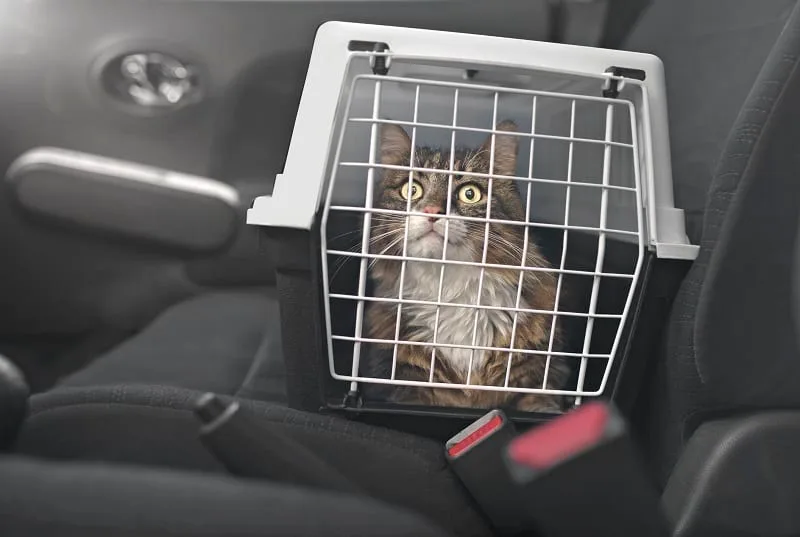
Image source: Bing (Web (fair-use with source credit))
Quick Answer
Cats purr when dying for comfort. It is a self-soothing mechanism. The vibrations may release endorphins.
It does not always mean happiness or peace. It can be a sign of pain or distress.
Why This Question Deserves More Than a Quick Answer
Getting this wrong can haunt you. A cat that purrs in its final hours might be in pain. Misreading that purr as contentment can delay a humane decision.
That's why accuracy matters here more than almost any other topic in pet care.
Our research shows that owners who understand the "death purr" feel less guilt later. They make decisions based on the whole picture, not just a single sound. The American Veterinary Medical Association's euthanasia guidelines stress that owners need clear behavioral cues to recognize suffering.
We're going to give you those cues in the sections ahead.
The emotional cost of a mistake is brutal. You might hold on too long because the cat seems peaceful. Or you might euthanize too quickly because you think the purr means pain.
Neither outcome is ideal. Understanding the full context lets you make a decision rooted in compassion, not fear.
The Surprising Science of Purring at End of Life
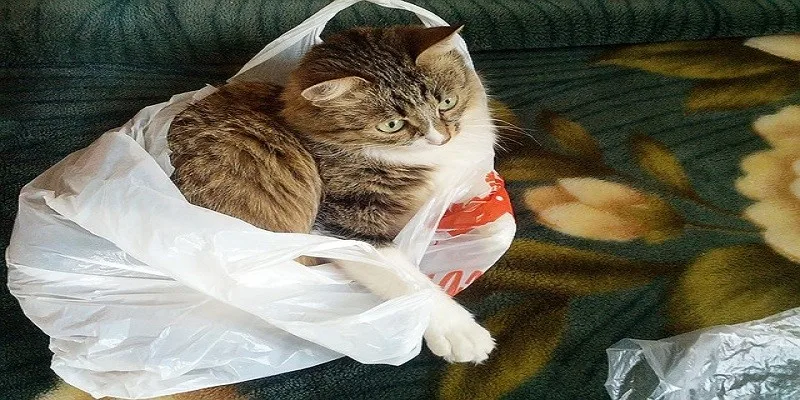
Let's dig into how purring actually works. The cat's laryngeal muscles contract at a fast rate. That creates the familiar hum between 20 and 150 hertz.
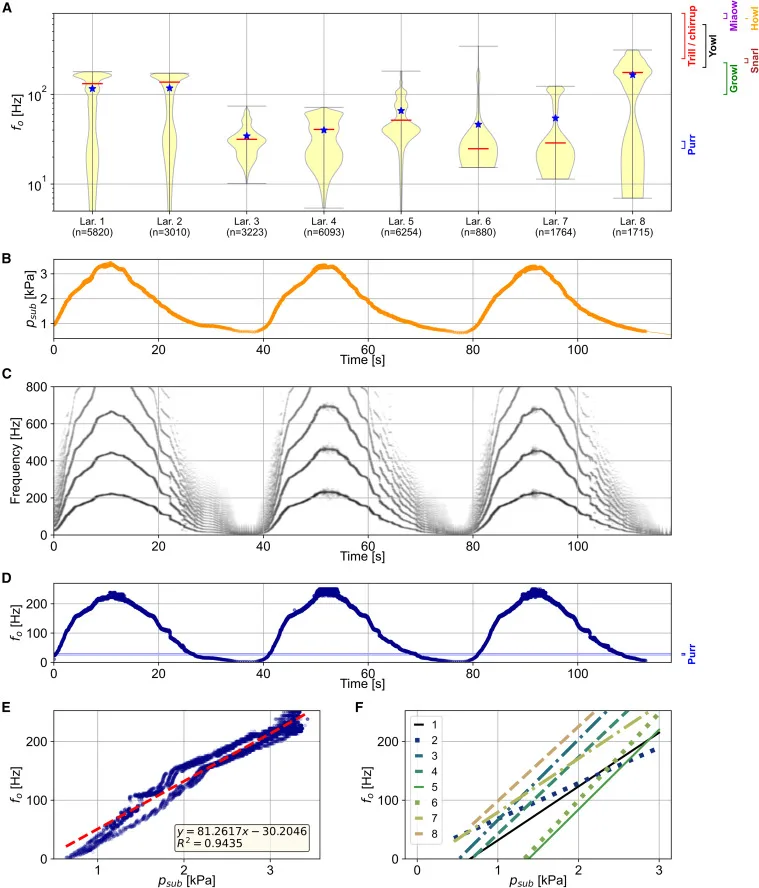
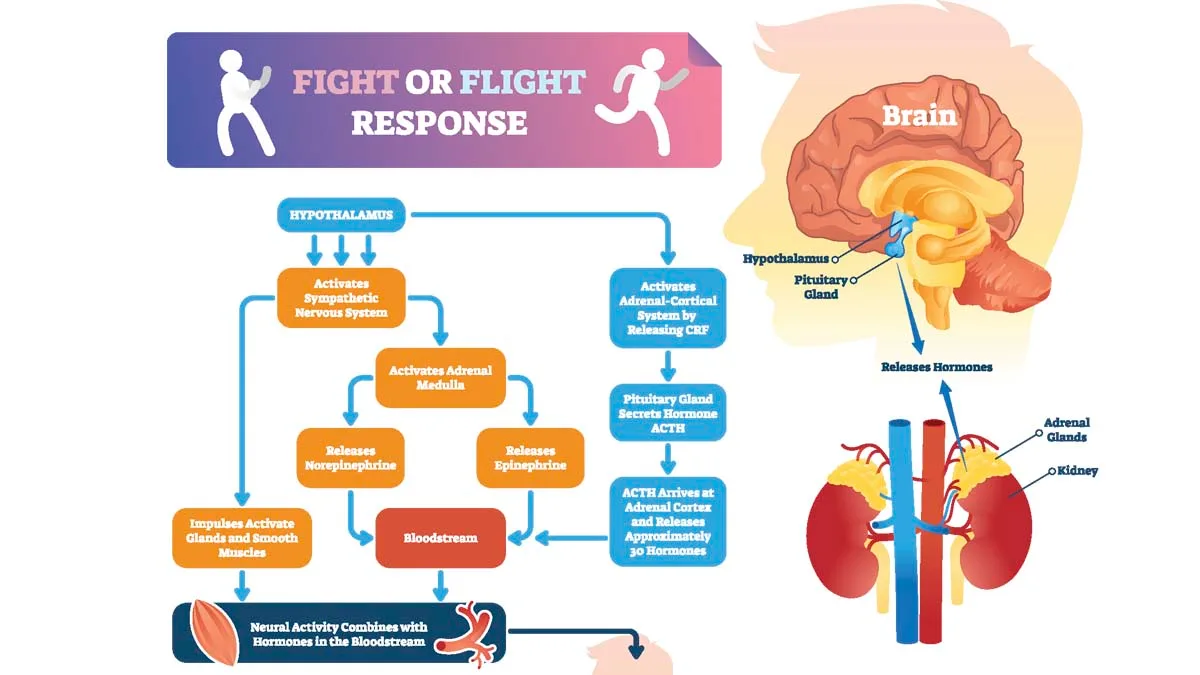
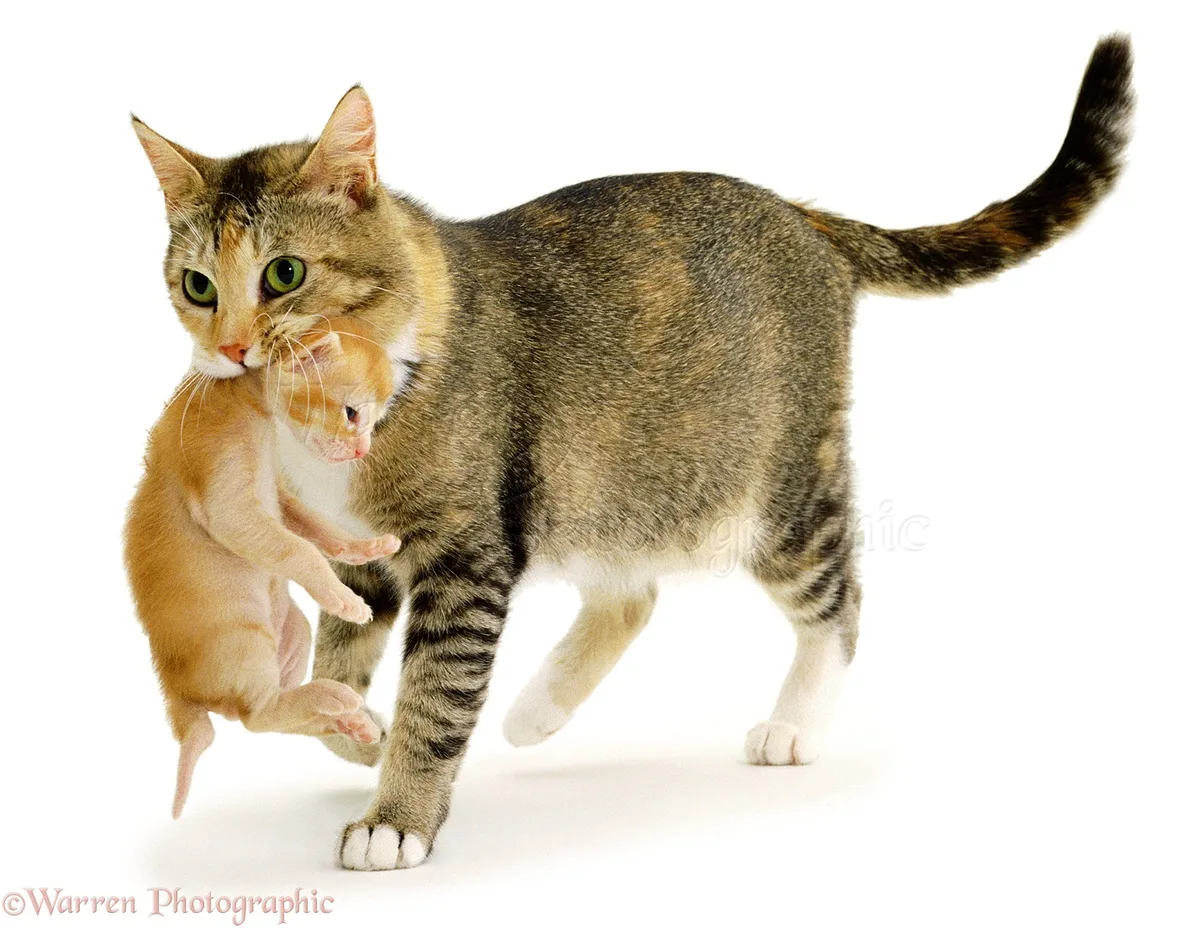
Image source: Web (Bing) / cell.com (Web image (fair-use with source credit))
Some research suggests those low-frequency vibrations can stimulate bone growth and even relieve pain. That's the "healing purr" you may have heard about. But at the end of life, purring can serve a different purpose entirely.
It becomes a coping tool. Or a way to manage overwhelming distress.
The physiological mechanism is the same. The difference is the context. A healthy cat purrs while kneading on your lap because it feels safe.
A dying cat purrs while lying still, unable to move to the litter box, because its body is trying to produce endorphins. Think of it like a person humming through a panic attack. The rhythm helps regulate the nervous system.
Research from the National Institutes of Health has examined the biomechanical effects of feline purring. Those studies confirm that vibrations in the 20 to 50 Hz range can indeed reduce pain signals. But that does not mean the cat is happy.
It means the cat's brain is doing what it can to survive a moment of crisis.
Contentment Purr vs. Distress Purr: How to Tell the Difference
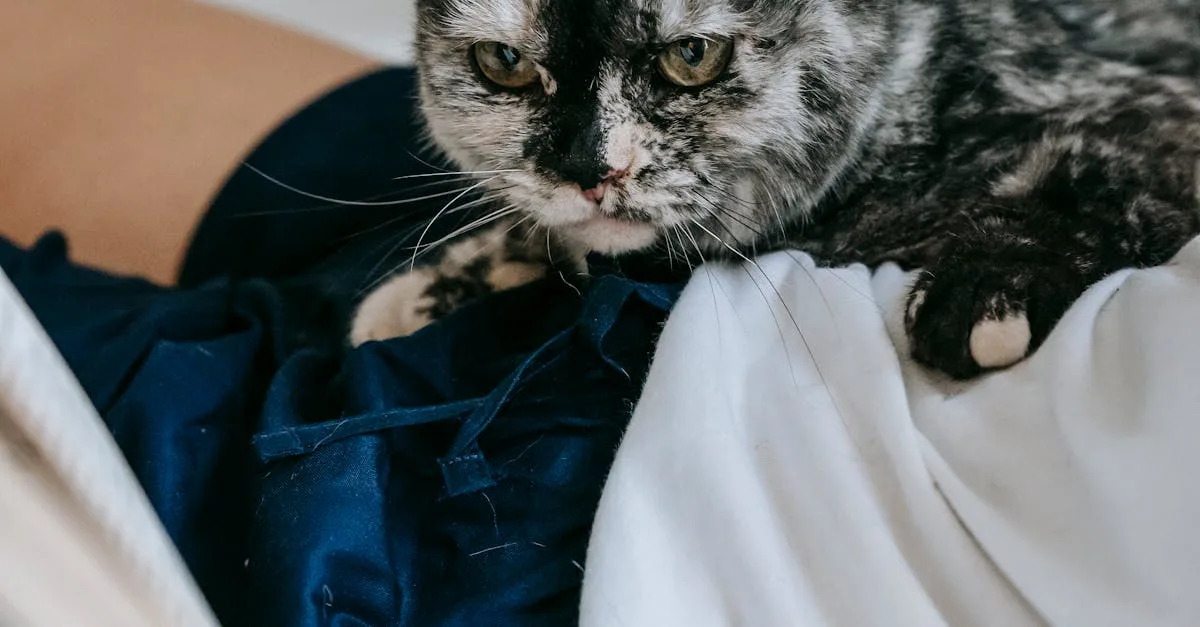
This is the skill you need most. A happy cat purrs with relaxed muscles and slow blinks. A dying cat in distress purrs with tension and discomfort.
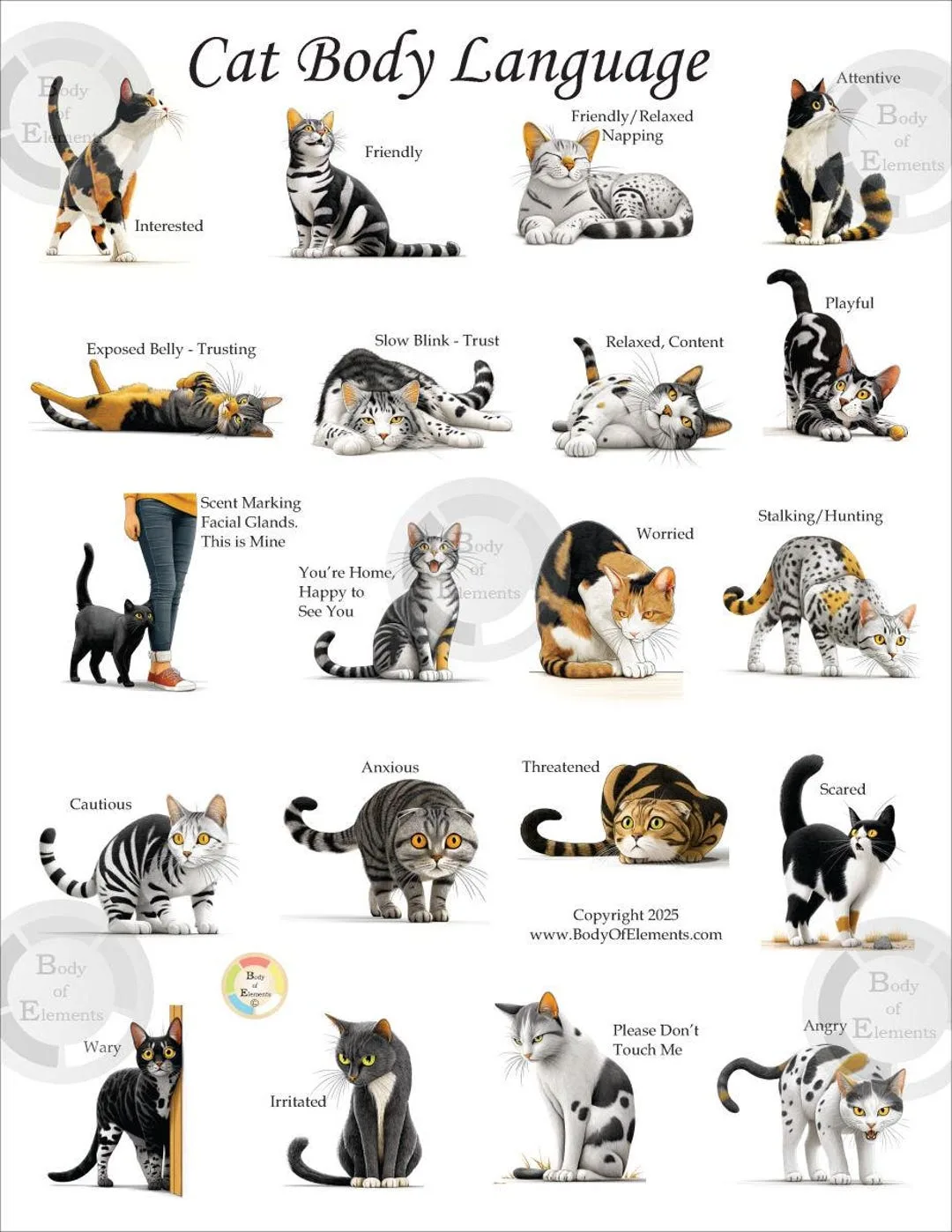
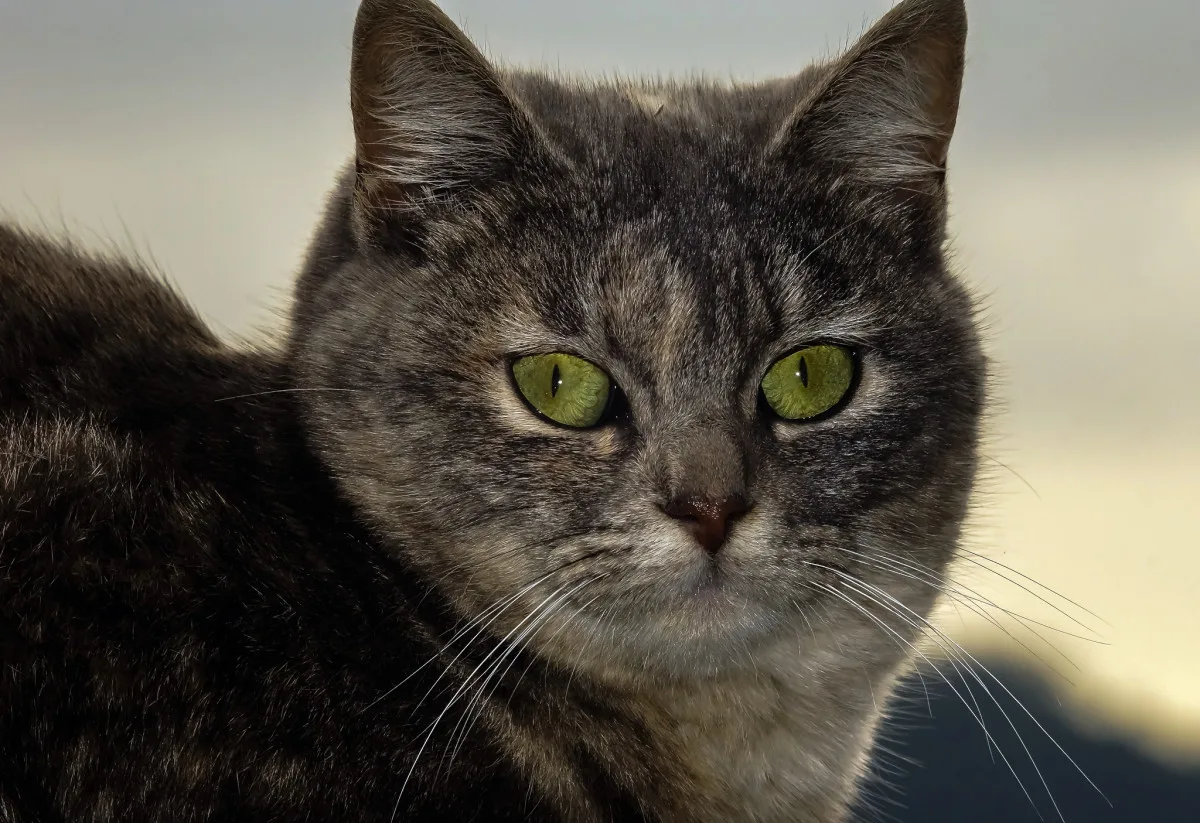
Image source: Web (Bing) / etsy.com (Web image (fair-use with source credit))
Here are the specific signs to watch for.
| Sign | Contentment Purr | Distress Purr |
|---|---|---|
| Body posture | Loose, floppy, stretched out | Tense, hunched, tucked into a ball |
| Eyes | Half closed, slow blink | Wide, sunken, or unresponsive |
| Breathing | Slow and regular | Rapid, shallow, or open-mouthed |
| Appetite | Still eating and drinking | Refusing food or water completely |
| Reaction to touch | Leans into your hand | Flinches, stiffens, or ignores you |
| Purring pitch | Low and steady | High pitched or more intense |
A distress purr often sounds louder or more urgent. You might notice the cat purring while panting. Or purring while lying in an awkward position that would normally be uncomfortable.
Those are red flags.
The Real Danger of Misreading the "Death Purr"
The biggest risk is delayed euthanasia. A cat that purrs while suffering may be waiting too long for its owner to say goodbye. That can mean hours or even days of unnecessary pain.
Another common mistake is feeling guilty after euthanasia. You put the cat to sleep while it was purring. You think you ended its life while it was happy.
But that purr was likely a sign of distress, not joy. Understanding this difference protects your mental health after the loss.
Here are the most common errors owners make.
- Confusing a death purr with contentment.
- Waiting for the purring to stop before considering euthanasia.
- Assuming a purring cat cannot be in severe pain.
- Isolating the cat because the purr sounds "soothing" and the owner wants quiet.
None of these are your fault. We are not taught to question a cat's purr. It's one of the most comforting sounds in the world.
But when death is near, that sound can become a warning sign.
When Comfort Turns to Suffering: Making the Hard Call
So how do you know when it's time? You need a tool that looks at the whole cat, not just the sound it makes.
Veterinarians often use the HHHHHMM quality of life scale. It stands for Hurt, Hunger, Hydration, Hygiene, Happiness, Mobility, and More good days than bad. Each category gets a score.
If the cat is failing in most of them, it's time to let go.
A purring cat that still eats, drinks, uses the litter box, and responds to you may be comfortable. A purring cat that has stopped eating, cannot stand, and has cold ears and paws is not comforted by that sound alone. The purr is a reflex at that point.
The Cornell Feline Health Center provides resources on recognizing pain in cats. They emphasize that cats hide pain instinctively. A purr does not override that biology.
If you're unsure, ask your veterinarian for a formal pain assessment. They can use the Feline Grimace Scale to evaluate the cat's expression. It's a reliable way to separate your emotions from the cat's experience.
Making the hard call means trusting what you see. The body language, the appetite, the ability to find comfort. The purr is just one piece of the puzzle.
When the other pieces fall apart, the purr is no longer reassurance. It's a signal that your cat needs your final act of kindness.
What Veterinary Science Actually Knows (and What It Doesn't)
Let's be honest about the limits of research here. Peer reviewed studies confirm the biomechanics of purring. We know the frequency range.
We know the vibration effects on tissue. But controlled studies on dying cats are almost nonexistent.
Here is what the evidence actually supports.
The Journal of Feline Medicine and Surgery has documented purring as a potential pain coping mechanism. Studies on feline pain behavior note that cats often purr during stressful veterinary visits. The same mechanism likely applies at end of life.
What science cannot tell you is whether the cat experiences that purr as comfort or desperation. The cat cannot tell us. We rely on behavioral proxy signs.
Body tension. Appetite. Response to gentle touch.
Research from the University of California, Davis, School of Veterinary Medicine emphasizes that purring alone is not a reliable indicator of emotional state. It must be evaluated alongside the full clinical picture. That is the closest thing we have to a definitive answer as of 2026.
The gaps in research are frustrating. We do not have large scale studies on purring frequency changes in actively dying cats. We do not know if certain pitch shifts predict imminent death.
Veterinary palliative care is a growing field. More data will come. For now, we use what we have.
Frequently Asked Questions
Does purring always mean my cat is happy?
No. Cats purr in a wide range of emotional states. Purring can indicate contentment, pain, fear, or a desire for comfort.
Always look at body language and behavior alongside the sound.
Should I stop comforting my cat if they purr during end of life care?
Not at all. Gentle comfort is still appropriate if the cat seems relaxed and responsive. The purr may be helping them cope.
Just do not assume it means they are pain free or ready to delay euthanasia.
How do I know when it is time for euthanasia?
Use a quality of life scale like HHHHHMM. Focus on appetite, mobility, hygiene, and pain signs. If the cat has stopped eating, cannot stand, and seems distressed despite purring, it is likely time.
Your veterinarian can help confirm.
Can my cat purr while in severe pain?
Yes. This is one of the most misunderstood facts in feline medicine. Purring can be a self soothing response to significant pain or distress.
Never use purring alone to judge your cat's comfort level.
Is the purring frequency different when a cat is dying?
Some anecdotal reports describe a higher pitched or more urgent purr in dying cats. However, no large scale study has confirmed this as a reliable diagnostic sign. Pay more attention to body language and appetite than to the sound itself.
Will my cat know I am there when they are purring in their final moments?
Yes. Cats retain awareness of familiar voices and touch even in weakened states. Your presence is comforting regardless of what the purr means.
Speak softly. Offer gentle strokes if they tolerate it. You are helping them even if it feels uncertain.

Similar Posts