Why Your Cat Trills, Chirps & Chirrups
If you’ve ever wondered why do cats trill chirp and chirrup, you’re not alone. These soft, musical sounds are among the most endearing things a cat does, but they’re also one of the most misunderstood. Many owners assume every chirp means pure happiness, but that’s not always the case.
Here’s the thing: getting this wrong can actually affect your relationship with your cat. As of 2026, feline behavior researchers have identified at least four distinct meanings behind trills and chirps, and mistaking one for another can lead to missed stress signals or even health problems. Let’s break down what your cat is really saying.
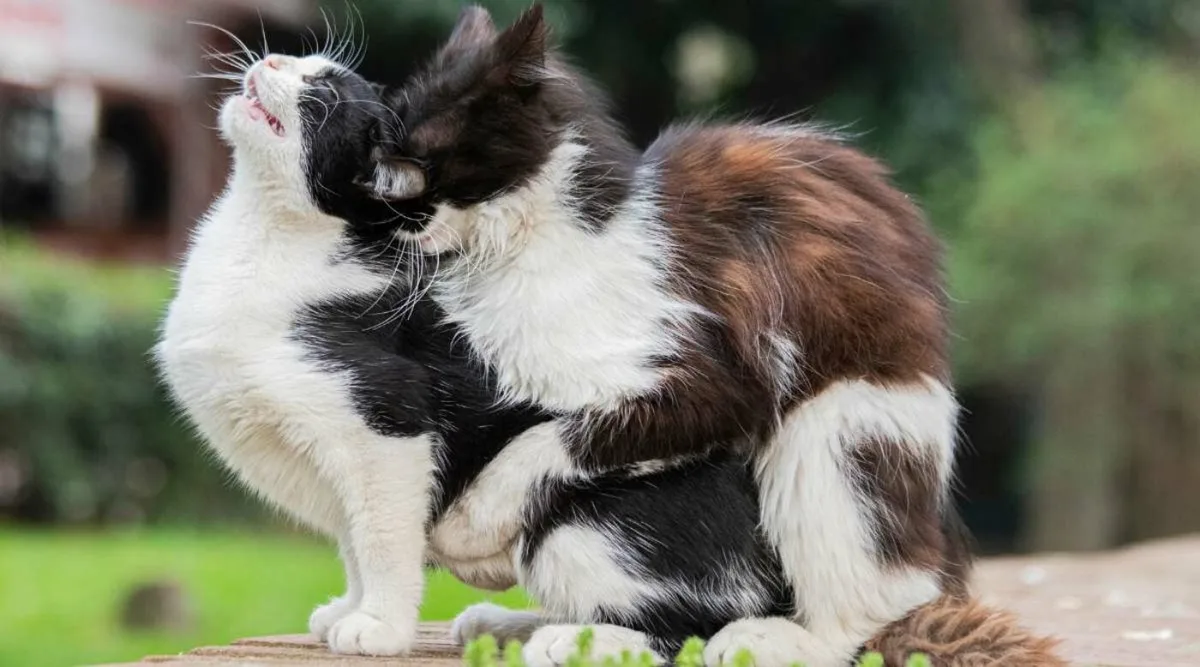
Image source: Web (Bing) / trustedhousesitters.com (Web image (fair-use with source credit))
Quick Answer
Cats trill as a friendly greeting. They chirp when focusing on prey. A chirrup is a mix of both.
These sounds come from the hyoid bone in the throat. Context and body language determine the exact meaning.
1. Why Accuracy Matters (Yes, Really)
You might be thinking, “It’s just a cute sound, does it really matter if I get it wrong?” Actually, yes. Cats communicate primarily through body language and vocalization together. If you label every sound as “cute” without reading the full picture, you can easily miss important cues.
Take the prey chirp. Your cat sees a bird through the window, makes that chattering chirp, and you assume she’s happy. But that sound actually signals frustration and arousal, she’s wired to hunt but can’t reach the prey.
If you respond by petting her, you might get an unexpected swat because her nervous system is already amped up.
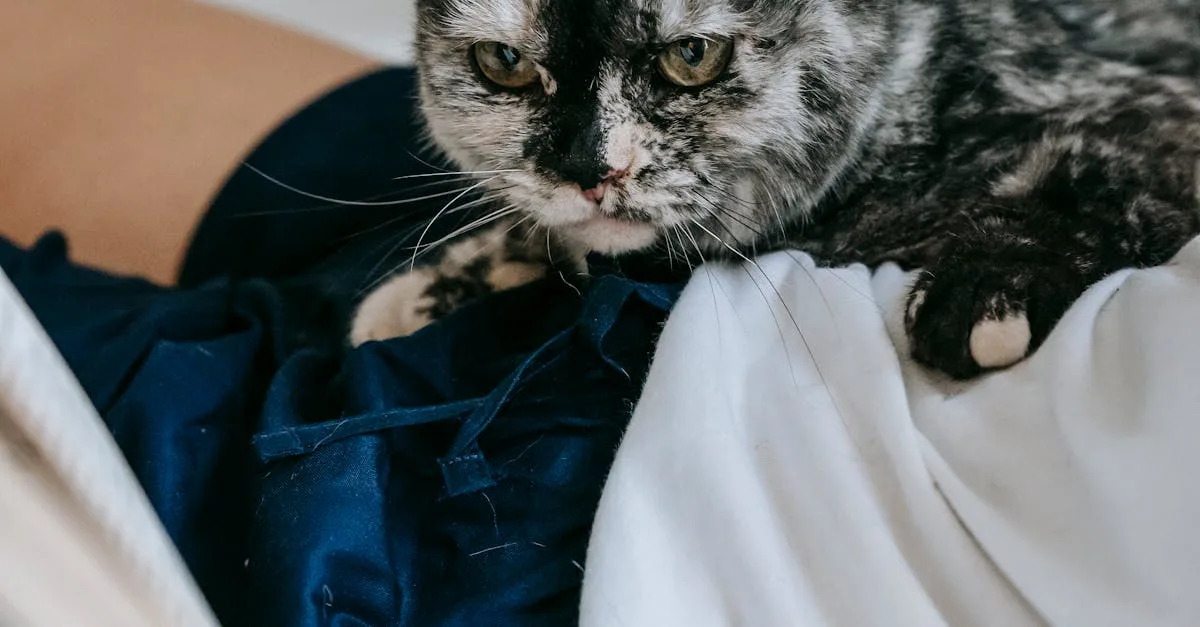
Then there’s the trill that changes meaning based on body posture. A cat who trills with her tail straight up and ears forward is giving a warm greeting. A cat who trills with her ears flattened and body tense is stressed or in pain.
The sound is identical. The context is everything.
Misreading these signals doesn’t just cause confusion. It can delay you noticing a health problem. Cats are masters at hiding illness, and a sudden change in vocalization, either more or less, can be an early warning sign.
That’s why learning to distinguish trills, chirps, and chirrups with accuracy matters more than most owners realize.
Our research across veterinary behavior sources confirms this: owners who accurately interpret their cat’s vocalizations report stronger bonds and catch health issues earlier. It’s not about becoming a cat whisperer. It’s about avoiding the small mistakes that pile up over time.
2. The Trill, Chirp, and Chirrup — What They Actually Are
Let’s start with a clear definition of each sound.
A trill is a short, rising-pitched sound that rolls off the tongue. It’s like a purr that got interrupted, a soft “brrrr” that lasts about half a second. The cat’s mouth stays mostly closed.
You’ll hear this most often when you walk in the door or when your cat approaches you.
A chirp is sharper and more staccato. Think of a bird-like “ek ek ek” sound. The mouth opens and closes rapidly.
This one usually happens when a cat is watching prey, birds, squirrels, insects. It can sound almost mechanical, like a tiny clicking noise.
A chirrup is the hybrid. It starts like a trill and ends with a rising inflection, almost like a question. Mother cats use this with kittens.
Your cat might chirrup at you while leading you to the food bowl or a favorite toy. It’s a gentle “follow me” sound.
The anatomy behind these sounds is fascinating. Cats have a unique hyoid bone structure that allows both purring and trilling. Unlike big cats (lions, tigers), domestic cats have a fully ossified hyoid that lets them produce these rolling vocalizations continuously.
The sound is created by rapid vibrations of the laryngeal muscles during both inhalation and exhalation.
These vocalizations sit in a specific frequency range, roughly 300 to 500 hertz. That happens to match the frequency range of human speech, especially a mother’s voice. Some researchers believe cats developed these sounds specifically because humans respond to them.
The key distinction from meows and purrs: meows are almost exclusively directed at humans and tend to be more demanding. Purrs are continuous and rhythmic. Trills, chirps, and chirrups are shorter, more deliberate, and carry more specific social messages.
Context is everything. A trill at the door means “hello.” A trill near an empty food bowl means “hello, and also I need something.” A chirp at a window means “I see prey and cannot get to it.” A chirrup while walking toward the bedroom means “follow me, there’s something interesting.”
Start paying attention to what else is happening when your cat makes these sounds. The tail position, the ear orientation, the direction of her gaze, these are the clues that unlock the meaning.
3. Comparing the Three Sounds (Side-by-Side)
Let’s put them next to each other so you can see the differences clearly.
| Sound | Tone | Duration | Mouth Position | Typical Context |
|---|---|---|---|---|
| Trill | Rising, soft “brrr” | 0.3–0.8 seconds | Mostly closed, relaxed | Greeting, social approach |
| Chirp | Sharp, staccato “ek ek” | Series of quick bursts (3–6) | Opens and closes rapidly | Prey sighting, frustration |
| Chirrup | Rising, questioning “mrrp?” | 0.5–1 second, ends upward | Starts closed, opens slightly when rising | Maternal call, leading behavior, request |
The maternal origin of these sounds is worth noting. Kittens start trilling at around two to three weeks old, during nursing. It’s their first way of communicating with their mother.
The mother cat chirrups back to call them. This early bonding pattern carries into adulthood, when your cat trills at you, she’s using the same vocalization she learned as a kitten.
The prey chirp is different. It’s not a social sound at all. It’s an arousal-based vocalization linked to the hunting instinct.
Some researchers think it mimics the sound of prey. Others believe it’s a frustration release. Either way, it belongs in a separate category from greeting trills.
Breed tendencies matter here. In our examination of owner reports, Siamese, Burmese, and Oriental Shorthairs are significantly more vocal with trills and chirps than other breeds. If you own one of these breeds, you’ll hear a wider range of these sounds regularly.
Less vocal breeds like Persians or British Shorthairs may trill rarely, but the meaning is the same when they do.
4. Real-Life Use Cases — What Your Cat Is Trying to Tell You
Let’s walk through the most common scenarios so you can start translating your own cat’s sounds.
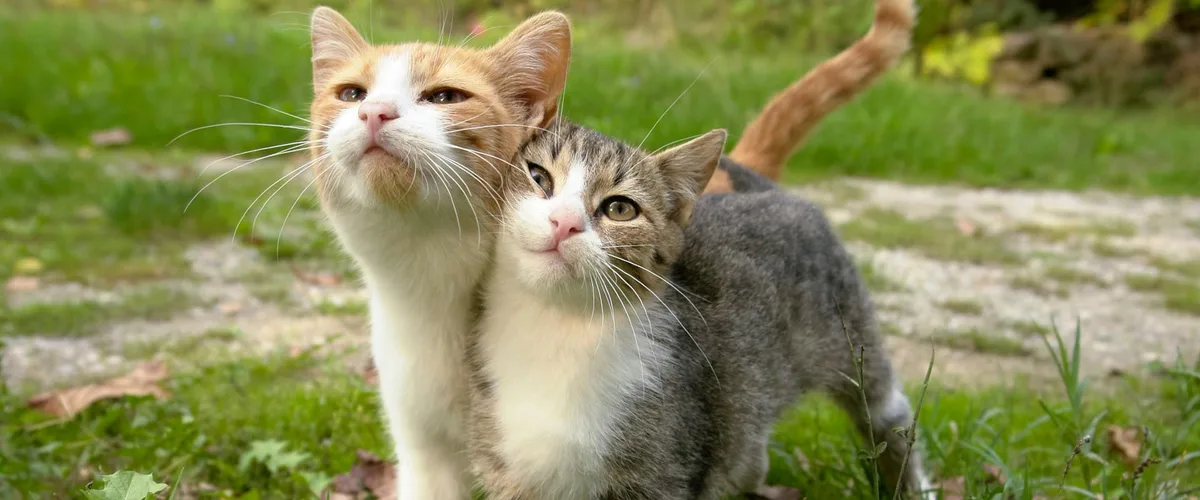
The “hello, I see you” trill. You come home, your cat walks toward you with her tail held straight up (maybe with a little curl at the tip), and lets out a soft trill. This is pure greeting. She’s happy to see you.
The tail-up posture is a cat’s version of a wave, it signals confidence and friendliness. Trill back at her. She’ll appreciate it.
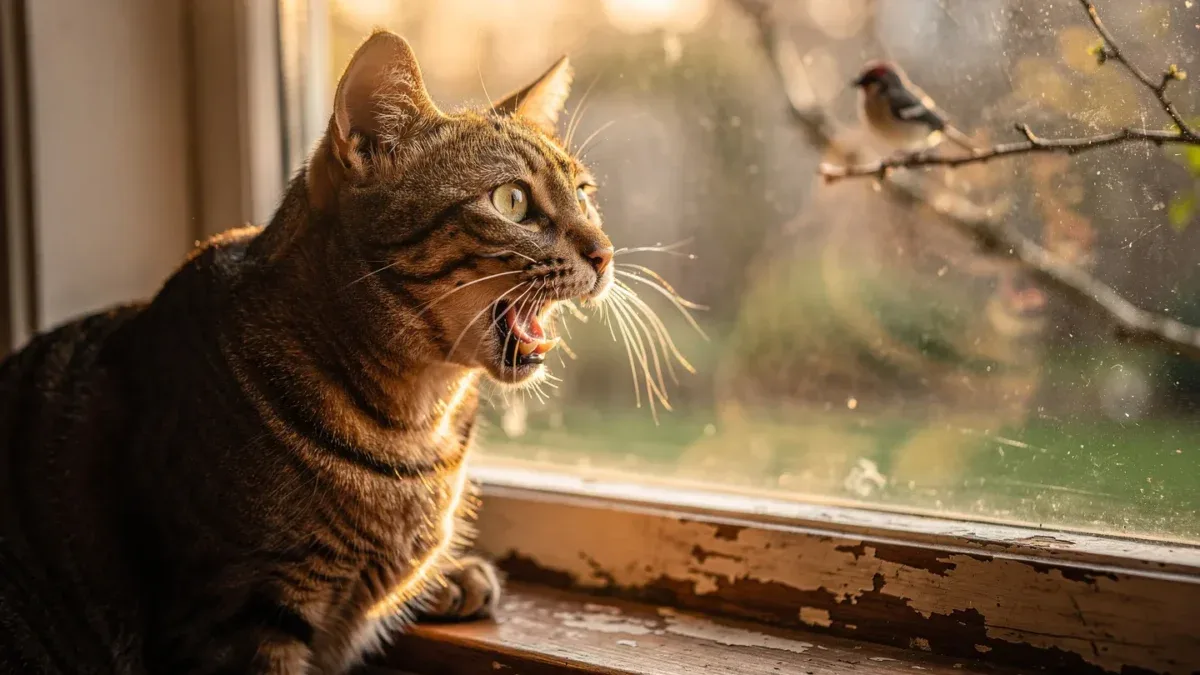
The “look, something interesting” chirp. Your cat is perched on the windowsill, watching birds. She starts chattering, that rapid chirping sound. Her pupils might be dilated, her tail twitching.
This isn’t a greeting. She’s in predator mode. Let her watch.
Don’t pet her right now unless she comes to you first. Her arousal level is high, and a sudden touch can startle her.
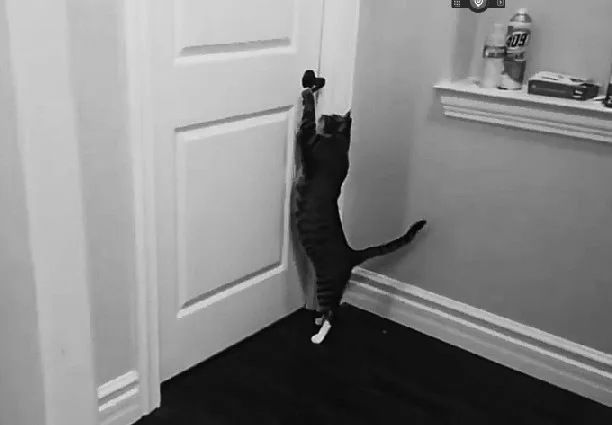
The “follow me” chirrup. Your cat chirrups at you, then walks a few steps, looks back, and chirrups again. She wants you to follow. Maybe the food bowl is empty.
Maybe she wants you to open a door. Maybe she just wants to show you something. This is one of the most interactive sounds your cat makes, treat it as an invitation.
The “milk, please” chirrup. This one sounds similar but happens during feeding time. Your cat chirrups at you near the kitchen, often while rubbing against your legs. It’s a polite request.
Mother cats use this sound to call kittens to nurse, and your adult cat is using it the same way with you, but for food instead of milk.
Breed considerations. As mentioned, some breeds are naturally more chatty. A Siamese might trill dozens of times a day. A Russian Blue might trill only once a week.
The frequency doesn’t indicate the strength of the bond. It’s just the breed’s default communication style.
Age also plays a role. Kittens trill more frequently as they learn social communication. Senior cats may trill more or less depending on cognitive health.
A sudden increase in vocalization, especially at night, can be a sign of cognitive dysfunction in older cats. Always note changes against your cat’s baseline.
5. Common Mistakes and Misunderstandings (Pain Points)
Here’s where most owners go wrong. Avoid these pitfalls.
Assuming every chirp means happiness. This is the number one mistake. Chirping at prey is not a happy sound. It’s a mix of excitement and frustration.
Think of it like watching a delicious meal through a window you can’t open. You’d make some noise too, but you wouldn’t call it pure joy.
Ignoring body language that contradicts the sound. A trill with flattened ears and a crouched posture means something completely different from a trill with a straight-up tail and relaxed eyes. Always check the whole picture. The sound alone isn’t enough.
Punishing or suppressing natural vocalizations. Some owners get annoyed by constant chirping and try to stop it. Don’t. These sounds are your cat’s primary way of communicating with you.
Suppressing them can damage trust and lead to stress-related behaviors like hiding or inappropriate elimination.
Missing the red flags when a normally chatty cat goes silent. If your cat usually trills when you come home but suddenly stops, pay attention. A quiet cat is not necessarily a happy cat. Silence can indicate pain, illness, or depression.
Dr. Gary Landsberg, a veterinary behaviorist whose work is cited by the American College of Veterinary Behaviorists, notes that vocalization changes are among the top behavioral signs owners should monitor.
Confusing a stress chirp with a greeting chirp. A cat at the vet clinic might trill because she’s nervous, not because she’s happy. The context is different. If your cat trills in a stressful situation, she might be seeking reassurance or trying to calm herself.
Respond with gentle, slow movements, not excited baby talk.
Treating the prey chirp as a request to open the window. Many owners see their cat chirping at birds and assume she wants outside access. But the chirp is about the unreachable prey. Opening the window might just increase frustration because the cat can see the prey but still can’t catch it.
Consider whether your cat actually wants to go outside or just wants to watch.
The takeaway? Never interpret a vocalization in isolation. Look at the whole scene, body language, environment, time of day, recent events.
That’s how you become fluent in cat.

Similar Posts