Why Do Cats Sleep on Their Backs? 4 Surprising Reasons
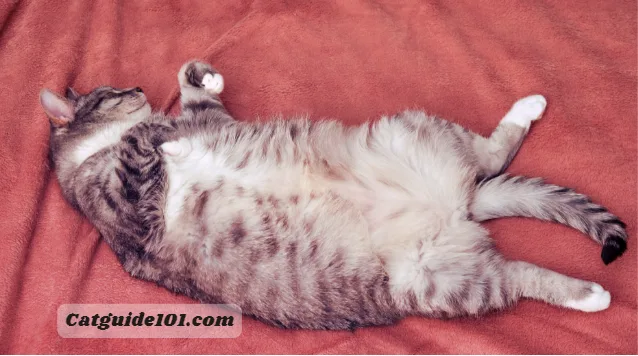
You look over and see your cat sprawled out on the living room floor, belly fully exposed, paws dangling in the air like they don’t have a care in the world. It’s a common sight for many cat owners, but it often leaves us wondering why do cats sleep on their backs in the first place. Is it pure comfort, a sign of deep trust, or something else entirely?
The short answer is that belly-up sleeping is a multi-layered behavior influenced by temperature, personality, and even breed. In our research, we found that while trust is certainly a factor, thermoregulation often plays a bigger role than most people realize. Cats maintain a body temperature between 100.5°F and 102.5°F, which means they’re always looking for ways to regulate heat, especially after a long nap in a sunbeam or a vigorous play session.
Let’s walk through the specific reasons, signs, and what your cat’s sleeping position actually tells you.
Quick Answer
Cats sleep on their backs to cool down, stretch sore muscles, and show trust. The belly has less fur, so exposing it releases body heat efficiently. It’s also a vulnerable position, meaning your cat feels safe in its environment.
Kittens do this more than adults, and certain breeds like Ragdolls are prone to it. If your cat isn’t panting or showing distress, this posture is normal and healthy.
Why Does My Cat Sleep on Its Back? The Short Answer
Let’s cut through the noise. When your cat sleeps belly-up, it’s usually balancing three things: heat release, physical comfort, and a sense of security. The exposed belly area has thinner fur and more surface area, which makes it an ideal cooling panel.
It’s the same reason you might kick off a blanket in the middle of the night when your room gets stuffy.
But there’s also a behavioral layer here. A cat that rolls onto its back is deliberately putting itself in a position where it can’t quickly flee. That’s a big deal for an animal that’s hardwired to be both predator and prey.
So when your cat does this near you, it’s essentially saying, "I trust that nothing bad will happen while I’m vulnerable."
The frequency of this posture changes with age too. Kittens sleep belly-up far more often than adult cats, sometimes up to 70% of their nap time. That’s because young cats haven’t fully developed the same threat-response instincts yet, and they’re also growing, which means they need more deep sleep for muscle and bone development.
As they mature, many cats transition to side or curled positions, but the belly-up habit can stick around if the environment stays calm.
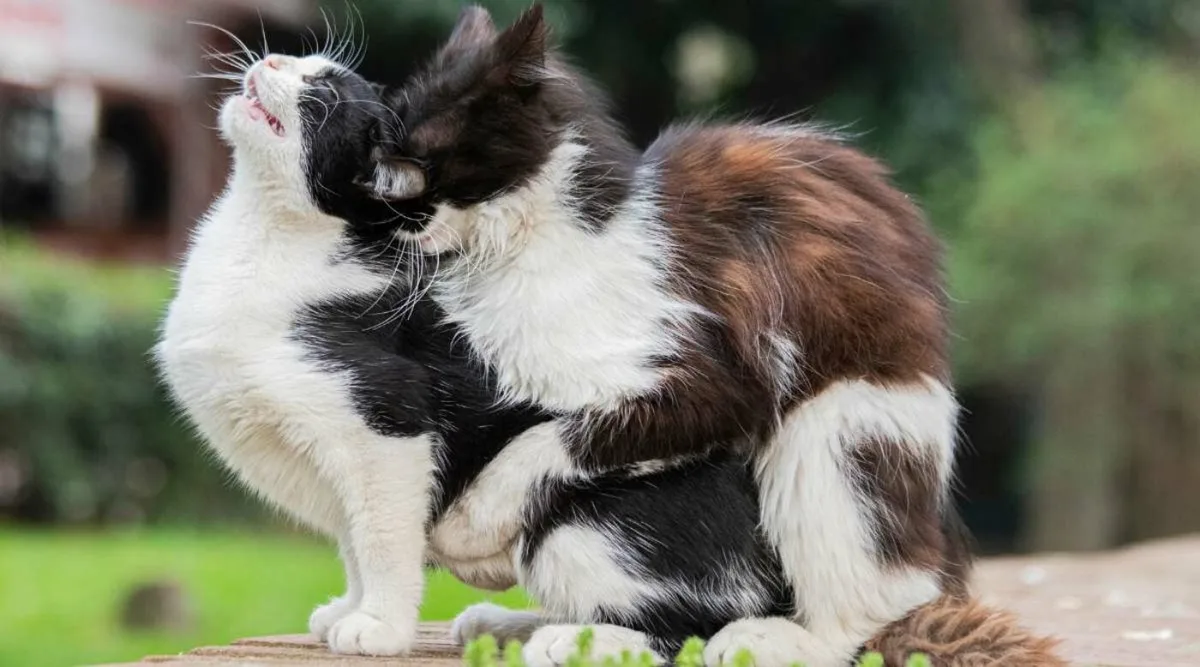
Image source: Web (Bing) / catguide101.com (Web image (fair-use with source credit))
Is It Always About Trust? The Four Main Reasons Cats Go Belly Up
Not always. While trust is the most popular explanation, it’s really just one piece of the puzzle. Here are the four main reasons cats adopt this posture, ranked roughly by how common each one is in typical households.
1. Thermoregulation
This is often the biggest driver, especially in warmer months. Cats have sweat glands only in their paw pads, which isn’t enough to cool a whole body. By exposing their belly, they let heat escape through the thinner fur in that area.
If your cat sleeps on its back on a tile floor in July, it’s probably trying to dump heat, not make an emotional statement. The same goes for cats with thick double coats, like Maine Coons, which may seek out this position more frequently in heated homes.
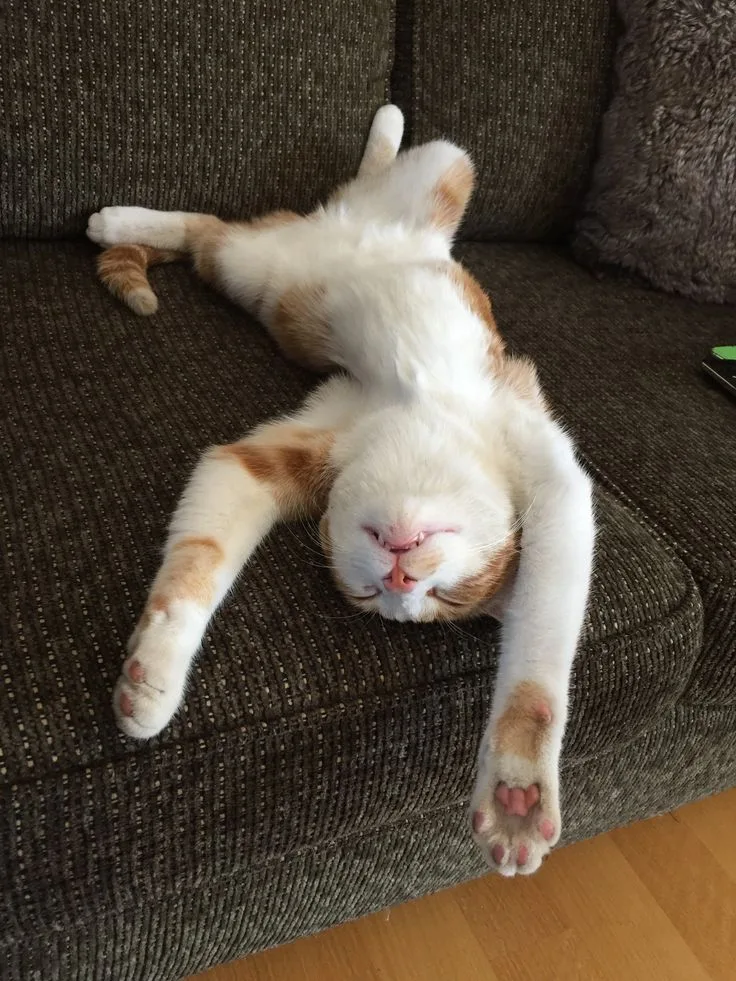
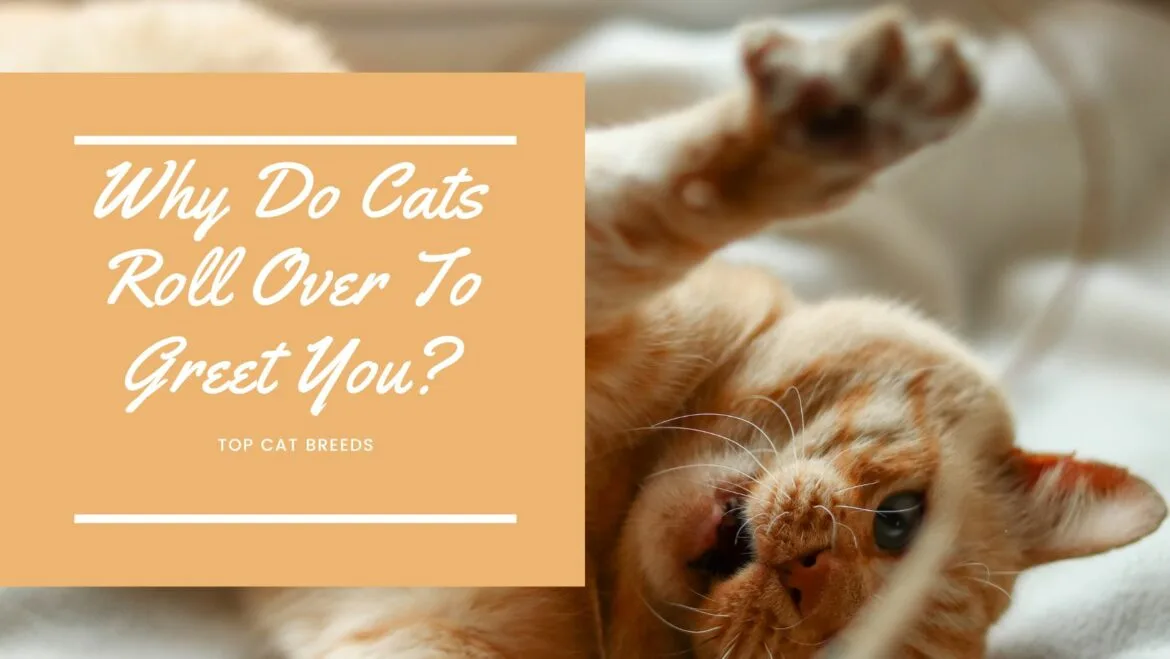
Image source: Web (Bing) / pinterest.com (Web image (fair-use with source credit))
2. Trust and Relaxation
Here’s where the conventional wisdom kicks in. The belly is the most vulnerable part of a cat’s body. Exposing it requires confidence that no predators are around and that the humans in the home won’t suddenly grab them.
A cat that sleeps this way near you is showing a high level of comfort. But remember, trust doesn’t mean an invitation for a belly rub. Many cats will expose their stomach but still swat your hand if you reach for it.
That’s a defense mechanism, not a contradiction.
3. Muscle Stretch and Joint Relief
Think about how good it feels to stretch your arms overhead after a long day. Cats do the same with their spines. Sleeping on their back allows them to extend the spine, hip joints, and hind legs fully.
This is especially relevant for older cats or cats with arthritis, who may find this position helps relieve pressure on sore joints. If your senior cat suddenly starts sleeping this way more often, it could indicate joint stiffness, so watch for other signs like reduced jumping.
4. Breed and Personality Predisposition
Some cats are just prone to it. Ragdolls, for example, are famously relaxed and floppy, and they commonly sleep belly-up. Bengals and Sphynx cats, which tend to have higher body temperatures or less fur, also use this posture for cooling.
Personality matters too. Confident, outgoing cats are likelier to sprawl out, while shy or anxious cats usually curl into a tight ball to conserve heat and protect their organs. If you’ve had a cat that slept curled up for years and then switched to belly-up, that’s often a sign they’ve become more comfortable in their environment.
How to Read Your Cat’s Context: Temperature, Breed, and Body Language Clues
Now that you know the four main reasons, the challenge is figuring out which one applies to your cat in the moment. The posture alone isn’t enough. You need to look at the whole scene.
Here’s a quick decision tree you can run through next time you spot your cat in the belly-up position.
Step 1: Check the Room Temperature and Surface
Is the room above 75°F? Is your cat lying on a hardwood floor, tile, or a cool windowsill? If yes, heat regulation is likely the primary motivator.
Cats prefer ambient temperatures between 68°F and 77°F. When it gets warmer than that, they’ll seek out cool surfaces and expose their belly to increase airflow over their skin.
Step 2: Look at the Tail and Ears
A relaxed tail that’s resting on the floor or gently swaying indicates comfort. A tail that’s tightly wrapped or twitching suggests your cat is on alert. Same with the ears.
If they’re facing forward or relaxed, that’s a good sign. If they’re flattened sideways, your cat is hearing something it doesn’t like and may be preparing to bolt.
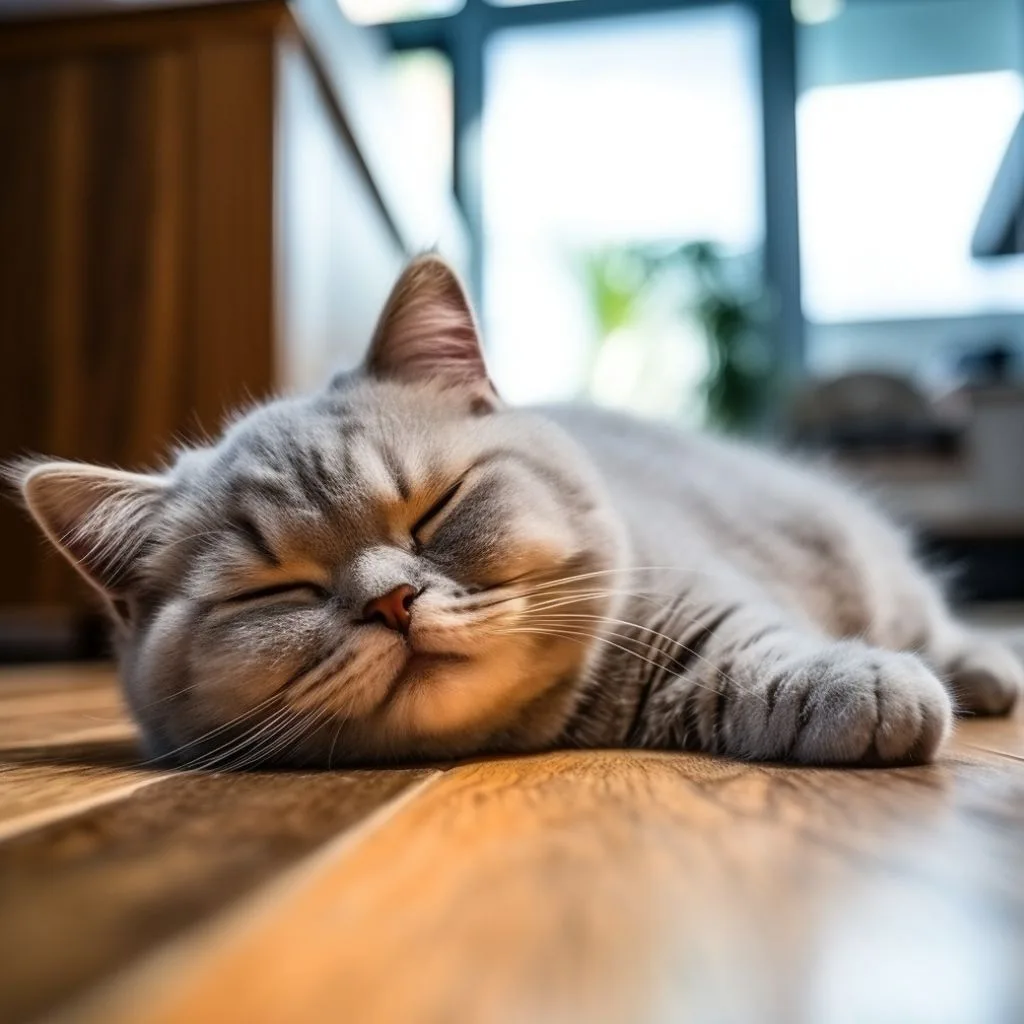
Image source: Web (Bing) / storage.googleapis.com (Web image (fair-use with source credit))
Step 3: Check the Breathing Rate
Normal cat respiratory rate is 15 to 30 breaths per minute. If your cat is belly-up but breathing at a normal pace, it’s probably just resting comfortably. If it’s panting, breathing rapidly, or drooling, that’s a red flag for overheating.
In that case, move your cat to a cooler spot and offer fresh water. Panting in cats is not as common as in dogs, so take it seriously.
Step 4: Consider Time Since Last Play or Meal
A cat that just finished a burst of energetic play may roll onto its back to stretch out tired muscles. Similarly, a cat that just ate a large meal might do it to relieve pressure on its stomach. If you notice a pattern, like your cat always does this after dinner, it’s behavioral rather than temperature-driven.
Step 5: Factor in Breed and Age
As we mentioned, Ragdolls, Sphynx, and Bengals are more likely to sleep on their backs. Kittens also do it more often than adults. If you have a calm adult cat of a low-shedding or short-haired breed that suddenly starts doing this, trust is probably the main driver.
If you have a thick-coated breed like a Norwegian Forest Cat doing it in winter, heat control is less likely, so look for other explanations like joint relief.
What Should You Do Next? Respect, Reward, or Adjust the Room
Once you’ve figured out why your cat is sleeping belly-up, you can respond appropriately. The key is to either reinforce the trust, adjust the environment, or leave them alone. Here are some practical steps for each scenario.
If It’s About Trust
You’ve earned your cat’s confidence. Don’t break it. Resist the urge to rub the belly, especially if you know your cat has a "trap" reaction.
Instead, offer a gentle chin scratch or speak softly. Some experts recommend giving your cat a treat after it wakes up, which reinforces that sleeping near you is a positive experience. Over time, this deepens the bond even further.
If It’s About Heat
Lower the room temperature or provide a cooling mat. You can also move your cat gently to a cooler surface if it’s lying on carpet near a sunny window. A simple fan can help increase airflow.
If your cat is panting, take immediate action: move it to the shade or a cooler room, offer water, and if symptoms persist, contact your veterinarian.
If It’s About Stretching
Let them be. Interrupting a stretch cycle can be annoying for a cat. If you suspect arthritis or joint pain in a senior cat, you might want to add a soft orthopedic bed to their favorite spots.
Some owners find that gently massaging their cat’s hind legs after they wake up helps improve mobility over time, but that’s more about long-term joint health than the sleeping position itself.
When to Leave It Alone
Here’s the bottom line: if your cat is breathing normally, ears relaxed, and tail loose, the belly-up position is healthy and normal. The best thing you can do is let your cat sleep. Interrupting a nap can lead to "sleep aggression," which is when a startled cat lashes out.
So unless you see signs of distress, let the belly fly.
Common Mistakes Owners Make (And What to Do Instead)
We all want to understand our cats, but sometimes good intentions backfire. Here are the most common mistakes owners make when they see their cat sleeping on its back, plus what to do instead.
Mistake 1: Assuming It’s an Invitation to Rub the Belly
This is the biggest one. Just because the belly is exposed doesn’t mean it’s available. In fact, the belly is a high-sensitivity zone for most cats.
Petting it can trigger a defensive bite. The "trap" reaction is a natural instinct, not your cat being mean. Instead, pet your cat’s head, cheeks, or chin when they’re in this position.
That respects their boundaries while still showing affection.
Mistake 2: Overheating the Room
We’ve seen owners crank up the heat in winter, not realizing their cat is trying to cool down. If your cat is sleeping on its back on a cold floor, heat might not be the issue, but if you’re running a space heater near their napping spot, you could inadvertently push them into a constant cooling posture. That uses extra energy.
Keep the ambient room within that 68°F to 77°F range.
Mistake 3: Always Reading It as Trust
If you assume trust every single time, you might miss the signs of overheating or joint pain. Pay attention to the context we outlined above. A cat that’s panting while belly-up isn’t expressing trust.
It’s in distress. Similarly, an older cat that never used to sleep this way might be signaling joint discomfort. Taken alone, the posture is ambiguous.
Taken with context, it’s clear.
Mistake 4: Waking the Cat for a Photo
We get it. It’s adorable. But every time you wake a sleeping cat, you interrupt their REM cycle.
Cats need a lot of sleep, up to 16 hours a day, and they sleep deeply for short periods. Waking them repeatedly can lead to stress and behavioral issues. If you must take a photo, do it silently from a distance without flash.
Then let them be.
Mistake 5: Ignoring Changes in Posture
If your cat suddenly starts sleeping belly-up when it never did before, note when that change happened. A sudden shift can be a behavioral marker, either positive, like increased trust, or negative, like an attempt to cool down due to illness-related fever. If the change coincides with other odd behaviors like reduced appetite or lethargy, it’s worth a veterinary check.
When Belly-Up Sleeping Could Signal a Health Issue
Most of the time, a cat sleeping on its back is perfectly normal. But there are a few scenarios where this posture, combined with other symptoms, warrants a closer look. Here’s when to pay attention instead of just snapping a photo.
Overheating and Heat Stress
If your cat is belly-up and panting, that’s the clearest red flag. Cats don’t pant the way dogs do. A cat that’s breathing rapidly with its mouth open or drooling is struggling to cool down.
Move them to a cooler spot immediately. Offer fresh water. If panting continues for more than a few minutes after moving to shade, contact your veterinarian.
Respiratory Distress
A cat that’s belly-up but breathing with visible effort, like heavy abdominal movement or flared nostrils, may be having trouble getting enough air. This posture can sometimes open the airway slightly, which is why cats with mild respiratory issues might adopt it. But it’s not a solution.
If you notice labored breathing, that’s a veterinary visit, not a photo moment.
Arthritis or Joint Pain in Senior Cats
We mentioned earlier that older cats sometimes sleep belly-up to relieve joint pressure. That’s true, but it can also be a clue that stiffness is getting worse. If your senior cat has started sleeping this way more often and you notice reduced jumping, slower movements, or difficulty using the litter box, the posture is a symptom of discomfort rather than just a preference.
Abdominal Discomfort or Bloating
A cat with a painful belly might expose it because any pressure on the abdomen hurts. If your cat is sleeping belly-up but seems restless, shifts position frequently, or shows sensitivity when you approach, check for bloating or hard belly. Other signs include vomiting, reduced appetite, or hiding.
This combination warrants an urgent vet visit.
Here’s a quick comparison of normal vs. concerning signs:
| Normal Belly-Up | Concerning Belly-Up |
|---|---|
| Relaxed, slow breathing | Panting or rapid breathing |
| Loose tail and ears | Ears pinned back, tail twitching |
| Eyes closed or half-closed | Eyes wide or staring |
| Easy to wake without startle | Hard to wake or overly reactive |
| No other symptoms | Vomiting, hiding, reduced appetite |
If you see two or more items from the concerning column, it’s time for a veterinary check.
Frequently Asked Questions About Cats Sleeping on Their Backs
Why does my cat sleep on its back but won’t let me touch its belly?
That’s completely normal. Exposing the belly shows trust in the environment, not an invitation for physical contact. The belly is a high-sensitivity zone.
Petting it triggers a defensive reflex. Stick to chin scratches and cheek rubs when your cat is in this position.
Is it normal for kittens to sleep on their backs more than adults?
Yes. Kittens sleep belly-up up to 70% of the time. They haven’t fully developed threat-response instincts, so they feel safe more easily.
They also grow rapidly and need deep REM sleep for muscle and bone development. Most cats grow out of it, but some keep the habit.
Should I worry if my adult cat suddenly starts sleeping on its back?
Not automatically, but it’s worth checking context. If the change coincides with warmer weather, it’s likely thermoregulation. If it happens alongside other changes like reduced appetite or hiding, it could signal overheating, joint pain, or illness.
Watch for the concerning signs we listed above.
Do all cat breeds sleep on their backs?
No. Ragdolls, Bengals, and Sphynx cats are more likely to adopt this posture. Ragdolls naturally have relaxed, floppy temperaments.
Bengals and Sphynx have higher body temperatures and less fur, so they use belly-up position for cooling. Shy or anxious breeds like Russian Blues typically curl into tight balls.
Why does my cat stretch and roll onto its back when it sees me?
That’s usually a greeting or solicitation for attention. The roll combines a spinal stretch with a social signal. Your cat is saying it feels safe and is inviting interaction, though typically head scratches rather than belly rubs.
It’s a positive behavior that shows bonding.

Similar Posts