Why Cats Walk in Front of You—The Real Reason
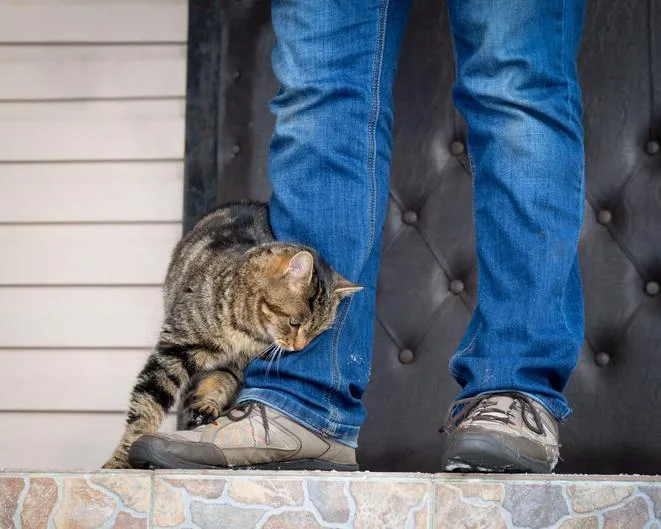
It’s that moment again. You’re walking through the kitchen, arms full, and your cat materialises right between your feet. You stop short, maybe stumble, and they look up at you like you’re the one being difficult.
If you’ve ever asked yourself “why do cats walk in front of you,” you’re not alone. It’s one of the most common and confusing cat behaviors out there.
Aggregate behavioral research suggests this is actually a complex communication signal, not random clutter. A 2020 review in the Journal of Feline Medicine and Surgery noted that cats use body blocking as a deliberate social cue. The trick is figuring out which message yours is sending.
Let’s walk through it step by step.
Quick Answer
Cats walk in front of you to get your attention. They want food, play, affection, or access to a room. It can also be a greeting or a sign of anxiety.
The meaning changes based on timing and body language. Watch their tail and ears to tell which one.
Why Your Cat Walks in Front of You (And How to Tell Which It Is)
This behavior isn’t random. It’s a communication tactic your cat learned because it works. When they cut you off, you stop.
You look down. You react. From their perspective, that’s a success.
The key is reading the context. Timing matters a lot. Is it morning, and you usually feed them soon?
That’s probably a food request. Is it right when you walk in the door after work? That’s a greeting.
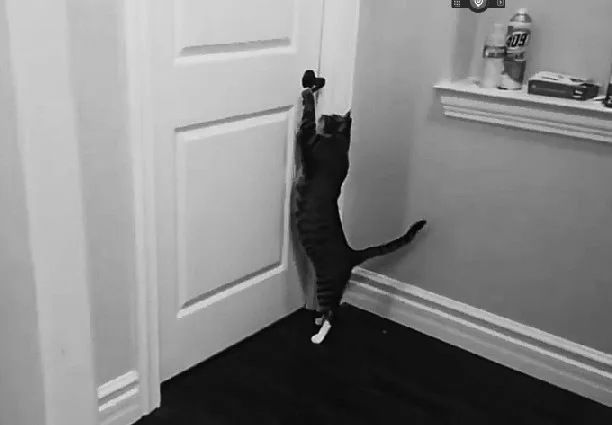
Are you walking toward a closed door? They might be trying to get in first.
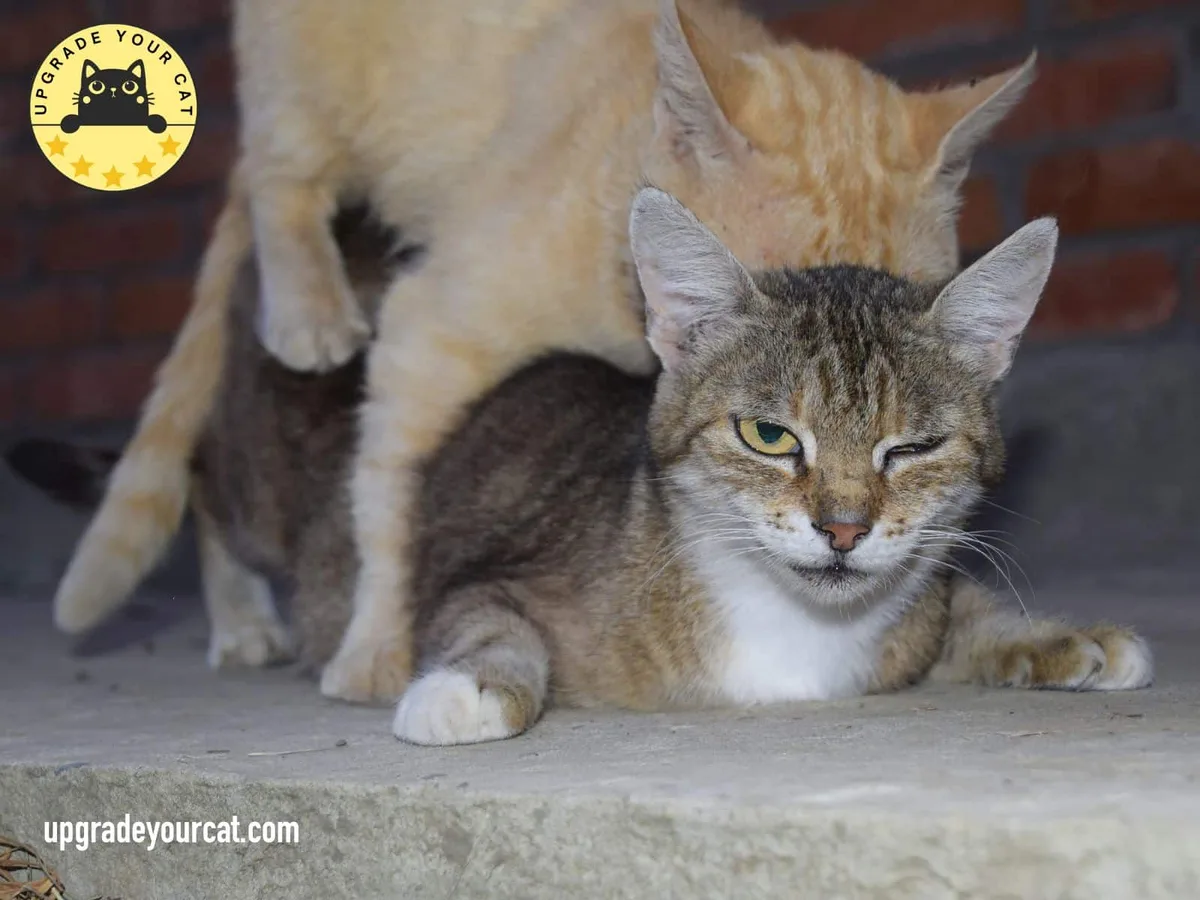
Image source: Bing (Web (fair-use with source credit))
Body language tells you the rest. An upright tail with a little quiver at the tip usually means a happy greeting. Fast rubbing against your legs often means they want something specific.
A low tail or flattened ears suggests anxiety, not friendliness.
Once you start noticing these patterns, you can predict the behavior before it happens. That’s the first step to dealing with it safely.
The Six Real Reasons Behind the Weave
There’s no single answer. Cats walk in front of you for different reasons at different times. Here are the six most common ones, based on observational studies and veterinary behaviorist consensus.
- Food anticipation. The cat leads you toward the kitchen or food bowl. You’ll often see this at set feeding times.
- Greeting ritual. You’ve been gone, and they’re happy you’re back. Expect an upright tail, maybe a trill sound, and head rubbing.
- Play solicitation. They want to chase or pounce. Look for a playful stance, dilated pupils, and a twitching tail tip.
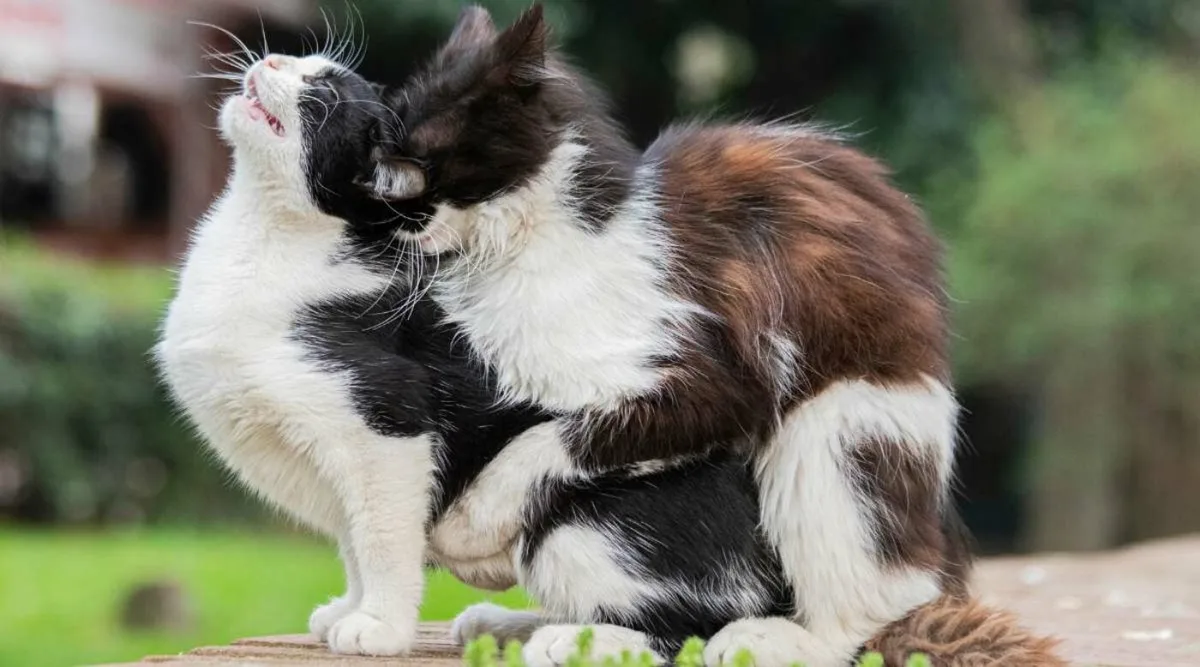
- Scent marking. They rub against your legs as you walk to deposit pheromones. This is claiming you as part of their territory.
- Attention seeking. They learned that blocking you gets a reaction. It’s a conditioned behavior, not necessarily affectionate.
- Anxiety or stress. Some cats weave when they’re uneasy, especially in new environments or after a change in the home.
Each of these requires a different response. That’s why guessing wrong can backfire.
Decision Tree: Diagnose Your Cat’s Intent in 30 Seconds
You don’t need a degree in feline behavior to figure this out. Just follow this quick checklist the next time it happens.
Step 1: What time is it?
- Within an hour of feeding time → likely food anticipation.
- Right after you get home → likely greeting.
- Middle of the night → likely attention seeking or boredom.
Step 2: What’s their tail doing?
- Upright with a quiver or curve → friendly greeting.
- Straight up but rigid → alert, maybe play.
- Low or tucked → anxious or stressed.
- Puffed up → fear, not affection.
Step 3: Are they vocalising?
- Soft trill or chirp → greeting or happy.
- Demanding meow → food or attention.
- Hissing or yowling → distress, back off.
Step 4: What are you doing?
- Walking toward the kitchen near mealtime → food lead.
- Carrying groceries or opening a door → they want to investigate.
- Sitting still → they may just want to rub and claim you.
Match the combination of signals to one of the six reasons above. Most of the time, one pattern will stand out.
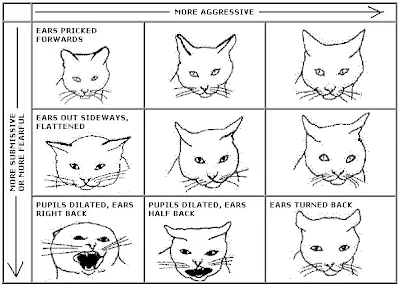
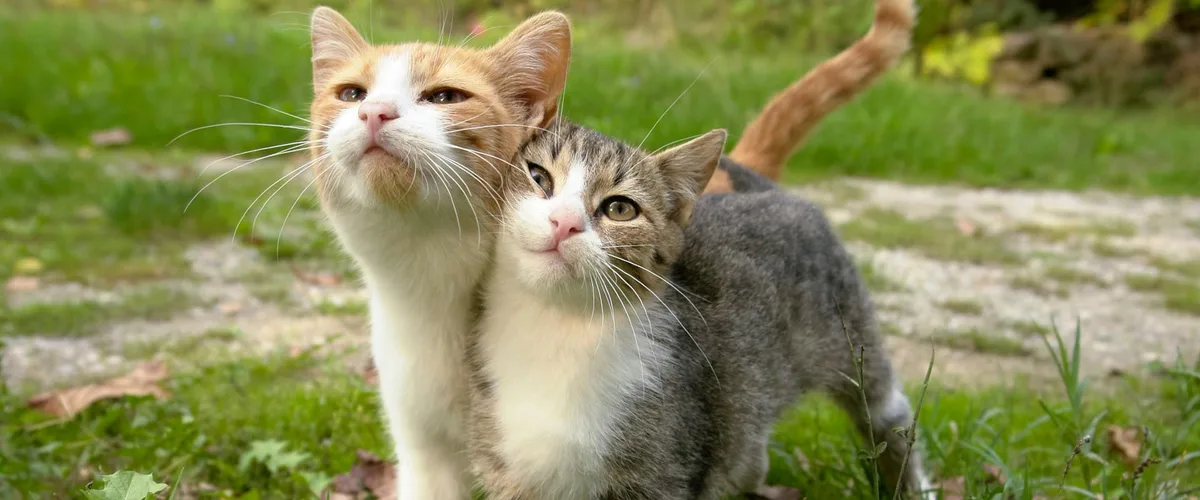
Image source: Bing (Web (fair-use with source credit))
What to Do Based on the Branch You’re In
Once you know the reason, you need a targeted response. Using the wrong one can reinforce the behavior or frustrate your cat.
If it’s food anticipation: Feed them a small treat or part of their meal after they stop blocking. Don’t feed them while they’re weaving. That reinforces the behavior.
Instead, ask them to sit or go to a mat first.
If it’s a greeting: Crouch down and pet them. Let them rub and purr. This meets their social need and usually ends the blocking quickly.
If it’s play solicitation: Stop walking. Toss a toy a few feet away. If they chase it, great.
If they weave again, you know it’s a persistent habit.
If it’s scent marking: Let them rub. It’s harmless and strengthens your bond. Then keep walking at your normal pace without sudden stops.
If it’s attention seeking: This is the trickiest one. If you react every time, you reinforce it. Try ignoring the behavior for 5, 10 seconds.
If they persist, redirect to a toy or a puzzle feeder. Reward calm behavior, not the weave.
If it’s anxiety: Check for triggers. Is there a new pet, a recent move, or a loud noise? Provide a safe space and consider a pheromone diffuser.
If it continues for more than a few days, a vet consultation is wise.
The Mistakes That Make It Worse
Some responses seem logical but backfire. Avoid these common errors.
- Pushing the cat away with your foot. This hurts your bond and can make them more anxious or more determined.
- Yelling or clapping. It teaches them that weaving gets an exciting reaction, which some cats love.
- Stopping every time. If you always stop and pet, you’re training them to block you for attention.
- Changing your walking path to avoid them. This reinforces the behavior because they successfully redirected you.
- Ignoring it completely without redirection. For attention-seeking cats, ignoring works only if you replace the behavior with a better one.
Research from the American Veterinary Society of Animal Behavior stresses that punishment never works for these behaviors. It increases fear and can cause aggression. Stick to redirection and reward for calm sitting instead.
When It’s Not Just Annoying – When to See the Vet
Most of the time, weaving underfoot is just a quirky habit. But sometimes it signals a health issue. Pay attention if your cat’s behavior changes suddenly.
A normally independent cat who suddenly starts blocking your path constantly could be trying to tell you something is wrong. Common medical causes include hyperthyroidism, which ramps up appetite and restlessness. Vision or hearing loss can also make cats stick closer to you for guidance.
Watch for these red flags.
- Sudden increase in frequency. If your cat never did this and now does it constantly, that’s worth a vet visit.
- Accompanied by weight loss or increased appetite. This points strongly to hyperthyroidism, especially in older cats.
- Disorientation or bumping into furniture. This suggests vision problems.
- Excessive vocalisation with weaving. Your cat may be in pain or distress.
- Changes in litter box habits along with the weaving. This could indicate urinary issues or arthritis.
Weaving that comes with lethargy, hiding, or aggression also needs professional attention.

Image source: Web (Bing) / wallpapers.com (Web image (fair-use with source credit))
Your vet can run a simple blood panel and check your cat’s vision. As of 2026, hyperthyroidism in cats is treatable with medication, diet, or radioactive iodine therapy. The sooner you catch it, the better the outcome.
If your cat is senior age (10 years or older) and you notice a new weaving pattern, schedule a checkup within a week. The International Society of Feline Medicine recommends annual senior wellness exams that include thyroid screening. It’s a small investment for peace of mind.
Frequently Asked Questions
Why does my cat walk in front of me and then fall over?
This is usually a dramatic play solicitation. Your cat is trying to trigger your prey drive by flopping down. It’s an invitation to chase or wrestle.
Toss a toy a few feet away and see if they pounce.
Why does my cat walk in front of me at night?
Nighttime weaving often means boredom or hunger. Cats are naturally crepuscular, meaning they are most active at dawn and dusk. A late play session and a small bedtime snack can reduce this pattern.
Why does my cat weave between my legs but not my partner’s?
Your cat may see you as the primary resource provider. You probably feed them, play with them, or give them the most attention. The behavior is targeted at whoever delivers the rewards.
Is my cat trying to trip me on purpose?
No. Cats do not have the cognitive ability to plan intentional harm. They are simply trying to get your attention or guide you somewhere.
The tripping is an accidental side effect.
Can I train my cat to stop walking in front of me?
Yes, but you need consistency. Stop moving when they block you. Wait for them to step aside even a little.
Then take one step forward. Repeat. They learn that pausing leads to forward movement.
When should I worry about this behavior?
If it comes on suddenly in an older cat, or if it is paired with weight loss, vomiting, or disorientation. A vet check can rule out hyperthyroidism, vision loss, or cognitive decline. Better safe than sorry.

Similar Posts