Why Do My Cat’s Eyes Change Color?
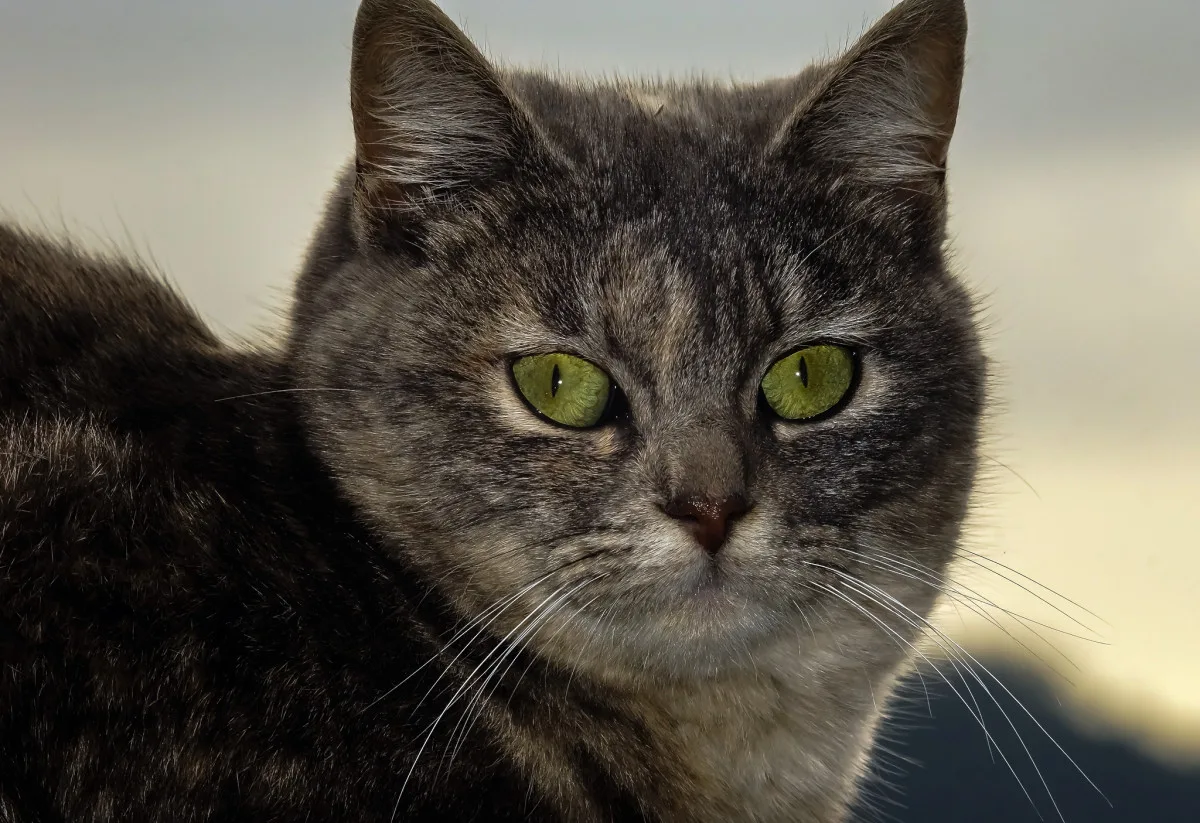
You're staring at your cat and you swear something is different about their eyes. Maybe they look more green than they did last month. Or one eye seems to have a dark spot that wasn't there before.
If you've ever wondered "why do my cats eyes change color," the answer depends heavily on age, health, and timing.
In kittens, eye color changes are perfectly normal and happen as melanin develops. But in adult cats, a sudden or gradual shift in eye color signals something deeper. According to the American College of Veterinary Ophthalmologists (ACVO), any change in iris color in a mature cat warrants a veterinary exam to rule out conditions like inflammation, bleeding, or cancer.
Let's break down what's normal and what demands a trip to the vet.
Quick Answer
Most kitten eye color changes are normal and finish by 12 weeks. Adult cat eye color changes are not normal. They can signal uveitis, iris melanoma, or glaucoma.
If your adult cat's eye color is shifting, see a vet fast. One eye changing is more concerning than both.
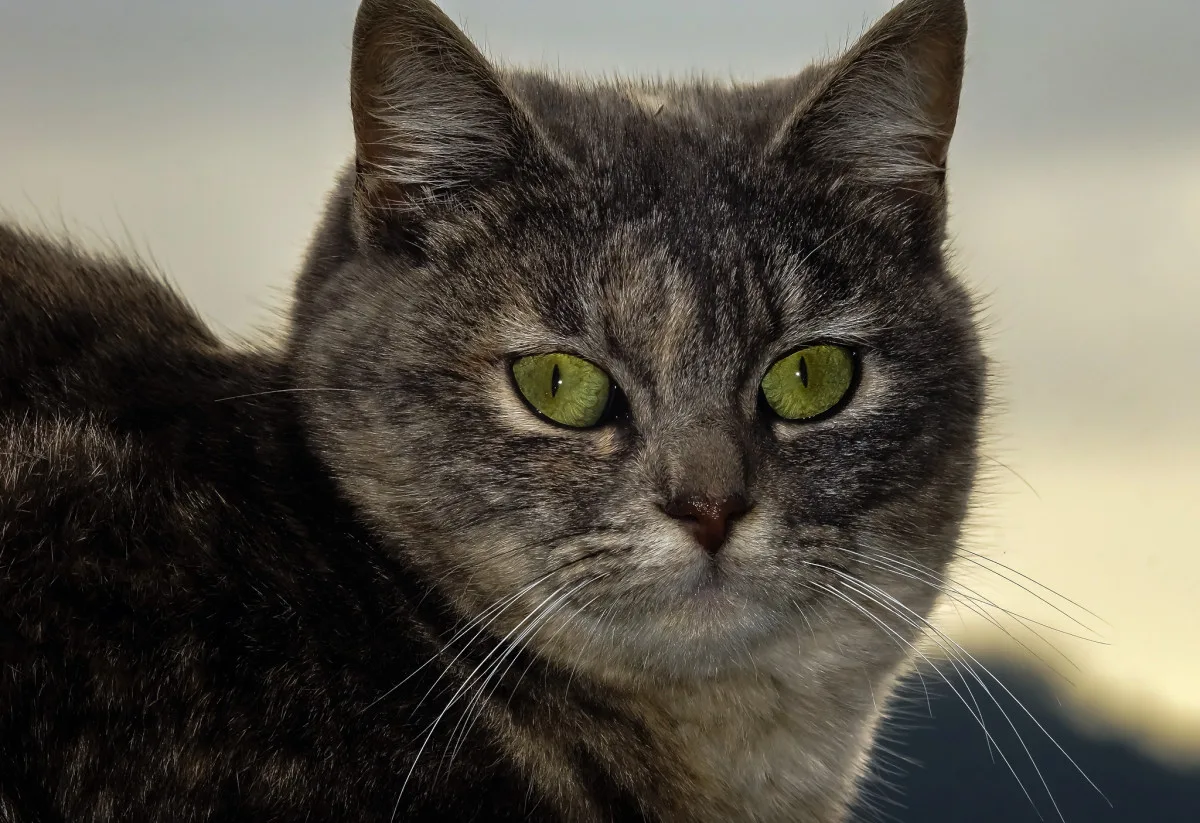
Image source: Web (Bing) / pxhere.com (Web image (fair-use with source credit))
How Cat Eye Color Works – And Why Kittens Outgrow Blue Eyes
Every kitten is born with blue eyes. That's not a breed trait, it's a biological default. The blue color comes from light reflecting off the iris before melanin-producing cells (melanocytes) have fully activated.
It's the same reason human babies often have blue eyes at birth.
Around 7 to 8 weeks of age, melanocytes in the iris start producing pigment. That process determines your cat's adult eye color. The possibilities are copper, gold, green, hazel, or a permanent blue in pointed breeds like Siamese and Ragdolls.
By 12 weeks, the final color is usually locked in.
But here's the part most people miss. If you see a kitten's eyes changing from blue to green to gold over a few weeks, that's the normal timeline. It's slow, gradual, and happens in both eyes at roughly the same rate.
Rushing them to the vet for a color change at 8 weeks is unnecessary.
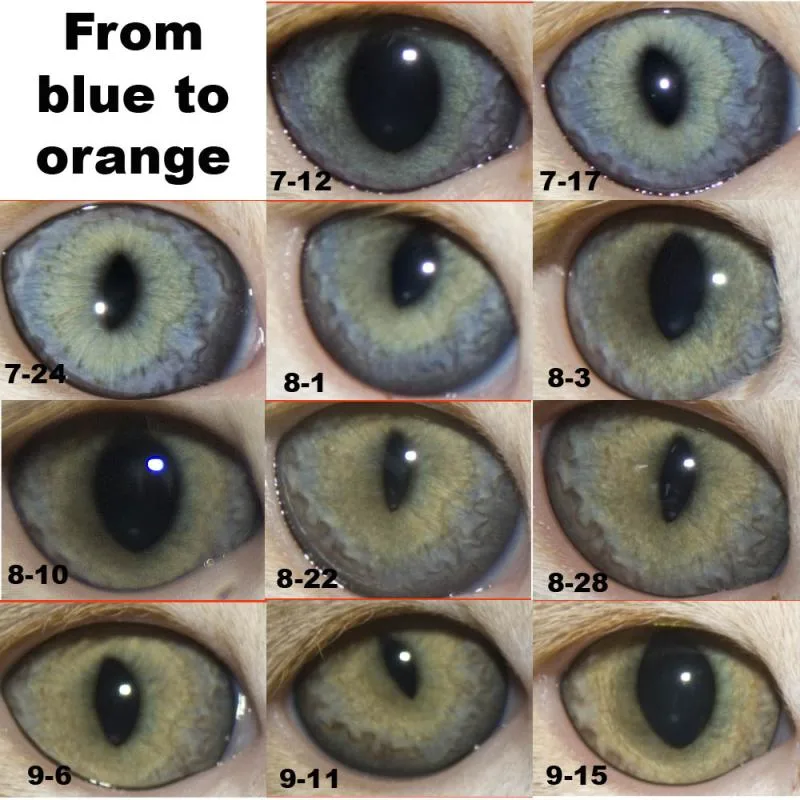
Image source: Bing (Web (fair-use with source credit))
The pigment that determines final eye color is called melanin. More melanin means darker eyes, like copper or deep gold. Less melanin gives you green or hazel.
In pointed cats, a temperature-sensitive gene limits pigment to the cooler body parts, leaving their eyes a clear blue permanently.
One more detail worth knowing. The texture of the iris itself doesn't change. If your cat's eye looks lumpy, bumpy, or irregular along with a color shift, that's not a pigment issue.
That's a structural one. More on that below.
Why Adult Cat Eyes Change Color – The Health Conditions Behind It
When an adult cat's eye color changes, it's almost always a sign of something going on inside the eye. This is where the YMYL angle kicks in. Mistaking a health problem for a cosmetic change can cost your cat vision or even their eye.
Here are the most common causes.
Iris melanosis. This is the most frequent reason you'll see a color shift in one or both eyes. It looks like flat brown freckles spreading across the iris surface. In most cats, it's benign and never causes trouble.
But in a small number of cases, it can progress to iris melanoma, a malignant cancer. The key is monitoring. If the dark area grows quickly or changes shape, your vet needs to evaluate.
Iris melanoma. This is the scary one. A malignant tumor on the iris can change eye color dramatically, usually to a darker brown or black in one eye only. It may look like a raised lump or an area where the iris texture has changed.
Early detection matters. If caught while still inside the eye, enucleation (removal of the eye) can be curative. Delay can allow the cancer to spread.
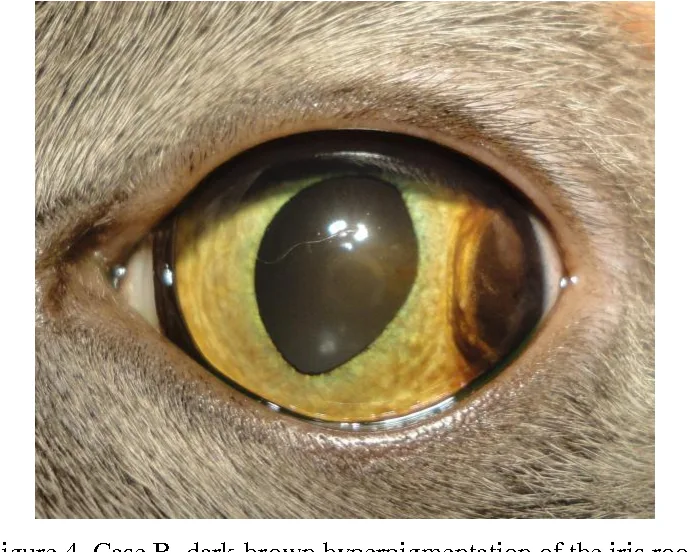
Image source: Bing (Web (fair-use with source credit))
Uveitis. Inflammation inside the eye can change how the iris looks. The eye may appear reddish, cloudy, or the iris color may shift because of inflammatory cells and protein floating in the front chamber. Uveitis is painful.
You might also see squinting, tearing, or a smaller pupil on the affected side. Causes include infections like feline leukemia virus (FeLV), FIV, toxoplasmosis, or trauma.
Glaucoma. Increased pressure inside the eye can make the cornea look blue or hazy, which can be mistaken for a color change. The actual iris may appear duller or darker due to compression. Glaucoma is an emergency.
Permanent blindness can happen within hours to days.
Lens sclerosis. This is a normal aging change in cats over 8 to 10 years old. The lens becomes denser and takes on a blue-gray haze. It looks like a color change from the outside, but the iris itself isn't changing.
The difference from a cataract is that with lens sclerosis, your cat can still see fine. With cataracts, the eye looks white or opaque and vision is blocked.
Hyphema. Bleeding inside the front of the eye can make the iris look dark red or brown temporarily. This can happen after trauma, with clotting disorders, or from severe uveitis. It needs urgent attention.
Breed-related color shifts. Some breeds like Tonkinese can continue to darken as they age, but this is gradual, bilateral, and part of their coat-and-eye pattern, not a disease.
What to Do If You Notice a Color Change (Step-by-Step Guide)
Here's a practical workflow for cat owners. If you're unsure whether the change is normal or dangerous, start with observation, then escalate.
- Step 1: Check both eyes in good light. Compare the left and right irises. Are they the same color? Is one darker, spotted, or cloudy? Take a photo with your phone for reference.
- Step 2: Look for other symptoms. Is your cat squinting? Rubbing the eye? Is there discharge, redness, or a visible third eyelid? Pain signs mean this is more urgent.
- Step 3: Assess the timeline. Did the change happen over days or months? A slow gradual change over months in both eyes is less alarming than a sudden shift in one eye over a week.
- Step 4: Review old photos. Scroll through your phone. Compare eye color in photos from six months ago or a year ago. Digital evidence is far more reliable than memory.
- Step 5: Rule out normal aging. If your cat is over 8 years old and both eyes look slightly blue-gray without other symptoms, lens sclerosis is likely. Your vet can confirm this with a simple eye exam.
- Step 6: Schedule a vet visit if anything seems off. As per Cornell University College of Veterinary Medicine, any adult cat with a unilateral (one-sided) color change needs a complete ophthalmic exam including tonometry to check pressure and a slit lamp to look at the iris in detail.
- Step 7: Follow up on diagnostics. Your vet may recommend bloodwork to check for FeLV, FIV, or systemic inflammation. They might also refer you to a veterinary ophthalmologist if melanoma is suspected.
| Symptom | Likely Cause | Urgency |
|---|---|---|
| Both eyes, gradual, no other signs | Normal kitten development or lens sclerosis | Low |
| One eye, dark spots growing over months | Iris melanosis or melanoma | Moderate to high |
| One eye, sudden darkening with redness | Uveitis or hyphema | High |
| One eye, cloudy with squinting | Glaucoma | Emergency |
| Both eyes, bluish haze in senior cat | Lens sclerosis | Low, confirm with vet |
Common Mistakes Cat Owners Make (And Why They're Risky)
The biggest mistake is assuming all color changes are harmless. Here are the ones I see most often in veterinary forums and research.
Waiting to see if it goes away. Eye conditions don't self-resolve unless they're minor trauma. Uveitis and early glaucoma can look better for a day or two, then worsen. Waiting wastes critical treatment time.
Confusing lens sclerosis with cataracts. Lens sclerosis looks alarming because the eye turns blue-gray. But it's not painful and doesn't cause blindness. Cataracts are white, opaque, and do cause vision loss.
If you can't tell the difference, a vet can in 30 seconds. Don't assume based on appearance alone.
Only checking in dim light. Eye color looks different in low light. You might miss subtle dark spots or cloudiness. Always examine both eyes in bright, indirect light.
Treating with over-the-counter eye drops. Human products like Visine or allergy drops are not safe for cats. They can worsen inflammation or mask symptoms. Never use any eye drop without a veterinary prescription.
Ignoring one eye changes. If only one eye changes color, that's a red flag. Most benign conditions like lack of pigment or lens sclerosis affect both eyes symmetrically. A one-sided change points to inflammation, trauma, or tumor.
Assuming it's just aging. Senior cats do get lens sclerosis, but they also get melanoma and glaucoma. Age alone doesn't make a color change normal. Always get a professional opinion.
When to See a Vet – Red Flags That Can't Wait
Some eye changes demand an immediate veterinary visit. Waiting even a few days can mean the difference between saving vision and permanent damage.
One eye suddenly changes color. This is the biggest red flag. A unilateral shift in iris color points to inflammation, bleeding, or a tumor. As the American College of Veterinary Ophthalmologists notes, any adult cat with a one-sided color change needs a complete ophthalmic exam including tonometry and slit lamp evaluation.
The eye looks red or cloudy. Redness inside the eye signals uveitis or hyphema. Cloudiness can mean glaucoma, corneal edema, or a cataract. All of these require prescription treatment within hours to days.
Your cat is squinting or rubbing the eye. Pain in cats shows up as squinting, a protruding third eyelid, or rubbing the face along furniture. Cats hide pain well. If you see any of these signs, the discomfort is significant.
The pupil looks different from the other eye. One pupil larger or smaller than the other, or an irregular shape, suggests nerve damage, inflammation, or iris adhesions. This is not a cosmetic issue.
A dark spot appears and grows. A flat brown freckle that stays the same size for months is likely benign melanosis. A spot that grows quickly, becomes raised, or changes the iris texture could be melanoma. Your vet may recommend a recheck in three to six months or referral to a veterinary ophthalmologist for biopsy.
The eye looks larger or bulging. This suggests glaucoma or a mass behind the eye. Pressure inside the skull or globe can push the eye forward. It's painful and urgent.
Any eye trauma. If your cat got into a fight, was hit by a car, or scratched their eye, get them checked. Trauma can cause hyphema, lens luxation, or retinal detachment. Color change after trauma needs a full exam.
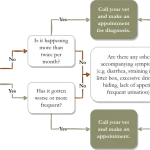
Here is a quick decision guide. If your adult cat has a color change plus any of these signs, call your vet the same day. If the eye looks painful or cloudy, go to an emergency vet.
The cost of an exam is far cheaper than the cost of managing a blind cat.
Frequently Asked Questions
Can a cat's eyes change color from stress or diet?
No. Stress and diet do not cause iris color changes in cats. A yellowish tint to the white of the eye could signal jaundice from liver disease.
But the iris itself does not shift color based on what your cat eats or how they feel.
Do all kittens lose their blue eyes?
Most do, but not all. Kittens born with blue eyes will develop their adult color by 12 weeks. Siamese, Ragdolls, and some other pointed breeds keep blue eyes for life due to the Himalayan gene that restricts pigment.
Why did my cat's eye turn brown in one spot?
That is likely iris melanosis, a benign accumulation of pigment cells. It looks like flat brown freckles. Most cases never cause problems.
But if the spot grows, becomes raised, or changes texture, have your vet monitor it for progression to iris melanoma.
Is lens sclerosis the same as cataracts?
No. Lens sclerosis is a normal aging change where the lens becomes denser and looks blue-gray. It does not cause vision loss.
Cataracts are white, opaque, and block light from reaching the retina. A vet can tell the difference in seconds.
How quickly should I act if my adult cat's eye changes color?
Act within 24 to 48 hours if the change is sudden, one-sided, or accompanied by squinting or redness. Some conditions like glaucoma can cause permanent blindness in hours. A gradual change over months in both eyes with no other symptoms is less urgent but still needs a vet visit.
Can eye color change after an injury?
Yes. Trauma can cause bleeding inside the eye (hyphema) that makes the iris look dark or red. Inflammation from the injury can also shift the perceived color.
Any eye trauma should be examined by a vet even if the color change seems minor.

Similar Posts