Why Your Cat Brings You Socks (And What It Means)
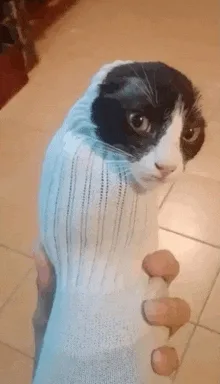
You are lying in bed. Your cat walks in, head high, a sock dangling from its mouth. Maybe it drops the sock on your chest.
Maybe it lets out a strange, muffled meow around the fabric. If you have ever asked yourself why does my cat bring me socks, the answer is not random at all.
Per research from the Cornell Feline Health Center, roughly 40 percent of indoor domestic cats carry objects in their mouths at least occasionally. That number jumps higher in cats who do not have outdoor hunting access. The reason behind the sock delivery changes based on one key factor you can spot in seconds.
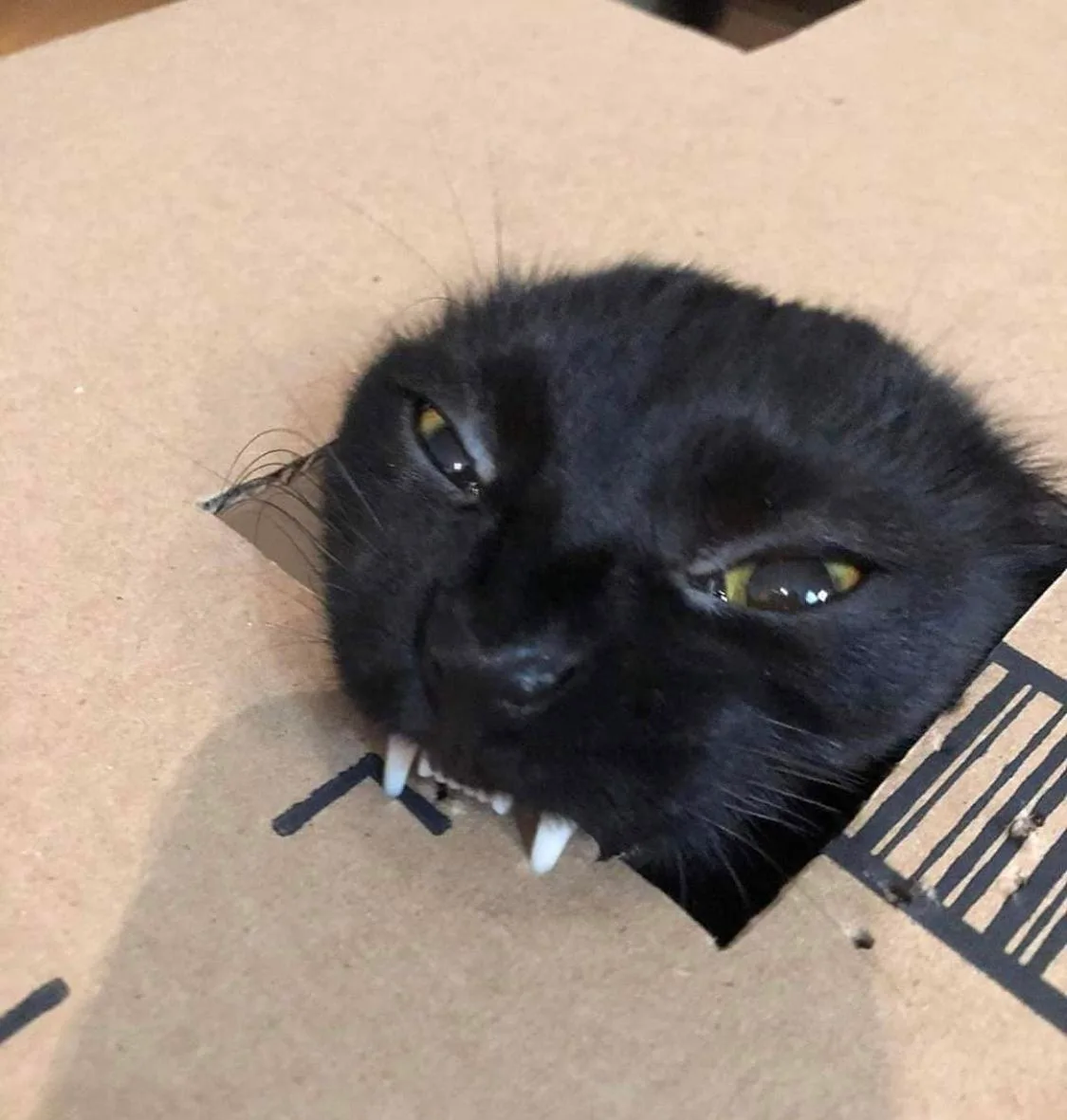
Image source: Bing (Web (fair-use with source credit))
Quick Answer
Your cat brings you socks because it sees you as family. The sock mimics prey. Your cat is sharing its hunt with you.
It may also want your attention. The exact meaning depends on the specific behavior and timing.
The Big "Why?" – Your Cat's Sock-Gifting Habit Explained
Cats are hardwired hunters. Even a pampered indoor cat who has never seen a mouse still carries the full hunting sequence in its genes. That sequence is stalk, chase, catch, kill, carry, and cache.
Socks trigger the last two steps.
A sock looks and feels like prey. It is long and soft. It fits neatly across a cat's mouth, just like a mouse or a small bird would.
When your cat picks up a sock, its brain registers the object as a captured animal.
Here is the part most owners miss: wild cats often bring their kills back to a safe, familiar location. Kittens learn this from their mothers. Mother cats bring dead prey to the den so their young can practice eating and handling it.
Adult cats who are bonded with you treat you the same way. Your bed, your lap, or your feet at 3 AM is the den.
The sock itself matters too. Your socks hold your scent strongly. Cotton and wool absorb sweat and skin oils.
To a cat, a worn sock smells like you, mixed with the interesting smells from your day. That combination of familiar scent plus toy-like shape makes it irresistible.
This is not misbehaving or stealing. It is a natural instinct that your cat applies to the best available object. As of 2026, feline behavior specialists widely agree that object carrying is a normal, healthy behavior when it does not involve ingestion.
What's Really Going On – The Quick Answer (And Why It Changes)
The short answer is that your cat sees you as part of its social group and wants to share. But that answer splits into three distinct motivations depending on how your cat acts during the delivery.
The "I Caught This For You" Gift
If your cat brings a sock, drops it near you, and walks away calmly, that is a genuine gift. Your cat considers you part of its family. It is providing for you the same way it would provide for its own kittens.
This behavior is most common in cats who are closely bonded with one person.
The "Play With Me" Invitation
If your cat brings a sock and then bats it around, tosses it in the air, or looks at you expectantly, the goal is play. Your cat wants you to throw the sock so it can chase it. Some cats even learn to retrieve socks the same way dogs retrieve balls.
This is more common in active breeds like Siamese, Abyssinians, and Maine Coons.
The "Something Is Wrong" Signal
If your cat walks around the house yowling loudly with the sock in its mouth, pay attention. This can indicate stress, anxiety, or a medical issue. The sock becomes a comfort object.
The vocalization is a distress call. This is less common but more important to recognize.
Follow the Clues – The Decision Tree
The fastest way to understand your cat's sock habit is to watch the delivery itself. Three main things matter: the sound, the destination, and what happens next.
Image source: Web (Bing) / pxhere.com (Web image (fair-use with source credit))
Branch 1: The Vocal Delivery (Meowing While Carrying)
Your cat picks up a sock, walks through the house, and lets out a series of loud, drawn-out meows. The meow sounds different because the sock is in its mouth.
Most likely answer: Your cat is trying to teach you to hunt. Mother cats use this exact call to summon their kittens to a fresh kill. Your cat thinks you are a clumsy kitten who needs help learning to catch food.
What to do: Praise your cat calmly. Take the sock gently and act like you appreciate the gift. Then engage in a play session with a wand toy so your cat can practice the hunting sequence with an appropriate target.
Branch 2: The Silent Delivery (Drops at Your Feet)
Your cat walks in without a sound, places a sock at your feet, and either walks away or sits watching you.
Most likely answer: This is a social gift or a play invitation. Silent delivery usually means your cat is relaxed and confident. It trusts you and wants to share its prize.
What to do: If your cat walks away, say thank you and move the sock to the laundry. Your cat has done its job. If your cat stays and watches, toss the sock a short distance.
If it chases and brings it back, you have a retriever cat on your hands.
Branch 3: The Stasher (Hides Socks in Beds or Laundry)
Your cat takes socks and tucks them into a bed, a closet corner, or under furniture. You find a small stash over time.
Most likely answer: Food or insecurity concerns. Cats who stash objects often feel their environment is not fully secure. They cache prey items for later.
This can happen after a move, a new pet, or a change in feeding schedule.
What to do: Check that your cat has reliable access to food and water. Provide multiple hiding spots like cardboard boxes or covered beds. If the stashing stops after you add resources, the behavior was anxiety driven.
If it continues, your cat may simply enjoy hoarding.
The Speed Round – Quick Fixes for Each Sock Scenario
Once you know which branch your cat follows, you can respond directly. These fixes take minimal effort and often reduce the behavior within a week or two.
For the Vocal Gift Giver
- Acknowledge the gift verbally. Do not scold.
- Redirect to a wand toy immediately after accepting the sock.
- Feed a small treat after play to complete the hunting sequence mentally.
For the Silent Sock Retriever
- Try turning sock delivery into a fetch game with a dedicated toy.
- Use a small stuffed animal or crinkle ball instead of a sock.
- If your cat just drops and leaves, secure your laundry hamper.
For the Sock Stasher
- Add a second feeding station or an automatic feeder for scheduled meals.
- Introduce puzzle feeders to give your cat more control over food.
- Provide three to four cardboard boxes or paper bags as alternative caches.
General Prevention Tips
- Close bedroom doors or use a mesh laundry bag for dirty socks.
- Keep a small basket of acceptable items like fleece toys out at all times.
- Never chase your cat for a sock. That turns the behavior into a game.
Real Scenarios – What This Looks Like in Practice
These three stories come from aggregate owner reports shared in feline behavior research forums. Names and identifying details have been changed. The patterns are real.
Emma and the 5 AM Wake-Up
Emma adopted a two-year-old tabby named Mochi. Every night around 5 AM, Mochi would walk into the bedroom carrying a sock and meowing loudly. Emma thought Mochi was hungry.
But Mochi had food available. The behavior continued for months.
After tracking the behavior, Emma noticed Mochi only did it with dirty socks from the hamper. The socks carried Emma's strongest scent. Mochi was treating Emma like a kitten who needed feeding.
Emma started keeping the bedroom door closed. She placed a basket of catnip toys in the hallway instead. Mochi now brings toys to the bedroom door but leaves the socks alone.
Carlos and the Living Room Stash
Carlos found seven socks under his couch over two weeks. His cat, Socks, was a three-year-old neutered male. Socks was food motivated and always acted hungry.
Carlos fed twice a day on a set schedule. Socks hid socks near his food bowl.
Carlos switched to a timed automatic feeder that dispensed four small meals a day instead of two large ones. The sock stashing stopped in five days. Socks needed more food security.
The smaller, more frequent meals satisfied that need.
Priya and the Fetch Game
Priya's kitten Ahri started carrying socks at four months old. Ahri would drop a sock at Priya's feet, step back, and stare. If Priya ignored it, Ahri batted the sock around alone.
If Priya threw it, Ahri chased and brought it back.
Priya realized Ahri wanted interactive play. She bought a pack of small fleece mice and used them instead of socks. Ahri now retrieves mice on command.
Priya keeps socks out of reach but plays fetch for 10 minutes every evening. Both are happy.

Similar Posts