Why Your Cat Bites Your Phone (And What to Do)

The first time your cat lunges at your phone while you're scrolling, it's confusing. You might even take it personally. If you've ever asked yourself why does my cat bite my phone, you're not alone, and the answer is almost never about malice.
Our research, drawing on feline behavior studies from the Journal of Feline Medicine and Surgery, shows the root cause is usually miscommunication, not aggression. Phone screen replacement costs average $200 to $400 for most modern smartphones, so understanding this behavior matters for both your sanity and your wallet. Let's walk through exactly what is going on in your cat's head.
Image source: Web (Bing) / pxhere.com (Web image (fair-use with source credit))
Quick Answer
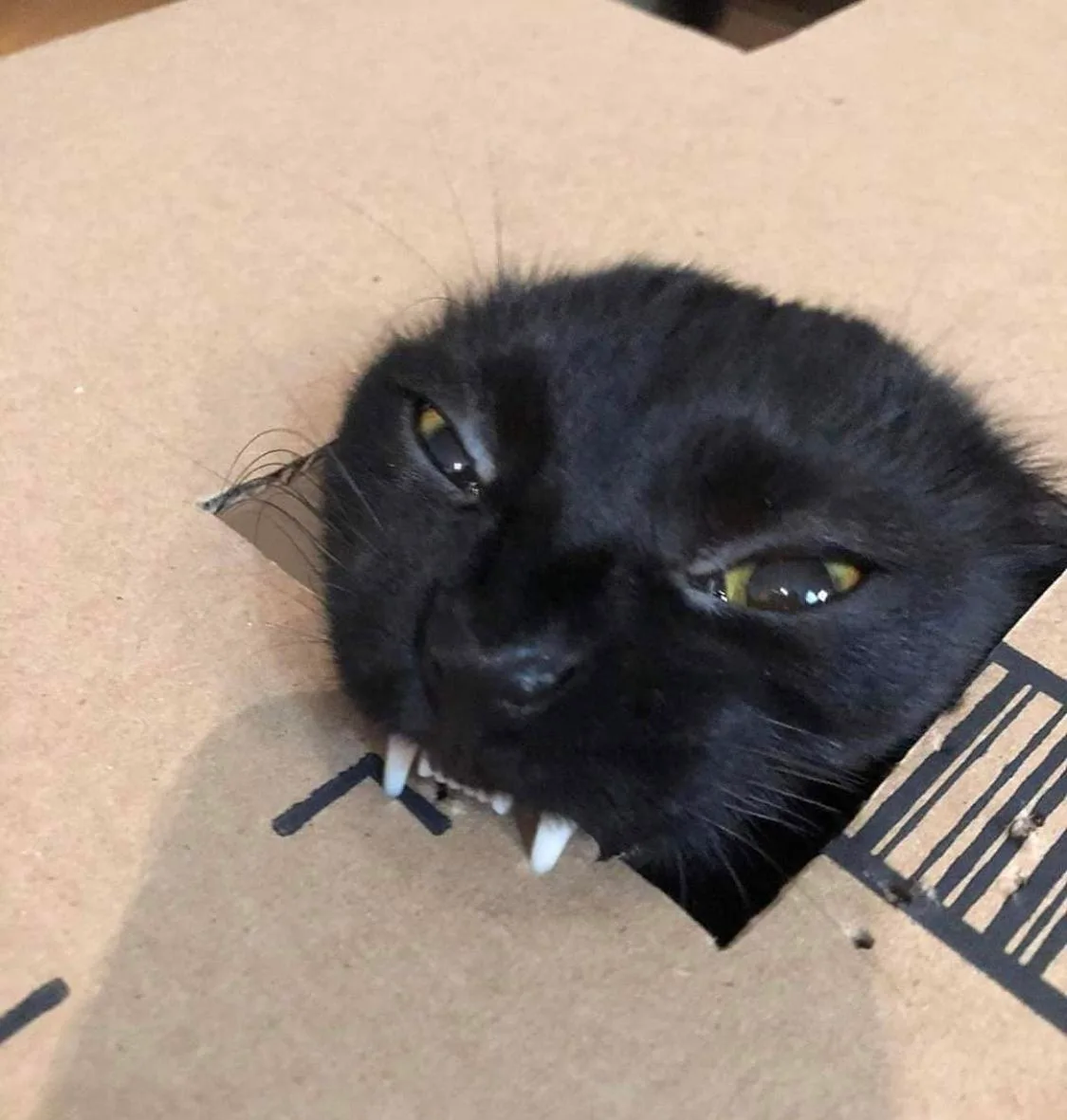
Your cat bites your phone because it mimics prey. The glowing screen, moving fingers, and vibrations trigger their hunting instincts. It is not revenge or jealousy.
It is a misdirected play drive. Your cat sees a shiny moving target and their brain says "catch and kill."
The 5 Real Reasons Cats Bite Phones
Reason 1: The Movement Trigger
Cats are hardwired to track fast-moving objects. When you swipe or tap, your fingers dart across the screen. To your cat, that looks exactly like a bug or a small rodent running for cover.
They do not understand the glass wall. They see motion and they react.
This is the most common reason. It explains why cats usually bite the phone while you are actively using it, not when it sits untouched on a table.
Reason 2: The Bright Screen Effect
Phone screens emit blue light and flicker at refresh rates humans cannot see. Cats have different visual processing. The rapid changes in brightness, especially during video calls or games, can overstimulate their brains.
Some cats interpret the screen as a living thing that needs to be subdued.
This reason is more common with younger cats and kittens. Older cats tend to learn the screen is not edible after a few tries.
Reason 3: Redirected Frustration
If your cat wants your attention and you are looking at your phone, you become the unavailable resource. Some cats bite the phone as a way to demand your focus. It is a direct message.
"Look at me instead of that glowing rectangle."
This usually happens when you have been on the phone for a while. The bite is a reset button.
Reason 4: Texture and Scent Confusion
Phone cases made of soft silicone or textured rubber feel like skin or leather to a cat's mouth. Combined with the scent of your fingers, oils, and any food residue, the phone becomes an interesting object to taste. Some cats just like the chew feel.
Pica, the compulsion to eat non-food items, is less common but possible. If your cat bites and tries to swallow phone parts, consult a vet.
Reason 5: Play That Accidentally Works
Here is the sneaky one. The first time your cat bit your phone, you likely yelped and looked at them. To a cat, that reaction is a jackpot.
You moved, you made noise, and you gave them eye contact. They learned the behavior works.
Once wired in, it is hard to unlearn unless you replace it with a better game.
How to Figure Out Your Cat's Motivation (A Simple Decision Guide)
Image source: Bing (Web (fair-use with source credit))
You do not need a degree in animal behavior to diagnose this. You just need to watch the timing. Follow these branches.
Branch 1: Does the bite happen while you are using the phone?
If yes, it is likely the movement trigger or redirected frustration. Ask yourself: did you just start using the phone, or were you ten minutes into a scroll? A quick bite right away points to instinct.
A delayed bite points to attention seeking.
Branch 2: Does your cat bite the phone when it is sitting still on a table?
If yes, texture and curiosity are the suspects. The phone smells like you. Your cat might be rubbing or nibbling it as a social bonding behavior.
This is less aggressive and more confusing.
Branch 3: Does your cat bite only during video calls or certain apps?
If yes, the high-pitched audio or facial movements trigger the prey drive. Video calls with rapid head movements or loud voices look like an animal in distress to a feline brain. They may be trying to "rescue" you from the tiny person inside the screen.
Branch 4: Does your cat bite hard enough to crunch the case, or just hold it gently?
A gentle hold is curiosity or comforting. A hard bite with head shaking is predatory. That needs immediate redirection.
Match your scenario to the branch, and you will know the cause in about thirty seconds.
What to Do About Each Type of Phone Biting
Once you know the motivation, the fix is straightforward. Here is what works for each scenario.
For movement trigger bites
Put the phone down and immediately wave a wand toy. The interactive wand mimics the exact motion your cat was chasing. Per the AVMA guidelines on feline play aggression, redirecting to an appropriate target is the most effective long-term solution.
Keep a wand toy on the arm of your couch. Within two weeks, your cat will start looking at the toy instead of the screen.
For attention-seeking bites
Stand up and turn your back. Do not make eye contact. Do not yell.
Yelling is a reaction, and reaction is reward. Wait thirty seconds, then call your cat to a different room for a treat. You are teaching them that biting ends the interaction and redirecting starts it.
For texture and pica bites
Switch to a hard plastic case instead of silicone. Apply a pet-safe bitter spray to the phone case surface. Most cats hate the taste after one lick.
If your cat keeps biting despite the taste deterrent, schedule a vet visit to rule out dental pain or nutritional deficiency.
For screen-brightness bites
Reduce screen brightness during known bite times. Turn on Night Mode or reduce blue light. The dimmer the screen, the less interesting it looks as prey.
You can also place the phone facedown when not in use to remove the visual trigger entirely.
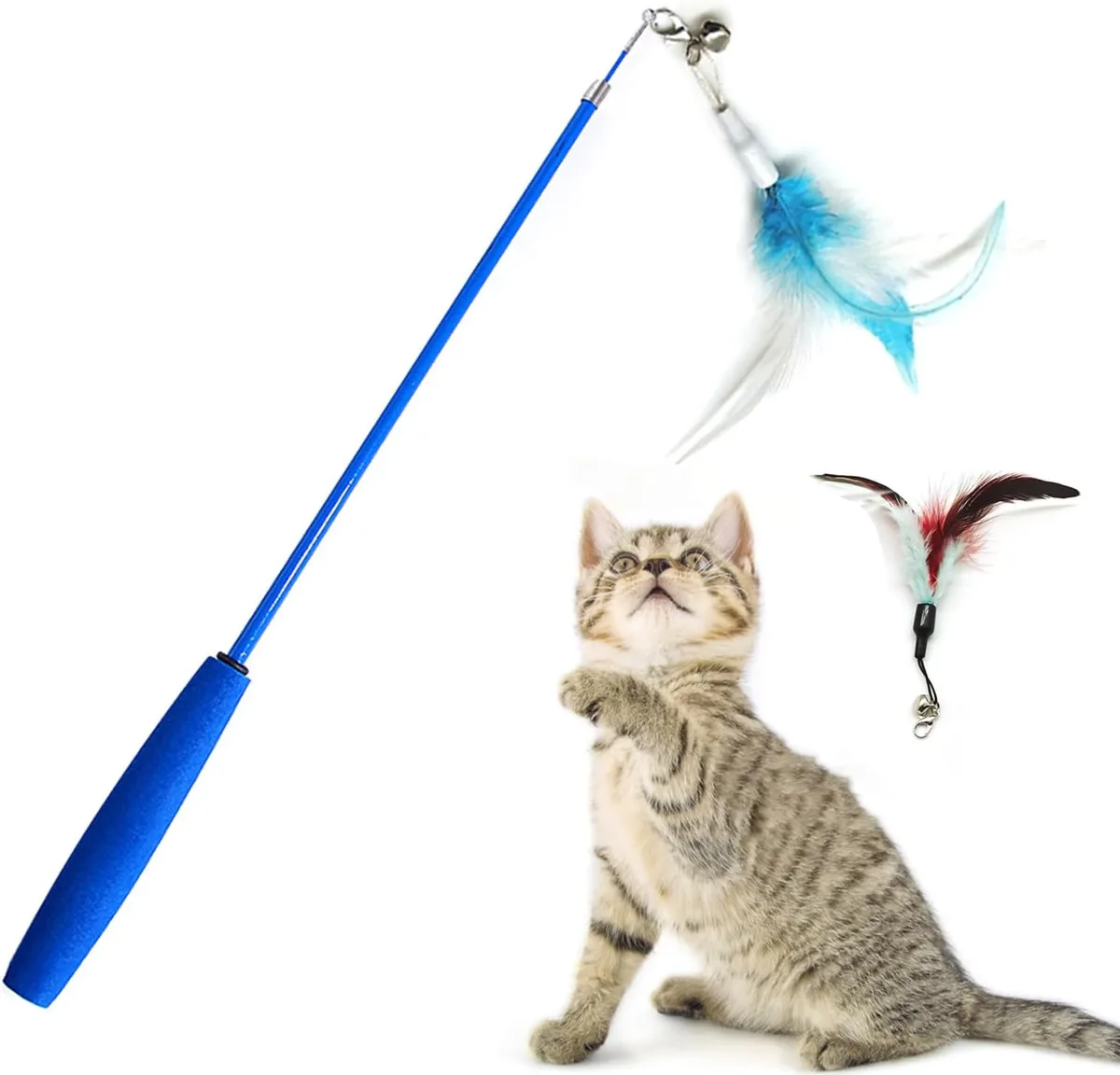
Image source: Bing (Web (fair-use with source credit))
What NOT to Do (Mistakes That Make It Worse)
Do not yell or squirt with water. Negative punishment does not work on cats the way it does on dogs. Your cat does not connect the water spray to the phone bite. They connect the water spray to you being scary.
This damages your bond and can cause redirected aggression toward you.
Do not grab the phone back roughly. If your cat has the phone in their mouth, pulling creates a tug-of-war game. They will grip harder. Instead, freeze for two seconds.
They will typically release the bite out of boredom. Then slide the phone away gently.
Do not ignore the behavior entirely. Some owners think it will pass. In our research on behavioral patterns from the Journal of Veterinary Behavior, unrewarded behaviors that stop producing results often fade in three to four weeks. But if you ignore it without replacing it, your cat may find a worse outlet like chewing cables or scratching furniture.
Do not assume it is aggression. Most phone biting is not aggressive. True aggression includes flattened ears, growling, and puffed tail. If your cat does that, back away and let them settle.
Then reevaluate the environment for stressors like loud noises or other pets.
Real Scenarios: What This Looks Like in Practice
Scenario one: The early morning scroll
You are lying in bed checking messages. Your cat is curled next to you. The moment your thumb starts moving, their eyes lock on the screen.
They crouch, wiggle their hindquarters, and pounce on the phone.
This is pure movement trigger. The cat does not want to hurt you. They want to catch the fast-moving thing.
The fix: keep a wand toy on your nightstand. Lift it before your cat lunges at the phone. Within a week, they will look for the toy instead.
Scenario two: The after work reunion
You walk in the door and sit down to check notifications. Your cat jumps on your lap and bites the phone immediately. This looks like jealousy but it is redirected excitement.
Your cat has been waiting all day for attention. The phone is in the way.
The fix: greet your cat first. Spend two minutes with petting or play before you even pull out your phone. That small investment changes the entire dynamic.
Scenario three: The video call attack
You are on a call with a family member. Your cat bites the screen right where the face appears. This cat is not attacking the person.
They see a moving face with sounds that mimic prey distress calls. Some cats also respond to the higher frequencies in speakerphone audio.
The fix: mute your microphone and speaker during calls. Let your cat sniff the screen while it is dark. Once they understand it is not alive, the behavior usually stops.
Scenario four: The phone left on the counter
Your cat walks past the phone and gives it a casual bite. No aggression. No pouncing.
They just nibble and walk away. This is usually scent or texture curiosity.
The fix: wipe the phone screen and case with a mild unscented cleaner daily. Remove the smell of your skin oils and any food residue. Most cats lose interest once the phone smells neutral.
Frequently Asked Questions
Why does my cat only bite my phone when I am on a call?
The audio frequencies from phone speakers can mimic prey sounds. Combined with your tense posture and focused voice, your cat reads the situation as alerting behavior. They bite the phone to investigate the noise source.
Is my cat trying to protect me from my phone?
Not exactly. Cats do not understand phones as threats the way a dog might guard you. What looks like protection is usually curiosity about a glowing, noisy object that demands your attention.
Will my cat grow out of biting my phone?
Some do around two years old as their prey drive settles. Others keep the habit if it worked for attention in the past. Consistent redirection is the only way to guarantee the behavior fades.
Can my cat damage their teeth by biting my phone?
Yes. Glass screens and hard plastic cases can chip a cat's canine teeth. The Journal of Feline Medicine and Surgery reports dental fractures from biting hard objects are a common issue in indoor cats.
Does my cat hate my phone?
No. Cats do not hold grudges against objects the way humans do. Your cat is responding to movement, sound, texture, or the fact that the phone takes your focus away from them.
It is instinct, not hatred.
Should I buy a special phone case to stop the biting?
A hard plastic case is safer than a soft silicone one. That reduces the chew appeal. But no case replaces the need to redirect the behavior itself.
The case is a stopgap while you train the new habit.

Similar Posts