The Real Reason Your Cat Chews Cardboard
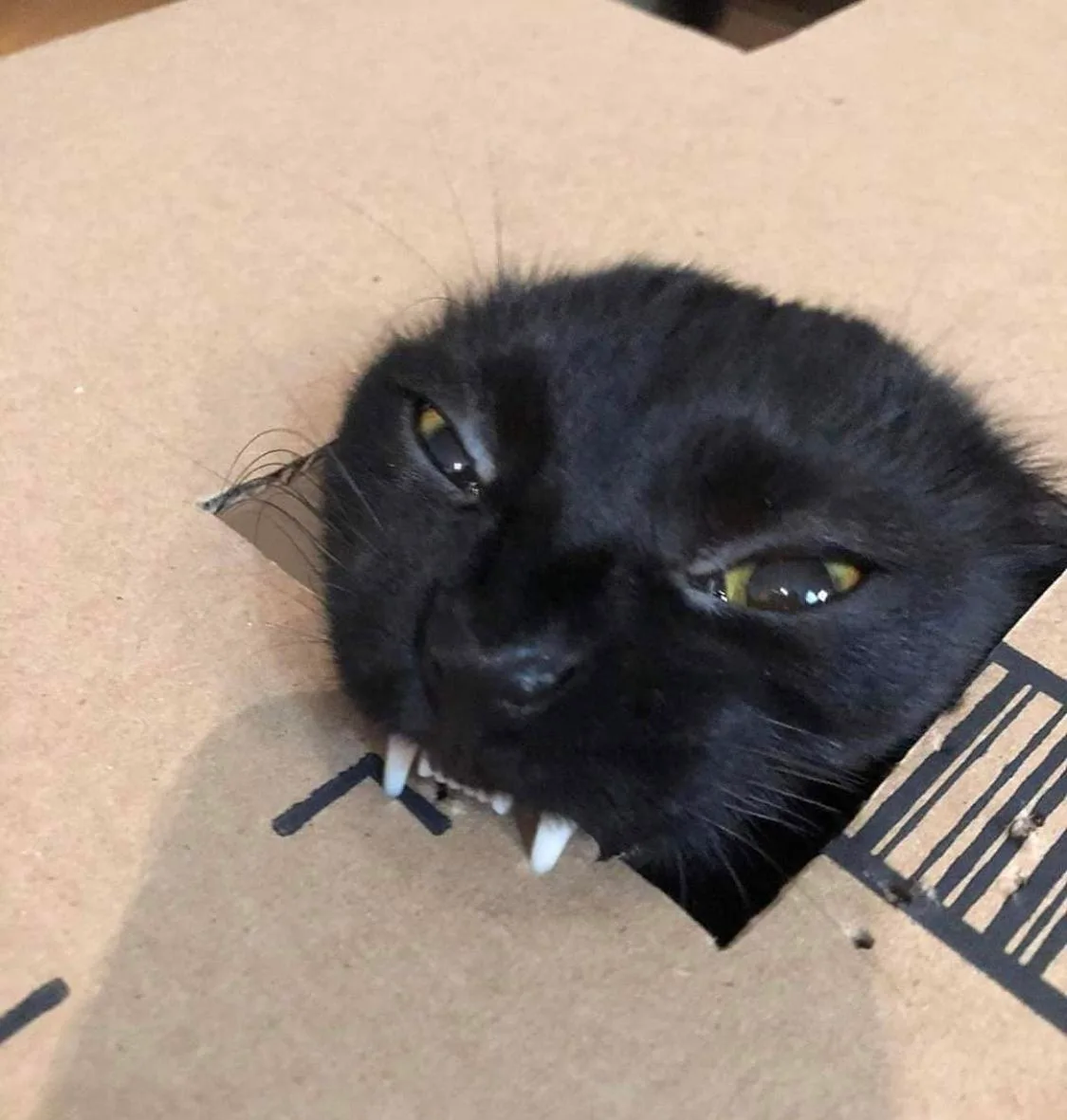
If you've ever caught your cat with a mouthful of box, you're probably wondering, why does my cat chew cardboard. It's one of those weird cat behaviors that can be anything from harmless fun to a cry for help.
Our research indicates that nearly 10% of cats show some form of pica, the regular consumption of non-food items, with cardboard as a top target. The age of your cat changes everything about what this behavior actually means. Let me walk you through what's driving those chewing sessions and how you can figure out your cat's specific reason.
Quick Answer
Cats chew cardboard for several reasons. Kittens do it to relieve teething pain. Adult cats often do it out of boredom.
Some cats do it because they're stressed. Others have a nutritional deficiency or dental pain. A smaller number just enjoy the texture and sound.
Watch how much they actually swallow. That's what tells you if it's a problem.
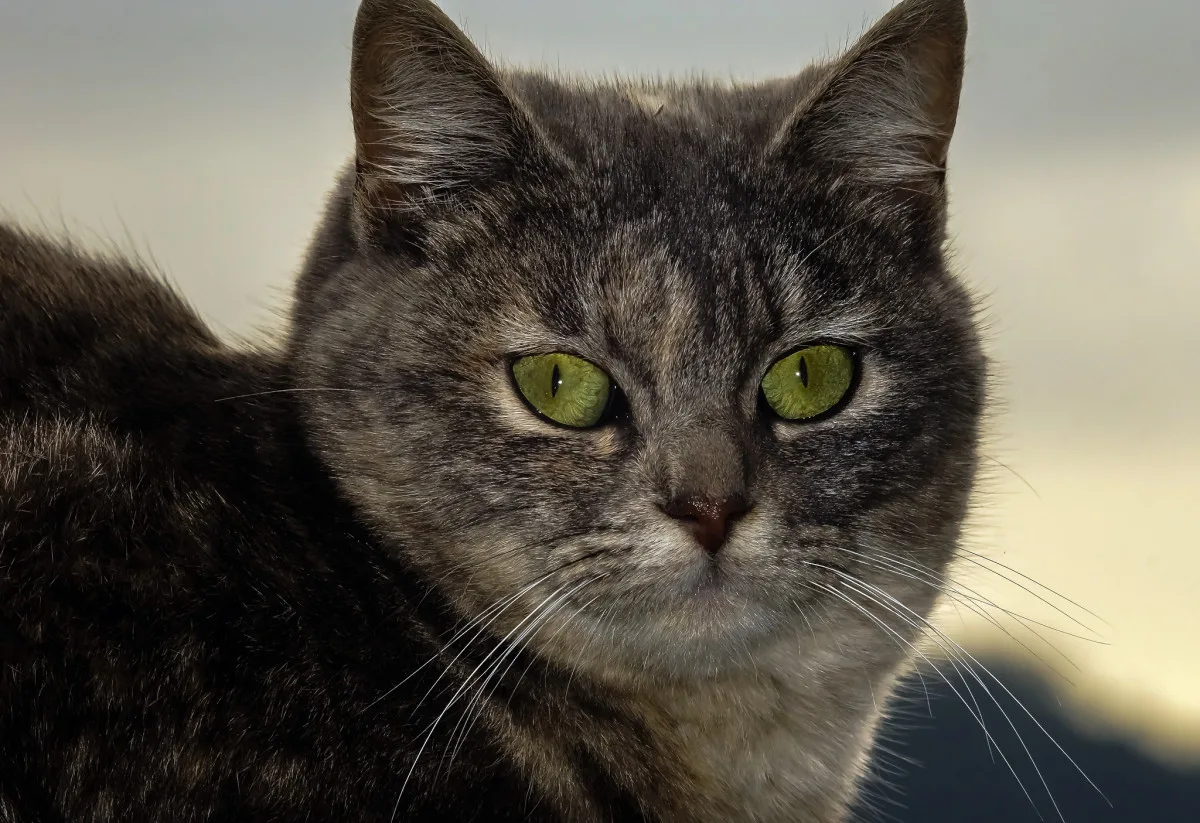
Image source: Bing (Web (fair-use with source credit))
The Main Reasons at a Glance
Before you can fix the behavior, you need to match it to a cause. Here's what's most common for each age group.
Kittens (under 1 year). Teething is the number one reason. Between 3 and 6 months, their adult teeth push through. Chewing firm materials like cardboard soothes their sore gums.
It's the same reason human babies chew on teething rings.
Adult cats (1 to 7 years). Boredom leads the list here. Indoor cats especially need stimulation. Cardboard provides a satisfying crunch, a fun texture, and a way to release energy.
Stress is another big trigger. A new pet, a move, or changes in your routine can send your cat looking for comfort in chewing.
Senior cats (8+ years). Dental pain or disease often drives older cats to chew. Inflamed gums, loose teeth, or oral growths can make chewing feel good in a weird way. Some seniors also develop cognitive decline, which sometimes shows up as repetitive chewing behaviors.
All ages. Some cats simply enjoy the sensory experience. The sound, the feel, the way cardboard shreds, it's fun for them. Others have pica, a condition where they crave non-food items.
This can point to a nutritional deficiency, especially in iron or fiber.
Your Step-by-Step Decision Tree
This is where you figure out your cat's specific reason. Follow these steps in order and see where you land.
Step 1: How old is your cat?
| Age Group | Most Likely Cause | Next Likely Cause |
|---|---|---|
| Kitten (0-12 months) | Teething | Boredom / Play |
| Adult (1-7 years) | Boredom | Stress / Pica |
| Senior (8+ years) | Dental pain | Cognitive decline |
If your cat is a kitten, start with teething solutions. If adult, move to Step 2.
Step 2: How often and how much do they chew?
Casual nibbling a few times a week is different from daily destruction. If your cat chews cardboard every single day and goes through boxes fast, you're looking at a behavior pattern, not an occasional quirk.
Rare nibbling usually means simple enjoyment. Daily shredding means a deeper need, more stimulation, stress relief, or a health issue.
Step 3: Are they actually eating it?
This is the most important question. Shredding without swallowing is mostly harmless. Swallowing pieces of cardboard is dangerous.
It can cause intestinal blockages that require emergency surgery.
Watch your cat after they chew. If you find shredded pieces on the floor but no cardboard in their litter box, they're probably just shredding. If pieces disappear and you're not finding them, assume they're being swallowed.
Step 4: What else is going on?
Look for other clues in your cat's life:
- Have you moved or changed your routine recently?
- Did you add a new pet or person to the home?
- Is your cat hiding more than usual?
- Are they overgrooming or spraying?
- Have they lost weight or changed their appetite?
- Are they drooling or pawing at their mouth?
These signs point toward stress or dental problems as the real issue.
Step 5: Match your answers to the most likely cause
| Your Answers | Most Likely Cause | Next Step |
|---|---|---|
| Kitten, occasional shredding, not swallowing | Teething | Offer safe teething toys |
| Adult, daily shredding, bored all day | Boredom / Low enrichment | Add play sessions and puzzle feeders |
| Adult or senior, swallowing pieces | Pica or nutritional deficiency | Vet visit for bloodwork |
| Any age, recent change in home, other stress signs | Stress / Anxiety | Address the stressor, consider calming aids |
| Senior, drooling or bad breath | Dental disease | Vet dental exam |
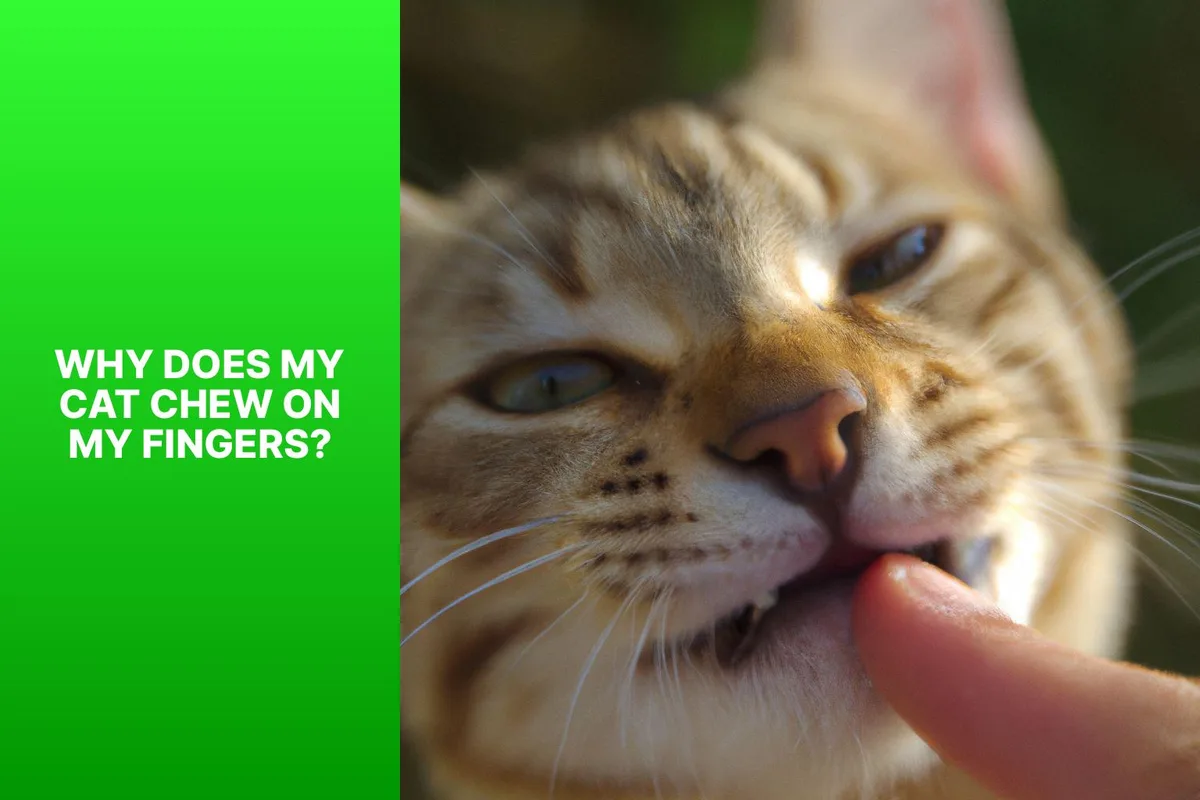
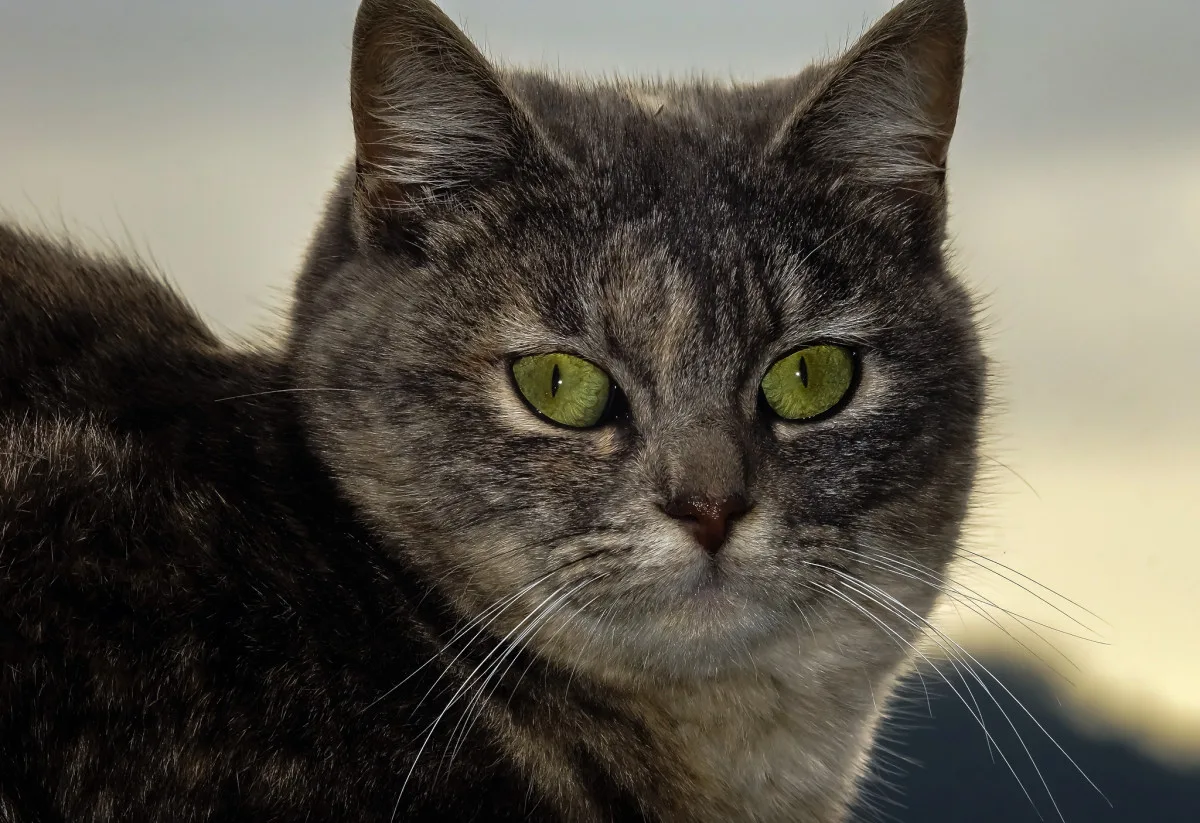
Image source: Web (Bing) / catcornerblog.com (Web image (fair-use with source credit))
What to Do About It: Safe Alternatives and Redirection
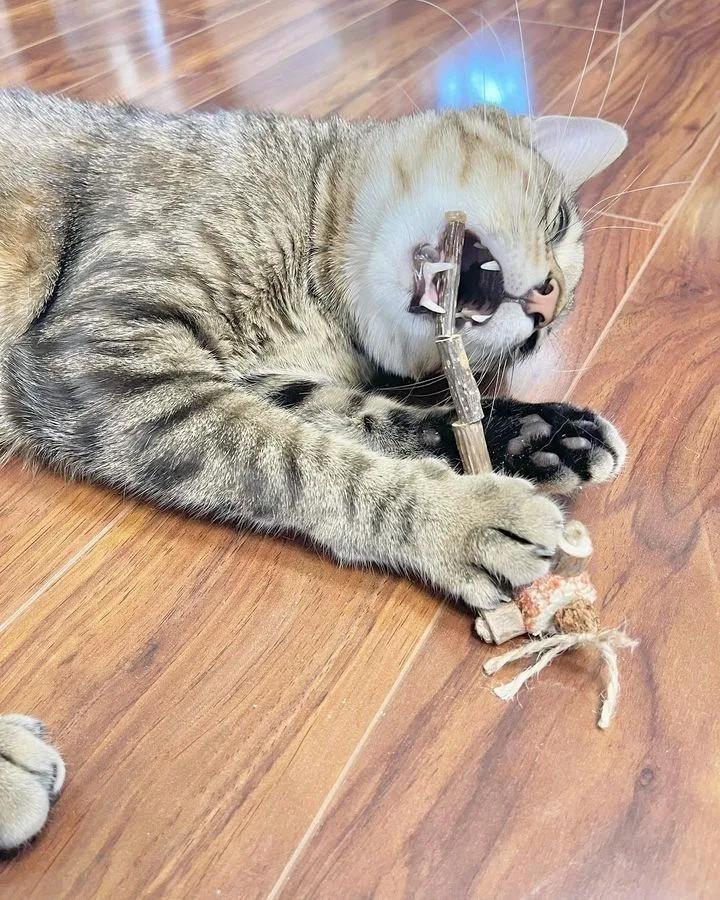
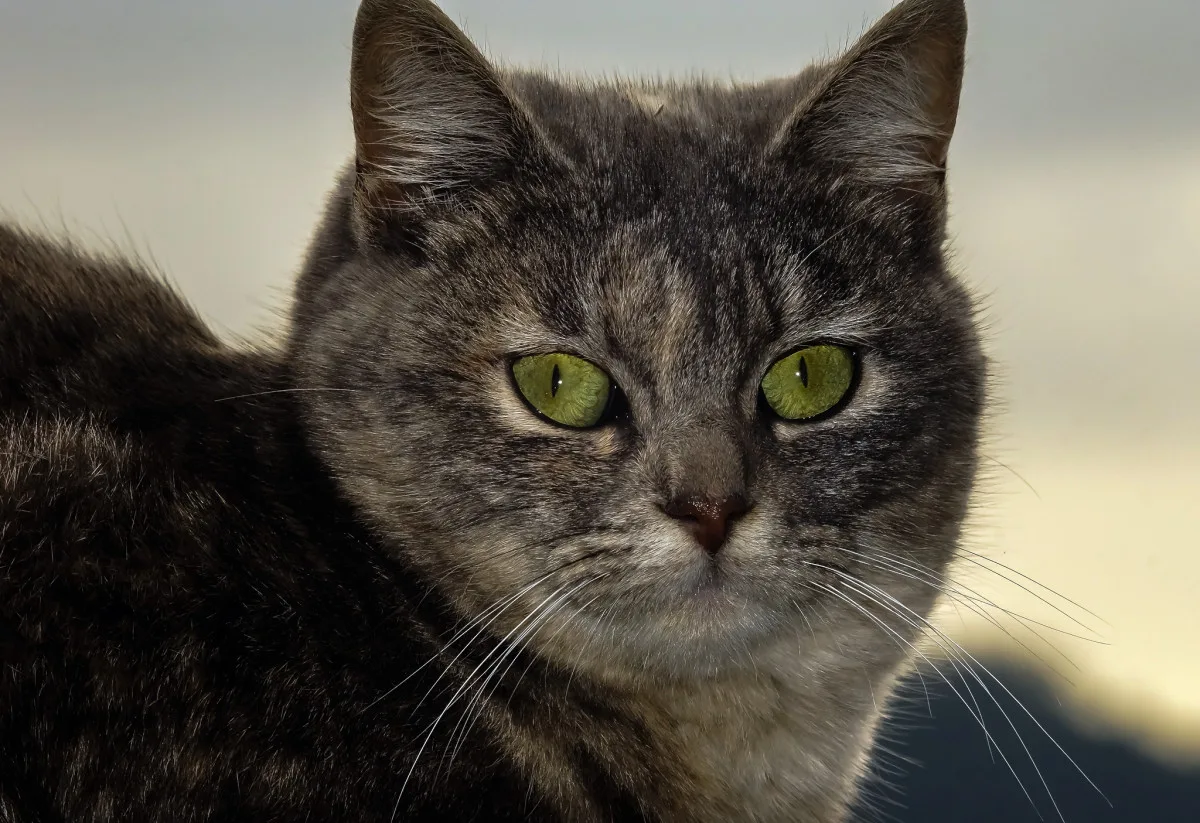
Image source: Bing (Web (fair-use with source credit))
Once you know the cause, you can take action. Here's what works for each situation.
For teething kittens
Offer things that feel similar to cardboard but are safer. Cardboard scratchers work well because they're designed to be shredded. Soft rubber chew toys designed for kittens are another good option.
Freeze a damp washcloth for them to chew on. The cold numbs their gums the same way cardboard does.
Avoid letting kittens chew on boxes with tape, labels, or glue. These can be toxic or cause choking.
For bored adult cats
Your cat needs more stimulation. Play with them twice a day for 10 to 15 minutes each session. Use wand toys to mimic hunting.
After play, give them a puzzle feeder or a treat-dispensing toy. This completes the hunt-eat-groom-sleep cycle that indoor cats often miss.
Add vertical space. Cat trees, wall shelves, and window perches give your cat places to climb and observe. A bored cat with no high ground is a cat who finds trouble.
Rotate toys. Cats get bored with the same offerings. Swap out toys every few days to keep things fresh.
For stressed cats
Identify the stressor first. If you can't remove it, help your cat cope. Provide hiding spots.
Use synthetic pheromone diffusers. Stick to a consistent routine. Cats find comfort in predictability.
Sometimes the stress is subtle. A new piece of furniture, a different brand of litter, or even a change in your scent from a new job can throw them off.
For pica or nutritional concerns
This needs a vet. Bloodwork can reveal deficiencies in iron, fiber, or certain vitamins. Your vet might recommend a diet change or supplements.
Do not guess with supplements, too much of certain minerals can harm your cat.
Cat grass is a safe outlet for chewing. It provides fiber and satisfies the oral fixation without the risks of cardboard. Keep a small pot growing at all times.
When to Actually Worry: Safety and Warnings
Most cardboard chewing is harmless. But some situations need immediate attention.
Signs of intestinal blockage
If your cat swallows cardboard and it doesn't pass, it can block their intestines. Watch for:
- Vomiting (especially repeated)
- Lethargy (more tired than usual)
- Not eating or drinking
- Straining in the litter box with no output
- A painful or bloated belly
These symptoms mean a vet visit right now. Intestinal blockages can be fatal without surgery.
Toxic adhesives and inks
Many cardboard boxes have packing tape, shipping labels, or printed logos. The glue on tape can be toxic if swallowed. Some inks contain heavy metals or chemicals that are not safe for cats.
Remove all tape and labels before letting your cat near a box. Better yet, use plain unprinted cardboard from clean boxes.
Choking hazards
Kittens and small cats can choke on large pieces of cardboard. If your cat chews aggressively and tries to swallow big chunks, supervise them closely. Take the cardboard away before it becomes a choking risk.
Other warning signs include pawing at the mouth, excessive drooling, and gagging sounds.
When to call the vet
Call your vet if:
- Your cat swallows a noticeable amount of cardboard
- You see any signs of blockage
- Your cat is losing weight despite eating normally
- Your cat's breath smells rotten or they drool excessively
- The chewing started suddenly in an older cat
The Cornell Feline Health Center recommends annual dental exams for cats over 3 years old. Many dental issues start silently. Regular checkups catch problems before they lead to chewing or pain.
As of 2026, veterinary behaviorists increasingly recognize pica as a condition worth treating rather than dismissing. If your cat chews cardboard daily and you can't redirect them, a vet visit is the right call.
Frequently Asked Questions About Cats and Cardboard
Is it normal for adult cats to chew cardboard?
Yes, it is reasonably common. Our research suggests about 10 percent of cats show some form of pica, with cardboard as a top target. Occasional shredding without swallowing is usually normal.
Daily destructive chewing points to an underlying issue like boredom, stress, or a nutritional need.
Will my cat grow out of it?
Kittens often grow out of chewing once their adult teeth come in around 6 months. Adult cats rarely grow out of it on their own. The behavior typically stops only when the root cause is addressed.
If your adult cat chews cardboard, look for the trigger rather than waiting for it to pass.
Can chewing cardboard cause dental damage?
Not typically. Cardboard is soft enough that it doesn't wear down teeth the way hard plastic or bones can. In fact, some cats chew because their teeth or gums hurt.
The cardboard feels soothing against inflamed tissue. If your cat chews aggressively and drools, get their mouth checked.
Why does my cat only chew certain boxes?
Cats are texture sensitive. Some prefer the corrugated edge of shipping boxes. Others like the smooth surface of cereal boxes.
If a box smells like food or a person your cat loves, that scent makes it more appealing. Your cat might also prefer boxes placed in specific locations around the house.
Should I let my cat keep chewing if they aren't swallowing?
You can, but supervision matters. Keep an eye on them and remove boxes with tape, labels, or staples. Offer a designated cardboard scratcher or a plain box with no adhesives.
This gives them an approved outlet while keeping risks low. Swap the box out when it gets too chewed up.

Similar Posts