Why Does My Cat Lay on My Chest?
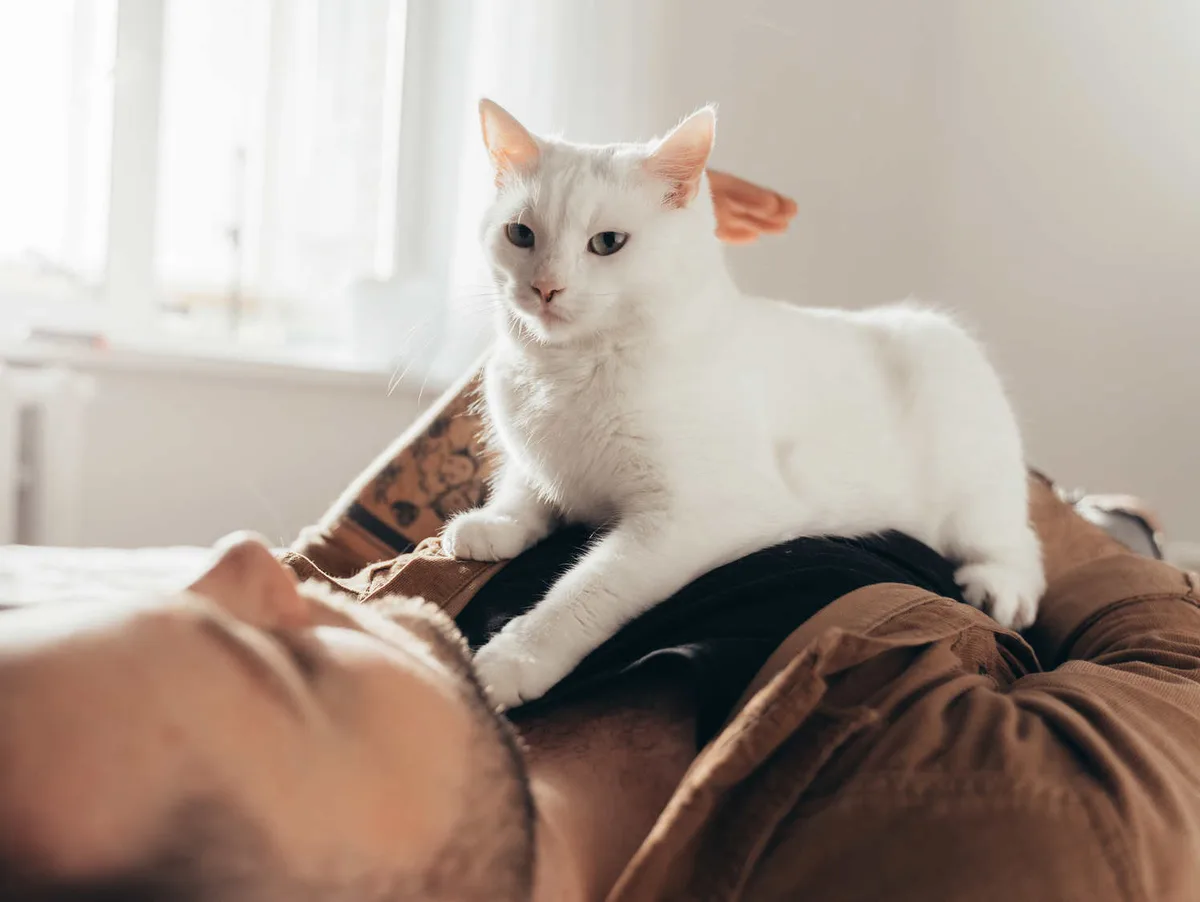
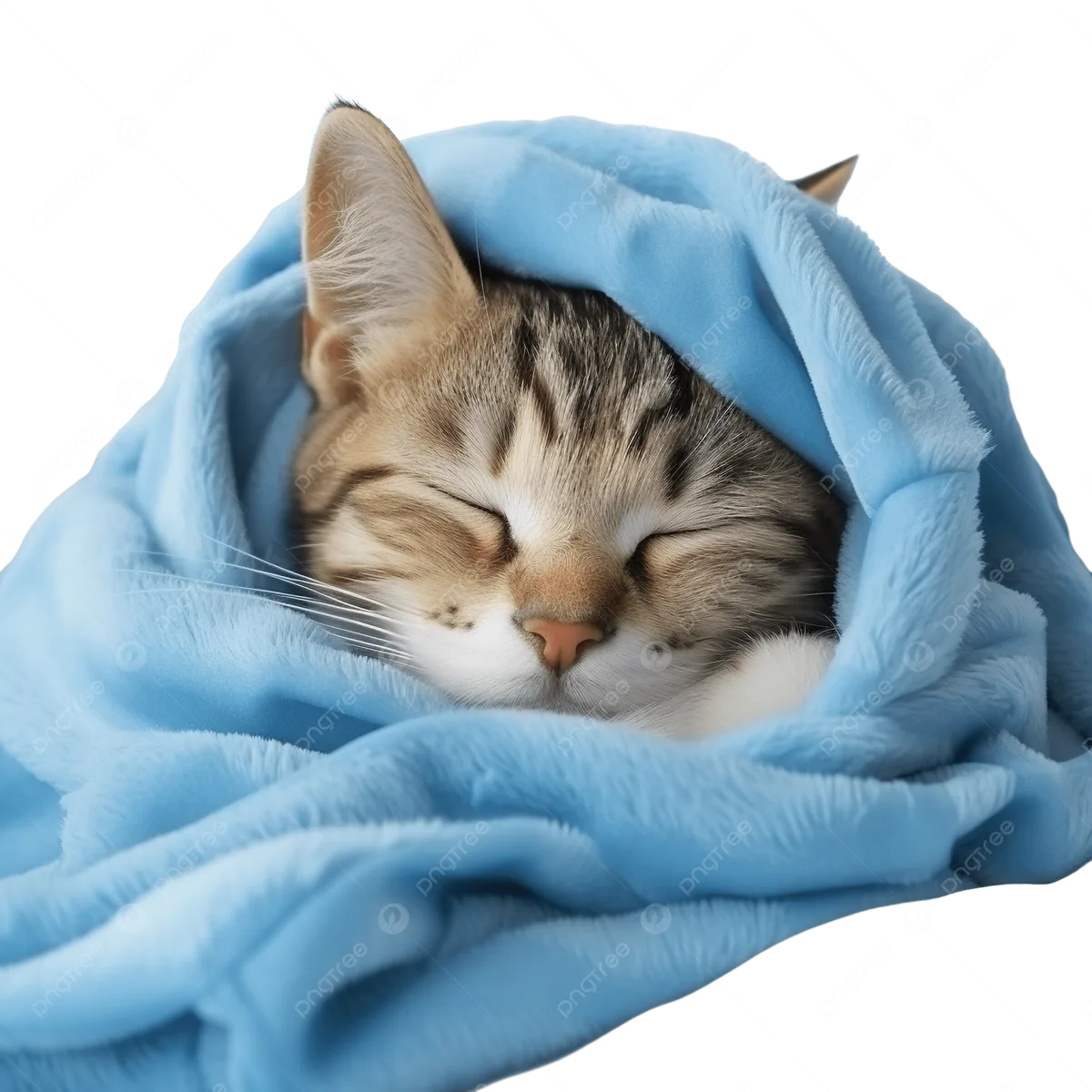
You have a tiny, warm, purring weight parked squarely on your chest. Again. You wouldn't trade it for the world, but you've got to admit, it makes you wonder.
If you've ever asked yourself why does my cat lay on my chest, you're in very good company. It's one of the most common cat behaviors, and it's not random.
Research shows a cat's purr vibrates between 25 and 150 hertz. That frequency range is linked to lower stress and even bone healing in both cats and humans. So while you're getting a free therapy session, your cat is following a set of instincts that goes back thousands of years.
Let's break down exactly what's driving that warm little engine on your ribs.
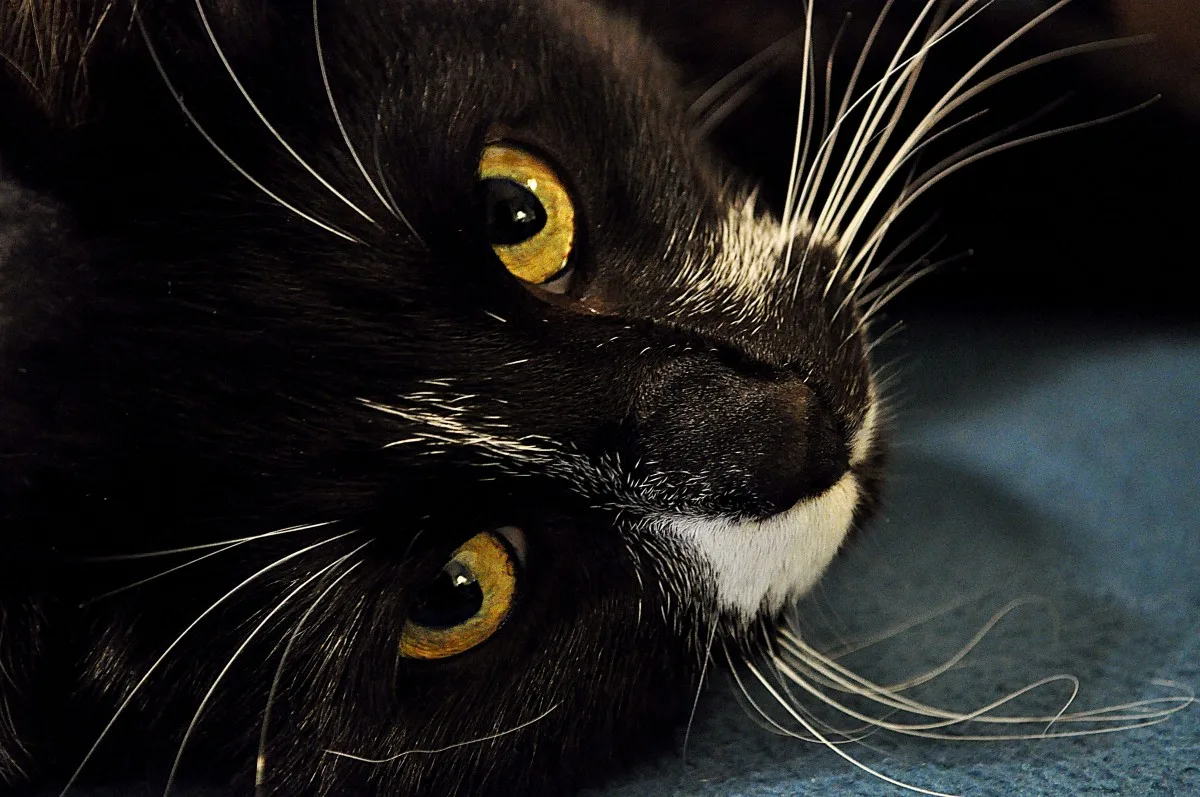
Image source: Bing (Web (fair-use with source credit))
Why This Question Matters (and the Quick Answer)
Quick Answer
Your cat lays on your chest because it feels safe, warm, and bonded to you. The rhythm of your heartbeat and breathing is calming. Your chest also holds your strongest scent, which your cat rubs against to claim you as family.
In most cases, it's a clear sign of trust and affection.
That said, context matters. A cat that suddenly starts chest-laying every night could be seeking comfort from pain or stress. A cat that only does it in winter is probably just cold.
And a trembling cat on your chest isn't having a love fest, it's hiding. So while the quick answer is usually "she loves you," you need to check the details.
That's where this decision guide comes in. Instead of guessing, you can walk through a few simple clues to figure out exactly what your cat is communicating. We'll cover all the common reasons, the body language to watch for, and the mistakes owners make when reading this behavior.
The Main Reasons Cats Choose Your Chest
Cats don't do anything without a reason, and chest-laying has a handful of core motivations. Understanding each one helps you match the behavior to your cat's current mood and needs.
Warmth and thermoregulation. Your torso is one of the warmest spots on your body, especially when you're lying still. Cats have a higher baseline body temperature than humans, around 100.5 to 102.5 degrees Fahrenheit. If your home is on the cooler side or it's winter, your chest is basically a heated bed.
Heartbeat and breathing rhythm. Your chest rises and falls in a steady, predictable rhythm. For a cat, that sound is deeply calming. It mimics the purring frequency and reminds them of curling up against their mother's heartbeat as kittens.
Some feline behaviorists call it a "security blanket effect."
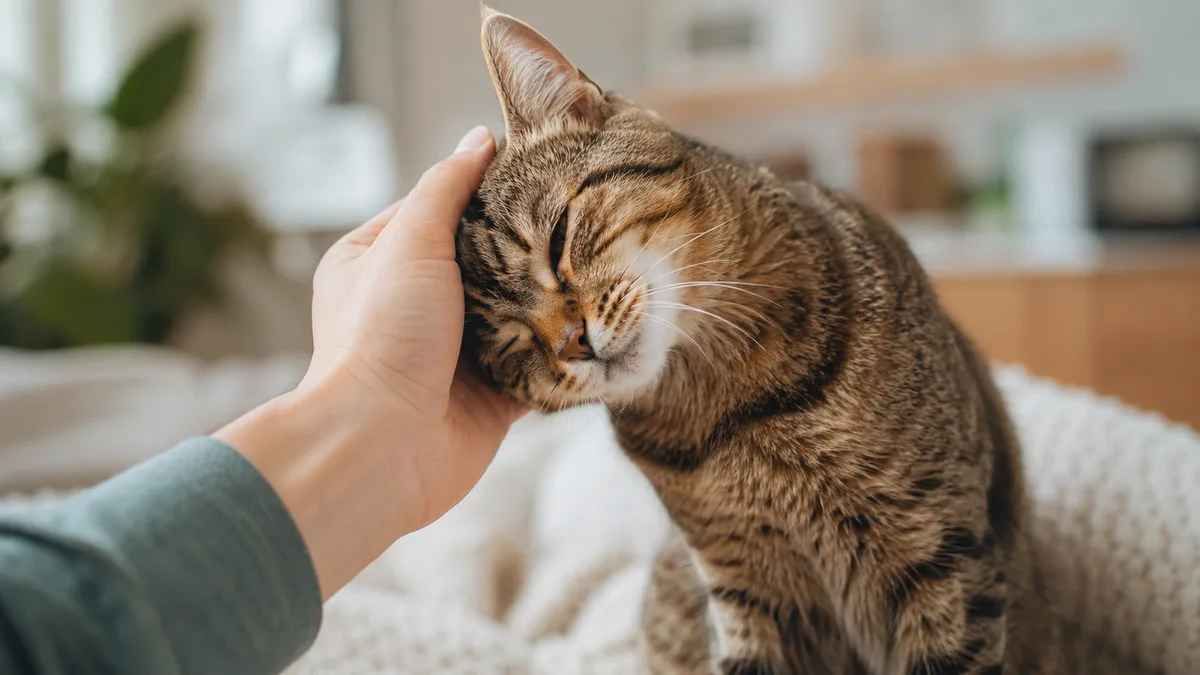
Scent marking and claiming. Cats have scent glands on their cheeks, chin, and paws. When they rub against you or knead on your chest, they're depositing pheromones. It's their way of saying, "This human is part of my territory and my family." It's affectionate, but it's also practical, your scent on them signals safety.
Bonding and oxytocin release. Physical contact triggers the release of oxytocin in both you and your cat. That's the same "bonding hormone" released when a mother holds a baby. So when your cat chooses your chest, you're both getting a chemical reward for the interaction.
Seeking security or hiding. This is the one that catches owners off guard. A cat that is feeling anxious, scared, or unwell may seek out the chest of their most trusted human. They can feel your heartbeat.
They can hear your breathing. It's the safest spot in the house. If your cat is trembling, hiding its face, or breathing faster than normal, this may be a stress response rather than a pure affection signal.
Monitoring your health. Cats are surprisingly attuned to changes in their owners. If you're sick, stressed, or running a low fever, your cat may pick up on the shift in body heat or scent. Some cats gravitate toward chests when an owner is ill, almost like a fuzzy thermometer.
Your Personal Decision Guide (Follow These Clues)
Now let's put the clues together. Use this simple decision tree to figure out what your cat is telling you. Start with observation one and follow the branch that fits your situation.
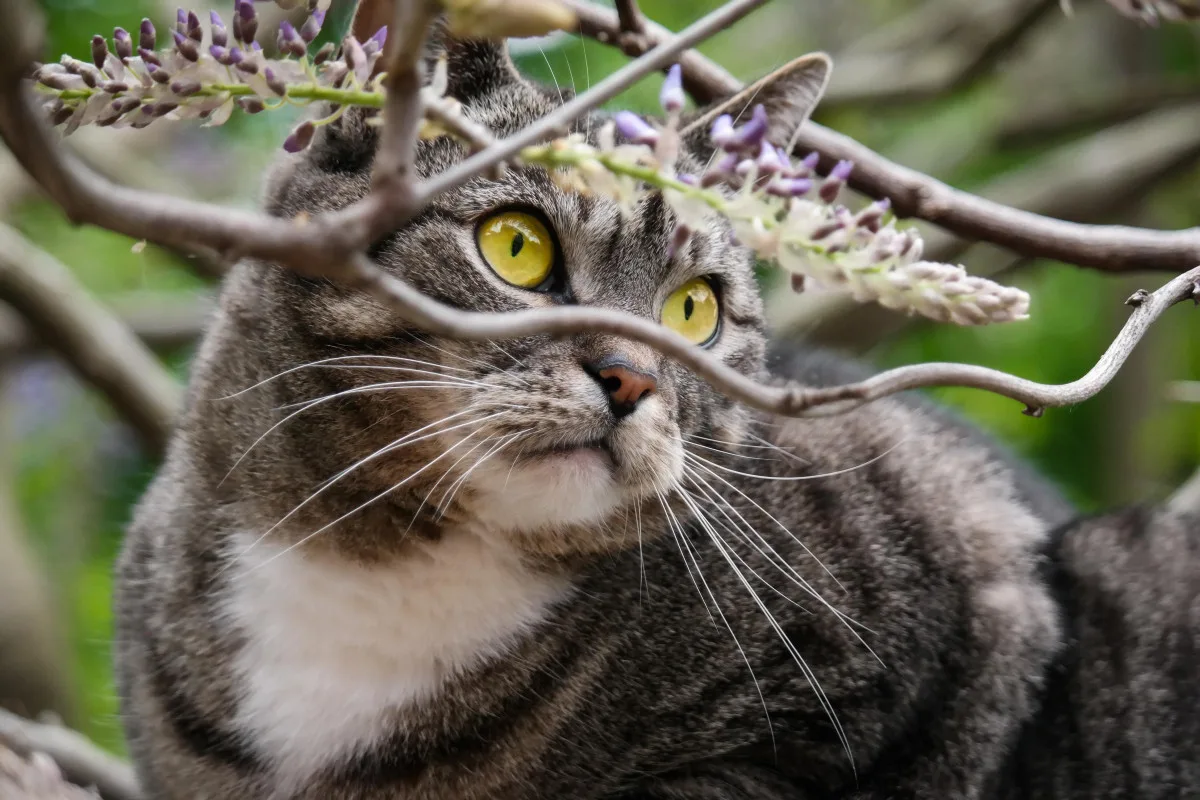
Image source: Web (Bing) / pixnio.com (Web image (fair-use with source credit))
Observation 1: Is your cat purring deeply and relaxed?
- Yes. Eyes half-closed, body loose, tail still or gently curled. This is affection and bonding. Enjoy it. You can reinforce the behavior with gentle petting and a soft voice.
- No. Is your cat tense, trembling, or breathing fast? Move to Observation 2.
Observation 2: Is your cat hiding its face or pressing its head into you?
- Yes. This is a strong sign of anxiety or fear. Your cat is trying to block out visual stimuli. Check for recent changes: new pet, moving, loud noises, or a change in your schedule. Provide a safe hideaway space and consider a pheromone diffuser. Veterinary consult if it persists.
- No. Move to Observation 3.
Observation 3: Does this happen mainly in winter or in a cold room?
- Yes. Your cat is using you as a heater. Not a problem, but you can offer a heated cat bed or a warm blanket nearby. Many cats will still choose you over a bed, but it's good to have options.
- No. Move to Observation 4.
Observation 4: Does your cat only do this immediately after you've been gone for hours?
- Yes. This is a greeting behavior. Your cat wants to re-establish scent contact and check that you're safe. It's a sign of secure attachment. Give her a minute or two of focused attention before you settle in.
- No. Move to Observation 5.
Observation 5: Has this behavior started suddenly in an older cat or a cat with known health issues?
- Yes. Sudden increase in chest-laying, especially combined with hiding or reduced appetite, warrants a vet visit. Cats often hide pain until it becomes severe. Seek comfort from you as a symptom. Up-to-date guidelines as of 2026 from the American Association of Feline Practitioners advise checking for arthritis, hyperthyroidism, or dental pain when behavior changes abruptly.
- No. Likely just a combination of warmth and bonding. You have a cuddly cat.
If your cat falls into multiple categories, prioritize the highest-concern branch first. Rule out health or stress before assuming it's just affection.
Common Mistakes Owners Make
It's easy to read your cat wrong when she's on your chest. Here are the traps to watch for.
Mistake 1: Assuming it's always affection. We've all seen the social media posts. "My cat loves me so much." And sometimes that's true. But a trembling, wide-eyed cat on your chest is not in love.
She's in survival mode. Always check the body language before you assume the motivation.
Mistake 2: Ignoring seasonal patterns. A cat that only sleeps on you in December is not having a sudden emotional breakthrough. She's cold. If you don't offer any other warm sleeping spots, she'll default to your chest.
That is fine, but don't read too much into it.
Mistake 3: Overlooking health signals. If your cat has always been independent and suddenly becomes a Velcro kitty, don't just feel flattered. Cats hide illness. A previously aloof cat who now insists on chest time may be in pain or feeling unwell.
Track the change in behavior against her eating, drinking, and litter box habits.
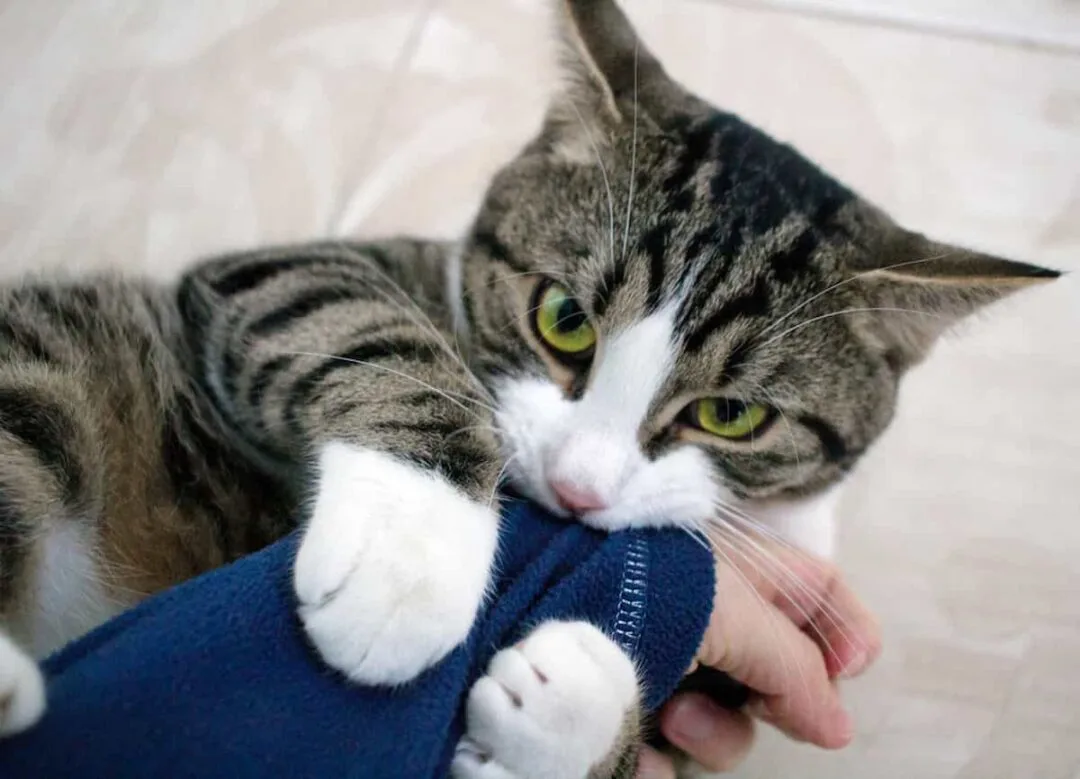
Mistake 4: Mistaking kneading for aggression. Kneading with claws can hurt. But the cat is not trying to hurt you. It's a leftover kitten behavior.
She's trying to stimulate milk flow from her mother. It's a sign of comfort and contentment. Your best move is to keep her claws trimmed and place a light blanket over your chest as a barrier.
Expert Tips for Reading Your Cat's Body Language
Your cat can't speak English, but her body is talking nonstop. Here's how to read the signals while she's on your chest.
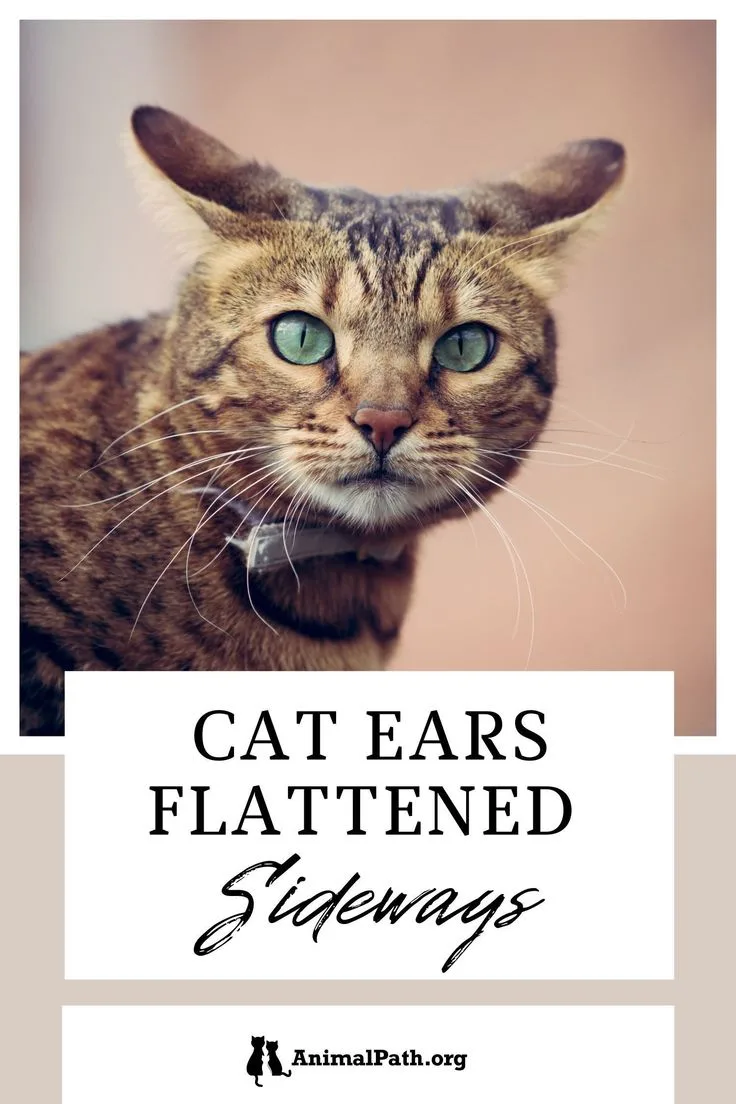
Image source: Bing (Web (fair-use with source credit))
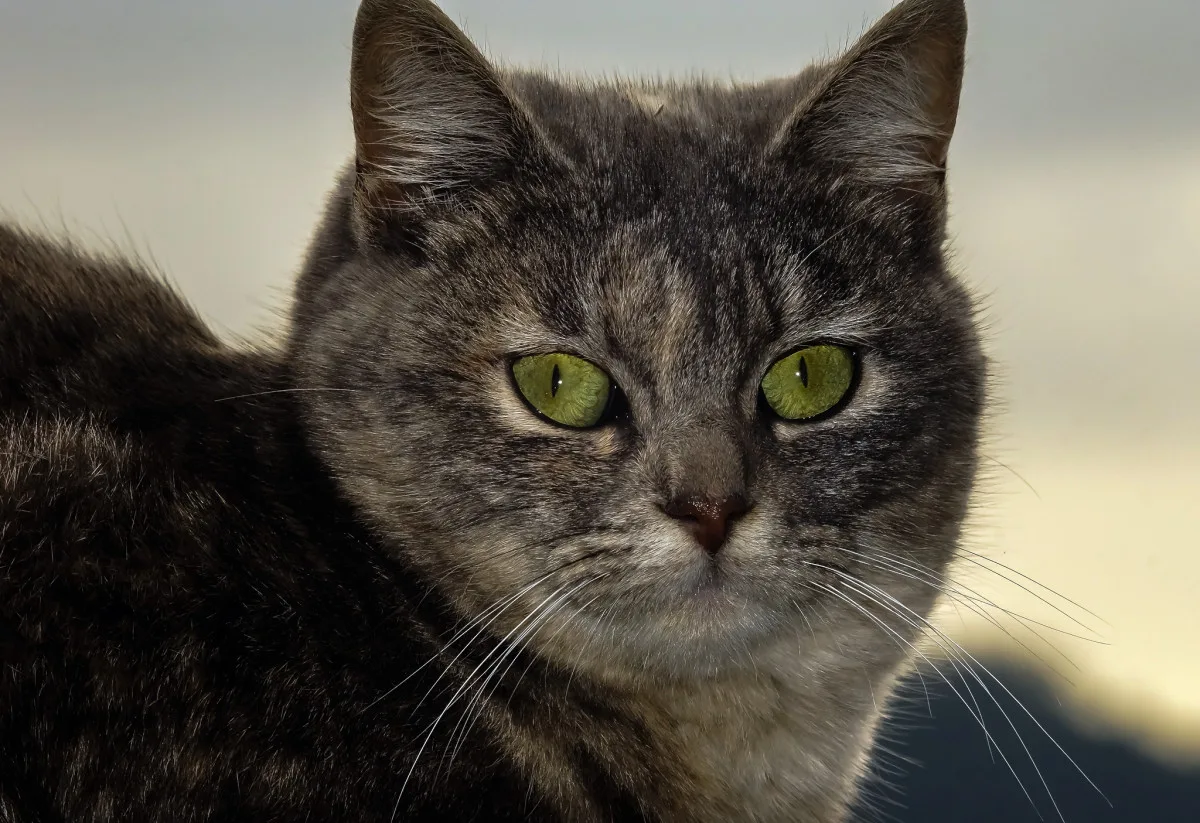
The eyes. Half-closed, slow blinking? That's a cat kiss. She's relaxed and trusts you.
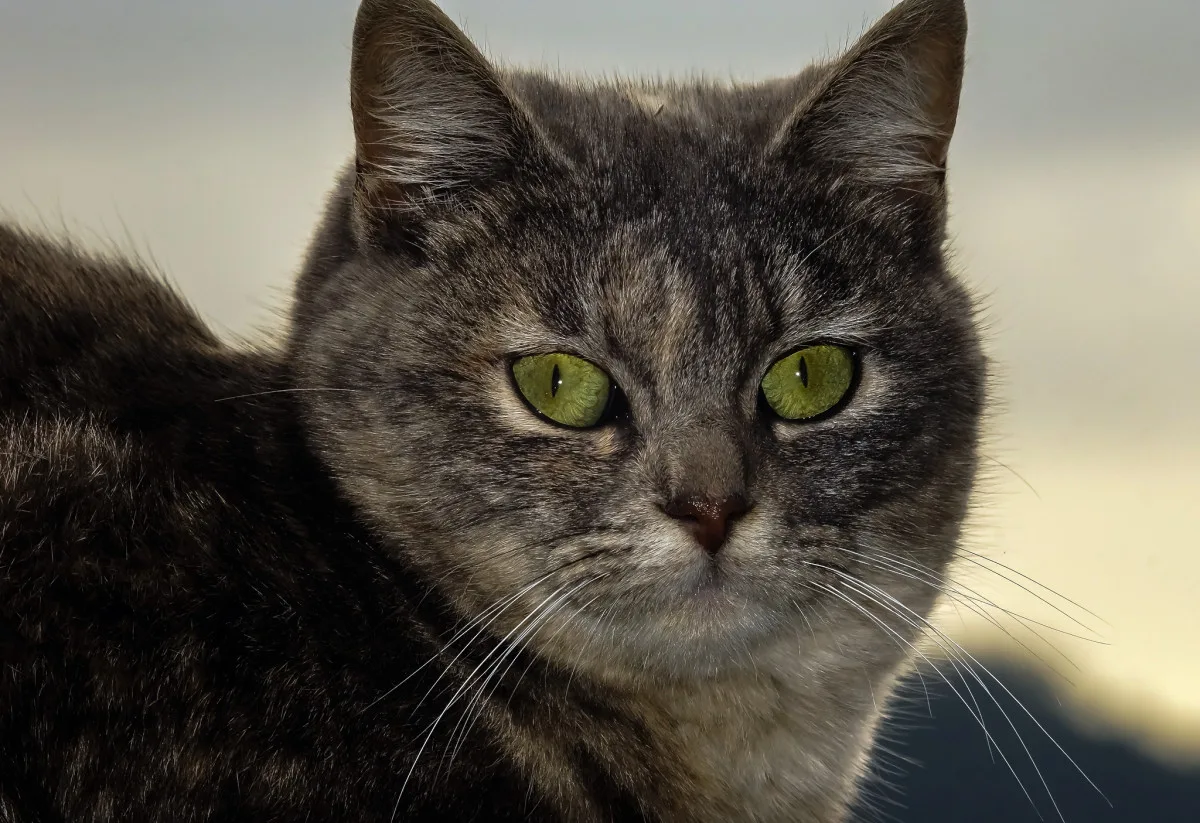
Dilated pupils with a fixed stare? She's on high alert. Something has spooked her.
The ears. Forward and relaxed? All is well. Flattened sideways or pinned back?
She's scared, angry, or in pain. Stop petting and give her space.
The tail. Still and wrapped gently around your arm? Pure bliss. Thumping or whipping back and forth?
Overstimulation. She may bite if you keep petting. Give her a break.
The paws. Kneading rhythmically is classic comfort behavior. Paws tucked under her body? That's the "loaf" position.
She's settled in and comfortable. Paws outstretched and claws lightly extended? She's relaxed but could scratch if startled.
The purr. Deep, steady, vibrating through your chest? Happiness. High-pitched, broken, or accompanied by other sounds like meowing or trilling?
She may be anxious or asking for something. Purring alone does not equal happiness, sick cats purr too. Always read purring in context with the rest of her posture.
Per the American Association of Feline Practitioners, veterinarians recommend observing any behavior that persists for more than two to three days, especially if accompanied by changes in appetite, energy, or litter box usage. Trust your instincts. If something feels off about your cat's chest-laying behavior, a vet check is never a bad idea.

Similar Posts