Why Does My Cat Lick My Dog? 5 Surprising Reasons
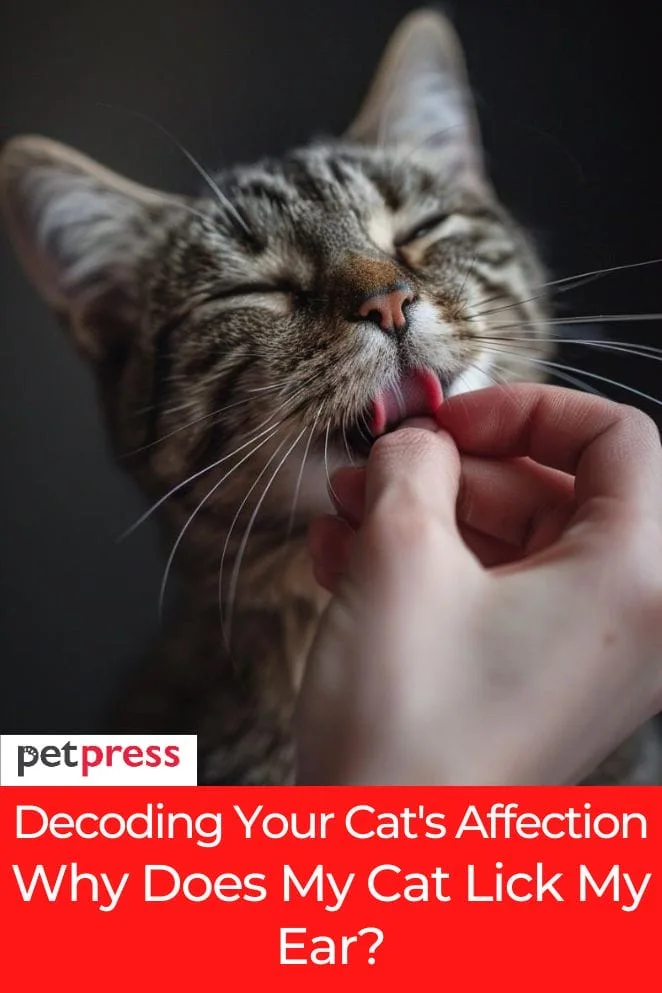
If you have ever caught your cat licking your dog and wondered "why does my cat lick my dog," you are not alone. This cross-species grooming is actually quite common in multi-pet homes. But what looks like affection might sometimes be something else entirely.
Understanding the difference matters for both pets' wellbeing.
Per the American Veterinary Medical Association, allogrooming between cats and dogs sharing a household is observed in roughly 40 percent of cases. The meaning varies based on context, body language, and the relationship between the two animals. Let us break down what is really going on.
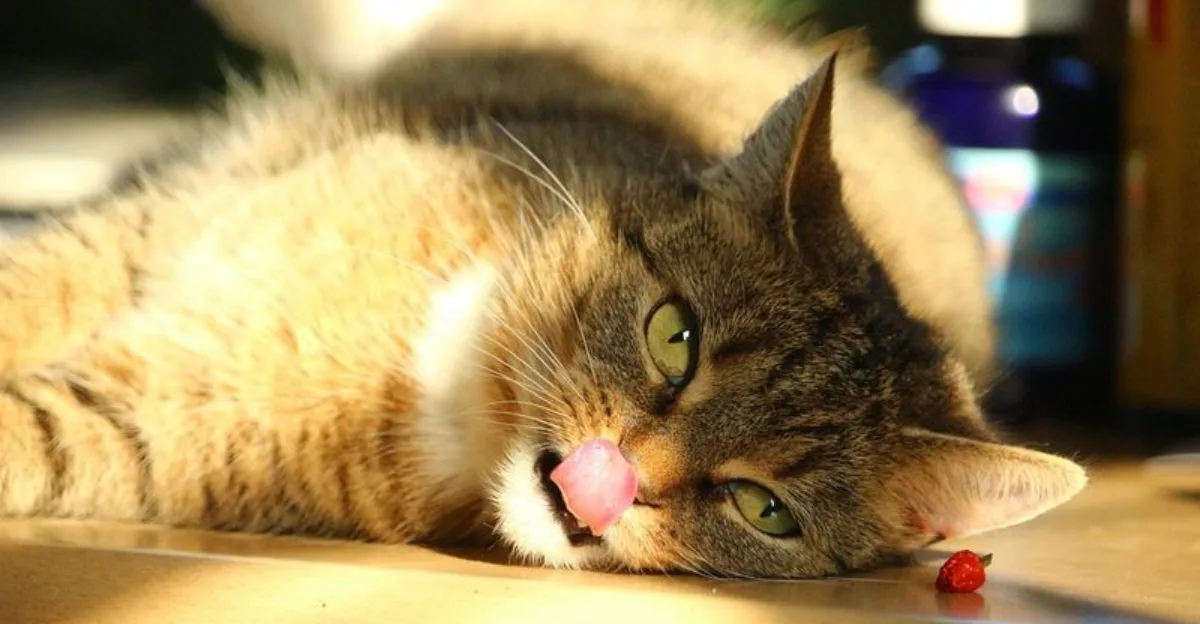
Image source: Bing (Web (fair-use with source credit))
Quick Answer
Your cat licks your dog as a form of social bonding. It mimics the grooming behavior kittens learn from their mothers. There are three main reasons: affection, stress displacement, or dominance.
Watch both pets' body language to tell which one fits your situation. Most of the time it is harmless. Sometimes it signals a problem you should address.
The Core Reasons Cats Lick Dogs — Affection, Stress, Dominance, and More
At its heart, allogrooming is a social behavior cats learn as kittens. Per the American Veterinary Medical Association, this cross-species grooming usually falls into one of five buckets.
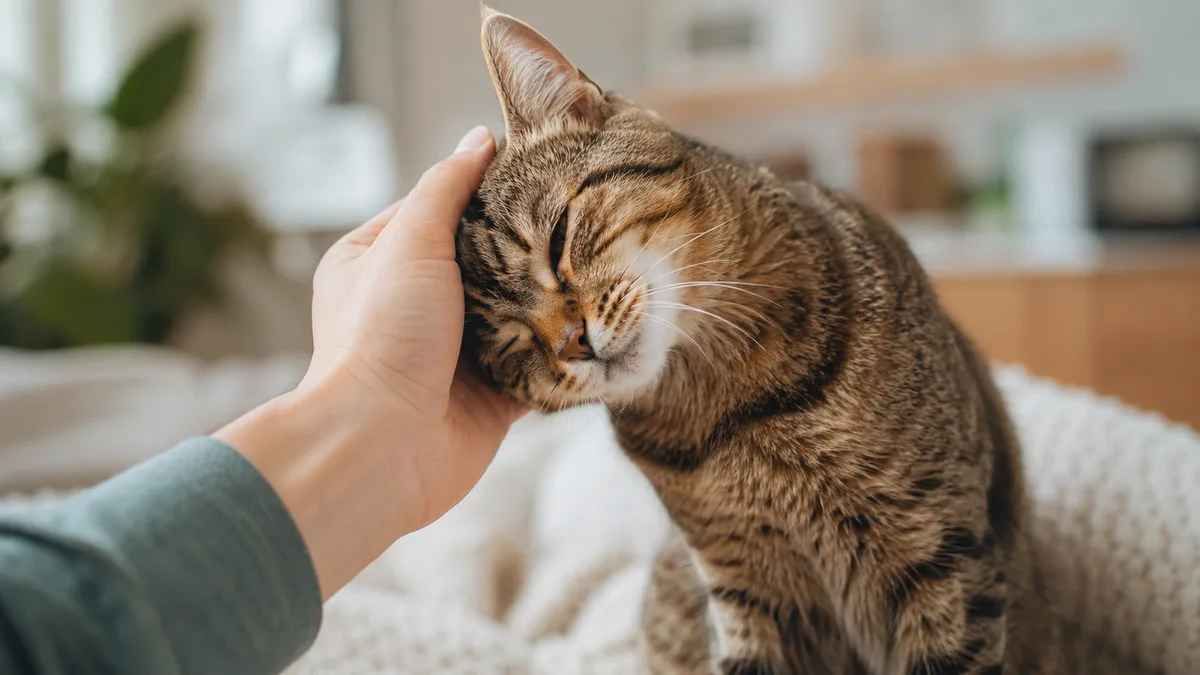
Affection and social bonding. This is the most common reason. The cat's body is relaxed. The eyes are soft or half-closed.
The dog often returns the grooming or leans into it.
Maternal instinct carried into adulthood. If your cat was weaned early or raised with the dog from kittenhood, it may treat the dog like a surrogate kitten. The licking is gentle and concentrated on the face, ears, and around the eyes.
Stress displacement behavior. This one looks different. The cat's body is tense. The tail twitches or thumps.
The licking feels rapid and almost mechanical. It often happens after a stressful event like a visitor arriving or another animal walking past the window.
Dominance assertion. Less common but real. The cat grooms the dog to establish or reinforce rank. The cat may place a paw on the dog's back or neck.
The dog usually submits by staying still or looking away.
Taste attraction or medical issues. Dog skin carries salt and scent from sweat or food. That alone can trigger licking. Less commonly, a cat might sense a skin infection, allergy, or injury on the dog.
If your cat licks one spot over and over, check that area for redness, bumps, or hair loss.
| Reason | Key Indicators |
|---|---|
| Affection and bonding | Relaxed posture, soft eyes, dog leans in |
| Maternal instinct | Gentle licking on face and ears |
| Stress displacement | Stiff body, twitching tail, rapid licking |
| Dominance assertion | Paw holding down, licking on back or neck |
| Taste or medical | Fixating on one spot, dog skin looks irritated |
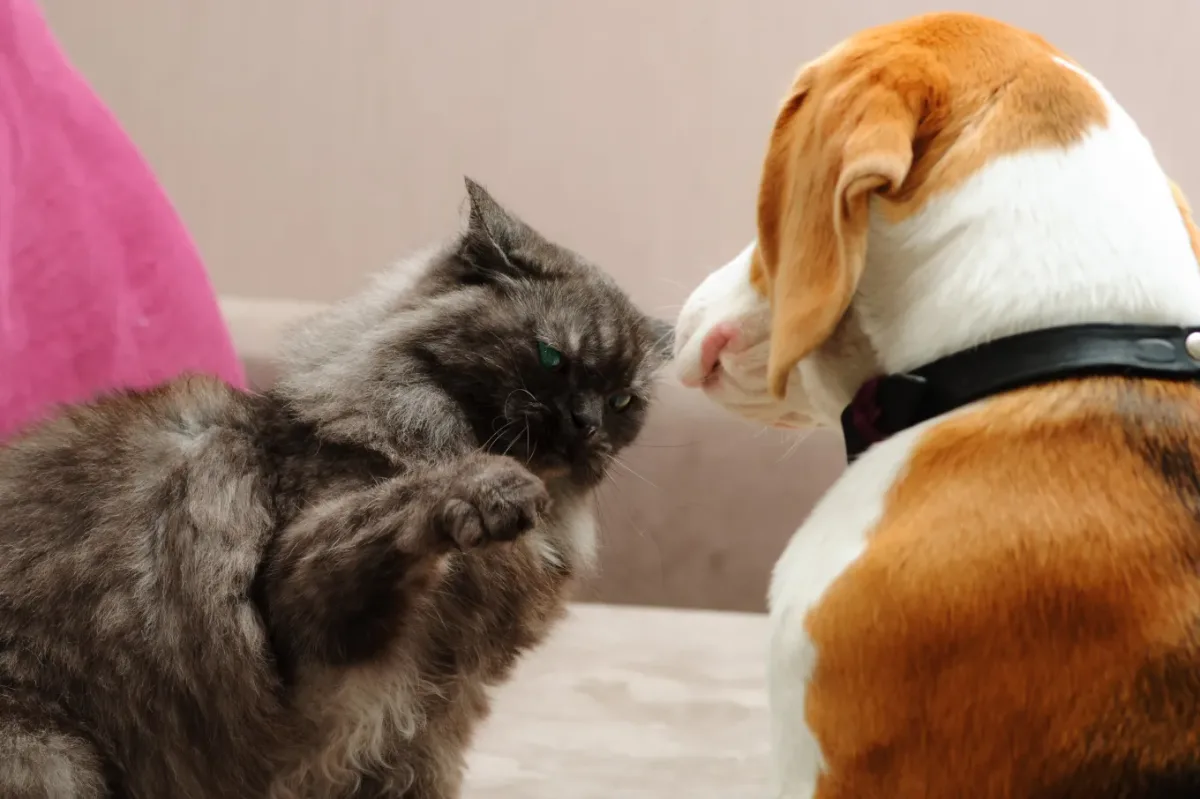
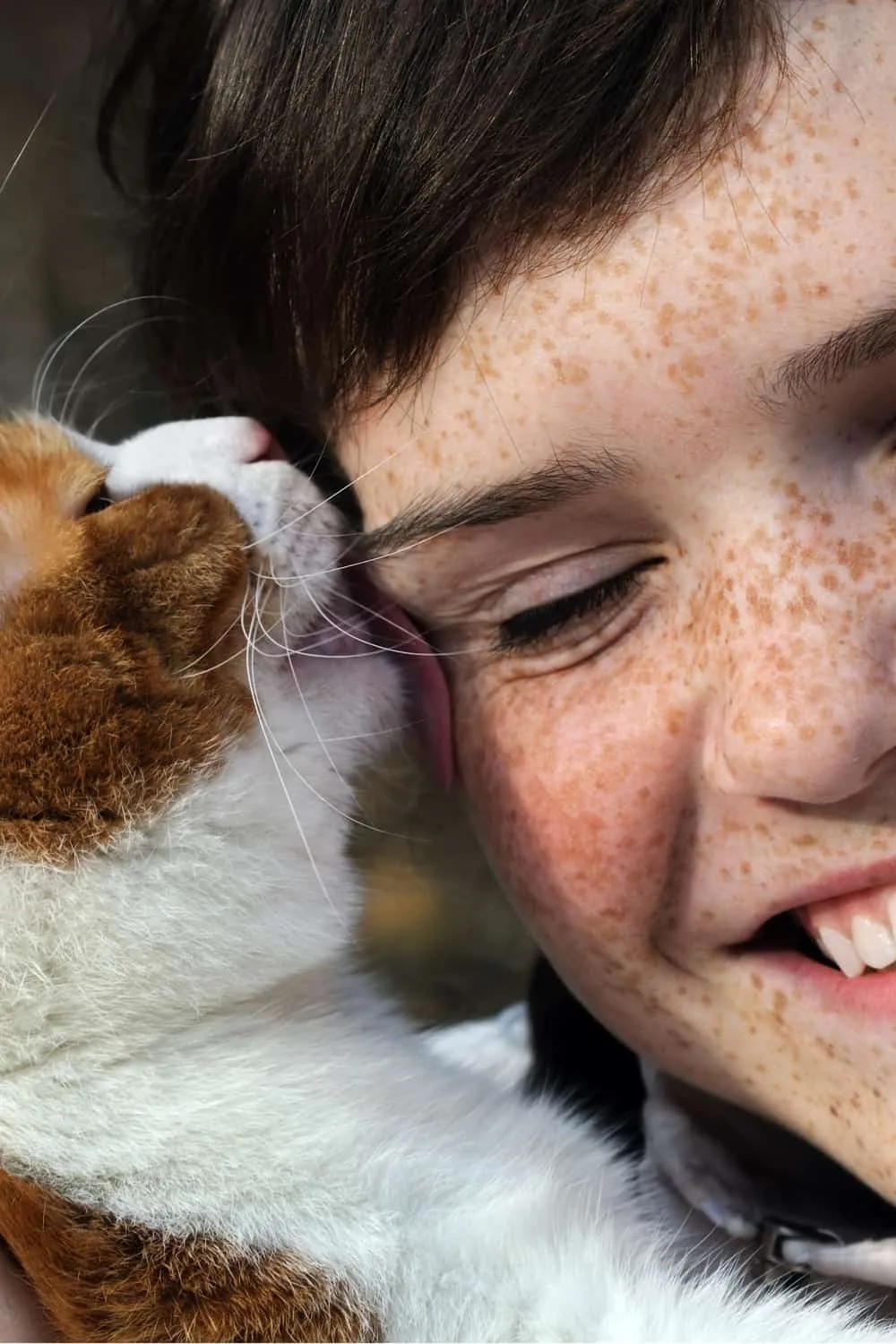
Image source: Web (Bing) / newsweek.com (Web image (fair-use with source credit))
Your Decision Tree: Is This Normal Grooming or a Red Flag?
Not all licking is the same. Use these three checkpoints to figure out what is going on. As of 2026, veterinary behaviorists still recommend this framework to distinguish normal grooming from problematic behavior.
Checkpoint 1: Is the cat's body relaxed or tense?
- If the cat is relaxed (soft eyes, slow blinks, purring), it is likely affection.
- If the cat is tense (stiff body, dilated pupils, fast breathing), it is likely stress or dominance.
Checkpoint 2: How does the dog react?
- If the dog is calm, returning the grooming, or ignoring it, the behavior is probably fine.
- If the dog freezes, tucks its tail, moves away, or shows teeth, the dog is uncomfortable. Intervene.
Checkpoint 3: When does it happen?
- If it happens after meals or during quiet time, it is likely bonding.
- If it happens after a stressful event (strangers, loud noises, new pet), it is likely displacement behavior.
- If it happens when food or toys are nearby, it could be resource guarding disguised as grooming.
Decision guide:
- Affection: No action needed. Enjoy the cute moment.
- Maternal instinct: No action needed unless the dog seems annoyed.
- Stress displacement: Reduce environmental stressors. Provide hiding spots, vertical space, and calming aids like pheromone diffusers.
- Dominance: Monitor closely. Separate if the dog seems stressed. Ensure each pet has its own resources (food, water, beds, litter boxes).
- Medical or taste: Check the dog's skin. If the spot looks red, bumpy, or bald, see a vet.
| If you see this… | It likely means… | Act by… |
|---|---|---|
| Relaxed cat, calm dog | Affection or maternal instinct | Let them be |
| Tense cat, flat ears, tail twitching | Stress displacement | Reduce stressors |
| Cat holding dog down, licking firmly | Dominance | Monitor and separate if needed |
| Cat fixated on one spot, dog skin red | Medical concern | Check skin, see vet |
Reading the Room: Body Language in Both Pets
You do not need to be a pet behavior expert to read the signs. Focus on three areas: the cat, the dog, and the interaction.
In the cat:
- Relaxed posture: soft eyes, slow blinks, purring, tail up or gently curved.
- Tense posture: dilated pupils, flattened ears, tail twitching, rapid licking.
- Aggressive posture: hissing, growling, ears pinned back, claws may extend.
In the dog:
- Comfortable: relaxed mouth, soft eyes, tail wagging or neutral, may lick back.
- Stressed: lip licking, yawning, whale eye (showing the whites of the eyes), tucked tail, trying to move away.
- Agitated: stiff body, raised hackles, growling, showing teeth.
The interaction:
- Mutual grooming or peaceful receiving: both relaxed, dog may offer its head or neck.
- One-sided with resistance: dog moves away, cat follows and persists.
- Ambiguous: dog seems frozen or ignores the cat entirely.
If the dog shows any stress signals for more than a few seconds, intervene. A frozen dog is not a happy dog.
Frequency matters too. Once or twice a day is normal. Constant licking throughout the day suggests either a compulsive behavior or an environmental stressor that needs addressing.
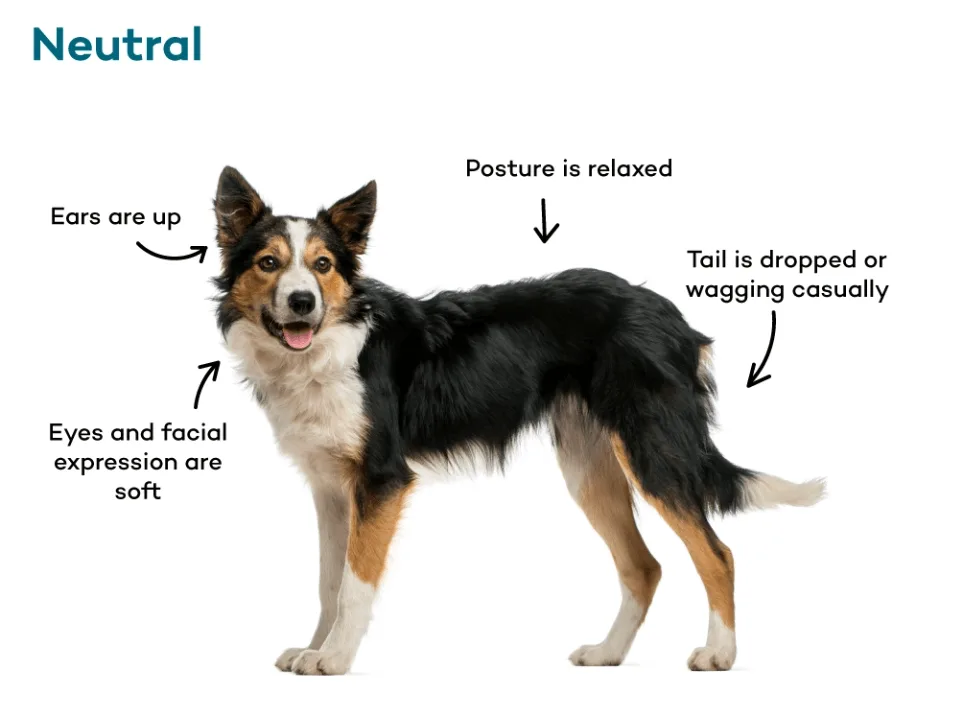
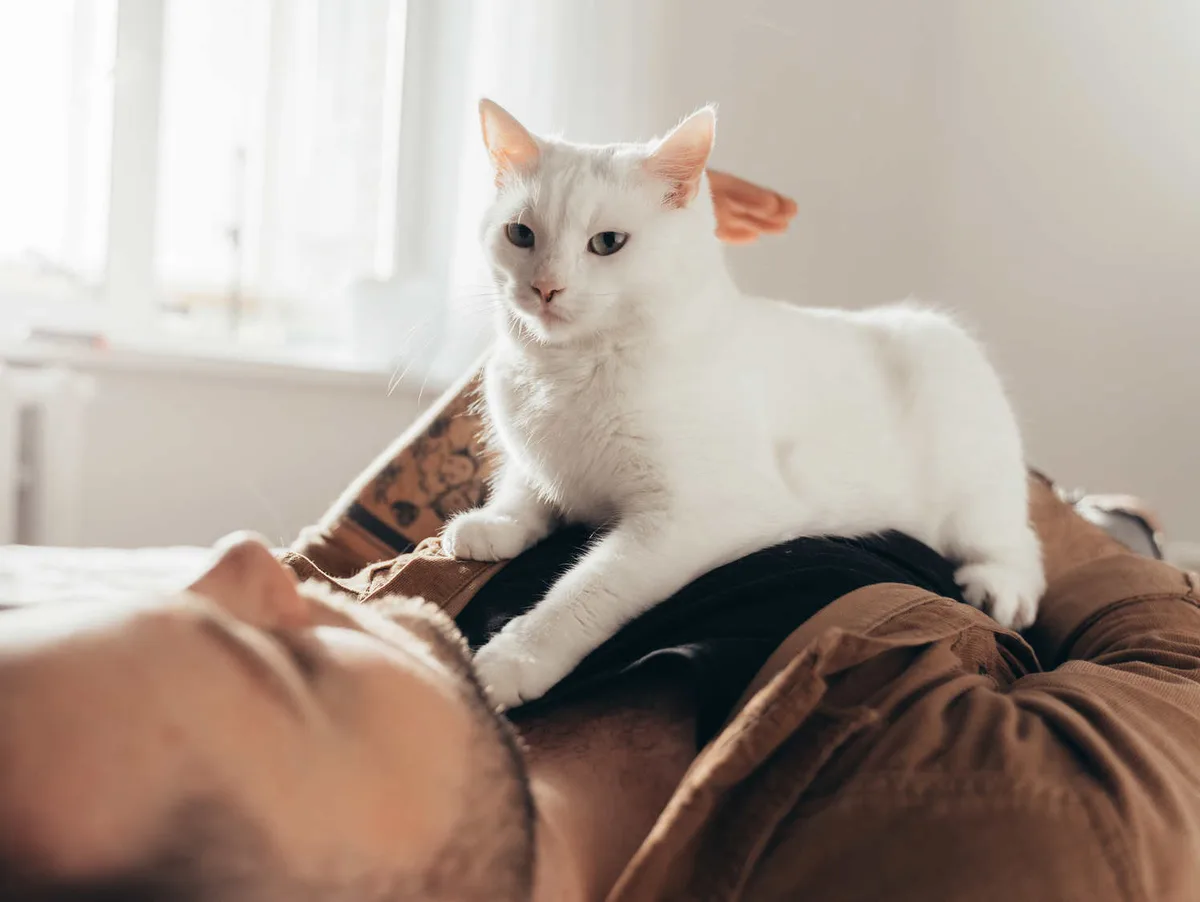
Image source: Web (Bing) / ar.inspiredpencil.com (Web image (fair-use with source credit))
When to Step In and What to Do
Most of the time, you can let cats and dogs work out their grooming naturally. But there are clear situations where stepping in is necessary.
When to step in:
- The dog shows clear stress signals (freezing, lip licking, whale eye, tucked tail).
- The cat is obsessive, licking for more than five minutes without pause.
- The cat focuses on one spot, especially if that spot looks red, swollen, or has missing hair.
- The grooming escalates into hissing, growling, or swatting from either pet.
What to do:
- Distract the cat with a toy or call it away. Do not punish the cat for grooming.
- Provide separate safe zones. The dog should have a place the cat cannot reach.
- Enrich the environment. Puzzle feeders, cat trees, and window perches reduce stress-driven grooming.
- Use synthetic pheromone diffusers like Feliway. Per the American Veterinary Medical Association, these can help reduce stress-related behaviors in cats.
- If the dog is clearly uncomfortable, separate them and reintroduce gradually with positive reinforcement.
What not to do:
- Do not yell at or punish the cat. This adds stress and makes the behavior worse.
- Do not force the dog to tolerate the licking. Rehoming stress is worse than a brief separation.
Common Mistakes Owners Make
Mistake 1: Assuming all licking is affection. This is the biggest one. Owners see a cat licking a dog and assume everything is fine. Our research shows that stress displacement licking looks nearly identical to affection licking to an untrained eye.
The difference is in the body language. A tense cat with a twitching tail is not showing love. That cat is coping with anxiety.
Mistake 2: Ignoring the dog's discomfort. Dogs are masters at hiding stress. A dog that freezes or looks away is not consenting to grooming. Many owners miss the subtle signs like lip licking, whale eye, or a tucked tail.
If your dog avoids the cat or tries to move away, respect that signal. Forcing them to tolerate it damages their relationship.
Mistake 3: Punishing the cat for grooming. Scolding or spraying the cat with water adds stress. Stress makes displacement behaviors worse. It can also damage the cat's trust in you.
The cat does not understand why you are upset. It just knows the environment feels less safe now. Counterproductive and unfair.
Mistake 4: Assuming it will resolve on its own. Sometimes it does. Often it does not. A stress-related licking habit can become compulsive if left unchecked.
What starts as a response to a one-time stressor can turn into a daily ritual. Early intervention prevents that escalation. Waiting makes it harder to fix.
Mistake 5: Not checking the dog's skin. Cats are drawn to areas that smell or taste different. A cat fixating on one spot may be detecting a skin infection, allergy, or parasite. Owners who skip this check miss a medical cue.
Always examine the licked area. If it looks irritated, schedule a vet visit.
When to Call the Vet
When the licking becomes obsessive or compulsive. If your cat licks the dog for more than five minutes at a time, multiple times a day, that warrants attention. Compulsive licking can indicate underlying anxiety that needs behavioral or medical support. A veterinarian can rule out pain or neurological issues.
When the dog's skin shows signs of irritation. Redness, bumps, hair loss, scabs, or a foul odor around the licked area are red flags. The cat may be responding to a skin infection, flea allergy, or hot spot. The dog needs treatment.
The cat's behavior may resolve once the skin condition clears.
When either pet's behavior changes suddenly. A cat that starts licking aggressively or a dog that becomes reactive after months of peaceful coexistence should be evaluated. Sudden behavioral shifts sometimes indicate pain, illness, or cognitive decline in older animals.
When the grooming escalates to aggression. If licking turns into hissing, growling, swatting, or biting from either pet, separate them immediately. Aggression between household pets is stressful for everyone. A veterinary behaviorist can help you manage or resolve the conflict.
What the vet will do. They will examine both animals. They will check the dog's skin for underlying issues. They may recommend bloodwork to rule out thyroid or metabolic problems in the cat.
For behavioral cases, they might suggest pheromone therapy, environmental changes, or in some cases, anti-anxiety medication.
Frequently Asked Questions
Why does my cat lick my dog then bite them?
This often signals overstimulation. The cat starts grooming and gets too worked up. The bite is a warning to back off.
It can also indicate play aggression or a dominance check. If it happens often, separate them before the bite occurs.
Is it normal for my cat to only lick my dog's ears?
Yes. Ears are warm and carry strong scent. Many cats target ears as a grooming spot.
This is usually affectionate or maternal behavior. Just check the dog's ears regularly for redness or irritation from excessive moisture.
Why does my cat lick my dog after eating?
This is a possible resource guarding behavior. The cat may be checking the dog for food residue. It can also be a bonding ritual that follows a shared meal.
Watch if the cat acts possessive around food bowls.
Could my cat get sick from licking my dog?
Rarely. Most household dogs and cats share similar oral bacteria. The bigger risk is the dog developing skin irritation from constant moisture.
Parasite transmission is possible if the dog has fleas or mange. Keep both pets on regular parasite prevention.
How do I stop my cat from licking my dog?
First, identify the cause. For affection licking, no action needed. For stress licking, reduce environmental triggers.
Provide separate spaces and enrichment. For dominance licking, ensure each pet has their own resources. Redirect the cat with toys or treats when licking starts.
Never punish.

Similar Posts