Why Does My Cat Lick My Eyelid? 7 Strange Reasons
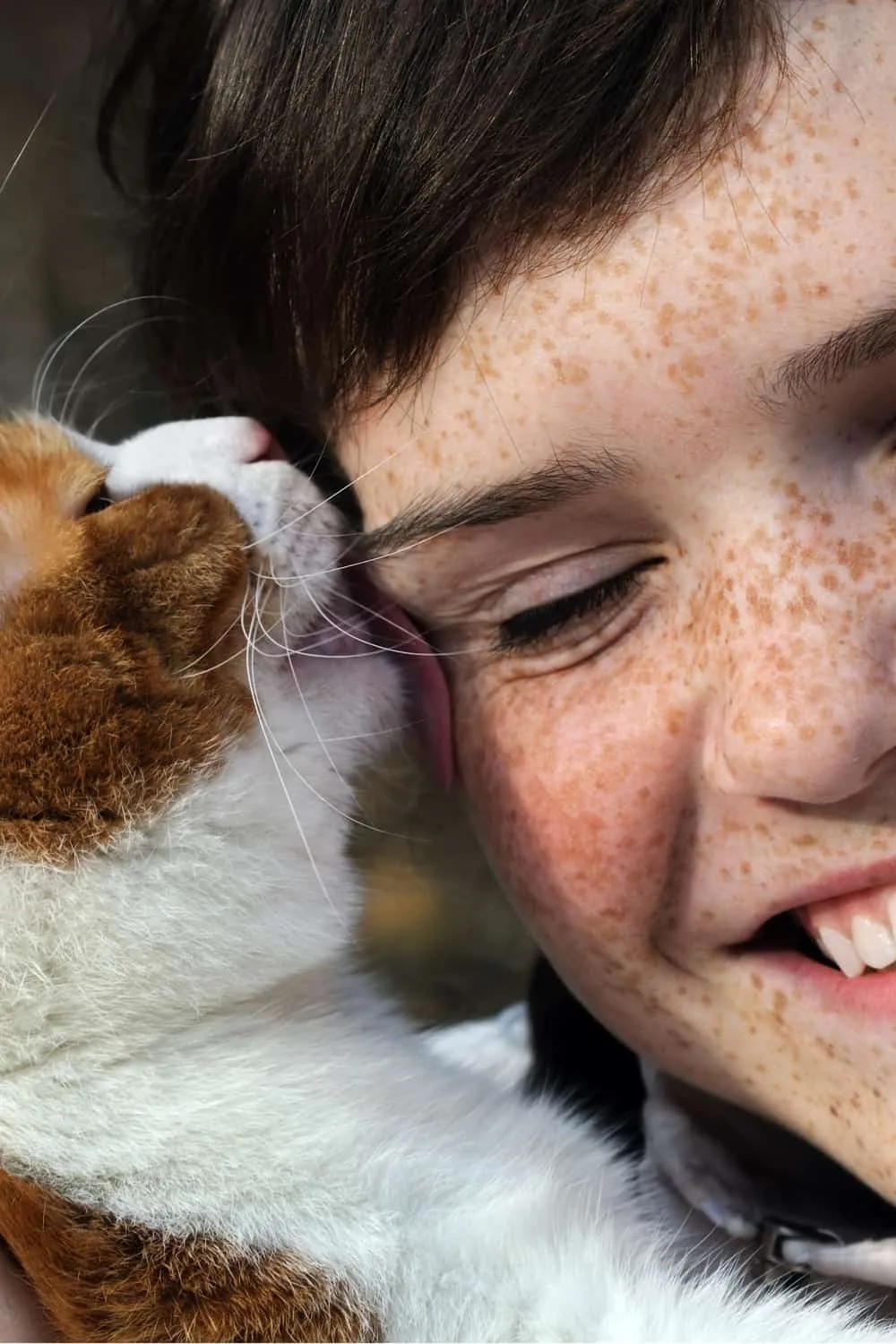
Your cat wakes you up at 3 a.m. with a sandpaper tongue right on your eyelid. You’ve probably wondered "why does my cat lick my eyelid" more than once, and maybe you’ve worried something is wrong. It’s a surprisingly common behavior, and the answer is usually simpler than you’d think.
According to veterinary behavior research, the average cat’s tongue carries roughly 200 million bacteria per milliliter of saliva. That matters when that tongue touches the delicate skin around your eye. But before we get to the risks, let’s look at what’s actually driving this behavior in the first place.
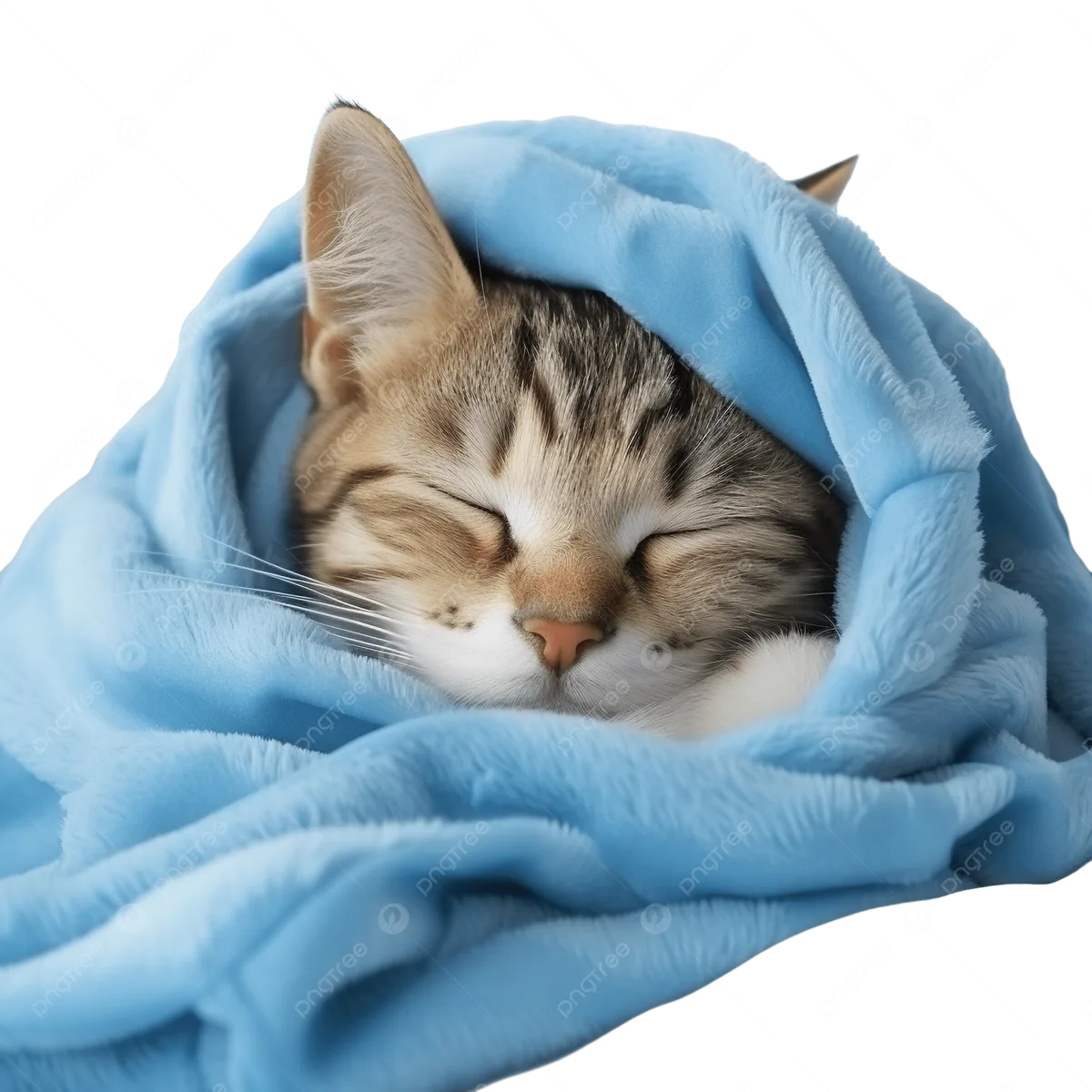
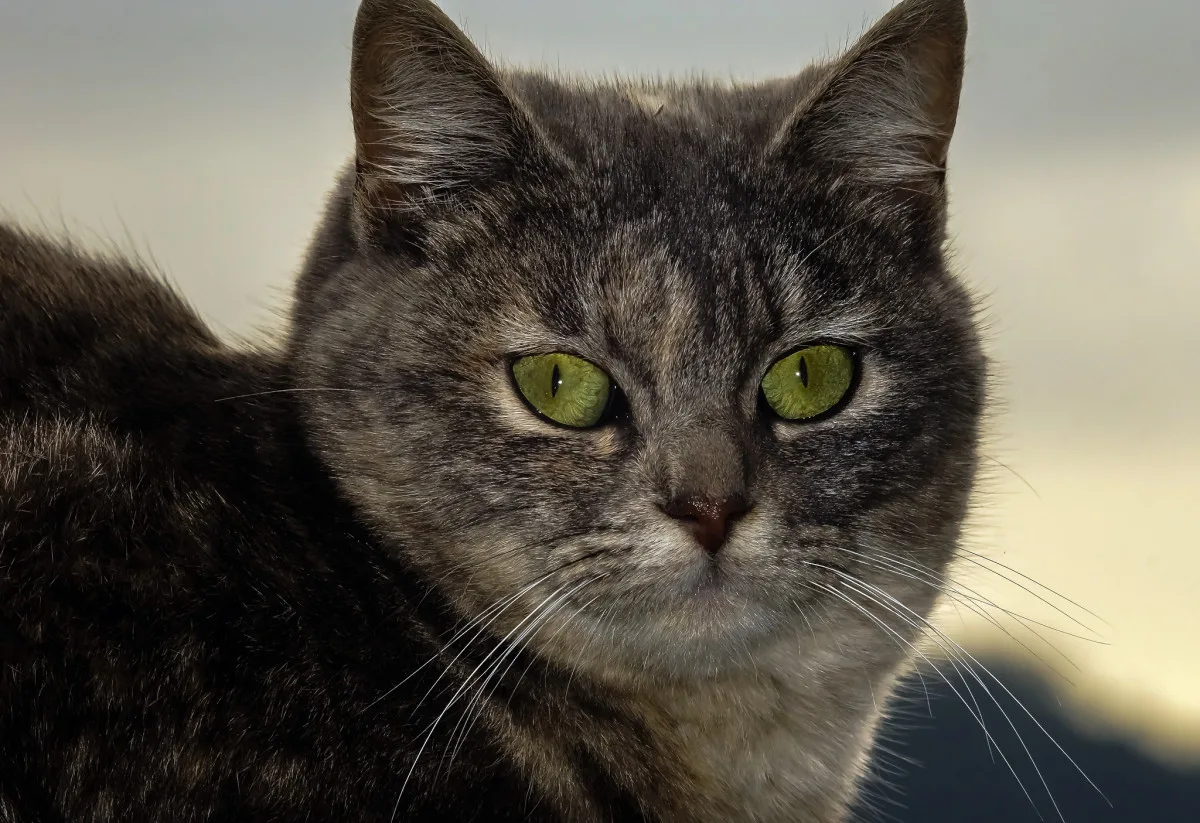
Image source: Bing (Web (fair-use with source credit))
Why Cats Lick Eyelids: The Short Answer
Your cat likely licks your eyelid for affection or scent-marking. Cats use licking as social grooming, and the salty moisture in your tear film can draw their attention. A less common reason involves stress or a dietary need.
Watch for other cues.
Affection, Bonding, and Scent: The Normal Reasons
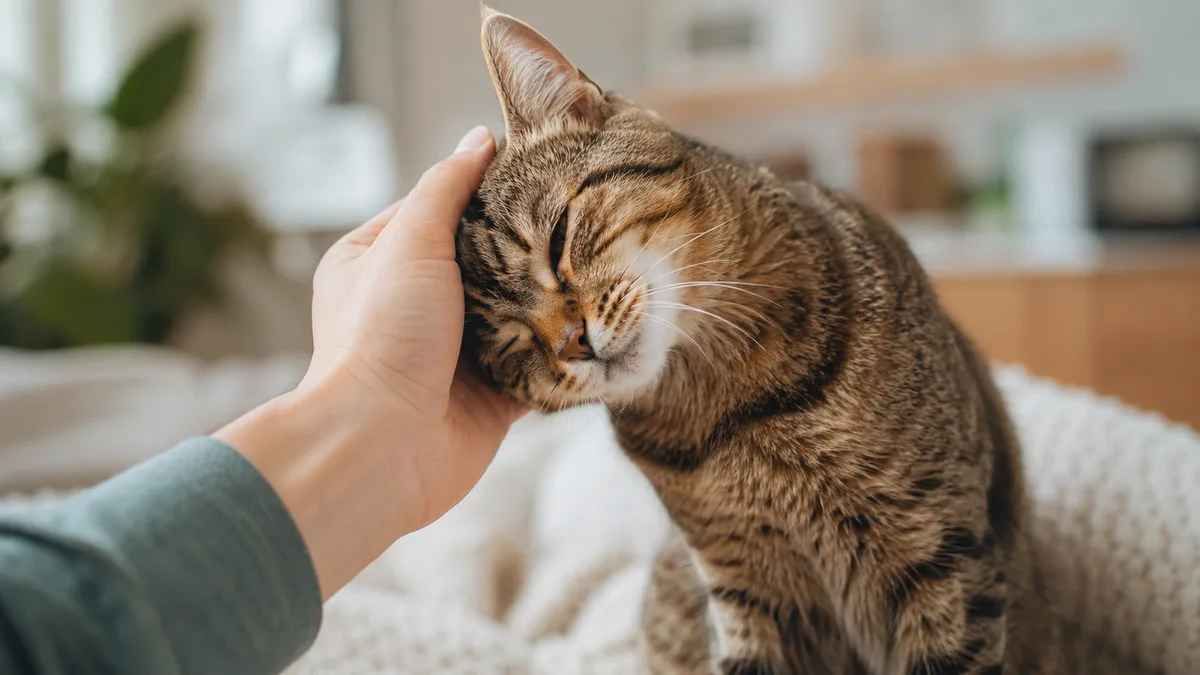
Cats don’t lick just anyone. In the feline world, allogrooming (grooming another cat) is a sign of trust and social bonding. When your cat grooms your eyelid, they’re treating you like a member of their colony.
It’s actually a compliment.
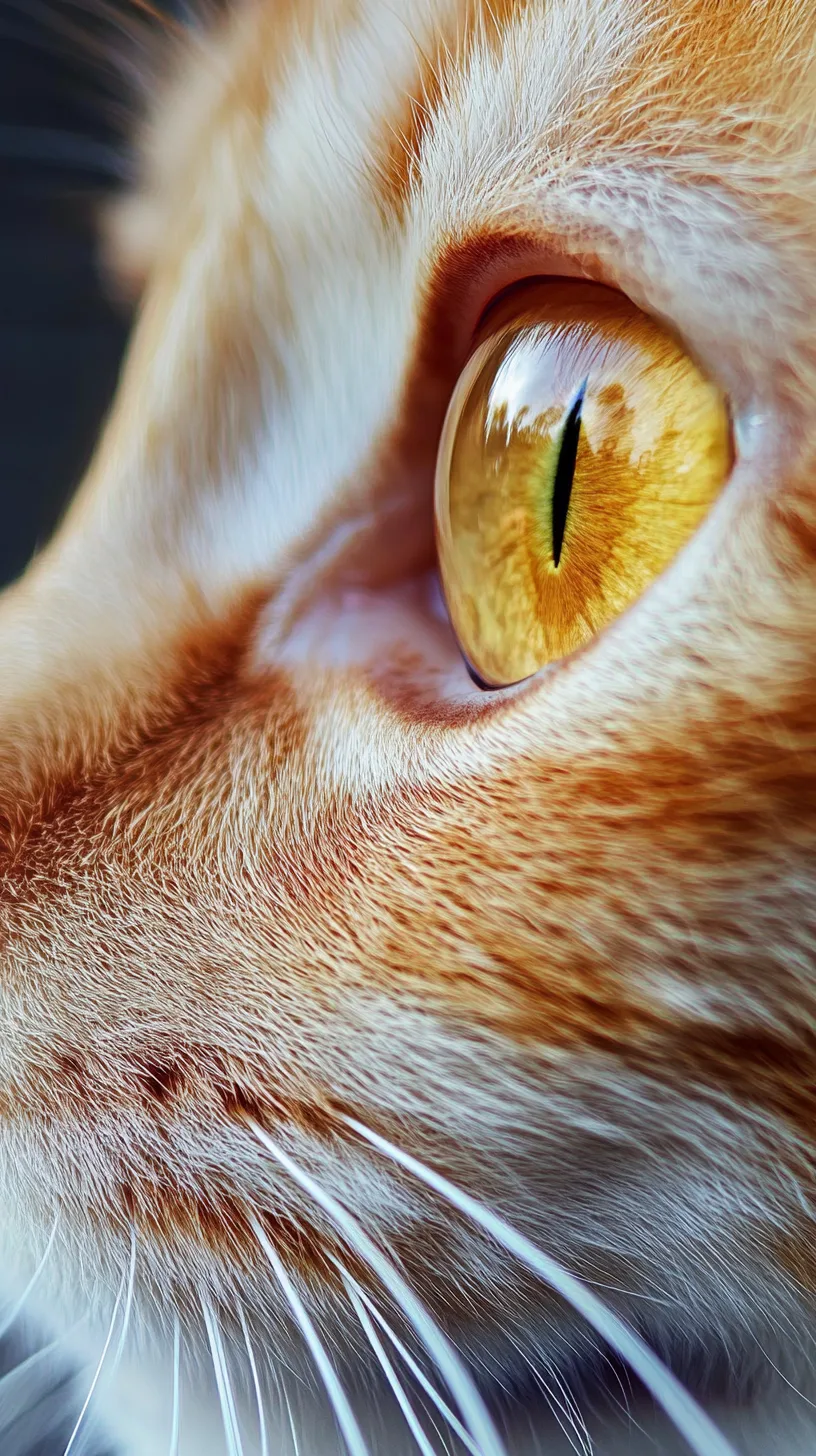
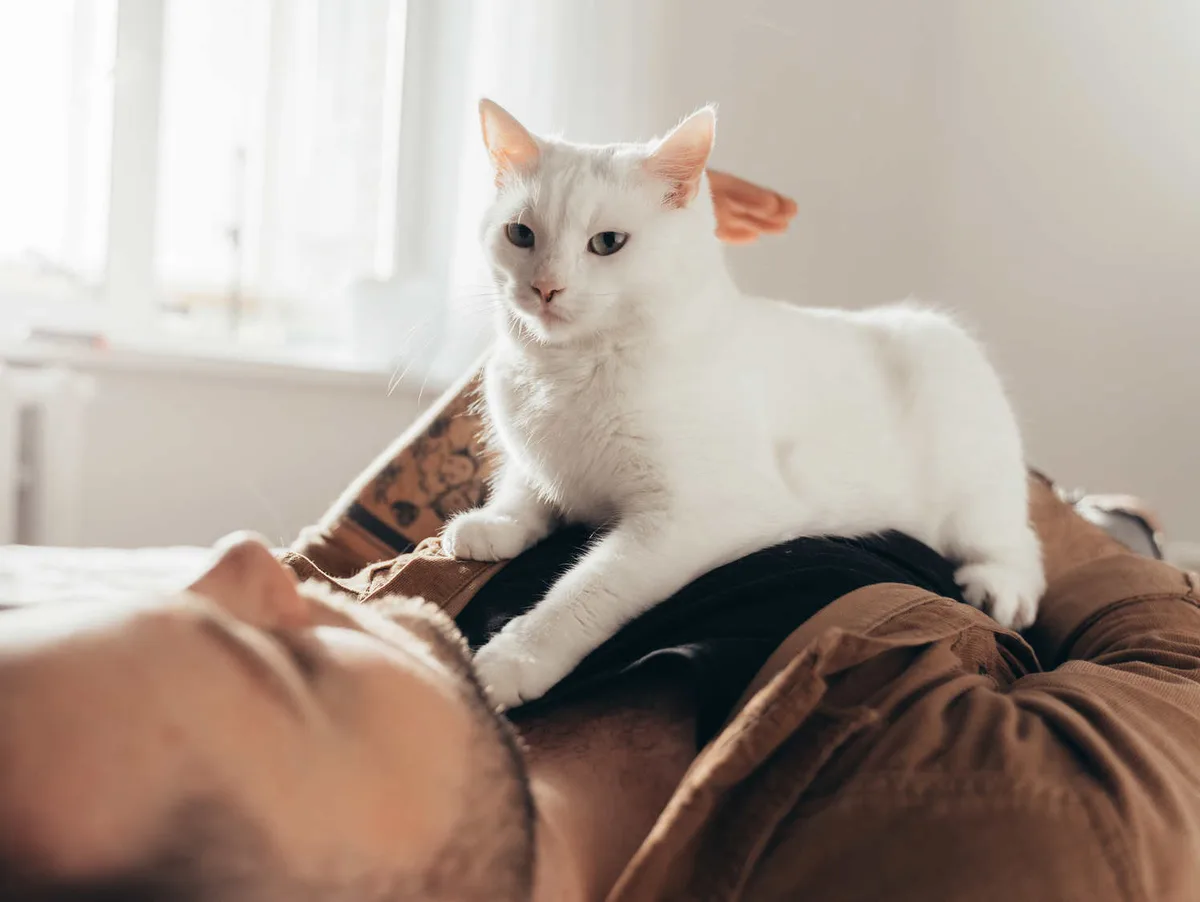
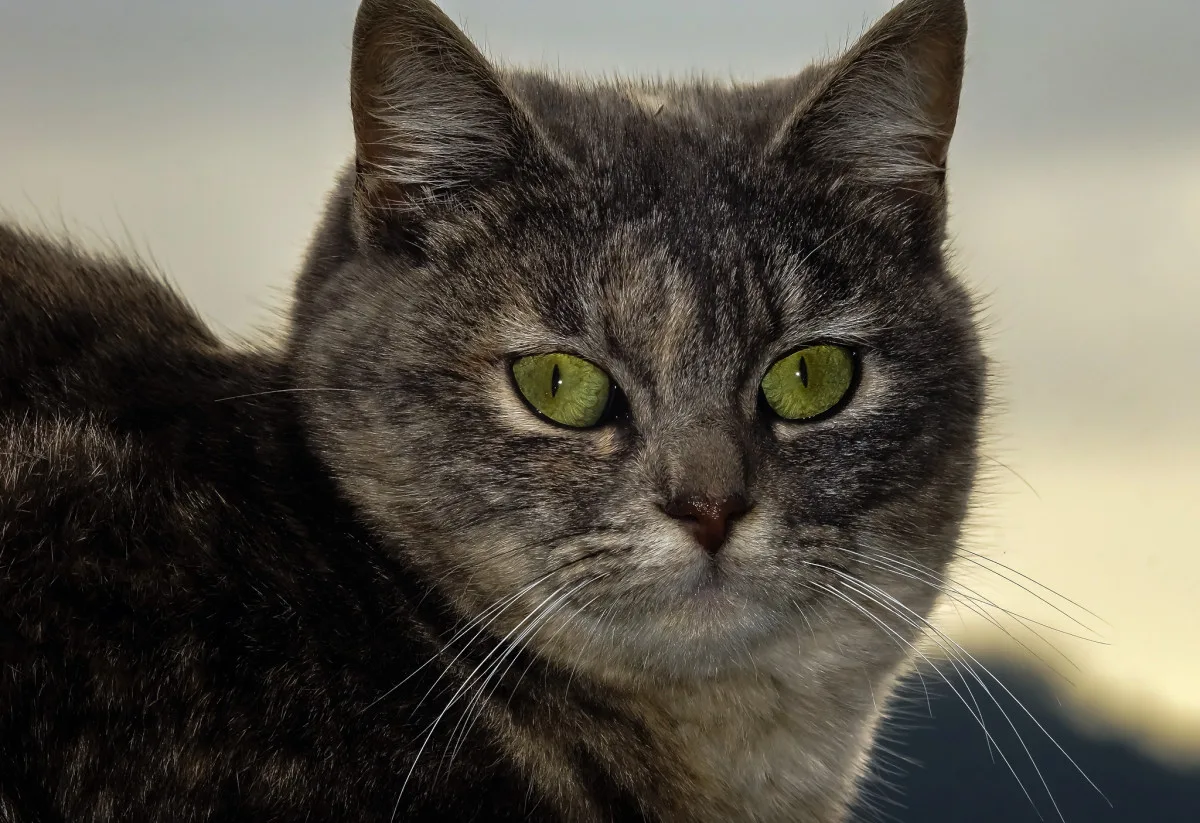
Image source: Web (Bing) / pinterest.com (Web image (fair-use with source credit))
Your eyelids are covered in sebaceous glands that produce oils and pheromones. Cats have a keen sense of smell, and they may be drawn to your unique scent profile first thing in the morning. The combination of warm skin, tear residue, and your natural smell creates a sensory target.
Here’s what normal affection-based licking looks like:
- It happens when you’re relaxed, especially in bed or on the couch
- Your cat is purring and kneading nearby
- The licking is gentle and brief, not obsessive
- Your cat also grooms you elsewhere (hands, hair, chin)
- They seek you out for closeness, not just the lick
Think of it as their version of a forehead kiss. It’s intimate and trusting. Cats that were hand-raised or bottle-fed as kittens often show more of this behavior because they associate human skin with comfort and care.
Stress, Diet, and Health: When the Licking Might Mean More
Not all eyelid licking is sweet. Sometimes your cat is trying to tell you something else entirely.
If the licking becomes frequent, frantic, or paired with other odd behaviors, it could point to an underlying issue. Here’s a quick comparison of normal versus problematic licking:
| Normal Licking | Problematic Licking |
|---|---|
| Happens 1-2 times a day, briefly | Happens many times daily, lasts minutes |
| Cat is relaxed, purring | Cat seems anxious, restless |
| Only targets eyelids | Also licks walls, fabric, or floors |
| Stops when you redirect | Persists despite gentle discouragement |
| No other symptoms | Weight loss, vomiting, poor coat |
One common physical driver is a salt deficiency. Cat saliva analysis shows they need sodium for nerve and muscle function, but commercial cat food typically provides enough. However, some cats develop pica (eating non-food items) due to digestive issues, parasites, or even boredom.
Stress is another overlooked cause. Cats use repetitive licking to self-soothe, much like humans bite their nails. A new baby, a move, a new pet, or even a change in your work schedule can trigger it.
The eyelid is just a convenient, warm, and salty target.
If your cat only licks one eyelid consistently, that’s worth noting. It could mean that eye has more discharge, or it could be that your cat senses a subtle change in scent or temperature that you can’t detect.
The Health Risks You Should Know About
This is the part most cat owners skip until something goes wrong. Let’s not do that.
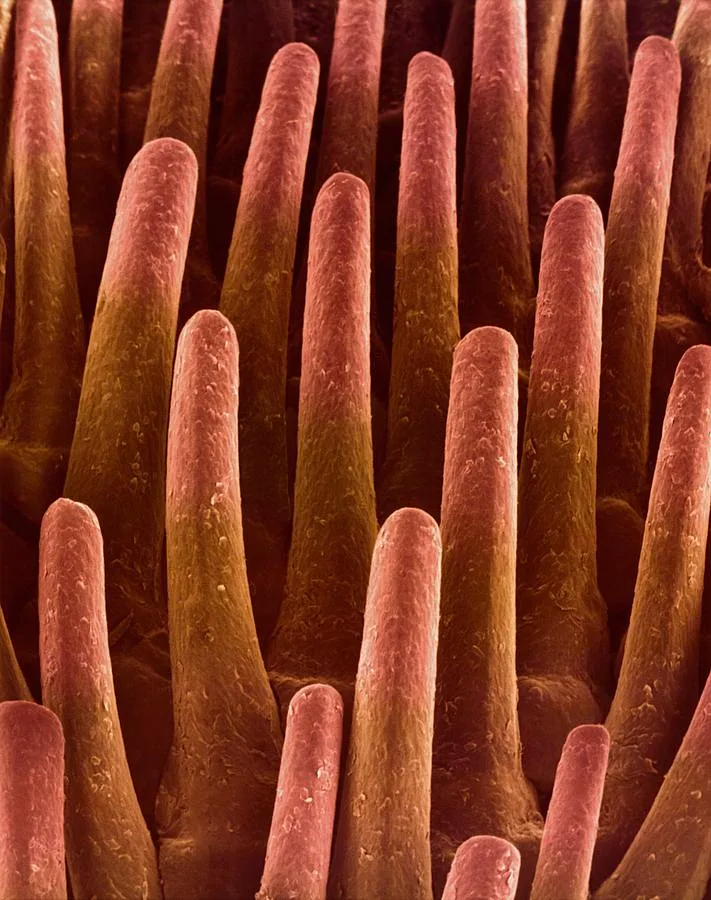
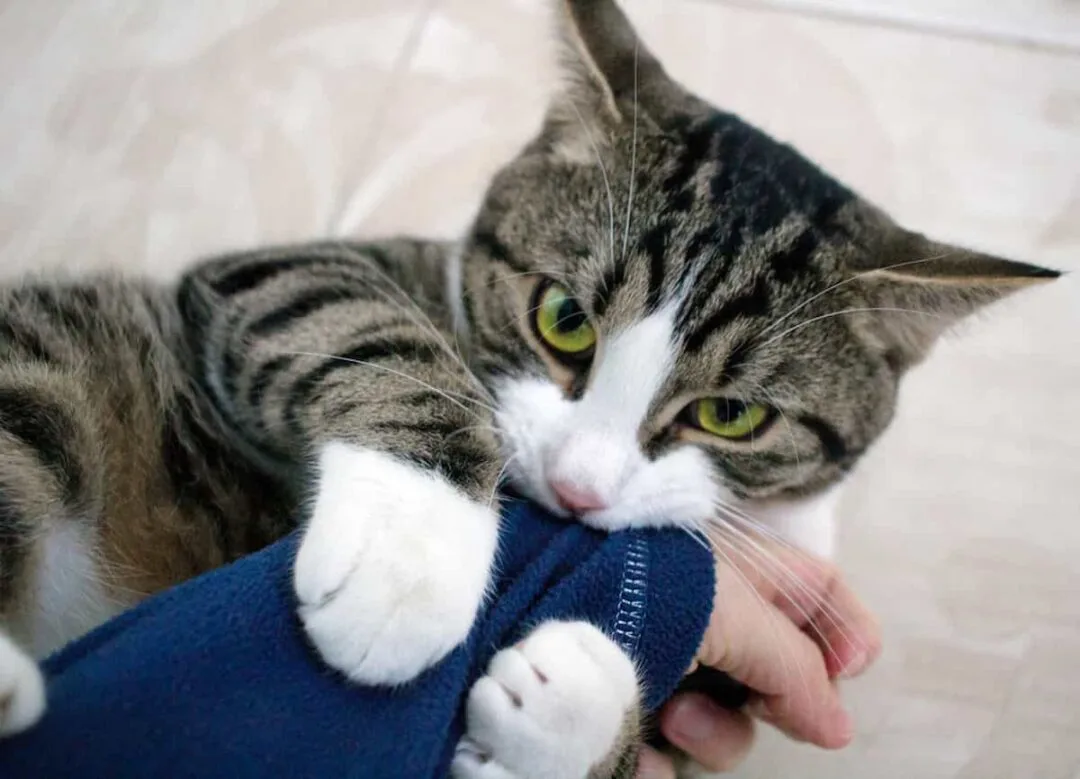
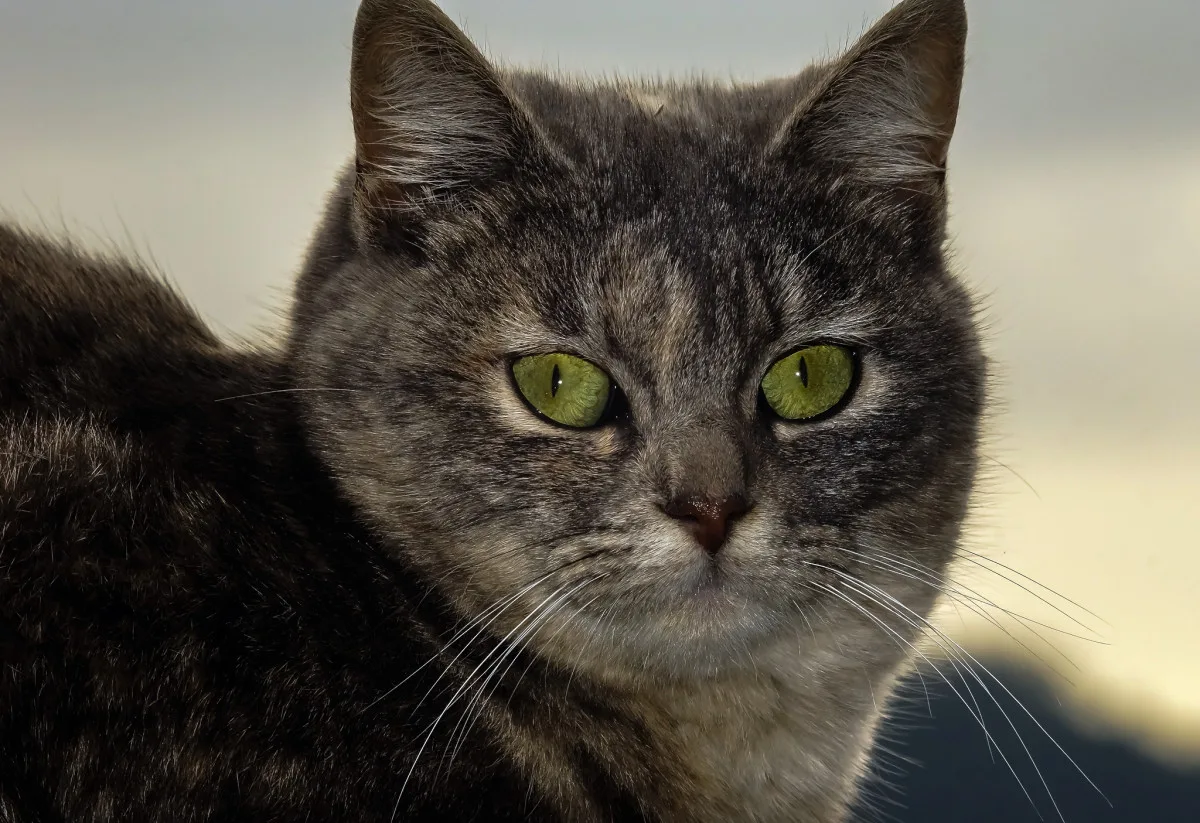
Image source: Web (Bing) / pixels.com (Web image (fair-use with source credit))
A cat’s tongue is covered in backward-facing papillae (tiny hooks made of keratin). They’re great for stripping meat off bones, but not so great for delicate eyelid skin. Even gentle licking can cause micro-abrasions, tiny scratches you can’t see.
Those breaks in your skin give bacteria a direct path into your system.
The biggest bacterial concern is Pasteurella multocida. According to the Centers for Disease Control and Prevention (CDC), Pasteurella is commonly found in the mouths of healthy cats and can cause serious eye infections if introduced to the conjunctiva. Symptoms include redness, swelling, discharge, and pain within hours to a couple of days.
Here are the main risks you should know:
- Corneal abrasion from the barbed tongue
- Bacterial conjunctivitis (pink eye) from Pasteurella or Staphylococcus
- Cat-scratch disease if the cat also bats at your eye
- Fungal infections, though much rarer
- Aggravating existing conditions like dry eye or allergies
Who should be most cautious? If you have a compromised immune system, diabetes, or are on immunosuppressive medications, the risk goes up significantly. The same goes for anyone with a history of eye infections or recent eye surgery.
As of 2026, veterinary consensus still strongly recommends not allowing direct oral-ocular contact for this very reason. It’s not about loving your cat less. It’s about protecting your vision.
When to Call the Vet or Your Own Doctor
So how do you know when this is just a quirky habit versus an actual problem? You watch for specific signs in both you and your cat.
Call your doctor if your eye shows any of these after a licking session:
- Redness that doesn’t fade within an hour
- Yellow or green discharge
- Sensitivity to light
- Swollen eyelids
- Blurry vision
- A feeling like something is stuck in your eye
Don’t wait to “see if it clears up.” Eye infections can move fast. A day or two of delay can turn a simple antibiotic drop into something more complicated.
Call your vet if your cat shows any of these:
- Licking has recently started or suddenly increased
- They’re also licking walls, floors, or non-food items
- They’ve lost weight or their coat looks dull
- They seem anxious, hiding more, or have changed their eating habits
- They only lick your face (not other parts of you or objects)
Veterinary behaviorists at university programs like Cornell’s Feline Health Center note that sudden changes in grooming patterns are worth investigating. Dental disease, kidney issues, and thyroid problems can all manifest as increased licking of unusual targets.
Your vet will likely start with a basic exam and dental check. If nothing obvious shows up, they may suggest blood work to rule out metabolic causes. Most of the time, it’s behavioral.
But it’s worth confirming.
How to Discourage the Behavior Gently
You don’t need to scold your cat or shut them out of the bedroom. That usually backfires. Cats don’t connect punishment with the licking.
They just learn you’re unpredictable and that makes them more anxious.
The goal is redirection, not correction.
Start with the simplest fix. If your cat licks your eyelids first thing in the morning, keep your face turned away or pull the blanket up to your chin. Don’t make eye contact.
Don’t talk. Just remove the target. Most cats get bored and move on within a few seconds.
Here are other methods that actually work:
- Provide a licking alternative. A LickiMat with a thin layer of wet food or plain yogurt (check for lactose tolerance first) gives them a healthier target for that urge. Place it on the nightstand before bed.
- Increase playtime before sleep. A tired cat grooms less. Fifteen minutes of interactive play with a wand toy right before your bedtime drains that excess energy.
- Check your moisturizer or eye cream. Some scented products attract cats. Switch to an unscented option for a week and see if the behavior drops off. Cats are drawn to lanolin, beeswax, and certain plant oils.
- Use a calming pheromone diffuser. Products like Feliway (a synthetic feline facial pheromone) can reduce stress-driven licking. Plug one in your bedroom and give it a week to build up.
- Block access at night. If nothing else works, close your bedroom door or use a soft pet gate. This sounds harsh but it’s better than building resentment. Your cat will adjust in a few nights.
One mistake owners make is assuming the licking will stop on its own. It won’t if your cat is getting reinforced. Every time they lick and you pet them, talk to them, or even push them away, you’re giving attention.
That can feel like a reward to a cat.
Instead, be boring. Stand up and walk away. No words.
No eye contact. Your cat will learn that licking your eyelid makes you disappear, not engage.
If the behavior started after a big life change (a move, a new baby, losing a pet), address the root cause. Give your cat extra vertical space, hiding spots, and predictable routines. The licking is a symptom, not the problem.
Frequently Asked Questions
Is it safe to let my cat lick my eyelid?
It’s not recommended. A cat’s mouth carries bacteria like Pasteurella multocida, and their barbed tongue can create micro-scratches on your eyelid skin. Repeated licking raises your risk of conjunctivitis and corneal irritation.
It’s safer to redirect the behavior.
Why does my cat lick my eyelid only at night?
Nighttime licking often ties to your sleep cycle. Your face is still and warm, and you aren’t reacting. That stillness makes the eyelid an easy target.
Your cat may also be seeking comfort before settling down for the night themselves.
Could my cat be licking my eyelid because of a health problem?
Yes, but it’s less common. If the licking is new, sudden, and paired with other changes like weight loss or chewing on objects, have your vet check for dental disease, kidney issues, or a nutritional deficiency. Most cases are behavioral, not medical.
What does it mean if my cat licks my eyelid and then bites me?
That “lick then gentle bite” pattern is called a love bite. It’s a form of overstimulation. Your cat is enjoying the grooming moment but their brain tips into play mode.
Stop interacting immediately when you feel teeth to avoid reinforcing the cycle.
How do I clean my eye after my cat licks it?
Rinse with plain saline or cool water for 10 to 15 seconds. Don’t rub. If you develop redness, discharge, or pain within 24 hours, see a doctor.
Don’t use eye drops meant for allergies unless your doctor says it’s okay.
Should I be worried if my cat licks my eyelid but not my partner’s?
Not at all. Cats have preferences. Your eyelid may have a stronger scent profile, or you may be the one who feeds and cuddles them.
Selective licking is a sign of a closer bond, not a problem. It only becomes an issue if it turns obsessive.

Similar Posts