Why Is My Cat Licking the Wall?
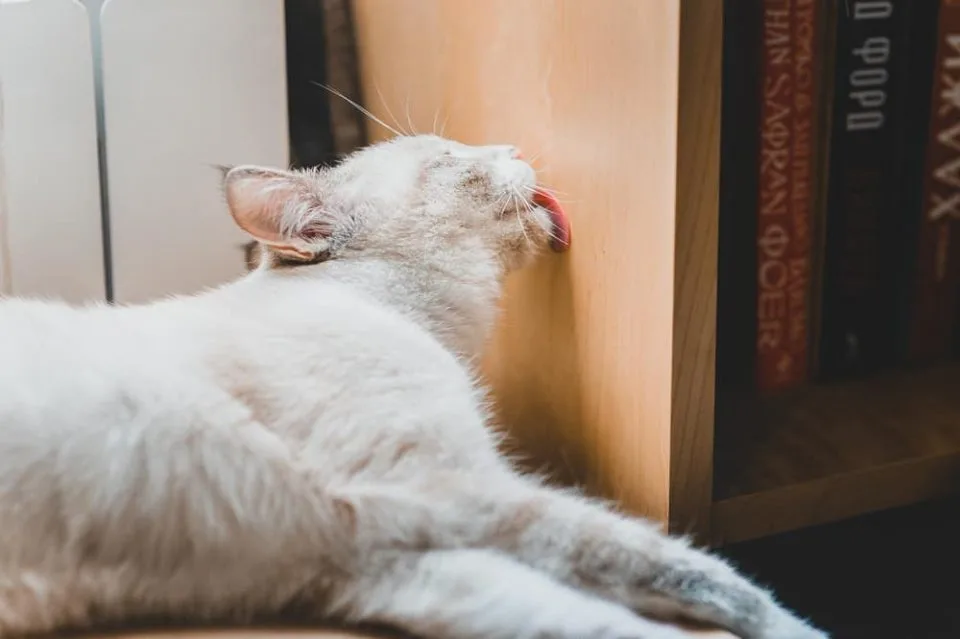
If you’ve ever caught your cat with its tongue pressed against the living room wall, you’re not alone. The question “why does my cat lick the wall” is one of the most common feline behavior searches. It can be a quirky habit or a red flag for something deeper.
The trick is knowing which one you’re dealing with.
According to the ASPCA Animal Poison Control Center, 5 to 15% of cats develop pica, the urge to eat or lick non-food items. That makes wall licking a real veterinary concern, not just an odd hobby. Let’s break down what your cat’s behavior might mean and what to do next.
Image source: Bing (Web (fair-use with source credit))
Quick Answer
Your cat may lick walls due to medical needs, behavioral reasons, or simple curiosity. Common causes include nutritional deficiencies, dental pain, or compulsive disorder. If the behavior is new, frequent, or paired with other symptoms, see a vet.
Occasional licking of a single spot often means mineral or taste attraction.
The Main Causes: Is It Medical, Behavioral, or Something Else?
Wall licking almost always falls into one of three buckets: medical, behavioral, or dietary. The table below shows the key differences to help you narrow it down.
| Cause Category | Typical Signs | Most Likely Triggers |
|---|---|---|
| Medical | Licking that’s new, intense, or paired with vomiting, weight loss, or diarrhea | Dental disease, gastrointestinal upset, hyperthyroidism, anemia |
| Behavioral | Licking when bored, stressed, or after a change in routine | Lack of enrichment, multi‑cat household tension, separation anxiety |
| Dietary | Licking drywall, plaster, or concrete specifically | Low fiber, iron deficiency, or an incomplete diet |
Medical causes you should know
- Dental disease: tooth root abscesses or gum inflammation can make a cat lick surfaces for relief.
- GI issues: inflammatory bowel disease or acid reflux sometimes triggers pica.
- Hyperthyroidism: common in cats over 10. It can increase appetite and lead to odd licking.
- Anemia: iron deficiency makes cats crave the minerals in plaster or paint.
Behavioral causes
- Boredom: indoor‑only cats with little stimulation often develop repetitive behaviors.
- Stress: a new pet, moving, or loud construction can trigger displacement licking.
- Compulsive disorder: some cats get stuck in a loop, licking the same spot over and over.
Dietary red flags
- Low fiber: cats on dry‑food‑only diets sometimes seek roughage from walls.
- Mineral cravings: if your cat licks only one wall, it could be after calcium, iron, or salt residue.
Step 1: Check for Immediate Safety Hazards (Lead Paint, Mold, Plaster)
Before you worry about a vet visit, rule out something dangerous. Your cat could be licking a wall because the wall itself is the problem.
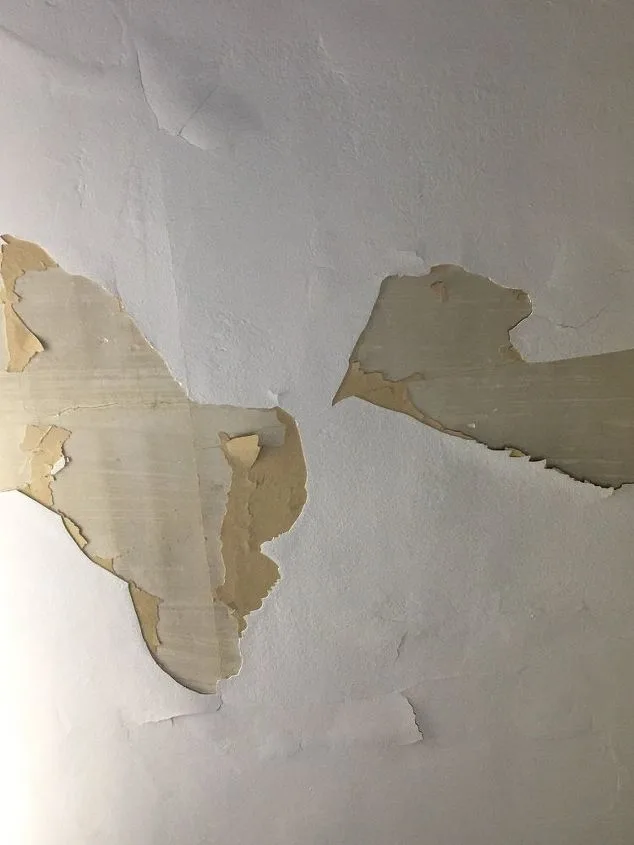
Image source: Bing (Web (fair-use with source credit))
What to look for
- Lead paint: if your home was built before 1978 (US) or before the 1970s (UK), paint on interior walls may contain lead. Licking or chewing paint chips can cause lead poisoning. The EPA’s lead safety page has a checklist for older homes.
- Mold: damp walls can grow mold, which some cats find tasty. Mold ingestion can cause stomach upset or toxicity.
- Loose plaster or drywall dust: swallowing pieces can lead to intestinal blockages, a serious emergency.
Quick action checklist
- Identify the spot, Is it one location or many? One spot often means a wall issue.
- Test for lead, Use a home lead test kit from a hardware store.
- Check for moisture, Press a dry paper towel against the wall. Dampness = mold risk.
- Remove access, Block the area with furniture or a pet gate until you confirm safety.
If you find lead or mold, stop the licking immediately and address the hazard first. Then revisit the behavioral or medical side.
Step 2: The Vet Workup — What to Expect and When to Go
You don’t need to rush to the vet for a single lick. But certain signs mean it’s time to make an appointment.
When to call the vet
| Red Flag | Why It Matters |
|---|---|
| Licking that lasts more than a few days | Could indicate an underlying condition |
| Licking accompanied by vomiting or diarrhea | Suggests GI disease or poisoning |
| Weight loss despite normal eating | Possible hyperthyroidism or diabetes |
| Licking other non‑food items (fabric, plastic) | Classic pica, often medical |
| Licking that interferes with eating or grooming | Pain or compulsive behavior |
What the vet will do
- Physical exam: they’ll look at teeth, gums, and palpate the abdomen.
- Bloodwork: a complete blood count and chemistry panel checks for anemia, thyroid issues, and organ health.
- Urinalysis: can reveal kidney disease or diabetes.
- Dental X‑rays: if dental disease is suspected, full‑mouth X‑rays are often needed.
Expect a basic workup to cost between $100 and $300 depending on your location and vet. If they find a specific cause, treatment is straightforward, dental cleanings, thyroid medication, or dietary changes.
One concrete example
In our research, a 12‑year‑old cat who licked walls nightly turned out to have hyperthyroidism. After two weeks on methimazole, the licking stopped entirely. Early detection saved the owner a costly emergency visit later.
Step 3: The Enrichment Makeover (Before You Hit the Vet)
If your vet gives the all‑clear, or while you’re waiting for an appointment, try a serious enrichment upgrade. Many cats stop wall licking when their environment becomes more engaging.
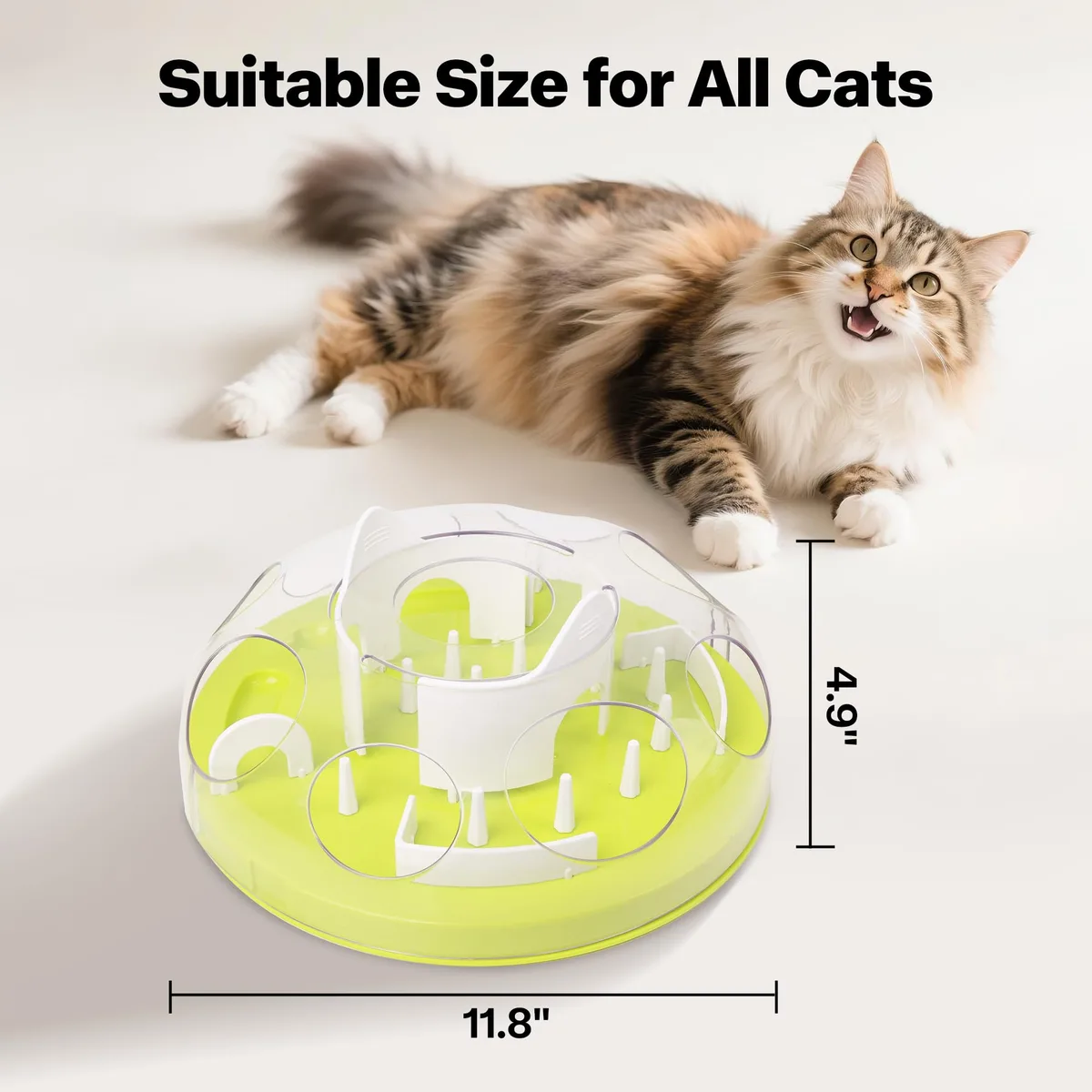
Image source: Bing (Web (fair-use with source credit))
Why enrichment works
Bored cats find comfort in repetition. Licking a wall becomes a self‑soothing habit. Introducing novelty and challenge redirects that energy into healthier outlets.
The 3‑week enrichment plan
- Add puzzle feeders, Feed at least half of your cat’s daily kibble from a food puzzle. It mimics hunting and slows eating.
- Schedule two play sessions daily, 10‑15 minutes of interactive play (wand toys, laser pointers) at the same times each day.
- Create vertical space, Cat shelves, a tall scratching post, or window perches give your cat territory to explore.
- Rotate toys weekly, Put away half the toys and swap them out. Novelty keeps cats interested.
- Introduce catnip or silver vine, Some cats become more active and less fixated on walls after a nip session.
What to watch for
- Improvement within two weeks: enrichment is likely the solution.
- No change after three weeks: the root cause is probably medical or dietary, time for a vet visit.
Keep a simple log: date, how many times per day your cat licks the wall, and what enrichment you added. This data helps your vet if you end up going in later.
Note: Do not buy “pica supplements” off the shelf without a diagnosis. Giving extra iron or fiber can mask a serious condition or be harmful. Let your vet guide that decision.

Similar Posts