Why Does My Cat Lick Then Bite Me?
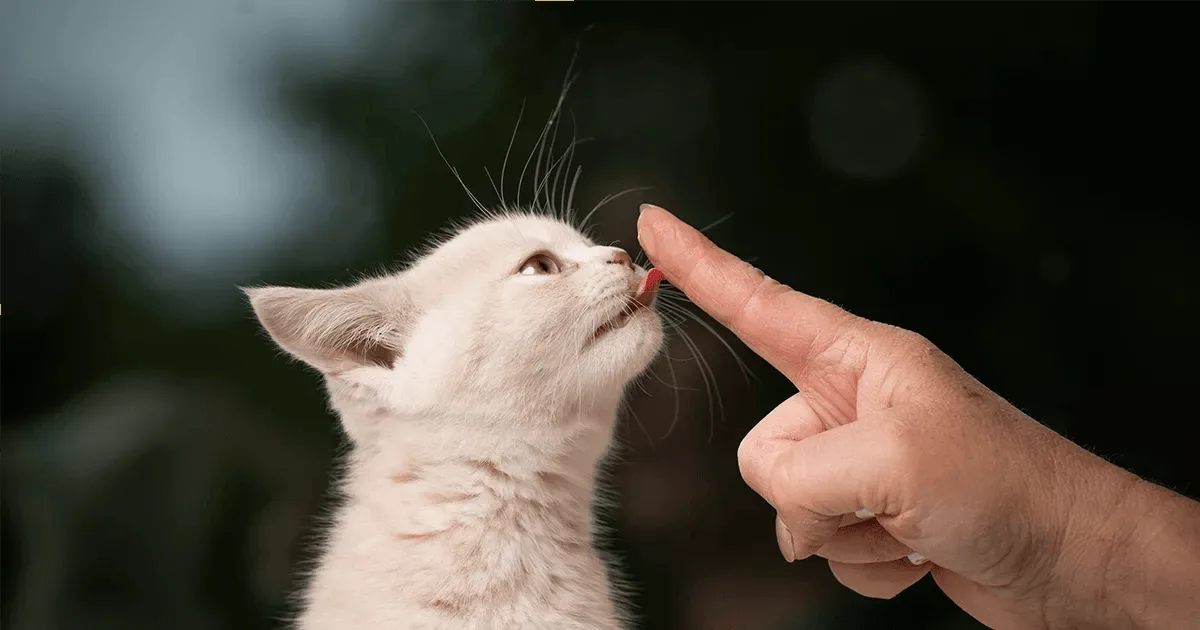
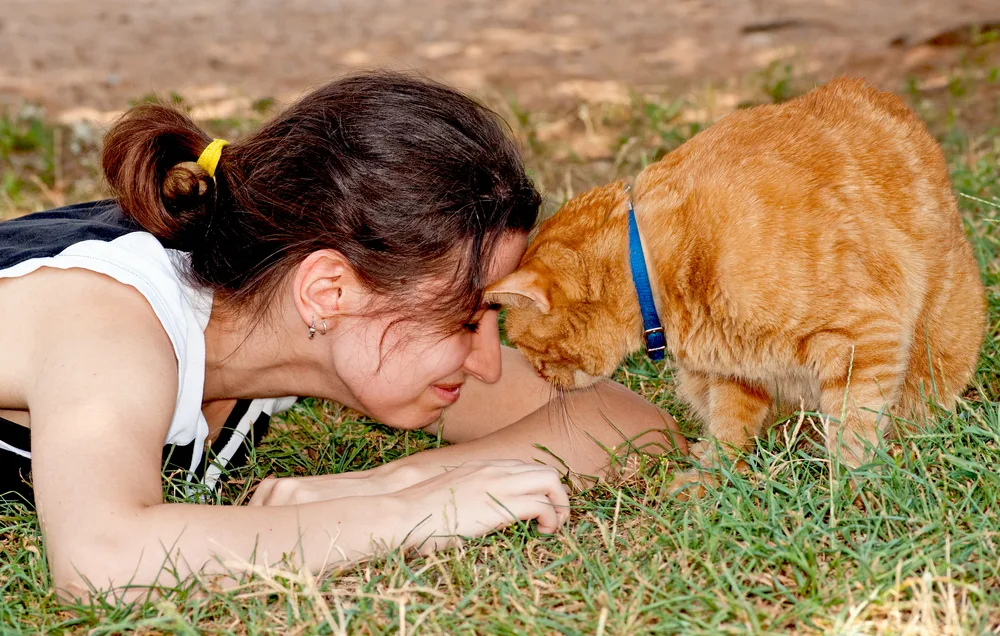
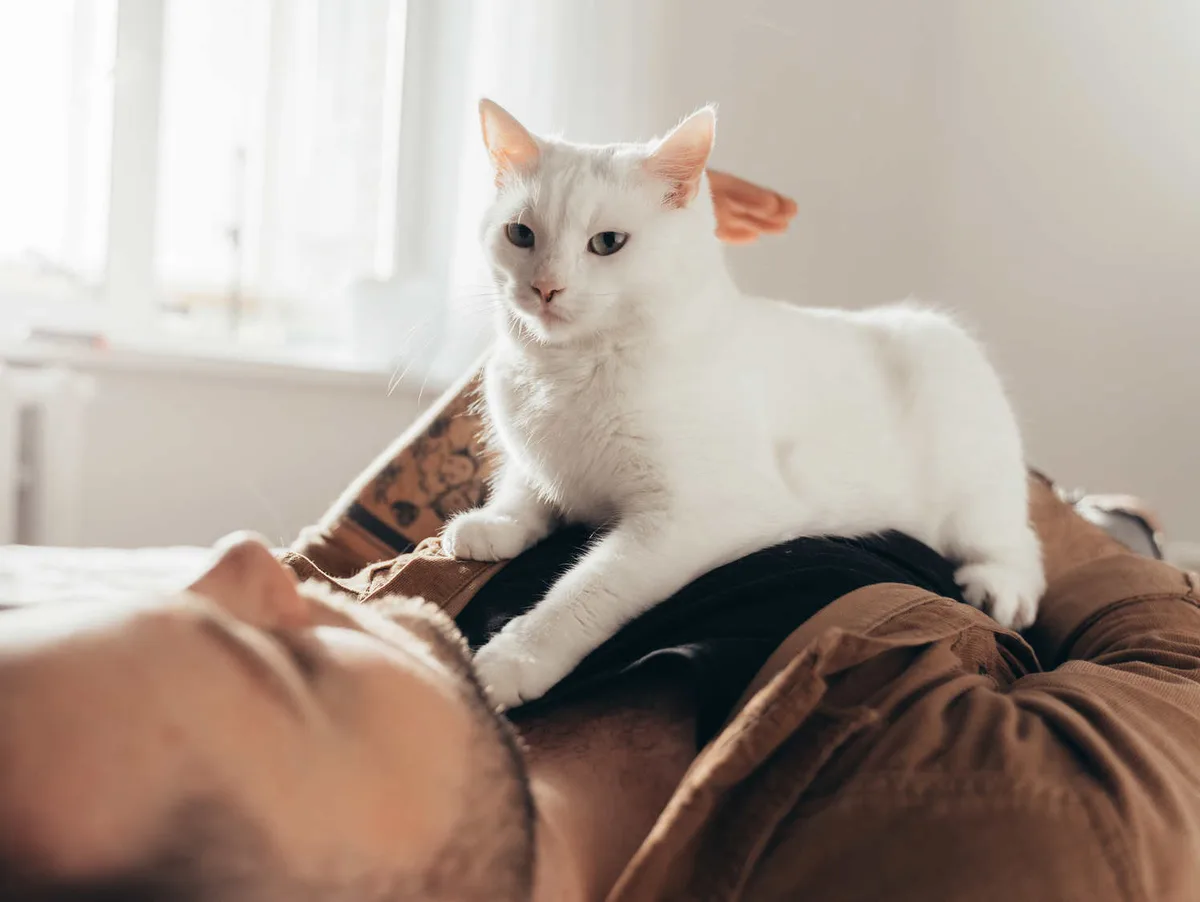
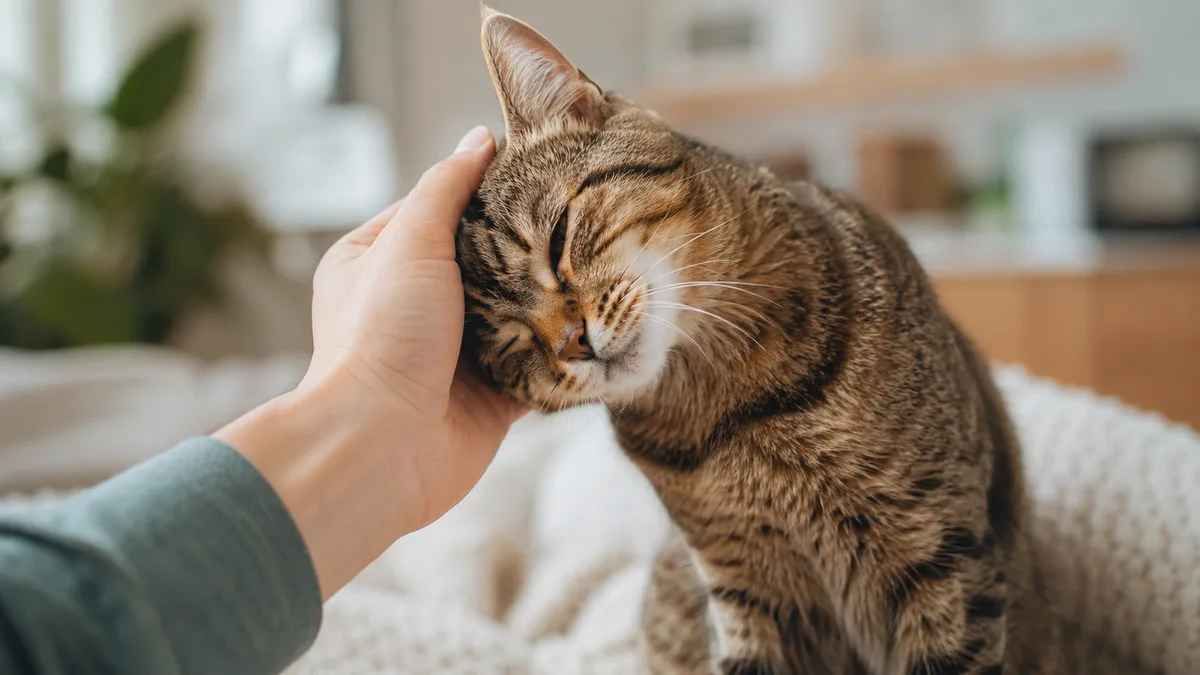
It’s wonderful and confusing all at once. Your cat hops onto your lap, presses their head into your hand, and starts licking you. All seems perfect.
Then, out of nowhere, a bite.
So why does my cat lick then bite me? The answer isn't one simple explanation, it's a handful of possibilities that depend entirely on your cat's body language in the moment. Research into feline behavior shows that this sequence is usually a communication signal, not random aggression.
Veterinary behaviorists have identified a specific trigger pattern called "overstimulation aggression," where a cat enjoys touch up to a point, then suddenly switches when their nervous system says "enough." That threshold varies wildly between cats. Some tolerate five minutes of petting. Others tap out after thirty seconds.
Let's break down what's really going on.
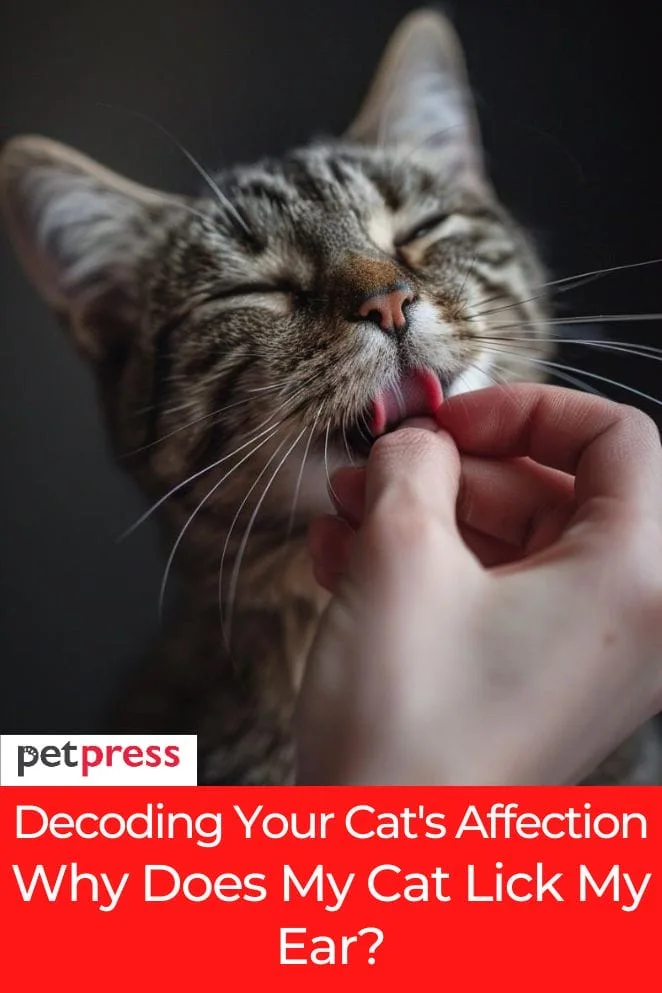
Image source: Bing (Web (fair-use with source credit))
Quick Answer
Your cat licks then bites you for one of three reasons. It could be overstimulation where the petting got too intense. It might be a gentle love bite that says "you're family." Or it could be play aggression where your hand looks like a toy.
The lick is a positive signal. The bite tells you something else. Watch your cat's body language to learn which one it is.
Why This Happens (The Core Explanation)
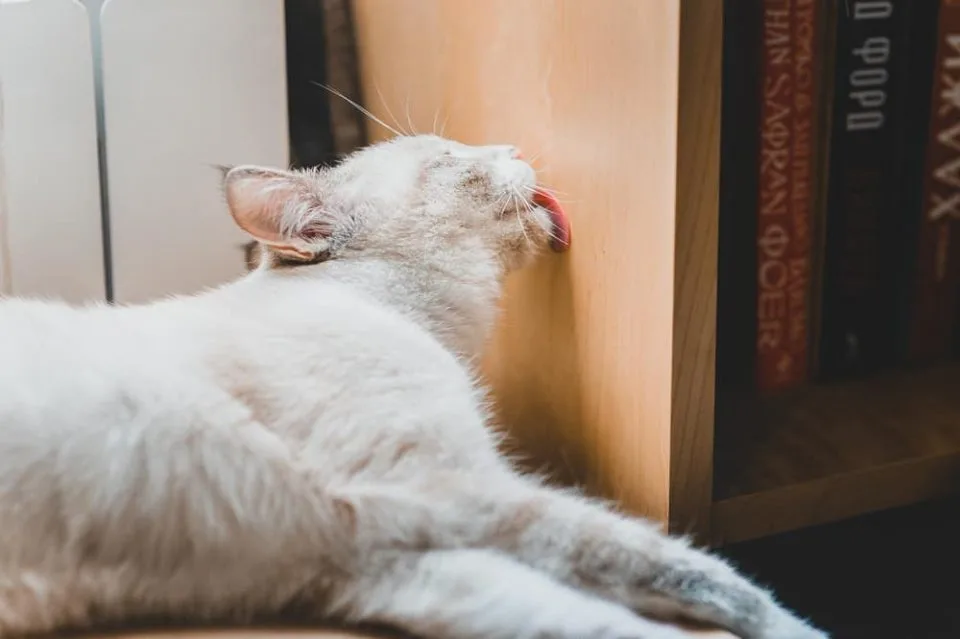
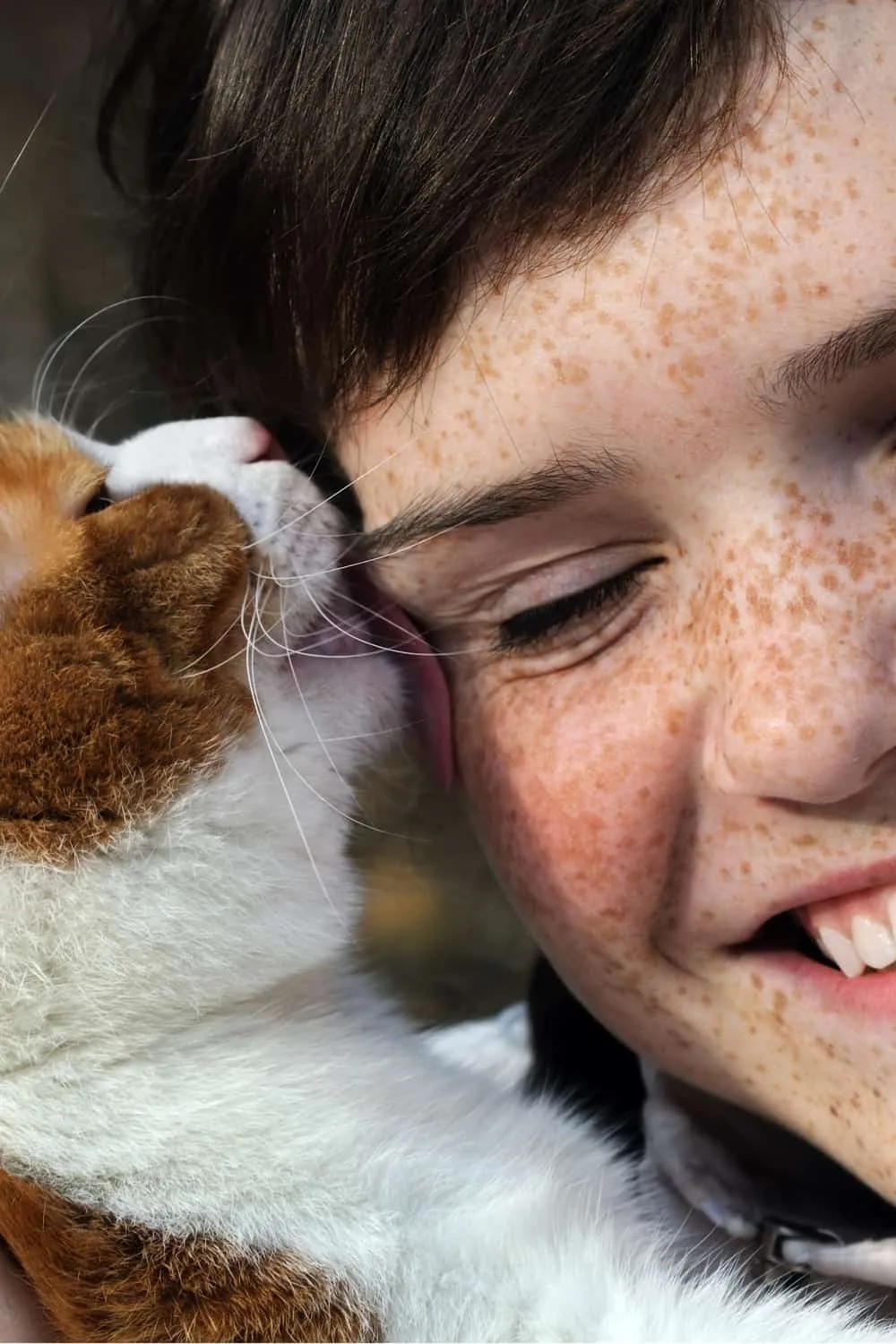
Cats use licking as a social bonding behavior. It’s called allogrooming, and they do it to other cats they trust. When your cat licks you, they’re saying you’re part of their inner circle.
That part is easy to read.
The bite that follows complicates things. In most cases, the bite isn't aggression in the way we usually think of it. It’s a signal that says "I’ve had enough, please stop what you’re doing." Think of it as a polite request that gets firmer when the human doesn't notice the subtle warnings first.
Veterinary behaviorists from the American College of Veterinary Behaviorists confirm that this pattern is most commonly "petting-induced aggression" or "overstimulation aggression." The cat’s arousal level builds while being petted. At a certain point, their sensory system becomes overwhelmed. The lick is still affectionate.
The bite is a boundary.
A smaller number of cases are genuine "love bites." These are gentle, soft nibbles that don’t break the skin. They’re often accompanied by purring and kneading. The cat isn't trying to stop anything.
They’re just expressing affection with both mouth and tongue.
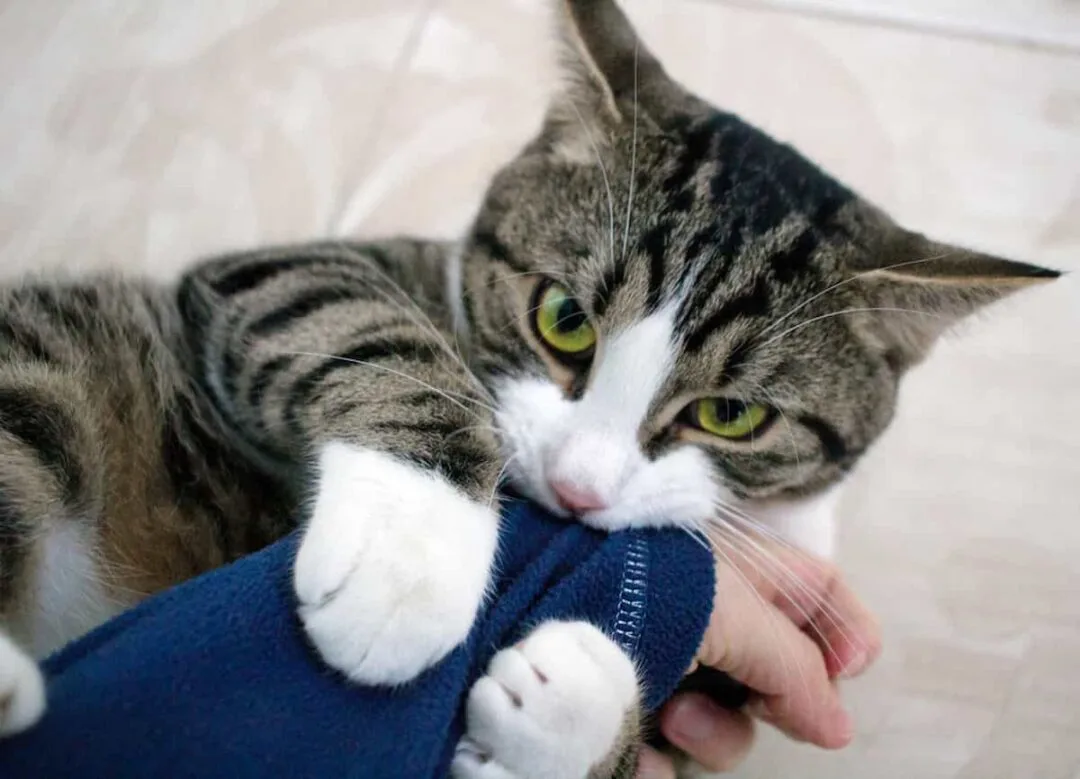
Play aggression looks different. The cat is usually in a stalking posture, eyes dilated, tail twitching. The lick and bite come during a play session, not during calm petting.
The context tells you everything.
As of 2026, feline behavior research has gotten much better at distinguishing these types. The key variable is not the bite itself, it’s what happens in the ten seconds before it.
The Big Decision Tree: Love Bite, Overstimulation, or Play?
Not all lick-then-bite moments are the same. The right answer depends on a few key questions. Run through this flow every time it happens.
Was the bite soft and brief?
If your cat gently nibbled without breaking skin and kept purring, that’s likely a love bite. They’re showing affection. No action needed.
Enjoy it.
Did your cat stop purring right before the bite?
That’s a major clue. A cat that stops purring is no longer enjoying the petting. If the purring cuts off, then the lick turns into a harder bite, you’re dealing with overstimulation.
Stop petting immediately. Let them reset.
Was there a tail flick or skin ripple first?
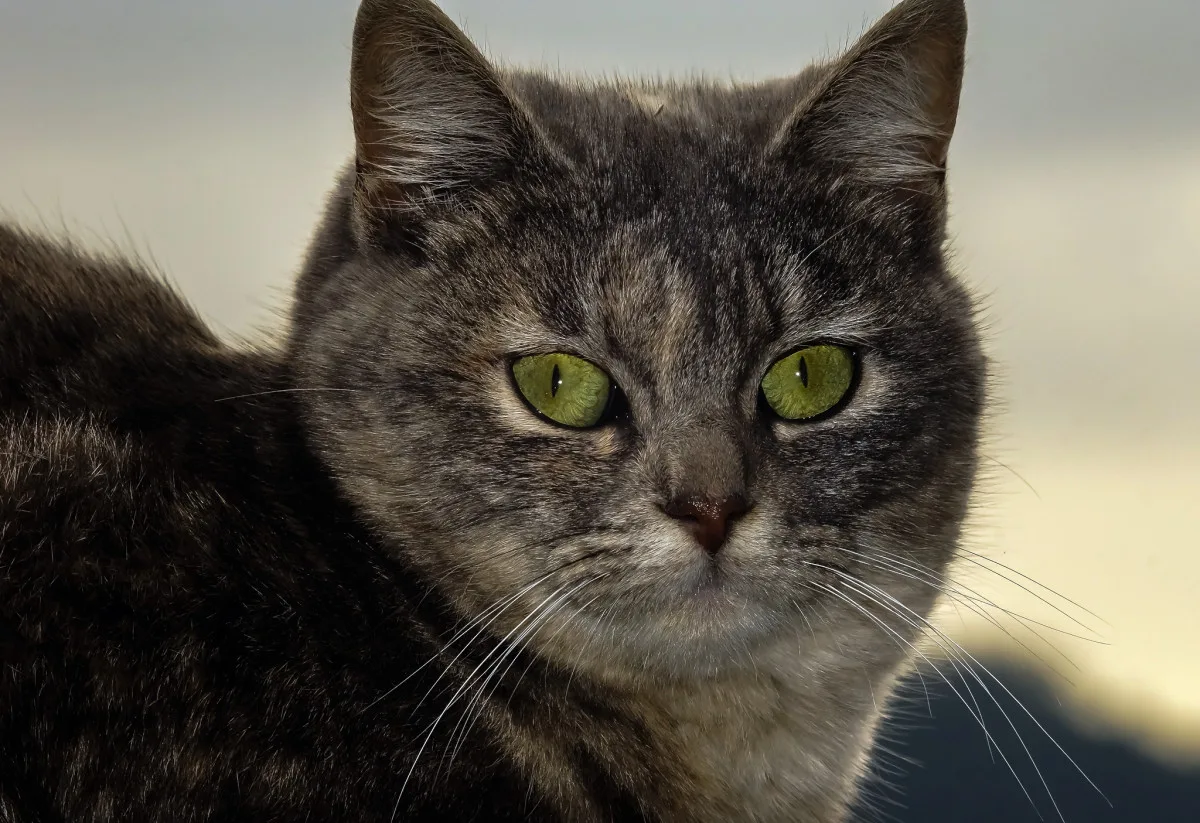
This is the most reliable warning signal. A slow tail swish that turns into a fast twitch means the cat is getting over-aroused. A ripple or flinch across their back skin means the same thing.
If you see either of these, the bite is coming in the next few seconds. You can prevent it by stopping before it happens.
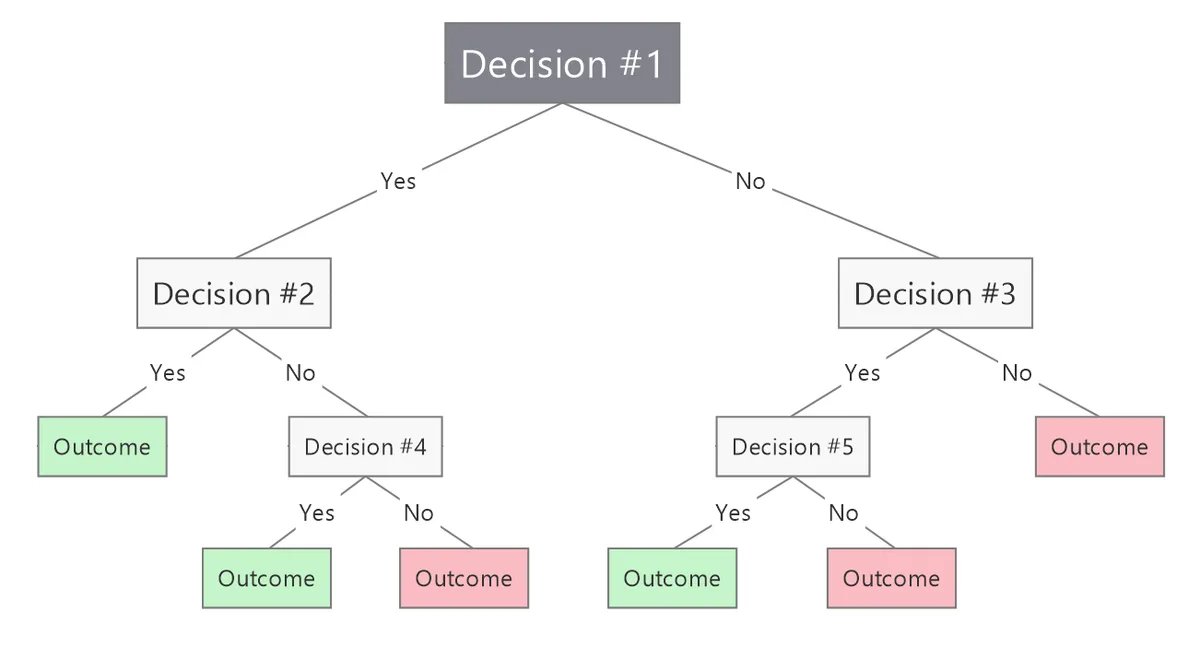
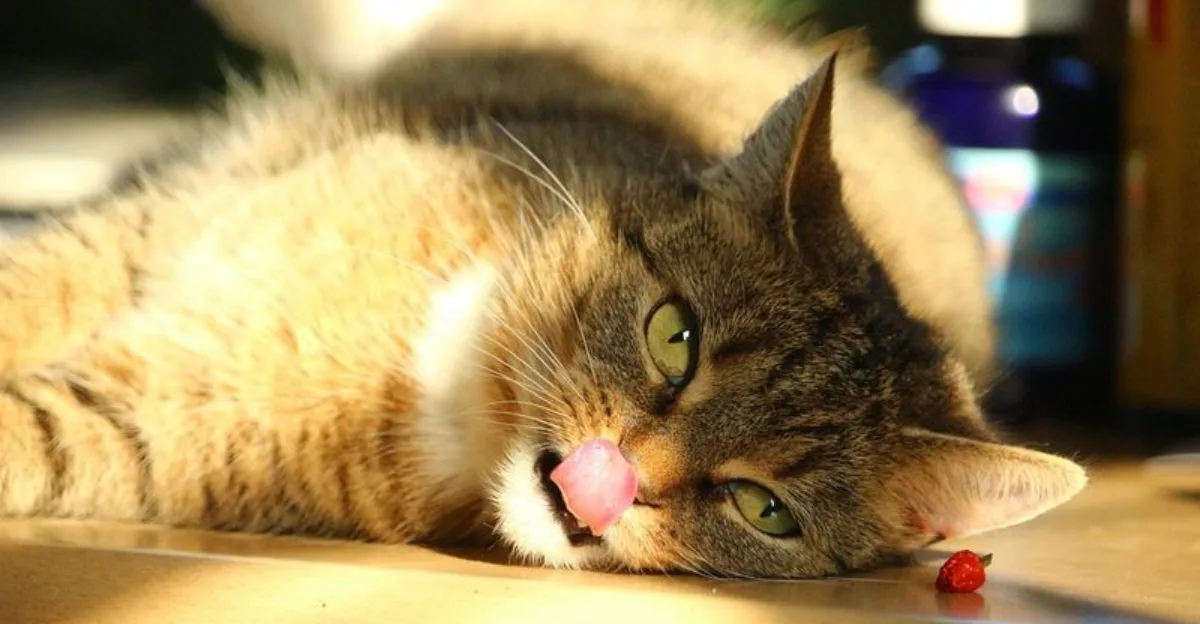
Image source: Web (Bing) / ai.kleidkunst.de (Web image (fair-use with source credit))
Was the cat actively playing before the lick?
If the bite came during a play session, maybe you were using a wand toy, then your hand got too close, that's play aggression. The cat didn't switch from affection to aggression. They just misidentified your hand as a plaything.
Redirect them to a toy and keep your hands back.
Here’s a quick summary table for reference.
| Scenario | Bite Intensity | Warning Signs | What to Do |
|---|---|---|---|
| Love bite | Gentle, soft, no pain | Purring, kneading, relaxed ears | Nothing — enjoy the affection |
| Overstimulation | Hard, fast, may break skin | Tail twitch, skin ripple, purring stops | Stop petting, let cat leave |
| Play aggression | Hards, repeated, grabby | Dilated pupils, stalking posture | Redirect to toy, avoid hand play |
How to Read Your Cat's Signals Before the Bite Strikes
Cats give you plenty of warning. Most bites happen because the human misses the early cues, not because the cat acts without reason. Learn to spot these signals and you can prevent the bite entirely.
Tail movement is your best friend. A gently swishing tail is fine. A tail that starts thumping hard against the floor or flicking rapidly back and forth means "I’m getting overwhelmed." This is usually the first sign. The moment you see it, pull your hand back.
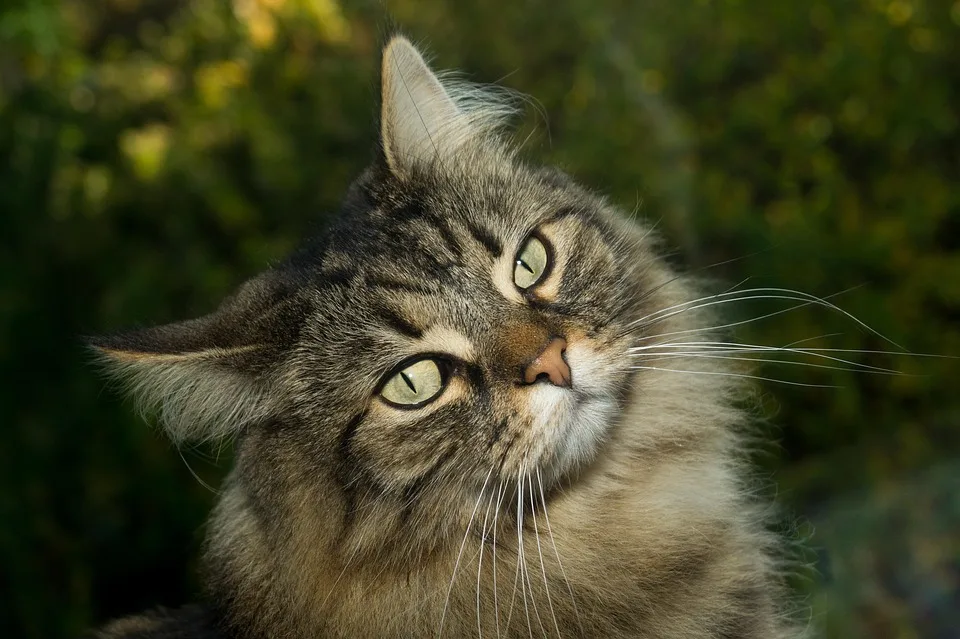
Ears tell the story. Forward-facing or slightly sideways ears mean your cat is relaxed. Ears that flatten sideways, often called "airplane ears", signal irritation. Flattened ears plus a tail flick means you’re about thirty seconds from a bite.
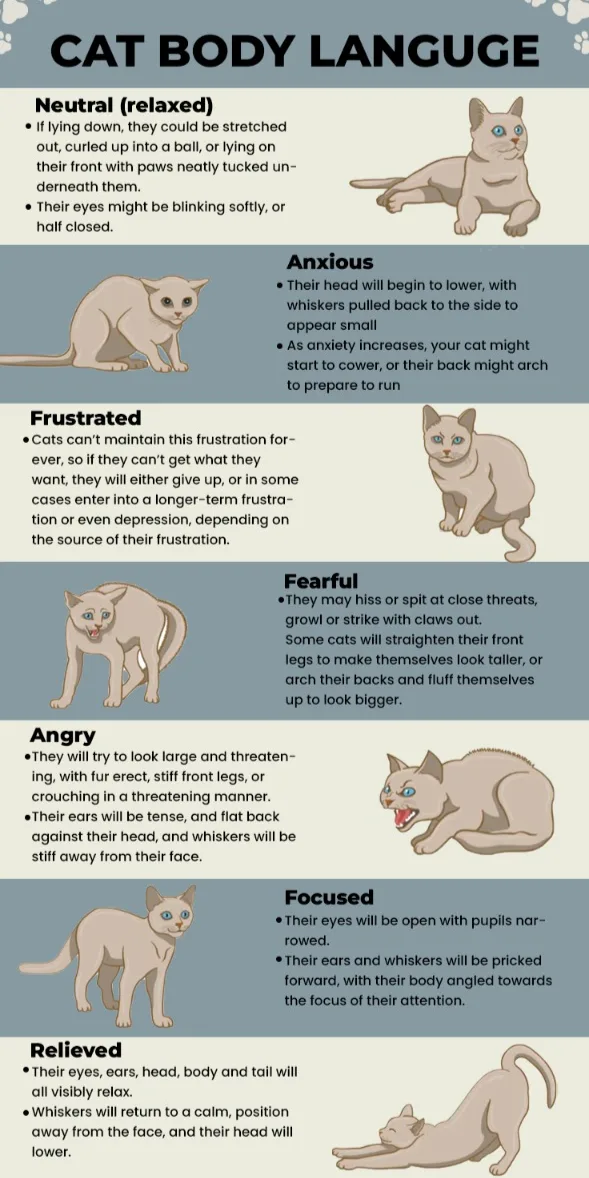
Image source: Bing (Web (fair-use with source credit))
Skin twitching is the last warning. Watch your cat’s back while you pet them. If the skin ripples or twitches under your hand, that’s overstimulation at work. The nerves are firing too fast.
The cat is trying to tell you to stop without using teeth. Respect the sign.
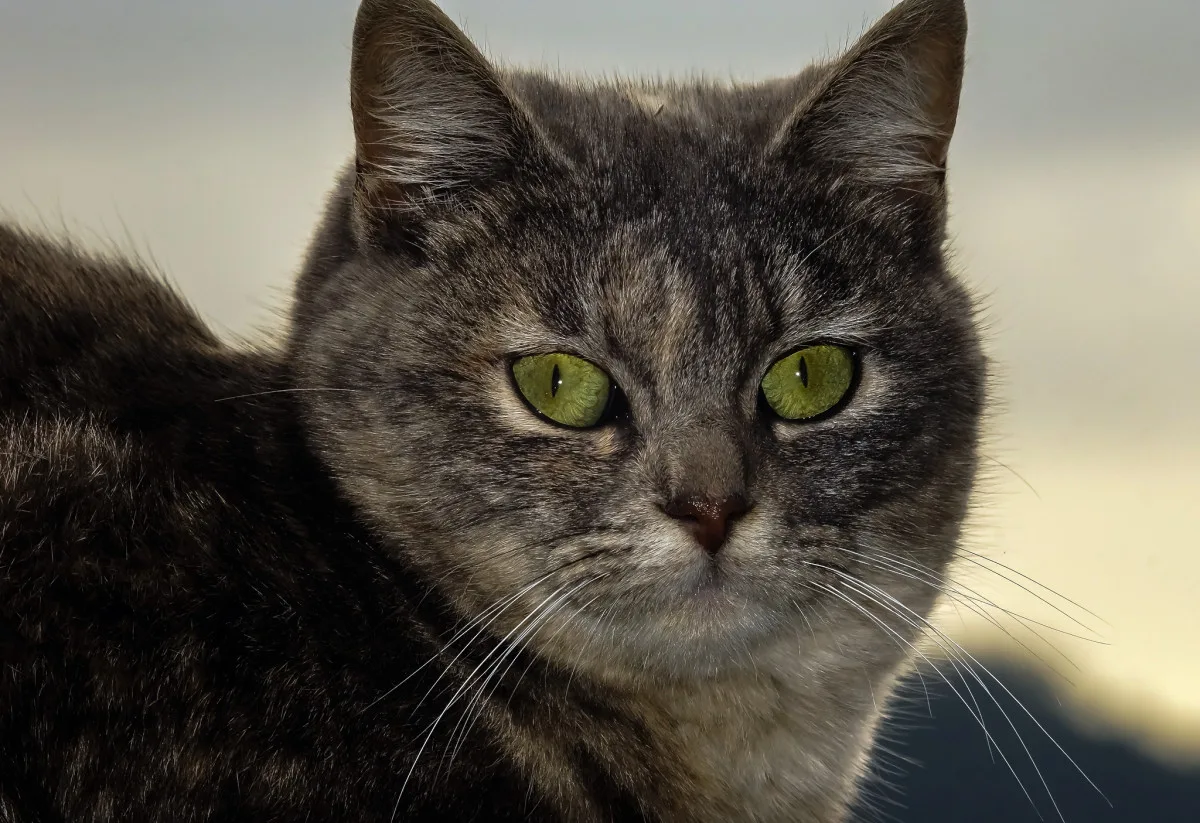
Pupil dilation matters. If your cat’s pupils suddenly widen while they’re licking you, their arousal level just spiked. That can mean excitement or anxiety. Either way, it’s not safe to keep petting.
Vocalizations are tricky. Some cats purr right up to the bite. Purring isn’t always happiness, it can also be a self-soothing behavior when they’re stressed. Don’t rely on purring alone.
Use it alongside the other signals.
The best practice is to pet your cat in short bursts. Pet for ten to fifteen seconds. Pause.
Watch their reaction. If they lean into your hand or rub against you, continue. If they tense up or look away, stop.
This simple check-in prevents most overstimulation bites.
Common Mistakes That Make the Biting Worse
Mistakes happen. But some common responses actually train your cat to bite harder or more often. Here’s what to avoid.
Ignoring the warnings. This is the biggest one. A tail flick or skin ripple is a cat saying "I’m done." If you keep petting through it, you’re teaching the cat that gentle signals don’t work. Next time they’ll skip straight to the bite.
Always stop at the first warning.
Punishing the cat. Yelling, hitting, or spraying your cat after a bite makes the problem worse. Cats don’t connect punishment to their own behavior the way dogs do. They just learn to fear your hands.
That fear turns into more defensive biting, not less.
Pulling your hand away fast. It’s a natural reaction. But a fast withdrawal can trigger your cat’s chase instinct. They see a moving target and bite again.
Instead, freeze. Stop moving your hand entirely. The cat will usually release and walk away.
Misreading the love bite. Some owners mistake any bite for aggression. If your cat gives a gentle, soft nibble without breaking skin and stays relaxed, they’re not upset. Trying to "correct" a love bite can confuse the cat and damage trust.
Learn the difference between a love bite and a warning bite.
Assuming it’s always the same reason. A cat that bites during petting might have a different trigger next week. Health changes, stress, or changes in the household can shift their tolerance. Always read the current body language.
Don’t assume yesterday’s explanation still applies.
Not giving the cat an exit. If you trap your cat on your lap or in a corner while petting, they feel forced to escalate. Always let your cat have a clear path to leave. If they stay, they’re choosing to be there.
If they stay and still bite, the petting style or duration is the issue.
Training and Long-Term Fixes (That Actually Work)
Fixing this behavior doesn’t mean eliminating the bite entirely, it means understanding it and managing around it. These strategies work over time if you’re consistent.
Stop petting before the bite. This is the single most effective fix. Count how many seconds of petting your cat tolerates before showing warnings. If it’s thirty seconds, stop at twenty-five.
Give a treat and let them walk away. Over weeks, you can slowly extend the time. This method, called counterconditioning, builds positive associations with petting.
Pet in safe zones only. Most cats tolerate petting on the head, chin, and cheeks best. The belly, tail base, and lower back are high-trigger zones for many cats. Stick to the safe spots until you know your cat’s specific preferences.
Switch to shorter, more frequent sessions. One long petting session is more likely to trigger overstimulation than three short ones. Pet for a minute, stop, let the cat reset, then pet again if they ask for it. This keeps arousal levels low.
Use play to drain excess energy. Cats that bite out of play aggression need more appropriate outlets. Schedule two to three active play sessions a day with a wand toy. Aim for five to ten minutes each.
A tired cat is less likely to lash out during petting.
Provide environmental enrichment. Boredom lowers a cat’s tolerance for handling. Puzzle feeders, cat trees by windows, and rotating toys help keep their brain busy. A mentally stimulated cat is calmer overall.
Rule out medical causes. If your cat’s behavior suddenly changes, check with a veterinarian. Dental pain, arthritis, skin allergies, and hyperesthesia syndrome can all cause a cat to bite when touched. A thorough exam rules out health problems that no amount of training can fix.
Use the "one finger" approach for touch-sensitive cats. Instead of petting with your full hand, start with a single finger on the cheek. Let the cat rub against it. This gives them more control.
If they tolerate that, you can slowly increase to a full palm over time.
Frequently Asked Questions
How long does it take to train a cat to stop biting during petting?
Most cats show improvement within two to four weeks of consistent practice. The key is stopping before the bite every time. Cats with a long history of overstimulation biting may take two to three months.
Patience matters more than speed with this behavior.
Is it normal for a kitten to lick then bite?
Yes, very normal. Kittens explore the world with their mouths. They also learn bite inhibition through play.
The lick is affection. The bite is usually play or teething discomfort. Redirect to a toy and avoid hand play to teach good habits early.
Should I let my cat bite me if it's a love bite?
That is a personal choice. Love bites are gentle and rarely break skin. If it does not hurt and your cat stays relaxed, it is fine to allow it.
If the bite ever hurts or your cat escalates, treat it as overstimulation and stop petting.
Can a cat bite from overstimulation cause infection?
Yes, it can. Cat bites carry bacteria like Pasteurella multocida deep into tissue. The risk of infection is around 15 to 20 percent.
Wash any bite that breaks skin with soap and water immediately. See a doctor if redness, swelling, or fever develops.
Does my cat lick then bite me because they don't like me?
No. Licking is a bonding behavior. Your cat is showing trust and affection with that lick.
The bite is a separate signal about the petting itself, not about you. It means "I love you, but please stop touching me right now."
When should I see a vet about biting behavior?
See a vet if the biting starts suddenly in an older cat that never bit before. Also go if your cat shows other signs like hiding, yowling, or avoiding touch. Medical issues like arthritis, dental pain, or hyperesthesia can cause biting during handling.

Similar Posts