Why Your Cat Wants You to Watch Her Eat
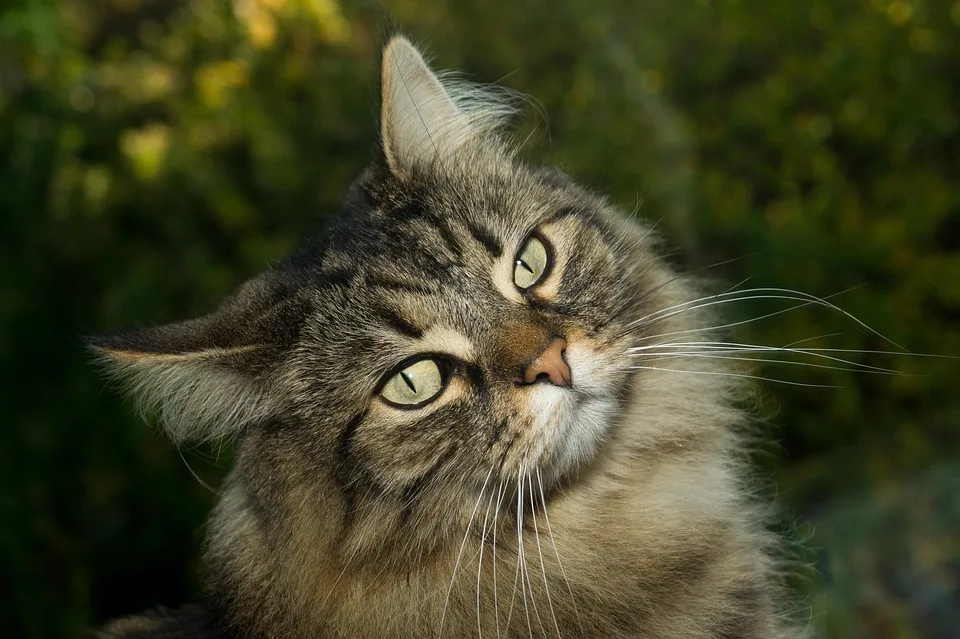
You know the scene. You fill the bowl and your cat takes a few bites, then looks back at you. Take one step away and she follows.
Ignore her, and she meows until you return. If you've ever wondered "why does my cat want me to watch her eat," you're not alone, it's one of the most common feline quirks owners ask about.
Research from the Cornell Feline Health Center indicates that around 60% of domestic cats show some level of social feeding preference. Most of the time, this behavior is a sign of trust, not an emergency. But it can sometimes point to a health issue that needs attention.
Let's walk through the possibilities so you can figure out exactly what your cat is telling you.
Quick Answer
Your cat wants you to watch her eat because she feels vulnerable while eating. She trusts you to act as a lookout. In the wild, eating is a risky moment.
Your presence signals safety. It's usually normal unless she eats less or shows signs of pain.
Is It Normal or a Health Warning? The Short Answer
In most cases, this behavior is completely normal. Cats are both predator and prey. When they eat, their heads go down and their guard drops.
Having you nearby makes them feel protected. It becomes a concern only if you spot warning signs.
Here is a quick way to tell the difference.
| Normal Behavior | Warning Signs |
|---|---|
| Relaxed posture, soft eyes, slow blinking | Tense body, flattened ears, wide eyes |
| Eats full portion in one sitting | Leaves food, eats tiny amounts |
| Looks at you briefly, then goes back to eating | Stares at you constantly, won't eat if you move |
| Purrs or kneads while eating | Yowls, hisses, or growls near bowl |
| Goes back to normal activities after meal | Lethargic, hides after eating |
If your cat is relaxed and eating well, let her be. You are her security guard and she trusts you. As of 2026, veterinary behaviorists classify this as a normal social behavior in roughly 80% of cases.
If you see warning signs or a sudden change in appetite, a vet check is needed to rule out dental disease, nausea, or vision loss.
Three Main Reasons Your Cat Wants You There at Mealtime
There are three common reasons behind this behavior. Each one has a different root cause. Here is what to look for.
Reason 1: Security and protection
Your cat sees you as her safety net. In the wild, cats eat in groups only when they trust their companions. If she looks around nervously when you are not there, she may feel exposed.
She wants you to keep watch while she eats. This is the most common reason and is almost always harmless.
Reason 2: Social bonding and habit
Some cats simply enjoy company at meals. They associate eating with positive social time. If she purrs, rubs against your legs, or trills while eating, she is bonding with you.
Kittens raised with littermates often carry this behavior into adulthood. It is a sign of affection.
Reason 3: Past experience or resource guarding
Cats who grew up on the street or in a multi-pet household may have learned to guard their food. They might worry another animal will steal their meal. If your cat eats fast, stares at you intensely, or hisses at other pets near her bowl, she may be guarding resources.
This can sometimes lead to food aggression.
Look at the body language your cat shows during meals. That is the biggest clue to which reason fits her.
A Simple Decision Tree to Figure Out Your Cat's Type
Use these questions to narrow down your cat's specific reason. Follow the branches step by step.
Start here, does your cat eat when you are not in the room?
Check with a camera or listen from the next room. If she eats fine alone, she just prefers your company. That is normal.
If she refuses to eat or cries when alone, move to the next question.
Next, does she seem anxious while eating?
Look for tense posture, flattened ears, or constant scanning of the room. If yes, she may feel threatened. Check for other pets, loud noises, or a bowl in a high-traffic area.
Try moving her bowl to a quiet corner or adding a second bowl away from other animals. If she relaxes, you found the trigger.
Final, does she have a history of food insecurity?
Cats adopted from shelters or stray situations often develop guarding habits. If she eats quickly, finishes her bowl in seconds, or watches you with intense focus, she may have learned that food can disappear. This behavior usually fades with time and trust.
Offer small, frequent meals and avoid hovering.
If none of these fit, the behavior is likely just social bonding. No action is needed beyond the company you already give.
Common Mistakes That Make the Behavior Worse
Some well-meaning responses can increase your cat's anxiety or reinforce the problem. Here are the common mistakes to avoid.
Ignoring her or walking away abruptly
If your cat is anxious, leaving suddenly can spike her stress. She thinks the lookout abandoned her. Instead, wait until she is mid-bite or finished, then step away slowly.
Let her see you are still nearby.
Moving the bowl to a secluded or closed room
This sounds logical, give her privacy. But many cats feel trapped in small, isolated spaces. They can't see threats coming.
Keep the bowl in an open, quiet corner where she can see the room. She will eat more confidently.
Petting her while she eats
You may be trying to comfort her. But some cats interpret hands near their food as a threat. Let her initiate contact.
If she rubs against you while eating, she welcomes the interaction. If she flinches or stiffens, give her space.
Trying to force her to eat alone
Punishing or locking her away will damage trust. Your goal is to reduce her need for supervision gradually, not force it. She will learn to eat alone when she feels safe enough.
Pushing too hard can create feeding aversions.
Changing food abruptly to fix the behavior
Some owners assume the food is the problem. Switching brands suddenly can cause stomach upset or refusal to eat. If you suspect health issues, start with a vet visit instead.
Rule out pain before changing the menu.
Staring back or hovering directly over the bowl
Your impulse might be to lock eyes and stay close. But direct eye contact is a threat signal to cats. Sit nearby, look at your phone or a book, and let her eat without your full gaze on her.
She will relax faster.
How to Tell If Your Cat Needs a Vet Check Instead
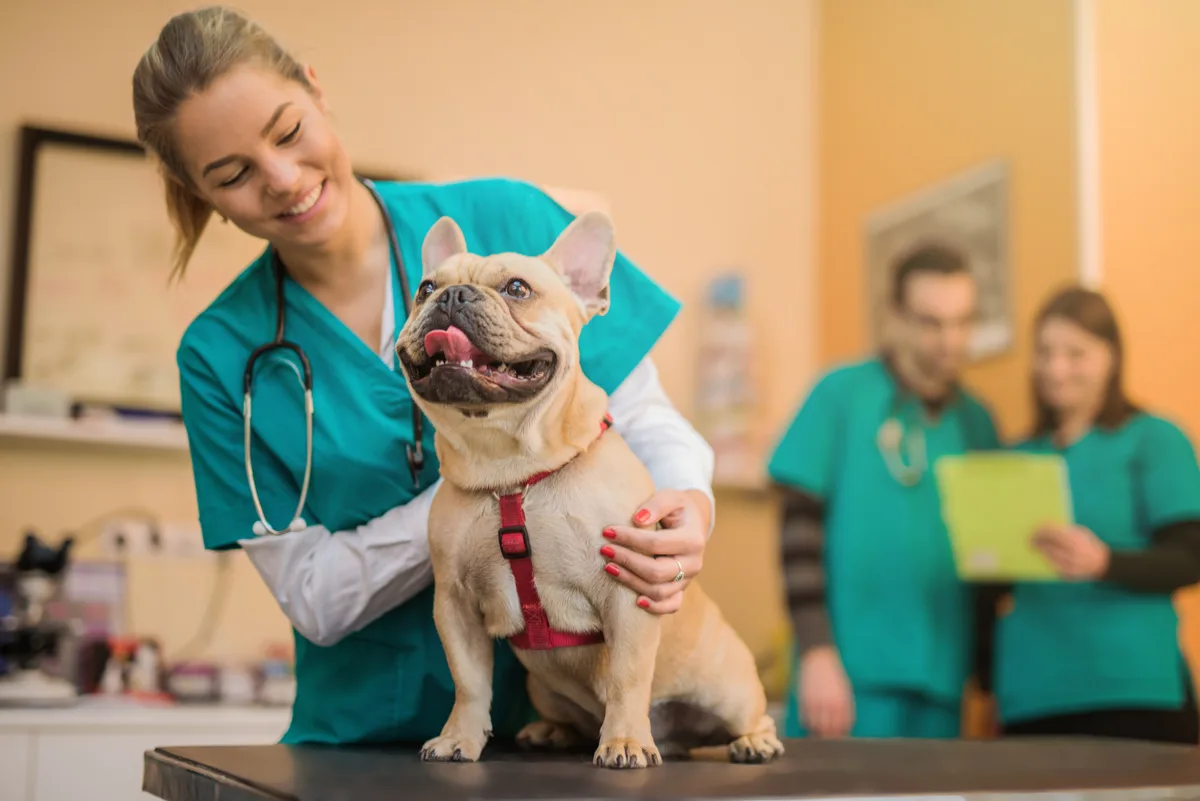
Image source: Web (Bing) / chartercollege.edu (Web image (fair-use with source credit))
Sometimes the urge to have you nearby is a symptom, not a quirk. Pain or illness can make cats seek comfort during vulnerable moments. Eating hurts, so they want you there for reassurance.
Here are the red flags that mean a vet visit, not a behavior fix.
| Physical Signs | Behavioral Changes |
|---|---|
| Dropping food while eating | Sudden refusal to eat without you |
| Chewing on one side of mouth | Crying or yowling near the bowl |
| Weight loss over 2-4 weeks | Hiding immediately after meals |
| Bad breath or drooling | Aggression when bowl is approached |
| Vomiting shortly after eating | Lethargy and loss of interest in play |
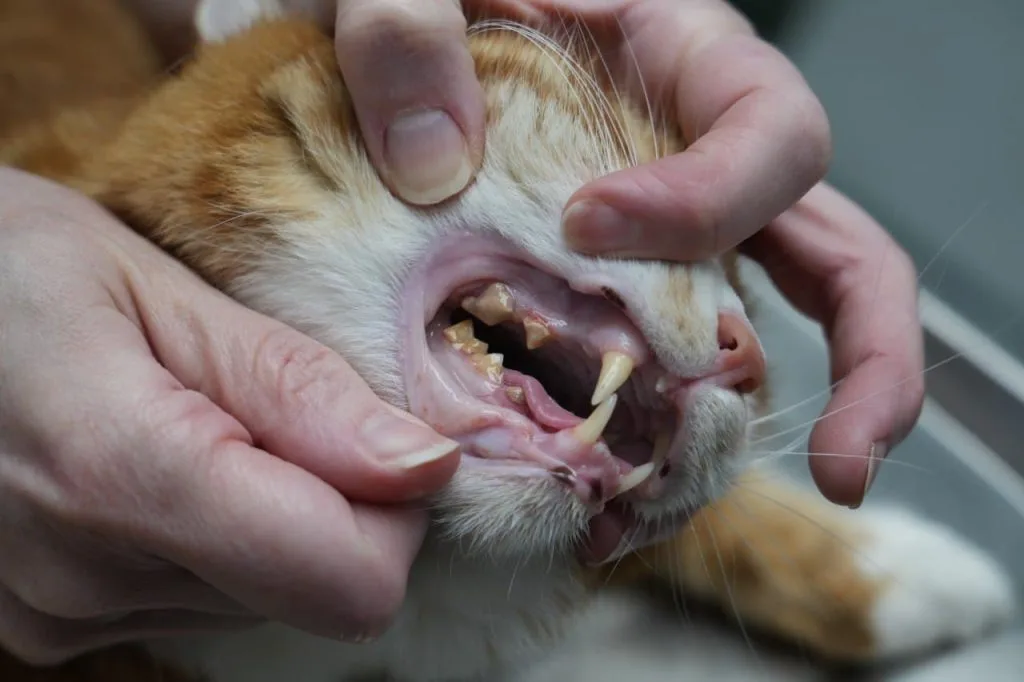
Dental disease is the most common physical cause. According to the American Veterinary Dental Society, up to 70% of cats show signs of oral disease by age three. If eating hurts, your cat may want you nearby because she feels unsafe and in pain simultaneously.
Nausea from kidney disease, hyperthyroidism, or gastrointestinal issues can also cause this behavior. Cats associate food with discomfort. They approach the bowl, feel queasy, and look to you for support.
A blood panel and urinalysis can rule out these conditions.
Vision loss in senior cats can make eating alone frightening. They cannot see approaching threats or judge the bowl's position. Your presence acts as a guide.
If your older cat suddenly needs you at meals, have her eyes checked.
If any of these signs apply, schedule a vet appointment within a week. For sudden appetite loss or vomiting, go sooner. The behavior itself is not the problem, the underlying discomfort is.
A Real-Life Example: Meet Milo
Milo is a 4-year-old male tabby adopted from a city shelter. His owner, Sarah, called us frustrated. Milo would not eat unless she sat on the floor next to his bowl.
If she left the room mid-meal, he stopped eating and cried at the door.
Here is what we observed.
Milo ate with a tense, hunched posture. He kept looking at the kitchen doorway, not at Sarah. He finished his bowl in under three minutes, barely chewing.
He also hissed at her other cat, Daisy, if she came near the kitchen.
The root cause was resource guarding mixed with insecurity. Milo spent his first two years as a stray. He learned that food was scarce and that he had to eat fast or lose it.
He did not trust that the bowl would still be there.
Sarah made three changes.
First, she moved Milo's bowl to a low-traffic corner of the living room, not the open kitchen. Second, she fed him in a separate room from Daisy, closing the door. Third, she sat about four feet away, looking down at her phone, not at him.
Within 10 days, Milo's eating slowed. He stopped looking around. By week three, Sarah could walk to the kitchen mid-meal and Milo would keep eating.
After two months, he ate alone while she was in the next room.
The timeline shows how quickly a structured approach works. Most cats adjust in two to four weeks if the environment is calm. Milo's case is typical for shelter cats with mild guarding.
The fix is not complicated, but it needs consistency.
Frequently Asked Questions
Should I ignore my cat when she wants me to watch her eat?
No, ignoring her can increase anxiety. Sit nearby and let her eat at her own pace. Over time, you can gradually increase distance.
The goal is comfort, not independence forced too fast.
Can this behavior mean my cat is sick?
It can. If the behavior started suddenly or your cat shows signs like weight loss, drooling, or vomiting, visit a vet. Dental disease and nausea are common culprits.
A sudden change always deserves attention.
How long does it take to fix this behavior?
Most cats improve within two to four weeks with consistent changes to their environment. Severe guarding or anxiety may take two to three months. Patience matters more than speed.
Why does my cat only want me to watch and not anyone else?
Your cat has selected you as her trusted person. She may feel safer with you than with other household members. This is a compliment and a sign of strong bonding, not a problem.
Is it okay to leave the TV or radio on when I am not home?
Yes, soft background noise can help some cats feel less alone. It masks sudden sounds that might startle them while eating. Keep it low, cats have sensitive hearing.
Will this behavior go away on its own?
Not usually. If the root cause is insecurity or guarding, it will persist without changes to the feeding setup. Social bonding behavior may soften over years but rarely disappears completely.

Similar Posts