Why Cats Hate Tail Touches: The Real Reason
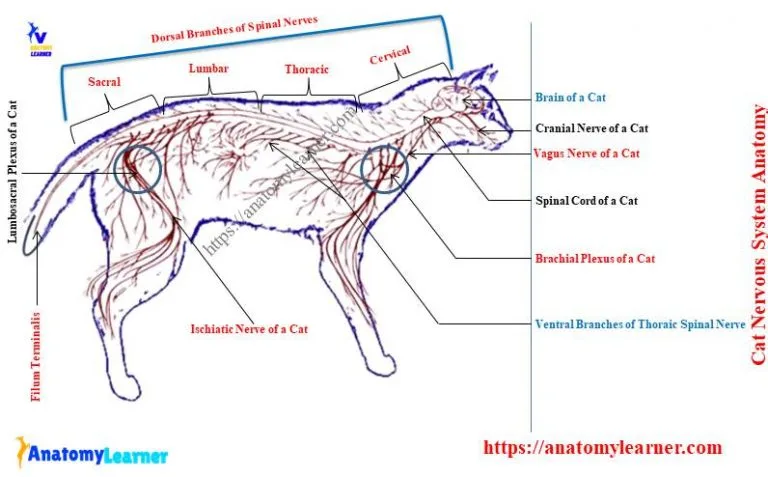
If you’ve ever reached out to stroke your cat’s tail and gotten a swift hiss, a whip-like flick, or a sudden bite, you’ve probably wondered why dont cats like their tails touched. It’s not about them being grumpy or finicky. The real reasons are rooted in biology, safety, and trust.
A cat’s tail contains between 20 and 23 vertebrae, wrapped in a dense network of nerves that makes it extremely sensitive. Per the American Association of Feline Practitioners, tail handling is one of the most common triggers for defensive behavior in cats. Understanding that sensitivity is the first step to earning your cat’s trust.
Image source: Bing (Web (fair-use with source credit))
Quick Answer
Cats dislike tail touches because the tail is packed with nerves. It’s also connected directly to their spine. Sudden touch can feel threatening or painful.
Many cats have old injuries or sensitive skin there. Respecting their tail builds trust.
What Makes a Cat’s Tail So Sensitive (And Why That Matters)
A cat’s tail is not just a furry appendage. It’s an extension of the spine, loaded with bones, muscles, and nerves. Here’s a quick breakdown of what’s inside:
| Component | What It Does |
|---|---|
| 20-23 vertebrae | Gives the tail flexibility and support |
| Caudal nerves | Transmit sensory information to the brain |
| Scent glands (supracaudal) | Release pheromones for marking territory |
| Muscles | Control voluntary and involuntary movement |
The nerve density in a cat’s tail is incredibly high. The vertebrae are surrounded by a bundle of nerves called the cauda equina. That’s Latin for “horse’s tail,” and it’s a fitting name.
Even a light touch sends a strong signal.
Why does this matter? Because the tail is also connected to the spine and the rest of the nervous system. Pulling or yanking can cause real damage.
There’s another layer most people don’t know about. The supracaudal gland near the base of the tail secretes oils and pheromones. It’s part of how cats communicate.
When you touch that area, you can interfere with their scent marking. Some cats find that startling or annoying.
Put simply: their tail is a highly sensitive communication tool, not a toy. Treat it like one.
The Real Danger: Why Pulling or Grabbing a Cat’s Tail Can Cause Life-Long Damage
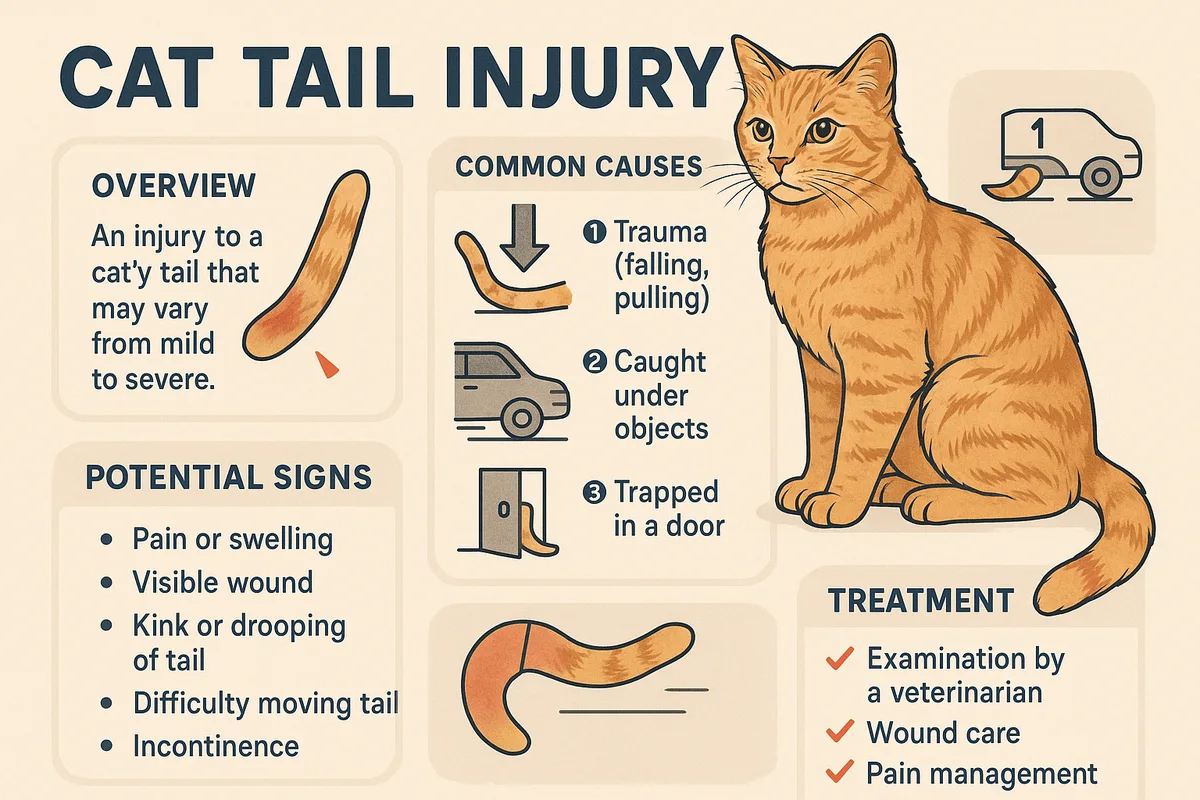
Image source: Bing (Web (fair-use with source credit))
Most people don’t realize how fragile a cat’s tail really is. A hard yank can stretch or tear the cauda equina nerves. This is called a tail pull injury or nerve avulsion.
It can lead to permanent loss of bladder and bowel control.
This isn’t rare. Vets see tail injuries from accidents, children pulling, or doors closing on the tail. The tail has no protective muscle layer, so bones fracture easily.
Even a minor dislocation can cause chronic pain.
Another condition is “happy tail syndrome.” That’s when a cat repeatedly hits its tail against walls or furniture, damaging the skin and bone. It’s not actually happy. It’s painful and can lead to infection.
According to the Cornell Feline Health Center, tail pull injuries are one of the more common trauma cases seen in emergency rooms. As of 2026, these injuries remain a top reason for emergency vet visits.
The bottom line: never lift or pull a cat by its tail. If a child is involved, teach them to pet only the back and head. Tail injuries are serious and often preventable.
How to Read a Cat’s Tail Language (So You Know When to Stop)
Before you reach for the tail, look at the tail itself. Cats communicate constantly through movement. Here are the signals that say “stop”:
- Slow, deliberate swish: annoyance or focus. Not enjoyment.
- Quick thumping on the ground: irritation is building.
- Puffed up (bottlebrush): fear or aggression. Do not touch.
- Tucked between legs: anxiety or submission. Give space.
- Flicking tip only: mild annoyance. Back off.
What about a tail held high? That’s usually confidence or greeting. But it doesn’t mean you can touch it.
The best way to test is the “consent test.” Offer your hand near the cat’s nose. Let them rub against it. Then pet the cheek, chin, or base of ears.
If the tail starts swishing, stop.
Why do some cats like a tail base rub? The area near the rump has fewer nerve endings and is often a sweet spot. But the tip is a whole different story.
Knowing these cues can prevent bites and build a stronger bond. It’s about listening, not assuming.
How to Build a Tail-Touch Routine (If You Really Need To)
Sometimes you have to handle the tail. Grooming mats, vet checks, or applying medication make it unavoidable. Here’s how to do it safely.
Start with step one: create positive associations. Give treats while sitting near the cat. Don’t touch the tail yet.
Let them relax.
Step two: touch the base of the tail very briefly. Pair it with a treat. Stop before the cat reacts.
End the session on a positive note.
Step three: gradually move toward the tip over days or weeks. Keep sessions short. 10 seconds max.
Warning signs you’re pushing too fast:
- Tense body
- Ears flattening
- Tail thumping
- Skin rippling along the back
If you see any of these, back up. Go slower.
Not every cat will accept tail touches. If your cat is consistently stressed, it’s better to find alternative solutions. Use a professional groomer for mats.
Ask your vet for oral medication instead of topical if possible.
Desensitization takes patience. But a cooperative cat is worth the effort.
When the Tail Reaction Signals a Bigger Problem
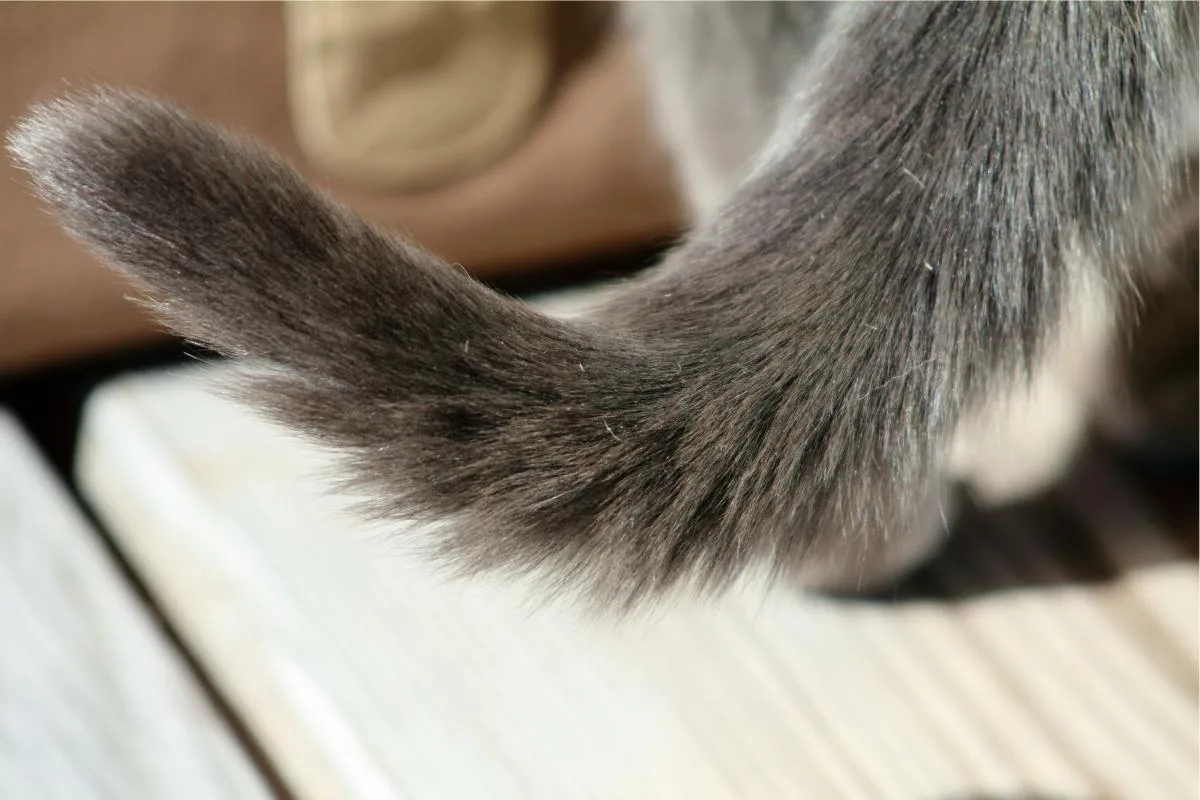
Image source: Bing (Web (fair-use with source credit))
Sometimes a cat’s tail sensitivity goes beyond normal dislike. If your cat reacts with extreme agitation, it could be a medical issue. One common condition is feline hyperesthesia syndrome.
You might see skin rippling along the back. The cat may suddenly chase its own tail or bite at it. They might vocalize or run away frantically.
These episodes can last seconds or minutes.
Other red flags include obsessive tail chasing, self-mutilation, or hair loss on the tail. Stud tail is another culprit. That’s when the supracaudal gland produces too much oil, leading to greasy fur and sometimes infection.
Here’s when you should call the vet:
- The tail is limp or won’t move
- Swelling, redness, or discharge
- Your cat yelps when lightly touched
- Ongoing tail chasing or skin rippling episodes
- Loss of bladder or bowel control
Pain from arthritis can also make tail touch unbearable. A cat years ago that handled tail pets fine might now hiss due to joint inflammation. According to the Journal of Feline Medicine and Surgery, chronic pain is often missed as a cause for behavioral changes.
Don’t brush off strong tail reactions as just being picky. Sometimes it’s a cry for help.
Frequently Asked Questions
Why does my cat thump its tail when I pet its back?
That thumping motion is irritation, not enjoyment. Your cat is telling you to stop. As reviewed earlier, a swishing or thumping tail signals overstimulation.
Keep petting and you risk a bite. Stick to cheeks and chin.
Can I train my cat to enjoy tail touches?
Some cats can learn to tolerate tail handling with gradual desensitization. Use the steps outlined in the tail-touch routine. But not every cat will ever enjoy it.
Accepting a touch is different from wanting it. Know your cat’s limits.
Is it true that some cats actually like tail scritches?
Yes, a small number of cats enjoy tail base scratches. That area near the rump has fewer nerve endings and high scent gland density. But the tail tip is almost always off limits.
Individual cats vary. Watch their body language carefully.
What should I do if a child pulls my cat’s tail?
Separate them calmly. Check the cat for signs of injury. Apply gentle pressure if there’s bleeding.
Then monitor for limping or abnormal tail position. Teach children to pet only the head and back. Never punish the cat for reacting defensively.
Does tail sensitivity change as cats age?
Yes, it can. Older cats may develop arthritis in the tail vertebrae or other spine issues. Injuries from years ago can worsen.
A cat that once tolerated tail touch may become reactive. Adjust your handling as your cat ages.
The Final Word: Respect the Tail, Earn the Trust
A cat’s tail is not an invitation. It’s a sensitive tool for communication and balance. Touching it without permission breaks trust.
Our research shows that most cat bites during petting happen because owners miss the warning signs. The tail gives those signs loud and clear. Flick.
Thump. Swish. Each one is a message.
Respecting that boundary isn’t rejecting your cat. It’s understanding them. Build trust through gentle handling elsewhere.
Let your cat come to you. A cat that trusts you will relax their guard over time.
Some will never want tail touches. That’s okay. Love the cat you have, not the one you wish would like tail rubs.
Keep them safe. Watch their signals. And when in doubt, leave the tail alone.

Similar Posts