Why Is My Cat Making Weird Mouth Movements?
You're watching your cat do something strange with its mouth, and it's making you nervous. If you've ever searched "why is my cat making weird mouth movements" while staring at your feline friend, you're not alone, and you're right to take it seriously.
Here's the honest truth: some of these movements are totally normal, but others signal real trouble. The Cornell Feline Health Center reports that over 50 percent of cats older than three years have some form of dental disease, and unusual mouth activity is often the first visible clue. Let's break down what you might be seeing and when to act.
Quick Answer
Your cat's weird mouth movements could mean several things. Normal reasons include chattering at birds through a window. Problematic causes include dental pain, nausea, a foreign object stuck in the mouth, poisoning, or a neurological issue.
Watch for drooling, pawing at the mouth, bad breath, or appetite loss. If those appear with the movements, call your vet.
Why That Weird Mouth Movement Deserves Your Attention Right Now
Cats are masters at hiding pain. It's a survival instinct from their wild ancestors. A cat that shows obvious discomfort is usually in significant distress.
That's why paying attention to unusual mouth movements matters more than you might think.
Image source: Bing (Web (fair-use with source credit))
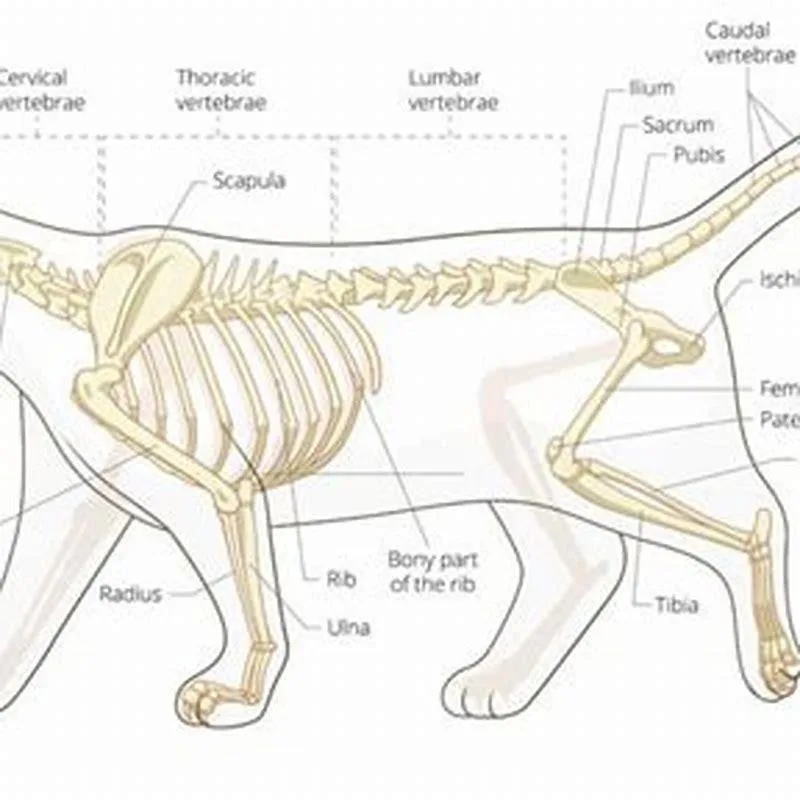
The mouth and teeth are prime spots for hidden problems. Feline dental disease affects a huge number of cats. The Cornell Feline Health Center notes that most cats show signs of dental disease by age three.
But cats rarely cry out or limp from a sore tooth. Instead, they make subtle changes. They might chew differently, drool a bit, or make odd mouth movements you can't quite explain.
What makes this tricky is that some mouth movements are perfectly normal. Cats chatter at birds and squirrels through windows. That's a hunting instinct, not a medical issue.
But many dangerous conditions start with mouth movements that look almost identical to harmless ones. Tooth resorption, oral tumors, poisoning, and foreign objects all can cause your cat to do something weird with its mouth. Poisoning is a special concern here.
As of 2026, the ASPCA Animal Poison Control Center continues to report that lily ingestion, acetaminophen, and certain essential oils are among the top feline toxicity cases. Mouth movements like excessive licking, drooling, or jaw chattering are early signs.
Here's the key point: the movement itself matters less than what's happening alongside it. Is your cat still eating normally? Are they drooling?
Are they pawing at their face? Those accompanying signs tell the real story. That's exactly what we'll walk through next.
What Different Mouth Movements Actually Mean
Let's get specific about what you're actually seeing. Not all weird mouth movements are created equal. Some are harmless quirks.
Others are clear signals that something is wrong.
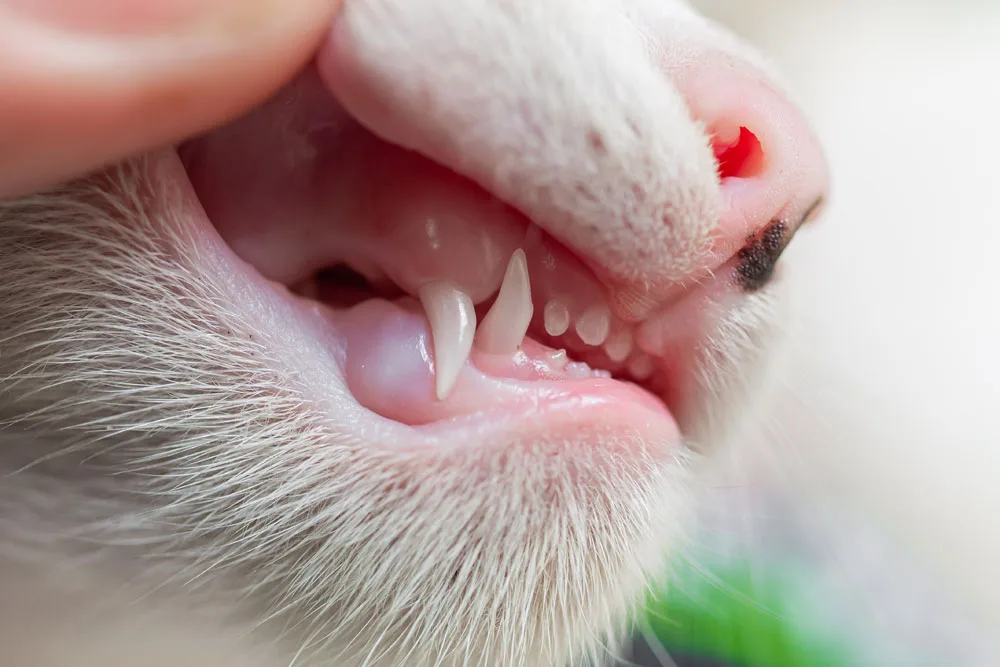
Image source: Bing (Web (fair-use with source credit))
Here's a breakdown of common movements and what they typically indicate.
| Movement | What It Likely Means | When to Worry |
|---|---|---|
| Chattering or jaw clicking at window / prey | Normal hunting instinct | Only if it happens without a visual trigger |
| Lip smacking or excessive licking | Nausea, dental pain, something stuck | If paired with drooling or reduced appetite |
| Chewing on nothing (phantom chewing) | Dental pain, nausea, or focal seizure | If it happens repeatedly or in clusters |
| Open mouth with tongue flicking | Nausea, oral ulcer, irritation | If it lasts more than a few minutes |
| Repeated swallowing or gulping | Nausea, hairball, foreign body | If no hairball comes up within an hour |
| Drooling with mouth movements | Poisoning, dental abscess, foreign object | This one is urgent, call your vet |
Chattering or jaw clicking is the most common normal movement. Your cat spots a bird or squirrel outside, and that rapid jaw motion starts. That's a hunting instinct.
Lip smacking or licking lips often signals nausea. Think of it like a person who feels sick and starts salivating. It can also mean dental pain or something stuck in the mouth.
Chewing on nothing is a red flag. When your cat appears to be chewing but there's nothing there, it often means dental pain, nausea, or even a focal seizure.
Open mouth with tongue flicking usually points to nausea or oral irritation. It can also mean an ulcer or irritation inside the mouth.
Drooling with mouth movements is one to take seriously. It can mean poisoning, a dental abscess, or a foreign object stuck in the mouth. The ASPCA Animal Poison Control Center reports that excessive drooling is one of the top reported signs in feline poisoning cases.
Emergency Red Flags: When to Stop Reading and Head to the Vet
Some situations need immediate veterinary attention. If your cat shows any of these signs along with weird mouth movements, stop reading and call your vet or an emergency clinic right now.
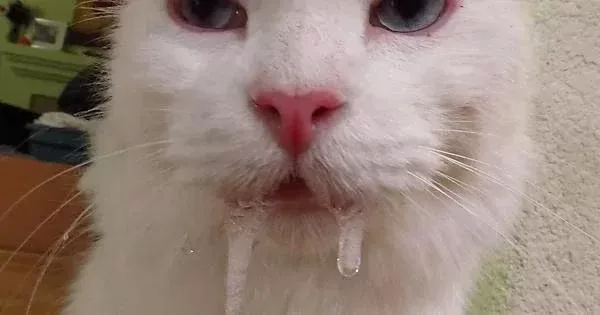
Image source: Bing (Web (fair-use with source credit))
Red flag warning signs that mean go now:
- Drooling or foaming at the mouth, especially if sudden. This can mean poisoning, seizure, or a serious oral injury.
- Pawing at the mouth or face. That's a strong sign of pain, a foreign object, or an oral mass.
- Bright red or bleeding gums. This indicates dental disease, trauma, or a clotting issue.
- Fishy or rotten breath. That points to advanced dental disease, infection, or oral cancer.
- Refusing food or water. Pain makes eating hard. Cats that stop eating for more than 24 hours risk hepatic lipidosis.
- Lethargy or hiding. That's a general illness or pain response.
- Vomiting or diarrhea with mouth movements. This could mean poisoning or systemic illness.
- Swelling on the face or jaw. That's an abscess, tumor, or allergic reaction.
- Difficulty breathing. A mouth hanging open with effort is always an emergency.
If you see even one of these signs alongside mouth movements, don't wait. Call your vet immediately. If it's after hours, go to an emergency veterinary hospital.
Time matters with poisoning, obstruction, and severe dental infections.
Here's a quick reference for when to escalate:
| Situation | Action |
|---|---|
| Mouth movements + drooling/pawing | Call vet today, possibly emergency |
| Mouth movements + vomiting/diarrhea | Call vet today |
| Mouth movements + normal eating/energy | Schedule vet visit this week |
| Only chattering at birds | Normal, no action needed |
| Mouth movements + known toxin exposure | Emergency, go now |
What You Can Safely Check for at Home
Before you rush anywhere, there are a few things you can check at home. But be careful. A cat in pain may bite even if it's normally gentle.
Never force your cat's mouth open.
Start from a safe distance. Watch your cat from a few feet away. Take note of how often the movement happens.
Is it constant or does it come and go? Does it happen only after eating or drinking?
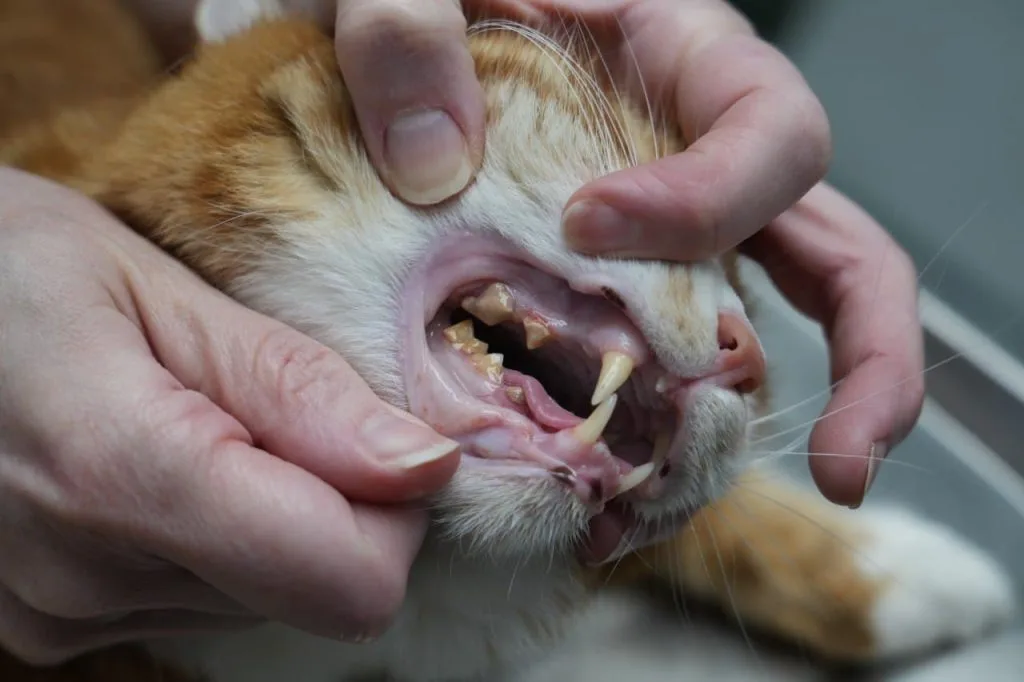
Next, look at your cat's mouth from the outside. Gently lift the lip on each side while your cat is calm. You don't need to open the mouth.
Just look at the gums and teeth you can see. Check for:
- Red or swollen gums
- Broken or missing teeth
- Something wrapped around a tooth or tongue, like string, thread, or fishing line
- Swelling on the face or jaw
- Bad breath coming from the mouth
Use a flashlight if you need more light. Shine it from the side while lifting the lip. Don't shine it directly into your cat's eyes.
Check for other signs. Has your cat vomited recently? Any diarrhea?
Has it had access to houseplants, string, or human medications? If you suspect poisoning, look around for chewed plants, spilled pills, or opened bottles.
If you find something obvious like string wrapped around the tongue, do not pull it. Pulling can cause serious internal damage if the string goes down the throat. Leave that for the vet.
How to Decide: Call Your Vet vs Rush to the ER
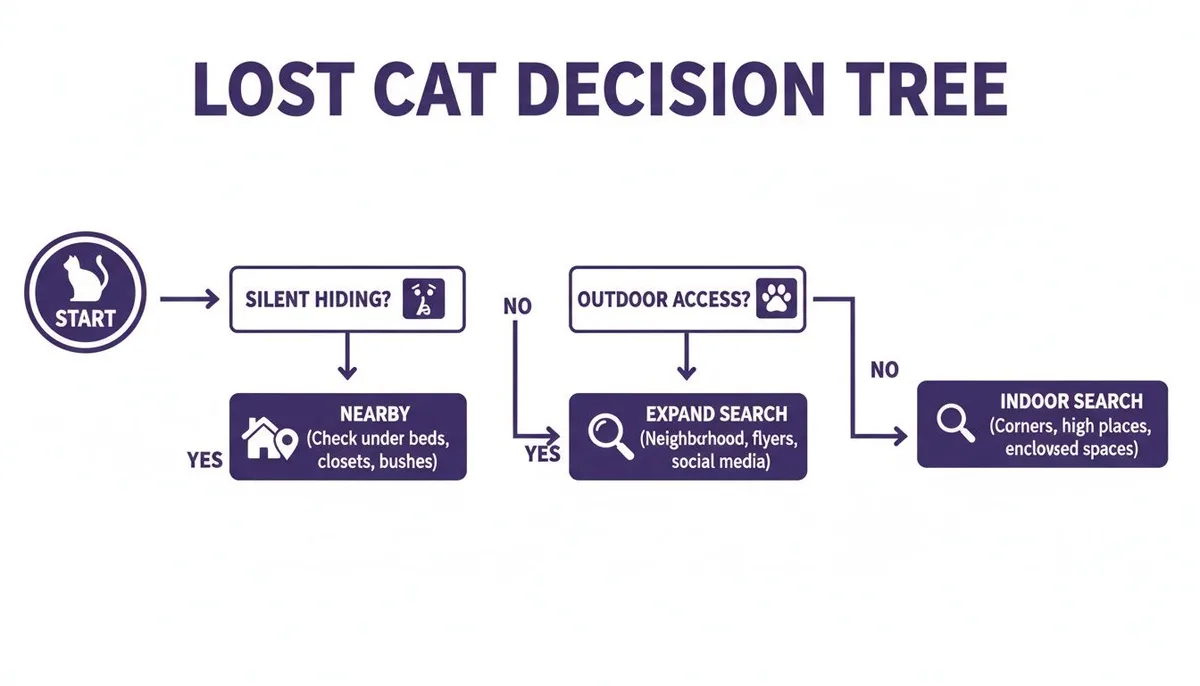
Not every weird mouth movement calls for a middle-of-the-night ER visit. But how do you tell the difference? Use this simple decision framework.
Go to the ER now if:
- Your cat is drooling or foaming and you know or suspect it ate something toxic
- Your cat is pawing aggressively at its mouth and seems distressed
- Your cat has swelling on the face, jaw, or neck
- Your cat is having trouble breathing
- Your cat has collapsed or seems weak
- Your cat has had a known toxin exposure, like lilies, acetaminophen, essential oils, or xylitol
- Your cat is actively seizuring or has unusual eye movements with the mouth movements
Call your vet today (regular hours) if:
- Your cat has mild drooling but is eating and acting normal otherwise
- You notice bad breath along with mouth movements
- Your cat seems to have dental pain but is still eating soft food
- The mouth movements are new and happening regularly
- Your cat is sneezing or has eye discharge along with mouth movements
Schedule a vet visit this week if:
- Your cat only makes the movements occasionally and is otherwise healthy
- The movements happen at the window watching birds, which is normal chattering
- You notice mild tartar buildup but no other symptoms
Tiebreaker rule. When in doubt, call your vet's office and describe what you're seeing. Most vet clinics can tell you over the phone whether you need to come in now or schedule an appointment. That phone call is free and can save you unnecessary stress or a missed emergency.
Frequently Asked Questions
Is cat chattering at birds always normal?
Yes, that rapid jaw clicking at birds through a window is a normal hunting instinct. It is not a medical problem. Only worry if your cat chatters at nothing visible or if drooling or pawing at the mouth happens alongside it.
Why does my cat keep licking its lips and swallowing?
Lip licking and swallowing usually means nausea. Your cat might have a hairball coming on, an upset stomach, or dental pain. If your cat does this repeatedly without vomiting within an hour, schedule a vet visit to rule out dental disease or gastrointestinal issues.
Can dental disease cause weird mouth movements in cats?
Absolutely. Feline dental disease is one of the most common causes. Tooth resorption, periodontitis, and stomatitis all cause pain.
Your cat may chew oddly, drop food, lip smack, or make phantom chewing motions. Bad breath is a strong clue. A veterinary dental exam under sedation is needed.
What should I do if my cat is drooling and making mouth movements?
This combination is urgent. Drooling with mouth movements can mean poisoning, a foreign object stuck in the mouth, or a severe dental abscess. Check around your home for chewed plants or pills.
Call your vet or the ASPCA Animal Poison Control Center at 888-426-4435 immediately.
How can I tell if my cat is in pain from mouth movements?
Watch for behavioral changes. A cat in pain often hides, stops grooming, refuses to eat, or becomes irritable. Pawing at the mouth, drooling, and head shaking are direct pain signals.
If you see these with mouth movements, your cat needs a professional pain assessment.
Your Quick-Reference Decision Guide
Here is your cheat sheet for what to do. Keep this handy if you are ever unsure.
| What You See | What To Do |
|---|---|
| Chattering at birds through a window | Normal. No action needed. |
| Lip smacking or licking, no other signs | Schedule a vet visit this week. Likely nausea or mild dental pain. |
| Phantom chewing, no other signs | Schedule a vet visit this week. Could be dental pain or focal seizure. |
| Mouth movements plus drooling or pawing | Call your vet today. Possibly emergency. |
| Mouth movements plus vomiting or diarrhea | Call your vet today. Could be poisoning or systemic illness. |
| Mouth movements plus known toxin exposure | Go to the emergency vet immediately. |
| Mouth movements plus trouble breathing | Go to the emergency vet immediately. |
| Mouth movements plus face or jaw swelling | Go to the emergency vet immediately. |
One final rule. If you are unsure, call your vet. A quick phone call costs nothing and can save you a sleepless night of worry. Vets would rather hear from you early than see your cat when it is too late.
Trust your gut. You know your cat better than anyone, and you were right to pay attention to that weird mouth movement.

Similar Posts