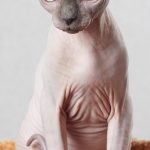
Why Is My Cat Thin at the Back End? Key Causes
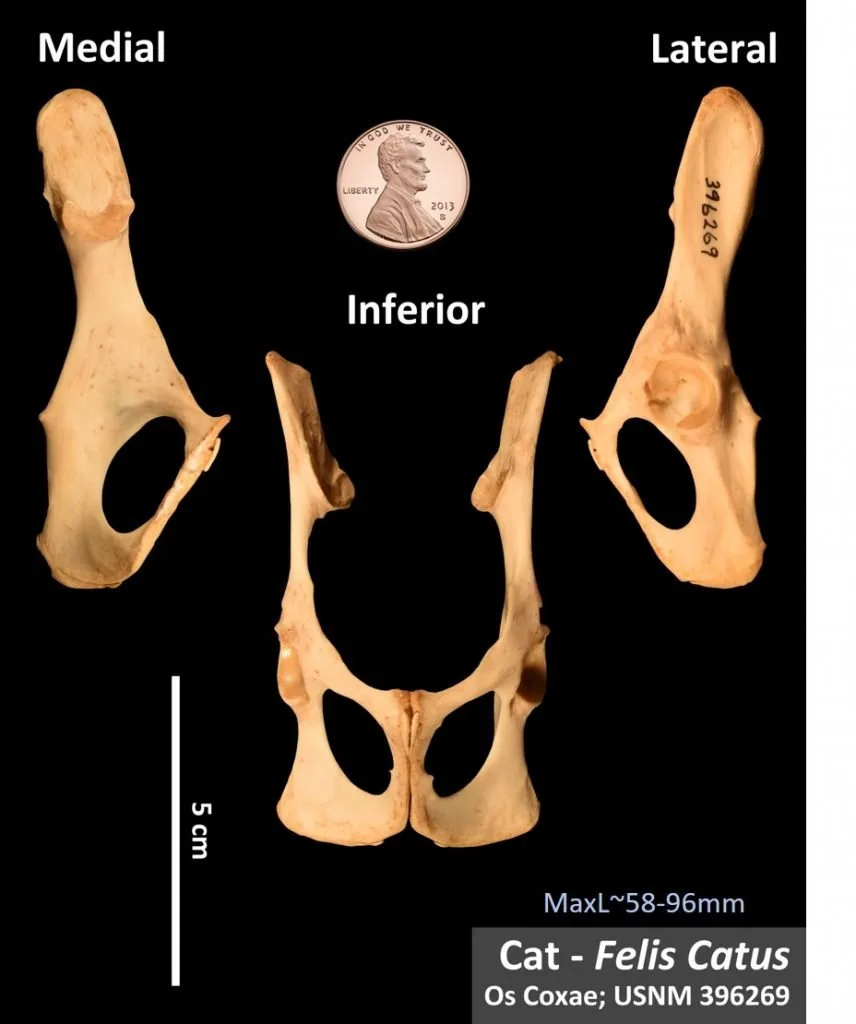
If you've noticed your cat looks thin at the back end, you're probably worried and confused. The front half looks normal, but the hips look bony, the spine feels knobby, and the belly seems tucked up. That pattern is a clear medical signal, not a normal part of aging.
Per the American Association of Feline Practitioners, muscle wasting in the rear quarters is one of the earliest visible signs of systemic disease in cats. As of 2026, the research is clear: this symptom demands a veterinary workup, not a wait-and-see approach. Let's walk through exactly what causes it and what you should do.
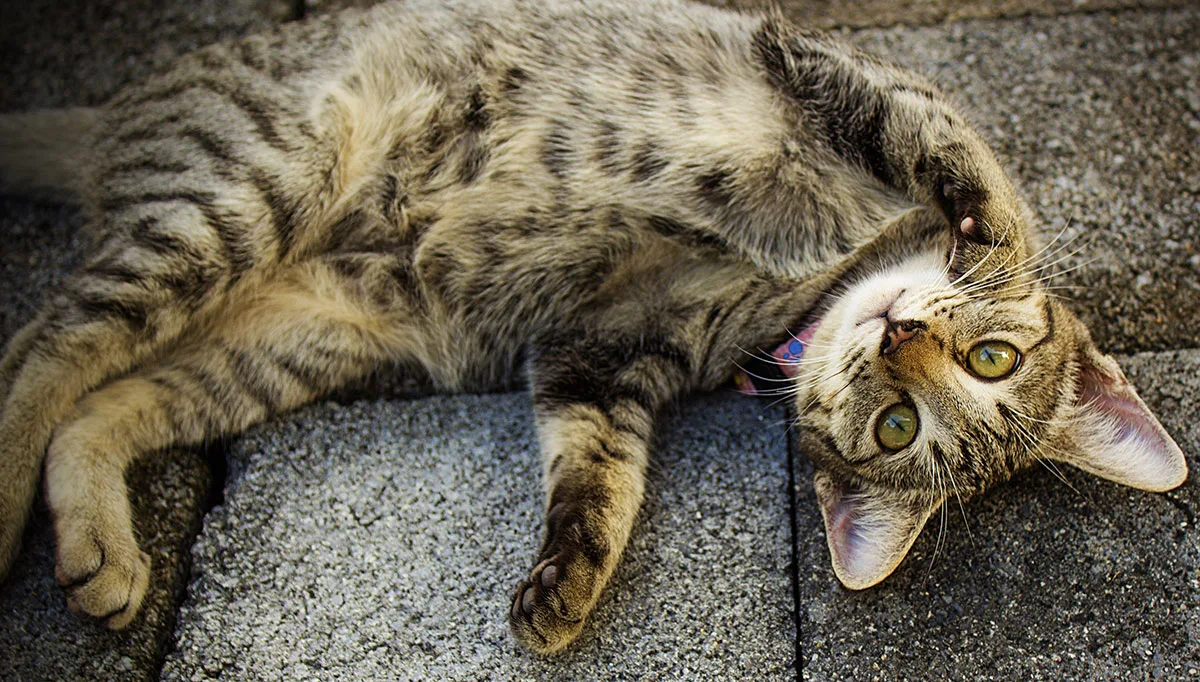
Image source: Bing (Web (fair-use with source credit))
Quick Answer
Your cat is thin at the back end because of muscle wasting, not simple fat loss. The rear leg and spinal muscles break down first when the body faces disease. Common causes include hyperthyroidism, chronic kidney disease, diabetes, and intestinal issues.
A vet visit with bloodwork is the only way to identify the real problem. Waiting makes treatment harder and recovery slower.
Why the Back End Goes First: Muscle Wasting vs. Simple Weight Loss
Cats don't lose weight evenly like humans do. The body prioritizes survival and draws from specific tissue stores first. When a cat is sick, the rear end loses muscle mass before any other area.
Muscle wasting is different from fat loss. Fat loss happens gradually and evenly. Your cat might feel lighter but still look proportional. Muscle wasting is visible and localized.
You'll see it in the hips, the spine, and the thighs. The back end looks hollow or scooped out.
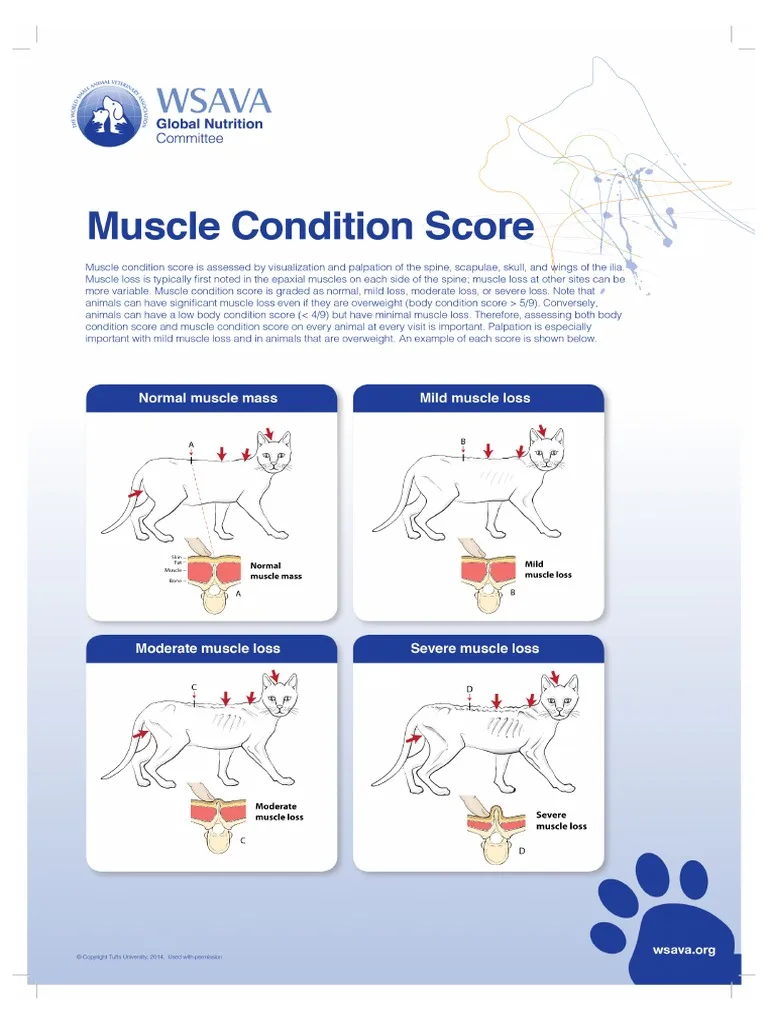
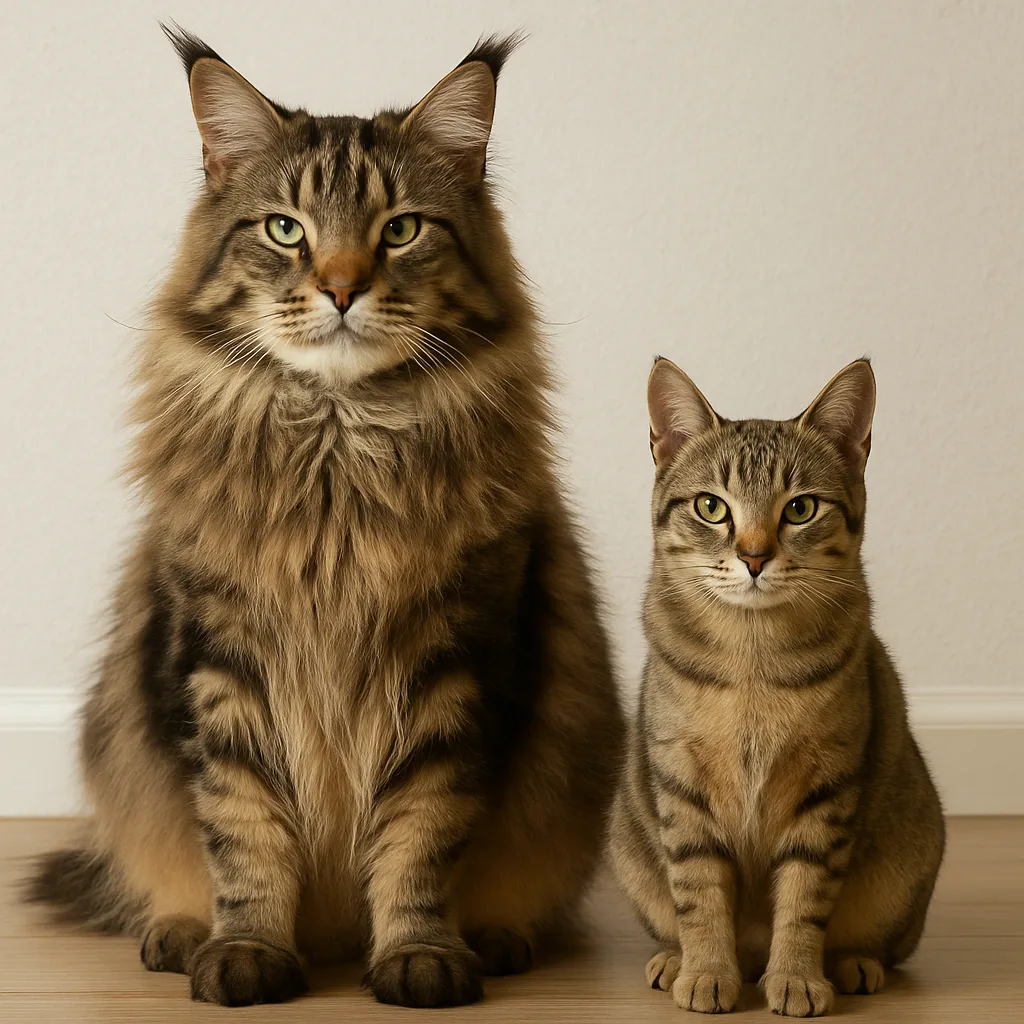
Image source: Bing (Web (fair-use with source credit))
Veterinarians use something called the muscle condition score (MCS) to grade this. It runs from 0 (no wasting) to 3 (severe wasting). A score of 1 or higher means the cat is losing muscle protein.
That protein loss is always caused by an underlying disease.
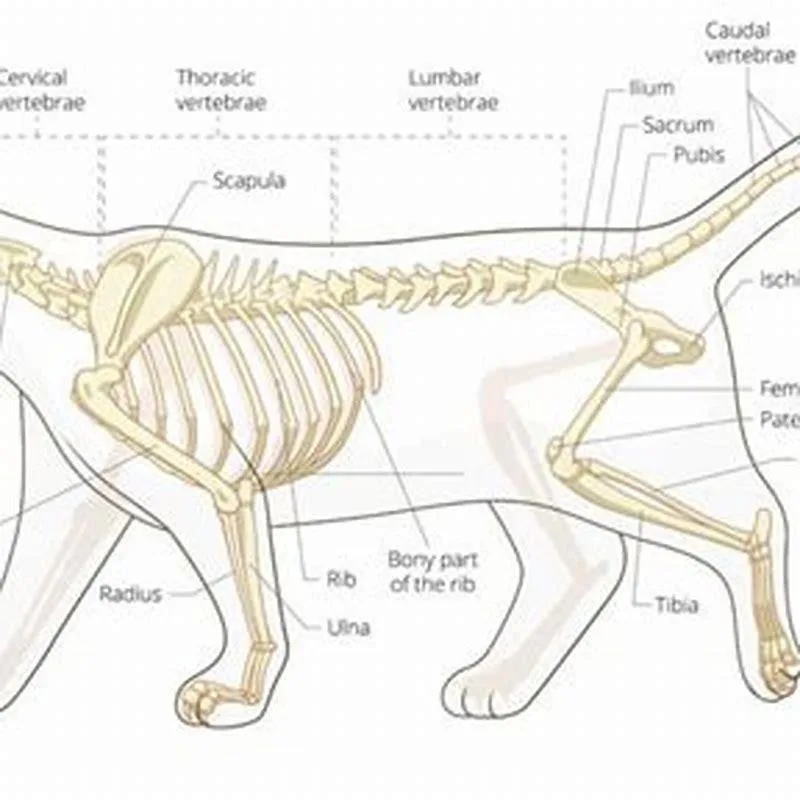
Why the back end specifically? The epaxial muscles along the spine and the large thigh muscles are the body's protein reserve. When illness forces the body to burn muscle for energy, those are the first to go. The front limbs and shoulders tend to hold mass longer because they're needed for walking and hunting.
A tucked-up belly is another common sign. It looks like the cat has a visible waist or an hourglass shape. That's the abdominal wall pulling tight because there's no fat and less muscle holding everything in place.
A healthy cat should have a gentle curve, not a dramatic taper.
One quick check you can do at home. Run your hand along your cat's spine. You should feel a smooth layer of tissue over the vertebrae. If each bump feels sharp and distinct, that's muscle loss.
Do the same over the hip bones. If they feel like two hard knobs with no padding, that's wasting.
The Most Likely Causes: Hyperthyroidism, Kidney Disease, and Beyond
The list of possible causes is manageable but specific. Here's what vets see most often in adult and senior cats with this symptom.
| Cause | Age Range | Key Sign Beyond Weight Loss |
|---|---|---|
| Hyperthyroidism | 8+ years | Ravenous appetite, racing heart, vomiting |
| Chronic kidney disease | 7+ years | Excessive drinking, huge urine amounts, bad breath |
| Diabetes mellitus | Any, but common in overweight cats | Increased thirst, increased urination, weak back legs |
| Inflammatory bowel disease (IBD) | Any age | Weight loss with normal or increased appetite, loose stools |
| Intestinal lymphoma | 8+ years | Weight loss despite eating, vomiting, diarrhea |
| Dental disease | Any age | Eating less, dropping food, chewing funny |
| Gastrointestinal parasites | Any age, especially outdoor cats | Pot-bellied look, dull coat, visible worm segments |
Hyperthyroidism is the most common cause in cats over eight years old. The thyroid gland produces too much hormone. This revs the metabolism into overdrive.
The cat burns calories faster than they can replace them. They eat more food but still lose weight, especially in the rear.
Chronic kidney disease is the second most common culprit. Damaged kidneys can't filter waste properly. Toxins build up in the blood, causing nausea and appetite loss.
The cat eats less, so the body pulls from muscle stores. Increased thirst and urination are the classic early signs.
Diabetes causes weight loss because the body can't use glucose for energy. Without enough insulin, cells starve and the body breaks down fat and muscle instead. A cat with diabetes often drinks constantly and produces huge urine clumps.
Intestinal disease blocks nutrient absorption. IBD causes chronic inflammation in the gut wall. Lymphoma is a cancer of the intestinal tract.
Both can cause weight loss even when the cat eats a normal or increased amount of food.
Dental pain is often overlooked. A cat with a broken tooth or resorptive lesion may want to eat but find it painful. They'll approach the bowl, sniff, and walk away. Over weeks, the calorie deficit adds up and muscle wasting follows.
Worms are possible but less common as the sole cause in adult cats. A heavy tapeworm or roundworm burden can steal nutrients. But worms usually cause a pot-bellied appearance along with a dull coat, not the isolated rear-end wasting we're talking about here.
The First Diagnostic Clue: Is Your Cat Eating Normally or Ravenous?
This one question changes the entire diagnostic path. The answer tells your vet which tests to run first.
Scenario A: Your cat is eating like a horse.
If your cat is thin at the back end but acts like they've never been fed, hyperthyroidism is the top suspect. The thyroid hormone increases the metabolic rate so much that the body can't keep up. The cat eats more but still loses muscle.
Another possibility is diabetes. High blood sugar means cells are starving despite plenty of glucose in the blood. The brain signals hunger constantly.
The cat eats ravenously but still loses weight.
Intestinal lymphoma can also cause weight loss with a normal or increased appetite. The lymphoma cells thicken the intestinal wall and block nutrient absorption. Food passes through without being fully digested.
Scenario B: Your cat is eating less or seems picky.
This points toward conditions that cause nausea or pain. Chronic kidney disease builds up toxins that suppress the appetite. Dental disease makes chewing painful.
Pancreatitis causes abdominal pain and nausea.
Some cats with IBD also eat less because eating triggers discomfort. The inflammation makes digestion painful. The cat learns to associate food with pain and starts avoiding the bowl.
What about cats that eat normally but only small amounts? That's still a red flag. A cat that leaves food in the bowl or eats several tiny meals throughout the day may have early nausea. Cats with kidney disease often do this before the appetite drops completely.
The takeaway is simple. If your cat is eating well but losing weight, it's likely a metabolic or absorption problem. If they're eating less, it's likely pain, nausea, or organ dysfunction. Either way, a vet visit with bloodwork is the next step.
What the Vet Will Actually Do: Bloodwork, Ultrasound, and Physical Exam
A veterinary workup for weight loss with muscle wasting follows a clear, step-by-step process. Knowing what to expect helps you prepare and ask the right questions.
Step 1: Physical exam and weight check.
The vet will palpate the spine and hips to grade the muscle wasting. They'll feel the thyroid gland in the neck for enlargement. They'll listen to the heart rate, which is often elevated in hyperthyroidism.
A baseline weight is recorded for future comparison.
Step 2: Bloodwork is the centerpiece of the diagnosis.
A complete blood count (CBC) checks for anemia or infection. A chemistry panel evaluates kidney values (creatinine, BUN, SDMA), liver enzymes, blood sugar, and protein levels. A total T4 test screens for hyperthyroidism.
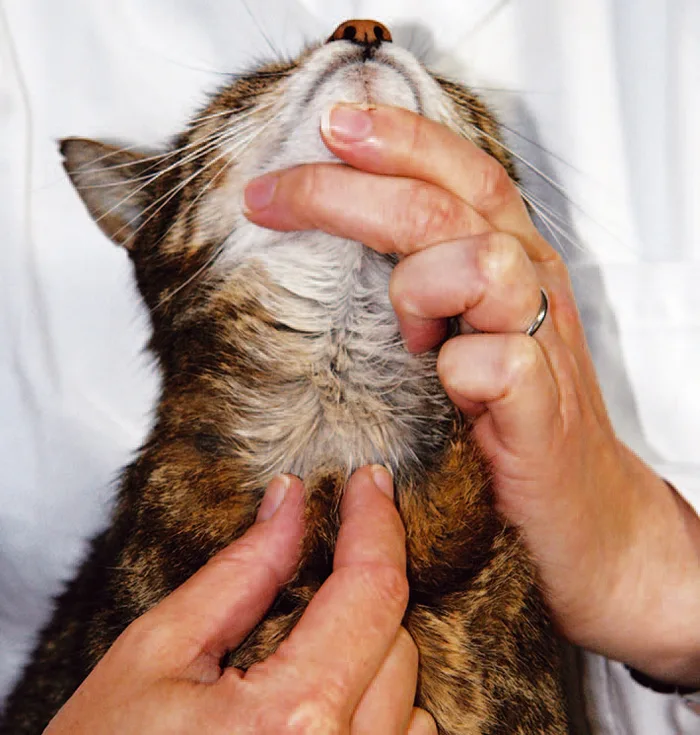
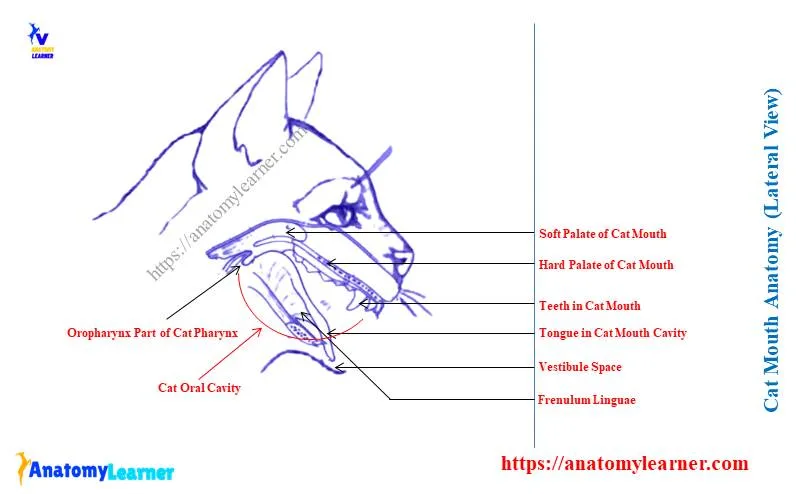
Image source: Bing (Web (fair-use with source credit))
Most cases are caught at this stage. If the T4 is elevated, the diagnosis is hyperthyroidism. If kidney values are high and urine specific gravity is low, it's chronic kidney disease.
If blood sugar is severely elevated with glucose in the urine, it's diabetes.
Step 3: Urinalysis.
This is essential for kidney disease and diabetes. A dilute urine sample with no other abnormalities points to CKD. Glucose in the urine confirms diabetes.
A urine culture may be needed if infection is suspected.
Step 4: Abdominal ultrasound.
If bloodwork is normal but weight loss continues, the next step is an ultrasound. This looks at the intestinal wall thickness, pancreas, liver, and lymph nodes. IBD and lymphoma cause thickening that bloodwork alone can't detect.
An ultrasound can guide a biopsy for a definitive diagnosis.
Step 5: Dental exam under anesthesia.
If everything else checks out, hidden dental disease is a common hidden cause. Tooth resorption and root abscesses don't show up on a conscious oral exam. Full-mouth radiographs under anesthesia catch these issues.
Step 6: Additional tests as needed.
A feline leukemia and FIV snap test may be run, especially in younger cats or outdoor cats. A pancreatic lipase test checks for pancreatitis. Blood pressure measurement is routine for hyperthyroid and CKD cats since both conditions can cause hypertension.
The standard guideline from the American Association of Feline Practitioners is that any senior cat with unexplained weight loss and muscle wasting should have a full blood panel, urinalysis, and T4 test as a baseline. Many vets add SDMA to the panel because it catches kidney disease months earlier than creatinine alone.
Most of these conditions are treatable. Hyperthyroidism can be managed with daily methimazole or cured with radioactive iodine. Kidney disease has dietary management that slows progression.
Diabetes can go into remission with proper insulin and diet. The delaying factor is almost always owner hesitation, not the medicine itself.
Common Mistakes That Delay Treatment: Waiting, Wrong Food, and Human Meds
Three mistakes show up over and over in veterinary clinics. Avoiding them can save your cat weeks of unnecessary suffering.
Mistake 1: Waiting to see if it improves on its own.
Muscle wasting doesn't reverse itself. A cat that is thin at the back end will not fill back out with time alone. The underlying disease progresses while you wait.
Hyperthyroidism damages the heart. Kidney disease damages the kidneys further. Diabetes causes nerve damage.
Waiting weeks or months makes treatment harder and recovery slower.
Mistake 2: Switching to a "high calorie" or "senior" food without a diagnosis.
This is well-intentioned but often counterproductive. A cat with kidney disease needs a phosphorus-restricted diet, not more protein. A cat with hyperthyroidism needs a prescription iodine-restricted diet, not extra calories a cat with diabetes needs a low-carb diet, not a high-carb senior formula.
Feeding the wrong food can actually worsen the condition. The right diet depends on the diagnosis, not the symptom.
Mistake 3: Giving human medications or over-the-counter remedies.
Cats metabolize drugs differently than humans. Never give human thyroid medication, human insulin, or human pain relievers. Acetaminophen is fatal to cats even in tiny doses.
Aspirin causes kidney failure. Ibuprofen is toxic. Appetite stimulants available online may contain ingredients that interact with undiagnosed conditions.
The only safe medication is one prescribed by your vet after a diagnosis.
Bonus mistake: Ignoring the litter box.
Changes in urination volume, frequency, or stool quality are diagnostic clues. A cat that drinks more and pees more has a specific set of possible causes. A cat with loose stools or vomiting points toward intestinal issues.
Checking the litter box daily is free and gives your vet valuable information.
When to Stop Waiting and Head to the Emergency Vet
Most cases of rear-end muscle wasting develop slowly over weeks or months. But some situations are urgent.
Go to an emergency vet immediately if your cat:
- Hasn't eaten anything in 24 hours
- Is vomiting repeatedly or unable to keep water down
- Is lethargic, hiding, or unresponsive
- Has trouble walking or standing on the back legs
- Is breathing rapidly or with an open mouth
- Has pale or blue-looking gums
- Cries out when you touch their belly or back
Why these symptoms are emergencies. Vomiting combined with weight loss can indicate pancreatitis, kidney failure, or intestinal obstruction. Lethargy combined with muscle wasting suggests advanced organ dysfunction. Trouble walking in the back legs is a classic sign of diabetic neuropathy or a spinal issue.
Rapid breathing can mean fluid in the lungs from heart disease secondary to hyperthyroidism.
When the situation is urgent but not immediately life-threatening. If your cat is eating reduced amounts but still eating, drinking water, and using the litter box, you can wait for a regular vet appointment within the next few days. If your cat is drinking excessively along with the weight loss, try to get an appointment within 48 hours since dehydration can set in quickly.
One more scenario that needs fast action. A cat that suddenly stops using the litter box along with weight loss and increased thirst may have a urinary tract infection on top of kidney disease or diabetes. UTIs in sick cats can escalate rapidly to life-threatening infection.
Frequently Asked Questions
Can a cat be thin at the back end just from old age?
No, muscle wasting is not a normal part of aging. Healthy senior cats maintain muscle mass. Weight loss in older cats is always caused by an underlying medical condition.
Getting old does not cause the body to visibly waste away.
My cat eats normally but is losing weight. What causes that?
The most likely causes are hyperthyroidism, diabetes, or intestinal disease like IBD or lymphoma. When a cat eats enough food but still loses muscle, the body is either burning calories too fast or not absorbing nutrients from the food. Bloodwork can identify which one it is.
How fast does muscle wasting happen in cats?
It depends on the cause. Hyperthyroidism can cause noticeable weight loss over two to four weeks. Kidney disease and IBD tend to progress more slowly over several months.
The speed of the loss is an important clue for your vet. Rapid weight loss points toward metabolic causes like hyperthyroidism.
Can dental problems really cause a cat to lose weight in the back end?
Yes. Dental pain reduces food intake over time. A cat that eats less for weeks or months gradually loses muscle mass.
The back end goes first because those muscles are the body's protein reserve. A dental cleaning with radiographs can diagnose hidden tooth problems.
What does treatment look like for a cat with muscle wasting?
Treatment depends entirely on the diagnosis. Hyperthyroidism is managed with daily medication or cured with radioactive iodine. Kidney disease requires a special diet and sometimes subcutaneous fluids.
Diabetes needs insulin and diet changes. IBD may need dietary changes and steroids. Most cats improve significantly once the right treatment starts.
Is muscle wasting reversible in cats?
In most cases, yes. Once the underlying disease is controlled and the cat starts absorbing nutrients properly, muscle mass can return. It takes several weeks to a few months.
Cats that regain muscle usually do so gradually. The key is starting treatment early before the wasting becomes severe.
The Bottom Line: A Thin Back End Is Never Normal in Cats
You noticed something was off. Trust that instinct. A thin back end with visible spine and hip bones is your cat's way of telling you something is wrong internally.
The good news is that most causes are treatable. Hyperthyroidism, kidney disease, diabetes, IBD, and dental disease all have effective management strategies. The bad news is that waiting makes everything harder.
The longer muscle wasting goes untreated, the harder it is to reverse.
Your next step is simple. Book a veterinary appointment. Ask for bloodwork, a urinalysis, and a T4 test.
Keep a log of your cat's appetite, water intake, and litter box habits. Write down when you first noticed the change. That information is gold to your vet.
Your cat can't tell you what hurts. But they showed you where to look. Now you both know what to do next.
Common Mistakes That Delay Treatment: Waiting, Wrong Food, and Human Meds
Three mistakes show up over and over in veterinary clinics. Avoiding them can save your cat weeks of unnecessary suffering.
Mistake 1: Waiting to see if it improves on its own.
Muscle wasting doesn't reverse itself. A cat that is thin at the back end will not fill back out with time alone. The underlying disease progresses while you wait.
Hyperthyroidism damages the heart. Kidney disease damages the kidneys further. Diabetes causes nerve damage.
Waiting weeks or months makes treatment harder and recovery slower.
Mistake 2: Switching to a high calorie or senior food without a diagnosis.
This is well-intentioned but often counterproductive. A cat with kidney disease needs a phosphorus-restricted diet, not more protein. A cat with hyperthyroidism needs a prescription iodine-restricted diet, not extra calories.
A cat with diabetes needs a low-carb diet, not a high-carb senior formula. Feeding the wrong food can actually worsen the condition. The right diet depends on the diagnosis, not the symptom.
Mistake 3: Giving human medications or over-the-counter remedies.
Cats metabolize drugs differently than humans. Never give human thyroid medication, human insulin, or human pain relievers. Acetaminophen is fatal to cats even in tiny doses.
Aspirin causes kidney failure. Ibuprofen is toxic. Appetite stimulants available online may contain ingredients that interact with undiagnosed conditions.
The only safe medication is one prescribed by your vet after a diagnosis.
Bonus mistake: Ignoring the litter box.
Changes in urination volume, frequency, or stool quality are diagnostic clues. A cat that drinks more and pees more has a specific set of possible causes. A cat with loose stools or vomiting points toward intestinal issues.
Checking the litter box daily is free and gives your vet valuable information.
When to Stop Waiting and Head to the Emergency Vet
Most cases of rear-end muscle wasting develop slowly over weeks or months. But some situations are urgent.
Go to an emergency vet immediately if your cat:
- Hasn't eaten anything in 24 hours
- Is vomiting repeatedly or unable to keep water down
- Is lethargic, hiding, or unresponsive
- Has trouble walking or standing on the back legs
- Is breathing rapidly or with an open mouth
- Has pale or blue-looking gums
- Cries out when you touch their belly or back
Why these symptoms are emergencies. Vomiting combined with weight loss can indicate pancreatitis, kidney failure, or intestinal obstruction. Lethargy combined with muscle wasting suggests advanced organ dysfunction. Trouble walking in the back legs is a classic sign of diabetic neuropathy or a spinal issue.
Rapid breathing can mean fluid in the lungs from heart disease secondary to hyperthyroidism.
When the situation is urgent but not immediately life-threatening. If your cat is eating reduced amounts but still eating, drinking water, and using the litter box, you can wait for a regular vet appointment within the next few days. If your cat is drinking excessively along with the weight loss, try to get an appointment within 48 hours since dehydration can set in quickly.
One more scenario that needs fast action. A cat that suddenly stops using the litter box along with weight loss and increased thirst may have a urinary tract infection on top of kidney disease or diabetes. UTIs in sick cats can escalate rapidly to life-threatening infection.
Frequently Asked Questions
Can a cat be thin at the back end just from old age?
No, muscle wasting is not a normal part of aging. Healthy senior cats maintain muscle mass. Weight loss in older cats is always caused by an underlying medical condition.
Getting old does not cause the body to visibly waste away.
My cat eats normally but is losing weight. What causes that?
The most likely causes are hyperthyroidism, diabetes, or intestinal disease like IBD or lymphoma. When a cat eats enough food but still loses muscle, the body is either burning calories too fast or not absorbing nutrients from the food. Bloodwork can identify which one it is.
How fast does muscle wasting happen in cats?
It depends on the cause. Hyperthyroidism can cause noticeable weight loss over two to four weeks. Kidney disease and IBD tend to progress more slowly over several months.
The speed of the loss is an important clue for your vet. Rapid weight loss points toward metabolic causes like hyperthyroidism.
Can dental problems really cause a cat to lose weight in the back end?
Yes. Dental pain reduces food intake over time. A cat that eats less for weeks or months gradually loses muscle mass.
The back end goes first because those muscles are the body's protein reserve. A dental cleaning with radiographs can diagnose hidden tooth problems.
What does treatment look like for a cat with muscle wasting?
Treatment depends entirely on the diagnosis. Hyperthyroidism is managed with daily medication or cured with radioactive iodine. Kidney disease requires a special diet and sometimes subcutaneous fluids.
Diabetes needs insulin and diet changes. IBD may need dietary changes and steroids. Most cats improve significantly once the right treatment starts.
Is muscle wasting reversible in cats?
In most cases, yes. Once the underlying disease is controlled and the cat starts absorbing nutrients properly, muscle mass can return. It takes several weeks to a few months.
Cats that regain muscle usually do so gradually. The key is starting treatment early before the wasting becomes severe.
The Bottom Line: A Thin Back End Is Never Normal in Cats
You noticed something was off. Trust that instinct. A thin back end with visible spine and hip bones is your cat's way of telling you something is wrong internally.
The good news is that most causes are treatable. Hyperthyroidism, kidney disease, diabetes, IBD, and dental disease all have effective management strategies. The bad news is that waiting makes everything harder.
The longer muscle wasting goes untreated, the harder it is to reverse.
Your next step is simple. Book a veterinary appointment. Ask for bloodwork, a urinalysis, and a T4 test.
Keep a log of your cat's appetite, water intake, and litter box habits. Write down when you first noticed the change. That information is gold to your vet.
Your cat can't tell you what hurts. But they showed you where to look. Now you both know what to do next.

Similar Posts