Purrfect Brother & Sister Cat Names That Match
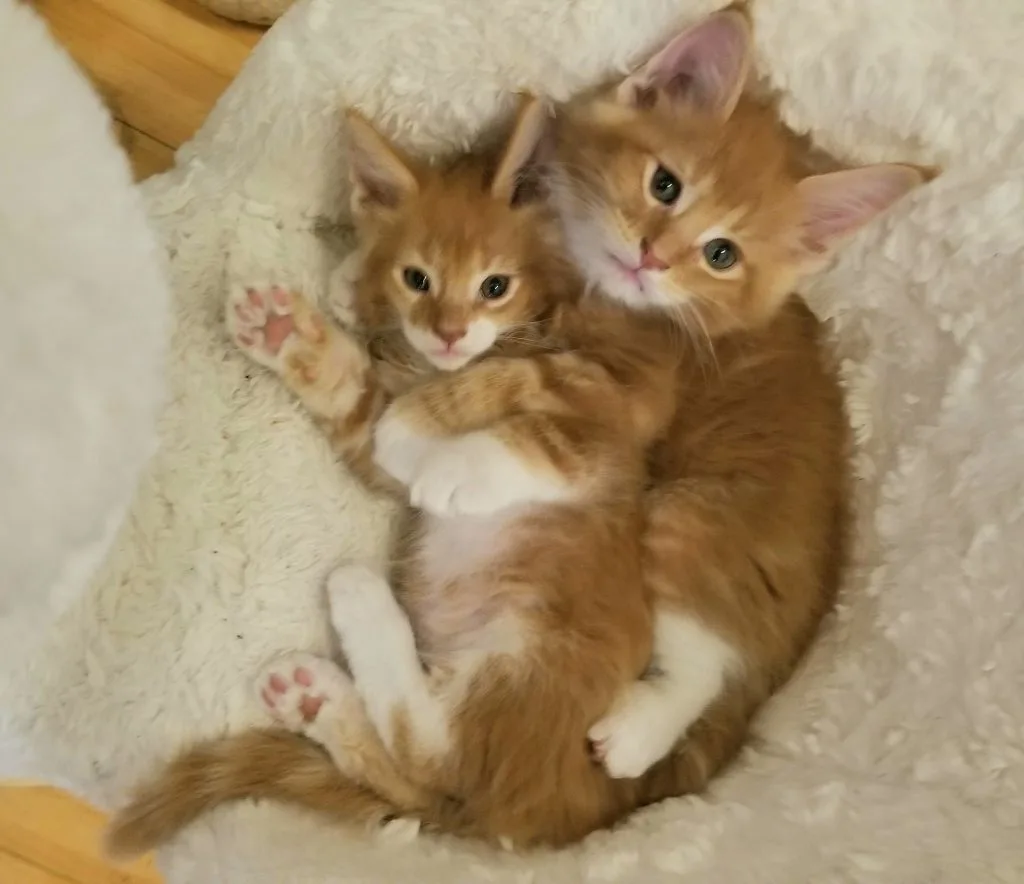
Naming a brother and sister cat pair is a different beast than naming a solo kitten. You're not just picking one name that fits. You're picking two names that need to work together as a unit, sound distinct enough for training, and still let each cat keep their own identity.
Whether you're bringing home two kittens from the same litter or adopting a bonded pair from a rescue, the sibling dynamic changes everything. The good news? With the right framework, you'll land on a pair that feels natural, rolls off the tongue, and actually helps both cats learn their names faster.
Let's break down everything you need to know about brother sister cat names, from sound principles to style breakdowns.
Quick Answer
The best brother sister cat names are short, distinct, and end on different sounds. Think "Jack and Diane" not "Luna and Lucy." The phonetic difference helps both cats distinguish their names faster, which makes training easier and reduces confusion during recall.
Aim for one or two syllable names. Each cat should have a name that doesn't rhyme with the other or the word "no." Themed pairs like "Salt and Pepper" or "Bonnie and Clyde" work well because they create a unified identity without sacrificing sound clarity. Prioritize names you're comfortable yelling across the house.
Why Naming a Brother-Sister Pair Is Trickier Than You Think
Here's the thing nobody warns you about. Sibling cats respond to the sound of their names, not the spelling. That's what animal behavior research tells us.
Cats aren't paying attention to how we write their name on a tag. They're listening for the auditory pattern.
That's why the most common mistake with brother sister cat names is picking pairs that sound too similar. If you go with "Milo and Nilo," you're setting up a real problem. Each cat hears a nearly identical sound pattern.
They have to stop, parse which one actually got called, and decide if the effort of coming is worth it. That hesitation costs you. It blurs the lines of which name belongs to which cat.
This isn't just a random opinion. The ASPCA notes that cats can reliably learn to respond to their names, but only when the sound is reinforced consistently. The clearer the distinction between the two names, the easier that association forms.
Beyond the training angle, there's also the identity question. These are two individual cats with their own personalities. Naming them something overly matchy can accidentally erase that.
Ever met someone with a twin and thought "oh, he's just the other half of a set"? Same risk applies here. We've seen it happen plenty of times.
So the real challenge is balancing three balls at once: picking a theme you love, keeping the sounds distinct for training, and leaving room for each cat's quirks to shine through. That last part is what most naming guides completely ignore.
The Golden Rules of Sibling Cat Names (Sound and Flow)
Before you even start brainstorming, you need a filter. Not every name pair should get the green light just because it sounds cute together in a list. Here's the exact criteria we use to separate functional sibling names from cute-on-paper disasters.
Rule #1: Vary the vowels. This is huge. If one name has a long "e" sound and the other has a short "a" sound, they won't blur together. Think "Beau and Roxie." The vowel sounds are completely different, so the ears catch the difference instantly.
Rule #2: Avoid rhyming endings entirely. It feels like the obvious move, but it's actually the worst one. "Luna and Muna" sounds adorable in theory. In practice, you'll mix them up constantly.
So will they. Pick endings that don't match.
Rule #3: Watch the syllables. One and two syllable names work best. They're punchy, they carry across a room, and they're easy for a cat's ear to process. Three or four syllable names feel fancy, but they slow down recall in a pinch.
Rule #4: Test for the "come" command. Say both names aloud back to back, the way you would when calling for dinner. If they tumble over each other or blend into a mush of sounds, keep looking.
Let's look at some quick winners and losers in table form.
| Pair Style | Examples | Sound Profile | Verdict |
|---|---|---|---|
| Rhyming | Luna / Muna, Milo / Nilo | Nearly identical | Avoid |
| Same vowel | Bella / Jenna, Rocky / Cody | Confusingly similar | Hard pass |
| Compound words | Salt / Pepper, Peanut / Butter | Clear, distinct, fun | Great choice |
| Pop culture | Bonnie / Clyde, Mulder / Scully | Different sounds, shared theme | Strong pick |
| Classic pair | Jack / Diane, Fred / Ethel | Strong contrast in vowels | Excellent |
Image source: Bing (Web (fair-use with source credit))
The pattern here is simple. Great sibling names have a shared theme but completely separate auditory fingerprints. That's the golden rule for all brother sister cat names.
Themed Pairings: Food, Nature, Mythology, and Pop Culture
Once you understand the sound rules, the fun part begins. Finding a theme gives you a launching pad. It narrows down thousands of possible names into a short list, and it makes the pair feel intentional.
Here's how the most popular themes break down, based on our research of aggregate owner preferences across forums and pet forums.
Food pairs are probably the most beloved category. They're cute, they're memorable, and they're endlessly customizable. You've got your sweet classics like "Peanut and Butter." You've got your breakfast options like "Pancake and Waffle." And you've got the elegant ones like "Chai and Mocha." The beauty of this theme is that it works for any personality type.
Food pairs also test well for sound distinction because the items themselves usually sound nothing alike.
Nature pairs bring a calmer, earthier energy. Think "Willow and Aspen," "Fern and Briar," or "River and Meadow." These names age well. They don't feel gimmicky when your kittens hit senior status.
They also roll off the tongue in a way that's melodic and easy on the ears. The downside? Nature names are extremely common right now.
You'll likely end up with a cat whose name matches two other cats in the neighborhood. That's fine if you don't care about competition at the vet's office.
Mythology pairs deliver more punch and personality. "Zeus and Athena" is a popular one. So are "Mars and Luna" (though be careful, Luna has topped name charts for years).
"Thor and Freya" is another strong option. These names carry weight and backstory. They're great if you love storytelling and want each cat to feel like they have a heroic arc.
Just make sure the names are short enough for daily use.
Pop culture pairs are another favorite. "Bonnie and Clyde," "Han and Leia," "Mulder and Scully," even "Shrek and Fiona" if you're feeling silly. These are fun conversation starters.
They often come with built-in personality traits people associate with the characters. The trick is picking a franchise you won't get tired of referencing. That's a surprisingly common regret point in aggregate owner reviews.
Drink pairs round out the list. "Coffee and Cream," "Cocoa and Latte," "Gin and Tonic." These feel a bit more grown-up while still landing in that adorable wheelhouse.
Whichever theme pulls at you, run it through the sound rules first. A cute theme doesn't save a pair that sounds like a tongue twister.
Classic Human Name Pairs That Never Feel Outdated
Sometimes the best sibling names are just regular human names. Plenty of pet owners skip the themed route entirely and go with the classic approach. These are the names that feel like they belong to a brother and sister you'd find at a family reunion.
There's a reason this style never fades. It's simple. It's timeless.
And it gives each cat a dignified, person-like identity.
The old-school duos are a solid starting point. "Jack and Diane" might be a great song lyric, but it's also a fantastic cat name pair. "Fred and Ethel," "Ricky and Lucy," "Bonnie and Clyde." These names carry a vintage charm that suits cats with big personalities.
They also work well because the contrast in vowel sounds makes them easy to distinguish.
The modern classic pairs are a little more understated. "Charlie and Ollie" works if you don't mind that they share the same ending sound, though it's right on the edge. "Leo and Lila" has a nice rhythm.
"Max and Millie" is another crowd-pleaser. For these, pay careful attention to the sound rules we covered earlier. Modern pairs tend to stay in a similar sonic neighborhood, which can blur the lines during training.
Literary duos open another door. "Romeo and Juliet" comes with a heavy backstory (maybe too heavy for some owners). "Hansel and Gretel" has dark implications.
But "Tom and Daisy" (straight from Gatsby) or "Sherlock and Enola" (from the modern retellings) give you that intellectual nod without being on the nose.
The royal approach carries a stately vibe. "William and Kate" might be a bit on the nose, but "Arthur and Guinevere" has a legendary feel. "Elsa and Anna" works if you've got a frozen throne in your living room and a soft spot for Disney.
Image source: Web (Bing) / jindesigns.com (Web image (fair-use with source credit))
The real benefit of human names is that they're neutral. They don't scream "cat named after a salad ingredient" the way food themes can. They just sound like they belong.
And if you ever adopt your cats out or need to take them to a cattery, a normal human name translates better in every context. Nobody mispronounces "Jack." Nobody asks "is that a food thing?
Fun and Whimsical Duos (With a Warning About Gimmicks)
Let's talk about the unhinged side of cat naming. It's fun. It's full of personality.
And it's exactly where most people crash and burn. There's a fine line between a clever pair and a gimmick that stops being funny the first time you need to call the vet. So how do you tell the difference?
The good kind of whimsy adds personality without sacrificing function. "Pickle and Biscuit" is a perfect example. Both names are distinct, fun, and full of character.
They tell you immediately that this pair has a spunky, playful energy. "Gizmo and Pixel" works the same way. "Yeti and Sasquatch" brings a quirky cryptid energy without any confusion about who's who.
The risky kind of whimsy relies on wordplay that sounds clever in a list but falls apart in practice. "Kit and Kat" is the classic example. It celebrates siblinghood and candy at the same time.
But here's the problem. Each cat's name is one syllable away from being the other cat's name in disguise. When they're both hiding under the couch, and you yell "KIT," you're going to get zero response because neither one knows if you mean them.
Same issue with "Tom and Jerry," which also circles back to the cartoon reference almost everyone defaults to.
The politics of a themed pair are sticky too. If you name them "Salt and Chemistry," it's going to take a full explanation every time you bring it up. That's fine if you enjoy the conversation.
But if you're a private person, that gets exhausting fast. The same logic applies to "Salt and Ninja," which implies a shared backstory nobody knows about.
The joke-that-goes-flat happens when the humor depends on a specific cultural moment. Meme names are the biggest offender. "Dogecoin and Bitcoin" might have been funny in 2021.
In 2026, it's a date stamp that says a lot about when you got your cats. These names don't age well, and you'll be living with them for fifteen or twenty years.
The rule of thumb? Test the pair in context. Say "get down off the counter, (name)" 50 times.
Say it with frustration. Say it with love. If the name doesn't feel natural coming out of your mouth in a normal sentence, it deserves a second thought.
Comparing the Best Name Styles: A Side-by-Side Breakdown
By now, you've got a solid list of options across a few different themes. But how do you pick between a food pair and a classic human name? That's the real question.
There's no universal winner for brother sister cat names, but there are specific situations where each style shines brighter than the rest. Here's the breakdown.
| Name Style | Best For | Watch Outs | Sound Distinction | Long-Term Wearability |
|---|---|---|---|---|
| Food pairs | Playful, casual owners | Can feel dated over time | Excellent (usually distinct sounds) | Good |
| Nature pairs | Calm, earthy aesthetics | Very popular, low uniqueness | Good (if vowels differ) | Excellent |
| Mythology pairs | Storytellers, history buffs | Long names need nicknames | Varies wildly | Very good |
| Pop culture pairs | Conversation starters | May age poorly | Depends on choice | Fair |
| Classic human names | Timeless, dignified vibe | Can feel plain to some | Typically strong | Excellent |
| Whimsical/cute | High-energy personalities | Gimmick risk, wordplay trap | Varies by choice | Fair to good |
The pattern that emerges from our research is pretty clear. Nature and classic human names take the top marks for long-term wearability. They don't rely on a specific era, they don't hinge on a reference that might fade, and they generally have strong vowel contrast.
Food pairs score high for everyday usefulness. They're cute, approachable, and easy to remember. But they carry a mild risk of feeling like a punchline by year five.
Most owners report that's a non-issue for them, but it's worth knowing going in.
Mythology pairs and pop culture references sit in the middle. They give you a built-in story and a strong identity. But they're sensitive to aging.
"Thor and Loki" will make perfect sense for the next decade. "Vlad and Dracula" might feel dated if vampire media takes a backseat.
Image source: Web (Bing) / melissa.nexxusti.com.br (Web image (fair-use with source credit))
The bottom line is simple. Match the style to your lifestyle, not the other way around. If you're a foodie family that hosts big dinners, food names are a natural fit.
If you want something that reads as timeless, lean into classic human pairs. If you love telling a story, mythology opens that door. There's no wrong answer as long as the sounds stay distinct and the names bring you joy.

Similar Posts