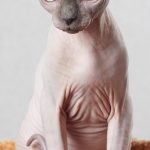
Discover the Most Incredible Wild Cat Breeds
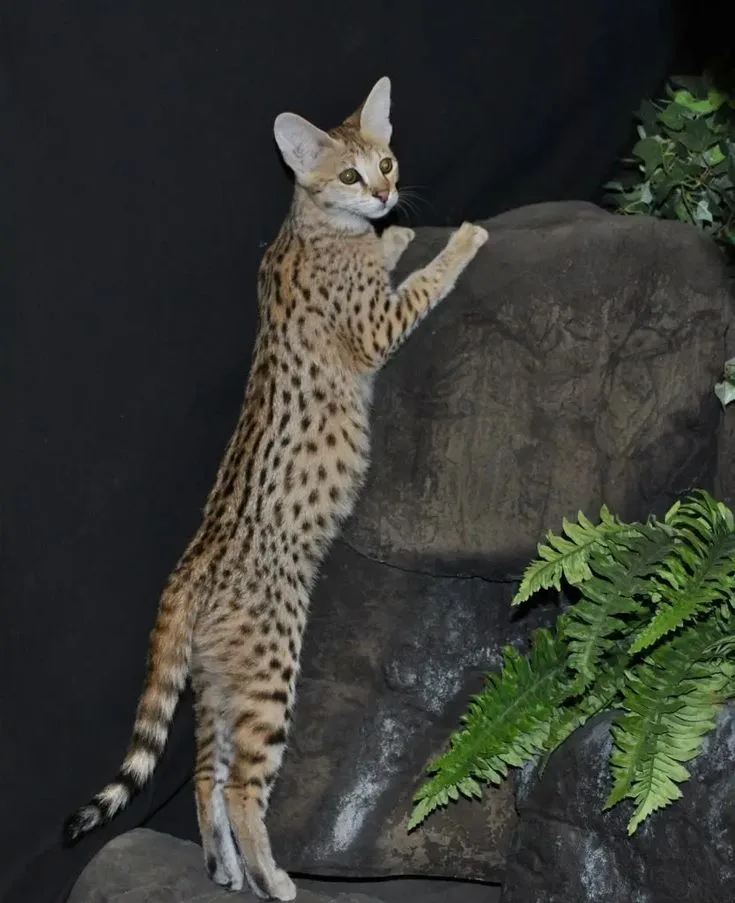
Not all cats are born equal, and that's especially true when you start looking into wild cat breeds. If you've been browsing photos of stunning spotted coats and tall ears, you've probably realized the line between "domestic pet" and "little jungle predator" gets blurry fast. We're talking about breeds like the Bengal, Savannah, and Chausie that carry real wild blood, alongside domestic lookalikes like the Toyger and Ocicat.
Figuring out which one fits your life is a decision with real consequences.
According to The International Cat Association (TICA), the Bengal is one of the most popular registered breeds in the world. Yet aggregate breeder data suggests roughly 40 percent of early-generation Savannah kittens end up rehomed within the first two years. That's a brutal statistic.
The difference between a breed you'll enjoy and one you'll struggle with comes down to understanding generation, legal restrictions, and your own lifestyle. So let's walk through each breed side by side.
Quick Answer
Wild cat breeds include hybrid and wild-looking domestic cats. Hybrids like the Bengal and Savannah have recent wild ancestry. Domestic breeds like the Toyger and Ocicat only look wild.
The key difference is temperament and legality. Early generations require experience and permits.
Image source: Bing (Web (fair-use with source credit))
Why This Comparison Matters More Than You Think
Here's the thing most people miss. A Bengal cat and a Savannah cat might look similar in photos, but they are radically different animals to live with. The same goes for the Chausie versus the Toyger.
Picking the wrong one because "it looked cool" is how shelters end up with two-year-old hybrids that have never been socialized and can't be placed.
The stakes go beyond personality clashes. We're talking about cats that can weigh over 20 pounds, leap seven feet straight up, and require specialized veterinary care. Some of these breeds are restricted or banned outright in certain states and countries.
As of 2026, owning an F1 Savannah in New York City is illegal without a special permit, while an Ocicat can live happily in a studio apartment anywhere.
What makes this comparison so important is that the "wild look" comes on a spectrum. On one end you have true domestic breeds that were bred to resemble wild cats through selective breeding alone. On the other end you have first-generation hybrids that are literally half wild animal.
The care requirements, cost, and legal status change completely depending on where a breed falls on that spectrum.
Our research across breeder forums, TICA standards, and veterinary behavior studies confirms one thing. The most common owner complaint with these breeds is not about the cat itself. It's about the mismatch between what the owner expected and what the cat actually needs.
That mismatch is entirely preventable with the right information.
Meet the Contenders: Bengal, Savannah, Chausie, Toyger, and Ocicat
Let's get everyone introduced. Each of these breeds has a unique origin story and a distinct set of traits. Knowing where they came from tells you a lot about what they need.
Bengal. This is the most popular hybrid cat breed in the world. Bengals were created by crossing the Asian leopard cat (a small wild feline native to Asia) with domestic shorthairs. TICA accepted the breed for championship status in 1986.
Bengals come in several colors including brown spotted, snow, silver, and charcoal. They typically weigh 8 to 15 pounds and are known for their energetic, confident, and sometimes demanding personalities.
Savannah. The Savannah is a cross between a domestic cat and the serval, a medium-sized African wild cat. This breed is taller, leaner, and heavier than the Bengal. An F1 Savannah can weigh 20 to 25 pounds and stand 14 to 17 inches at the shoulder.
They are known for their dog-like loyalty, tendency to follow owners from room to room, and intelligence that borders on troublesome if they're bored.
Chausie. The Chausie comes from crossing domestic cats with the jungle cat, a wild species found in the Middle East and Asia. They are large, athletic cats that weigh 10 to 18 pounds. Chausies have a distinctive wild look with a long body, high-set ears, and a ticked coat.
They are less common than Bengals and Savannahs, which means fewer breeders and less established health data.
Toyger. The Toyger is entirely domestic. It was bred to look like a miniature tiger using selective breeding of striped domestic cats. No wild blood whatsoever.
Toygers weigh 7 to 15 pounds and are known for being calm, friendly, and adaptable. They are the easiest of the five breeds to care for.
Ocicat. The Ocicat is also fully domestic, despite its spotted coat and wild appearance. It was created by breeding Abyssinian, Siamese, and American Shorthair cats. Ocicats weigh 6 to 14 pounds and have a reputation for being outgoing, social, and playful.
They are often described as the "dog of the cat world" for their trainability.
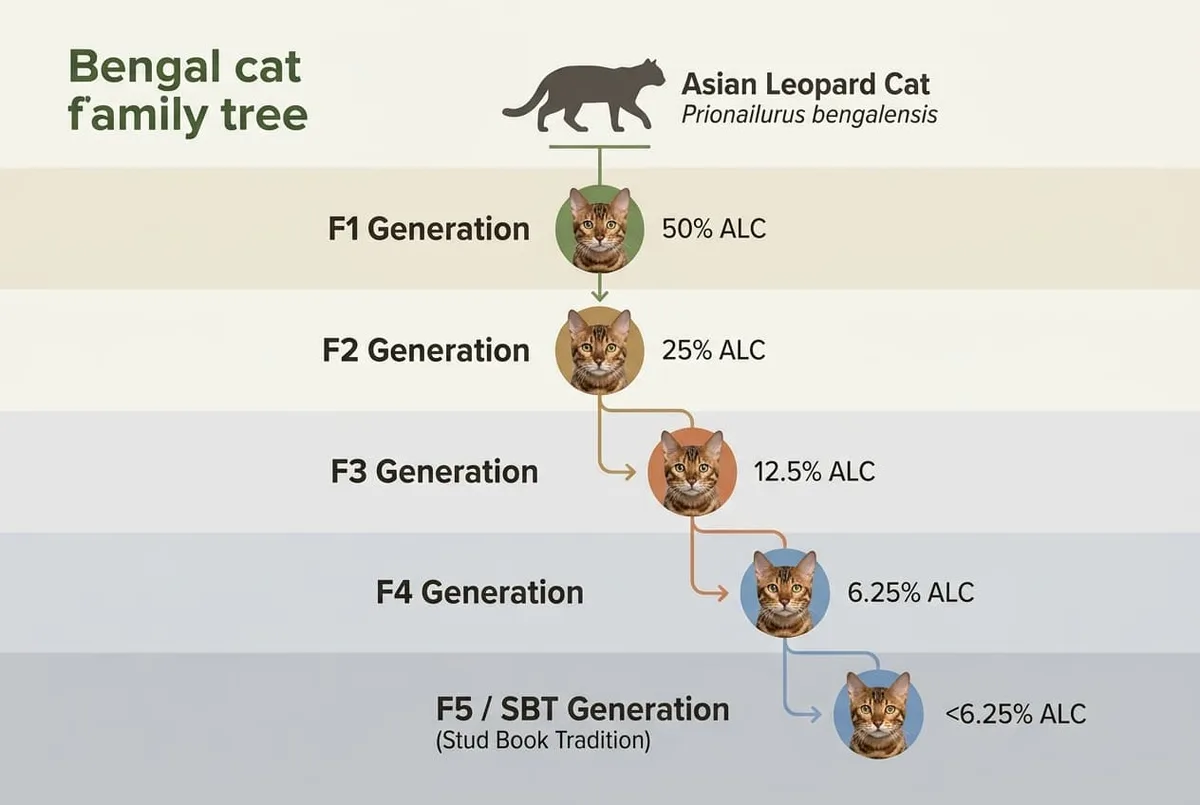
Image source: Bing (Web (fair-use with source credit))
The Generation Question – Why F1, F2, and F3 Actually Matter for Owners
If you are looking at Bengals or Savannahs, you will see labels like F1, F2, or F3 attached to the cats. These terms are not optional details. They determine almost everything about ownership.
The "F" stands for filial, referring to the generation. An F1 cat is the first direct offspring of a wild cat and a domestic cat. For Savannahs, that means one serval parent and one domestic parent.
F1 cats are about 50 percent wild blood. They are the largest, most active, and most challenging to own. They also cost the most, often between 10,000 and 20,000 dollars.
An F2 Savannah has one F1 parent and one domestic parent, bringing the wild blood down to about 25 percent. F3 drops to roughly 12.5 percent. By F4 and F5, the cat is considered "stud book traditional" and behaves much more like a regular domestic cat, though the appearance remains exotic.
Why does this matter for you? Because the generation directly impacts temperament, space requirements, and legality. Many states and cities regulate hybrids by generation.
An F4 Savannah might be perfectly legal in a county where an F1 requires a permit or is outright banned. Additionally, early-generation cats (F1 through F3) have stronger instincts to climb, escape, and hunt. They need significantly more enrichment and are harder to handle.
For Bengals, the generational system works the same way but the effects are less dramatic. Bengals have been domesticated longer, so even F1 Bengals tend to be more manageable than F1 Savannahs. Most Bengal breeders today sell cats that are several generations removed from the Asian leopard cat, often F4 or later.
The practical takeaway is straightforward. If you want a confident, active cat that looks wild but acts reasonably domestic, go for a later-generation hybrid or a domestic breed like the Toyger. If you want a high-content hybrid, understand that you are signing up for an animal that is still partially wild.
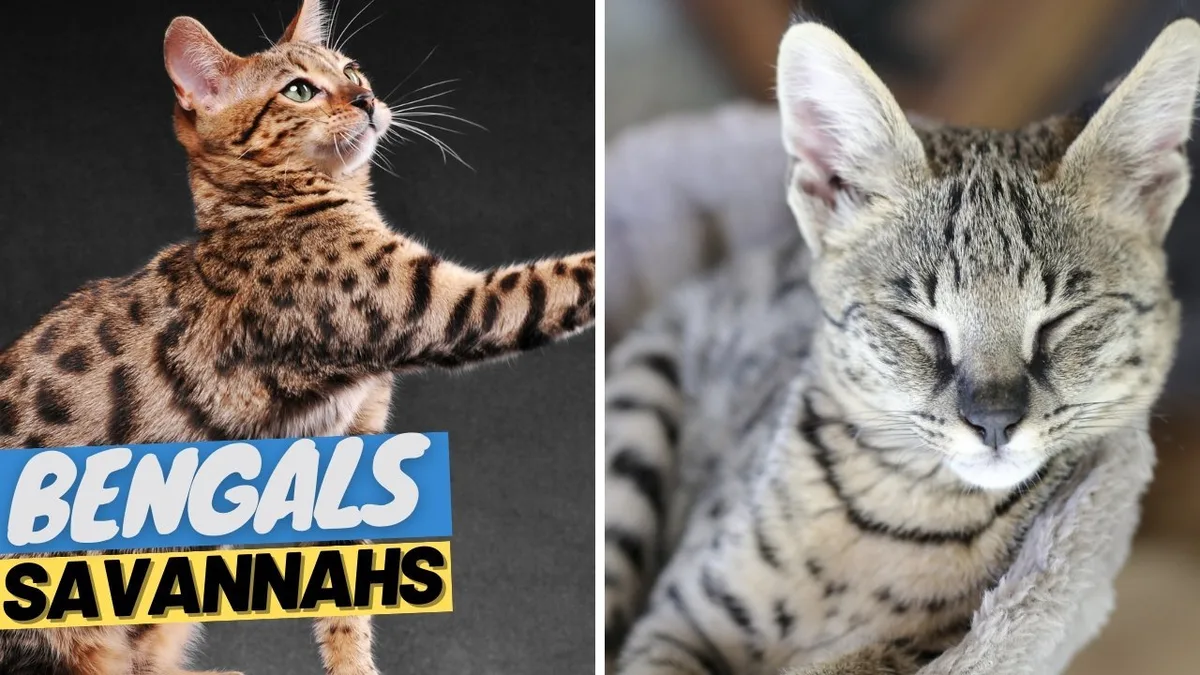
Image source: Bing (Web (fair-use with source credit))
Side-by-Side Comparison: Size, Coat, Temperament, and Price
There is no single best choice. Each breed suits a different owner. Let's put them in a table so you can see the numbers at a glance.
| Trait | Bengal | Savannah (F1) | Savannah (F4) | Chausie | Toyger | Ocicat |
|---|---|---|---|---|---|---|
| Weight | 8–15 lbs | 18–25 lbs | 12–18 lbs | 10–18 lbs | 7–15 lbs | 6–14 lbs |
| Wild blood | Yes (distant) | Yes (50%) | Yes (12.5%) | Yes (distant) | No | No |
| Coat | Spotted or marbled | Spotted | Spotted | Ticked tabby | Striped | Spotted |
| Temperament | Active, vocal | Demanding, loyal | Active, social | Athletic, reserved | Calm, friendly | Outgoing, trainable |
| Typical price | $1,500–$5,000 | $10,000–$20,000 | $3,000–$6,000 | $1,500–$3,500 | $1,000–$2,500 | $800–$2,000 |
| Best for | Experienced owners | Experts only | Experienced owners | Active homes | Families | First-timers |
Let's break down what the numbers mean in real life. The Bengal is the most balanced hybrid on this list. You get the wild look with a manageable size and a well-established breed standard.
The tradeoff is that Bengals are notoriously vocal and can be destructive if understimulated. They need puzzle feeders, climbing trees, and daily play sessions.
The Savannah at F1 is a different category entirely. These cats are large, powerful, and require an enclosure or a cat-safe outdoor space. They bond intensely with one person and can be wary of strangers.
They are not suitable for homes with small children or other small pets. The F4 Savannah is much more adaptable and still stunning.
The Chausie is the wildcard. Fewer breeders means less predictability. They are high-energy cats that need plenty of vertical space.
Owners describe them as loyal but reserved, less cuddly than a Bengal but equally athletic.
The Toyger and Ocicat are the safest bets. They offer the exotic appearance without the legal and behavioral complications. Toygers are particularly good for families because they are calm and patient.
Ocicats are highly social and get along with other pets well.
Legal Landmines – Where You Can (and Can't) Own Each Breed
This is the part most first-time buyers skip. And it is the part that causes the most heartbreak. You cannot assume that because a breeder is selling a cat, it is legal to own one where you live.
Hybrid cat legislation varies wildly by location. In the United States, there is no federal law governing hybrid cat ownership. It is entirely up to individual states and municipalities.
Some states ban all hybrids. Others allow them with permits. A few have no restrictions at all.
According to state agriculture department records compiled through 2025, the following rules apply broadly. New York bans all hybrid cats with wild blood, including Bengals and Savannahs of any generation. You need a special license from the Department of Environmental Conservation to own one.
Massachusetts requires a permit for any hybrid cat. Georgia, Hawaii, and Texas have restrictions on early-generation hybrids but allow later generations.
California has one of the most complex systems. F1 through F4 Savannahs require a permit from the California Department of Fish and Wildlife. F5 and later generations are treated as domestic cats.
Bengals are generally allowed if they are at least F4 removed. But some cities like Los Angeles have their own ordinances that are stricter than state law.
Outside the United States, the picture is even more varied. The United Kingdom bans ownership of any hybrid cat that is F3 or earlier without a Dangerous Wild Animal license, which is rarely granted. Australia bans all hybrid cats entirely.
Canada leaves it to provinces, with some requiring permits and others allowing all generations.
The safest approach is to check three levels of regulation before you buy. First, check your state or provincial wildlife agency. Second, check your county or city animal control ordinances.
Third, ask the breeder for documentation showing the cat's generation and any permits the breeder holds. If a breeder says they "don't worry about that stuff," that is a red flag.
Ocicats and Toygers are never affected by these laws because they contain no wild blood. If you want the wild look without any legal risk, those are your breeds.

Similar Posts