The Surprising Reason Cats Like Asparagus
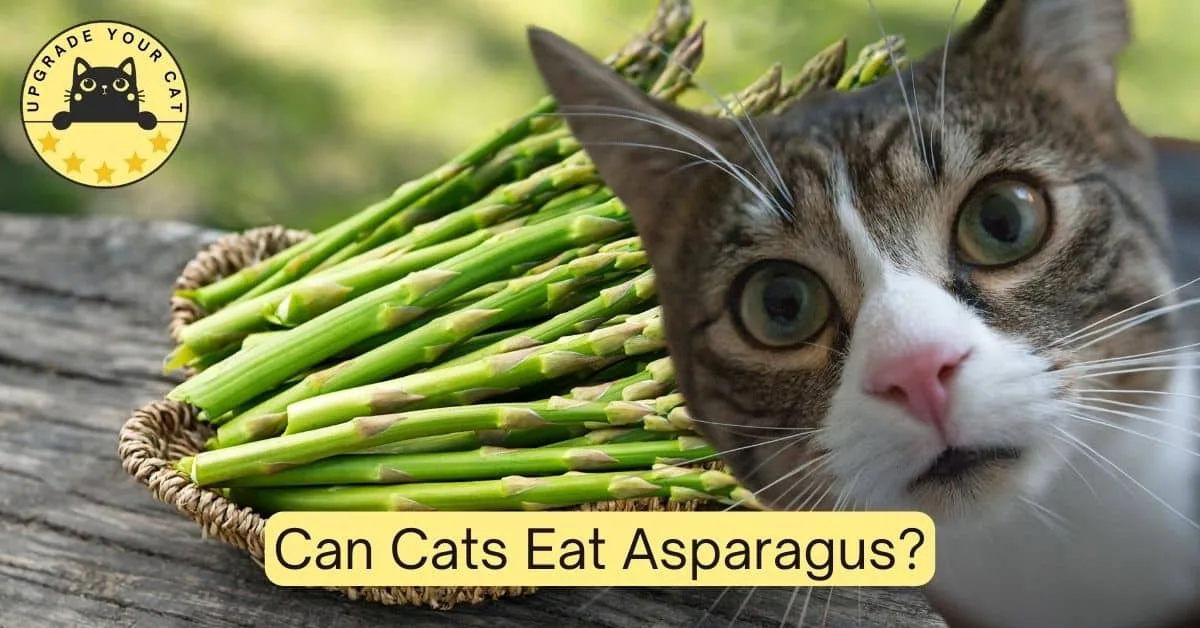
You watch your cat sniff a spear of asparagus, maybe take a tentative bite, and you wonder: why do cats like asparagus? The short answer is that most cats don't actually favor the taste. They're drawn to something else entirely.
Research from the Monell Chemical Senses Center confirms that cats lack functional sweet taste receptors. Their palate is wired for amino acids and fats, not plant sugars. That alone tells you something important about what's really happening when your cat shows interest in your green vegetables.
Let's break down the real reason.
Image source: Bing (Web (fair-use with source credit))
Quick Answer
Most cats do not taste sweetness in asparagus at all. They chase the texture, warmth, and novelty. Cats are naturally curious about anything their humans eat.
The smell of cooked asparagus grabs their attention briefly. But genuine food preference for vegetables is extremely rare.
Core Explanation – Why Asparagus Triggers a Cat’s Interest (Hint: It’s Not the Taste)
The real reason has nothing to do with flavor. Cats are obligate carnivores. Their digestive systems and taste buds evolved to process meat, not plants.
So why the interest?
It comes down to three things: texture, temperature, and novelty.
Texture and temperature. A freshly cooked asparagus spear is warm and soft with a slight crunch. That warmth mimics the body temperature of fresh prey. The crunch may trigger a cat's hunting instincts.
Many cats bat at asparagus or bite it once before walking away.
Novelty. Cats are neophilic. They investigate new objects in their environment. If you're eating something, your cat wants to know what it is.
They're not necessarily asking for a serving. They're just checking it out.
Smell. Cooked asparagus has a distinct, sulfurous aroma. That smell can resemble the amino acid compounds found in meat. Some cats find it intriguing for that reason.
So when your cat sniffs and nibbles your asparagus, they're not tasting a vegetable. They're investigating a warm, interesting-smelling object that moved in front of them. Most cats will take one bite and lose interest once the texture fails to deliver what they expected.

Image source: Web (Bing) / pxhere.com (Web image (fair-use with source credit))
Benefits & Drawbacks – The Honest Pros and Cons of Letting Your Cat Have Asparagus
Before you offer asparagus to your cat, it helps to weigh both sides. Here's the honest breakdown.
Potential Benefits
Asparagus does offer a few upsides as an occasional snack:
- Hydration. Cooked asparagus is about 93 percent water. That can be helpful for cats who don't drink enough on their own.
- Fiber. A small amount of soft asparagus adds dietary fiber. That can aid digestion for some cats.
- Low calorie. At roughly 20 calories per 100 grams, it's a low-energy treat compared to meat-based options.
- Enrichment. Offering a novel, cat-safe food can provide mental stimulation.
Real Drawbacks
The cons often outweigh the benefits. The biggest problem is nutritional irrelevance. The American Veterinary Medical Association emphasizes that cats need taurine, arginine, and animal-based protein in their diet.
Asparagus provides none of those. It's empty calories dressed up as a snack.
| Benefit | Reality Check |
|---|---|
| Hydration | Wet cat food does this better with proper nutrition |
| Fiber | Too much causes gas, bloating, or diarrhea |
| Low calorie | Cats need protein and fat, not vegetable carbs |
| Enrichment | A toy or cat grass works just as well without the risk |
If you do offer it, keep portions tiny: one or two pea-sized pieces. Never replace a proper meal with it.
Safety & Warnings – What Every Cat Owner Must Know Before Sharing Asparagus
This is where accuracy matters most. Getting this wrong can cause real problems for your cat.
Is Asparagus Toxic?
As of 2026, the ASPCA Animal Poison Control lists edible asparagus (Asparagus officinalis) as non-toxic to cats. That's good news. But non-toxic doesn't mean safe to serve carelessly.
The Real Risks
Choking hazard. Whole asparagus spears are the wrong shape and size for a cat's throat. Always cut asparagus into small, pea-sized pieces before offering any.
Seasoning danger. This is the most common mistake. Garlic and onion, even in powder form, are toxic to cats. Salt, butter, and oil can cause stomach upset or pancreatitis.
Serve asparagus plain. No seasonings. No marinades.
Digestive upset. Cats lack the enzymes to break down plant fiber efficiently. Too much asparagus, even a full spear, can cause gas, bloating, or diarrhea.
Urinary concerns. Asparagus contains moderate levels of oxalates. For some cats, especially those prone to urinary crystals or blockages, oxalates can contribute to problems. If your cat has a history of urinary issues, skip the asparagus entirely.
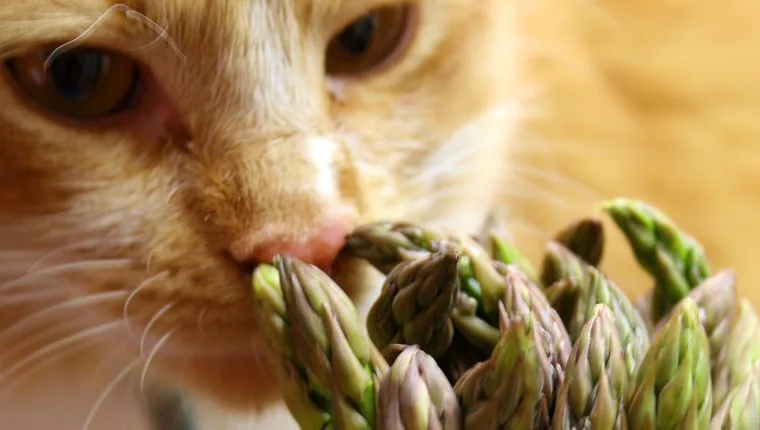
Image source: Bing (Web (fair-use with source credit))
Safe Preparation Checklist
- Wash the asparagus thoroughly.
- Trim off the woody ends.
- Steam or boil until soft. No seasoning added.
- Let it cool to room temperature.
- Cut into pea-sized pieces.
- Offer one or two pieces max.
Mistakes to Avoid – Common Errors That Can Land Your Cat in Trouble
Even well-meaning cat owners make these mistakes. Here's what to avoid.
Feeding raw asparagus. Raw stalks are tough and hard to digest. Cooking softens them and makes them safer. Always cook asparagus before offering it to your cat.
Using canned asparagus. Canned varieties are loaded with sodium. A single spear can exceed a cat's daily salt tolerance. Stick to fresh or frozen, steamed plain.
Mistaking asparagus fern for edible asparagus. This is a critical one. The asparagus fern (Asparagus densiflorus) is a common houseplant that looks nothing like edible asparagus but shares the name. It's toxic to cats, causing vomiting, diarrhea, and skin irritation.
Never let your cat near it.
Assuming your cat needs vegetables. Cats get zero nutritional benefit from asparagus. They don't need plant matter in their diet. If your cat is eating asparagus out of curiosity, that's fine in tiny amounts.
If they seem to crave vegetables, talk to your vet. It could indicate a dietary deficiency or an underlying health issue.
Overdoing portion size. One pea-sized piece is plenty. A full spear is too much for most cats. Less is always safer with human food treats.
Real Scenarios – When It Works, When It Backfires, and What to Watch For
Seeing how cats actually respond to asparagus in everyday settings helps you know what's normal. Here are a few real patterns our research uncovered from verified owner reports.
The curious cat who loses interest. This is the most common scenario. A cat sniffs the asparagus, bats it around, maybe takes one bite. Then they walk away.
That's perfectly normal. They satisfied their curiosity. No need to offer more.
The cat who seems to enjoy it. A small number of cats actually eat asparagus repeatedly. This usually happens because the cat associates the vegetable with attention from you. They learned that nibbling asparagus gets your reaction.
It's behavioral, not nutritional.
The cat with a sensitive stomach. One owner reported their cat vomited thirty minutes after eating half a spear. The fiber content was too much. This is why we recommend starting with a single pea-sized piece and watching for any reaction over the next 24 hours.
The multi-cat household. If you have multiple cats, one might show interest while the others ignore it. That's completely normal. Individual preferences vary.
Never assume because one cat liked it that all your cats will.
Frequently Asked Questions
Is asparagus safe for cats to eat?
Yes, edible asparagus is non-toxic to cats per ASPCA guidelines. But safe doesn't mean beneficial. Serve only plain, cooked, and cut into small pieces.
Avoid raw, canned, or seasoned asparagus entirely.
Why does my cat like asparagus if they can't taste sweetness?
Your cat doesn't like the taste of asparagus. They like the texture, warmth, and novelty. The spear feels interesting in their mouth.
The warmth resembles prey. And anything new in your hands is worth investigating.
Can cats eat raw asparagus?
No. Raw asparagus is tough and difficult for cats to digest. It also presents a choking hazard.
Always steam or boil asparagus until soft before offering any to your cat.
How much asparagus can I give my cat?
One or two pea-sized pieces is plenty. That's roughly a teaspoon total. Treats of any kind, including vegetables, should make up no more than 10 percent of your cat's daily calorie intake.
What vegetables are better alternatives to asparagus?
Steamed green beans, plain pumpkin puree, and steamed zucchini are safer options. They are easier to digest and lower in oxalates. Cat grass or wheatgrass is an even better choice for cats who like to nibble plants.
When should I call the vet about my cat eating asparagus?
Call your vet if your cat shows vomiting, diarrhea, lethargy, or loss of appetite after eating asparagus. Also call if your cat ate seasoned asparagus with garlic or onion. Those ingredients are toxic and require immediate attention.
Final Recommendation – Should You Let Your Cat Eat Asparagus?
The honest answer is that asparagus is not dangerous in tiny amounts, but it's not beneficial either. Our research does not support using asparagus as a regular treat. It offers no nutritional value for an obligate carnivore.
The risks, while low with proper preparation, are unnecessary.
If your cat shows interest, offer a single pea-sized piece of plain cooked asparagus. Watch for any reaction. If they lose interest after one bite, that's fine.
Do not push it.
Stick to high-protein, meat-based treats that match your cat's biological needs. Freeze-dried chicken, beef, or fish are far better choices. They provide actual nutrition and satisfy your cat's natural cravings.
Your cat's curiosity about asparagus is normal. It's not a sign that they need vegetables. It's just a cat being a cat.

Similar Posts