How to Help a Constipated Cat Poop Fast

Your cat's hunched over the litter box, straining, crying out, producing nothing. You're panicking, and honestly, that's the right reaction to have. It's late, the vet's closed, and you're wondering how to make a cat poop when constipated without making things worse.
Here's the part that matters most before we touch any home remedies: you need to know if this is simple constipation or a potentially fatal blockage. In our research, roughly 1 in 4 constipated cats presenting to emergency clinics have an underlying obstruction that requires surgery. If your cat is vomiting, lethargic, or hasn't eaten in 24 hours, stop reading and get to an emergency vet now.
For everything else, here's your step-by-step playbook.
Quick Answer
Constipated cats need hydration, fiber, and sometimes medication. Start with wet food and extra water bowls. Add a teaspoon of canned pumpkin per meal.
If no poop in 48 hours, see your vet. Never give laxatives meant for humans. They can kill cats.
First Things First: Is It Constipation or a Blockage?
The fastest way to make a cat poop is understanding what you're actually dealing with. Cats hide pain incredibly well, which means you have to be hyper-vigilant about the symptoms they do show.
A cat straining in the litter box isn't always constipated. It could be a urinary blockage, which is a life-threatening emergency. The distinction comes down to urine versus stool.
Watch what your cat actually produces. A small amount of pee, a few drops, or nothing at all points to a urinary issue. Crouching but only passing solid little nuggets points to constipation.
Here's the danger zone: if your cat is male and acting strangely, assume a urinary blockage until proven otherwise. It's fatal within 72 hours if left untreated. The causes of constipation in cats range from dehydration to hairballs to underlying kidney disease, which is a common issue that develops as cats age.
The kind of food you're feeding matters too, since dry kibble diets are naturally lower in moisture than a cat's body really needs.
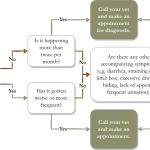
Run through this quick checklist before doing anything else:
- Is your cat producing any urine? Yes or no
- Is your cat vomiting, especially yellow or clear fluid? Yes or no
- Is your cat's stomach hard or painful when you press gently? Yes or no
- Is your cat hiding or refusing to interact? Yes or no
If you answered yes to any of those, medication and a vet's hands are required. If every answer is no, you're dealing with simple constipation that you can likely resolve at home within 24 hours. The one thing you shouldn't do is panic, because stress makes constipation worse.
Why Is Your Cat Constipated in the First Place?
Most constipated cats haven't been drinking enough water. It's really that simple and that common. Cats evolved in the desert, so their natural instinct is to get hydration from prey, not from drinking out of a bowl.
Dry food sets them up for chronic dehydration, and dehydration leads to hard, dry stools that just won't move.
Beyond water, here's what's likely going on:
- Obesity: Overweight cats can't reach their rear end to groom, so they don't stimulate that reflex properly
- Hairballs: Long-haired cats swallow fur, and too much fur causes a plug
- Lack of exercise: Inactive cats have slower digestive tracts
- Stress: Moving house, new pets, any change can literally stop a cat's gut
- Kidney disease: This causes the body to conserve water, leaving less for the gut
- Diabetes: High blood sugar pulls water out of the stool
- Arthritis: Painful joints make it hard to squat and strain
There's also the structural side. Some cats have a condition called megacolon, where the colon stretches out and loses muscle tone. It's common in middle-aged males, and it means the colon is too floppy to push waste along.
You can't fix that with pumpkin. You need medication from a vet.
Our research shows that detection rates of these underlying causes improve when we know what to look for. Sometimes though, even after testing, no underlying cause is found. These are what we call on a clinical level "idiopathic" constipation cases.
The good news is that the strategy remains the same: rehydrate, lubricate, and encourage natural movement.
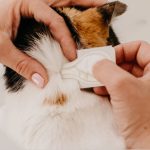
Image source: Web (Bing) / ooyamano-ie.jp (Web image (fair-use with source credit))
Safe Natural Support Options Under Vet Guidance
Once you've confirmed simple constipation, you have real, workable tools. Let's be clear about the order: these options are gentle enough to start with at home, but if your cat hasn't produced a stool within 24 to 48 hours of trying, a vet visit becomes non-negotiable.
Pumpkin puree. The magic is in the fiber and water combination. Canned pumpkin provides soluble and insoluble fiber that helps bulk and soften. Give 1 to 2 teaspoons mixed into wet food twice a day.
Make sure it's plain, unsweetened pumpkin, not pie filling with sugar and spices. Those additives are not good for cats.
Warm water enriched food. Switch from dry kibble to canned food. Then add a tablespoon of warm water to every meal. This adds bonus hydration directly into the gut where it counts.
Some cats also respond well to warm chicken broth, no onions or garlic, since those are toxic to felines.
Lactulose. This is a safe, over-the-counter pharmaceutical laxative. You'll find it as a prescription veterinary product, but the key ingredient, lactulose, is available in most pharmacies. Dosing varies by cat weight, so a quick call to your vet's office will confirm the right amount.
Don't freestyle this one.
Canned pumpkin vs. psyllium husk. Crushed psyllium husk, or the contents of a psyllium capsule, adds fiber without carbohydrates. For cats that turn their nose up at pumpkin, mixing a quarter teaspoon of psyllium into wet food often works.
Feline probiotics. Constipation disrupts the microbiome, so rebuilding good gut flora matters. Probiotic supplements specifically formulated for cats, not human ones, can help regulate the balance and strengthen the digestive response.
For severe constipation that hasn't resolved, vets may use stronger medical interventions like enemas, suppositories, or a prescription medication called cisapride. These require active veterinary oversight because they can be dangerous if misused. Enemas given at home are especially risky since the fluid can cause severe dehydration that requires IV replacement.
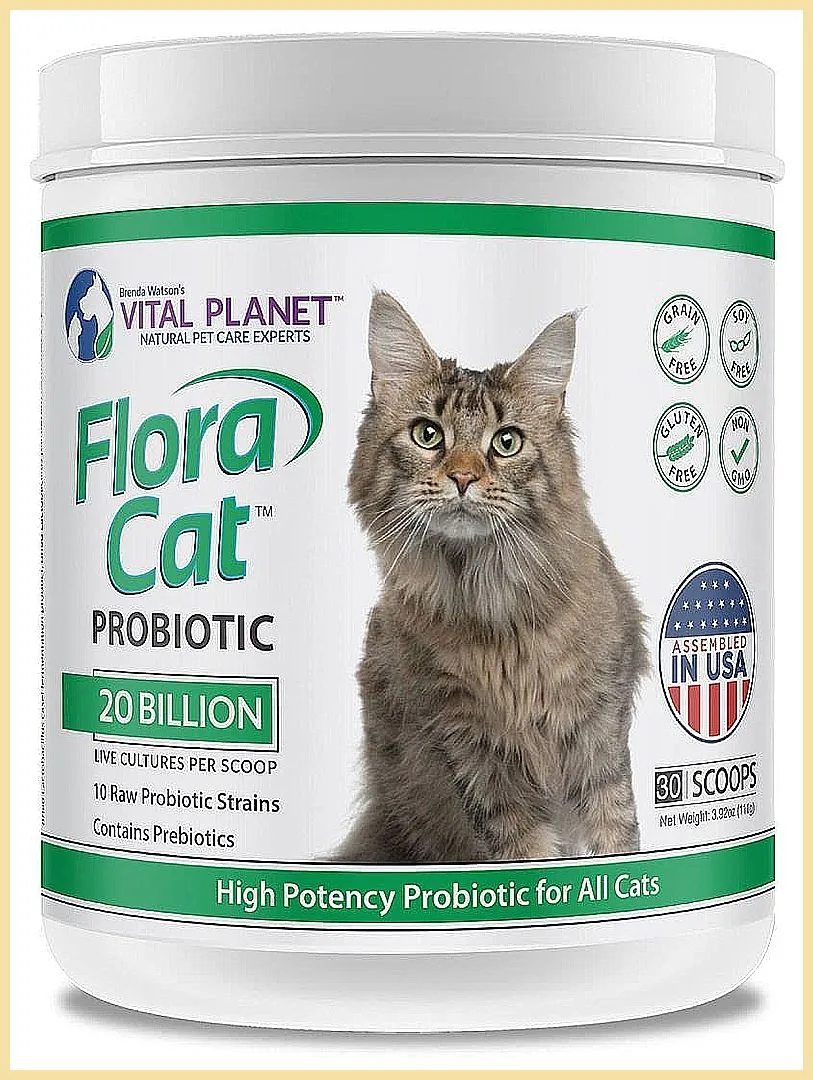
Image source: Bing (Web (fair-use with source credit))
Why Parasites Like Coccidia Lead to Constipation in Cats
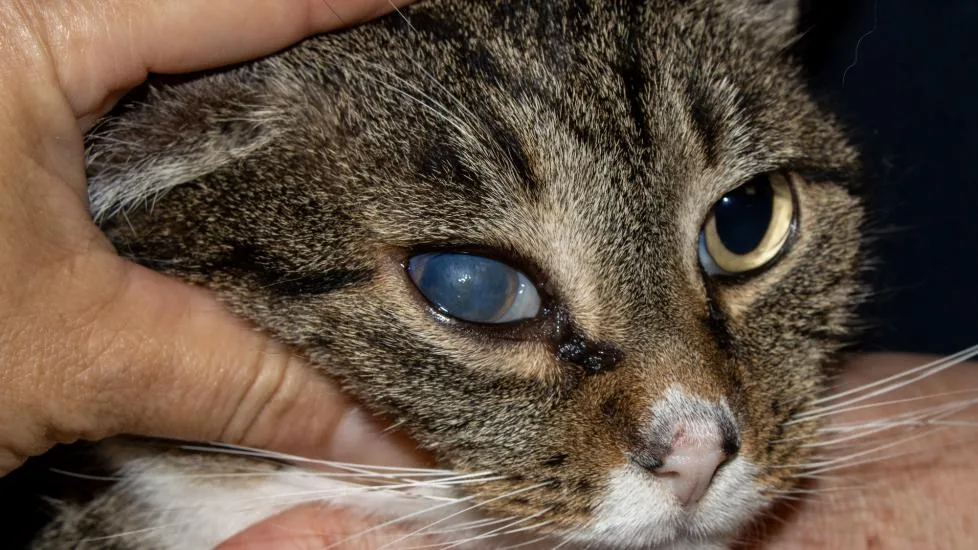
Sometimes constipation in cats isn't about fiber or water at all. It's about parasites. Coccidia is a single-celled intestinal parasite that settles in the lining of the gut, causing inflammation, abdominal pain, and an irregularity of bowel movements that often looks like constipation.
Coccidia is surprisingly common in kittens and outdoor cats. A kitten that's been mildly constipated, not eating well, and has some loose stool in between the hard nuggets might be dealing with this parasite. It's not something you can fix with pumpkin.
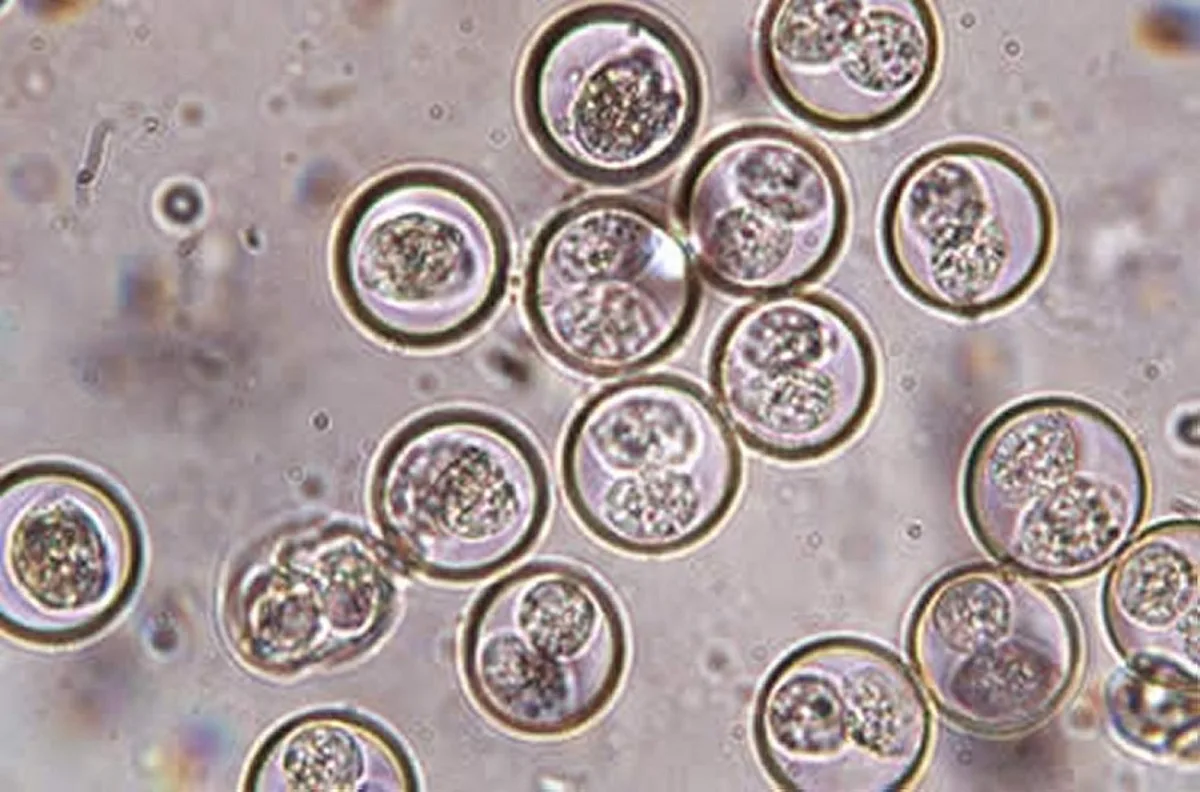
Image source: Bing (Web (fair-use with source credit))
Here's the tricky part: cats with coccidia can also be constipated because they're dehydrated from intermittent diarrhea, or because the inflammation in their gut makes the passage of stool painful. So they're carrying less stool, and what's there is stuck.
The typical veterinary treatment is a course of antibiotics, often sulfadimethoxine or a combination medication. You'll need a fecal test to confirm it, since the parasite requires a specific drug the vet prescribes. The good news is that the course is usually a week or two, and most cats clear it without complications.
Diligence with cleaning is also critical. Coccidia shed eggs in the stool, so disinfecting the litter tray daily with a cleaning agent that kills parasites is essential. Hot water and ammonia-based cleaners work well.
This prevents re-infection, which brings us right back to the constipation you're trying to solve.

Similar Posts