Why Do Cats Like Fish? The Surprising Truth

If you've ever cracked open a can of tuna and watched your cat materialize from nowhere, you've asked the same question: why do cats like fish so much? It's not just a quirky preference. The answer lives in their biology, taste receptors, and even their history, though maybe not the evolutionary story you'd expect.
Our research shows cats have an unusually strong sensitivity to umami flavors, specifically triggered by amino acids abundant in fish tissue. That explains a lot about their enthusiasm. But the real picture gets more important once you look at the hidden risks that come with feeding fish too freely.
As of 2026, veterinary nutritionists still recommend fish as an occasional treat, not a dietary staple. Let's unpack what's really happening.
Image source: Web (Bing) / pxhere.com (Web image (fair-use with source credit))
Quick Answer
Cats like fish for two reasons. Taste receptors pick up umami compounds in fish tissue. Their powerful sense of smell detects strong odors from far away.
But fish is not a natural daily food. It carries real health risks.
The Quick Biology Lesson: Why Cats' Brains Are Wired for Fish
Cats are obligate carnivores. Their bodies are designed to run on animal protein. That's not a preference, it's a biological requirement.
Their taste buds reflect this need in surprising ways.
Unlike humans, cats can't taste sweetness at all. They lack the necessary receptors. What they do have is an unusually strong ability to detect umami, the savory, meaty flavor that signals high protein content.
Fish tissue is loaded with the specific amino acids and nucleotides that trigger this response. This is confirmed by AAFCO's nutrient profiles, which recognize animal-based protein as essential for feline health.
Smell amplifies the effect. Cats have about 200 million olfactory receptors, nearly 40 times more than humans. Fish oils and proteins release volatile compounds that travel quickly through the air.
That's why your cat knows the moment you open a can.
Cats also carry a modified version of the Tas1r1 gene, which codes for umami detection. This genetic adaptation helps them identify high-protein foods instinctively. Fish, with its dense protein and strong signature odor, triggers a full response.
When fish breaks down, it releases trimethylamine. Cats detect this compound at extremely low concentrations. Their brain processes that scent as "food is here" before you've even taken the fish out of the fridge.
But here's the critical point. A strong biological drive toward a flavor doesn't mean a particular food is safe in large amounts. The wiring in their brain says "protein source, eat it." It doesn't account for modern concerns like mercury levels or nutrient imbalances.
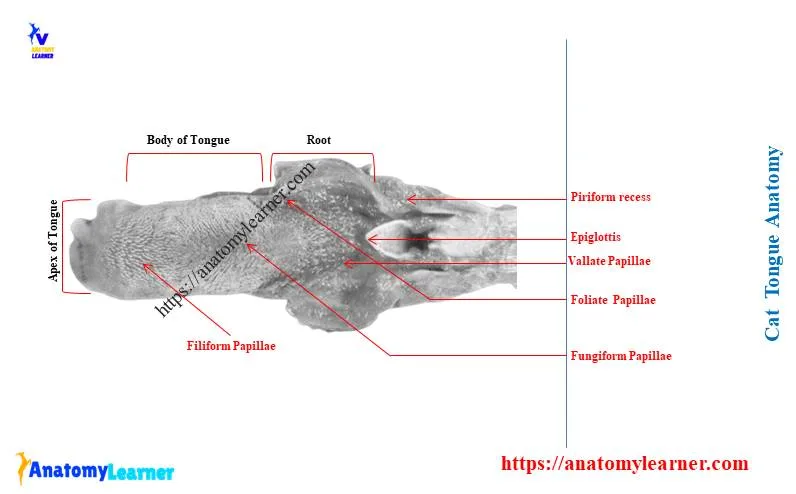
Image source: Bing (Web (fair-use with source credit))
The Evolutionary Truth: Did Wildcats Actually Eat Fish?
The short answer is no, not really. Domestic cats trace their ancestry to the African wildcat (Felis lybica), a species that evolved in dry, desert-like environments. These cats didn't fish.
They hunted small rodents, birds, and reptiles.
So where did the fish connection come from? It started with humans. Ancient Egyptians and other early civilizations kept cats near the Nile and other waterways.
Cats likely scavenged fish scraps around human settlements. Over generations, they learned to associate fish with an easy meal.
Historical records show that cats living near fishing communities adapted to eating fish scraps. But they ate small amounts, not whole meals. Their diet still revolved around rodents and birds.
The modern pet food industry popularized fish-based formulas in the mid-20th century. Fish meal was cheap and commercially available. Cats found it palatable, so manufacturers kept using it.
That economic decision shaped our current assumptions about what cats "naturally" eat.
A learned preference is different from an evolutionary adaptation. A cat's digestive system is built for small prey, not marine protein. That distinction matters when we talk about long-term health.
Your cat's wild ancestors never ate a steady diet of tuna or salmon. Their bodies didn't evolve specialized enzymes to process the high levels of unsaturated fats found in fish day after day.
The Hidden Risks: Thiamine, Mercury, and Fish Addiction
Feeding fish to your cat isn't inherently dangerous. But it can become one if done carelessly. Three main risks stand out.
Thiamine deficiency. Raw fish contains an enzyme called thiaminase that destroys thiamine, also known as vitamin B1. Cats need thiamine for brain function and energy metabolism. Without it, they can develop neurological symptoms like seizures, ataxia, and vision problems.
Symptoms include dilated pupils, circling, head tilting, and loss of appetite. The condition is treatable if caught early, but it can cause permanent neurological damage. Cooking fish destroys thiaminase, which is why raw fish is far riskier.
Mercury accumulation. Large predatory fish like tuna and swordfish accumulate mercury in their tissues. Over time, regular feeding can lead to mercury buildup in your cat's body. Per FDA data, tuna has mercury levels around 0.128 to 0.689 parts per million.
Salmon and sardines test much lower, typically below 0.05 ppm. Choosing low-mercury fish reduces this risk significantly.
Fish addiction. This sounds less scary, but it's a real behavior problem. Some cats become so hooked on fish that they refuse all other proteins. This creates a nutritional imbalance because fish alone doesn't provide complete feline nutrition.
A cat that eats only fish misses out on key nutrients found in poultry, rabbit, and other meats.
There's also the risk of pansteatitis, or yellow fat disease. It's caused by too much unsaturated fat in the diet. Cats on high-fish diets are at risk.
The condition causes painful inflammation and requires veterinary intervention.
The key point is moderation. Fish can be part of a balanced diet. It should never be the main course.
How to Feed Fish Safely: Cooking, Portions, and Frequency
If you want to give your cat fish, the safest approach follows a few simple rules.
Always cook the fish. Baking or poaching fish at 145°F internal temperature destroys thiaminase and kills harmful bacteria. Never use oil, butter, salt, garlic, or onion. Plain fish only.
Canned fish works as a treat too. Choose varieties packed in water, not oil or brine. Rinse the fish to reduce sodium content.
Remove all bones. Small bones pose a choking hazard and can cause internal injuries. Flake the meat apart with a fork and check thoroughly.
Stick to low-mercury options. Salmon, sardines, mackerel, and trout are good choices. Limit tuna to occasional treats only.
Follow the 10 percent rule. Fish should make up no more than 10 percent of your cat's total weekly diet. For an average 10-pound cat, that's about one ounce of fish per serving, up to two servings per week. A good serving size is roughly a tablespoon of flaked fish for a small cat and two tablespoons for a larger cat.
That's minimal enough to add variety without causing problems.
Avoid raw fish entirely. The risks of thiaminase, bacteria like salmonella and listeria, and parasitic infections far outweigh any perceived benefits.
When introducing fish for the first time, offer a tiny piece and watch for signs of food intolerance. Vomiting, diarrhea, or itching within 24 hours means your cat may have a fish allergy. It's not common, but it does happen.
Rotating proteins keeps your cat from developing a single-food fixation. It also provides a wider nutrient profile. Think of fish as a special treat, not a daily routine.
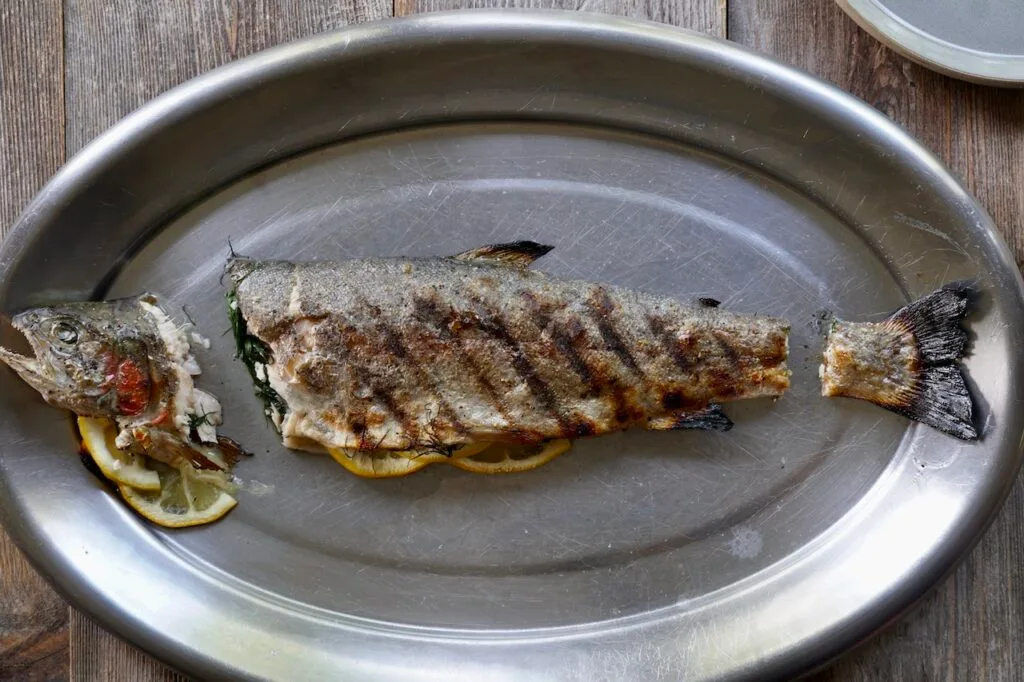
Image source: Bing (Web (fair-use with source credit))
When Fish Becomes a Problem: Signs to Watch For
Most cats tolerate small amounts of fish without issue. But some develop problems that owners don't recognize until they're serious. Knowing the warning signs helps you catch trouble early.
Thiamine deficiency symptoms can appear within weeks of a fish-heavy diet. Watch for loss of appetite, dilated pupils, stumbling or wobbling, circling, head pressing against walls, and seizures. These symptoms demand immediate veterinary attention.
Thiamine is water soluble, so it leaves the body quickly once you correct the diet. But permanent nerve damage is possible if you wait too long.
Mercury toxicity builds slowly over months or years. Symptoms include loss of coordination, tremors, vision problems, and unusual behavior changes. It's rare in cats eating fish as an occasional treat.
It becomes a real risk when fish makes up a significant portion of daily calories.
Pansteatitis causes painful inflammation of fat tissue. Your cat may show reluctance to move, a tender belly when touched, and a fever. The condition is linked to high unsaturated fat intake.
A cat that eats fish multiple times per day is at higher risk.
Food allergies to fish aren't common, but they happen. Look for itchy skin, recurrent ear infections, hair loss, or chronic digestive upset after eating fish. The only way to confirm a fish allergy is an elimination diet overseen by a veterinarian.
Fish addiction shows up as refusing other foods. A cat that holds out for fish and leaves poultry or rabbit uneaten has developed a behavioral preference. This isn't a medical emergency, but it can lead to nutritional gaps over time.
The fix is slow and firm. Offer the complete balanced food first. Wait.
Don't give in right away.
If you see any of these signs, stop feeding fish immediately. Call your vet. Bring a detailed log of what your cat ate and how much.
Expert Answers to Common Questions
Is tuna safe for cats?
Tuna is safe as a rare treat but not as a regular food. It's high in mercury compared to smaller fish. Canned tuna packed in water, rinsed and offered in teaspoon portions once a week, poses minimal risk.
Daily tuna can cause mercury buildup and thiamine deficiency.
Can cats eat raw fish from the grocery store?
No. Raw fish contains thiaminase, which destroys vitamin B1. It also carries bacteria like salmonella and listeria, plus potential parasites.
Cooking fish to 145°F internal temperature eliminates these dangers. Raw fish is not worth the risk.
Why does my cat go crazy for fish but ignore chicken?
Fish has a stronger odor and higher levels of umami-triggering compounds. Chicken is milder in both scent and taste. Your cat's brain processes fish as a more intense protein signal.
That doesn't mean fish is nutritionally superior. It's just more stimulating.
How much fish can I feed my cat per week?
Stick to no more than 10 percent of total diet volume. For a typical 10-pound cat, that's about one to two ounces of cooked fish per week, split into two servings. One serving is roughly a tablespoon of flaked fish.
Any more than that and you risk nutrient imbalances.
Is fish-based cat food okay?
Commercial cat food labeled as complete and balanced by AAFCO standards is formulated to be safe. Manufacturers account for thiamine levels and mercury limits. The difference is that commercial fish diets are nutritionally complete.
Feeding human-grade fish as a treat is separate from feeding formulated cat food as a primary diet.
What's the best fish for cats?
Salmon and sardines are excellent choices. They're low in mercury, high in beneficial omega-3 fatty acids, and widely available. Mackerel and trout are also good options.
Avoid tilefish, shark, swordfish, and king mackerel, which carry the highest mercury levels.
The Bottom Line: What Every Cat Owner Should Remember
Cats love fish because their biology screams "high-protein food." Their umami taste receptors, sharp sense of smell, and genetic wiring all point toward it. That's not a myth. It's real science.
But love doesn't equal necessity. Fish is a treat, not a natural staple for domestic cats. Their wild ancestors didn't eat it.
Their digestive systems handle it better in small doses.
Cook the fish. Skip the seasoning. Remove every bone.
Keep portions tiny. Rotate proteins. Watch for warning signs.
If you follow those five steps, fish can be a safe, enjoyable part of your cat's life.
When in doubt, ask your veterinarian. Every cat is different. Some tolerate fish beautifully.
Others don't. Your vet knows your cat's health history and can give you personalized advice.
Feed your cat well. Feed them smart. That's what really matters.
Expert Answers to Common Questions
Is tuna safe for cats?
Tuna is safe as a rare treat, not a daily food. It carries higher mercury levels than smaller fish. Canned tuna packed in water, rinsed, and offered in teaspoon portions once a week poses minimal risk.
Daily tuna feeding risks mercury buildup and thiamine deficiency over time.
Can cats eat raw fish from the grocery store?
No. Raw fish contains thiaminase, which destroys vitamin B1. It also carries bacteria like salmonella and listeria, plus potential parasites.
Cooking fish to 145°F internal temperature eliminates these dangers. Raw fish is not worth the risk for any cat.
Why does my cat go crazy for fish but ignore chicken?
Fish has a stronger odor and higher levels of umami-triggering compounds. Chicken is milder in both scent and taste. Your cat's brain processes fish as a more intense protein signal.
That doesn't mean fish is nutritionally superior. It's just more stimulating to feline senses.
How much fish can I feed my cat per week?
Stick to no more than 10 percent of total diet volume. For a typical 10-pound cat, that's about one to two ounces of cooked fish per week, split into two servings. One serving is roughly a tablespoon of flaked fish.
Exceeding that risks nutrient imbalances over time.
Is fish-based commercial cat food okay?
Yes, if it carries an AAFCO statement of nutritional adequacy. Manufacturers formulate these diets to account for thiamine levels and mercury limits. The key difference is that commercial fish diets are nutritionally complete.
Feeding human-grade fish as a treat is separate from feeding formulated food as a primary diet.
What's the best fish for cats?
Salmon and sardines are excellent choices. They're low in mercury, high in beneficial omega-3 fatty acids, and widely available. Mackerel and trout are also good options.
Avoid tilefish, shark, swordfish, and king mackerel, which carry the highest mercury levels per FDA monitoring data.
The Bottom Line: What Every Cat Owner Should Remember
Cats love fish because their biology screams "high-protein food." Their umami taste receptors, sharp sense of smell, and genetic wiring all point toward it. That's not a myth. It's real science backed by veterinary research.
But love doesn't equal necessity. Fish is a treat, not a natural staple for domestic cats. Their wild ancestors didn't eat it.
Their digestive systems handle it better in small, infrequent portions.
Cook the fish. Skip all seasoning. Remove every bone.
Keep portions tiny. Rotate proteins. Watch for warning signs.
Follow those five rules and fish can be a safe, enjoyable part of your cat's life.
When in doubt, ask your veterinarian. Every cat is different. Some tolerate fish beautifully.
Others develop intolerance or behavioral fixation. Your vet knows your cat's health history and can give personalized advice.
Feed your cat well. Feed them smart. That's what really matters.

Similar Posts