How to Calm a Cat down from Stress: 7 Expert Tips

Is your cat acting out, hiding, or meowing more than usual? You’re not alone.
Many pet owners face the challenge of calming a stressed cat, and it can be frustrating not knowing how to help. Your feline friend’s well-being is important, and understanding how to ease their stress can lead to a happier, healthier life for both of you.
Imagine transforming your home into a haven of tranquility where your cat feels safe and relaxed. You can achieve this with a few simple strategies. In this guide, you’ll discover easy and effective ways to soothe your cat’s nerves. You’ll learn how to identify the signs of stress and find practical tips that fit seamlessly into your daily routine. Keep reading, and unlock the secret to a peaceful coexistence with your furry companion.
Recognizing Signs Of Stress In Cats
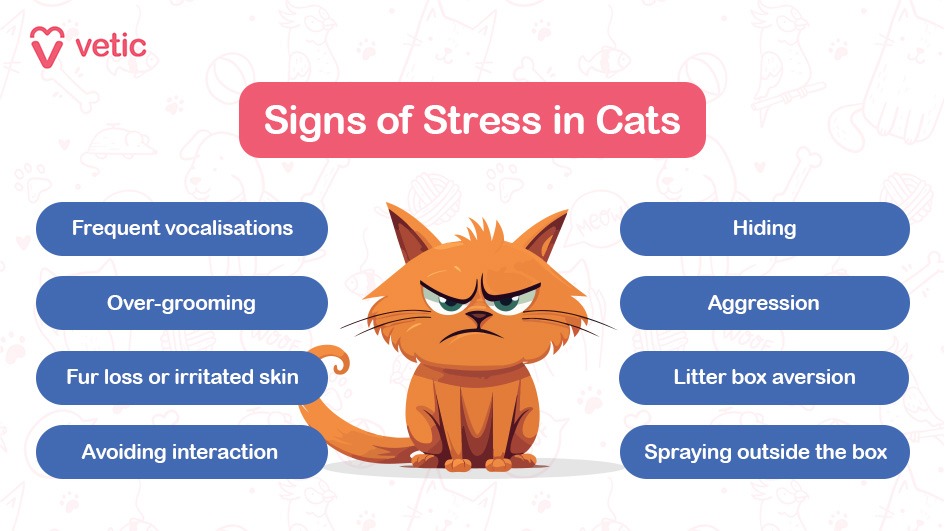
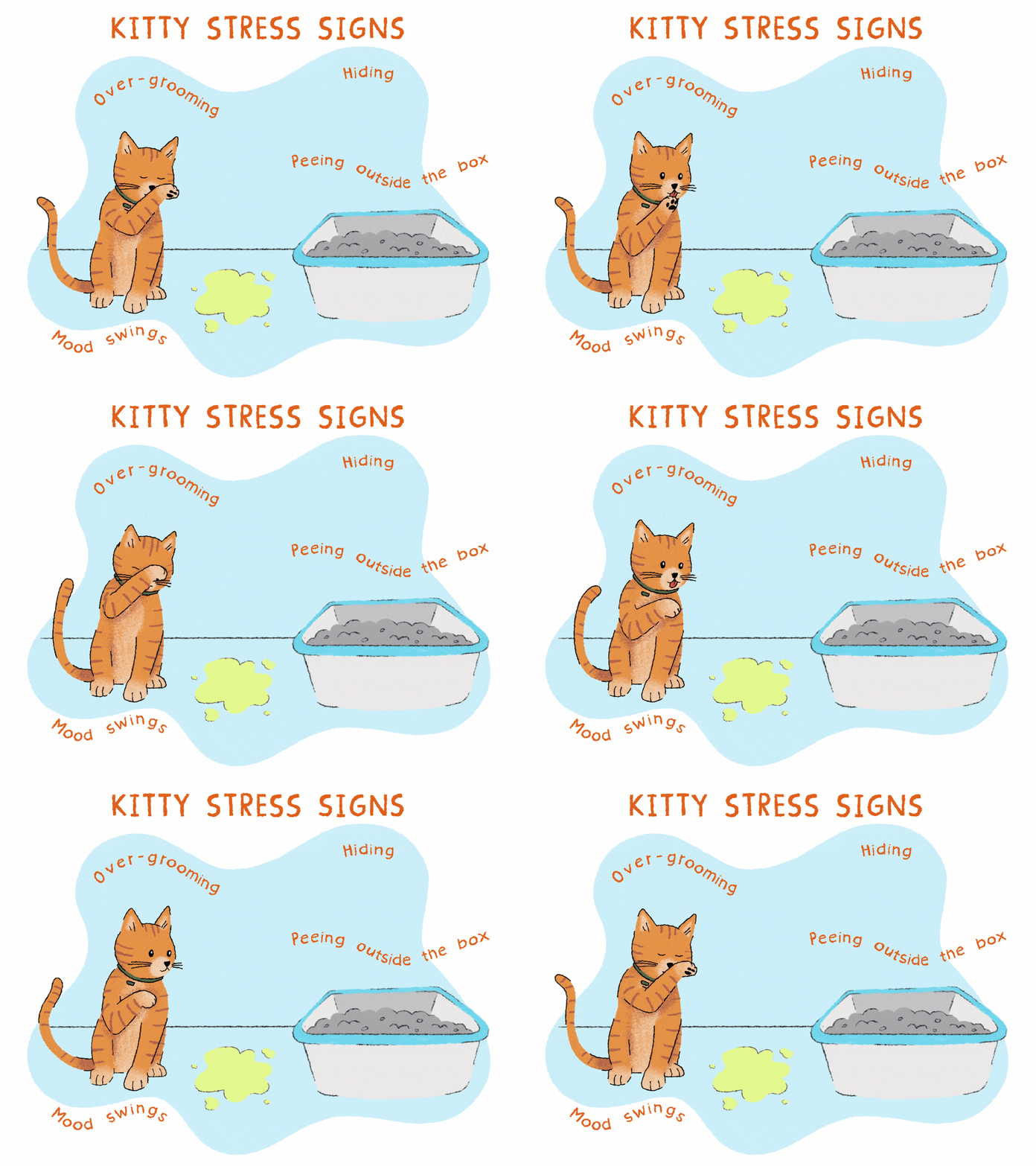
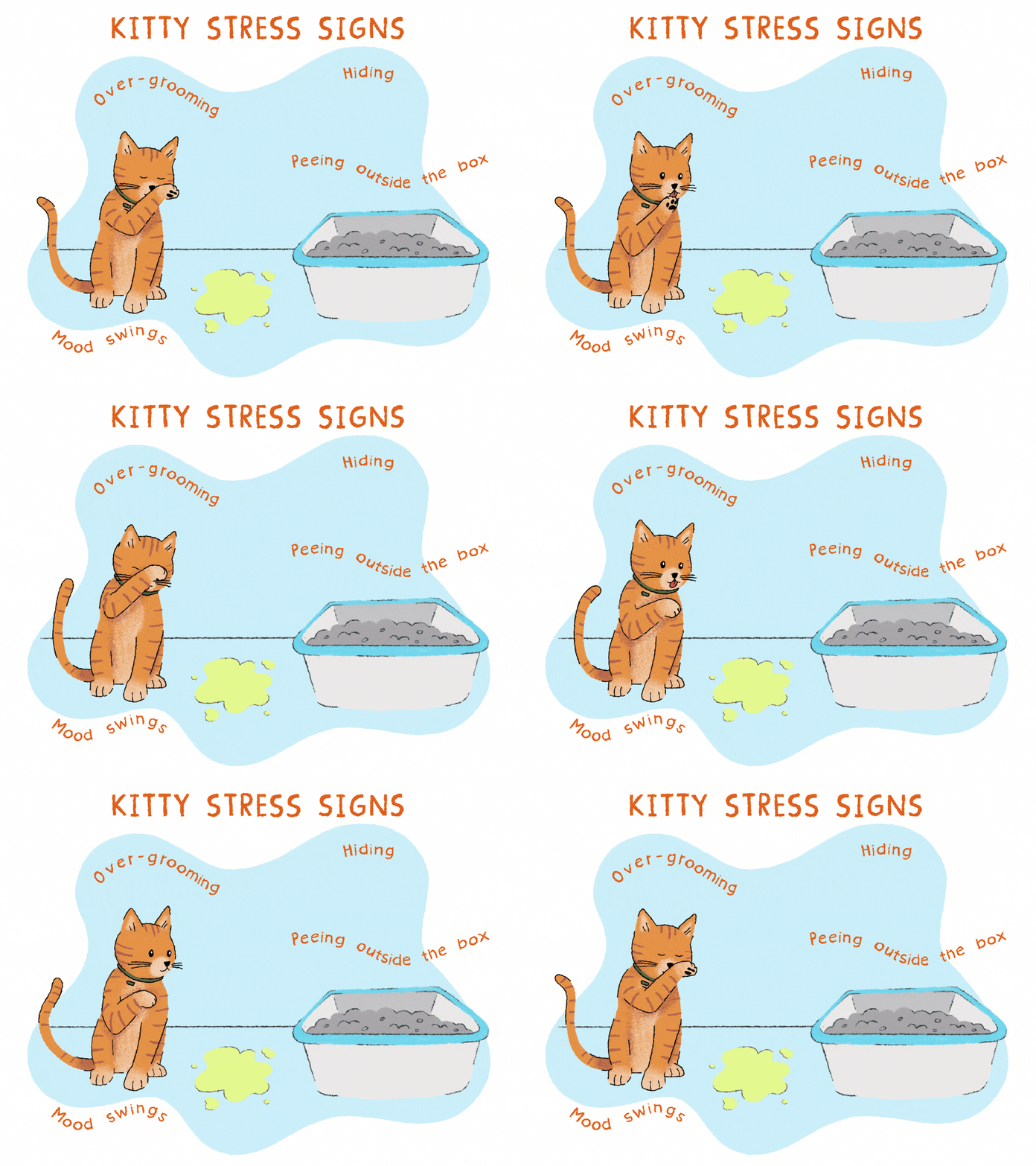
Cats, like humans, can experience stress. Understanding their stress signals is crucial. Recognizing these signs helps in maintaining their well-being. Stress in cats can manifest in various ways, often subtle. Learning these signs can aid in timely intervention.
Signs Of Aggression
Stress may cause aggression in cats. Look for sudden hissing or biting. These are clear indicators of distress. Aggressive behavior is often a cry for help.
Excessive Grooming
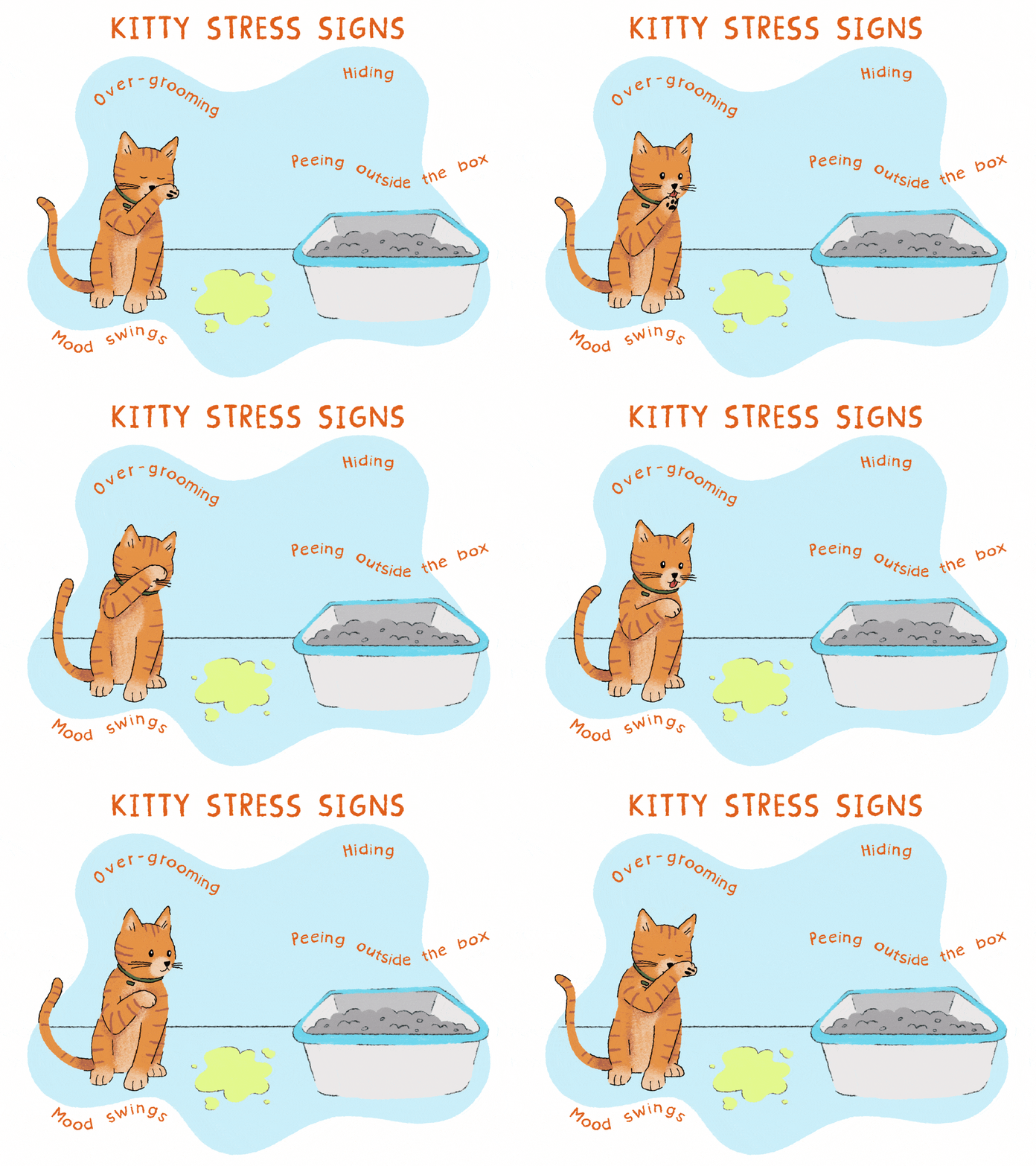
Excessive grooming is another stress sign. Cats may over-groom themselves. This can lead to bald patches. It is a self-soothing mechanism.
Changes In Appetite
Stress affects a cat’s eating habits. They may eat less or skip meals. Increased eating can also occur. Observing these changes is essential.
Frequent Hiding
Stressed cats tend to hide more. They seek quiet spaces away from people. This behavior indicates discomfort or anxiety.
Increased Vocalization
Cats may become more vocal under stress. Loud meowing or yowling are common. This vocalization expresses their unease.
Irregular Litter Box Usage
Stress might affect litter box habits. Cats may urinate outside the box. This indicates distress or dissatisfaction.
Sleep Pattern Changes
Stress can alter a cat’s sleep. They might sleep more or less. Changes in sleeping patterns are a notable stress sign.
Credit: nutri-paw.com
Creating A Safe Environment
Creating a safe environment can significantly reduce a cat’s stress. Cats are sensitive creatures. They need places that feel secure and calm. A well-thought-out space can ease their anxiety.
Quiet Spaces
Cats love quiet areas away from noise. Loud sounds can startle them. A peaceful corner helps them feel secure. Choose a spot with little foot traffic. This can be a spare room or a quiet corner. Make sure it’s away from loud appliances. Noise can increase a cat’s stress. Keeping the space quiet is key.
Comfortable Bedding
Soft bedding is important for a relaxed cat. Cats enjoy comfortable places to rest. A plush blanket or cushion works well. Ensure the bedding is clean and odor-free. Cats are sensitive to smell. Fresh bedding helps them relax. Place the bedding in their quiet space. This makes the area inviting and warm.
Using Calming Techniques
Cats can experience stress just like humans. Stress in cats can lead to behavioral issues. It’s crucial to help your feline friend relax. Using calming techniques can make a significant difference. These methods are easy to apply and can soothe your cat effectively.
Gentle Touch
Physical contact can comfort your cat. Stroking your cat slowly can ease tension. Focus on areas they enjoy, like behind the ears. Use a gentle hand and soft pressure. This can help your cat feel secure. Avoid sudden movements to keep them calm.
Soothing Sounds
Sound can influence a cat’s mood. Play soft music or nature sounds. Calm melodies can distract from stressors. Keep the volume low to avoid overwhelming them. Talk to your cat in a soft voice. They may find comfort in your familiar tone.
Credit: www.petmd.com
Offering Stress-relief Toys
One of the most effective ways to calm your cat from stress is by offering stress-relief toys. These toys not only provide mental stimulation but also help your feline friend to release pent-up energy. Have you ever noticed how your cat becomes more relaxed after a playful session? It’s no coincidence. Engaging your cat in play can be a simple yet powerful tool in reducing their stress levels.
Interactive Toys
Interactive toys can be a game-changer for your stressed-out kitty. These toys, like feather wands or laser pointers, encourage your cat to chase, pounce, and play. They mimic the hunting instinct, which can be incredibly satisfying and calming for your pet. Have you tried playing with your cat using a laser pointer? Watching them chase the little red dot can be amusing and, more importantly, soothing for them.
Puzzle Games
Puzzle games are another excellent option for stress relief. These toys challenge your cat to think, keeping them mentally engaged. Consider a treat-dispensing puzzle that requires your cat to work for their reward. Not only does it keep them occupied, but it also offers a sense of accomplishment. It’s fascinating to watch your cat figure out how to get that treat, isn’t it? Such mental challenges can divert their mind from stress.
When you offer these toys, you are not just providing entertainment; you are giving your cat a way to manage their stress. How do you think your cat would react to a new interactive toy or puzzle game? Sometimes, trying something new can be just the excitement they need to shift their focus from stress to playfulness.
Take a moment to explore the world of stress-relief toys for your cat. You might be surprised at how a simple change can make a big difference in their well-being.
Implementing Routine And Consistency
Creating a regular routine helps calm a stressed cat. Consistent feeding and playtimes offer stability and reassurance. Familiar patterns provide comfort and reduce anxiety.
Implementing routine and consistency can significantly calm a stressed cat. Cats thrive on predictability. A structured environment reduces anxiety. Establishing a routine helps them feel secure. Whether it’s feeding or playtime, consistency is key. Regular schedules make them feel safe and cared for.Regular Feeding Times
Feeding at the same time each day is comforting. Cats appreciate predictable meal times. It signals stability. Knowing when food will come reduces stress. It’s an easy way to provide comfort. Create a schedule and stick to it. This regularity brings peace to your furry friend.Scheduled Play Sessions
Playtime is vital for a cat’s happiness. Scheduled sessions add structure to their day. It burns energy and relieves stress. Consistent playtime strengthens your bond. It gives them something to look forward to. Plan short sessions daily to maintain balance. This routine keeps them active and content.Incorporating Natural Remedies
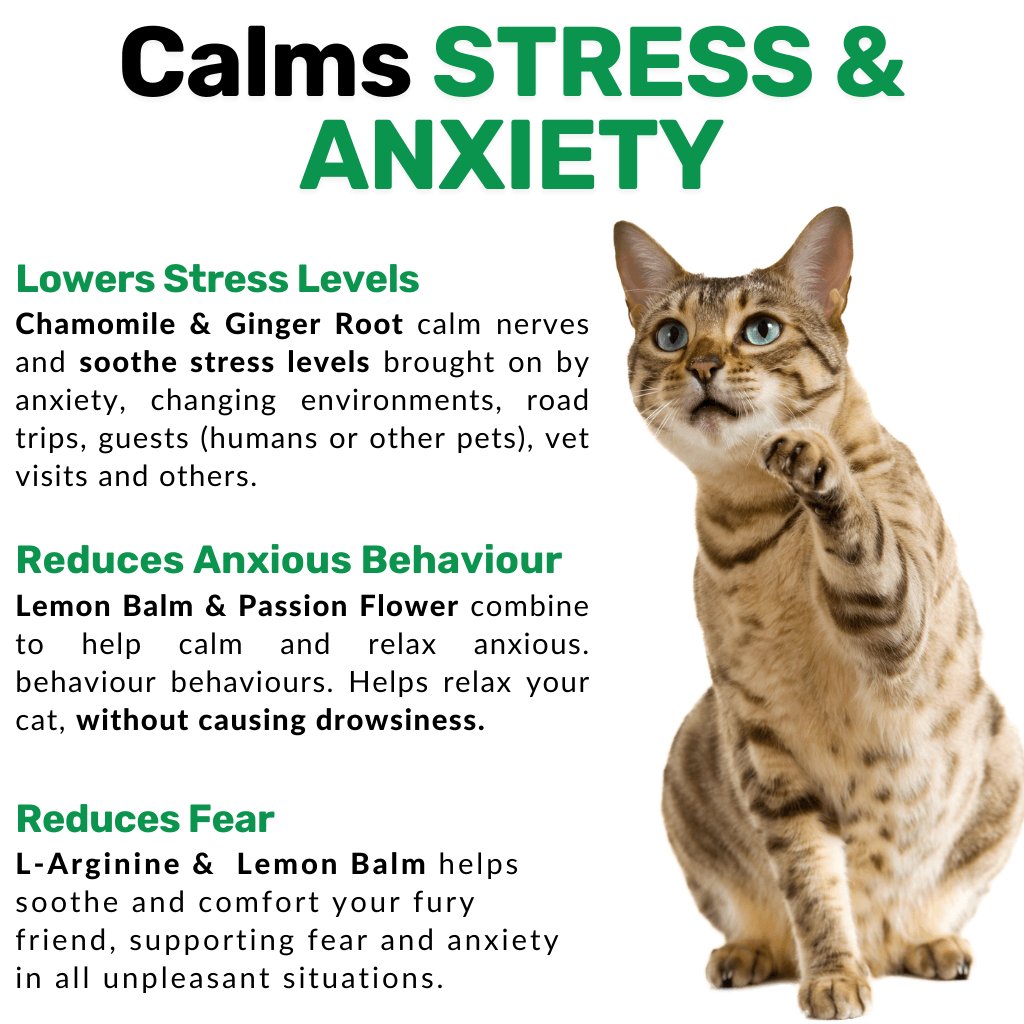
Natural remedies can ease a stressed cat. Lavender and chamomile promote relaxation, creating a soothing environment. Gentle massage and quiet spaces also help calm their anxiety.
Cats, like humans, can experience stress and anxiety. Incorporating natural remedies can be a gentle way to soothe your feline friend. By using herbal solutions and aromatherapy, you can create a calming environment for your cat. These methods not only relax your pet but also strengthen the bond between you two.Herbal Solutions
Herbal remedies can be an effective way to calm your cat. Chamomile and valerian root are popular choices. Both herbs have calming properties that can help reduce stress. You can prepare a mild chamomile tea and add a few drops to your cat’s water. Alternatively, valerian root can be offered in small doses as it’s known to have a sedative effect. Another option is catnip, though it might not work for every cat. Some cats become more relaxed after the initial excitement. If you’ve noticed this pattern in your cat, it might be worth a try.Aromatherapy
Aromatherapy isn’t just for humans. Cats can benefit from it too. Essential oils like lavender and frankincense are known for their calming effects. Use a diffuser to spread a gentle aroma in the room your cat frequents. Ensure the area is well-ventilated and that your cat has the option to leave if desired. Remember, cats have a more sensitive sense of smell than humans. Always use oils that are safe for pets and avoid direct application on your cat’s skin. Have you ever noticed how your cat reacts to different scents? Understanding their likes and dislikes can be key to creating a serene atmosphere. Aromatherapy can be a simple yet effective way to help your cat relax naturally. By using these natural remedies, you’re not only addressing your cat’s stress but also enhancing their overall well-being. What natural solutions have you tried with your cat?Seeking Professional Help
Professional help can ease a cat’s stress effectively. Experts offer personalized strategies to calm anxious behaviors. Consulting a vet or behaviorist ensures a comfortable environment for your feline friend.
Cats, much like humans, can experience stress from time to time. While there are many ways to soothe a stressed cat, there are moments when seeking professional help becomes necessary. If your cat’s anxiety doesn’t improve with basic interventions, it’s wise to consult with experts who understand feline behavior. Professionals can provide insights and strategies tailored to your cat’s specific needs. Let’s explore the importance of reaching out to the right experts.Veterinarian Consultation
A veterinarian is often the first professional you should consult. They can determine if your cat’s stress has a medical cause. Physical ailments can manifest as behavioral issues. Vets can check for underlying health problems, like urinary tract infections or arthritis. These can make your cat uncomfortable and stressed. A simple health check can often lead to effective solutions. Moreover, vets can suggest dietary changes or supplements. For instance, omega-3 fatty acids have been shown to improve mood in cats. Your vet might also discuss the use of pheromone diffusers, which can create a calming environment for your feline friend.Behavioral Expert Advice
If health issues are ruled out, a behavioral expert can offer further assistance. These professionals specialize in understanding and modifying cat behavior. They can pinpoint triggers that may not be obvious to you. Behavioral experts often provide strategies tailored to your home environment. They might suggest enriching activities, like puzzle feeders, to keep your cat mentally stimulated. They can also teach you how to create safe spaces for your cat to retreat to when stressed. Have you ever considered if your cat’s environment might be too noisy or chaotic? Behavioral experts can help you assess your home from your cat’s perspective. Sometimes, small changes can have a huge impact on their stress levels. Seeking professional help ensures that your cat gets the care it needs. It can also relieve you of the frustration and worry that comes with a stressed pet. So, don’t hesitate to reach out when your feline companion seems overwhelmed.
Credit: www.amazon.com
Frequently Asked Questions
How To Help A Cat That Is Stressed?
Create a calm environment with soothing music and dim lights. Provide a quiet, safe space. Use pheromone diffusers to reduce anxiety. Engage in interactive play to distract and comfort. Ensure a consistent routine to help your cat feel secure.
How Long Does It Take For Cats To Get Over Stress?
Cats typically recover from stress in a few days to a few weeks. Recovery time varies based on the stressor’s severity and the cat’s temperament. Providing a calm environment, routine, and affection can help speed up the process. If stress persists, consult a veterinarian.
What Is The 3-3-3 Rule For Cats?
The 3-3-3 rule for cats guides new pet owners. It represents 3 days to decompress, 3 weeks to adjust, and 3 months to feel fully at home. This timeframe helps understand a cat’s adaptation process in a new environment.
How To Know If A Cat Is Stressed?
A stressed cat may hide more, show aggression, or groom excessively. Look for changes in appetite and bathroom habits. Watch for dilated pupils, flattened ears, or a twitching tail. Increased vocalization can also indicate stress. Consult a veterinarian if you suspect your cat is stressed.
Conclusion
Calming a stressed cat is important for its well-being. Stress can lead to health issues. Simple steps can make a big difference. Provide a quiet space for your cat. Offer toys and scratching posts. Spend time together to strengthen your bond.
Regular check-ups with the vet are essential. Keep the environment stable and predictable. Avoid sudden changes. Cats feel safer when routines are consistent. Monitor your cat’s behavior for signs of stress. Early action helps prevent bigger problems. Remember, a relaxed cat is a happy cat.
Your efforts can create a peaceful atmosphere at home.

Similar Posts