How to Know If Your Cat is Stressed: Essential Signs

Is your feline friend acting a bit off lately? As a devoted cat owner, you might notice subtle changes in your cat’s behavior that make you wonder about their well-being.
Cats, though independent and often mysterious, are sensitive creatures that can experience stress just like humans. But how can you tell if your furry companion is stressed? Recognizing the signs early can make a world of difference in your cat’s happiness and health.
You’ll discover the telltale signs of stress in cats and learn practical steps to help your pet feel more at ease. By understanding these signals, you can ensure your cat’s environment is as comforting and stress-free as possible. Dive in to unlock the secrets to a happier, healthier life for your beloved pet!
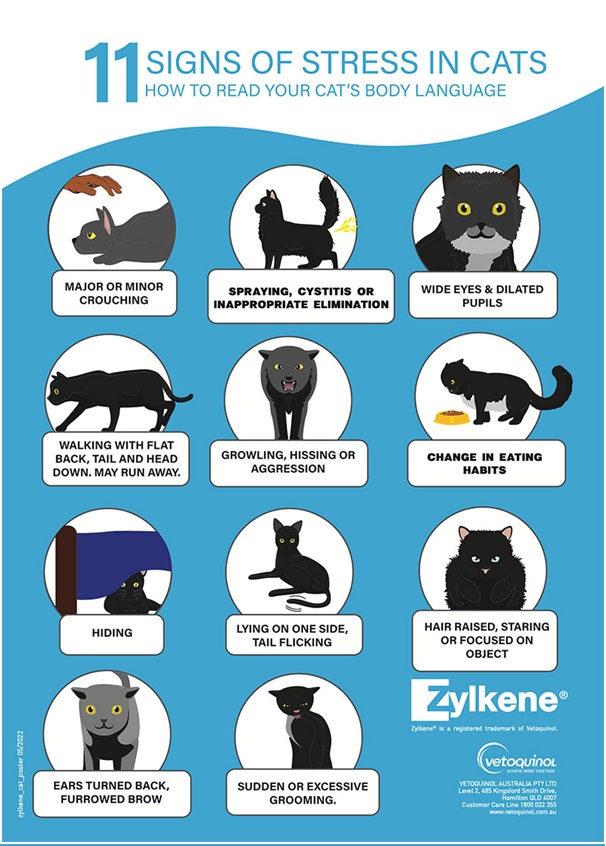
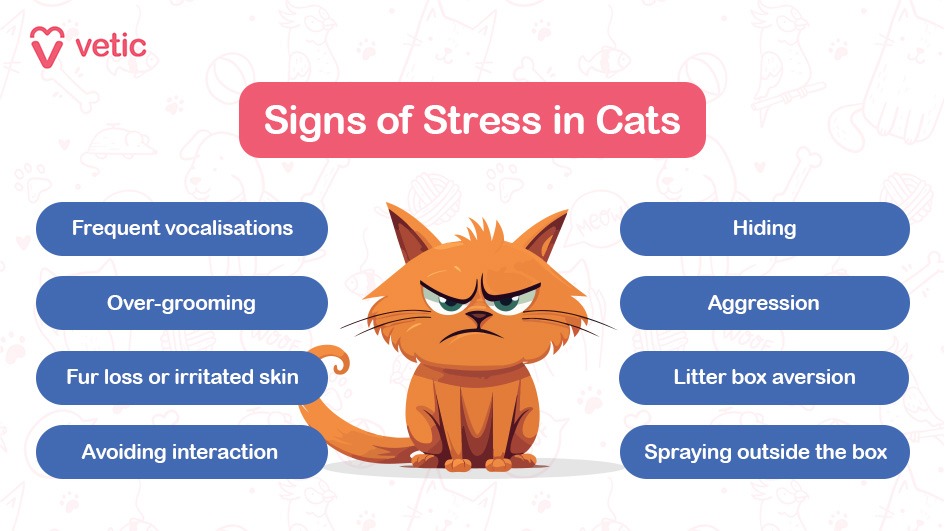
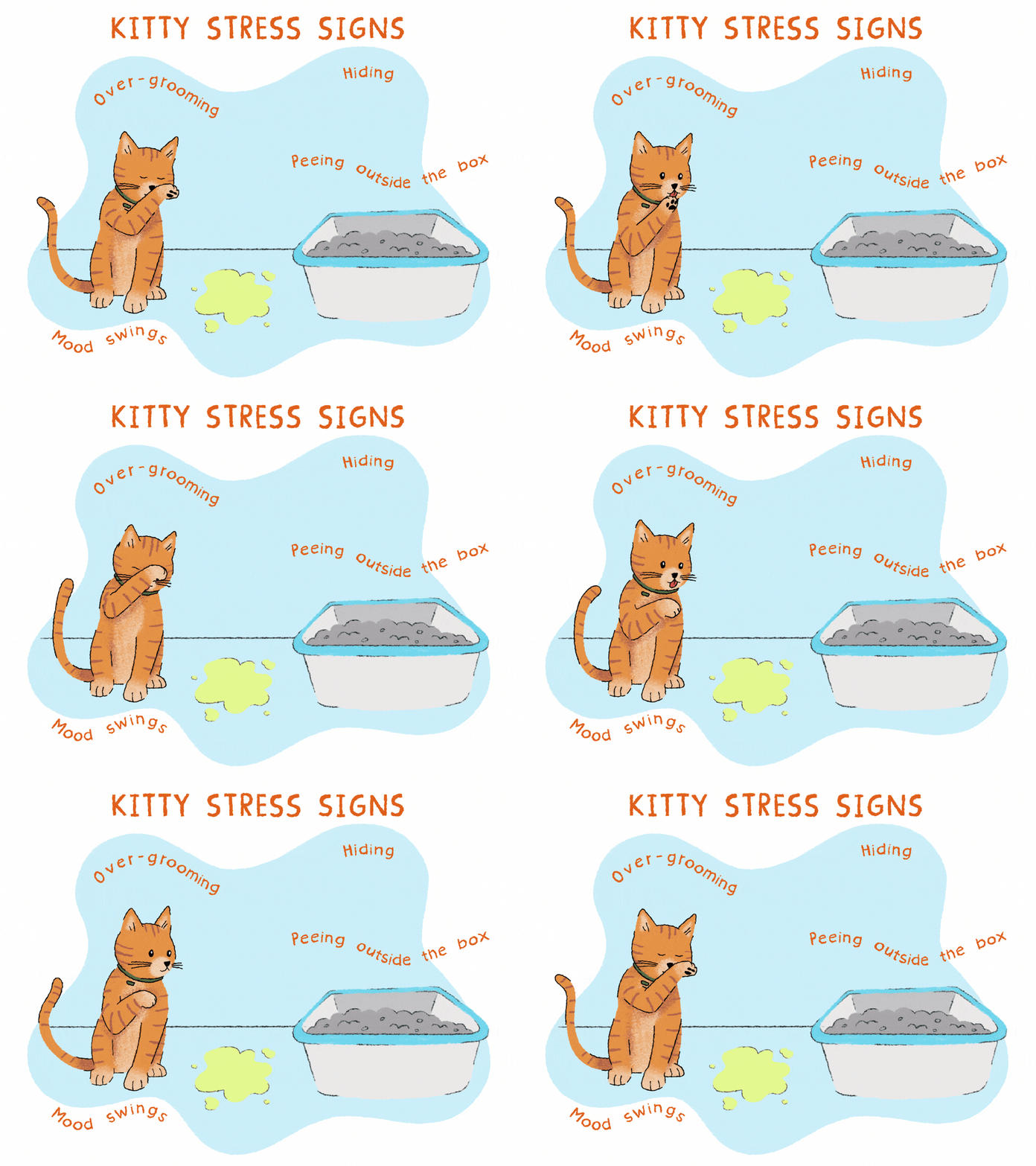
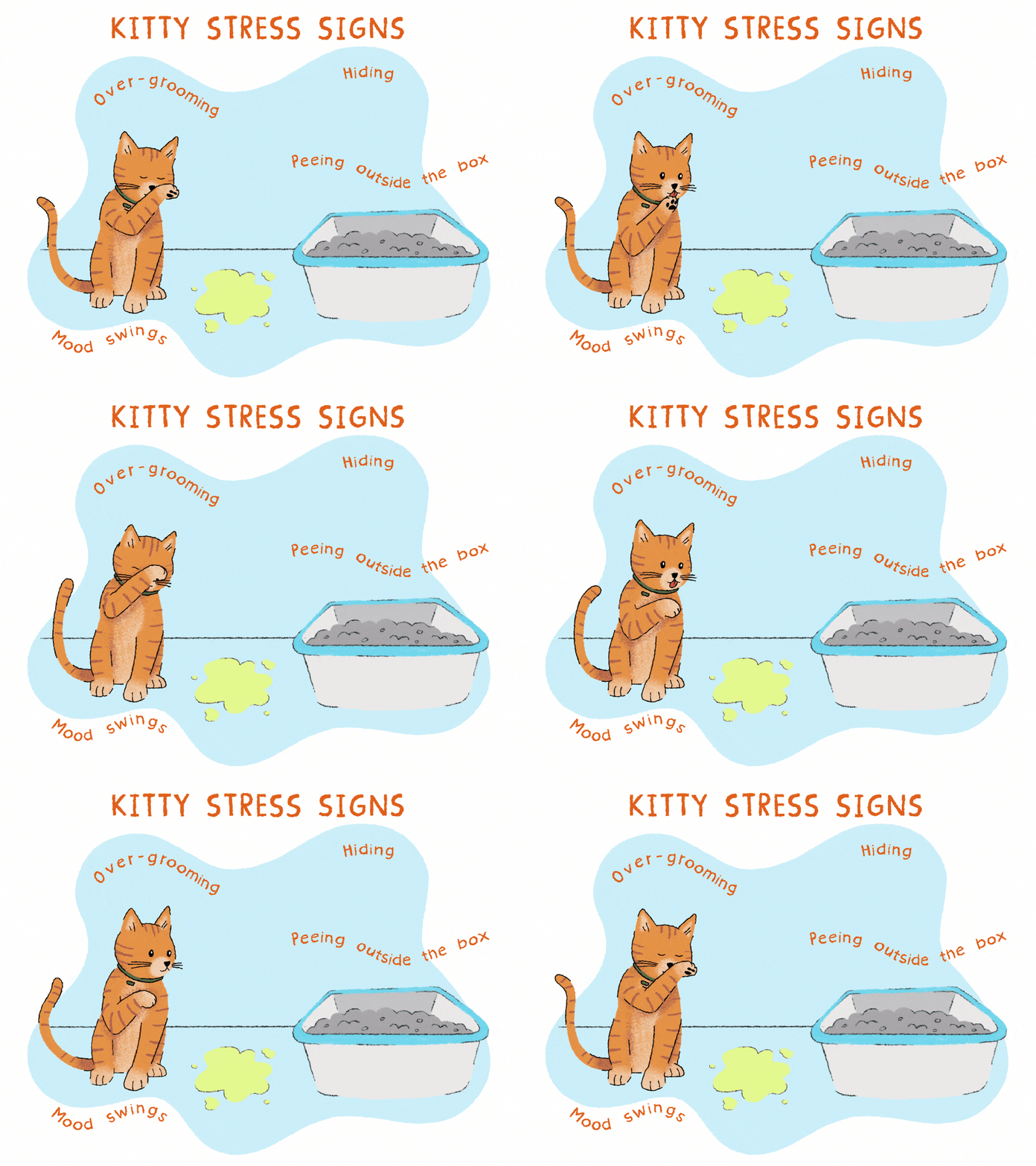
Credit: keysivet.com.au
Behavioral Changes
Cats might show signs of stress through changes in behavior. A stressed cat may hide more often or become aggressive. Notice any sudden changes in eating or grooming habits, as these can be key indicators of stress.
Understanding your cat’s behavior can be challenging, but it is crucial for their well-being. If your feline friend is acting out, it might be more than just a phase—they could be stressed. Recognizing behavioral changes is the first step in addressing their needs and ensuring they remain happy and healthy. Cats, much like humans, have their own ways of expressing discomfort. Let’s dive into some key behavioral changes that might indicate your cat is stressed.Increased Aggression
Has your usually calm and friendly cat suddenly started hissing or swiping at you? Increased aggression is a common sign of stress. This change might seem abrupt and can be alarming, especially if your cat has never shown aggressive tendencies before. Consider what might be triggering this behavior. Have you recently moved, introduced a new pet, or changed their routine? These disruptions can unsettle your cat, leading them to react aggressively. It’s crucial to observe their environment and behavior closely. To help, try maintaining a stable environment. Spend quality time with your cat, reassuring them through gentle interactions. Sometimes, a little extra attention can go a long way in calming an anxious kitty.Excessive Meowing
Ever noticed your cat meowing more than usual? Excessive vocalization can be a sign that something is amiss. Cats often use meows to communicate discomfort or distress, and a stressed cat might vocalize their feelings more frequently. Think about recent changes that might be affecting them. Have you been away more often, or is their routine interrupted? Cats thrive on consistency, and deviations can lead them to seek your attention through meowing. Try engaging your cat in interactive play or provide toys to keep them occupied. This can distract them from stressors and reduce excessive meowing. Remember, your presence and attention can make a world of difference to a stressed feline. By observing these behavioral changes, you can better understand your cat’s needs and take steps to ease their stress. The bond between you and your cat is special, and addressing their concerns can enhance this relationship. Are there other signs you’ve noticed in your cat that make you wonder about their stress levels?Physical Symptoms
Cats show stress through physical symptoms like excessive grooming or changes in appetite. Hiding or avoiding interaction can also indicate discomfort. Watch for unusual behavior patterns to identify stress in your feline friend.
Understanding your cat’s physical symptoms is crucial in identifying stress. Cats, like humans, exhibit stress in various ways, and their bodies often show it first. Keeping an eye on physical signs can help you act quickly to ease their discomfort.Loss Of Appetite
A sudden disinterest in food might signal stress. Cats love their routines, and mealtime is no exception. If your cat starts skipping meals or only nibbles at their food, it’s time to investigate. Consider any recent changes in your home. Did you move furniture? Introduce a new pet? Such changes can disrupt your cat’s sense of security. Make mealtime a stress-free zone. Ensure their food area is quiet and away from loud noises or other pets.Frequent Vomiting
Vomiting isn’t just about hairballs. If it happens more often, stress might be the culprit. Your cat’s digestive system is sensitive to emotional changes. Observe when vomiting occurs. Is it after a particular event or time of day? Identifying patterns can help pinpoint stress triggers. Ensure your cat has a calm environment. Provide safe spaces where they can retreat and relax. Have you noticed these symptoms in your cat? What changes have recently occurred in your household? Understanding the context is key to addressing your cat’s stress. Creating a consistent, calm environment can make a world of difference for your feline friend. Remember, your attention and understanding are their best allies in overcoming stress.Altered Grooming Habits
Cats are known for their meticulous grooming routines. They spend a lot of time cleaning themselves. Changes in these habits can be a sign of stress. It’s important to notice any shifts. Understanding these changes helps keep your cat healthy and happy. Altered grooming can mean over-grooming or neglecting it entirely.
Over-grooming
Over-grooming is a common sign of stress in cats. Your cat may lick the same spot repeatedly. This can lead to bald patches or skin irritation. Stress can drive them to groom excessively. Sometimes they even pull out their fur. Over-grooming can become a compulsive behavior. Cats often use grooming to self-soothe. Notice if your cat spends more time grooming than usual. It may be time to explore stress factors in their environment.
Neglecting Grooming
Neglecting grooming is another red flag. A stressed cat might stop grooming altogether. Their coat may appear dull or matted. This neglect can lead to skin problems. Cats usually have sleek and shiny fur. A lack of grooming affects this. It indicates that something is wrong. Stress can make them lose interest in self-care. Watch for changes in your cat’s grooming habits. They can reveal much about their mental state.
Changes In Litter Box Usage
Changes in litter box usage can signal stress in cats. Cats are creatures of habit. Any shift in their routine might indicate discomfort. Watch their litter box behavior closely.
Avoiding The Litter Box
Does your cat refuse to use the litter box? This is a red flag. Stress may cause them to avoid it altogether. Urinating elsewhere could be a sign of anxiety.
New surroundings or changes at home might be the cause. Try to identify any recent changes. Familiar smells and sounds can help ease their stress.
Increased Frequency
Is your cat visiting the litter box more often? Increased frequency can indicate stress. They might feel uneasy and visit it repeatedly.
Keep track of their visits. Frequent trips may also suggest health issues. Consult a vet if this behavior persists.
Stress impacts a cat’s litter box habits. Recognizing these changes is crucial for their well-being. Stay alert to maintain a happy and healthy pet.
Social Withdrawal
Cats may seem distant when stressed. They often hide or avoid interaction. Watch for changes in behavior.
Cats, much like humans, can experience stress, and one of the most telling signs is social withdrawal. Have you ever noticed your cat suddenly avoiding people and pets they usually enjoy being around? Social withdrawal in cats is a significant indicator of stress, and understanding this behavior can help you address their needs effectively. When cats start withdrawing from their regular social interactions, it’s essential to pay attention and take action. Let’s delve into the specifics of what this might look like.Avoiding Human Interaction
Cats are known for their independence, but they still cherish their humans. If your cat begins to shy away from your attention or hides when you approach, it could be more than just a quirky mood. Consider the last time your cat snuggled on your lap. If those moments are becoming rare, it might be stress causing the change. Have you tried calling them for a cuddle only to be met with indifference or avoidance? This shift in behavior is worth noting.Isolation From Other Pets
Is your cat suddenly distancing itself from other pets in your home? This can be a strong signal of stress. Cats often find comfort in the company of other animals. If they start avoiding their furry companions, it may be due to underlying anxiety. Reflect on your pets’ usual interactions. Are they no longer playing or sitting together as they once did? This change in social dynamics can be telling. When you observe these behaviors, ask yourself: what could be causing my cat’s stress? Identifying the root can lead to solutions. Is there something new in your environment? A new pet, a change in routine, or even a loud appliance could be the culprit. Pay attention to these subtle cues. Your cat’s well-being depends on your proactive approach to their emotional health.Unusual Vocalizations
Cats might show stress through unusual vocalizations. Listen for increased meowing or different sounds. These changes can indicate discomfort or anxiety in your feline friend.
Cats, much like humans, can express their emotions through vocalizations. If your usually quiet feline suddenly becomes a chatterbox, it might be time to pay attention. Unusual vocalizations can be a strong indicator of stress in cats. Understanding these sounds can help you address their needs and improve their well-being.Persistent Crying
Persistent crying is one of the most noticeable signs that your cat might be stressed. Have you ever noticed your cat meowing incessantly without a clear reason? This could be their way of trying to communicate discomfort or anxiety. Cats often cry persistently when they feel lonely or need attention. If your schedule has recently changed, your cat might be missing the time you used to spend together. Consider dedicating more playtime or simply sitting with them to offer comfort.Different Pitch
A shift in the pitch of your cat’s meow can also signal stress. If your cat’s meow sounds more high-pitched or lower than usual, it might be trying to tell you something’s not right. Think of it as their version of raising their voice to get your attention. Observe when and where these changes in pitch occur. Is it during feeding times, or perhaps when a new pet has been introduced into the home? Identifying the triggers can help you address the underlying cause of their stress. Listening closely to your cat’s vocal cues is crucial. Just as you would check in with a friend who seems off, your cat deserves the same attention. What could their change in vocal behavior be telling you?Environmental Factors
Cats are sensitive creatures. Their environment greatly influences their well-being. Any sudden change can lead to stress. Recognizing these changes helps in maintaining your cat’s health and happiness. Let’s dive into some environmental factors that might affect your cat’s stress levels.
Changes At Home
Even small changes at home can unsettle a cat. Moving furniture can confuse them. Rearranging their favorite resting spot may cause anxiety. Home renovations create noise and chaos. This can be overwhelming for cats. A new baby or family member alters household dynamics. Cats need time to adjust to these changes.
Introduction Of New Pets
Introducing a new pet disrupts a cat’s routine. Cats are territorial animals. A new pet might invade their space. This intrusion can lead to stress. Monitor their interactions closely. Ensure the new pet does not threaten your cat’s comfort. Gradual introductions can ease the transition.
:strip_icc()/signs-your-cat-is-sick-4165142_color-52a34ab4c5cd4e89aa285e7f291ecf04.jpg)
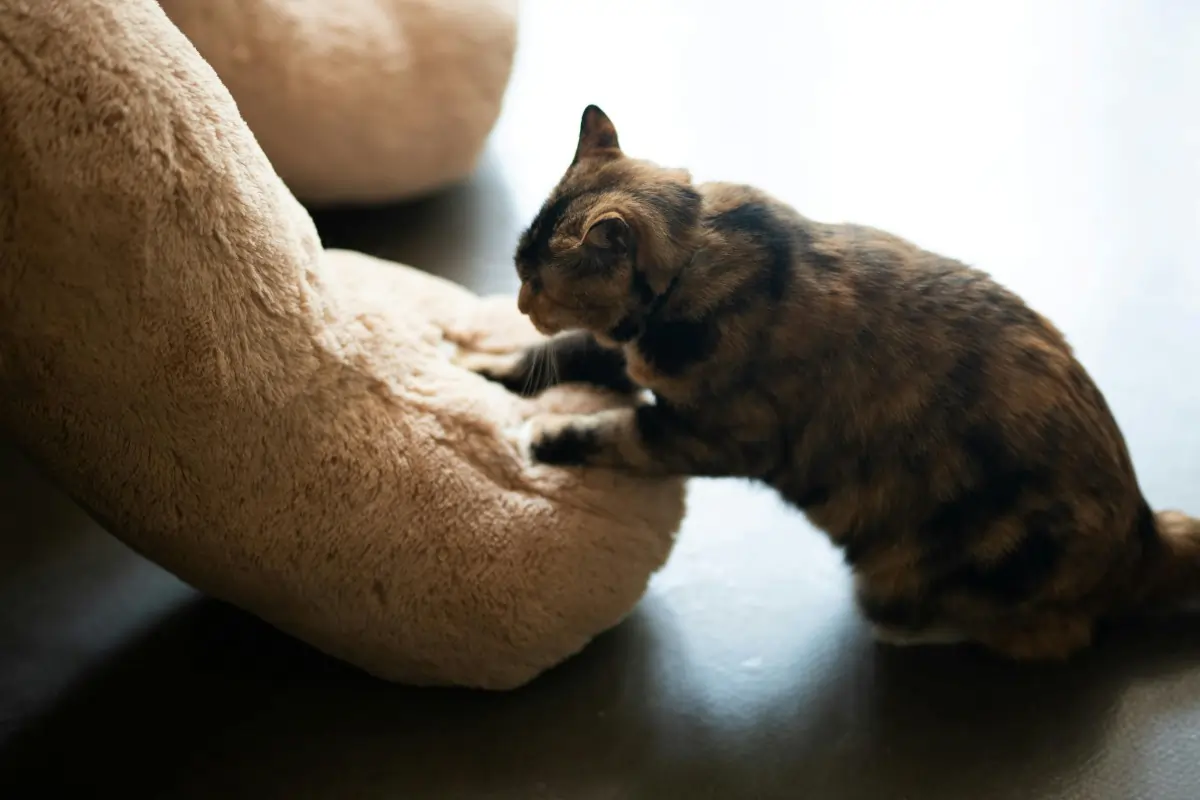
Credit: www.thesprucepets.com
Solutions And Relief
It’s heartbreaking to see your furry friend stressed out. But don’t worry, there are solutions and relief options available to help your cat find peace. Whether it’s tweaking their environment or seeking professional help, you can make a difference in your cat’s life. Let’s dive into practical ways to help your cat feel at ease.
Creating A Safe Space
Every cat needs a sanctuary to retreat to. Does your cat have a special spot where they can unwind? Consider setting up a cozy corner with their favorite blanket or pillow. Add a few toys to keep them entertained.
Think about the location. Is it quiet and away from busy areas of your home? If your cat can relax without distractions, they’ll feel more secure. You might notice a change in their behavior once they have their own haven.
Consulting A Veterinarian
If stress persists, it might be time to consult a veterinarian. They can offer valuable insights into your cat’s health and behavior. Have you noticed any changes in appetite or grooming habits? These could be signs of underlying issues.
Discuss your observations with the vet. They can suggest treatments or therapies that cater specifically to your cat’s needs. Remember, you’re not alone in this journey. Professional advice can pave the way for a happier and healthier cat.
As a cat owner, you have the power to make positive changes. What steps will you take to ensure your cat’s well-being? Try these solutions and see how they transform your feline friend’s life.

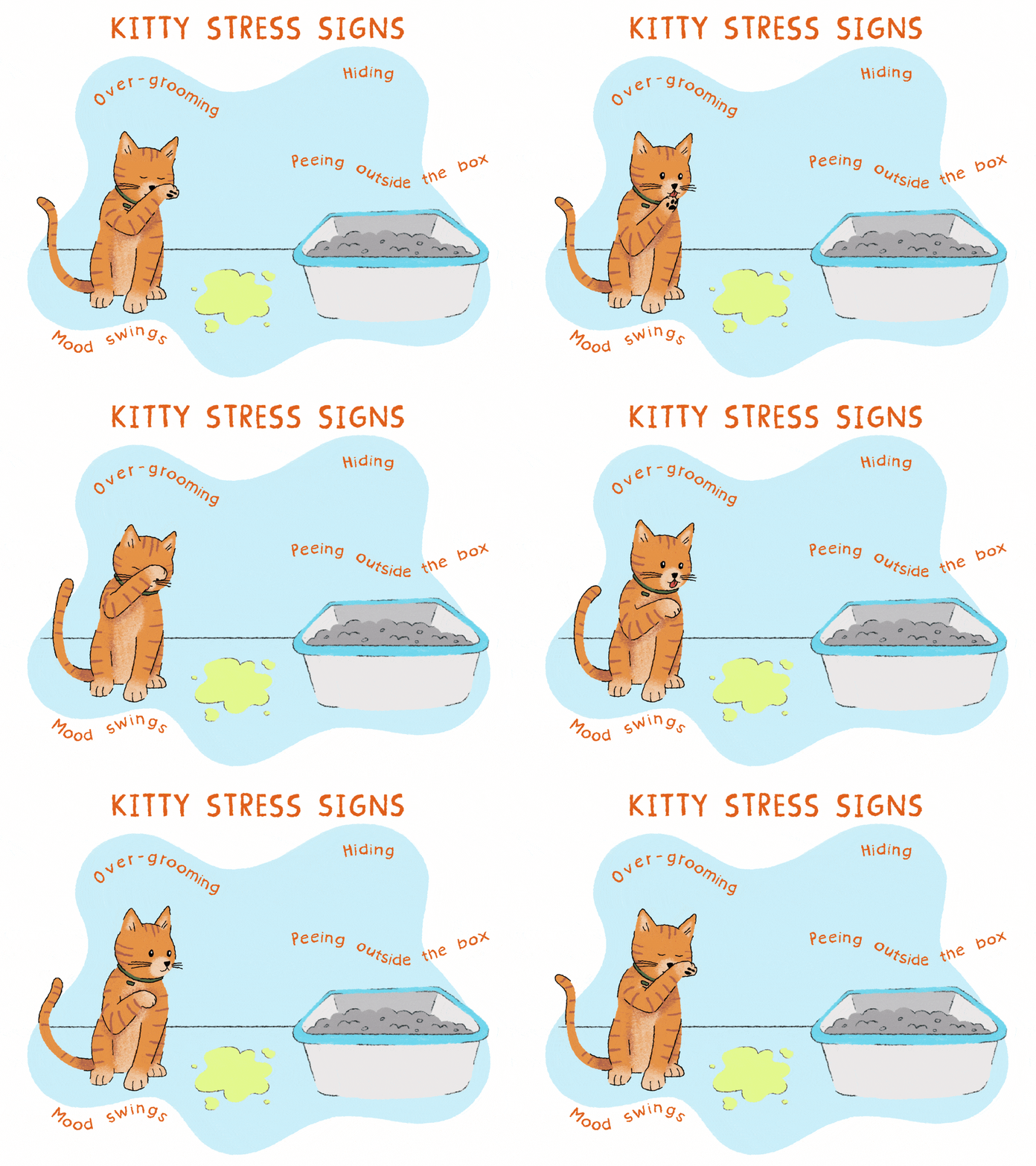
Credit: www.banfield.com
Frequently Asked Questions
How To Help Cats With Stress?
Create a quiet, safe space for your cat. Offer interactive toys and regular playtime. Use calming pheromone diffusers. Maintain a consistent routine for feeding and activities. Provide hiding spots and cozy bedding.
What Does Anxiety Look Like In A Cat?
Cats show anxiety by hiding, excessive grooming, and avoiding interaction. Increased vocalization and aggression might occur. Changes in appetite and litter box habits are common signs. A cat may seem restless or tense, with dilated pupils and rapid breathing. Look for sudden behavioral changes or signs of distress.
What Are The Symptoms Of Sad Cats?
Sad cats often show decreased appetite, lethargy, and excessive grooming. They may become withdrawn and hide. Changes in litter box habits and vocalization can also occur. Watch for signs like aggression or reduced interest in play. These behaviors indicate a potential emotional issue needing attention.
How Can I Tell If My Cat Is Stressed?
Look for changes in behavior like excessive grooming, hiding, or aggression. Cats may also vocalize more or eat less. Observe their body language for signs like flattened ears, wide eyes, or a twitching tail. A stressed cat might avoid social interaction or show unusual bathroom habits.
Conclusion
Recognizing cat stress is vital for its well-being. Watch for changes in behavior or appetite. These can signal stress. Creating a calm environment helps. Routine and playtime reduce anxiety. Consult a vet if stress persists. They offer guidance and support.
Your cat’s happiness is important. A little attention goes a long way. So, be observant and patient. Ensure your feline friend feels safe and loved. This strengthens your bond and improves their quality of life. Keep your cat’s world as peaceful as possible.
A happy cat means a happy home.

Similar Posts