Why Does My Cat Not Poop in the Litter Box: Solutions

Is your feline friend refusing to use the litter box, leaving you puzzled and possibly a bit frustrated? You’re not alone.
Many cat owners face this perplexing issue, and it can be a real challenge to figure out why it’s happening. Understanding your cat’s behavior is key to solving this messy mystery. But don’t worry, we’ve got you covered. We’ll dive into the reasons behind this litter box rebellion and help you find practical solutions.
You’ll learn what might be causing your cat’s aversion to the litter box and discover how to restore harmony to your home. Are you ready to uncover the secrets behind your cat’s quirky behavior? Let’s get started!

Credit: www.reddit.com
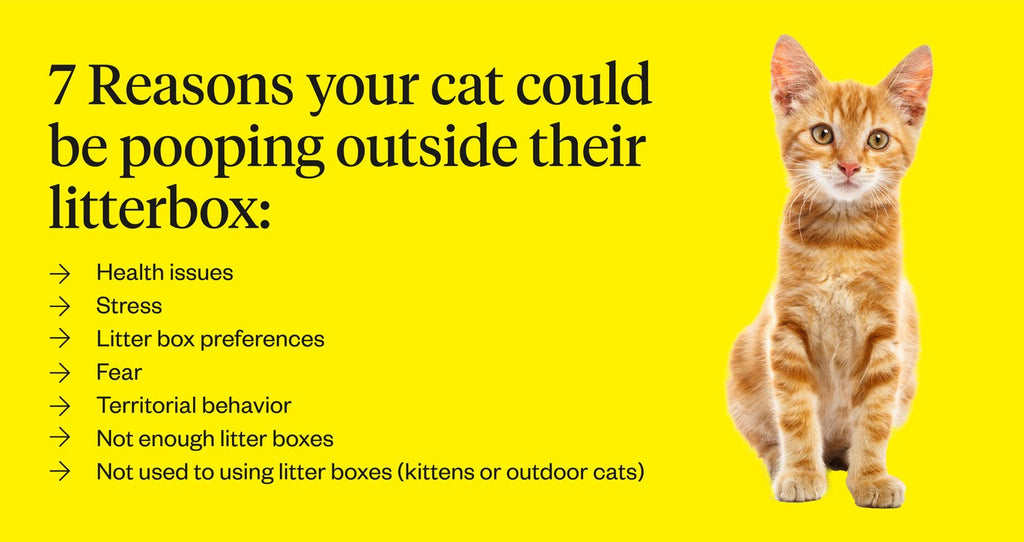
Common Reasons For Litter Box Avoidance
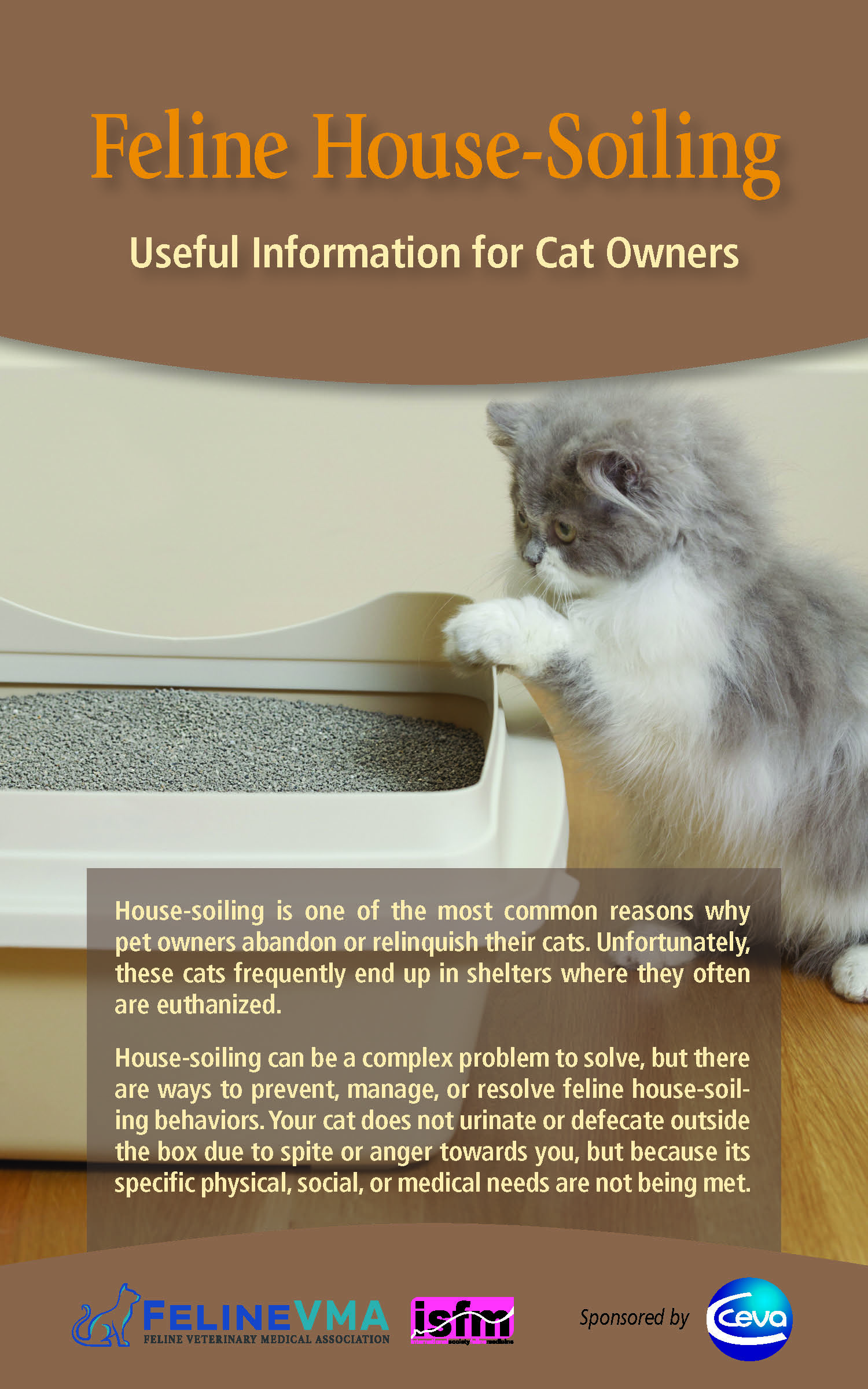
Having a cat that avoids the litter box can be frustrating. Understanding the reasons can help address the issue effectively. Cats may avoid the litter box due to health issues, behavioral problems, or litter box preferences. Identifying the cause is the first step to finding a solution.
Health Issues
Cats with medical problems may avoid the litter box. Urinary tract infections can cause discomfort. Cats with arthritis might struggle to enter the box. Digestive issues could make pooping painful. If your cat avoids the litter box, consult a vet. Early diagnosis can prevent complications.
Behavioral Problems
Behavioral issues may lead to litter box avoidance. Stress can affect a cat’s habits. Changes at home, like a new pet, might upset your cat. Territorial disputes can also cause problems. Ensure your cat feels safe and secure. Create a calm environment to reduce stress.
Litter Box Preferences
Cats can be picky about their litter box. Some prefer specific types of litter. Others need a clean box to use it. The location of the box is important. Ensure the box is easily accessible. Try different types of litter to find your cat’s preference. Regular cleaning encourages use.

Credit: wb-iisg.com
Assessing Health Concerns
When your cat starts avoiding the litter box, it’s easy to feel frustrated. But before jumping to conclusions about behavioral issues, it’s important to consider health concerns. Understanding your cat’s well-being can often provide the answers you’re looking for.
Signs Of Illness
Is your cat showing any unusual behavior apart from avoiding the litter box? Changes like lethargy, loss of appetite, or excessive grooming could indicate that something is off. Keep an eye on the consistency and frequency of their waste as well. These signs might point to digestive issues or other health concerns.
I remember when my cat, Luna, suddenly stopped using her litter box. It turned out she had a urinary tract infection. It was a relief to know that this had a clear solution.
Always be on the lookout for such symptoms. They could be your first clue in understanding why your cat is not using the litter box.
Veterinary Check-up
A visit to the vet can shed light on underlying health problems. It’s essential to rule out conditions such as infections, constipation, or diabetes. A professional evaluation can provide peace of mind and set the path for effective treatment.
Don’t wait too long to schedule that appointment. Your vet can offer guidance and perhaps even uncover issues you hadn’t considered. Plus, early detection often leads to better outcomes.
Have you noticed any other signs that might need a vet’s attention? Taking action promptly can improve your cat’s quality of life and help them return to their usual litter box habits.
Ultimately, assessing health concerns is a crucial step in solving the litter box mystery. Ensuring your cat is healthy can prevent further issues and strengthen your bond with them. What steps will you take to ensure your cat is feeling their best?
Understanding Behavioral Factors
Cats may not use the litter box due to stress, health issues, or an unclean environment. Changes in routine or location can also affect their habits. Understanding these factors can help solve the problem.
Understanding why your cat might not be using the litter box can be a perplexing issue for many pet owners. Behavioral factors often play a significant role in this puzzling problem. By unraveling these behaviors, you can help your feline friend feel more comfortable in their environment and return to their litter box routine.Stress And Anxiety
Cats are creatures of habit. Any changes in their environment, such as moving to a new home or introducing a new pet, can lead to stress and anxiety. This emotional upheaval might result in your cat avoiding their litter box. Imagine the stress you feel when everything changes at once. Your cat experiences a similar turmoil. A sudden shift in their environment can make them feel insecure, leading them to avoid their litter box. Consider if there have been any recent changes in your household. Have you rearranged furniture or introduced a new family member? These disruptions can lead your cat to seek out new, comforting locations to do their business. Try to maintain a consistent environment for your cat. Providing a safe space with familiar smells and objects can help reduce anxiety. You might be surprised at how quickly your cat returns to their usual habits when they feel secure.Territorial Marking
Territorial marking is another behavioral factor that might explain why your cat isn’t using the litter box. Cats have a natural instinct to mark their territory, especially if they feel threatened by other animals. Have you noticed any signs of territorial disputes with neighborhood cats? This might be causing your cat to mark areas outside the litter box. It’s their way of claiming ownership and establishing boundaries. Ensure that your cat feels safe and has plenty of personal space. You can also try using a litter box for each cat if you have multiple pets. This can prevent conflicts and make your cat feel more comfortable. Remember, understanding these behavioral factors is key to solving the litter box mystery. By addressing the root causes of stress, anxiety, and territorial marking, you can help your cat feel more at ease. So, what steps will you take today to make your home a more welcoming space for your feline friend?Evaluating Litter Box Setup
Cats might avoid pooping in the litter box due to its location or cleanliness. Assessing the box’s setup can identify issues. Ensuring a comfortable space is key to encouraging consistent use.
Evaluating the litter box setup is crucial. It might be the reason your cat is not using its box. Understanding the right setup can make a big difference. Let’s dive into the specifics.Box Size And Type
Cats need space. A small box can be uncomfortable. Choose a box that fits the cat’s size. Some cats prefer open boxes. Others might like covered ones for privacy. Test different types. See what suits your cat best.Location And Accessibility
Location matters. Place the litter box in a quiet area. Cats dislike noisy spots. Ensure easy access. Avoid stairs or tight corners. The box should be easy for your cat to reach. Make sure it’s always open.Litter Choices
Litter type can affect usage. Some cats prefer sandy textures. Others might like clumping litter. Scented litter can be off-putting. Try unscented options. Observe your cat’s preference. Adjust based on what your cat likes.Training And Behavior Modification
Cats are wonderful companions, but sometimes they have their quirks—like refusing to poop in the litter box. Training and behavior modification can be key in turning this around. With the right methods, you can help your feline friend get back on track. But how do you do it effectively?
Positive Reinforcement
Rewarding your cat when they use the litter box can work wonders. Treats, praises, or even a gentle pet can make them feel appreciated. Consistency is crucial. Every time your cat uses the litter box correctly, offer a reward.
Imagine your cat associating the litter box with good things. This positive connection encourages them to repeat the behavior. Have you ever noticed how your cat responds to praise? Use that to your advantage.
Routine Establishment
Creating a regular schedule can help your cat feel more secure. Cats are creatures of habit. Establish specific times for feeding, playing, and cleaning the litter box. This helps them understand what to expect.
Think about your daily routines. You probably feel at ease when things go as planned. Your cat is no different. By maintaining a routine, you give them a sense of stability.
Have you considered setting a timer for litter box checks? This could remind you to clean it regularly, which is essential for your cat’s comfort. A clean litter box is more inviting, increasing the chances your cat will use it.
What other behaviors have you successfully modified in your cat? Share your insights or questions below!
Environmental Adjustments
Adjusting your cat’s environment may solve litter box problems. Cats are sensitive creatures. A small change can make a big difference. Focus on reducing stressors and creating a cat-friendly space.
Reducing Stressors
Cats may avoid the litter box due to stress. Identify any changes in the home. New pets or family members can cause anxiety. Loud noises and changes in routine can also be stressors. Keep a calm and stable environment. Minimize loud sounds and sudden movements. Create a peaceful area for your cat.
Creating A Cat-friendly Space
Cats need a safe and comfortable space. Ensure the litter box is in a quiet location. Avoid high-traffic areas. The box should be easy to access. Keep it away from food and water bowls. Regularly clean the litter box. Use unscented litter. Some cats prefer privacy. Consider a covered box. Make sure there is enough space for your cat to turn around. Each cat should have its own litter box. Add more boxes if needed. Ensure the environment feels safe and welcoming.
Consulting A Professional
Has your cat stopped using the litter box? It’s frustrating and puzzling. When your attempts to solve the issue fail, it might be time to get help. Consulting a professional can provide insights and solutions tailored to your cat’s needs. Experts can identify underlying issues that might not be obvious to pet owners. Their experience can guide you in addressing behavioral or medical concerns. This section explores when to seek expert advice and how to find the right professional.
When To Seek Help
Is your cat consistently avoiding the litter box? This behavior might signal a deeper issue. A sudden change in your cat’s bathroom habits can indicate stress or illness. If you’ve tried changing the litter or box location without success, it’s time to consult a professional. Persistent issues could lead to stress for both you and your cat. If your cat shows signs of discomfort or health problems, don’t delay seeking help.
Finding The Right Expert
Choosing the right professional is crucial. Start by asking for recommendations from your vet. Vets often know skilled behaviorists or specialists. Look for experts with experience in feline behavior. Ensure they have a good track record with similar cases. Reviews and testimonials can provide insights into their success rate. A good expert will listen to your concerns and provide a tailored approach. Don’t hesitate to ask questions before committing to their services.

Credit: www.dutch.com
Frequently Asked Questions
What To Do If My Cat Won’t Poop In The Litter Box?
Ensure the litter box is clean and in a quiet location. Try different litter types and monitor for health issues. Consult a vet if problems persist.
Why Does My Cat Poop Right Outside The Litter Box?
Your cat might poop outside the litter box due to stress, medical issues, or dislike of the litter. Ensure the box is clean, accessible, and in a quiet location. Consider consulting a vet to rule out health problems.
Why Is My Cat Pooping On The Floor Instead Of The Litter Box?
Your cat might be stressed, dislike the litter box location, or have health issues. Ensure the box is clean, accessible, and the right size. Consult a vet for persistent problems to rule out medical concerns.
Why Does My Cat Avoid The Litter Box?
Cats may avoid the litter box due to stress, medical issues, or dislike of litter type. Ensure the box is clean, accessible, and in a quiet area. If problems persist, consult a vet to rule out medical conditions.
Conclusion
Finding your cat’s litter box issues can be tricky. Cats might avoid the box due to stress or health problems. Check for any changes in their environment. Clean the box regularly. Make sure it’s in a quiet spot. Watch for signs of discomfort in your cat.
Consult a vet for persistent problems. Patience is key. Your cat needs your support to feel safe. Understanding your cat’s needs helps. A happy cat means fewer litter box accidents. With care, your feline friend will use the box again.

Similar Posts