Why Do Cats Poop Outside the Litter Box: Solving Mysteries

Have you ever wondered why your cat sometimes chooses to ignore the litter box and go elsewhere? It’s a mystery that leaves many cat owners puzzled and frustrated.
You’re not alone in this; countless pet parents find themselves facing this unpleasant surprise. Understanding why your feline friend might be avoiding the litter box can save you time, stress, and help maintain a peaceful home environment. We’ll explore the surprising reasons behind this behavior and offer practical solutions to help your cat get back on track.
Get ready to uncover the secrets of your cat’s mind and turn this problem into a thing of the past. Keep reading to discover how you can create a happier, cleaner space for both you and your beloved pet.
Common Reasons For Litter Box Avoidance
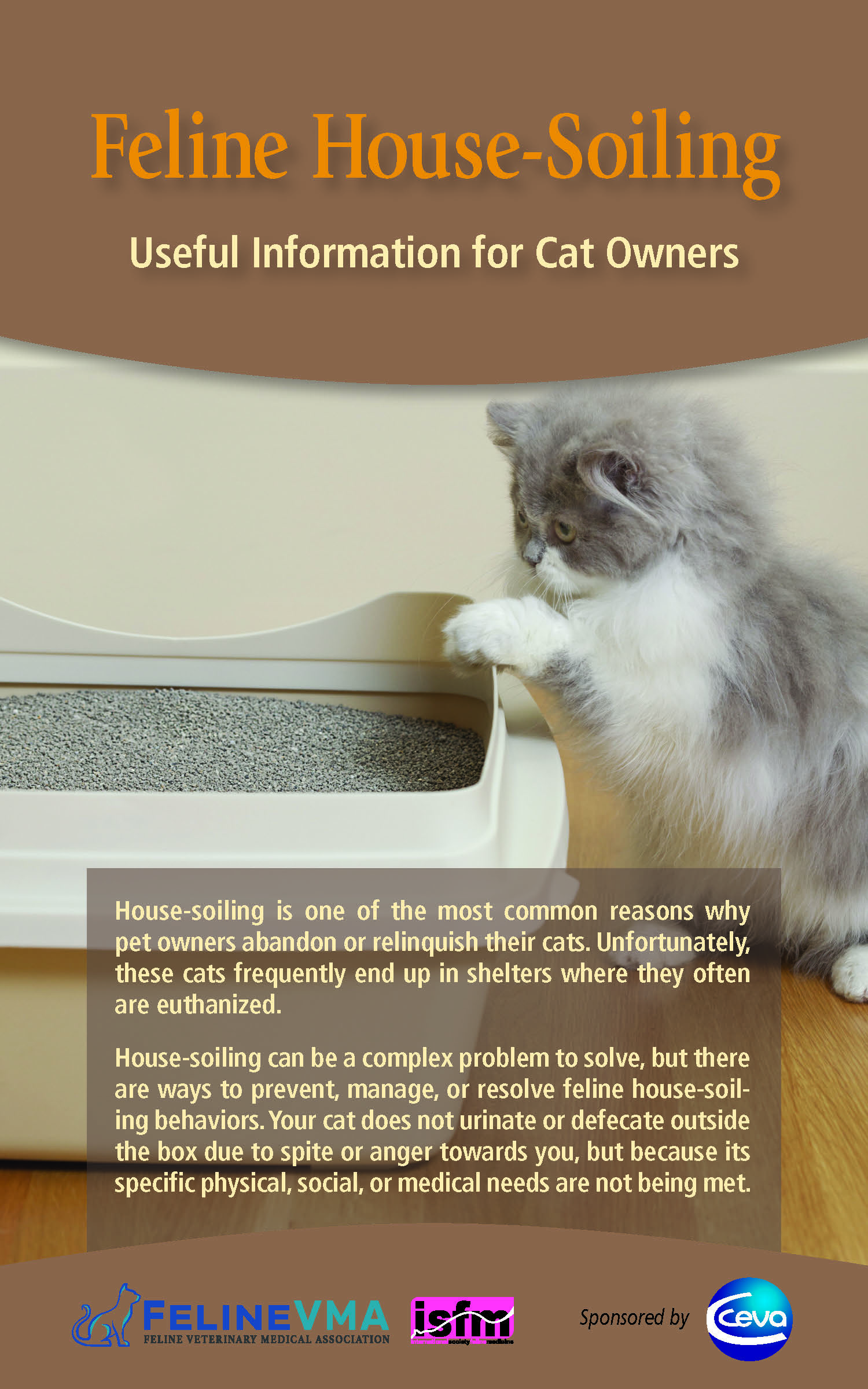
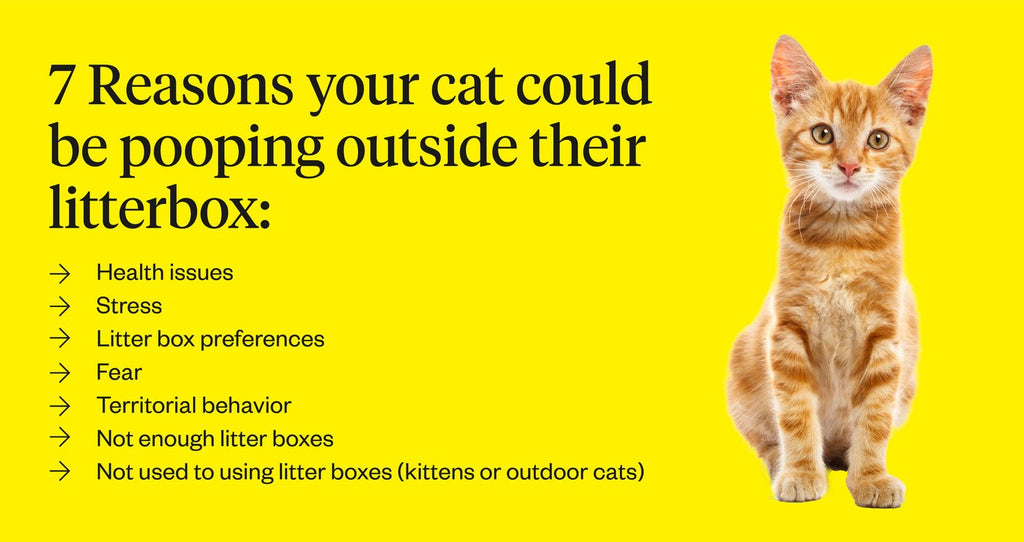
Discovering that your cat is pooping outside the litter box can be frustrating and perplexing. It’s a common problem many cat owners face, leaving them wondering why their feline friend suddenly breaks the routine. Understanding the underlying reasons for litter box avoidance can help address the issue effectively. Let’s dive into some common reasons that might be causing your cat to turn away from their designated bathroom spot.
Medical Issues
Sometimes, the culprit behind litter box avoidance is a medical issue. Cats might struggle with urinary tract infections, constipation, or arthritis, making it painful to use the litter box. If your cat suddenly starts pooping outside the box, it’s crucial to consult a veterinarian. Early diagnosis can prevent further health complications and bring comfort back to your cat’s life.
Stress And Anxiety
Cats are sensitive creatures. Changes in their environment, like moving house or adding a new pet, can cause stress or anxiety. This emotional turmoil might lead your cat to avoid the litter box. Reflect on recent changes in your household. Could something be unsettling your cat? Creating a calm and familiar space can help ease their anxiety and encourage proper litter box usage.
Litter Box Preferences
Your cat might simply have a preference for a different litter box setup. Perhaps the box is too dirty, or the litter type is unappealing. Some cats dislike covered boxes or scented litter. Try experimenting with different litter types and ensure the box is cleaned regularly. Observing your cat’s reactions to changes can guide you to the perfect litter box setup.
Have you ever wondered why a cat suddenly rejects their litter box? Addressing these common reasons can lead to a cleaner home and a happier cat. What steps will you take to understand and solve your cat’s litter box avoidance? Remember, patience and observation are key to resolving this issue.
Credit: www.thedodo.com
Behavioral Factors
Cats are fascinating creatures with complex behaviors. Their actions often puzzle their owners. One common issue is cats pooping outside the litter box. Understanding the behavioral factors can help address this problem. Various elements influence a cat’s litter box habits. These include territorial instincts and environmental changes. Each aspect plays a crucial role in your cat’s behavior.
Territorial Marking
Cats have a strong sense of territory. They mark their space in several ways. Pooping outside the litter box can be one method. This behavior signifies a cat’s need to claim territory. New pets or changes in the home can trigger this response. Cats might feel threatened by these changes. Marking their territory gives them a sense of security.
Changes In Environment
Environmental changes can stress cats. Moving to a new home is a common cause. Rearranging furniture might also unsettle your cat. Even minor changes can impact their behavior. Cats may react by avoiding the litter box. They seek comfort in familiar spots. Providing stability helps ease their anxiety.
Multi-cat Household Dynamics
Living with multiple cats adds complexity. Cats have unique personalities. Each cat needs its own space. Sharing a litter box may cause stress. Dominant cats might intimidate others. This leads to litter box avoidance. Providing multiple litter boxes can alleviate this issue. Ensure each cat feels secure in its environment.
Environmental Influences
Cats are generally clean animals, but sometimes they poop outside the litter box due to environmental factors. Understanding these influences can help you create a more cat-friendly space. Let’s explore some key aspects that might be affecting your cat’s litter box habits.
Litter Box Location
The location of your cat’s litter box is crucial. Cats prefer privacy, so placing the box in a quiet area can make a big difference. If your cat feels exposed or threatened by noise, they might avoid using the box. I once had my cat’s litter box near a busy hallway, and she started using the bathroom in the dining room instead. Moving it to a secluded corner resolved the issue almost instantly.
Consider this: Is your cat’s litter box in a place where they feel safe? If not, try relocating it to a more private area.
Cleanliness Of The Box
Cats are meticulous creatures. If their litter box is dirty, they may refuse to use it. Regular cleaning can prevent this. Think of the litter box as your cat’s bathroom; just as you wouldn’t want to use a dirty restroom, neither would they. I found that scooping the box daily not only reduced smells but also encouraged my cat to use it consistently.
Ask yourself: How often do you clean your cat’s litter box? A clean box might be the simple solution your cat is looking for.
Type Of Litter Used
The type of litter you use can influence your cat’s habits. Some cats prefer clumping litter, while others opt for non-clumping or even natural options like wood pellets. I once switched to a scented litter thinking it would be pleasant, but my cat started avoiding the box entirely. It turns out, she preferred unscented litter.
Reflect on this: Have you tried different types of litter to see what your cat prefers? A small change might make a big difference.
Understanding environmental influences can be key to solving litter box issues. By evaluating the location, cleanliness, and type of litter, you can make adjustments to keep your cat happy and your home clean. Have you considered what changes might work for your cat?
Credit: www.youtube.com
Solutions And Preventive Measures
Dealing with a cat that poops outside the litter box can be frustrating. But understanding why this behavior happens is crucial for resolving it. Fortunately, there are several solutions and preventive measures you can take to help your feline friend return to the litter box. Let’s explore how consulting a veterinarian, creating a cat-friendly space, and maintaining a regular cleaning routine can make a difference.
Consulting A Veterinarian
Is your cat’s behavior a sign of a medical issue? Cats sometimes poop outside the litter box due to health problems. A quick visit to the veterinarian can help identify if there’s an underlying condition causing discomfort or distress.
Acting promptly can save your cat from prolonged pain and prevent future messes around your home. Regular check-ups can also catch potential issues early, giving your cat the best chance at a happy and healthy life.
Creating A Cat-friendly Space
Could your home be more welcoming to your cat? Ensure your cat feels comfortable and secure in their environment. Cats are sensitive creatures, and disruptions like loud noises or new furniture can stress them out.
Consider adding cozy spots or quiet corners where your cat can retreat. A cat-friendly space encourages them to use the litter box, especially if it’s located in a peaceful area. Observe your cat’s behavior and adjust your home accordingly to create a harmonious atmosphere.
Regular Cleaning Routine
Is the litter box clean enough? Cats have a keen sense of smell and prefer a clean litter box. Implementing a regular cleaning routine ensures the box is always inviting for your cat.
Remove waste daily and do a thorough clean weekly. Use mild, unscented cleaners to avoid irritating your cat’s sensitive nose. A clean litter box can significantly reduce the chances of your cat seeking alternative spots to do their business.
Addressing these areas can help solve the issue and improve your cat’s well-being. What changes can you make today to support your furry friend? Don’t wait—taking action now can lead to a happier and cleaner home for both you and your cat.
Training And Reinforcement
Training and reinforcement are crucial in helping your cat develop proper litter box habits. If your feline friend is pooping outside the litter box, it might be time to revisit how you train them. With patience and the right techniques, you can guide your cat to use the litter box reliably.
Positive Reinforcement Techniques
Instead of focusing on punishing mistakes, celebrate successes. When your cat uses the litter box correctly, reward them. You can offer a treat or a gentle stroke as a form of encouragement. This positive reinforcement lets your cat associate using the litter box with pleasurable experiences.
Have you tried a clicker for training? Some cats respond well to the sound as a signal of praise. It can be a fun way to communicate with your furry friend. Just remember, consistency is key to making positive reinforcement work.
Gradual Introduction To Litter Box
Sometimes, a cat needs time to adjust to a new litter box or location. If you recently changed either, introduce the new setup gradually. Place the litter box in a quiet, accessible area where your cat feels safe.
Consider the type of litter you’re using. Cats can be picky about texture and scent. You might need to experiment with different options to find what your cat prefers.
Consistency In Routine
Consistency is the secret sauce in training any pet. Keep the litter box clean and in the same spot. A regular routine helps your cat know what to expect and where to go.
Are you feeding your cat at the same time each day? Routine feeding can lead to regular bathroom habits. This predictability can help reinforce litter box usage.
Training your cat takes time. Are you ready to commit to a routine that helps your cat succeed? Remember, every small step you take makes a big difference.
:strip_icc()/cat-pooping-outside-box-Final-554017-6d77dbd602474769ad6cebd1b578752a.jpg)
Credit: wb-iisg.com
Tools And Products To Aid Training
Cats might poop outside the litter box due to stress or a dislike of the box’s location or cleanliness. Tools and products like calming sprays and automatic litter boxes can help address these issues. Ensuring a comfortable environment encourages cats to use their designated bathroom spot.
Training your cat to consistently use the litter box can feel like a daunting task, but the right tools and products can make all the difference. Whether your cat is stubbornly avoiding the litter box or just needs a little encouragement, there are innovative solutions available to help. Let’s dive into some practical tools and products that can aid in training your feline friend.Litter Box Types And Innovations
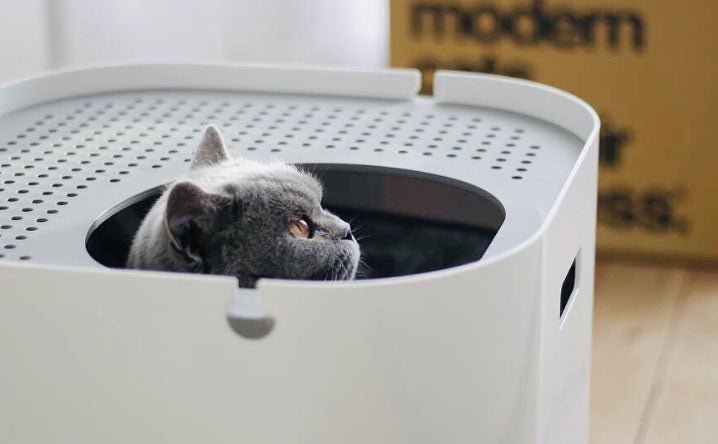
Choosing the right litter box can significantly impact your cat’s behavior. Various designs cater to different feline preferences, from open trays to enclosed boxes that provide privacy. Some litter boxes even feature self-cleaning mechanisms, reducing the frequency of manual cleaning. Consider the size and height of the box. A larger box may be more inviting, especially for bigger cats or those with mobility issues. Additionally, newer models come with odor control technology, which can be appealing to both you and your cat.Stress-relief Products
Stress is a common reason why cats may avoid the litter box. Products like pheromone diffusers or calming sprays can create a more relaxed environment for your cat. These products mimic natural feline scents, promoting a sense of security. You might be surprised at how a simple diffuser can change your cat’s mood. I once struggled with my cat refusing the litter box until I tried a calming spray—within days, his behavior shifted. Remember, a stress-free cat is more likely to comply with litter box training.Behavioral Aids
Behavioral aids can offer a more direct approach to training. Training pads or mats can guide your cat towards the right spot. Some mats are designed to deter your cat from certain areas, while others attract them to the litter box. Interactive toys can also play a crucial role in training. Engage your cat in play near the litter box to create positive associations. Is your cat ignoring the litter box? Try rewarding them with treats when they use it correctly. Positive reinforcement can be a powerful tool in shaping behavior. Each cat is unique. Therefore, it might take some experimentation to find the right combination of tools and products that work for you and your furry friend. Have you found an unexpected solution that helped your cat? Share your experience in the comments below!Frequently Asked Questions
How Do I Get My Cat To Stop Pooping Outside The Litter Box?
Ensure the litter box is clean and accessible. Choose the right size and type for your cat. Address any stress or medical issues. Use positive reinforcement when they use the box correctly. Consult a vet if problems persist.
Why Is My Cat Pooping On The Floor With A Clean Litter Box?
Cats may poop outside the litter box due to stress, health issues, or dislike for the litter type. Ensure the box is accessible and clean, and consult a vet if behavior persists. Address any changes in the environment that might upset your cat.
How Do You Punish A Cat For Pooping Outside The Litter Box?
Never punish a cat for pooping outside the litter box. Identify the cause and address it. Ensure the litter box is clean and accessible. Consult a vet if issues persist. Positive reinforcement and patience help correct behavior.
Why Do Cats Avoid The Litter Box?
Cats may avoid the litter box due to medical issues, stress, or an unclean box. Changes in environment or litter type can also affect their behavior. If your cat suddenly stops using the litter box, consult a vet to rule out health problems.
Conclusion
Cats pooping outside the litter box can be frustrating. Understanding the reasons helps. Stress, health issues, or litter box problems may be the cause. Observe your cat’s behavior closely. Make necessary adjustments to their environment. Clean the litter box regularly.
Choose the right litter type for your cat. Consult a vet if the issue persists. Patience and care can solve the problem. Your cat deserves a comfortable bathroom space. Happy cat, happy home. Keep their litter box clean. Your efforts will pay off.

Similar Posts