Can Cats Throw Up from Separation Anxiety? Uncover Truths
Have you ever come home to find your feline friend has left an unwelcome surprise on the carpet? You might wonder if your cat is throwing up because of separation anxiety.
Cats are known for their independent nature, but just like us, they can feel lonely or stressed when left alone. It’s not just about missing you; this anxiety can manifest in physical ways, leaving you both feeling out of sorts.
Imagine being able to understand the subtle signals your cat is sending you and knowing exactly how to respond. By the end of this article, you’ll uncover the mystery behind your cat’s upset stomach and learn effective ways to comfort your anxious kitty. Dive in to discover if separation anxiety could be the culprit and what you can do to help.
Separation Anxiety In Cats
Separation anxiety in cats is a real concern for many pet owners. While dogs are often associated with this condition, cats can experience it too. If you’ve ever come home to find your feline friend acting out or behaving unusually, separation anxiety might be the culprit. Understanding the symptoms and behavioral changes can help you address your cat’s needs and improve their well-being.
Common Symptoms
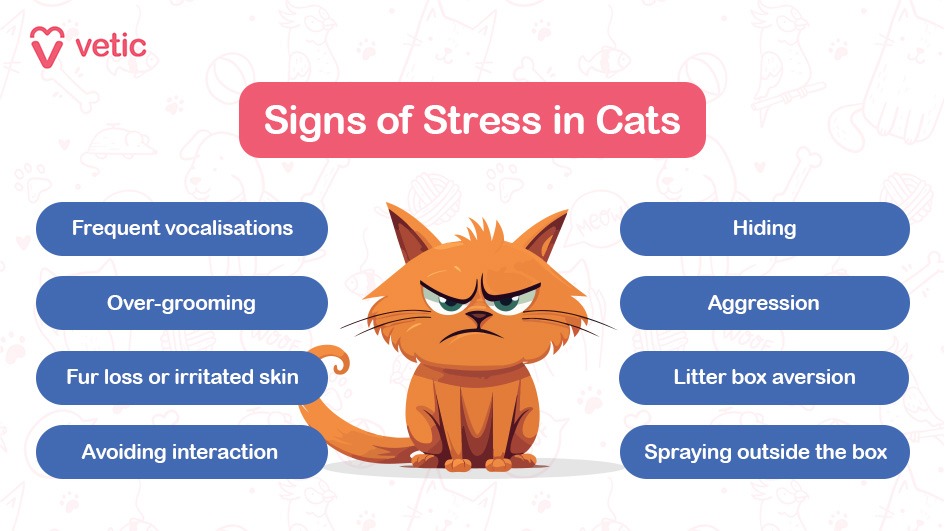
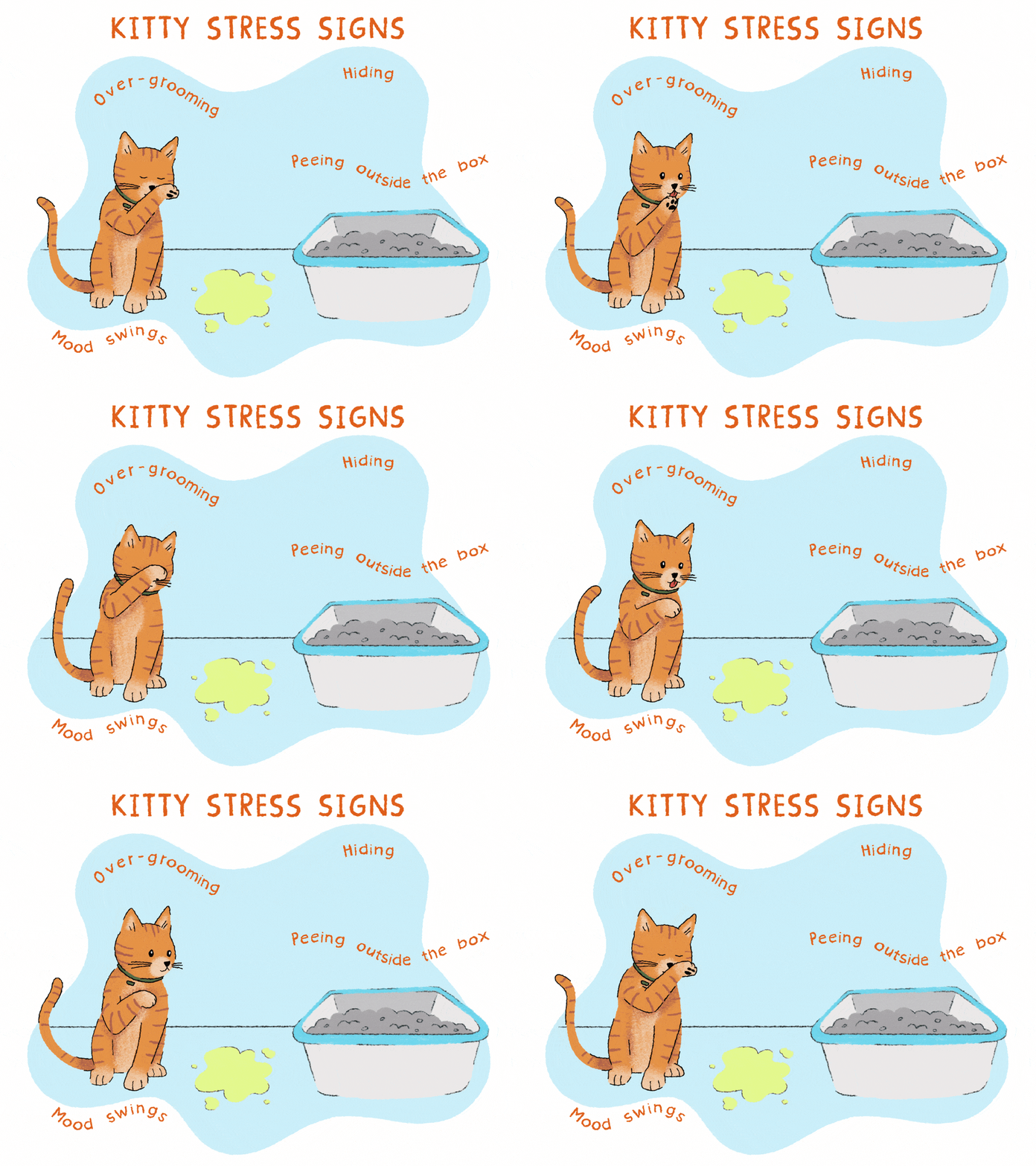
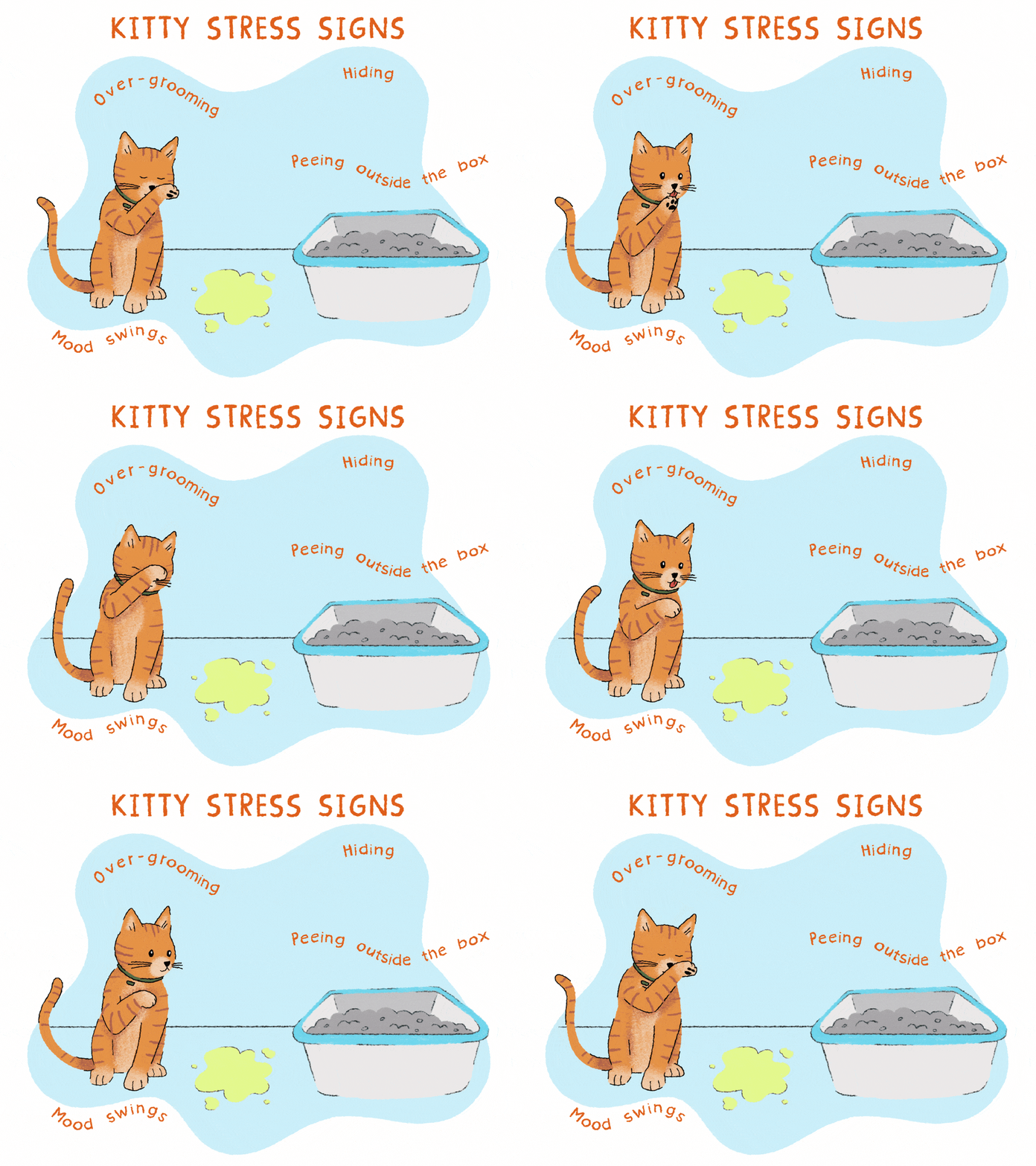
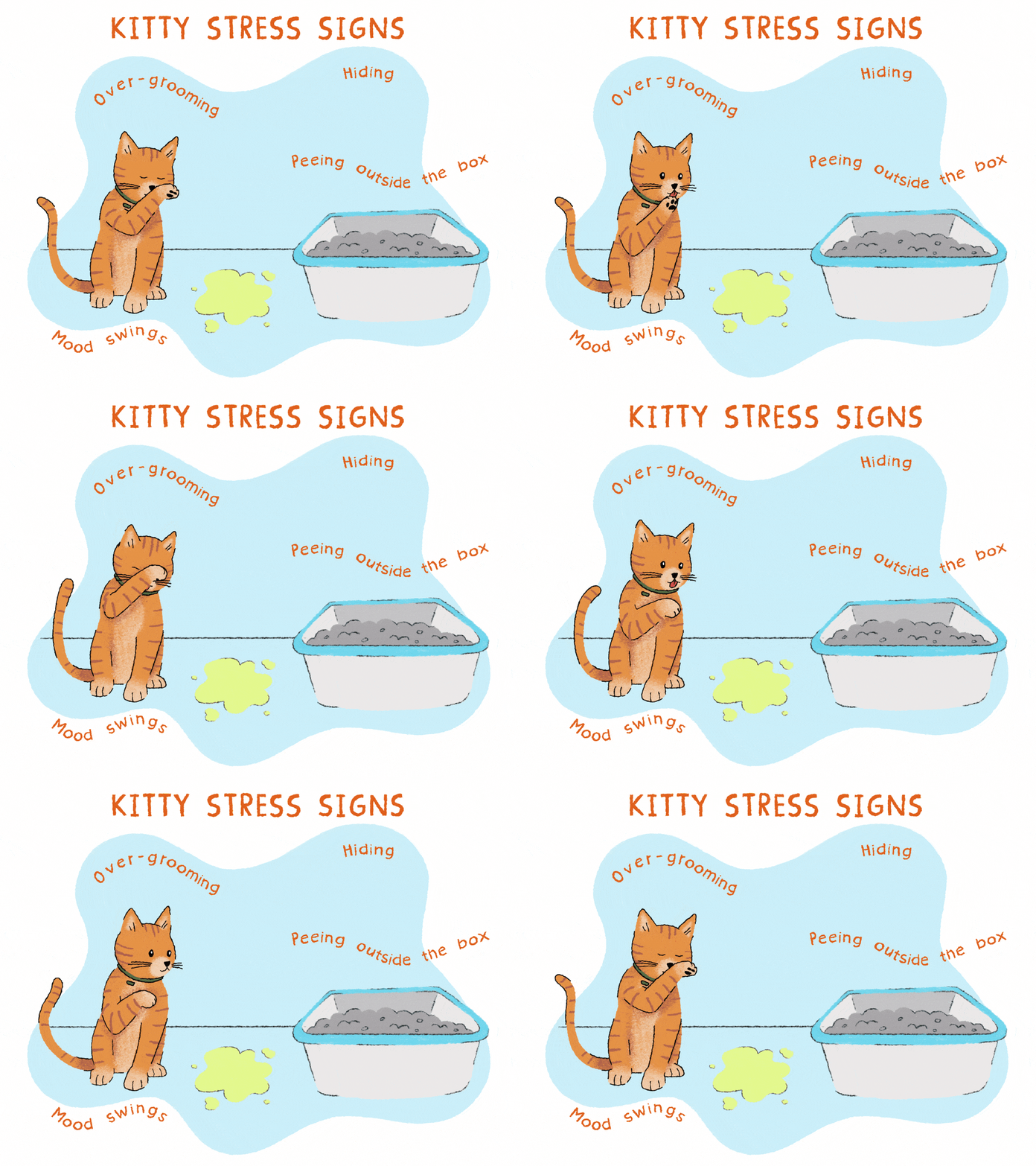
How do you know if your cat is suffering from separation anxiety? Look out for common symptoms. Cats may excessively groom themselves, sometimes leading to bald patches. They might also refuse to eat or drink when you’re not around. Another sign is if your cat seems overly attached, following you from room to room as if they fear you might leave again.
Vomiting can be a symptom too. Although it’s not always linked directly to anxiety, stress can upset a cat’s stomach. Notice if the vomiting occurs mainly when you’re away or right after you return.
Behavioral Changes
Behavioral changes are often the most noticeable signs of separation anxiety. Your cat might become more vocal, meowing or crying loudly when you’re gone. Some cats might start using the bathroom outside their litter box, especially in places that smell like you, such as your bed or clothes.
Destructive behavior can also be a red flag. Scratching furniture or knocking things over might be your cat’s way of expressing distress. Pay attention to any sudden changes in your cat’s habits or routines. Are they hiding more often or sleeping less? These changes can indicate they’re feeling anxious.
Have you noticed these symptoms in your cat? If so, it might be time to consider how you can ease their anxiety. Could a new routine or environment help? Or perhaps spending more quality time together will make a difference? Understanding your cat’s needs is the first step to finding solutions. You know your pet better than anyone else; trust your instincts and take action to improve their comfort.
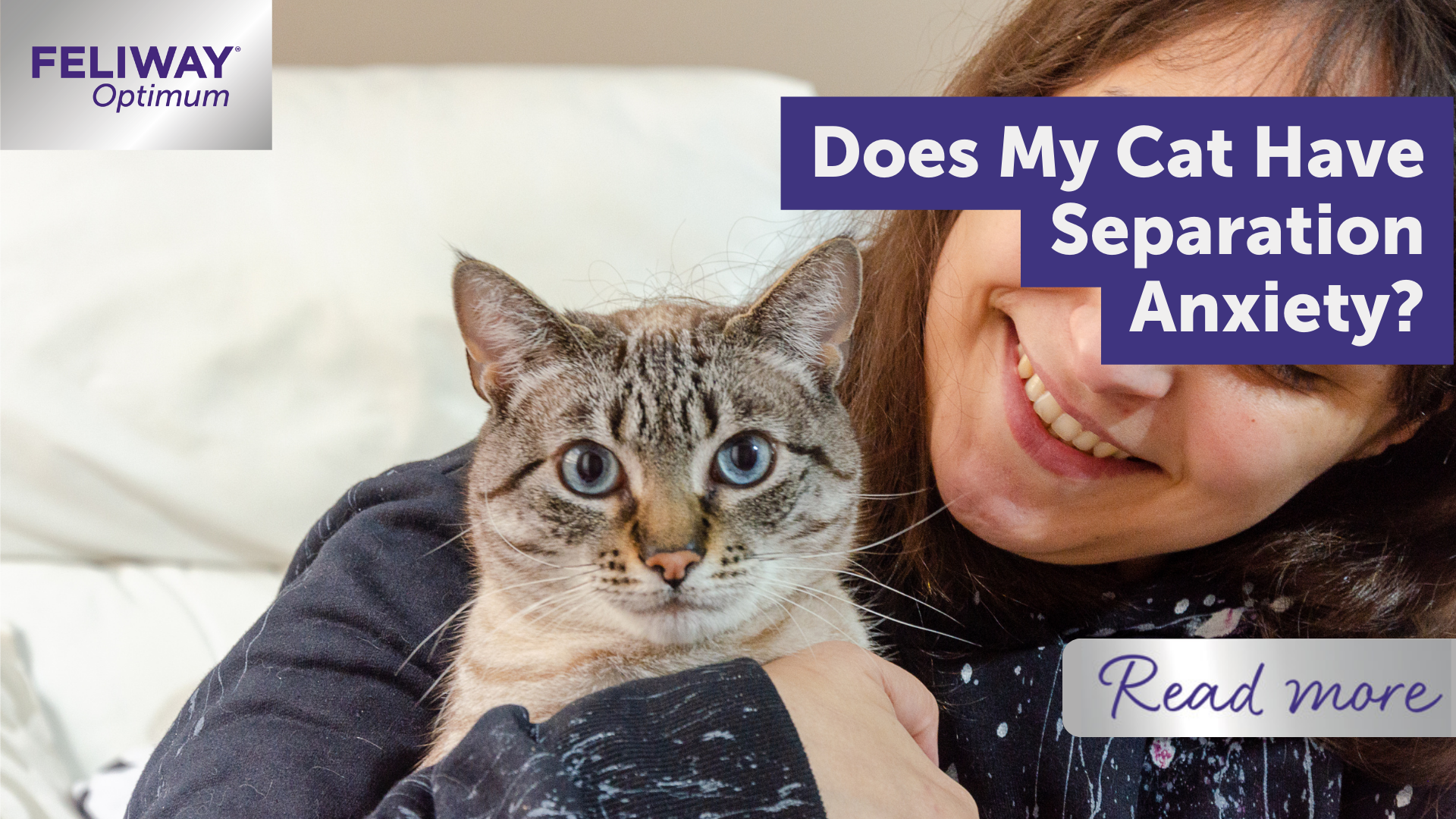
Credit: www.feliway.co.uk
Causes Of Separation Anxiety
Cats may vomit due to separation anxiety. Stress and loneliness can upset their stomachs. This emotional distress might lead to physical symptoms like throwing up.
Cats are known for their independence, but they can still feel anxious. Separation anxiety in cats can cause physical symptoms like vomiting. Understanding the causes helps in managing this condition. Two main factors contribute to separation anxiety in cats: environmental factors and past experiences.Environmental Factors
Cats are creatures of habit. A change in their environment can unsettle them. Moving to a new home disrupts their routine. New family members or pets can also cause stress. Even a change in furniture arrangement might affect them. A cat’s sensitive nature picks up on these changes. This can lead to anxiety when left alone. Maintaining a stable environment helps reduce this stress.Past Experiences
A cat’s history influences its present behavior. Cats that were abandoned or rehomed may feel insecure. Traumatic experiences can make them anxious about being alone. Early separation from their mother also impacts their emotional health. These past experiences create a fear of abandonment. This fear can trigger anxiety, resulting in physical symptoms. Understanding a cat’s history aids in addressing their anxiety.Physical Manifestations
Cats might vomit due to separation anxiety. Stress can upset their stomachs, leading to physical symptoms like throwing up. It’s essential to observe their behavior and consult a vet for proper guidance.
Separation anxiety isn’t just a human experience; your feline friend might be dealing with it too. This emotional stress can lead to physical manifestations, making it essential for you to understand and recognize these signs. Just like humans, cats can display their emotional turmoil through physical symptoms, including vomiting and other health impacts. Let’s explore how separation anxiety can affect your cat’s health.Vomiting And Digestive Issues
When your cat faces separation anxiety, their digestive system may react adversely. Have you ever returned home to find your cat has thrown up? This might not be a coincidence. Stress can cause an upset stomach, leading to vomiting. A change in routine or a long absence can amplify their anxiety. You might notice your cat eating less or having irregular bowel movements. This digestive distress can be a direct response to their emotional state. Consider creating a predictable routine to ease their anxiety. Regular feeding times and consistent interactions may help reduce these symptoms. You might find that a simple change in your schedule could make a big difference.Other Health Impacts
Beyond digestive issues, separation anxiety can manifest in other ways. Your cat might engage in excessive grooming, leading to hair loss or skin irritation. Have you noticed bald patches or irritated skin on your cat? This could be a sign of stress. Some cats may become lethargic, showing less interest in activities they once loved. A once playful cat might turn into a couch potato, lacking energy and enthusiasm. This behavior change can also affect their immune system, making them more susceptible to illness. It’s crucial to keep an eye on these shifts in behavior and consult a vet if necessary. Wouldn’t you want to ensure your furry friend stays healthy and happy? Understanding these physical manifestations can help you take action to support your cat. Simple adjustments, like spending more quality time with them, can make a difference. How can you change your routine to better support your anxious cat?
Credit: www.hickoryvet.com
Diagnosing Anxiety-related Vomiting
Could your cat’s upset stomach be linked to separation anxiety? It’s a possibility worth exploring. Diagnosing anxiety-related vomiting in cats involves a mix of veterinary insights and behavioral observations. Understanding the root cause can help you provide the best care and comfort for your feline friend.
Veterinary Evaluation
Start by consulting your veterinarian. They can rule out other medical conditions that might be causing the vomiting. A thorough examination, including blood tests and imaging, might be necessary. Your vet will look for signs of gastrointestinal issues, infections, or other health problems.
Don’t hesitate to share your observations with the vet. Mention any changes in your cat’s routine or environment. This information can be crucial in pinpointing anxiety as a potential cause. Remember, a vet’s expertise is invaluable in ensuring your cat’s well-being.
Behavioral Assessment
Behavioral changes can offer clues about anxiety-related vomiting. Has your cat become more clingy or withdrawn? Maybe they’re showing signs of stress when you’re about to leave. These behaviors could indicate separation anxiety.
Observe your cat’s actions closely. Do they hide or vocalize excessively when you’re preparing to go out? Such patterns might help you connect their vomiting to emotional distress. Understanding these behaviors is key to addressing your cat’s needs.
Consider keeping a journal of your cat’s behavior and vomiting incidents. Patterns may emerge that reveal triggers and frequency. This record can be invaluable when discussing your concerns with a vet or animal behaviorist.
Could changes in your routine reduce your cat’s anxiety? Simple adjustments, like leaving a comforting object or playing soothing music, might help. What steps can you take to ease your cat’s anxiety and promote their well-being?
Understanding the underlying causes of your cat’s distress empowers you to make informed decisions. By combining veterinary evaluations and behavioral assessments, you can effectively address anxiety-related vomiting and enhance your cat’s quality of life.
Managing Separation Anxiety
Cats, like humans, can feel anxious when left alone. This anxiety can sometimes cause them to throw up. Managing separation anxiety in cats can help reduce these symptoms. It involves creating a calm and stable environment for your feline friend. Let’s explore some effective strategies.
Creating A Safe Space
Provide a cozy, quiet spot for your cat. A safe space helps them feel secure. Use a favorite blanket or bed. This gives them comfort. Include toys and a scratching post to keep them entertained. A window perch can offer a view outside. This can distract them from feeling alone.
Consistency In Routine
Maintain a regular daily routine. Feed your cat at the same times each day. Play with them at set times. This consistency reduces stress. It helps your cat know what to expect. Predictable routines can be reassuring. They can make your cat feel more relaxed.
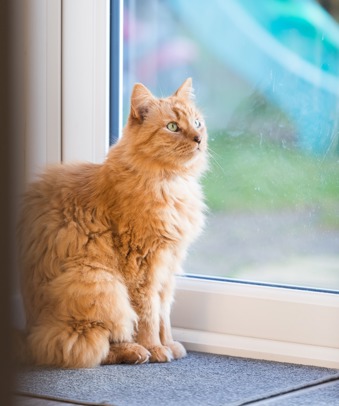
Credit: www.cats.org.uk
Treatment Options
Cats can throw up due to separation anxiety. Treatment includes providing calming environments and using pheromone diffusers. Consulting a veterinarian can help identify the best approach for your cat.
Cats can sometimes throw up due to separation anxiety, a distressing experience for both the feline and the owner. Recognizing the symptoms and addressing them promptly is crucial for your cat’s well-being. Treatment options vary, ranging from behavioral modifications to medical interventions. It’s essential to find the right approach tailored to your cat’s needs.Therapeutic Approaches
Therapeutic approaches can make a significant difference in reducing your cat’s anxiety. Spending quality time with your cat can help ease their distress. Interactive play sessions using toys that mimic prey can keep their minds engaged. Consider introducing a consistent routine. Cats thrive on predictability, and a regular schedule for feeding, playtime, and rest can create a sense of security. You might also explore calming products like pheromone diffusers. These can create a soothing environment, potentially reducing stress-related vomiting.Medication
In some cases, medication may be necessary to manage severe anxiety in cats. Consult with your veterinarian to discuss options that might be suitable. They may recommend anti-anxiety medications that can help ease your cat’s symptoms. It’s crucial to follow the prescribed dosage and monitor your cat for any side effects. Medication can be effective but should be seen as part of a broader treatment strategy, not the sole solution. Have you ever considered how your emotional state might impact your cat? Ensuring a calm and relaxed environment can complement any treatment plan, offering your feline friend the best chance at overcoming separation anxiety. Finding the right treatment for your cat’s separation anxiety can take time and patience. Stay observant, be proactive, and always consult with a professional when in doubt. Your furry companion’s comfort and happiness are worth every effort.Preventive Measures
Preventing separation anxiety in cats involves several steps. These steps help ensure your feline friend feels secure and comfortable. Addressing anxiety early can prevent it from worsening. Let’s explore some effective preventive measures.
Early Intervention
Identify signs of stress in your cat early. Changes in eating habits or litter box behavior may indicate anxiety. Addressing these signs promptly can prevent anxiety from escalating. Consult a vet if you notice unusual behavior.
Training And Socialization
Socialize your cat with different environments and people. This helps your cat become more adaptable. Introduce new experiences gradually to avoid overwhelming them. Training your cat with positive reinforcement can build confidence.
Provide interactive toys to keep your cat engaged. A busy cat has less time to feel anxious. Consider puzzle feeders or toys that stimulate their hunting instincts. Regular playtime strengthens your bond and reduces stress.
Frequently Asked Questions
Can Separation Anxiety Cause Cats To Throw Up?
Yes, separation anxiety can cause cats to vomit. Stress affects their digestive system, leading to nausea. Providing comfort and establishing routines can help reduce anxiety. Consult a vet if vomiting persists.
Can A Cat Puke From Anxiety?
Yes, cats can vomit due to anxiety. Stress affects their digestive system, leading to nausea and vomiting. Ensure a calm environment and consult a vet if symptoms persist. Understanding the cause of anxiety helps in managing your cat’s health effectively.
Can Cats Vomit Due To Separation Anxiety?
Yes, cats can vomit from separation anxiety. Stress affects their digestive system. Prolonged anxiety can lead to upset stomachs. It’s important to monitor their behavior. Provide a calm environment to reduce stress. Consult a vet if vomiting persists.
How Do I Know My Cat Has Anxiety?
Signs include excessive meowing, hiding, and changes in eating habits. Cats may become clingy or aggressive. Watch for litter box issues or over-grooming. Behavioral changes might indicate anxiety. Consult a vet for a proper diagnosis.
Conclusion
Cats can indeed vomit due to separation anxiety. Stress impacts their health. Regular routines help reduce anxiety. Consider toys and calming scents for comfort. Interaction and playtime soothe their nerves. A vet can offer advice and treatments. Monitor their behavior for any changes.
Understanding their needs is crucial. Provide a stable, loving environment. Cats thrive with consistent care. Their well-being depends on your attention. Address anxiety promptly for a happier cat.

Similar Posts