Why is My Cat Peeing Outside the Litter Box? Solutions!

Have you ever walked into a room and found an unexpected puddle outside your cat’s litter box? It’s frustrating, isn’t it?
You’re not alone. Many cat owners face this puzzling behavior, and it can be both bewildering and concerning. You might be wondering what’s going on in your feline friend’s mind. Rest assured, you’re in the right place to get some answers.
We’ll explore the possible reasons why your cat is choosing to forgo the litter box. From medical issues to environmental factors, we’ll delve into the core of the problem and help you understand your cat’s behavior better. This isn’t just about solving a messy inconvenience; it’s about reconnecting with your pet and ensuring they’re healthy and happy. Keep reading to uncover the secrets behind your cat’s curious habits and learn how to bring harmony back to your home.
Common Causes
Cats often pee outside the litter box due to stress, medical issues, or unclean litter conditions. Changes in environment or routine can also disrupt their habits. Addressing these factors may help solve the problem.
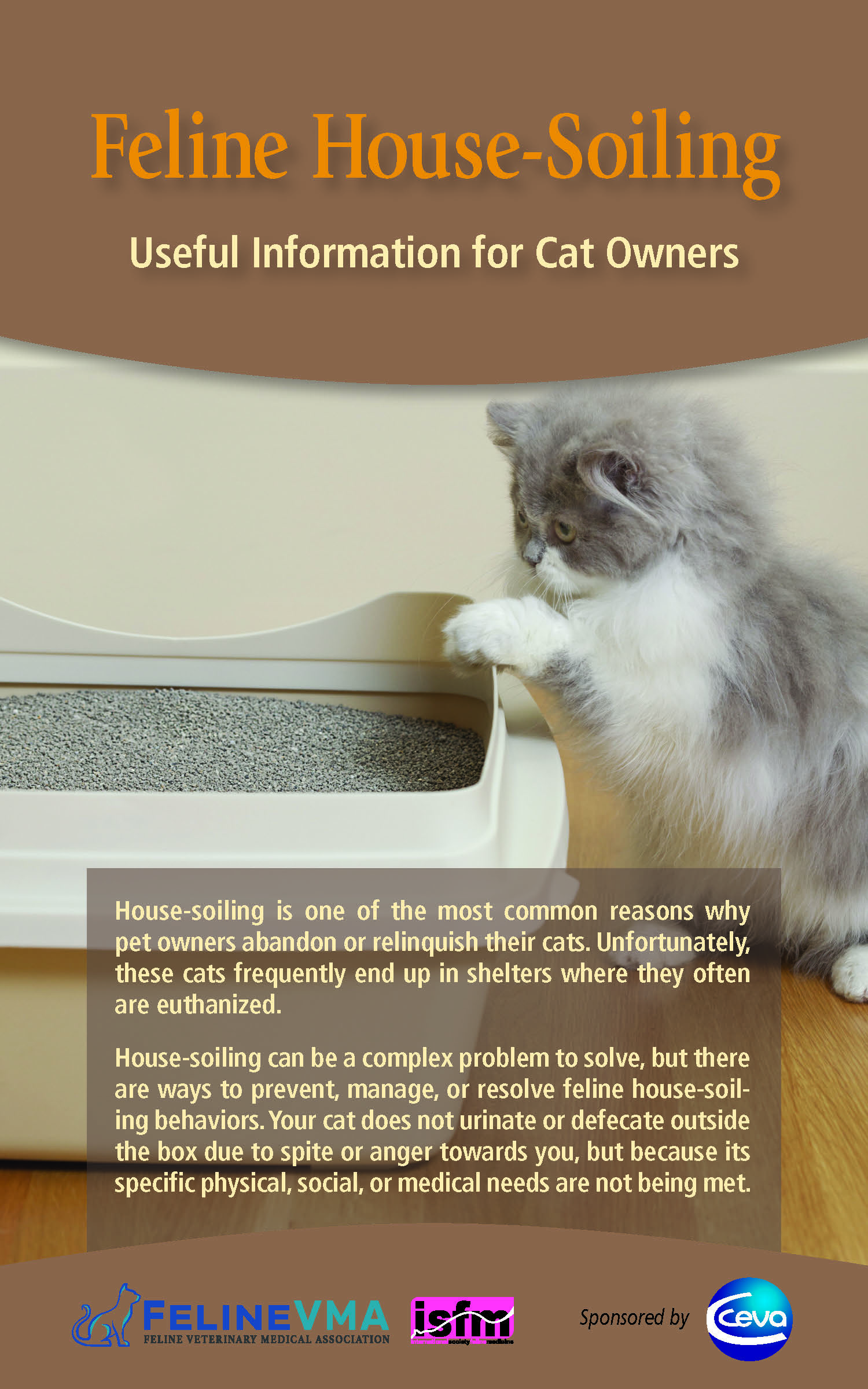
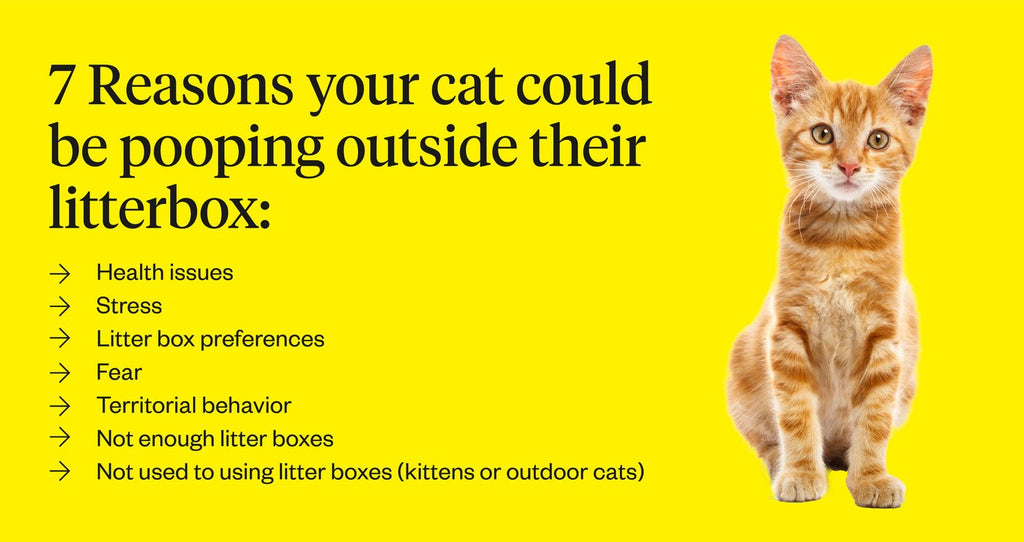
Cats are wonderful companions, but litter box issues can be frustrating. Understanding why a cat pees outside the litter box is crucial. Various factors can influence this behavior. Each cat is different, and so are their reasons for avoiding the litter box. Below, you’ll discover some common causes that might help explain your cat’s actions.Health Issues
Cats might urinate outside the litter box due to health problems. Urinary tract infections are a frequent issue. These infections can cause discomfort and urgency. Kidney disease is another concern. It may lead to increased urination. Diabetes can also affect your cat’s bathroom habits. Visiting a vet is essential to rule out these issues.Stress And Anxiety
Cats are sensitive creatures. Changes in their environment can cause stress. New pets or family members may make them anxious. Even moving furniture can disturb them. Stress can lead to unusual urination habits. Providing a safe and calm environment helps reduce anxiety.Litter Box Preferences
Cats can be picky about their litter boxes. The location of the box matters. It should be in a quiet and accessible spot. The type of litter can also make a difference. Some cats prefer unscented over scented litter. The size and cleanliness of the box are crucial too. A dirty box can deter a cat from using it.Territorial Marking
Cats sometimes mark their territory by urinating. This behavior is common in unneutered males. Spaying or neutering often reduces this tendency. Even neutered cats might mark territory. This happens if they feel threatened by other animals. Understanding your cat’s environment helps address this issue.:strip_icc()/cat-pooping-outside-box-554017-b408bc2885e042a5a1937e7e0b183b5a.jpg)
Credit: www.thesprucepets.com
Identifying Health Problems
Cats peeing outside the litter box may signal health issues. Stress, urinary tract infections, or kidney problems often cause this behavior. Monitoring your cat’s actions can help identify underlying health concerns.
Cats are usually very clean creatures. They instinctively use a litter box. If your cat starts peeing outside it, this can be a concern. A medical issue might be the cause. Identifying health problems is vital. It helps address the problem swiftly.Signs Of Urinary Tract Infections
Cats may suffer from urinary tract infections. This can cause them to pee outside the litter box. Watch for frequent urination. Also, check for signs of discomfort. Blood in urine is another warning sign. Seek veterinary help if you notice these symptoms.Diabetes Symptoms
Diabetes can affect your cat’s litter habits. Increased thirst and urination are common symptoms. A cat with diabetes may lose weight suddenly. They might also seem more tired than usual. These signs require a vet’s attention.Arthritis And Mobility Issues
Older cats often face arthritis. It makes moving painful. They might avoid the litter box due to pain. Struggling to climb into the box is a sign. Consider a low-sided litter box for easier access. This can help alleviate the problem. `Addressing Stress
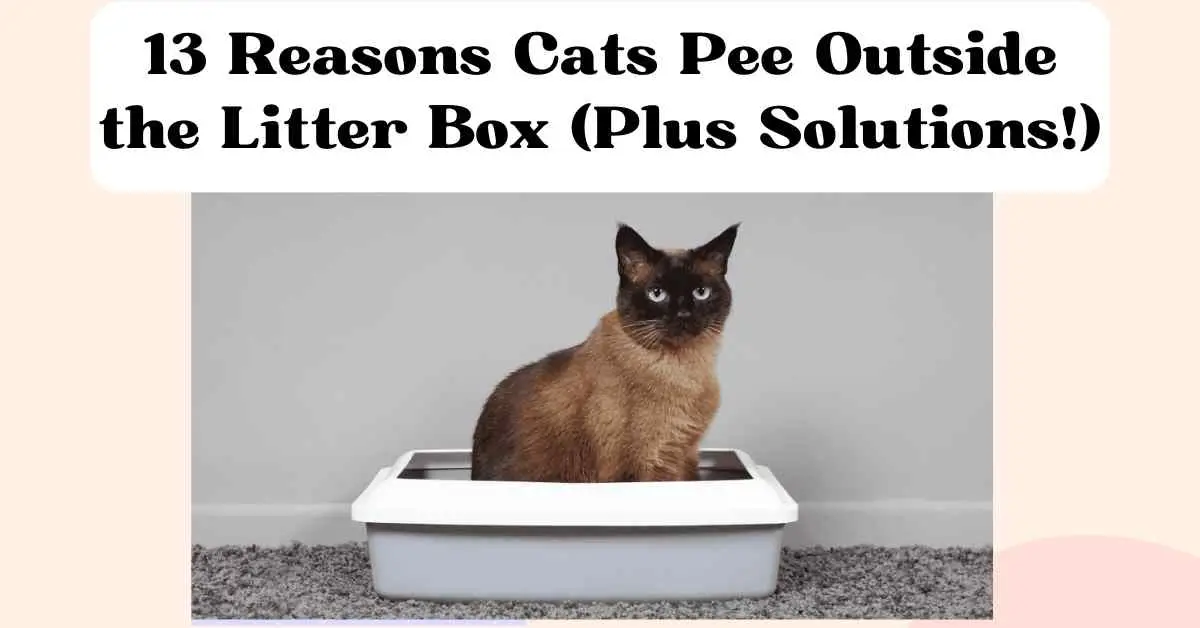
Stress can cause your cat to pee outside the litter box. Cats are sensitive creatures. They respond to changes in their environment quickly. Addressing stress is key to solving this issue. Here, we explore common stress triggers for cats.
Environmental Changes
Cats love routine. They thrive in a stable environment. Moving furniture or changing rooms can stress them. Even new smells or sounds can be unsettling. Make changes slowly. Introduce new items gradually. This helps your cat adjust without stress.
Introducing New Pets
Bringing home a new pet? Your cat might feel threatened. Cats are territorial. They need time to accept newcomers. Separate spaces for each pet can help. Let them meet slowly. Use positive reinforcement to build trust. This reduces stress in your cat.
Routine Disruptions
Daily routines mean a lot to cats. Meals, playtime, and rest should be consistent. Changes in your schedule can confuse them. Keep feeding times the same. Play with your cat daily. A consistent routine helps your cat feel secure.
Credit: comfortedkitty.com
Improving Litter Box Conditions
Cats peeing outside the litter box may signal discomfort or dissatisfaction with its current state. Cleanliness, location, or litter type can influence their behavior. Addressing these factors could improve conditions and encourage proper usage.
Improving litter box conditions can help manage your cat’s peeing issues. Cats are sensitive creatures. Even minor discomforts can lead them to avoid the litter box. Enhancing their litter box environment can encourage proper usage. This requires careful attention to the box itself, its location, and regular cleaning habits.Choosing The Right Litter
Cats prefer certain types of litter. Each cat has its own preference. Some like clumping litter. Others prefer non-clumping. Experiment with different types. Watch your cat’s reaction. Consider unscented options. Strong scents can deter cats.Box Placement Tips
Location matters to cats. Place the box in quiet areas. Avoid noisy spots. Ensure easy access. Cats dislike obstacles. Keep it away from food. Privacy is key. Cats need private spaces to feel secure.Cleaning Frequency
Cleanliness affects your cat’s behavior. Scoop the litter daily. Remove waste promptly. Replace litter weekly. Scrub the box monthly. Use mild soap. Rinse thoroughly. Cats are sensitive to smells. Keep the box fresh and inviting.Behavioral Solutions
Is your cat peeing outside the litter box? It’s frustrating. Let’s explore behavioral solutions. These methods are simple and effective. They’ll help your cat use the litter box again.
Positive Reinforcement
Reward good behavior. When your cat uses the litter box, give a treat. Praise them. Make it a fun experience. Cats love attention and treats. Positive reinforcement encourages them to repeat good actions.
Deterring Bad Habits
Stop unwanted behavior. Use deterrents to keep your cat away from inappropriate spots. Spray a non-toxic repellent or place aluminum foil. Cats dislike these surfaces. They learn quickly to avoid them.
Training Techniques
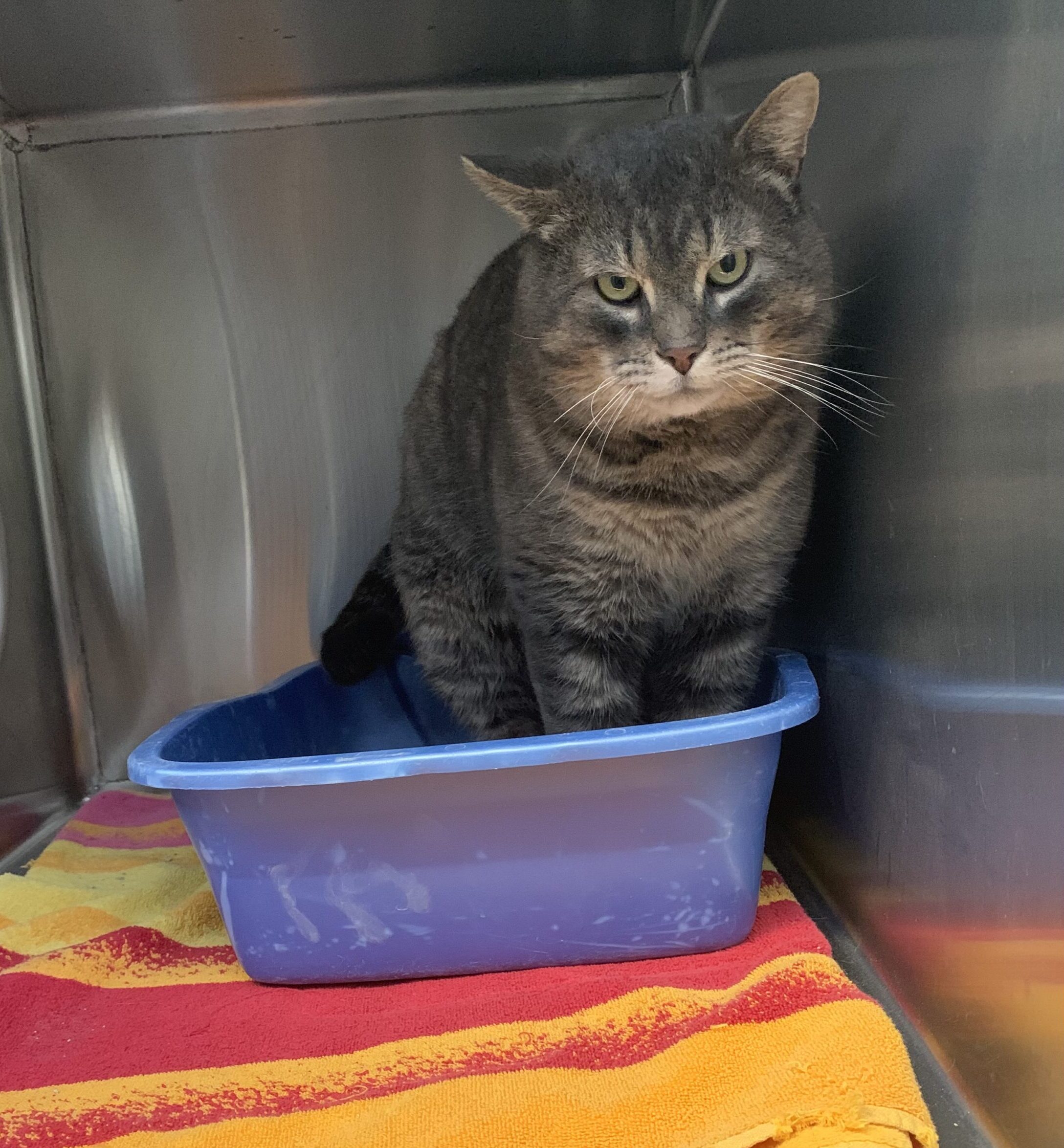
Teach your cat to use the litter box. Start with the basics. Show them where it is. Make sure it’s clean and accessible. Cats prefer tidy spaces. Once they know where to go, consistency is key. Stick to a routine. Cats thrive on routine.
Credit: ontariospca.ca
Consulting A Veterinarian
Consulting a veterinarian can help identify why your cat is peeing outside the litter box. Stress, urinary infections, or changes in environment could be reasons. A vet’s advice ensures your cat receives proper care and treatment.
If your cat is peeing outside the litter box, it might be time to consult a veterinarian. This behavior could be more than just a minor inconvenience; it might signal a health issue. Understanding when to seek professional help and what diagnostic tests and treatments are available can make all the difference for your feline friend.When To Seek Professional Help
Consider the frequency and severity of the issue. If your cat is consistently urinating outside the litter box despite your efforts to address it, it’s time to consult a vet. Also, if you notice any signs of distress, like crying while peeing or blood in the urine, don’t wait to seek help. Reflect on any recent changes in your cat’s environment. New pets, a move, or even a different litter brand can stress your cat. A vet can help determine if stress is the cause or if there’s an underlying medical issue. Sometimes, what seems like a simple behavioral problem can actually be a medical one. A vet visit will provide clarity and peace of mind, ensuring your cat receives the care they need.Diagnostic Tests And Treatments
Veterinarians have a range of diagnostic tools at their disposal. Urinalysis is commonly used to detect infections or crystals in the urine, which could be causing discomfort. Blood tests might also be performed to rule out conditions like kidney disease or diabetes. Once a diagnosis is made, treatment plans can be tailored to your cat’s needs. Infections might require antibiotics, while crystals might be managed with dietary changes. For stress-related issues, your vet might suggest behavioral modifications or anxiety-reducing strategies. Share any observations you have with the vet. Noticing patterns, like when your cat urinates outside the box, can help in diagnosing the issue. Your input is valuable in crafting an effective treatment plan. Remember, you’re not alone in this. Many cat owners have faced similar challenges, and with professional guidance, you can help your cat return to healthy habits. Have you had experiences with your cat that seemed puzzling at first but were resolved with a simple vet visit? Your story might just inspire others to seek the help their pets need.Frequently Asked Questions
How To Stop A Cat From Peeing Outside A Litter Box?
Ensure the litter box is clean and accessible. Provide one box per cat. Address any medical issues with a vet. Use enzyme cleaners to remove urine odors. Offer stress-reducing measures, like toys and scratching posts.
Why Is My Cat Peeing On The Floor But Pooping In The Litter Box?
Your cat might be stressed or have a urinary issue. Clean the litter box frequently. Ensure the box size fits your cat. Consider consulting a vet if the behavior persists.
How Do I Get My Cat To Pee In The Litter Box Again?
Clean the litter box regularly to remove odors. Ensure it’s in a quiet, accessible location. Use unscented litter that your cat prefers. Monitor for health issues and consult a vet if problems persist. Reintroduce your cat by placing them in the box after meals or naps.
When To Worry About Cat Peeing Outside The Litter Box?
Monitor your cat’s behavior if it pees outside the litter box frequently. Consider potential health issues like urinary tract infections, stress, or territorial marking. Consult a vet for persistent problems. Ensure the litter box is clean and easily accessible. Changes in routine or environment can also affect your cat’s habits.
Conclusion
Understanding why your cat pees outside the litter box is crucial. It could be a health issue or stress. Observe your cat’s behavior closely. Make sure the litter box is clean. Provide a calm environment. Consult a vet for persistent problems.
Patience and care make a difference. Your cat’s comfort matters. Address the issue promptly. Remember, your furry friend relies on you. Happy cats lead to happy homes.

Similar Posts