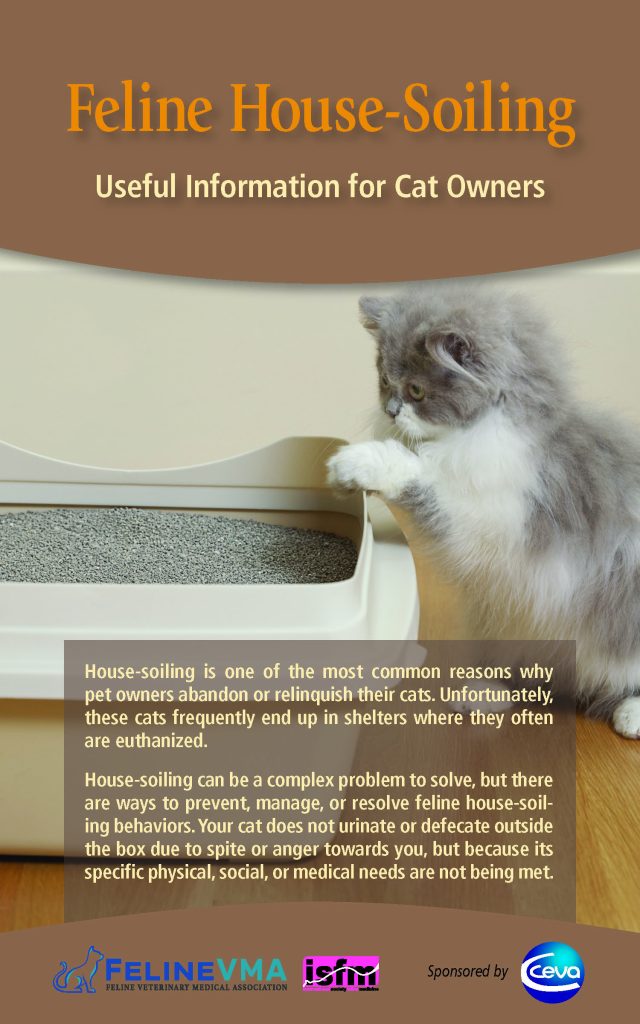
You’ve just walked into the room and noticed something unpleasant: your cat has decided the litter box is no longer the place for doing its business. It’s frustrating, isn’t it?
You might be wondering why your feline friend is suddenly avoiding the litter box and, more importantly, how you can fix this issue. Understanding the reasons behind your cat’s behavior is crucial, not just for your home’s cleanliness but for your cat’s well-being too.
This article will dive into the common causes and solutions to get your cat back on track. Whether it’s a health concern, a change in environment, or something else entirely, we’re here to help you decode your cat’s behavior. Keep reading to uncover the insights that could make both your life and your cat’s much more comfortable.
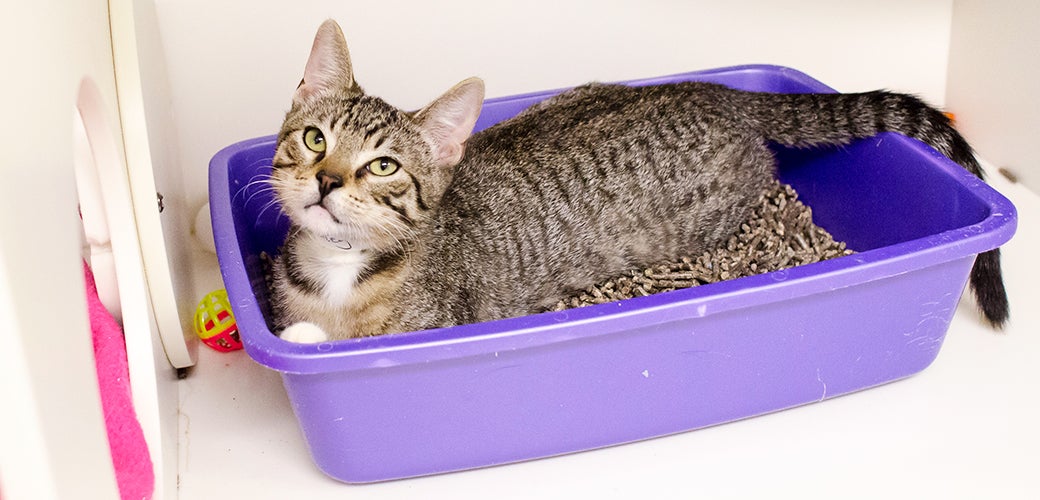
Credit: www.aspca.org
Common Reasons For Litter Box Avoidance
Is your cat avoiding the litter box? This behavior can be perplexing. Understanding common reasons for litter box avoidance can help resolve this issue. Cats are creatures of habit and any disruption can lead to changes.
Health Issues
Health problems might be the cause. Cats can suffer from urinary tract infections. Painful elimination can make them avoid the litter box. Arthritis may make stepping in painful. Monitor your cat’s behavior. A vet visit could be necessary.
Litter Box Location
Location matters for cats. A noisy or busy area can deter them. Privacy is important to cats. Place the box in a quiet spot. Avoid areas with heavy foot traffic. Ensure easy access to the box. This encourages regular use.
Litter Type Preference
Cats have preferences for litter types. Some dislike scented litter. Others may prefer a particular texture. Experiment with different options. Observe your cat’s response. Find a type your cat likes. This can solve the problem.
Cleanliness Concerns
Cats value cleanliness. A dirty litter box is unappealing. Regular cleaning is crucial. Scoop waste daily. Change the litter often. Keep the box fresh and odor-free. Cats appreciate a clean environment. This encourages use.
:strip_icc()/cat-pooping-outside-box-554017-b408bc2885e042a5a1937e7e0b183b5a.jpg)
Credit: www.thesprucepets.com
Identifying Health Problems
Cats avoiding the litter box might signal health issues like urinary infections or stress. Observing any unusual behavior helps identify potential problems. Consulting a vet ensures your cat’s well-being and comfort.
When your cat suddenly stops using their litter box, it might be more than just a behavioral issue. Health problems can often be the underlying cause. Identifying these issues early can help you address them effectively, ensuring your cat’s well-being and your peace of mind. Let’s dive into some common health problems that could be affecting your cat’s litter box habits.Urinary Tract Infections
Urinary tract infections (UTIs) are a frequent culprit behind litter box avoidance. Your cat might associate the pain of urination with the litter box itself. This can lead them to seek out other places to relieve themselves. Pay attention to signs like straining to urinate, blood in the urine, or frequent trips to the box without much output. If you notice any of these symptoms, a vet visit is crucial. Getting a timely diagnosis can prevent more serious health issues and restore your cat’s litter box habits.Digestive Disorders
Digestive disorders can also play a significant role in your cat’s litter box behavior. Issues like constipation or diarrhea may cause discomfort, prompting your cat to avoid the litter box. Monitor your cat’s stool for changes in consistency or frequency. If your cat seems to be struggling or is eliminating outside the box, consider their diet or stress levels as potential factors. Consulting with your vet can help determine if a digestive issue is the root cause.Arthritis And Mobility
As cats age, arthritis and mobility issues can make it difficult for them to access the litter box. A high-sided box may suddenly become a challenge for a cat with aching joints. Observe your cat’s movements. Do they hesitate before jumping or show stiffness after resting? If mobility is a concern, switching to a low-sided box or providing easy access can make a world of difference. Your cat will appreciate the consideration, and your home will stay cleaner as a result. Have you noticed any of these signs in your cat? Understanding these health issues can guide you to the right solution. Your cat’s comfort and health should always come first. Remember, a quick response can make a significant difference in your cat’s life.Improving Litter Box Environment
Cats may avoid the litter box due to discomfort. Ensuring cleanliness and accessibility can improve their usage. Experiment with different litter types and box locations to suit your cat’s preferences.
Improving the Litter Box Environment can make a big difference in encouraging your cat to use it. If your feline friend has suddenly stopped using the litter box, consider the environment you’ve created for them. A few changes can transform their reluctance into enthusiasm.Optimal Litter Box Placement
Where you place the litter box matters more than you might think. Cats prefer privacy, much like humans. Avoid putting the box in noisy or high-traffic areas. A peaceful corner of your home is ideal. Consider placing it away from their food and water bowls. Cats dislike eating close to where they eliminate. I once moved my cat’s litter box from the laundry room to a quiet hallway. This simple change stopped her litter box aversion. Have you thought about where your cat’s box is positioned?Choosing The Right Litter
Not all litter is created equal. Your cat might be picky about texture or scent. Unscented, clumping litter tends to be a favorite among many cats. Experiment with different types to find what your cat prefers. Observe how your cat reacts to new litter. Do they sniff and walk away, or dive right in? Changing litter brands helped my friend’s cat return to using the box. Have you tried switching up the litter lately?Maintaining Cleanliness
Cats have a keen sense of smell and are fastidious creatures. A dirty litter box can deter them. Regular cleaning is essential. Scoop waste daily and do a full clean weekly. This not only keeps odors at bay but ensures your cat feels comfortable using it. A clean box shows your cat you respect their space. Would you want to use a restroom that hasn’t been cleaned for days? Your cat feels the same way. By improving these aspects of your cat’s litter box environment, you can encourage them to return to it. Consider these changes and observe your cat’s behavior. Have you noticed any improvements?Behavioral And Psychological Factors
Cats are mysterious creatures. When they stop using the litter box, it puzzles many owners. Behavioral and psychological factors often play a role. Understanding these can help address the issue effectively.
Stress And Anxiety
Cats are sensitive. Loud noises or new pets can stress them. Stress makes them avoid the litter box. Changes in the home environment can cause anxiety. Cats need calm surroundings to feel secure.
Territorial Issues
Cats are territorial. If they feel threatened, they may avoid the litter box. Another cat might be invading their space. Territorial disputes lead to litter box problems. Cats need their own space to feel safe.
Changes In Routine
Cats love routine. Changes like new schedules or moving furniture can upset them. An upset routine might lead them away from the litter box. Keeping a regular schedule helps them feel stable.
Training And Encouragement Techniques
Cats may avoid litter boxes due to stress or improper training. Encouraging positive behaviors helps them feel comfortable. Ensure the box is clean and in a quiet location.
Training and encouragement techniques can transform your cat’s behavior towards using the litter box effectively. Whether you’re dealing with a kitten or an older cat, understanding these strategies can make a significant difference. The key is patience, consistency, and finding what works best for your furry friend.Positive Reinforcement
Positive reinforcement is a powerful tool when training your cat. Every time your cat uses the litter box, reward them with a treat or praise. Cats respond well to positive feedback, and over time, they’ll associate the litter box with positive experiences. Have you ever considered how rewarding your cat could change their behavior? Using treats can motivate your cat to repeat the desired action. Choose treats that your cat loves, and keep them handy near the litter box area. Make sure to give the treat immediately after they use the box, so they understand the connection between their action and the reward.Gradual Introduction
A gradual introduction to the litter box can ease your cat into using it. Start by placing the box in an area where your cat feels comfortable. Gradually move it to the desired location, inch by inch, over several days. This method reduces stress and helps your cat adjust without feeling overwhelmed. Have you ever moved furniture around and noticed how your cat reacted? Cats can be sensitive to changes in their environment. By moving the litter box slowly, you minimize anxiety and make the transition smoother for your feline friend.Creating A Safe Space
Creating a safe space around the litter box is crucial. Make sure the area is quiet and free from disturbances. Cats are more likely to use the box if they feel secure. If your cat seems hesitant, consider adding a cozy mat or some toys nearby to make the space more inviting. Think about your cat’s perspective: Would you want to use a litter box in a noisy or busy area? Offering them a peaceful environment can encourage regular use. It’s the little things that can make your cat feel more comfortable and less stressed. By using these techniques, you can help your cat feel more confident and comfortable with their litter box. Have you tried any of these methods with your cat? Let us know your experiences and any other tips that have worked for you!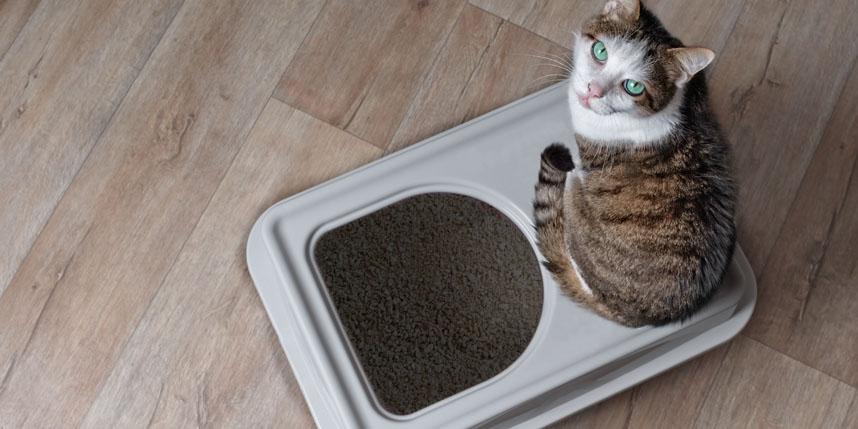
Credit: www.worldsbestcatlitter.com
When To Consult A Veterinarian
Cats may avoid the litter box due to stress, medical issues, or dirty conditions. It’s crucial to consult a veterinarian if this behavior persists, as it might indicate underlying health problems or require professional advice. Early intervention can help address any concerns and ensure your cat’s well-being.
If your cat suddenly stops using their litter box, it might be more than just a minor inconvenience. While some litter box issues can be resolved with simple changes, others may signal a deeper health concern. Knowing when to consult a veterinarian can make all the difference in ensuring your cat’s well-being. Let’s dive into some critical signs you should be on the lookout for.Signs Of Serious Health Problems
Cats are masters at hiding discomfort, so it’s up to you to notice the subtle signs. Is your cat straining or crying when trying to use the litter box? These could be symptoms of a urinary tract infection or blockage. Increased thirst or urination might suggest diabetes or kidney issues. Any noticeable change in bathroom habits paired with lethargy or weight loss should prompt a visit to the vet.Behavioral Concerns
Sometimes, litter box problems are rooted in behavioral issues rather than physical ones. Stressful environments or changes at home can cause your cat to avoid the litter box. Have you recently moved, brought in a new pet, or changed your cat’s routine? These factors can cause anxiety and lead to litter box avoidance. Addressing these behavioral concerns may require a vet’s guidance to ensure your cat’s mental health is in check.Professional Advice
Trust your instincts. If something feels off, seeking professional advice is a proactive step. A vet can perform necessary tests to rule out health issues and offer tailored advice for behavioral problems. They might suggest changing your litter type or box location, or even recommend products that can ease your cat’s stress. Remember, you know your cat best. Consulting with a vet is an investment in their quality of life. Have you faced a similar situation where professional help was the key to solving your cat’s litter box issues? Sharing your experiences can help others realize the importance of timely intervention. Your story might be just what another pet owner needs to hear.Frequently Asked Questions
Why Do Cats Suddenly Refuse To Use A Litter Box?
Cats may refuse the litter box due to stress, medical issues, or dislike of litter type. Ensure cleanliness, comfort, and privacy. Consult a vet if the issue persists to rule out health problems.
Is It Normal For A Cat To Not Use The Litter Box?
Cats may avoid litter boxes due to stress, health issues, or dislike of the box’s location or litter type. Consult a vet if this behavior persists. Regular cleaning and choosing the right litter can encourage proper use.
Why Is My Cat Staying In The Litter Box After Peeing?
Your cat may stay in the litter box due to stress, discomfort, or urinary issues. Observe for signs of pain or frequent visits. Clean the box regularly to ensure hygiene. If unusual behavior persists, consult a veterinarian to rule out medical concerns.
Why Is My Cat Using The Floor Instead Of The Litter Box?
Your cat might avoid the litter box due to stress, dirty conditions, or health issues. Ensure the box is clean and accessible. Consider consulting a vet if changes persist. Adjusting the box’s location and type might also help.
Conclusion
Helping your cat use the litter box is crucial. Cats crave a clean, quiet space. Stress or health issues can deter them. Simple changes often work wonders. Try a different litter type. Adjust the box’s location. Regular cleaning is essential.
Visit a vet for sudden changes. Understanding your cat’s needs strengthens your bond. Patience and observation are key. Keep experimenting until you find the right solution. Happy cats mean a happier home.