How Often Do You Clean Cat Litter: Essential Tips
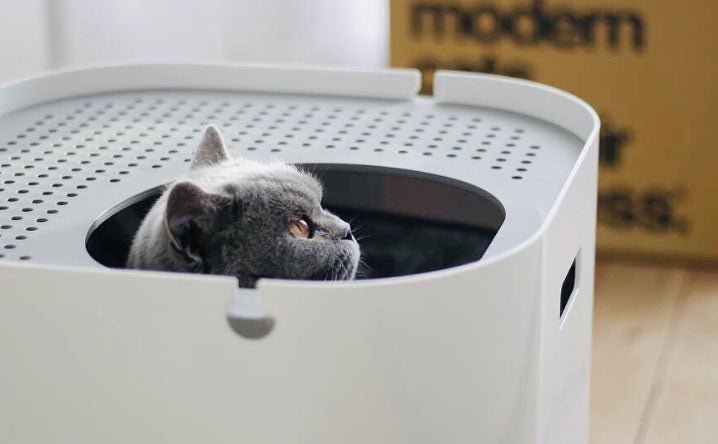
Have you ever wondered just how often you should be cleaning your cat’s litter box? You’re not alone.
This question pops up in the minds of many cat owners, and for good reason. Keeping a clean litter box isn’t just about maintaining a tidy home; it’s crucial for your cat’s health and happiness, too. The truth is, the frequency of cleaning can affect your cat’s well-being and your relationship with your furry friend.
In this guide, we’ll dig into the details of litter box maintenance, helping you understand the perfect balance between cleanliness and convenience. Discover how often you should really be scooping, scrubbing, and replacing litter to keep your cat content and your home smelling fresh. Prepare to transform your cat care routine and ensure a happier, healthier environment for both you and your feline companion.
Importance Of Regular Cleaning
Maintaining a clean litter box is crucial for the health and happiness of your cat. Regular cleaning prevents bad odors and keeps your home smelling fresh. It also helps you monitor your cat’s health by noticing any changes in their waste.
Why Regular Cleaning Matters
Cleaning the litter box often reduces the risk of infections. Cats are naturally clean animals, and a dirty litter box can lead to stress and discomfort. This can result in your cat avoiding the litter box altogether, which creates even bigger messes for you.
Think about the unpleasant surprise of stepping into a room and being greeted by a strong, unpleasant smell. This is a reality if the litter box is neglected. Cleaning it regularly ensures your home remains a welcoming space for both you and your guests.
Health Benefits For Your Cat
A clean litter box can prevent urinary tract infections in cats. When waste is left to accumulate, bacteria can thrive, posing a health risk to your feline friend. Regular cleaning helps minimize this risk and keeps your cat healthy.
Spotting abnormalities in your cat’s waste early can be crucial. Regular cleaning allows you to notice changes in color, consistency, or frequency, which can be early signs of health issues. Addressing these changes promptly can lead to quicker intervention and treatment.
Setting A Routine
Establishing a cleaning routine can make the task less daunting. Consider setting specific times each day to scoop out the litter box. This not only keeps the box clean but also helps you stay organized.
Weekly, you might find it beneficial to completely change the litter and wash the box. This ensures that any lingering odors are eliminated and that the environment is as fresh as possible for your cat.
Environmental Impact
Regular cleaning can contribute to a more sustainable lifestyle. Consider using biodegradable litter and liners to minimize your environmental footprint. By maintaining cleanliness, you also reduce the need for excessive cleaning products.
Think about how much waste you’re reducing by sticking to a regular cleaning schedule. It’s a small step, but it makes a significant difference over time.
Personal Experience: A Lesson Learned
Once, I left the litter box unattended for a week while on vacation. The result was a not-so-pleasant odor and a very grumpy cat. This taught me the importance of having a plan in place, like asking a friend to help, to ensure regular cleaning even when away.
Have you ever noticed how your cat behaves differently when the litter box is clean versus when it’s not? Paying attention to these cues can guide you in understanding their needs better.
Regular cleaning might seem tedious, but its benefits far outweigh the effort. A cleaner home, a healthier cat, and a happier you—what’s not to love about that?
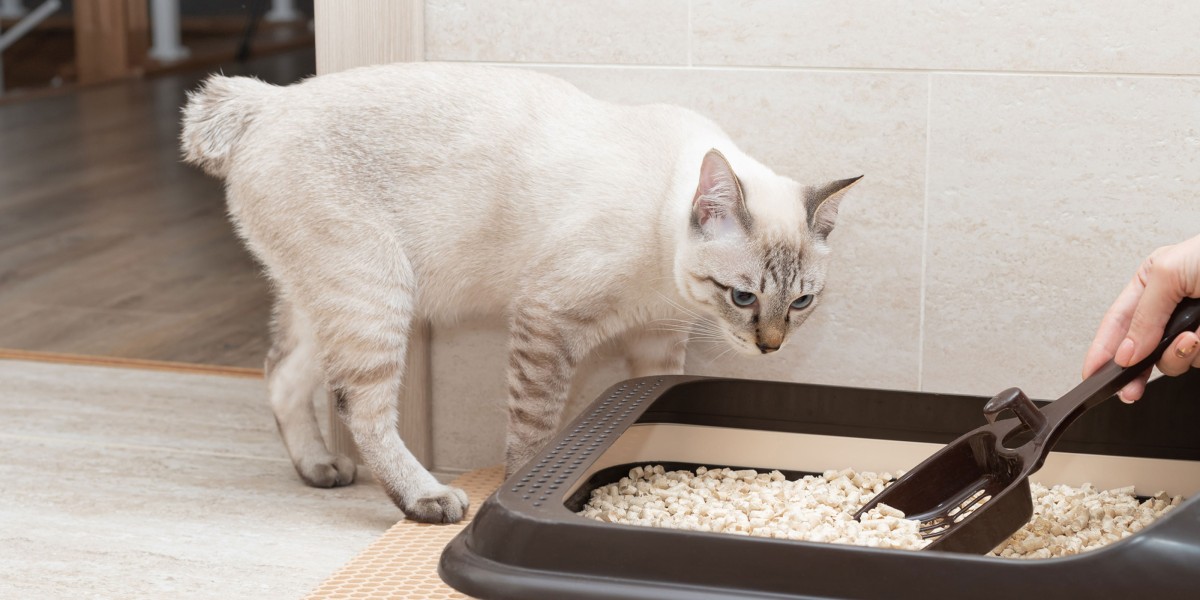
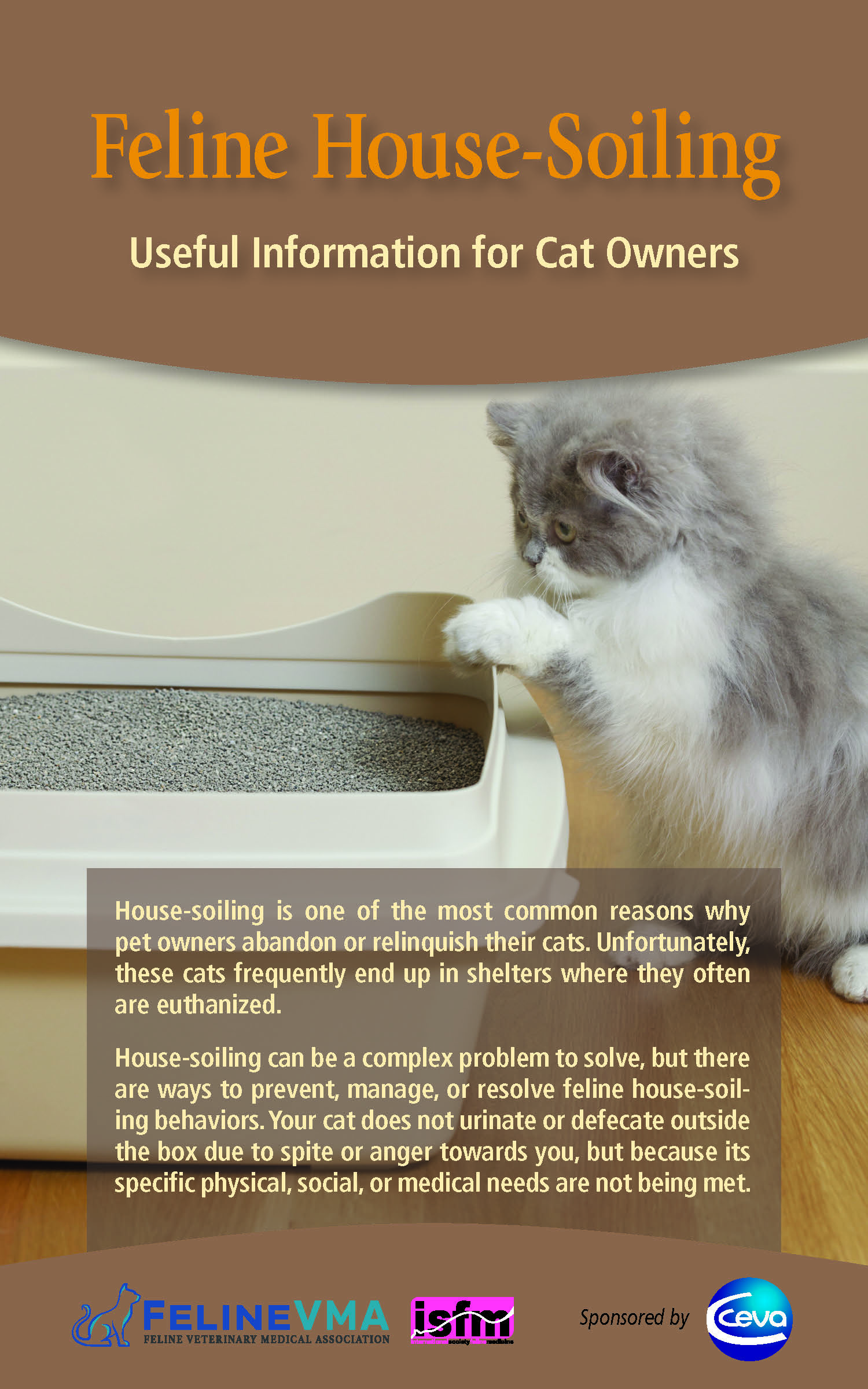
Credit: www.purina.com
Factors Influencing Cleaning Frequency
Cleaning your cat’s litter box might seem straightforward, but several factors influence how often you should do it. The number of cats you have, the type of litter you use, and the size of the litter box all play crucial roles in determining the ideal cleaning schedule. Understanding these factors can help ensure your feline friend’s comfort and maintain a fresh-smelling home.
Number Of Cats
More cats mean more frequent cleaning. If you have multiple cats, each with their distinct bathroom habits, the litter box fills up quickly. Even with just two cats, you might find yourself scooping twice a day. This keeps the box clean and prevents territorial disputes. Imagine walking into your bathroom only to find it unusable because someone else got there first. Your cats feel the same way.
Type Of Litter
The type of litter you choose significantly impacts cleaning frequency. Clumping litter makes it easy to remove waste, allowing for less frequent full cleanouts. Non-clumping litter, however, may require more frequent changes to prevent odor buildup. Consider trying different types to see which works best for you and your cat. Some litters even come with odor control to extend the time between cleanings.
Size Of Litter Box
A larger litter box may seem like an obvious choice for reducing cleaning times, but it’s not a one-size-fits-all solution. A bigger box can accommodate more waste, but it also requires more litter. This can be cumbersome if you need to change it often. On the flip side, a smaller box needs frequent attention but is easier to maintain. Think about your space and how often you’re willing to scoop when choosing the size.
Have you ever noticed your cat avoiding the litter box? It might be their way of telling you it’s time for a change. Reflect on these factors and adjust your cleaning schedule accordingly to keep both you and your feline friend happy.
Daily Cleaning Routine
Keeping your cat’s litter box clean ensures a happy home. A daily cleaning routine is essential for maintaining a fresh environment. It prevents unwanted odors and keeps your cat healthy. Consistent cleaning reduces stress for both you and your feline friend.
Scooping The Waste
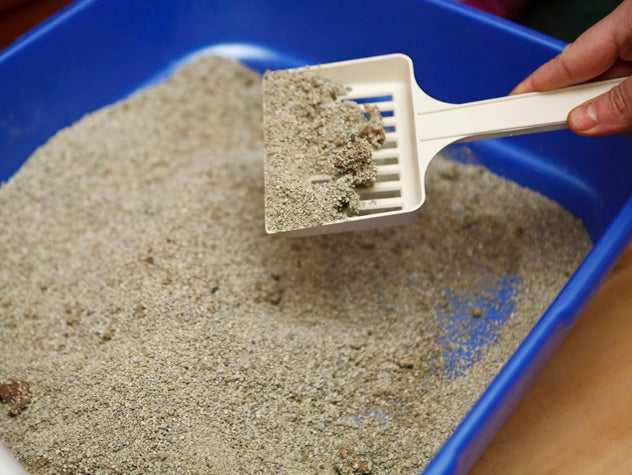
Scoop the litter box every day. Cats prefer a clean space. Removing waste daily keeps the litter fresh. This practice helps reduce bacteria growth. It also minimizes unpleasant smells. Use a sturdy scoop for easy cleaning. Dispose of the waste properly after scooping.
Checking For Odors
Check for odors after scooping. A fresh litter box should not smell. If it does, there may be a problem. Consider changing the litter brand if odors persist. Use odor-neutralizing products if needed. Ensure proper ventilation in the area. This helps keep the space smelling clean.
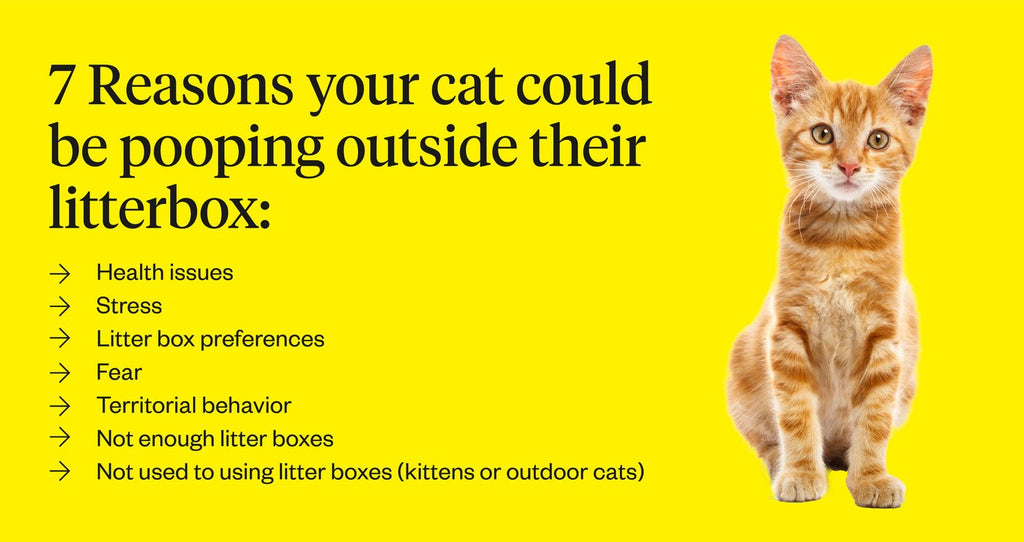
Credit: www.petfinder.com
Weekly Maintenance Tasks
Cats need a clean litter box for health and comfort. Scoop waste daily and change litter weekly to prevent odor and bacteria. Regular cleaning keeps your furry friend happy and your home fresh.
Cats are adorable companions, but their litter boxes require regular attention to keep your home fresh and clean. Weekly maintenance tasks are essential for ensuring your cat has a hygienic environment. Let’s dive into a couple of tasks that you should be doing every week to keep your kitty happy and your home smelling fresh.Complete Litter Change
Changing the litter completely once a week is crucial for maintaining cleanliness. While daily scooping helps, it doesn’t remove the odors and bacteria that accumulate over time. Think of how you feel when you step into a room with a lingering smell. It’s not pleasant, right? Your cat feels the same way about a dirty litter box. By doing a complete litter change, you’re ensuring they have a clean space to do their business. Have you noticed your cat hesitating before using the litter box? That might be a sign it’s time for a full change. Use this opportunity to try different types of litter to see what your cat prefers.Cleaning The Litter Box
After you’ve emptied the old litter, it’s time to clean the box itself. A simple rinse won’t cut it. Use warm water and mild soap to scrub away residue. This prevents bacteria build-up and keeps your cat healthy. Consider your own bathroom habits. Would you feel comfortable in a shower that hasn’t been cleaned for weeks? Neither does your cat in a neglected litter box. Dry the box thoroughly before adding new litter. Moisture can lead to clumps and unpleasant odors. If you want to go the extra mile, consider using a disinfectant spray safe for pets. Do you have a favorite cleaning hack for your cat’s litter box? Share your tips with fellow pet owners in the comments below!Monthly Deep Cleaning
Monthly deep cleaning is crucial for maintaining a healthy environment for your cat. It prevents bacteria buildup and ensures your cat’s comfort. This process enhances the freshness of your home. It also extends the lifespan of your litter box.
Sanitizing The Litter Box
Begin by removing all litter from the box. Use warm, soapy water for thorough cleaning. Scrub every corner and surface with a brush. Rinse the box thoroughly to remove soap residue. Dry the litter box completely before adding fresh litter. This prevents mold and keeps odors at bay. Use a mild disinfectant for extra cleanliness.
Replacing The Box
Inspect the litter box for any damage. Cracks or scratches can harbor bacteria. Replace the box if it’s worn or damaged. A new litter box ensures a safe environment for your cat. Consider changing the box annually for optimal hygiene. Choose a durable material for longevity. This minimizes the risk of leaks and keeps your home clean.
Signs Of An Unclean Litter Box
Dirty litter boxes can lead to unpleasant smells and unhappy cats. Frequent cleaning prevents odor and keeps your cat healthy. Scoop daily and replace litter weekly for a fresh environment.
Cleaning your cat’s litter box regularly is crucial. A clean box keeps your cat happy and healthy. Ignoring it can lead to problems. Cats might stop using the box. Or you might notice unpleasant smells. These are signs of an unclean litter box.Behavioral Changes In Cats
Cats are sensitive creatures. They might change their behavior if the litter box is dirty. Your cat might start avoiding the box. They may choose other spots in your home. Scratching outside the box is another sign. This behavior indicates discomfort. Cats prefer clean spaces. Some cats become stressed. They might hide more often. Or they might become aggressive. These changes show they are unhappy. A clean box helps prevent these issues.Unpleasant Smells
A dirty litter box smells bad. The odor can spread through your home. This is unpleasant for everyone. Cats have a strong sense of smell. They dislike bad odors. This might make them avoid the box. Unpleasant smells mean bacteria is growing. This can harm your cat’s health. It might also affect your family’s health. Regular cleaning reduces these risks. Keeping the box clean is essential for a fresh home.Tips For Efficient Cleaning
Cleaning cat litter daily helps maintain a fresh environment for your pet. Regular scooping prevents bad odors and keeps your cat happy. Weekly replacement of litter ensures hygiene and reduces bacteria.
Cleaning your cat’s litter box may not be glamorous, yet it’s crucial. A clean litter box keeps your cat happy and your home smelling fresh. With the right approach, cleaning becomes less of a chore. Here are some tips to make this task more efficient.Choosing The Right Tools
Having the right tools simplifies cleaning. Use a sturdy scoop with a slotted design. It helps sift through the litter easily. A small broom and dustpan are helpful for catching stray litter. Consider a litter mat to reduce tracking. It traps litter from your cat’s paws.Using Cat-friendly Products
Choose products safe for cats. Avoid harsh chemicals that might irritate. Opt for unscented or mild litter. Cats have sensitive noses. Baking soda is a great odor neutralizer. Mix a bit with the litter. Ensure cleaning sprays are pet-safe. Always check labels for harmful ingredients. Efficient cleaning keeps your cat healthy and content. It also maintains a pleasant home environment.Benefits Of A Clean Litter Box
A clean litter box is more than just an aesthetic choice; it’s a vital part of your cat’s well-being and your home’s atmosphere. By keeping your cat’s litter box spotless, you support their health and ensure a more pleasant living environment. You might wonder how often you should clean it. The answer lies in understanding the benefits of a clean litter box.
Promotes Cat Health
When you maintain a fresh litter box, you directly contribute to your cat’s health. Cats are fastidious creatures; they prefer a clean place to relieve themselves. A dirty litter box can lead to urinary tract infections or stress-related behaviors like spraying outside the box. Have you ever noticed your cat acting out when the litter box is neglected? Keeping it clean might just be the solution.
Regular cleaning minimizes unpleasant odors and reduces bacteria buildup. This can prevent respiratory issues for both your cat and you. Imagine coming home to a space that smells clean and fresh. It’s not just about the scent; it’s about fostering a healthier environment for your furry friend.
Enhances Home Environment
A tidy litter box significantly improves your home’s atmosphere. It’s one less thing to worry about when guests visit. The lingering scent of an unkempt litter box can be embarrassing and off-putting. Wouldn’t you prefer to welcome friends into a space that’s inviting and smells great?
Cleaning the litter box regularly can also contribute to overall home cleanliness. It reduces the spread of litter granules around the house and keeps unwanted pests like flies at bay. You might find that a clean litter box is the first step to a cleaner home.
Ultimately, maintaining a clean litter box benefits both your cat and your household. It’s a small task that can have a big impact. How often do you clean your cat’s litter box? Could more frequent cleaning improve your daily life?
Credit: www.petfinder.com
Frequently Asked Questions
How Often Should Kitty Litter Be Scooped?
Scoop kitty litter daily to maintain cleanliness and reduce odors. Remove waste to keep your cat healthy. Regular scooping ensures a fresh environment for your pet. Consider a complete litter change weekly for optimal hygiene. Consistent cleaning prevents bacterial growth and promotes a pleasant home atmosphere.
How Often Should You Clean An Indoor Cat Litter Box?
Clean an indoor cat litter box daily to maintain hygiene and prevent odors. Scoop waste every day and change litter weekly. Regular cleaning ensures a healthy environment for your cat and reduces unpleasant smells in your home.
How Often Should You Remove Poop From Cat Litter?
Remove cat poop from the litter box daily to maintain cleanliness and prevent odors. Scoop waste at least once a day. Regular removal keeps your cat healthy and happy. Clean the entire litter box weekly for optimal hygiene. Choose clumping litter for easier scooping and odor control.
How Often Should You Scoop Cat Litter?
Scoop your cat’s litter box daily to maintain hygiene. Regular scooping helps prevent odors and keeps your cat happy. If you have multiple cats, consider scooping twice a day. Consistent cleaning reduces the risk of infections and ensures a pleasant environment for both you and your pet.
Conclusion
Regularly cleaning cat litter keeps your home fresh and your cat happy. Scoop daily to prevent odors and bacteria buildup. Change the litter weekly for optimal hygiene. A clean box encourages your cat to use it. Cats are sensitive to dirty litter.
Trust your nose; if it smells, it’s time to clean. Consistency is key to maintaining cleanliness. A clean environment supports your cat’s health and comfort. Happy cat, happy home! Keep cleaning simple and routine. Your cat will appreciate it, and you’ll enjoy a fresh-smelling house.

Similar Posts