How to Teach Cat to Use Litter Box: Expert Tips

Imagine coming home to a clean and fresh-smelling house, free of any unpleasant surprises from your furry friend. Teaching your cat to use the litter box is not only possible, but it can also be a smooth process with the right approach.
If you’ve ever felt the frustration of dealing with a rebellious kitten or a stubborn adult cat, you’re not alone. Many pet owners face this challenge, but with a few effective techniques, you can turn this daunting task into an easy routine.
This guide will walk you through simple, proven methods that can help your cat embrace the litter box as their own. Are you ready to transform your home environment and strengthen the bond with your cat? Keep reading to discover the secrets to success.

Credit: hoosierfix.com
Choosing The Right Litter Box
Selecting the right litter box is crucial for your cat’s comfort. Cats need a litter box that suits their size and preferences. A well-chosen box encourages regular use, reducing accidents.
Consider your cat’s needs and your home’s layout. These factors play a role in making the best choice.
Size And Type Considerations
Ensure the litter box is spacious. Cats dislike cramped spaces. Opt for a box large enough for your cat to move freely. A bigger box minimizes mess by keeping litter inside.
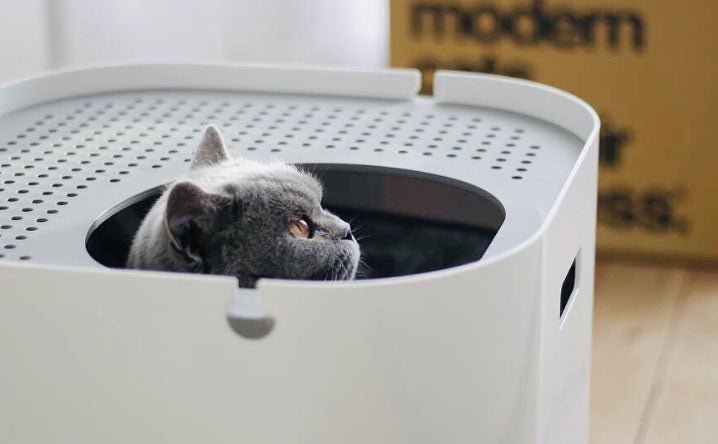
Think about the type of box. Open boxes allow easy entry, but covered boxes provide privacy. Some cats prefer privacy, while others enjoy an open view.
Location Selection
Place the litter box in a quiet, accessible area. Avoid high-traffic spots and noisy locations. Cats need a peaceful spot to feel secure.
Ensure the box is easy to reach. Accessibility is key for regular use. A box in a hard-to-reach place may discourage your cat.
Keep multiple boxes if your home is large. This ensures your cat always has access to a litter box.
Selecting Suitable Litter
Choosing the right litter helps teach your cat to use the litter box easily. Consider scent, texture, and dust levels. Your cat will likely prefer unscented, soft-textured litter, which reduces stress and encourages regular use.
Selecting the right litter for your cat is essential. It impacts how easily your cat adapts to the litter box. Different cats have different preferences. A suitable litter can make training smoother and more successful.Types Of Litter
There are various types of cat litter available. Clay litter is common and cost-effective. It clumps well, making cleanup easier. Silica gel litter absorbs moisture and controls odor. It lasts longer but can be pricey. Natural litter options include corn, wheat, or pine. They are eco-friendly and biodegradable. Each type has its pros and cons. Consider your budget and your cat’s comfort.Scent Preferences
Cats have sensitive noses. Strong scents might repel them from the litter box. Unscented litter is generally a safer choice. It doesn’t overwhelm your pet’s senses. If you choose scented litter, monitor your cat’s reaction. Some cats might tolerate mild scents. Always prioritize your cat’s comfort and willingness to use the box.Introducing Your Cat To The Litter Box
Training your cat to use a litter box involves patience and consistency. Start by placing the box in a quiet location. Introduce your cat to the box by gently placing them inside after meals or naps.
Introducing your cat to the litter box can be a pivotal moment in their training journey. The aim is to create a stress-free environment where your cat feels comfortable and confident. It’s not just about placing a box in a corner; it’s about understanding your cat’s needs and preferences.Gradual Introduction Techniques
Start by placing the litter box in a quiet, accessible location. Your cat needs to feel safe and undisturbed while exploring it. If your cat is hesitant, try placing them gently inside the litter box after meals and naps. Observe their behavior. If they seem curious, let them explore at their own pace. You can sprinkle a bit of litter around the box to spark interest. Patience is key. Rushing the process can lead to anxiety, making it harder for your cat to adapt.Positive Reinforcement
Encourage your cat with positive reinforcement. Praise them with a gentle voice or a treat whenever they use the litter box correctly. Avoid scolding or punishment. Negative reactions can create fear and discourage litter box use. Consistency is crucial. Make sure to reward their good behavior every time. Have you ever noticed how a simple “good job” can boost your mood? Cats respond similarly to affirmation and kindness. Remember, your cat’s confidence in using the litter box can be built through supportive actions and a calm atmosphere. Are you ready to see your cat thrive in their litter training journey?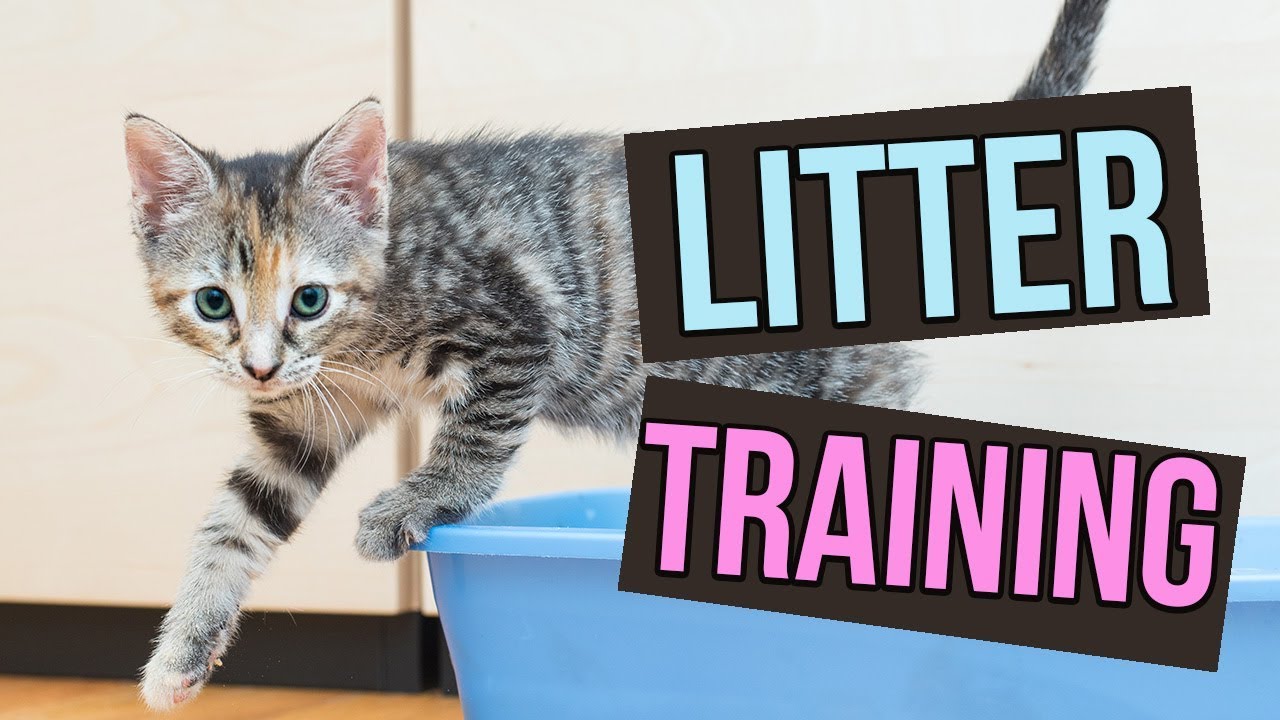
Credit: www.youtube.com
Maintaining A Clean Environment
Teaching your cat to use the litter box is just the beginning. Maintaining a clean environment is crucial to keep your feline friend happy and healthy. A clean litter box isn’t just about appearance; it affects your cat’s willingness to use it. You might wonder how often you should clean it, or how to prevent odors. Let’s dive into these essential aspects.
Cleaning Routine
Consistency is key in your cleaning routine. Scoop the litter box daily to remove waste. This prevents buildup and encourages your cat to use the box regularly. Once a week, empty the entire box and wash it with mild soap and water. This deep clean helps eliminate bacteria and keeps the area hygienic.
Consider using litter liners for easy cleanup. They can save time and effort, especially if you have more than one cat. When I started using liners, I noticed a significant decrease in mess, making my cleaning routine more efficient.
Preventing Odors
Odor control is a common concern among pet owners. Choose a high-quality litter that absorbs moisture and neutralizes odors effectively. This can make a noticeable difference in the smell of your home.
Position the litter box in a well-ventilated area. Proper airflow can reduce unpleasant smells. Adding a small air purifier near the box can also help maintain freshness.
Have you ever walked into a room and been hit by a strong odor? It’s unpleasant, right? Regular cleaning and smart placement of the litter box can prevent this scenario, ensuring your home remains inviting for both you and your guests.
Troubleshooting Common Issues
Training your cat to use the litter box involves creating a comfortable and accessible environment. Start by placing the box in a quiet spot. Encourage the cat by gently placing it inside after meals and naps.
Teaching your cat to use the litter box can be a rewarding experience. However, you might face some challenges along the way. Don’t worry! You’re not alone, and many cat owners encounter similar issues. Let’s dive into troubleshooting common problems you might face and how to address them effectively.Dealing With Accidents
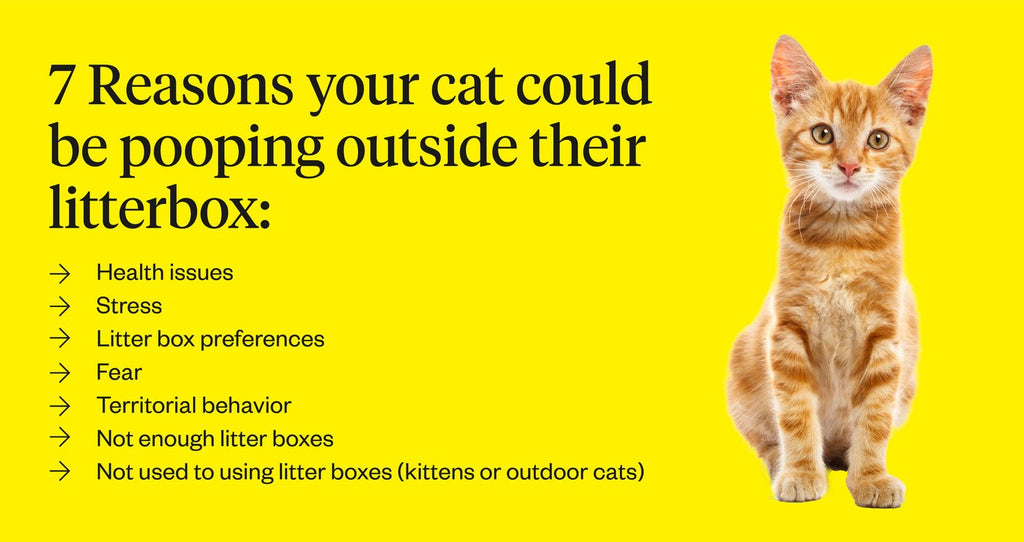
Accidents can be frustrating, but they’re a part of the learning process. If your cat is having accidents, check the location of the litter box. Is it in a quiet and accessible spot? Cats appreciate privacy, so ensure the box is not in a high-traffic area. Consider the type of litter you’re using. Cats can be picky about texture and scent. Trying different options might help find a favorite. Remember, accidents might indicate a medical issue. If they persist, consult your vet.Addressing Behavioral Problems
Behavioral problems can be tricky. Notice if your cat is avoiding the litter box entirely. Is there a new stressor in their environment, like a new pet or a change in routine? Sometimes, cats act out if they feel anxious. Create a calming environment with familiar toys and spaces. Understand your cat’s needs. Are they spending enough time in a comfortable setting? Engage them with playful activities to relieve stress. This might encourage them to return to their litter box habits. How do you react when your cat has an accident? Your response matters. Approach with patience and kindness, reinforcing positive behavior when they use the box correctly. Troubleshooting is all about observing and adjusting. Your patience and attention can make all the difference in your cat’s litter box training.Expert Advice And Tips
Teaching a cat to use a litter box can sometimes be challenging. Expert advice can make the process smoother. Understanding your cat’s behavior is crucial. This expert guidance will help improve your cat’s litter box habits.
Consulting Veterinarians
Veterinarians offer valuable insights into your cat’s health. Their advice can solve many litter box issues. Some problems may have health-related causes. It’s essential to rule out medical conditions. Discuss your cat’s behavior with a vet. They can provide tailored advice for your cat. Regular check-ups can prevent future problems. A healthy cat is more likely to use the litter box properly.
Using Additional Resources
Many resources are available to help train your cat. Books on cat behavior offer great insights. Online forums connect you with other cat owners. They share personal experiences and tips. Videos can demonstrate effective training techniques. These resources provide diverse strategies. Try different methods to find what works best. Consistency is key in training cats. Patience is essential during this process.

Credit: www.dvm360.com
Frequently Asked Questions
How Do I Get My Cat To Use The Litter Box?
Place the litter box in a quiet, accessible location. Keep it clean and use unscented litter. Encourage your cat by gently placing them inside. Reward them with treats or praise when they use it. Ensure the box is the right size and type for your cat’s preferences.
How Long Does It Take To Teach A Cat To Use A Litter Box?
Cats usually learn to use a litter box in a few days. Ensure the box is accessible and clean. Most kittens adapt quickly, but older cats may take a bit longer. Consistency and patience help in training your cat effectively.
Positive reinforcement can speed up the process.
How Do I Encourage My Cat To Pee In The Litter Box?
Place the litter box in a quiet, accessible spot. Keep it clean by scooping daily. Use unscented litter. Reward your cat after using it. Consult a vet if the problem persists.
Do Cats Naturally Learn To Use A Litter Box?
Cats instinctively use a litter box due to their natural burying behavior. Training is usually simple and quick. Place the litter box in a quiet, accessible area. Encourage your cat by placing them in the box after meals. Clean it regularly to maintain their interest.
Conclusion
Teaching your cat to use the litter box takes patience. Start with a clean box in a quiet spot. Show your cat where it is. Encourage them with gentle guidance. Praise them when they use it correctly. Sometimes, adjusting the type of litter helps.
Be patient. Cats are smart and will learn quickly. Consistent training leads to success. Keep the box clean and fresh. A happy cat uses the litter box well. Remember, every cat is unique. Find what works best for your furry friend.
Enjoy the journey of learning together.

Similar Posts