How Can I Tell If My Cat is Stressed: Expert Signs
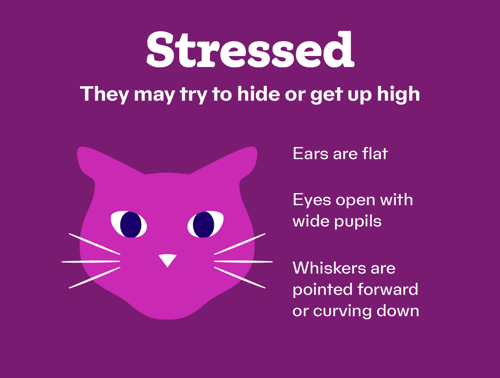
Do you ever wonder if your cat is feeling stressed? Just like humans, cats experience stress, and it can affect their health and happiness.
As a loving pet owner, you want the best for your furry friend, but understanding their emotions can be tricky. Recognizing the subtle signs of stress in your cat can help you take action before it escalates into something more serious.
Imagine the peace of mind you’ll have knowing exactly how to tell if your cat is stressed and what you can do to help. You’ll discover the tell-tale signs and simple solutions to ensure your cat lives a calm and contented life. Keep reading to unlock the secrets to your cat’s well-being and strengthen the bond you share with your feline companion.
Credit: www.cats.org.uk
Physical Indicators
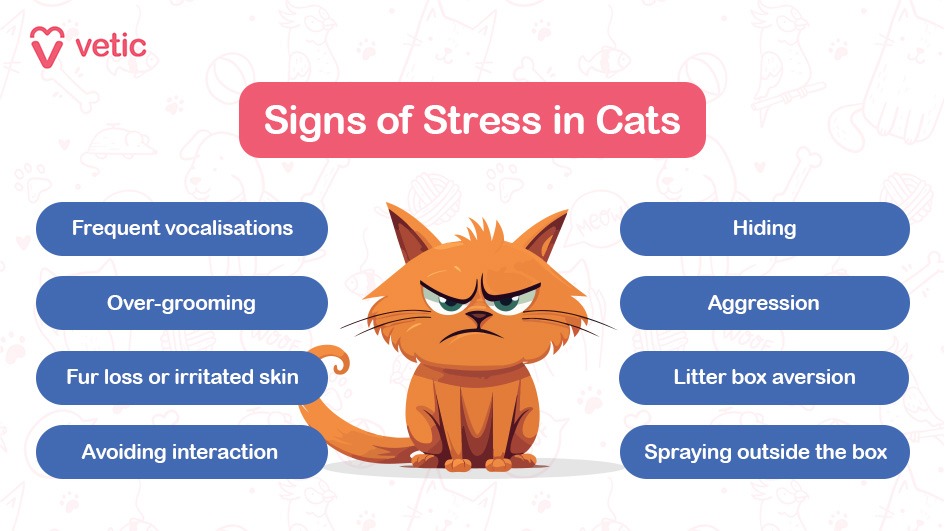
Cats, like humans, experience stress. This stress often shows in physical ways. Recognizing these signs is key to helping your feline friend. Physical indicators of stress in cats can vary. They may involve changes in grooming, eating, and vocal behavior. Let’s explore these signs further.
Changes In Grooming Habits
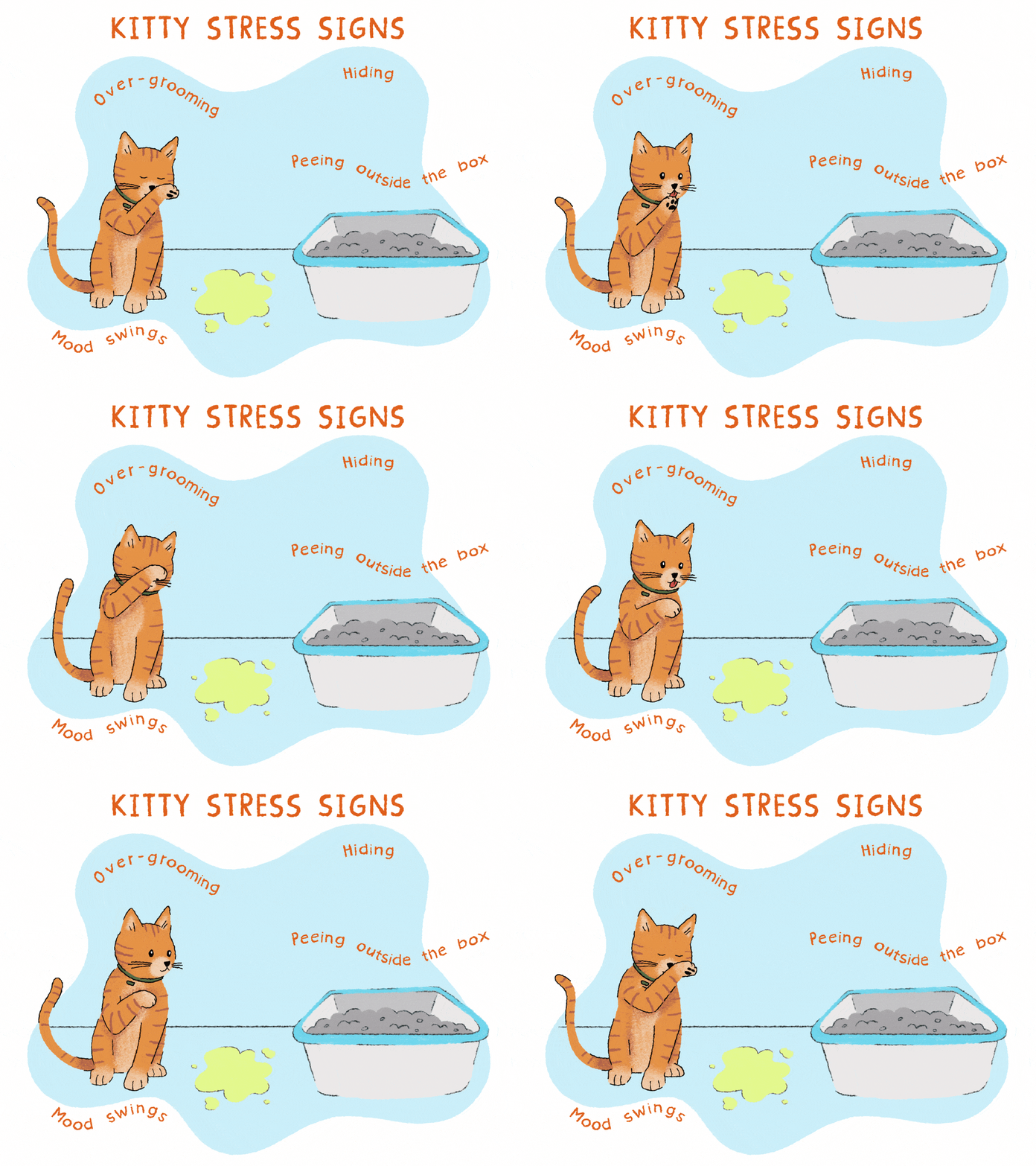
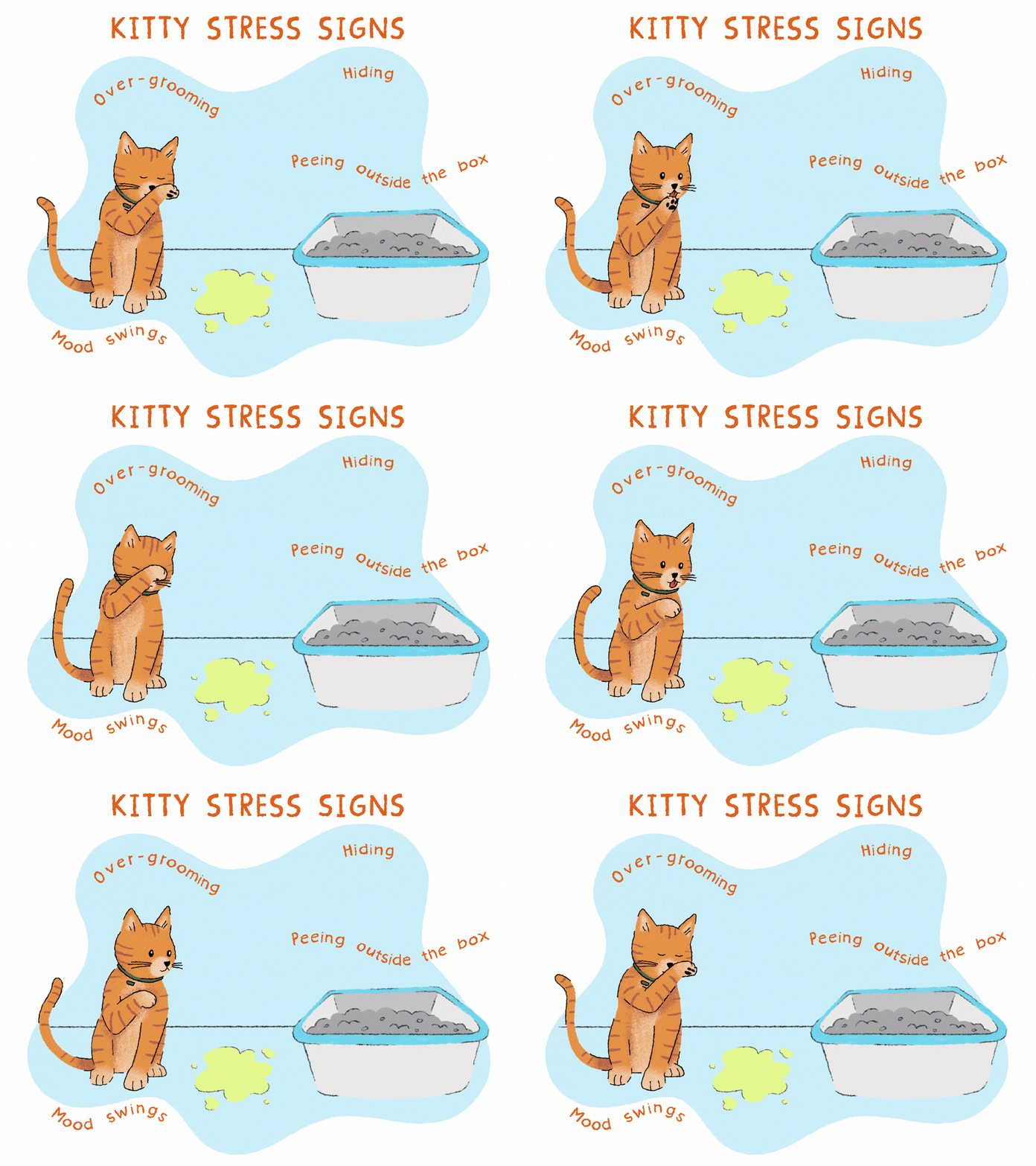
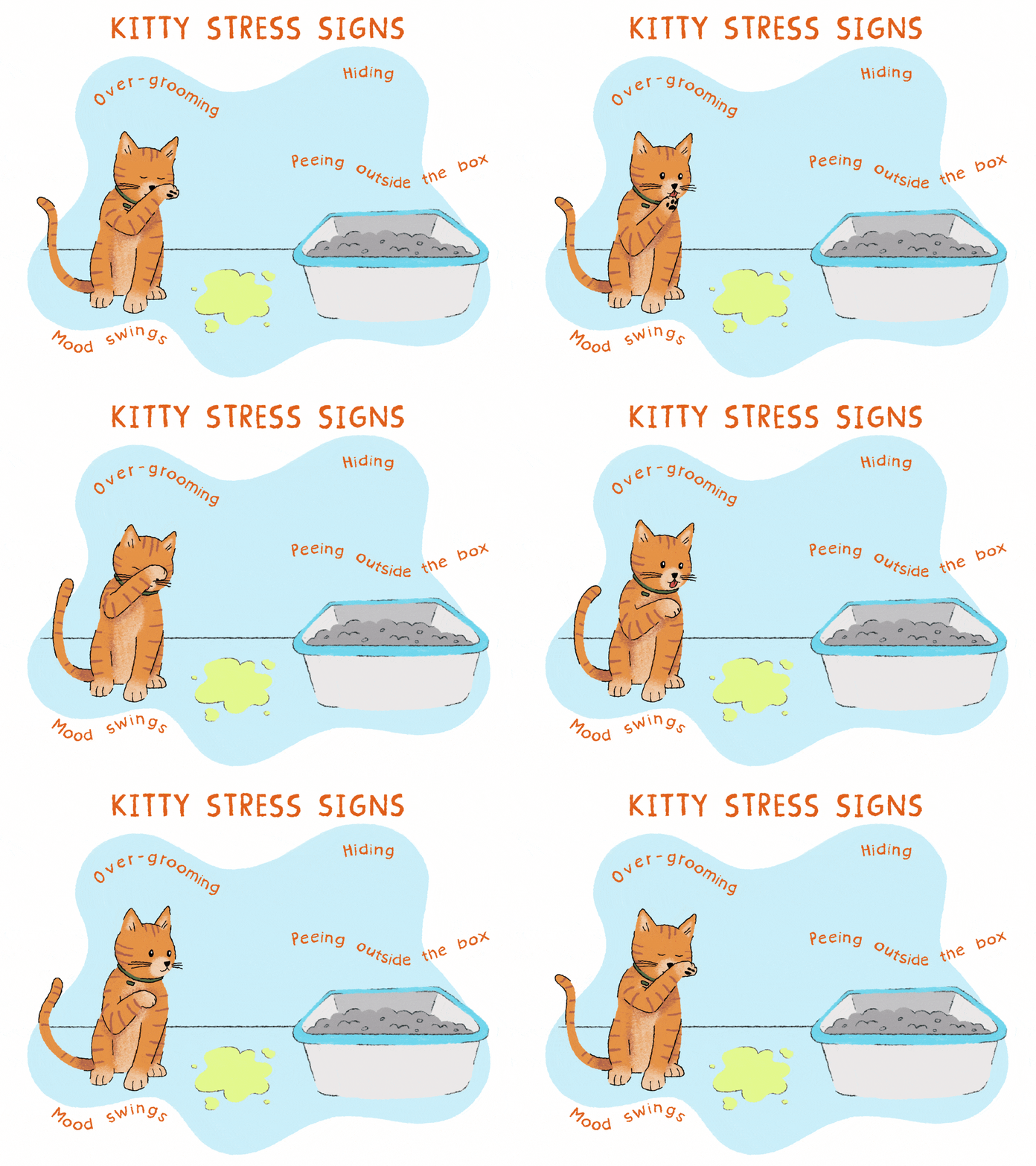
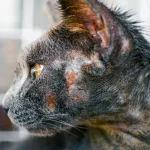
A stressed cat may groom excessively or not at all. Over-grooming can lead to bald patches and skin irritation. On the other hand, a cat that stops grooming may have matted fur. Both are signs of stress. Pay attention to any sudden changes in grooming.
Altered Eating Patterns
Stress can affect your cat’s appetite. Some cats eat less or stop eating. Others may eat more than usual. Changes in weight can quickly follow. Regularly monitor your cat’s eating habits. Sudden changes might indicate stress.
Unusual Vocalizations
Cats communicate through their meows and purrs. A stressed cat might vocalize more often or in a different tone. Loud or frequent meowing can signal discomfort. Listen to your cat’s sounds. Changes in their vocal habits can be a call for help.
Behavioral Changes
Cats may show stress through changes in behavior, such as hiding more often or avoiding interaction. Increased aggression, excessive grooming, or changes in appetite can also indicate stress. Watch for these signs to help your cat feel more comfortable.
Cats, like humans, can experience stress, and it often manifests through noticeable behavioral changes. If your cat has been acting a bit off lately, it might be trying to communicate its stress levels. Understanding these changes can help you address the root cause and improve your feline friend’s wellbeing.Increased Aggression
Has your usually calm cat started swatting or hissing more frequently? This sudden change in demeanor can be a clear indicator of stress. Cats may exhibit aggression when they feel threatened or anxious. Consider any recent changes in your home that might have triggered this behavior. Did you introduce a new pet, or has there been a shift in your routine? Addressing these factors can help reduce your cat’s aggressive tendencies.Withdrawal From Social Interaction
If your social butterfly of a cat is suddenly spending more time hiding or avoiding you, stress might be the culprit. Cats often retreat to safe spaces when they feel overwhelmed. Reflect on whether your home environment has become too noisy or busy for your cat’s liking. Providing quiet areas and respecting your cat’s space can encourage it to re-engage with you when it’s ready.Restlessness Or Hyperactivity
A stressed cat might exhibit restlessness, pacing around the house, or showing hyperactivity at odd hours. This behavior can be a sign of unease or discomfort. Think about whether you’ve noticed your cat being more active during the night or scratching furniture more than usual. Regular playtime and creating a stimulating environment can help channel this energy positively. By observing these behavioral changes and responding with empathy and care, you can help your cat navigate stress more effectively. Have you noticed any of these signs in your cat? Taking action now can make a significant difference in your pet’s happiness.Environmental Factors
Cats are sensitive creatures. Environmental factors can greatly impact their stress levels. Understanding these factors helps ensure your cat feels comfortable and secure. Let’s explore how changes in your cat’s surroundings might stress them.
Changes In Living Conditions
Moving to a new home can unsettle your cat. Even small changes like rearranging furniture can cause stress. Cats thrive on routine and predictability. Disruption in their living space can lead to anxiety.
Observe your cat’s behavior. Are they hiding more than usual? This could be a sign of stress. Help them adjust by creating a safe, quiet space.
Introduction Of New Pets
Bringing a new pet home can stress your cat. They might feel threatened or anxious. Cats are territorial animals. A new pet can disrupt their sense of security.
Introduce new pets slowly. Allow your cat to adjust at their own pace. Supervise initial interactions to prevent conflicts.
Noise And Disturbances
Loud noises can startle your cat. Sudden disturbances can increase their stress levels. Household events like parties or renovations are common triggers.
Provide a calm environment during noisy events. A quiet room with familiar items can soothe your cat. Minimizing disturbances helps keep them relaxed.
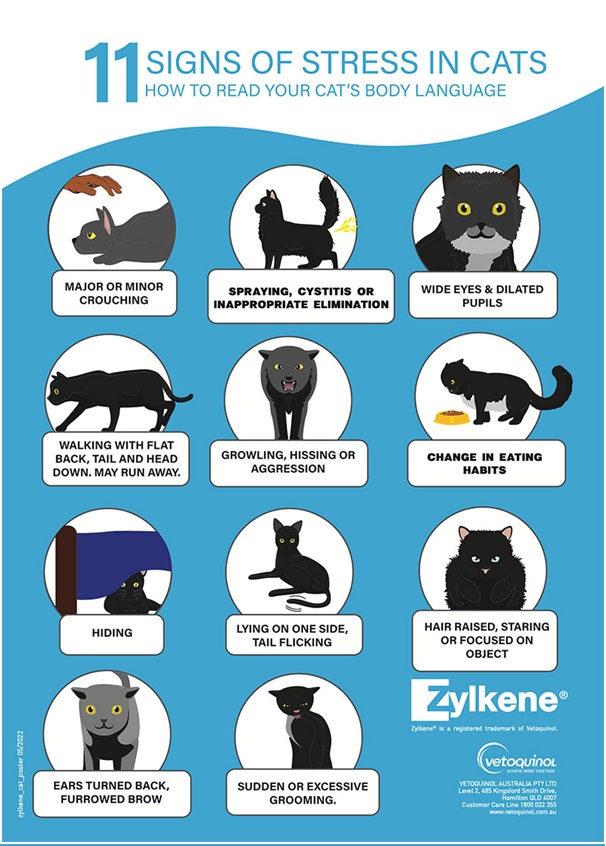
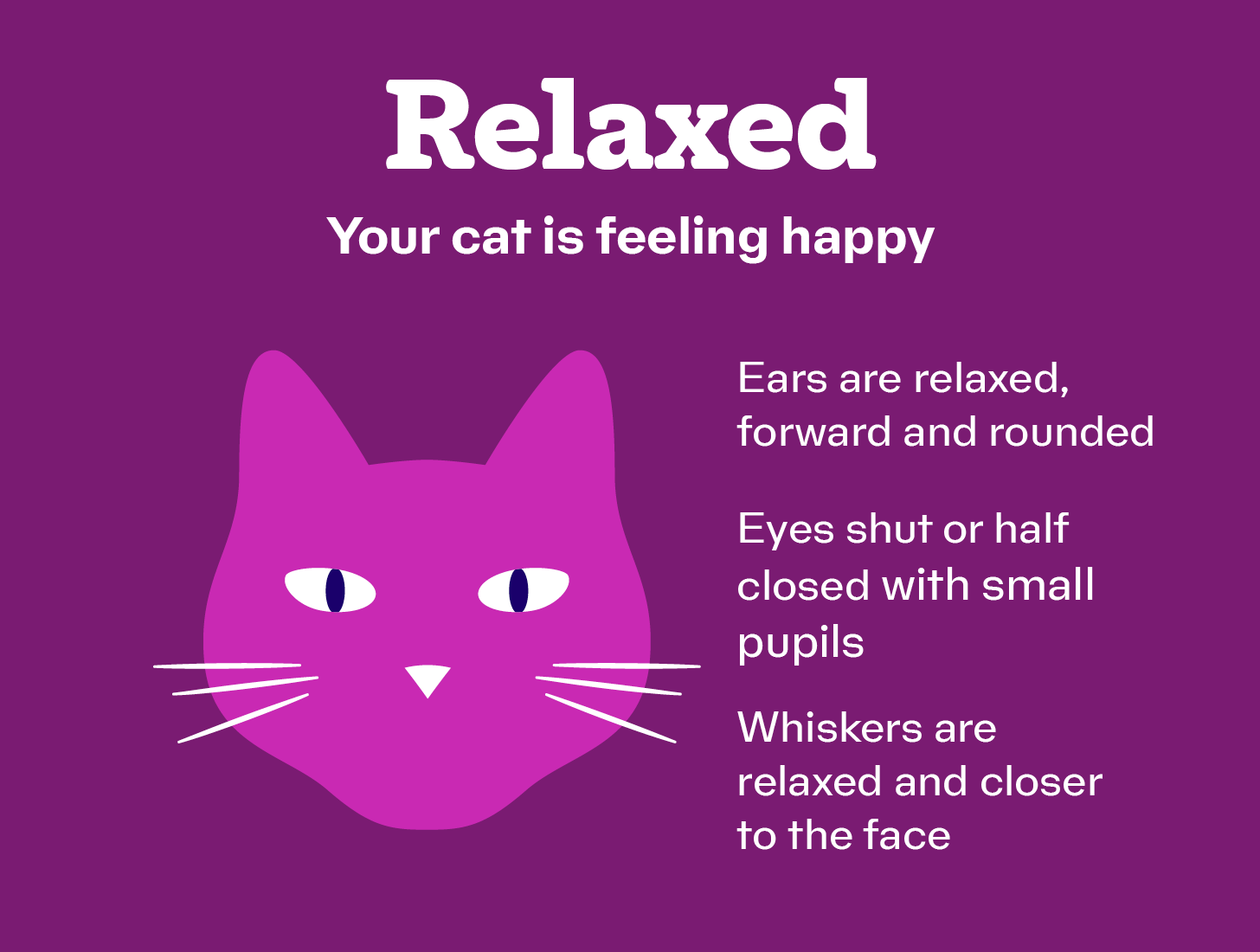
Credit: keysivet.com.au
Health Concerns
Understanding the health concerns associated with a stressed cat is crucial for ensuring their well-being. When your feline friend is under stress, it can manifest in various health problems that need attention. By recognizing these signs early, you can take action to help your cat feel better.
Frequent Illnesses
Stress can weaken your cat’s immune system, making them more susceptible to frequent illnesses. Have you noticed your cat catching colds or infections more often? This could be a red flag indicating stress. Keep an eye on recurring symptoms like sneezing, coughing, or lethargy.
Consider the environment your cat is in. Changes in routine or a noisy household can trigger stress-related illnesses. Are there new pets or visitors causing anxiety? Ensuring a stable and calm environment could reduce these occurrences.
Digestive Issues
Stress can also disrupt your cat’s digestive system. If your cat is experiencing vomiting or diarrhea, stress might be the culprit. A sudden change in appetite or eating habits is another indicator. Have you noticed your cat eating less or more than usual?
Try maintaining a consistent feeding schedule and offering a quiet place for meals. You might notice a positive change in their digestion. It’s all about creating a comfortable routine that minimizes stress.
Urinary Problems
Urinary problems are another health concern linked to stress. Is your cat urinating outside the litter box? This could be a sign of stress-related urinary issues. Pay attention to any signs of discomfort when your cat is using the litter box.
Providing a clean and accessible litter box can help. Also, check for any environmental factors causing anxiety, like loud noises or disruptions near the litter area. Addressing these can alleviate urinary problems.
Recognizing these health concerns is the first step to helping your stressed cat. Do you have any personal experiences with a stressed cat? Share your insights and tips below!
Psychological Signs
Your cat’s mental health is just as important as their physical health. Recognizing psychological signs of stress in your feline friend can help you address their needs before problems escalate. Cats, like humans, can exhibit various behaviors when they’re stressed. Noticing these can lead to a happier and healthier pet. But how can you tell if your cat is stressed? Let’s dig into some psychological signs.
Excessive Scratching
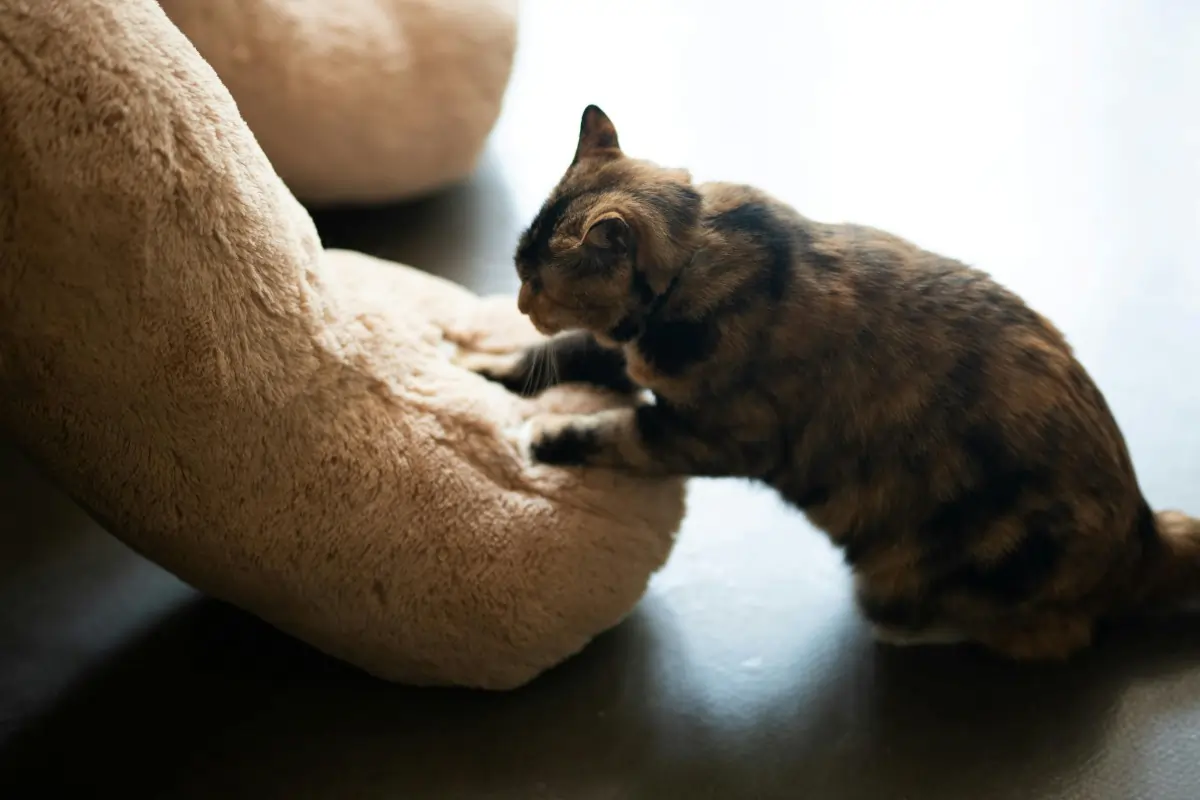
Has your cat turned your sofa into a scratching post? While scratching is normal, excessive scratching can be a stress indicator. Consider if there have been changes in your cat’s environment. New pets, new furniture, or even a change in your routine can trigger this behavior. Providing alternative scratching posts can redirect this energy and soothe your cat.
Fear And Anxiety Responses
Cats are creatures of habit. Sudden noises or unfamiliar people can cause them to exhibit fear or anxiety. Does your cat hide or hiss more often? Such responses can be their way of communicating discomfort. Creating a safe space where they can retreat to may help. Have you noticed that your cat calms down when you play soothing music? Sometimes little changes can make a big difference.
Avoidance Behaviors
Avoidance is another subtle sign. Is your cat skipping meals or ignoring their favorite toys? These can be indicators of stress. Observe their daily routine closely. Have you tried switching their food or introducing new toys? Sometimes, introducing variety can combat avoidance and rekindle interest. Could it be that your cat is reacting to stress in your own life? They can be sensitive to your emotional state.
Spotting these psychological signs can empower you to make changes that improve your cat’s life. What’s one thing you can do today to ensure your cat feels secure and loved? By paying attention, you can foster a happier home for both of you.
Ways To Alleviate Stress
Cats show stress through changes in behavior. Look for signs like hiding, aggression, or excessive grooming. Creating a calm environment can help ease your pet’s anxiety.
Cats, much like humans, can experience stress, and as a pet owner, it’s essential to recognize and alleviate it. Stress in cats can lead to health issues, changes in behavior, and a decrease in their overall quality of life. Fortunately, there are several practical ways you can help your feline friend feel more at ease in their environment. Implementing these strategies can make a significant difference in your cat’s happiness and wellbeing.Providing Safe Spaces
Cats often feel stressed when they don’t have a place to retreat. Having a designated safe zone where your cat can relax and escape noise or other pets is crucial. Consider a cozy bed or a quiet corner with a view. One might recall a time when a friend’s cat was noticeably more relaxed after a cardboard box was left out. It became her go-to spot when the household got too busy. Creating these spaces can be as simple as offering a high perch or a secluded nook.Maintaining Routine
Cats thrive on routine. Changes in their schedule can lead to stress. Try to feed, play, and interact with your cat at the same times each day. If you’ve noticed your cat acting out when meal times are inconsistent, it could be because of stress due to uncertainty. Keeping a regular routine helps your cat feel secure and reduces anxiety. Think about your own habits—how do you feel when your daily routine is disrupted?Interactive Play
Engaging your cat in interactive play can significantly reduce stress. It provides both physical and mental stimulation. Use toys that mimic prey, like feather wands or laser pointers, to get your cat moving and thinking. Have you ever noticed how a simple play session can change your cat’s mood? A bored cat can quickly become a stressed cat. Interactive play not only alleviates stress but also strengthens your bond with your pet. These moments of shared joy can transform your home into a sanctuary of peace for your cat.
Credit: www.banfield.com
Frequently Asked Questions
What To Do To Help A Stressed Cat?
Create a calm environment by reducing noise and sudden movements. Provide a safe space for your cat. Engage in gentle play and offer familiar toys. Use pheromone diffusers to ease stress. Regularly maintain routines for feeding and sleeping. Consult a vet if the stress persists.
Will A Stressed Cat Not Eat?
Yes, stress can cause a cat to stop eating. Common stressors include changes in environment, new pets, or loud noises. Monitor your cat’s behavior and consult a veterinarian if they refuse food for more than 24 hours. Providing a calm environment can help alleviate stress in cats.
What Calms Cats Naturally?
Cats naturally calm down with gentle petting, a cozy environment, and soothing music. Catnip, valerian root, and pheromone diffusers also help. Regular playtime and a quiet space reduce stress. Consider providing interactive toys and scratching posts for relaxation.
Does Catnip Calm Cats?
Catnip can have a calming effect on some cats. It often makes them feel relaxed and happy. However, reactions vary; some cats may become hyperactive instead. Not all cats respond to catnip, as sensitivity is genetic. Always monitor your cat’s behavior after exposure to ensure their safety.
Conclusion
Identifying stress in cats is crucial for their well-being. Pay attention to changes in behavior. Look for signs like hiding or aggression. Notice if they eat less or sleep more. Stress can affect their health. Calm environments help reduce stress.
Give them space to relax. Regular playtime boosts mood. Consult a vet for persistent stress. They can guide you with solutions. Always prioritize your cat’s comfort. Happy cats lead to happy homes. Understanding your cat’s needs fosters a strong bond.
Keep observing. Keep caring. Your cat deserves the best.

Similar Posts