Why Would a Cat Poop Outside Litter Box: Unveiling Reasons
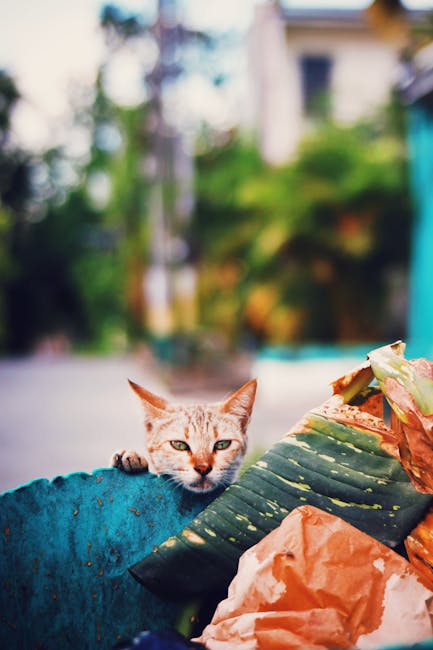
Ever walked into a room and been hit with the unpleasant surprise of finding your cat’s “gift” outside the litter box? If you’re nodding your head, you’re not alone.
Many cat owners face this mysterious and frustrating issue. You might be asking yourself, “Why would my cat poop outside the litter box? ” This question can lead to a mix of emotions—confusion, frustration, and maybe even a bit of panic.
But before you let these feelings get the best of you, know that there are reasons behind this behavior, and even better, solutions to help prevent it. Understanding your cat’s mindset and environment might hold the key to solving this puzzling problem. Stick around, because by the end of this article, you’ll not only understand why your cat might be avoiding the litter box, but you’ll also have practical tips to encourage them to use it properly. Let’s dive in and get to the bottom of this issue together!
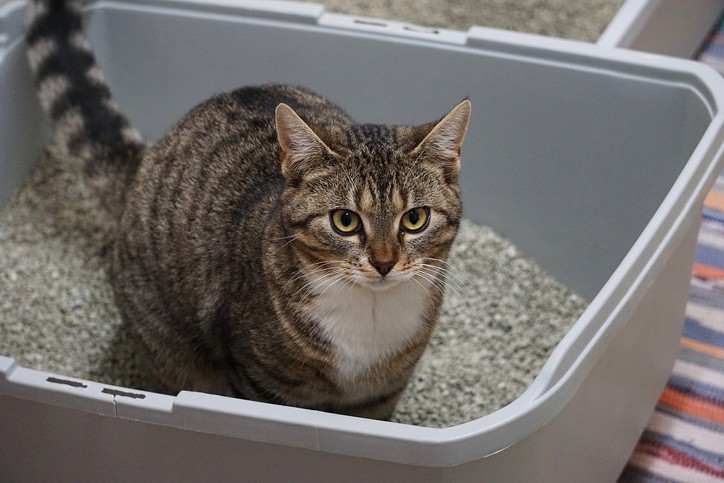
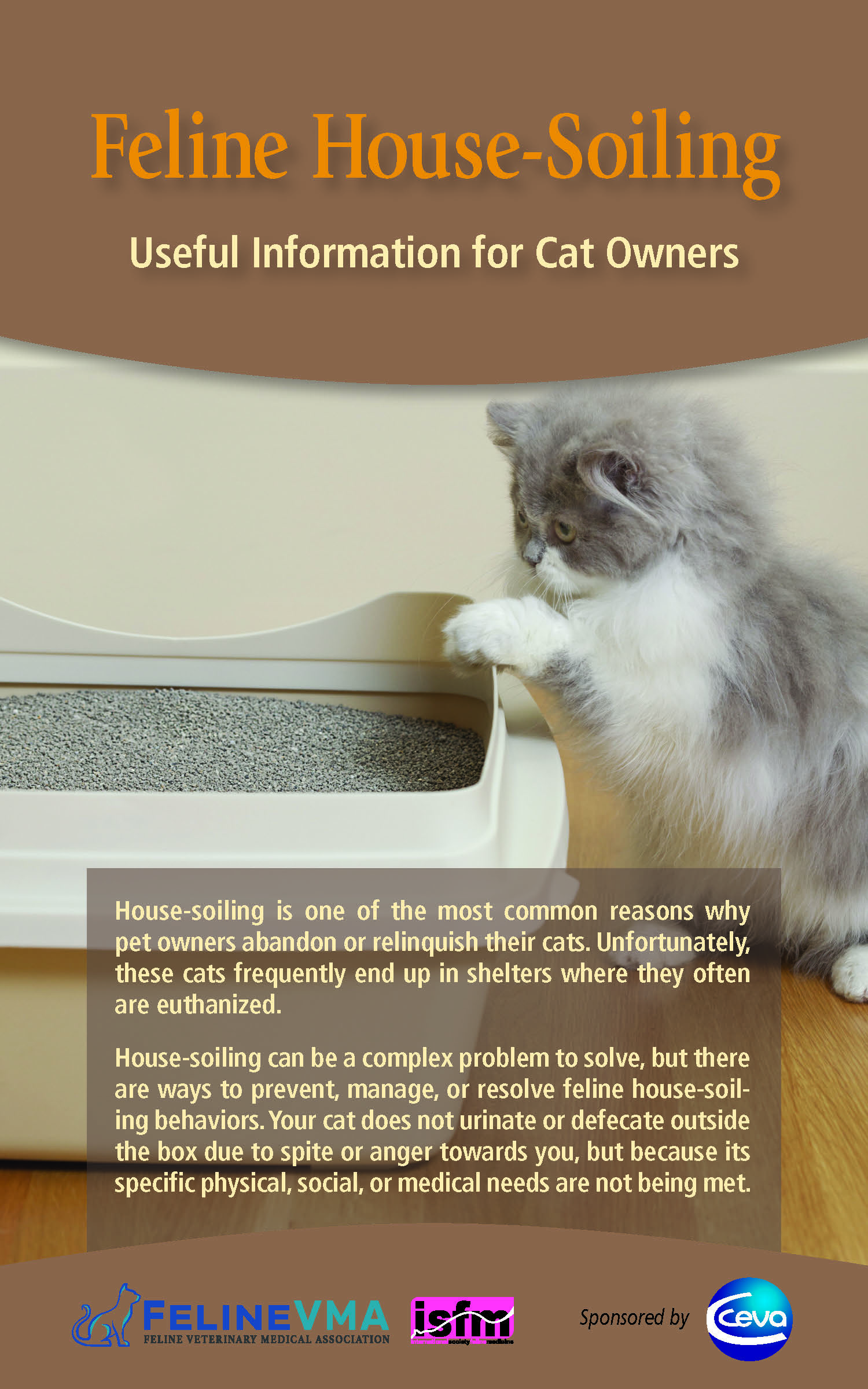
Credit: www.bostonveterinary.com
Behavioral Changes
When your cat starts pooping outside the litter box, it’s often a sign of underlying behavioral changes. These changes can be confusing and frustrating, but understanding the reasons behind them is key. By knowing the root causes, you can help your feline friend return to their regular bathroom habits.
Stress And Anxiety
Stress and anxiety can cause significant behavioral changes in cats. Moving to a new home, introducing a new pet, or even a change in routine can trigger stress. Just like humans, cats may act out in unexpected ways.
When my cat was introduced to a new dog, she started pooping outside her litter box. It was her way of expressing discomfort. Has your cat experienced any recent changes? It might be their way of telling you they’re overwhelmed.
Consider creating a calm environment. You might try pheromone diffusers or provide more hideaway spots. Sometimes, small adjustments can make a big difference in easing your cat’s stress.
Territorial Issues
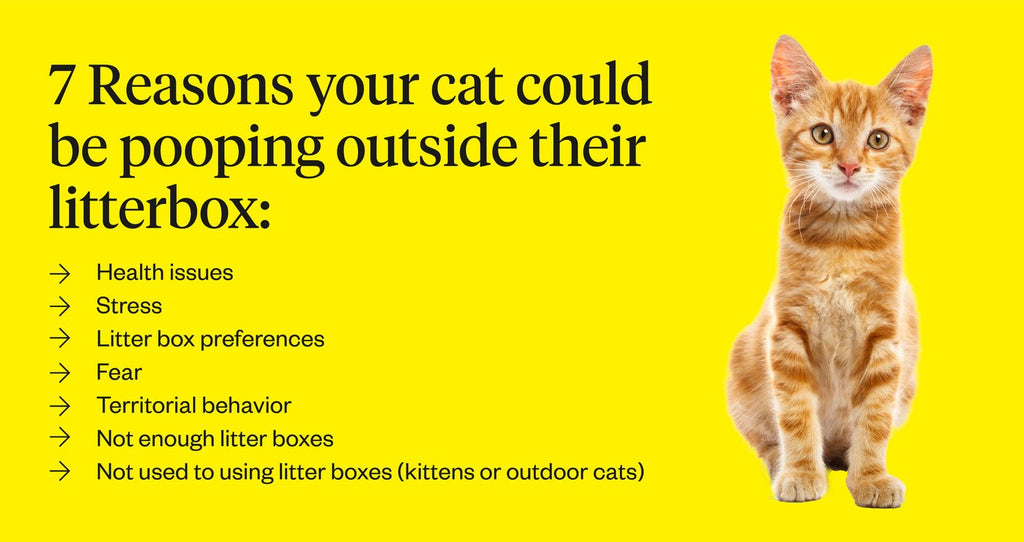
Cats are naturally territorial creatures. If they feel their space is threatened, they may express it by marking territory through their bathroom habits. This behavior can be prompted by a new pet or even neighborhood cats.
Think about your cat’s surroundings. Have they been seeing more animals outside the window? Are they sharing their territory with a new cat in the house? Such situations can prompt them to mark their space.
Addressing territorial issues might involve keeping your cat’s environment stable. Ensure they have their own space and resources like food and water bowls. This helps them feel secure and reduces the likelihood of territory marking.
Understanding your cat’s behavioral changes is essential. By addressing stress and territorial issues, you can help your cat feel more comfortable and return to their litter box. What steps can you take today to improve their environment?

Credit: serasi.tech
Health Problems
Cats pooping outside the litter box can be concerning. Often, health problems are the root cause. Cats can’t tell us when they feel unwell. Instead, they show signs through their behavior. One common issue is a health problem affecting their normal habits. Let’s explore some possible medical reasons.
Urinary Tract Infections
Urinary tract infections (UTIs) can cause pain for cats. These infections make urination difficult. Cats may associate the litter box with pain. So, they avoid using it. Instead, they find another place to relieve themselves. Regular vet visits can help catch UTIs early. Treatment can help your cat return to normal litter box habits.
Digestive Disorders
Digestive disorders also lead to litter box avoidance. Conditions like constipation or diarrhea cause discomfort. A cat might not reach the litter box in time. Or, they might avoid it due to past pain. This can lead to accidents around the home. A vet can diagnose and treat these issues. Early treatment can prevent ongoing problems.
Litter Box Preferences
Cats are particular creatures, especially about their litter box preferences. A cat’s choice can impact whether it uses its litter box or not. Understanding these preferences helps maintain a clean home and a happy pet.
Litter Type And Texture
Cats can be picky about the type of litter in their box. Some prefer clumping litter, while others opt for non-clumping options. The texture matters too. Soft litter might appeal to some cats, while others like coarser textures. Experimenting with different litter types can help find the right match for your cat.
Box Size And Cleanliness
Size plays a crucial role in a cat’s litter box preference. A cramped box can deter a cat from using it. Ensure the box is large enough for your cat to turn around comfortably. Cleanliness is equally important. Cats dislike dirty litter boxes. Regular cleaning prevents unpleasant odors, encouraging your cat to use it.
Environmental Factors
Cats are creatures of habit, and their environment greatly impacts their behavior. Environmental factors can cause a cat to poop outside the litter box. Understanding these factors helps maintain a clean, stress-free space for your cat.
Location And Accessibility
The placement of a litter box affects its usability. If the box is in a noisy area, cats may feel too scared to use it. A quiet, private spot encourages regular use. Accessibility is also crucial. Make sure the litter box is easy for your cat to reach. Avoid placing it in an area with obstacles or barriers.
Household Changes
Changes at home can unsettle a cat. New furniture, renovations, or even a new family member can cause stress. Cats react to these changes by pooping outside the litter box. Maintain a stable environment to help your cat feel secure. If changes are unavoidable, introduce them gradually.
Social Dynamics
Understanding why a cat might poop outside the litter box involves several factors. One key aspect is the social dynamics within the household. Cats are social creatures, but they may feel stressed or insecure due to interactions with other pets or multiple cats. This stress can lead them to avoid the litter box.
Multi-cat Households
Living with multiple cats can affect their behavior. Cats need a sense of territory and privacy. If the litter box is in a busy area or shared with many cats, it can become a source of stress. Each cat needs its own space to feel comfortable. A crowded litter box can lead to accidents outside the box.
Providing enough litter boxes is crucial. The rule of thumb is one litter box per cat plus one extra. This reduces competition and ensures all cats have access when needed. Observe the interactions among cats. Notice if one cat dominates the litter box area. This can lead to anxiety for other cats.
Interactions With Other Pets
Other pets can also influence a cat’s litter habits. Dogs or other animals might invade the cat’s space. This creates a stressful environment for the cat. The presence of other animals can lead to territorial behavior. Cats might poop outside the box to mark their area.
Ensure the litter box is in a quiet, secure location. This helps the cat feel safe while using it. Monitor how pets interact in shared spaces. Reducing stress from other animals can improve litter box habits. Try separating pets during feeding and resting times.
Credit: greensafaris.com
Frequently Asked Questions
Why Is My Cat Suddenly Pooping Outside The Clean Litter Box?
Your cat may be stressed, has a medical issue, or dislikes the litter box location or litter type. Consider consulting a vet to rule out health problems.
Why Is My Cat Pooping On The Floor With A Clean Litter Box?
Your cat might be stressed, ill, or dislike the litter box location or type. Ensure the box is clean, accessible, and comfortable. Consult a vet if the behavior continues.
Why Is My Cat Avoiding The Litter Box?
Cats may avoid the litter box due to stress, health issues, or an unclean box. Ensure the box is clean and easily accessible. If problems persist, consult a vet to rule out health concerns like urinary infections or arthritis.
Can Diet Affect My Cat’s Litter Habits?
Yes, diet can impact a cat’s litter box behavior. Poor diet may lead to digestive problems. Ensure your cat has a balanced diet with sufficient fiber. Consult your vet for dietary recommendations to maintain healthy digestion and regular litter habits.
Conclusion
Cats may poop outside the litter box for various reasons. Stress or medical issues often cause this behavior. Addressing these can solve the problem. Regular vet visits are essential. They help rule out health problems. Ensure the litter box is clean and accessible.
A dirty box might deter your cat. Experiment with different litter types. Some cats are picky about texture. Observing your cat’s habits helps identify triggers. Patience and understanding go a long way. Your feline friend needs your support. With care, this issue is manageable.
Your cat can return to using the litter box consistently.

Similar Posts