How to Help Cats With Separation Anxiety: Expert Tips

Is your feline friend acting out when you leave the house? You’re not alone.
Many cat owners face the challenge of separation anxiety in their pets. This condition can lead to destructive behavior, excessive meowing, or even litter box issues. It can be heart-wrenching to see your beloved cat struggle in your absence. But don’t worry, there’s hope.
You can learn how to ease your cat’s anxiety and ensure a happier, healthier life for both of you. Discover simple, effective strategies that can transform your home into a stress-free sanctuary for your cat. Let’s explore these solutions together so you can finally enjoy peace of mind knowing your furry friend is content, even when you’re not around.
Recognizing Signs Of Anxiety
Cats can show separation anxiety through excessive meowing or destructive behavior. Understanding these signs helps in providing comfort. Toys, calming scents, and short absences can ease their stress and build their confidence.
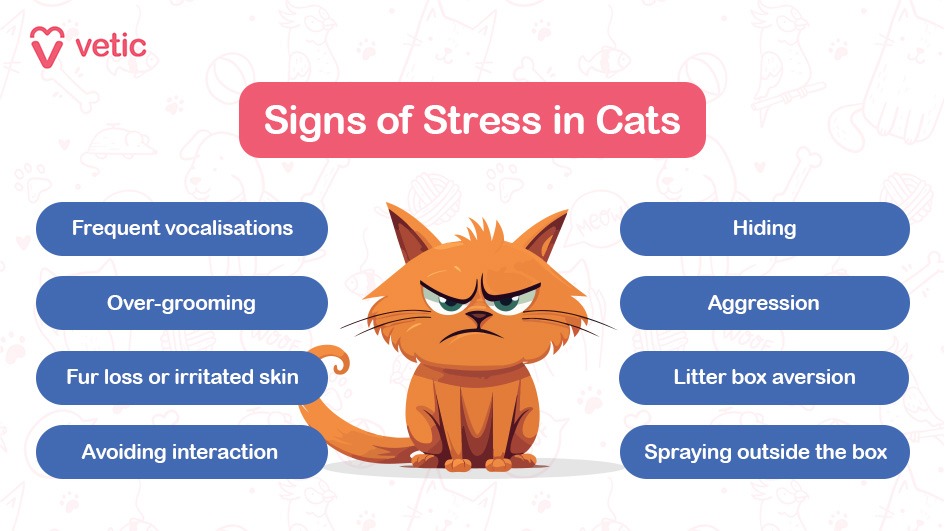
Recognizing signs of anxiety in cats is crucial for their well-being. Cats often show anxiety in subtle ways. Understanding these signs can help you support your feline friend. Anxiety can lead to behavioral and physical symptoms. Observing these symptoms early can help in managing your cat’s anxiety better.Behavioral Changes
Cats with anxiety may change their usual behavior. Some may hide more than usual. Others might become clingy, following you everywhere. They might refuse to use the litter box. Scratching furniture excessively is another sign. Watch for sudden aggression. These changes often indicate anxiety. Each cat reacts differently. Notice what is unusual for your cat.Physical Symptoms
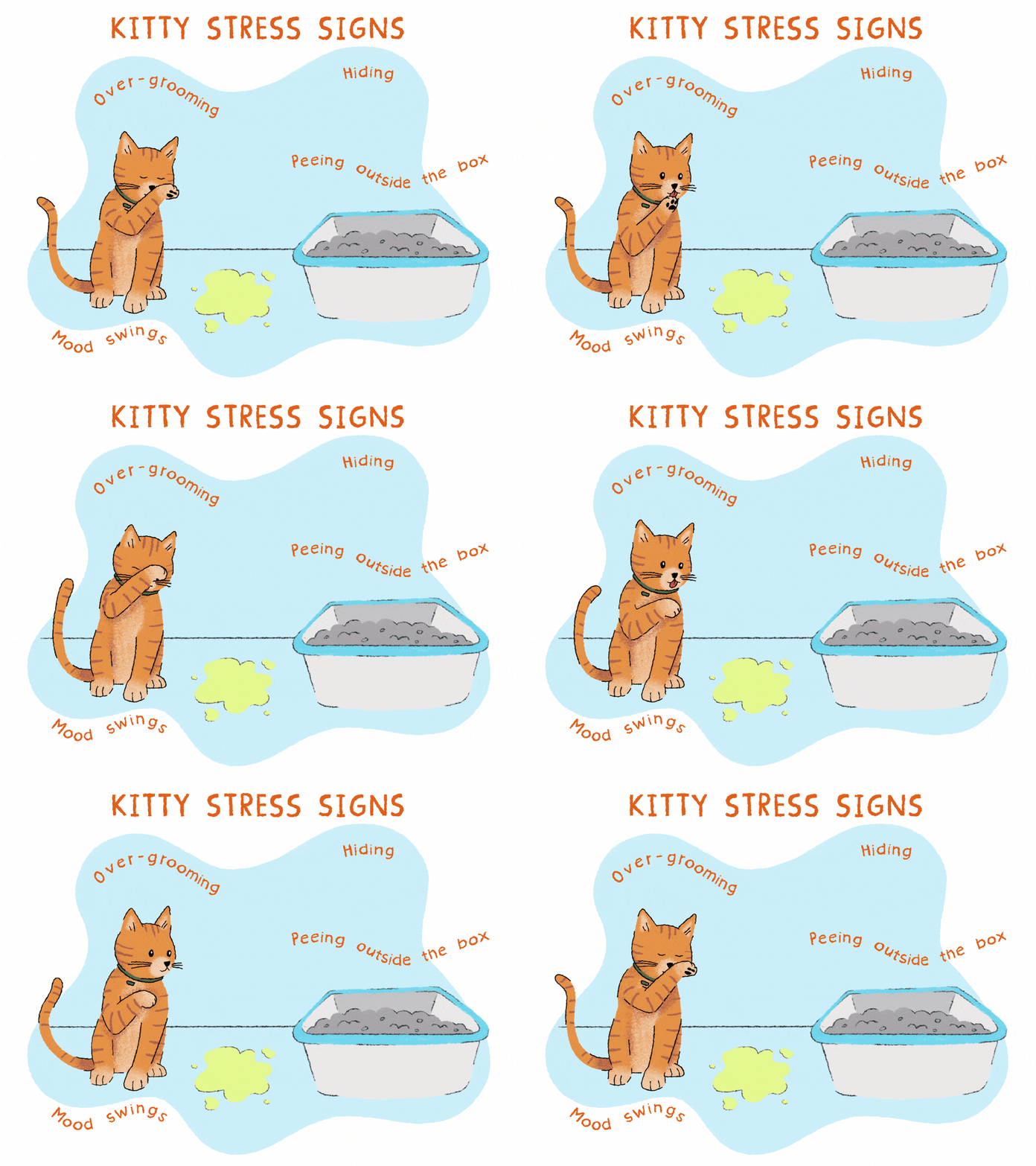
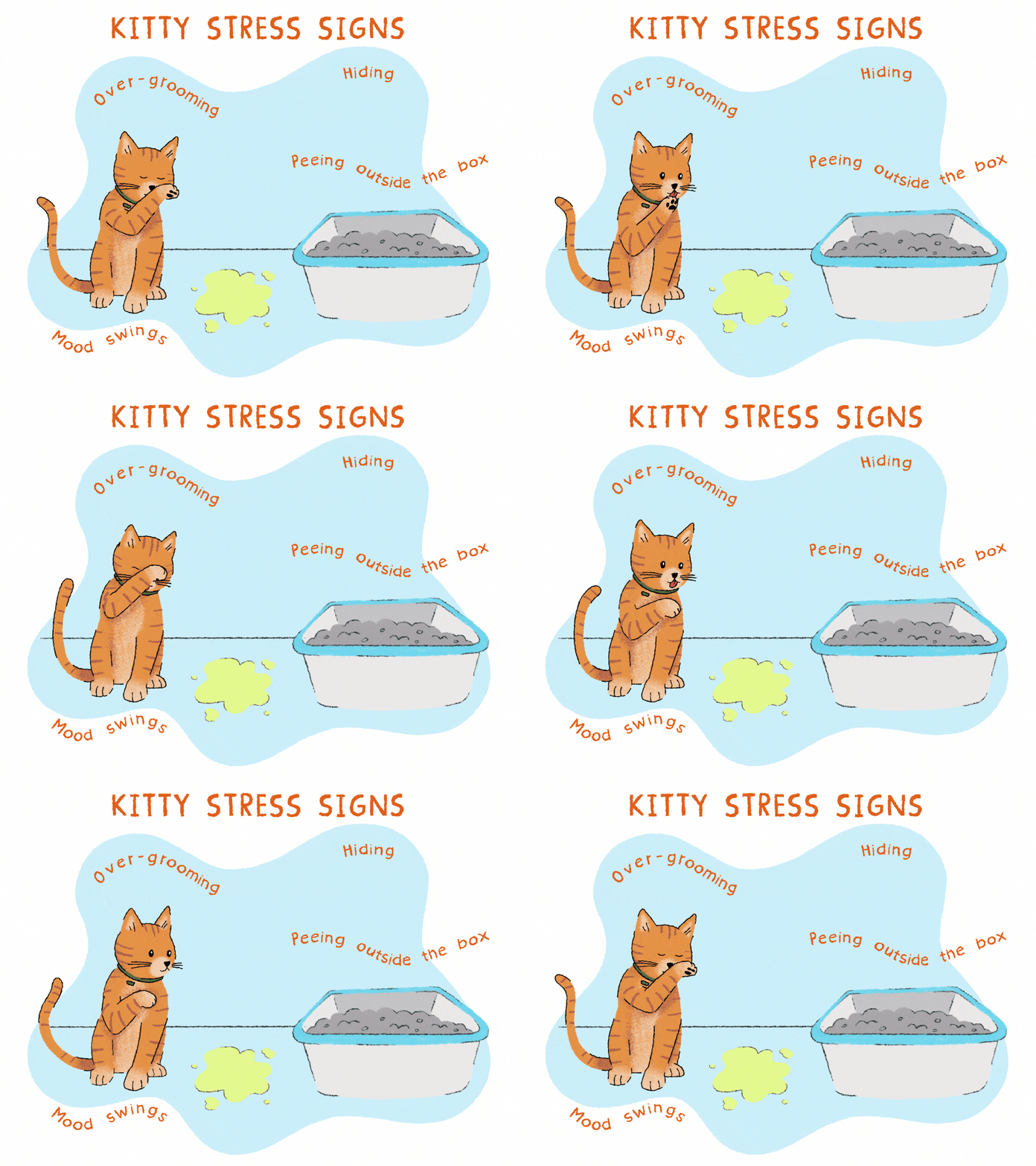
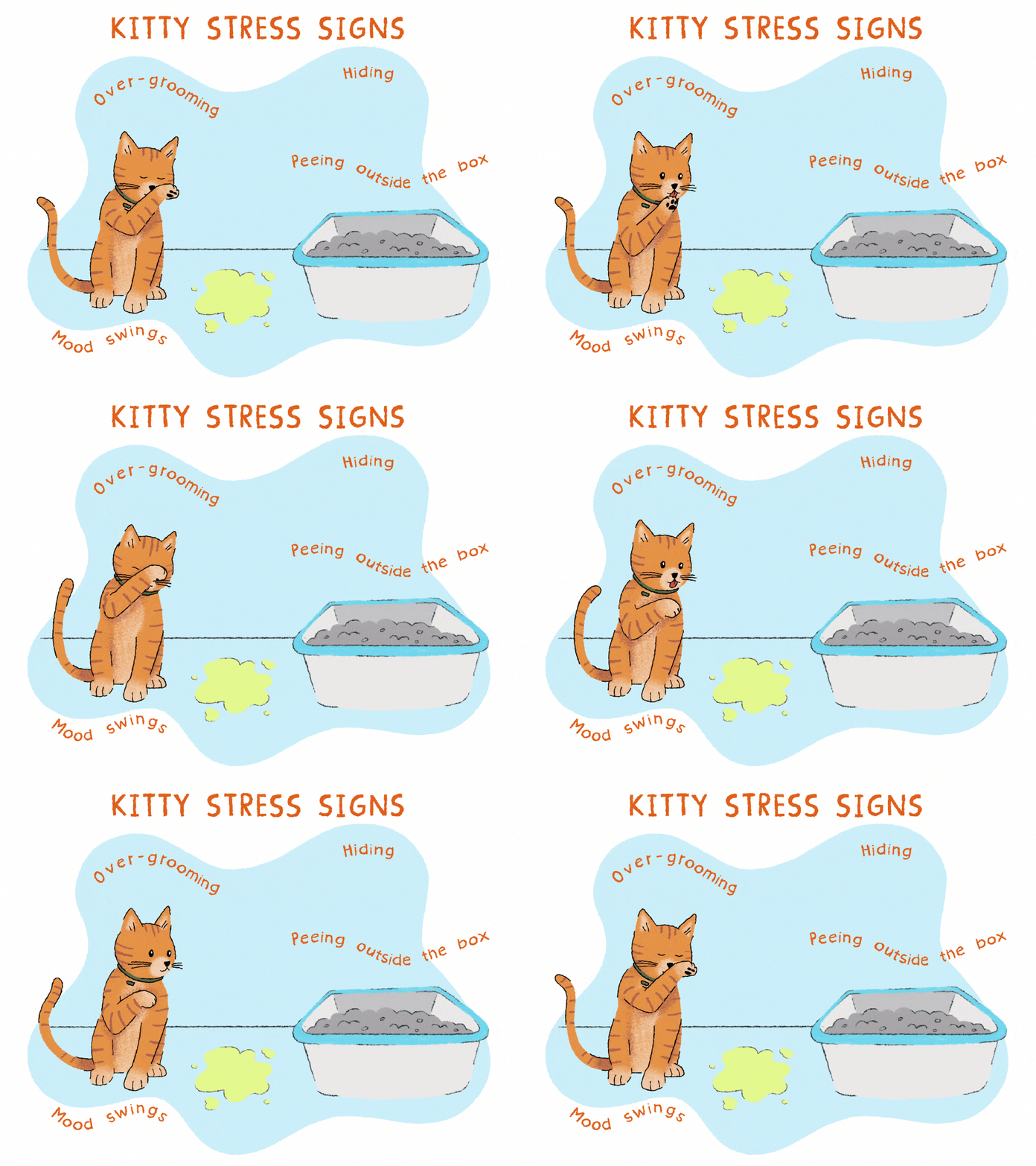
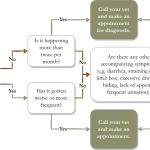
Anxiety can also cause physical changes. Your cat might over-groom, leading to bald spots. They might eat less or more than usual. Watch for changes in sleep patterns. Some cats pace or seem restless. Vomiting or diarrhea may occur in anxious cats. These symptoms can affect their health. Always consult a vet to rule out other issues. Recognizing these symptoms helps in providing timely care.
Credit: www.aspcapetinsurance.com
Creating A Safe Environment
Creating a secure space eases separation anxiety in cats. Utilize calming scents and toys to keep them engaged. Comfortable resting areas and routine changes help them feel safe when alone.
Creating a safe environment for your cat is crucial in helping them manage separation anxiety. Cats are creatures of habit and comfort, and a secure space can make a world of difference. A well-thought-out environment can serve as a sanctuary for your furry friend, easing their stress when you’re not around.Comforting Spaces
Designate a cozy corner in your home as a comforting space for your cat. You might be surprised how a simple cardboard box with a soft blanket can become their new favorite spot. Consider adding a small bed or a window perch where they can safely watch the world go by. Think about the lighting in this area. Some cats prefer a dim, quiet nook, while others enjoy a sunlit spot. You know your cat best—tailor the space to their preferences. A comforting space can be their go-to retreat when they feel anxious.Interactive Toys
Interactive toys can be a game-changer for cats with separation anxiety. They keep your cat entertained and mentally stimulated, which can distract them from stress. Toys that mimic hunting, like feather wands or laser pointers, can provide hours of fun. Consider treat-dispensing toys that challenge your cat to work for their food. This not only keeps them busy but also taps into their natural foraging instincts. Rotating toys regularly can prevent boredom and keep your cat engaged. Have you ever noticed how your cat reacts to a particular toy? Observing their likes and dislikes can guide you in selecting the perfect interactive toys for them. Remember, a happy and occupied cat is less likely to feel anxious in your absence. Creating a safe environment filled with comforting spaces and interactive toys can make a significant difference in your cat’s emotional well-being. What changes can you make today to help your cat feel more secure?Routine And Consistency
Routine and consistency create a comforting environment for cats with anxiety. Cats thrive on predictable schedules. This reduces their stress levels. Establishing a consistent routine helps them feel secure. It reassures them, even when alone. Understanding the importance of routine aids in managing separation anxiety effectively.
Feeding Schedule
Stick to a regular feeding schedule. Feed your cat at the same times daily. This predictability provides comfort. It signals safety and stability. An organized feeding routine can ease anxiety. Cats associate mealtimes with positive experiences. Regular meals help in maintaining their emotional balance.
Playtime Rituals
Consistent playtime is crucial for your cat. It offers mental stimulation and bonding. Set specific times for play daily. Use toys your cat loves. Interactive play sessions enhance their mood. Predictable playtime reassures them. It helps combat loneliness when you’re away. Consistency in playtime strengthens their routine.
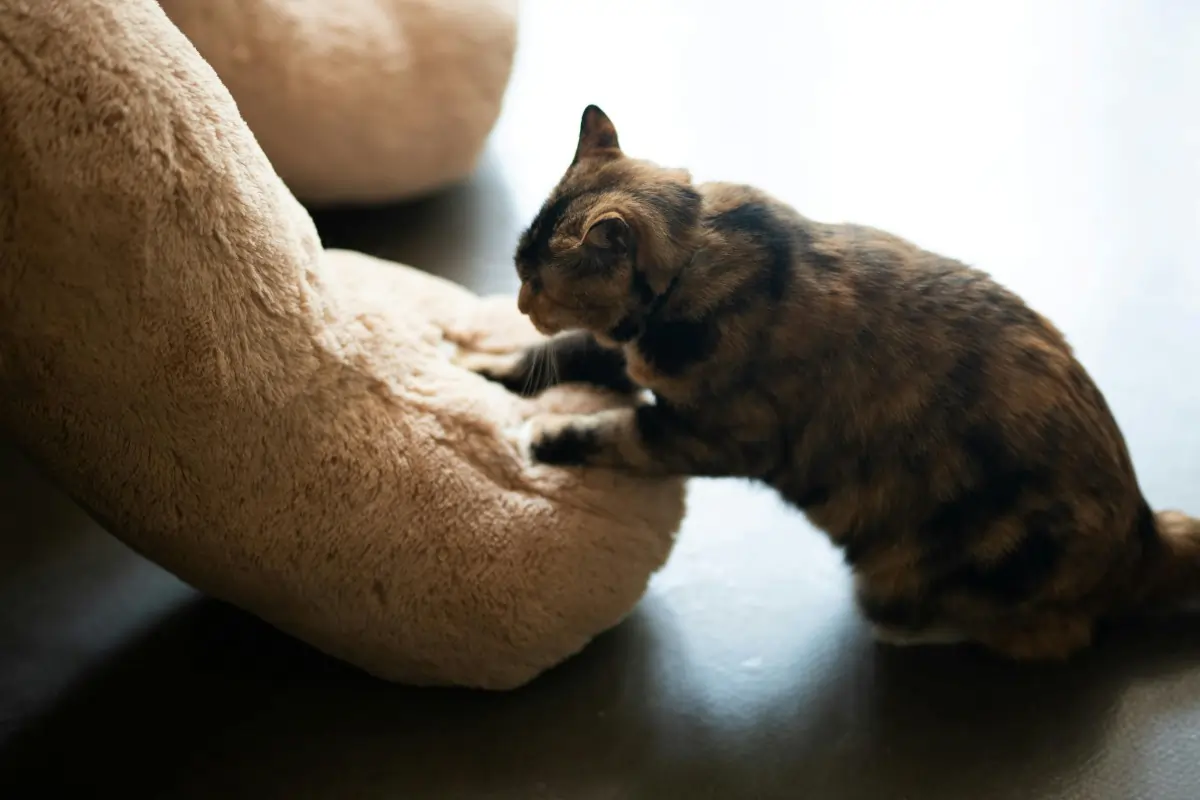
Credit: longwoodvetcenter.com
Using Calming Techniques
Calming techniques can soothe cats with separation anxiety, making them feel secure. Gentle music or soft toys comfort them during your absence. Creating a cozy space with familiar scents also helps reduce stress, easing their anxiety.
Separation anxiety in cats can be challenging, but using calming techniques can make a big difference. These techniques can help soothe your feline friend, making them feel more secure and relaxed. Whether you’re leaving for work or just stepping out for a few hours, implementing calming methods can ease your cat’s distress and improve their overall well-being. Let’s explore some effective calming techniques that can help your cat cope better when you’re not around.Soothing Music
Playing soothing music can create a serene environment for your cat. Soft classical tunes or specially designed pet relaxation playlists can help reduce anxiety levels. I once tried this with my anxious cat, Luna, and noticed she seemed less stressed when gentle music was playing. Consider setting up a playlist on a low volume before you leave. The calming sounds can offer comfort and distract from the silence of an empty home. Do you have a favorite playlist that calms your nerves? Your cat might appreciate it too!Pheromone Products
Pheromone products mimic the natural comforting scent that cats produce. These are available as sprays, diffusers, or collars and can be a game-changer for anxious cats. A friend’s cat, Oliver, was noticeably calmer after using a pheromone diffuser. The subtle scent reassured him and lessened his anxiety. Place a diffuser in your cat’s favorite room or apply a spray where they sleep. It’s a simple yet effective way to create a peaceful atmosphere. Have you ever tried using pheromone products for your cat? You might be surprised at how effective they can be.Professional Help
Cats can experience separation anxiety just like humans. Offering a cozy space with familiar toys and scents helps soothe their nerves. Gradually increasing alone time and providing interactive play sessions can also ease their anxiety.
Cats with separation anxiety can show distress when left alone. Professional help can offer effective solutions. This section explores expert interventions to ease your cat’s anxiety. These methods focus on behavioral adjustments and medical advice.Behavioral Therapy
Behavioral therapy aims to change how your cat reacts when alone. A trained animal behaviorist can assess your cat’s needs. They create a plan tailored for your pet. Techniques might include desensitization and counter-conditioning. These methods reduce anxiety by reshaping responses to being alone. Behaviorists may suggest gradual departure exercises. These exercises slowly increase the time spent away from home. Consistency is crucial. Regular sessions help reinforce positive changes.Veterinary Consultation
A vet can evaluate your cat’s health and behavior. Sometimes anxiety links to underlying health issues. A thorough examination can rule out medical problems. Vets can also prescribe anxiety medications. These medications can calm your cat during stressful times. Discuss potential side effects and benefits with your vet. Supplements like pheromone diffusers might be recommended. These products create a calming environment. Always follow professional advice for best results.Travel Preparation
Cats can feel anxious when their owners travel. Preparing them with familiar toys and calming music helps. Gradual departures and returns can ease anxiety, making travel smoother for both.
Preparing for travel with your cat requires thoughtful planning, especially if your feline friend suffers from separation anxiety. Ensuring a smooth journey can reduce stress for both you and your cat. Addressing anxiety starts with a solid travel preparation plan, allowing your cat to feel secure and comfortable while you’re on the move.Packing Essentials
Packing is not just about your belongings; it’s about making sure your cat has everything they need too. Bring familiar items like your cat’s favorite blanket or toy. These familiar scents can provide comfort and reduce anxiety in new environments. Don’t forget the basics. Food, water, and litter supplies are crucial. Consider packing a small first-aid kit with essentials like your vet’s contact information and any necessary medications. Having these items handy shows your cat that you’re prepared to meet their needs, which can be reassuring. Think about your cat’s personality and needs. Would a pheromone spray help? What about a calming collar? These can be effective tools in managing anxiety.Safe Transport
Ensuring your cat’s safety during travel is paramount. Use a sturdy carrier that allows your cat to move comfortably but also keeps them secure. A carrier that’s too small can heighten anxiety, while one that’s too large might not feel protective. Line the carrier with a cozy blanket. This not only provides comfort but also helps absorb any accidents. Make sure the carrier has proper ventilation and is securely locked to prevent any escape attempts during the journey. Consider your travel mode. If you’re driving, keep the carrier steady on the seat and secure it with a seatbelt. For flights, check airline requirements in advance to avoid surprises. Each step in ensuring safe transport can make a big difference in your cat’s anxiety levels. Have you ever noticed how your cat reacts differently to various travel methods? Observing their behavior can help tailor your approach, making future trips less stressful.Building Trust And Bond
Cats feel safe when they have a secure environment. Providing consistent routines helps them feel less anxious. Comfort items like toys and blankets can also aid in reducing separation anxiety.
Building trust and a strong bond with your cat is crucial in alleviating separation anxiety. Cats are creatures of habit and comfort, often forming deep attachments to their human companions. When you invest time in building this trust, you create a safe and loving environment that helps your cat feel more secure even when you’re away.Positive Reinforcement
Positive reinforcement can be a game changer. Reward your cat with treats or affection whenever they show calm and relaxed behavior. This encourages them to associate your absence with positive feelings. Consider using a specific toy or treat they only get during your absence. This way, they start looking forward to that reward, helping to ease their anxiety. What are some behaviors you’d like to encourage in your cat? Reflect on this and reward those actions consistently.Quality Time
Spending quality time with your cat strengthens your bond and builds trust. Engage in activities they love, like playing with their favorite toy or simply petting them. This not only relaxes them but also reassures them of your affection. Create a daily routine that includes dedicated playtime. Even a few minutes can make a big difference in their emotional wellbeing. Have you noticed a change in your cat’s behavior when you spend more time with them? Observing these changes can offer insights into their needs and preferences. By focusing on positive reinforcement and quality time, you lay the groundwork for a trusting relationship. This can significantly mitigate your cat’s separation anxiety.
Credit: www.hickoryvet.com
Frequently Asked Questions
How To Stop Your Cat From Crying When You Leave?
Create a cozy space with toys and blankets for comfort. Use pheromone sprays to soothe anxiety. Gradually increase time away to build independence. Provide engaging activities when you’re gone. Consult a vet for persistent issues.
How Do You Calm Anxiety In Cats?
Create a safe space for your cat with cozy bedding. Use calming pheromone sprays or diffusers. Engage in interactive play to distract them. Provide scratching posts and toys for mental stimulation. Consult a vet if anxiety persists.
Will My Cat Miss Me If I Leave For 5 Days?
Yes, your cat may miss you during your absence. Cats can form strong bonds with their owners. They might show changes in behavior or mood. Provide familiar toys and a trusted caregiver to comfort them while you’re away.
How Do I Know If My Cat Has Anxiety?
Signs of cat anxiety include excessive grooming, hiding, aggression, and litter box issues. Watch for unusual vocalizations and changes in appetite. Frequent pacing or restlessness might also indicate stress. Consult a veterinarian if these behaviors persist.
Conclusion
Helping cats with separation anxiety strengthens your bond. Try different techniques to comfort them. Spend quality time before leaving. Create a cozy, safe space for them. Use toys and puzzles to keep them busy. Consider calming sprays or music. Gradually increase alone time to build confidence.
Patience is key. Each cat is unique. Observe their behavior closely. Adjust methods as needed. Seek professional advice if anxiety persists. Your love and care make a big difference. Happy cats thrive in a secure environment. They deserve your understanding and support.

Similar Posts