How to Help With Cat Anxiety: Expert Tips

Is your beloved feline friend acting out of sorts lately? You might have noticed them hiding more often, being unusually aggressive, or even refusing to eat.
These are common signs of anxiety in cats, and as a caring pet owner, you want nothing more than to help them feel safe and happy. Understanding and addressing cat anxiety can be a bit challenging, but it’s not impossible.
Your cat’s well-being is at the heart of this guide, and we’re here to help you navigate the complexities with simple, practical advice. Dive in to discover the secrets to a more relaxed and joyful life for both you and your furry companion.
Credit: nutri-paw.com
Recognizing Signs Of Cat Anxiety
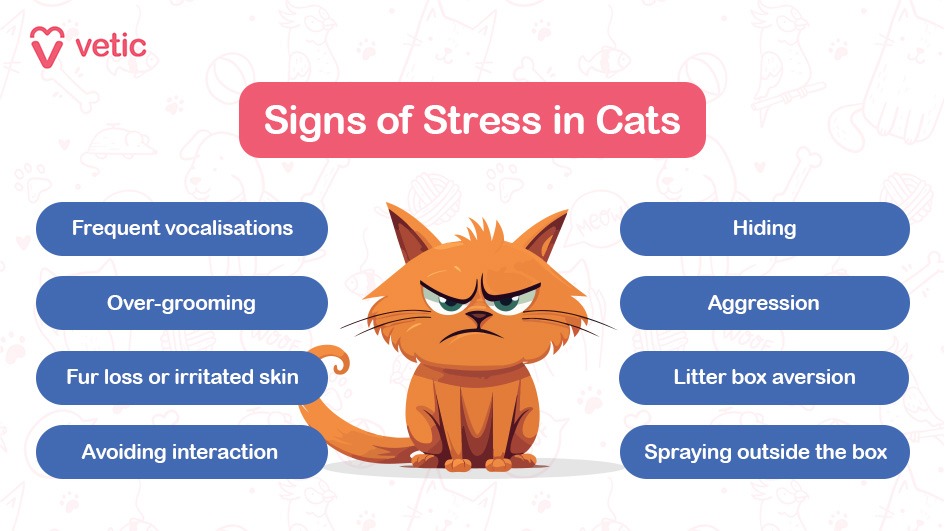
Cats experience anxiety just like humans do. Recognizing signs of cat anxiety is crucial for providing support. Cats show anxiety in various ways, impacting their well-being and behavior. Understanding these signs helps you take proper action.
Physical Symptoms
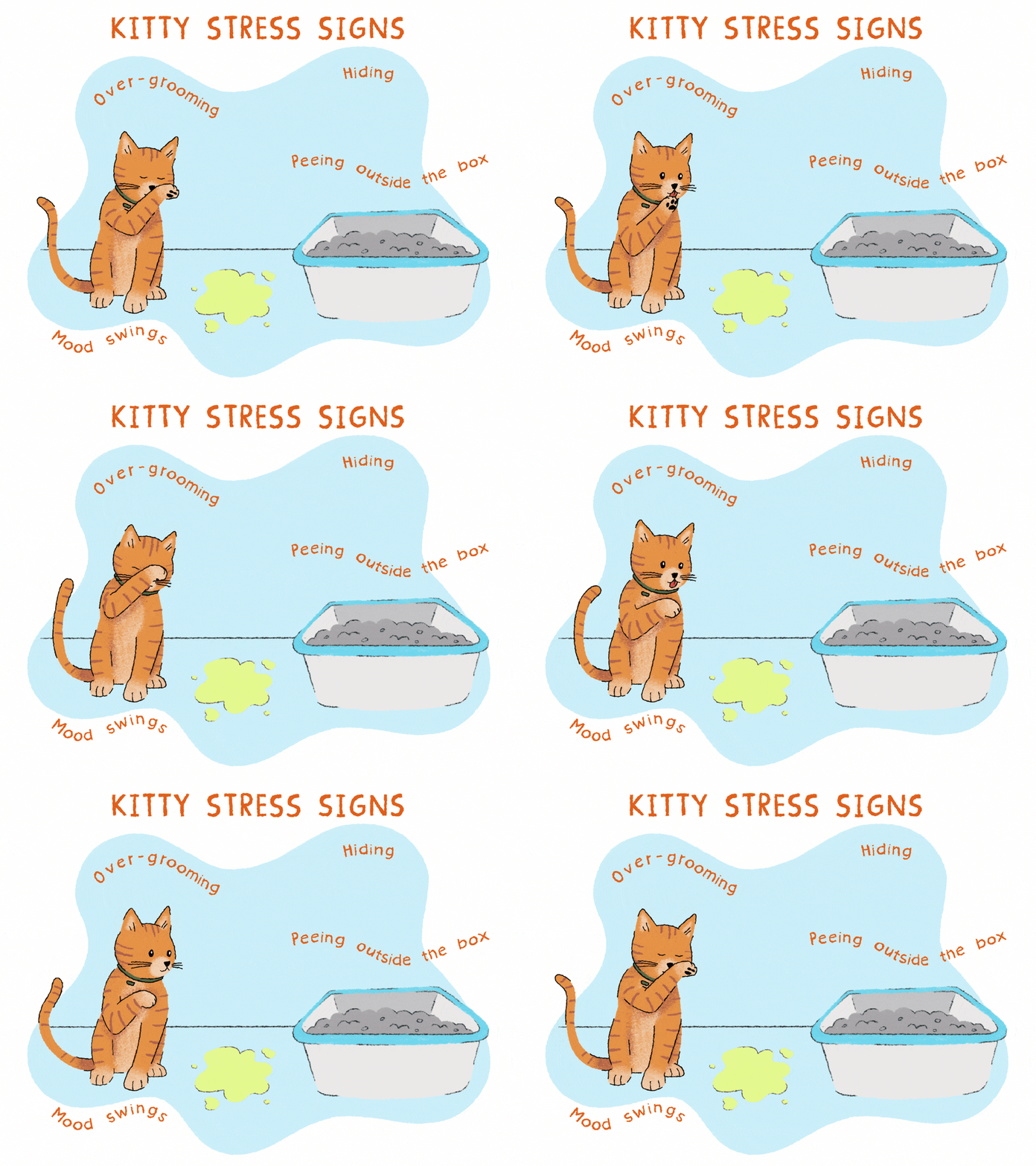
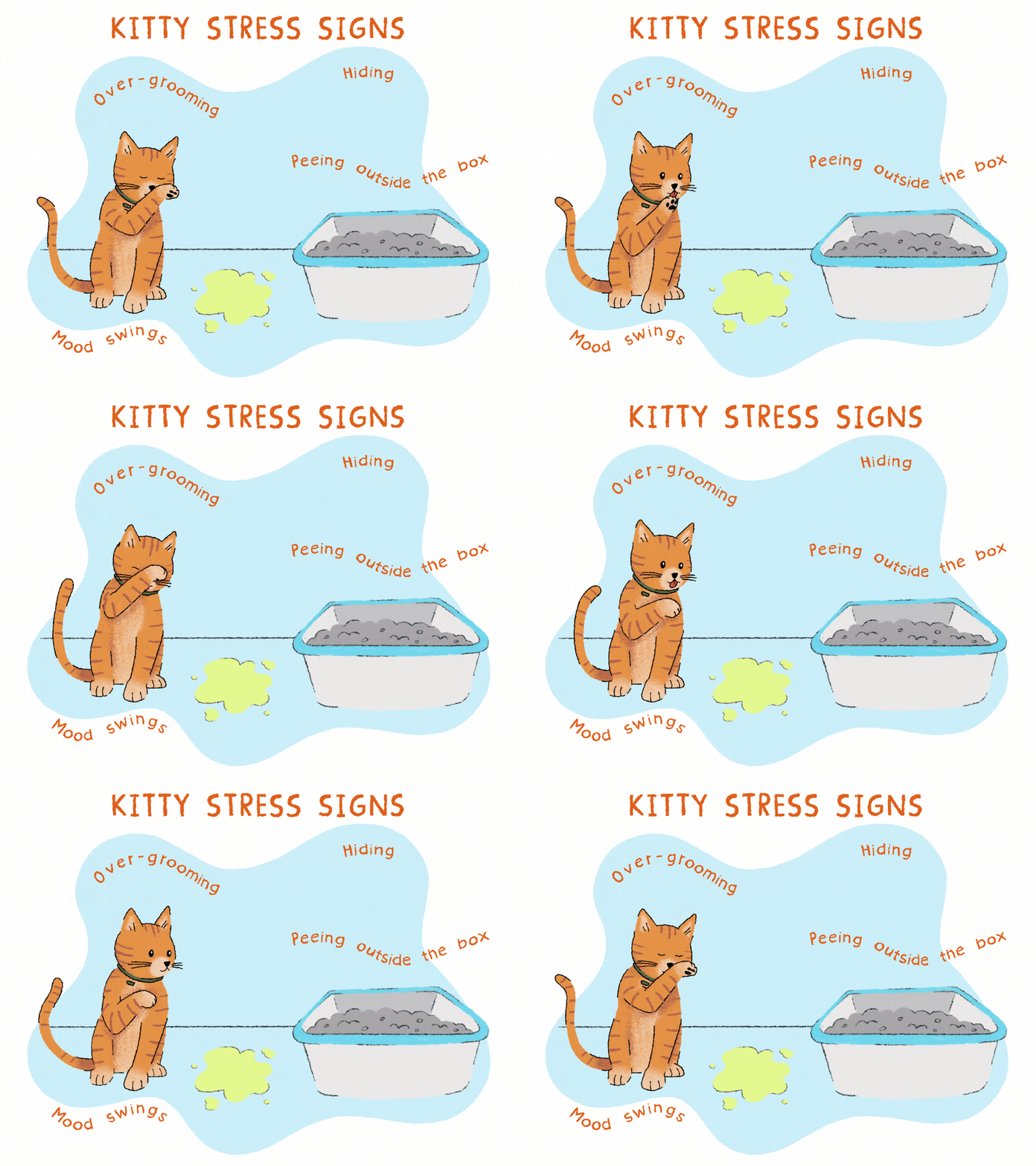
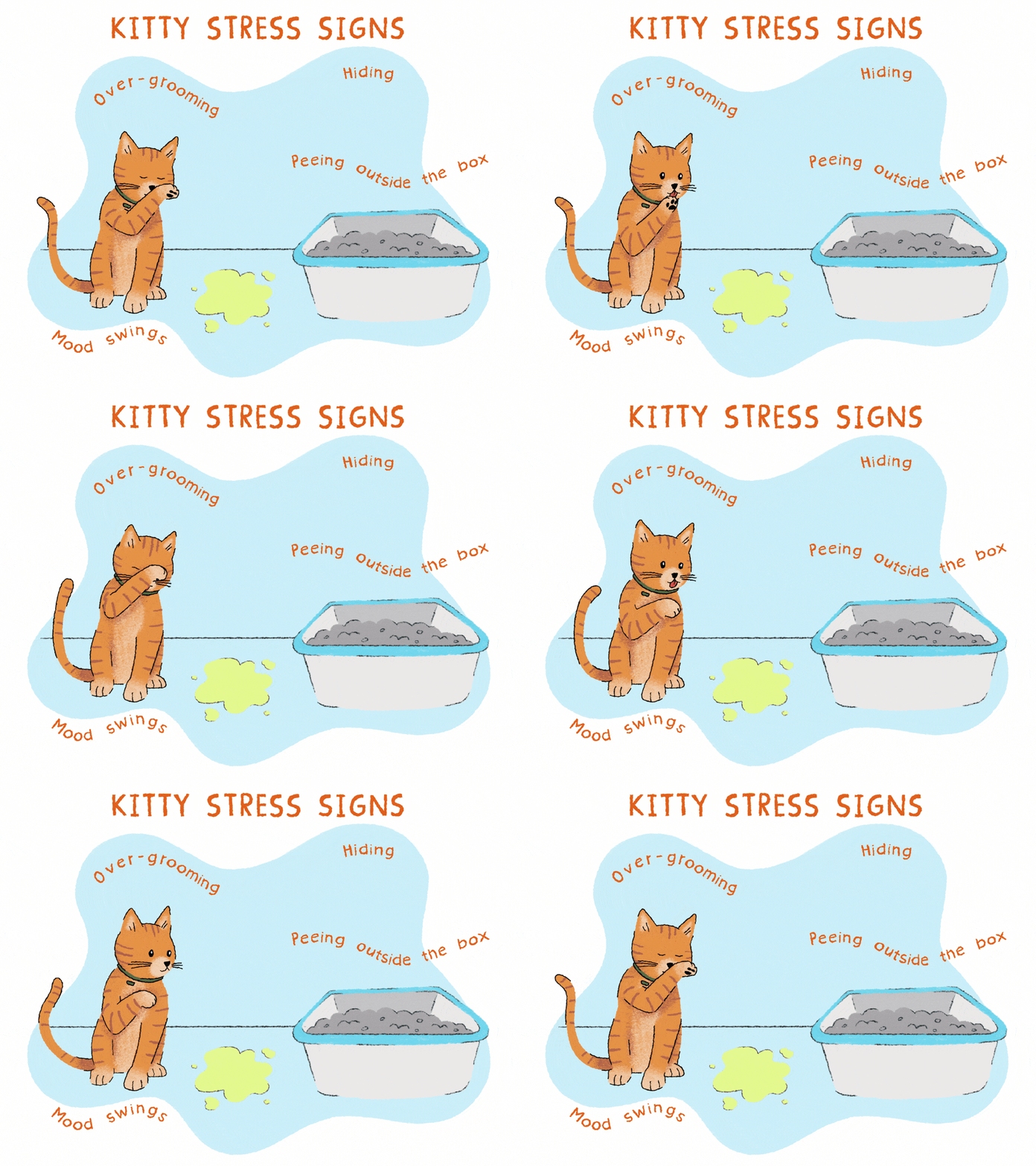
Physical symptoms can reveal anxiety in cats. Look for changes in appetite. Some cats may eat less or stop eating. Others might eat more than usual. Watch their grooming habits. Excessive grooming or lack of grooming can signal distress. Check for changes in sleep patterns. An anxious cat may sleep more or less than normal.
Behavioral Changes
Behavioral changes offer clues to a cat’s anxiety. Notice any aggression or irritability. An anxious cat might hiss or scratch more often. Pay attention to hiding behaviors. Cats feeling anxious may seek solitude, avoiding interaction. Monitor for changes in litter box habits. A stressed cat might urinate or defecate outside the box.
Common Causes Of Cat Anxiety
Loud noises, unfamiliar environments, and separation from loved ones often trigger cat anxiety. Identifying these causes helps in offering comfort and security.
Understanding the common causes of cat anxiety is the first step to helping your furry friend live a happier, stress-free life. Cats, much like humans, can experience anxiety due to a variety of factors. Recognizing these can help you create a more comforting environment for your pet.Environmental Stressors
Cats are creatures of habit. A sudden change in their environment can cause anxiety. Think about the last time you moved to a new place; it was probably stressful, right? Cats feel the same. Moving to a new home, rearranging furniture, or even a loud renovation project can unsettle them. Noise is another big factor. Thunderstorms or fireworks might leave your cat feeling anxious. Keep a close eye on how your cat reacts to changes in their surroundings.Health-related Issues
Sometimes, anxiety in cats is linked to health issues. A visit to the vet might reveal underlying problems causing distress. Have you noticed your cat grooming excessively or refusing to eat? These might be signs of anxiety related to physical discomfort. Older cats can experience anxiety due to age-related health problems. Regular check-ups can help catch these issues early. Is your cat acting differently lately? It might be time for a vet visit.Social Factors
Cats can be sensitive to social dynamics. A new pet or family member can disrupt their sense of security. Have you ever introduced a new cat into your home? Existing pets might react with anxiety due to perceived threats to their territory. Even something as simple as a change in your schedule can affect them. Cats thrive on routine, and a shift in how much time you spend with them might leave them feeling anxious. Consider how your lifestyle changes might impact your cat’s emotional well-being. Understanding these common causes can help you address your cat’s anxiety effectively. What changes can you make today to create a more peaceful environment for your feline friend?Creating A Safe Environment
Creating a safe environment can greatly ease cat anxiety. Cats need spaces where they feel secure and calm. Establishing a sanctuary within your home helps your cat relax and feel protected. This environment should cater to their needs, including quiet spaces and comfortable resting areas. Understanding how to create these spaces can make a significant difference in your cat’s well-being.
Quiet Spaces
Quiet spaces are essential for anxious cats. Loud noises can stress them out. Designate a room or corner where your cat can escape. Keep it away from household noise like TVs and conversations. This space should be calm and peaceful. Consider adding soundproofing elements. Soft music or white noise can help mask sudden sounds. This will further ease your cat’s anxiety.
Comfortable Resting Areas
Comfortable resting areas are vital for a cat’s peace. Cats love soft, warm spots. Provide cozy beds or blankets. Place these in their quiet space. Elevate the resting areas if possible. Cats feel safer when they are higher up. This mimics their natural instinct to climb. Ensure the area is clean and free from drafts. Your cat will appreciate a snug, safe place to retreat.
Using Calming Techniques
Calming techniques can help ease cat anxiety effectively. Soft music, gentle petting, and quiet environments soothe stressed cats. Providing hiding spots and engaging toys also distract anxious felines.
Cat anxiety can be distressing for both cats and their owners. Using calming techniques can make a significant difference. These methods can help your feline friend feel more secure. They can also strengthen the bond between you and your cat. Understanding these techniques can lead to a happier, more relaxed pet.Play And Exercise
Regular play and exercise can reduce anxiety in cats. Engaging your cat in physical activities helps burn off excess energy. Interactive toys can stimulate a cat’s mind and body. Try using toys that mimic prey movements. Wand toys or laser pointers can be very effective. Short, frequent play sessions can keep your cat entertained. Exercise routines should be tailored to your cat’s preferences. A tired cat is often a calm cat.Soothing Sounds
Music or calming sounds can have a soothing effect on cats. Soft music can mask distressing noises, helping your cat feel safe. Many cats respond well to classical music or nature sounds. These sounds can create a peaceful environment. Try playing soft tunes during stressful times. You can also use white noise machines for a calming effect. Experiment with different sounds to find what relaxes your cat.Diet And Nutrition
Cat anxiety can be challenging for both pets and owners. Diet and nutrition play a crucial role in managing anxiety. A balanced diet helps maintain physical health. It also supports emotional well-being. Certain foods and supplements can calm your feline friend.
Foods That Calm
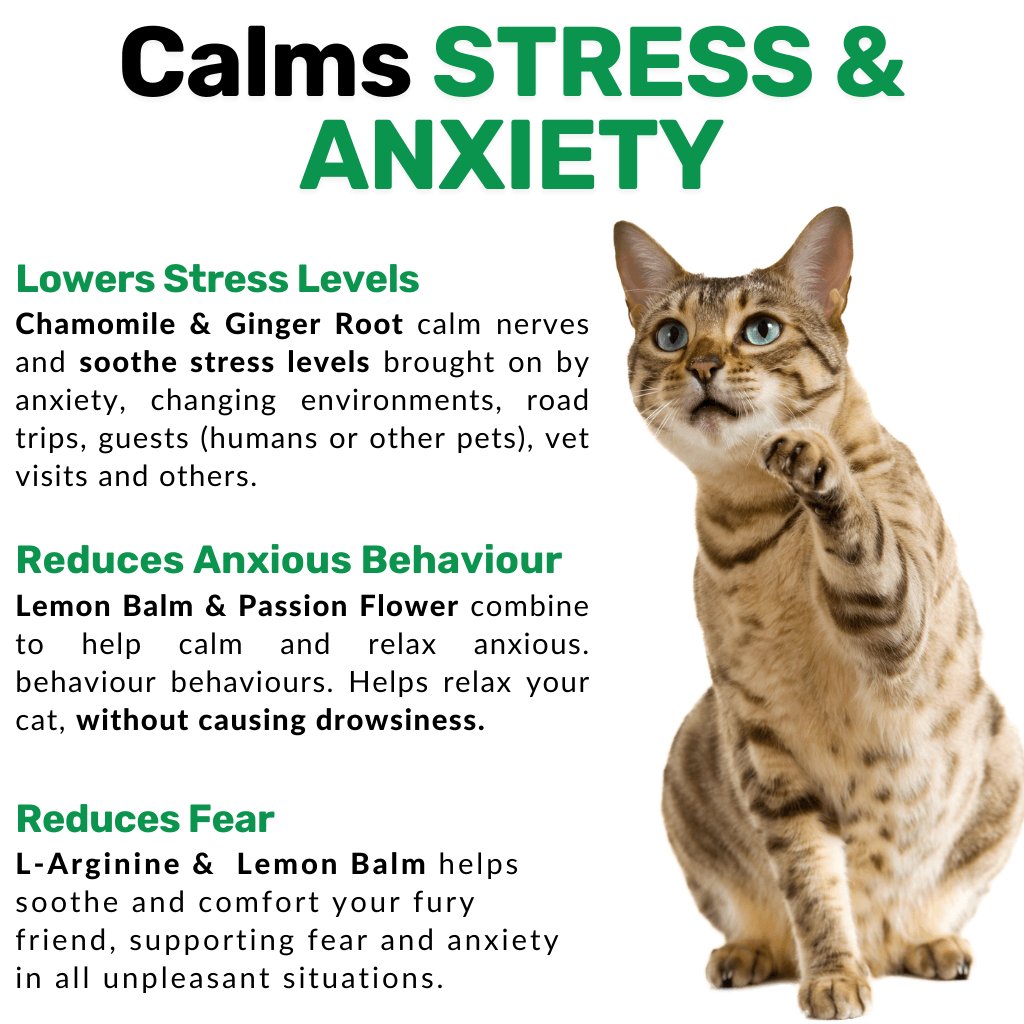
Some foods naturally reduce anxiety in cats. Turkey contains tryptophan, which boosts serotonin levels. Serotonin helps regulate mood and promotes calmness. Oats are another excellent choice. They have a soothing effect on the nervous system. Fish is rich in omega-3 fatty acids. These fatty acids help in brain function and reduce stress.
Supplements And Treats
Supplements can be a great addition to a cat’s diet. Look for those containing L-theanine or chamomile. L-theanine supports relaxation without causing drowsiness. Chamomile has mild sedative properties. Treats infused with these can be rewarding and calming. Calming chews and tablets are available in pet stores. They can be a simple way to provide relief.

Credit: www.banfield.com
Professional Help And Resources
When your cat displays signs of anxiety, you might feel helpless watching your furry friend struggle. While there are things you can do at home to ease their discomfort, sometimes professional help is necessary. Accessing veterinary assistance and consulting behavioral therapists can provide your cat with the relief they need, ensuring a happier, more relaxed life for both of you.
Veterinary Assistance
Your first step in seeking professional help should be your veterinarian. They can identify any underlying medical conditions contributing to your cat’s anxiety. A simple visit can rule out health issues and bring peace of mind.
Veterinarians can also recommend suitable treatments or medications. These might include calming supplements or anti-anxiety medications tailored to your cat’s specific needs. Have you ever wondered if your cat’s behavior might be linked to a health issue? A vet can provide the answers.
Don’t underestimate the power of a vet’s advice. Regular check-ups can catch problems before they escalate, keeping your cat’s anxiety in check.
Behavioral Therapists
Have you considered a behavioral therapist for your cat? These specialists focus on understanding and modifying your pet’s behavior. They can help pinpoint the triggers of your cat’s anxiety and develop a tailored plan to manage it.
Behavioral therapists often use techniques such as desensitization and counter-conditioning. These strategies aim to change your cat’s response to anxiety-inducing stimuli. Imagine the relief when your cat finally feels calm in situations that once caused distress.
Many therapists offer remote consultations, making it easier than ever to access professional support. Wouldn’t it be great to have expert guidance without leaving your home?
Professional help can be a game-changer for cat anxiety. By involving veterinarians and behavioral therapists, you’re taking a proactive step towards your cat’s well-being. What changes could professional guidance bring to your life and your pet’s? The path to a more peaceful existence might be just a phone call away.
Preventing Future Anxiety Episodes
Cats can experience anxiety due to various triggers. Reducing these episodes is essential for their well-being. By establishing a stable environment, owners can help their feline friends feel secure. A few strategies can make a significant difference in preventing future anxiety episodes.
Routine And Consistency
Cats thrive on routine. A predictable schedule reassures them. Feeding times, play sessions, and bedtime should be consistent. Routine creates a sense of security. It helps cats know what to expect daily. Sudden changes can trigger anxiety in sensitive cats. Stick to a regular pattern to keep them calm.
Socialization Practices
Socialization helps cats adapt to new experiences. Introduce them to different environments gradually. Allow them to explore at their own pace. Meeting new people and pets can be stressful. Do it slowly and with patience. Provide positive reinforcement during social interactions. A calm cat is a happy cat.
Credit: www.zoetispetcare.com
Frequently Asked Questions
What Are The Signs Of Anxiety In Cats?
Cats show anxiety through hiding, excessive grooming, aggression, or avoiding the litter box. They may also meow excessively, have a reduced appetite, or become more clingy. Look for changes in behavior or routine as indicators of stress or anxiety.
What Calms Cats Naturally?
Cats naturally calm down with pheromone diffusers, gentle music, and interactive toys. Regular play sessions and cozy hiding spots help too. Catnip and herbal remedies like chamomile can also soothe them. A consistent routine and a quiet environment provide additional comfort for your feline friend.
Can Cat Anxiety Go Away?
Yes, cat anxiety can improve with proper care. Provide a safe environment, engage them with toys, and maintain routines. Consult a vet for persistent issues.
What Causes Anxiety In Cats?
Cat anxiety can stem from various factors, such as changes in their environment or routine. Loud noises, unfamiliar visitors, or even a lack of mental stimulation can trigger anxiety. Identifying the cause is crucial to effectively addressing it and ensuring your cat’s comfort and well-being.
Conclusion
Helping cats with anxiety requires patience and understanding. Small changes make a big difference. Create a calm environment. Offer safe spaces for your cat. Regular playtime helps relieve stress. Pay attention to your cat’s behavior. Consult a vet if anxiety persists.
Love and attention are key. A happy cat means a happy home. Your support can ease their worries. Remember, every cat is unique. Find what works best for yours. Keep trying different strategies. With care, your cat will feel safe and loved.

Similar Posts