How to Calm Anxiety in Cats: Expert Tips Revealed

Is your feline friend feeling a bit on edge lately? Anxiety in cats is more common than you might think.
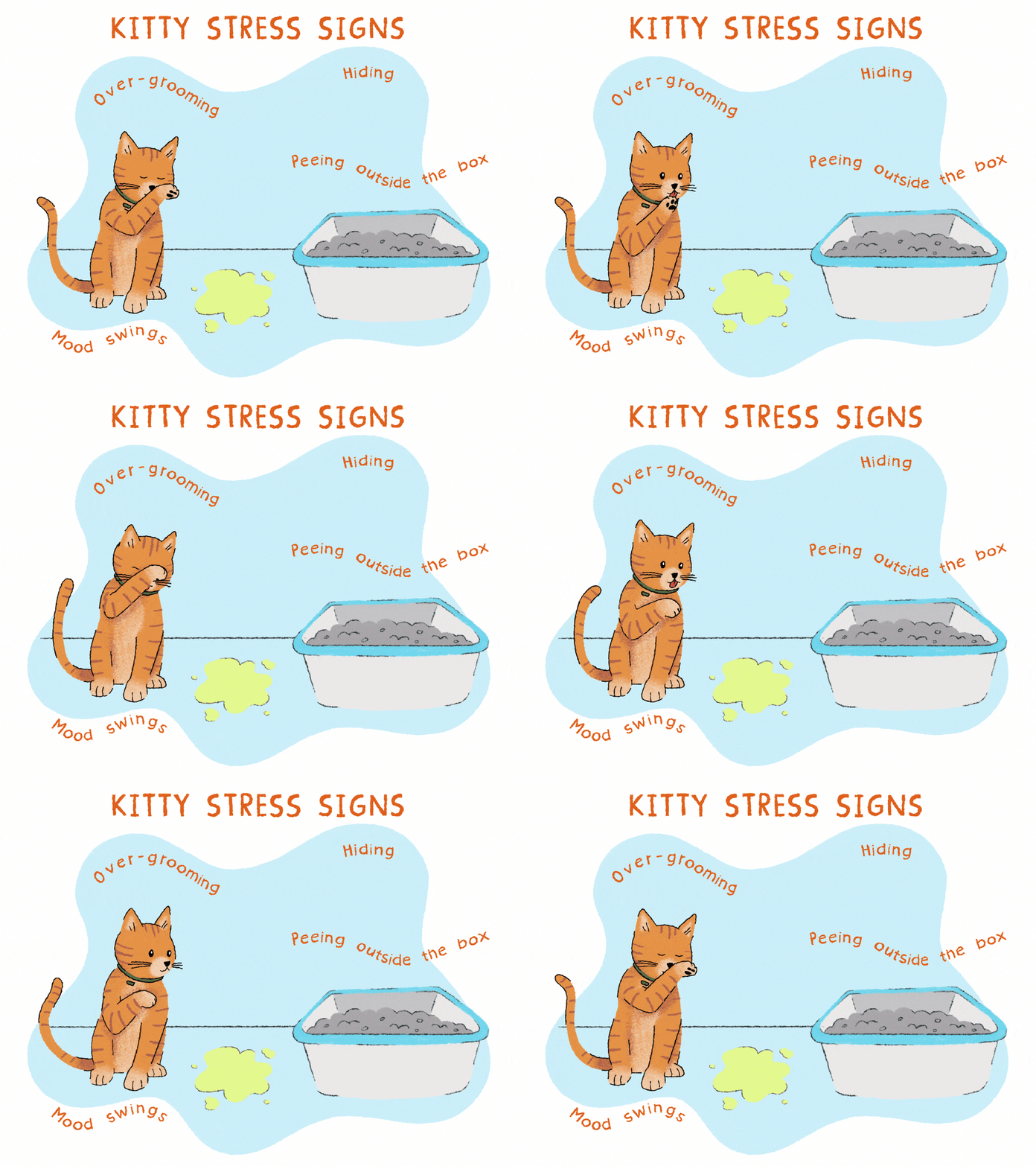
Just like humans, our furry companions can feel stressed and anxious, and it’s up to you to help them find their calm. Whether it’s hiding under the bed, excessive grooming, or uncharacteristic aggression, these signs could be your cat’s way of telling you something’s not right.
Understanding how to soothe their anxiety can make a world of difference in their happiness and well-being. Ready to explore effective ways to calm your anxious cat? Let’s dive into some simple yet powerful strategies that will not only help your cat but will also strengthen the bond you share. Stay with us, and discover how you can transform your home into a sanctuary of peace for your beloved pet.
Recognizing Signs Of Anxiety In Cats
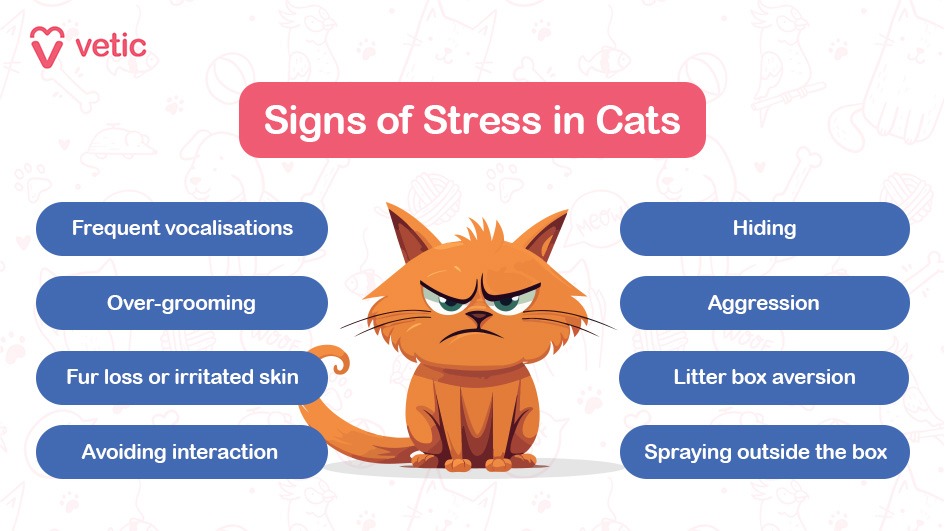
Cats often show anxiety through hiding, excessive grooming, or aggression. To calm an anxious cat, create a peaceful environment with cozy resting spots and soothing music. Regular playtime and gentle petting can also help ease their stress.
Recognizing signs of anxiety in cats can be challenging. Cats often hide their feelings. Understanding these signs can help address their needs. Anxiety can stem from various sources. Changes in environment, new pets, or illness can trigger anxiety. Identifying symptoms early can prevent more serious issues.Behavioral Indicators
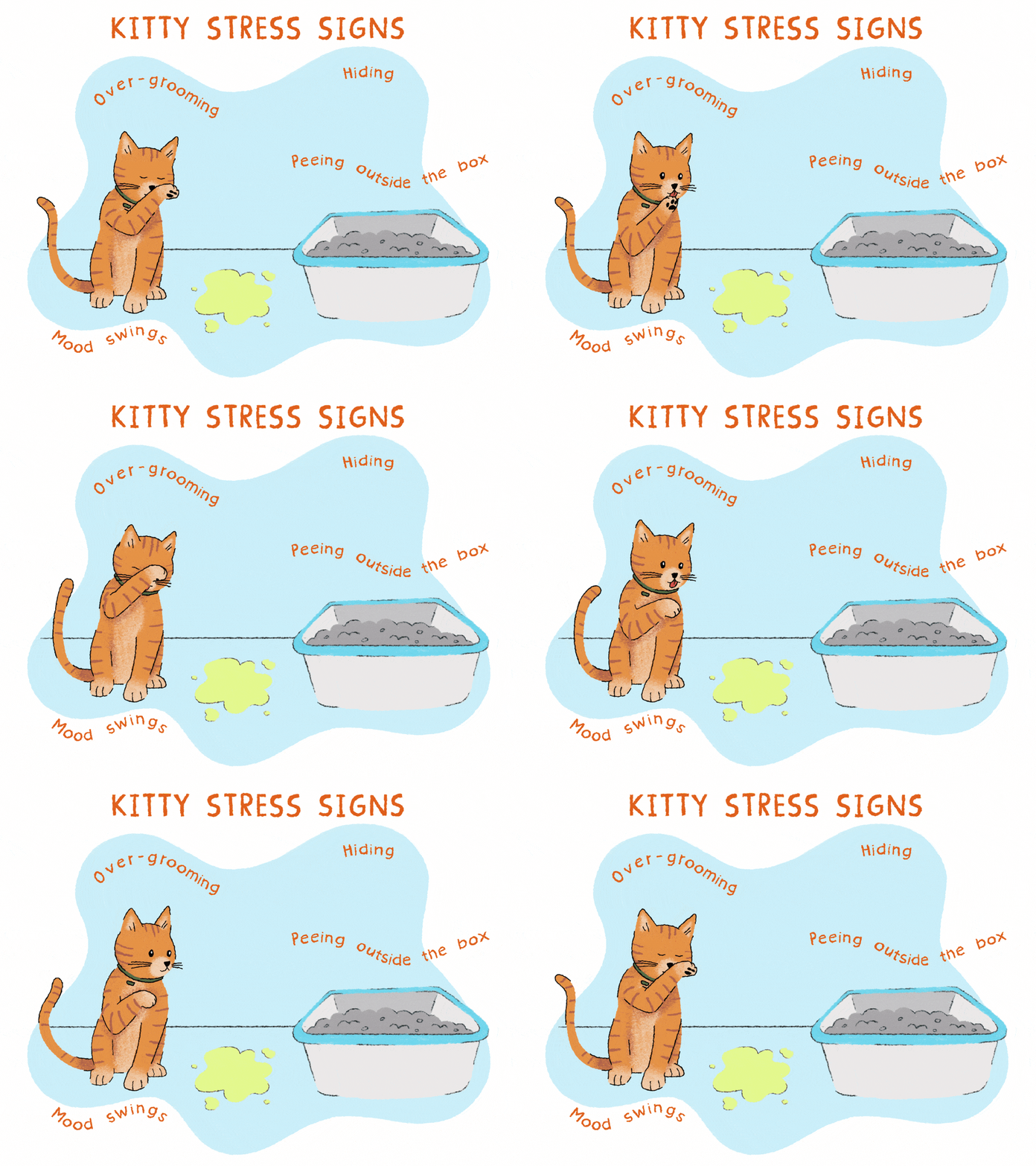
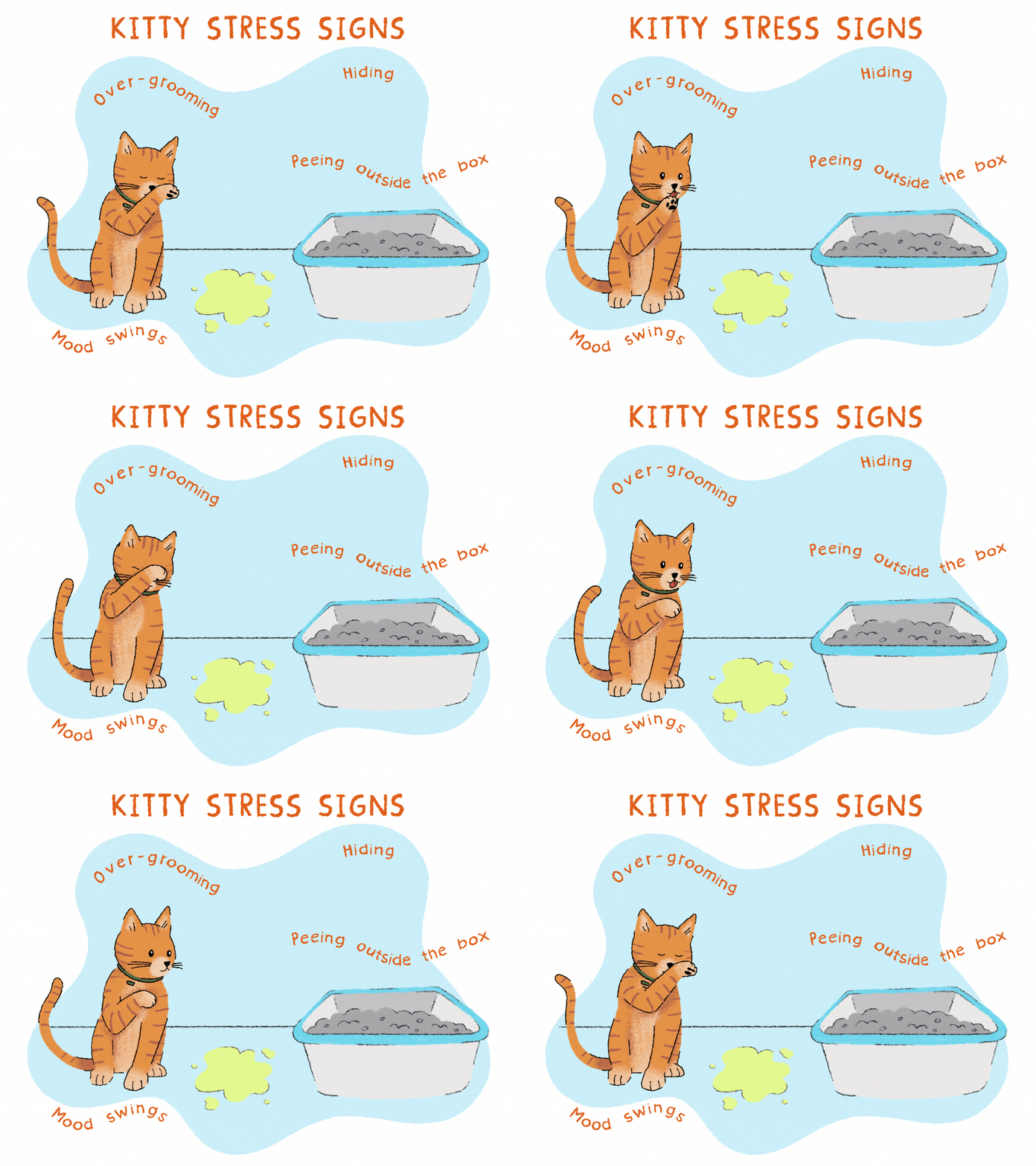
Cats may exhibit unusual behaviors. They may hide more than usual. Increased aggression is another sign. Some cats become overly clingy. Litter box issues can also arise. Scratching furniture or over-grooming are common indicators. These changes signal distress.Physical Symptoms
Physical symptoms can also reveal anxiety. Cats may refuse to eat. Weight loss can occur as a result. Digestive issues like vomiting might appear. A sudden change in sleep patterns is notable. Increased vocalization can also indicate stress. Monitoring these signs helps in understanding your cat’s needs. Recognizing anxiety in cats is vital for their well-being. Early detection and intervention can make a difference. Understanding these signs ensures a happier, healthier pet.Creating A Stress-free Environment
Creating a stress-free environment can significantly reduce anxiety in cats. Cats are sensitive creatures that thrive in calm surroundings. A peaceful home helps them feel secure and relaxed. Simple changes in your home can make a big difference. Focus on providing safe spaces and managing sounds to ease their anxiety.
Safe Spaces
Every cat needs a safe space to retreat. This space should be quiet and away from household activity. A cozy corner or an unused room works well. Add soft bedding and favorite toys. High perches also give cats a sense of security. They can observe their environment from above. This helps them feel in control.
Sound Management
Loud noises can stress cats. Keep the volume low on TVs and music systems. Use soundproofing materials if needed. White noise machines can mask disturbing sounds. This creates a more peaceful atmosphere. During fireworks or storms, keep windows closed. Offer extra comfort during these times. Speak softly and reassure your cat. Your calm voice can ease their fear.
Using Calming Products
Calming products offer a gentle way to ease anxiety in cats. These solutions may include pheromone sprays, calming collars, or natural supplements. Effective tools like these can help create a soothing environment for your feline friend.
Using calming products can be a gentle way to ease anxiety in cats. Various products are available that can help soothe your feline friend. These solutions offer comfort and relaxation, creating a peaceful environment.Natural Remedies
Some owners prefer natural remedies for their cats. Herbal supplements like chamomile can calm anxious cats. Valerian root is another option known for its calming effects. These herbs can be found in treats or sprays. They are safe and effective for most cats. Always consult a vet before trying new supplements.Pheromone Diffusers
Pheromone diffusers mimic the natural scents cats use to communicate. These diffusers release calming pheromones into the air. Cats feel more relaxed and secure. They are easy to use. Just plug them into a wall socket. Many pet owners find them helpful. They can reduce stress-related behaviors in cats.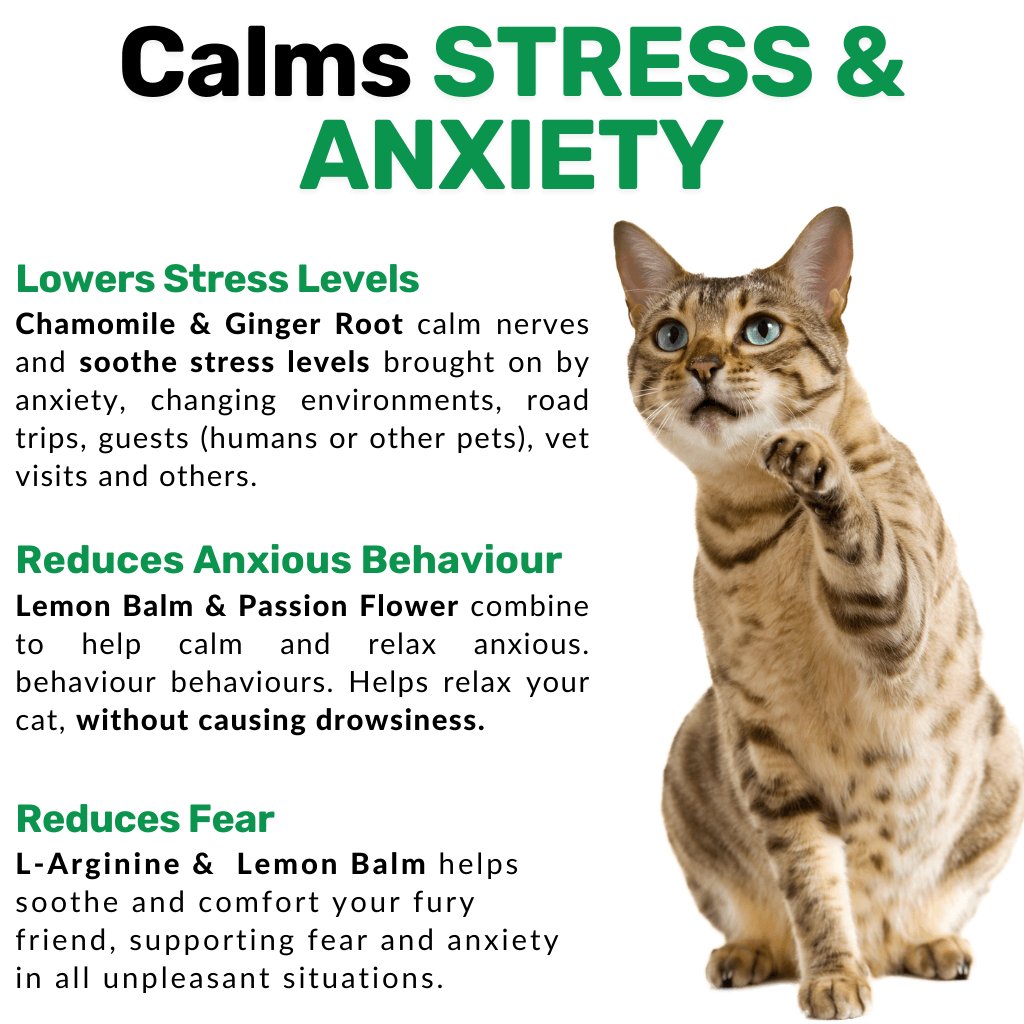
Credit: nutri-paw.com
Engaging In Play And Exercise
Anxiety in cats can be eased with play and exercise. These activities help release pent-up energy and reduce stress. Engaging your cat in active play is a natural way to calm them. Playtime allows them to express their instincts, keeping their mind occupied. Exercise not only benefits their physical health but also their mental well-being. Through interactive toys and structured routines, you can create a calming environment for your cat.
Interactive Toys
Interactive toys are a great way to engage your cat. They stimulate their hunting instincts and keep them mentally active. Consider toys that mimic prey movement like feather wands or laser pointers. Puzzle toys are also effective. They challenge your cat’s mind while rewarding them with treats. Rotate toys regularly to maintain interest. This keeps playtime fresh and exciting.
Exercise Routines
Structured exercise routines can help reduce anxiety. Dedicate time each day for active play sessions. Short, regular intervals are best. This ensures your cat remains engaged without feeling overwhelmed. Create obstacle courses using household items. This encourages exploration and movement. Encourage climbing by providing cat trees or shelves. Cats love vertical spaces. This allows them to stretch and exercise naturally.
Implementing Routine And Predictability
Creating a daily routine helps calm anxiety in cats by providing them stability. Predictable feeding times and play sessions offer comfort and reduce stress. Routine builds trust and eases their nervousness.
Implementing routine and predictability can be a game-changer for calming anxiety in cats. Cats thrive on structure, and knowing what to expect can significantly reduce their stress levels. By establishing a consistent daily routine, you can help your feline friend feel more secure and relaxed. This structured environment provides a sense of safety, making it easier for your cat to navigate their day without the uncertainty that often triggers anxiety.Feeding Schedules
A regular feeding schedule is crucial for an anxious cat. Cats are creatures of habit, and knowing when their next meal will arrive can provide comfort. Feed your cat at the same times each day to create predictability. I once started feeding my cat, Luna, at consistent times after noticing her restlessness. She soon became calmer, eagerly waiting at her spot during meal times. This small change made a big difference. Consider setting alarms or reminders to keep track of feeding times. This consistency reassures your cat that their needs will be met reliably.Consistent Habits
Beyond feeding, maintaining consistent daily habits can ease your cat’s anxiety. Engage in playtime or grooming sessions at regular intervals. This routine helps your cat anticipate and enjoy these interactions. For instance, my friend always plays with his cat, Whiskers, before bed. This nightly ritual has become a cherished moment for both, reducing Whiskers’ nighttime anxiety. Think about the activities your cat enjoys and incorporate them into a daily routine. Regularity in these habits builds a predictable environment that can significantly calm your cat’s nerves. Have you noticed any changes in your cat’s behavior with routine adjustments? Adapting your schedule to include consistent habits could be the key to a more peaceful home for both you and your furry friend.
Credit: www.bestlife4pets.com
Providing Comfort And Reassurance
Cats often feel anxious due to changes or loud noises. Create a quiet, cozy space for them to relax. Offer gentle strokes and soothing words to ease their stress.
Cats, much like humans, can experience anxiety, and providing comfort and reassurance is crucial in helping them feel secure. Your feline friend might become anxious due to changes in their environment, a new addition to the family, or even loud noises. Understanding how to comfort them can make a significant difference in their well-being and strengthen your bond with them.Physical Affection
Physical touch can be incredibly soothing for cats. Gently petting your cat or allowing them to sit in your lap can provide them with a sense of safety. Think about the times when you’ve felt anxious and how a warm hug or a reassuring hand helped calm you. Your cat feels similarly when you offer them physical affection. Make sure to observe their body language to ensure they are comfortable with the contact. Don’t be surprised if your cat seeks you out more when they are feeling uneasy. It’s their way of seeking comfort and reassurance.Verbal Soothing
Your voice can be a powerful tool in calming your anxious cat. Speaking in a soft, gentle tone can reassure them that everything is okay. Imagine a time when a calm voice helped ease your worries. Cats respond similarly to soothing words. Try talking to them softly or even reading aloud to them. You might find that your cat enjoys the sound of your voice, even if they don’t understand the words. This verbal connection can help create a calming atmosphere for them. Providing comfort and reassurance to your anxious cat doesn’t have to be complicated. Sometimes, the simplest actions, like a gentle touch or a calming voice, can have the most profound effect. What small changes can you make today to help your cat feel more at ease?Seeking Professional Help
Sometimes, calming a cat’s anxiety needs expert help. Professional guidance can bring peace to your pet. Seeking advice from a qualified professional ensures your cat receives the best care.
Veterinary Advice
A veterinarian can identify the root causes of your cat’s anxiety. They may check for medical issues that mimic anxiety symptoms. Your vet might suggest medication to soothe your cat’s nerves. Regular check-ups help monitor your cat’s progress.
Vets provide guidance on environmental changes. They can recommend dietary adjustments. These changes can significantly impact your cat’s mental health. A vet’s expertise is crucial in developing an effective treatment plan.
Animal Behaviorists
Animal behaviorists specialize in understanding pet behaviors. They observe and analyze your cat’s actions. They offer strategies to modify anxious behavior. Behaviorists provide personalized training and support for your cat.
Working with a behaviorist can improve your cat’s quality of life. They use techniques that encourage positive behaviors. Their approach can lead to long-term improvement. Consider consulting an animal behaviorist for lasting results.
Credit: www.petmd.com
Frequently Asked Questions
How To Ease Cat Anxiety?
Create a safe space with comfy bedding for your cat. Use calming pheromone diffusers to reduce stress. Engage in regular playtime and provide mental stimulation. Maintain a consistent routine to offer security. Consult a vet for professional advice if anxiety persists.
What Are Signs Of Anxiety In Cats?
Cats show anxiety through excessive grooming, hiding, or aggression. They may also urinate outside the litter box. Changes in eating habits or vocalization can indicate stress. Look for signs like restlessness or avoiding interactions. A sudden change in behavior often signals anxiety in cats.
What Causes Anxiety In Cats?
Anxiety in cats can be triggered by changes in environment, loud noises, or unfamiliar people and animals. Cats may also feel anxious due to lack of mental stimulation or physical exercise. Understanding these triggers can help in managing their anxiety effectively.
How Do I Recognize Anxiety Signs In Cats?
Signs of anxiety in cats include excessive grooming, hiding, aggression, or changes in appetite and litter box habits. Observing your cat’s behavior closely can help you identify these signs and take appropriate action to calm them.
Conclusion
Helping your cat with anxiety is important. A calm environment makes a difference. Try toys or gentle music to soothe them. Routine builds trust and eases stress. Don’t forget vet visits for expert advice. Your love and patience matter most.
Every cat reacts differently. Observe what works best for yours. Small steps lead to big changes over time. Keep experimenting with calming techniques. Be consistent and understanding. Your cat will feel more secure and happy. Remember, patience is key. Your efforts will make a big difference in their world.

Similar Posts