Should I Board My Cat? Pros, Cons & Tips
Got it. Here is the opening of the article plus the first 5 H2 sections, written according to your specifications.
So, you’re wondering if you should board your cat. It’s a question that comes with a lot of guilt and a lot of conflicting advice from well-meaning friends and family. The short answer is that boarding isn’t universally good or bad; it depends entirely on your cat’s personality, your travel plans, and the specific facility you’re considering.
Boarding your cat can be a safe, practical solution, but it can also be a miserable experience for a particularly anxious feline.
The decision ultimately hinges on matching the environment to your cat’s specific needs. In our research, we’ve found that the key factors are not just the cost, but the level of supervision, the living space provided, and the stress of transport. As of 2026, boarding facilities range from basic, cage-based kennels to luxury "cat hotels" with individual suites.
Understanding the difference between these options and your cat’s baseline temperament is the first step in making a choice you can both live with. Let’s walk through how to figure that out.
Quick Answer
Boarding your cat is often a logical choice, but it is not right for every feline. The primary factor is your cat’s personality, as confident cats adapt while shy cats often struggle. Your finances also matter, since costs escalate for suites and playtime.
Finally, consider your cat's health, since facilities require up-to-date vaccinations. Weigh the stress of a car ride against the benefits of constant supervision.
Is Dressing Up Your Cat Even a Good Idea? (The Honest Truth)
Before we jump into the how-to, we have to address the elephant in the room, or rather, the cat on the leash. Is putting a shirt on your cat even ethical? The honest truth is that it depends on the cat.
Some cats genuinely don't mind wearing clothes, often because they were properly introduced to them as kittens. For those cats, a shirt can provide warmth, comfort, or even a sense of security, similar to a ThunderShirt. We've seen it work wonders.
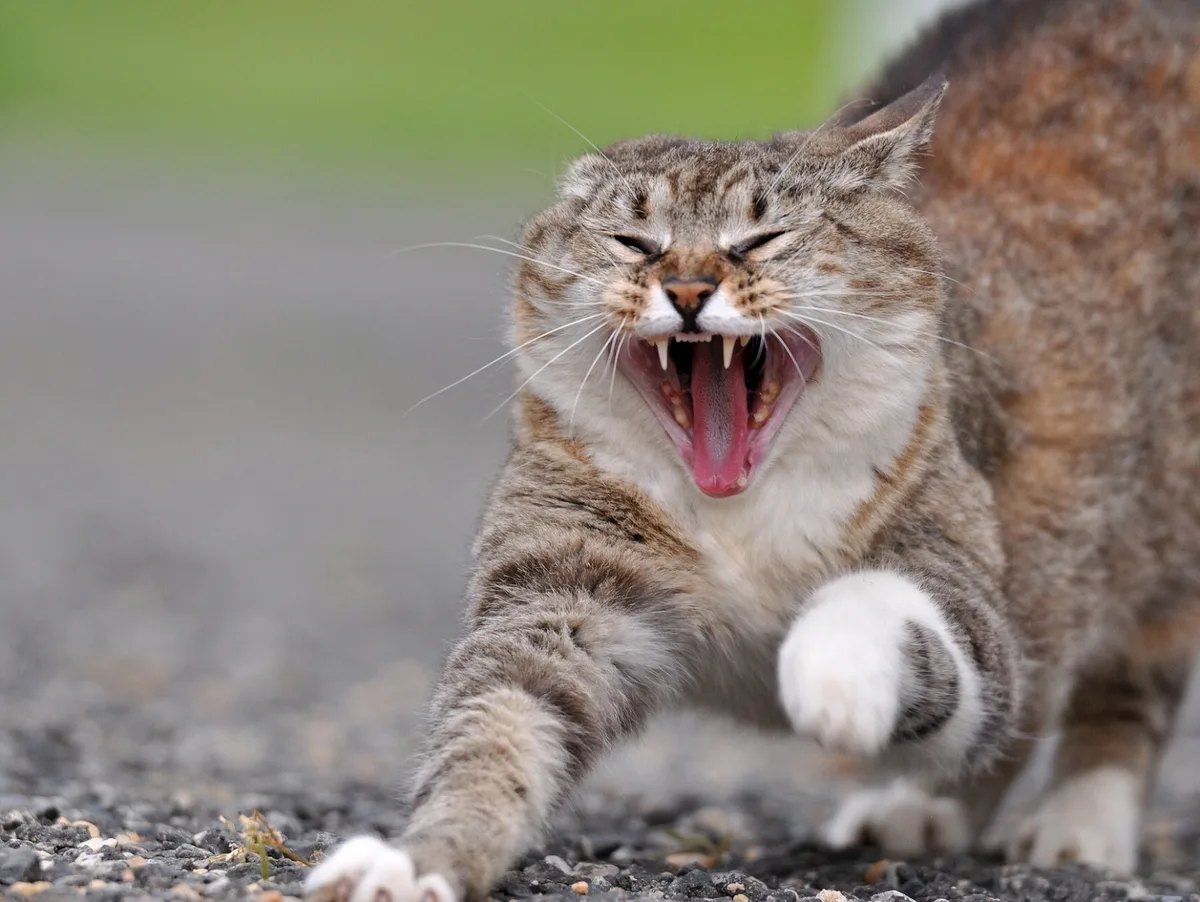
However, for many adult cats, a shirt is just a recipe for a frozen "spatchcock" pose, followed by frantic attempts to wiggle out backward. It is crucial to distinguish between a cat that is merely grumpy and one that is in genuine distress. Signs of distress include excessive drooling, rapid breathing, a thrashing tail, or trying to bite you when you approach.
If you see these signs, the shirt isn't a good fit for that cat, and forcing the issue is a line you should not cross.
The key isn't just the cat's comfort; it's about the specific fit and fabric. A well-fitting shirt made from a soft, stretchy, breathable fabric like a cotton-spandex blend is far more tolerable than a stiff, scratchy costume fabric. Our research indicates that shirts designed specifically for the feline anatomy, with room for the chest and a shorter back length, are far more accepted than re-purposed dog sweaters.
A proper fit means your cat can still stretch, jump, and maybe most importantly, use the litter box without the shirt turning into a mess.
What to Look For in a Cat Shirt: Fit, Fabric, and Fastenings
Once you’ve decided your cat is a candidate, you need to focus on the engineering of the shirt itself. Not all cat shirts are created equal, and reading the specs of what they’re made of and how they close is critical. This is where you make the call between a comfortable, safe garment and an expensive piece of fabric that will end up under the couch.
Image source: Web (Bing) / pxhere.com (Web image (fair-use with source credit))
First, let's talk about the material. You want stretch in at least one direction, usually the fabric has some spandex or elastane in it. This allows a comfortable range of motion, think about the mechanics of a cat's trot, without restricting their hind legs.
Avoid heavy wools and thick knits; they trap too much heat and can cause your cat to overheat quickly. For most climates, a lightweight jersey or supplex fabric is the sweet spot. It needs to be breathable enough that heat can escape, especially if the shirt covers the torso.
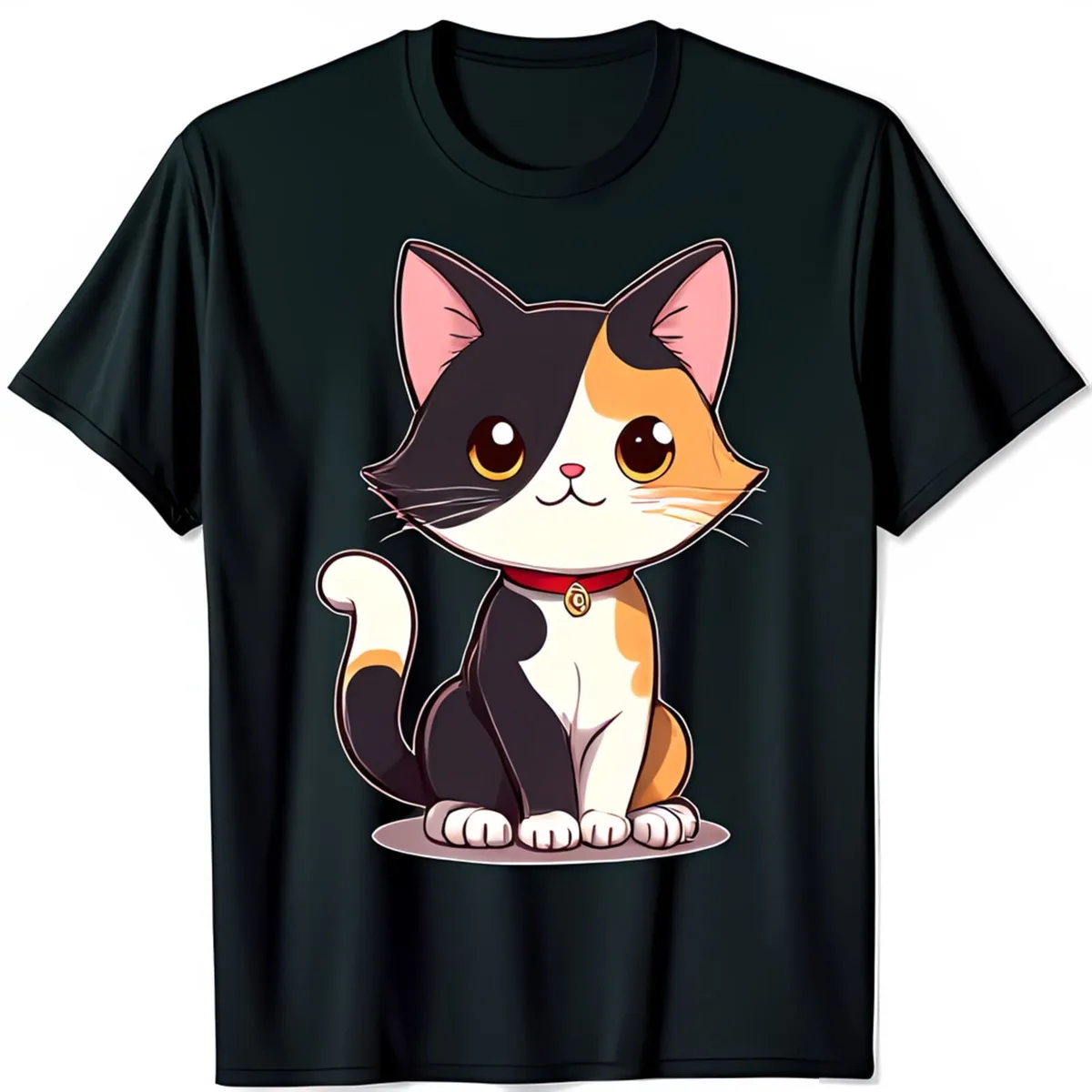
Image source: Bing (Web (fair-use with source credit))
Next, the closure mechanism. Buttons and zippers are absolute red flags for a moving cat. You want a shirt that either pulls over the head (if the fabric is stretchy enough) or fastens with hook-and-loop tape (Velcro).
Velcro is the hands-down winner for safety and ease of wear; it allows for a quick release if your cat gets tangled. Snap closures are also a solid second choice because they are quick to release but rarely come undone on their own. Stay away from anything that requires a lot of fine motor skill while your cat is trying to escape.
Here is a quick breakdown of the fastening types we see in the market and how they hold up practically:
| Fastening Type | Ease of Application | Security | Risk of Tangling | Best For |
|---|---|---|---|---|
| Hook-and-Loop (Velcro) | High | Medium | Low | Most Cats (especially wiggly ones) |
| Snap Closures | Medium | High | Low | Active Cats |
| Pull-Over (No Closure) | Medium | Medium | Low | Calm Cats, Stretchy Fabrics |
| Buttons / Zippers | Low | Low | High | Not Recommended |
Finally, don't underestimate the power of the seams. A shirt that has rough, exposed overlock seams will chafe your cat's armpits and belly, causing bald spots and irritation. Look for shirts with flat-felled seams or turned-in hems.
Run your hand inside the garment; if you can feel the seam easily, your cat definitely can. That tiny detail is often the difference between a cat that forgets it's wearing clothes and one that spends an hour trying to groom the irritation away.
Types of Cat Shirts: From Post-Surgery Recovery to Halloween Costumes
Now that you know what a good shirt is made of, let's look at the different jobs a shirt can do. The purpose of the garment will directly dictate the style you need. We can broadly categorize cat shirts into three main buckets: recovery wear, functional gear, and novelty costumes.
Each has its own design logic, and picking the wrong one for the job is a classic mistake.
Post-surgery recovery shirts, often called "post-op onesies" or "pet shirts," are specifically cut higher on the back and clip or wrap around the waist to cover the surgical incision on the abdomen. They are designed to replace the Elizabethan cone (the "cone of shame"). If you're dealing with a spay or neuter surgery, a recovery shirt is usually a much more comfortable option for your cat during the healing process.
They are made from breathable, wicking materials to prevent the wound from getting moist and infected.
On the other side of the spectrum, we have functional wear. This includes the previously mentioned anxiety-relief shirts, which apply gentle, constant pressure to the cat's torso. The science behind this is similar to the Thundershirt concept; the pressure releases endorphins which promote calmness.
You'll also find lightweight absorbent shirts for incontinent cats or those in heat, though these need to be paired with proper underwear or cat diapers to be effective.
Then, there are the costumes. Look, we all love a good Halloween costume, but you have to be brutally honest about your cat's tolerance level. Costume shirts tend to have more rigid materials, capes, and headpieces that can interfere with whiskers and peripheral vision.
If you insist on a costume, prioritize one that is primarily a shirt with separate accessories, rather than a full-body suit. This way, you can ditch the hat if your cat gets irritated, and the shirt itself acts as a safe base layer. Manufacturer specs indicate that many costume makers prioritize looks over feline comfort, so your due diligence, by reading the material composition, is essential.
How to Measure Your Cat for a Shirt (Without Getting Scratched)
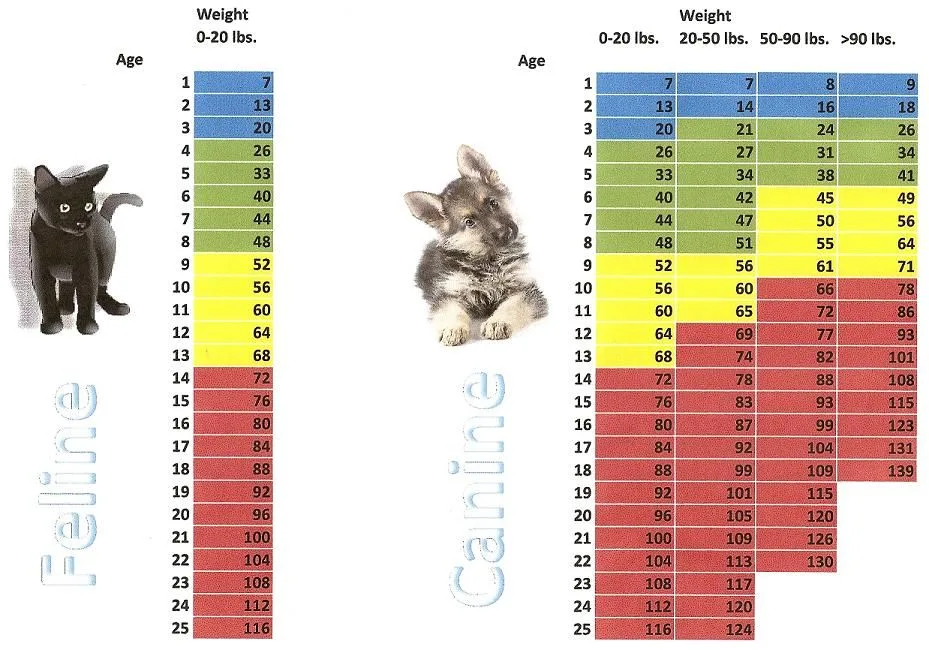
Alright, you have a purpose in mind, and you're looking at sizes. This is where most cat parents mess up. They buy a size "Medium" thinking it will fit a medium cat, but cat weight classes and brands vary wildly.
You absolutely cannot buy a cat shirt by weight alone. You need a tape measure and a cooperative subject. If your cat is not cooperative, you'll do this in stages.
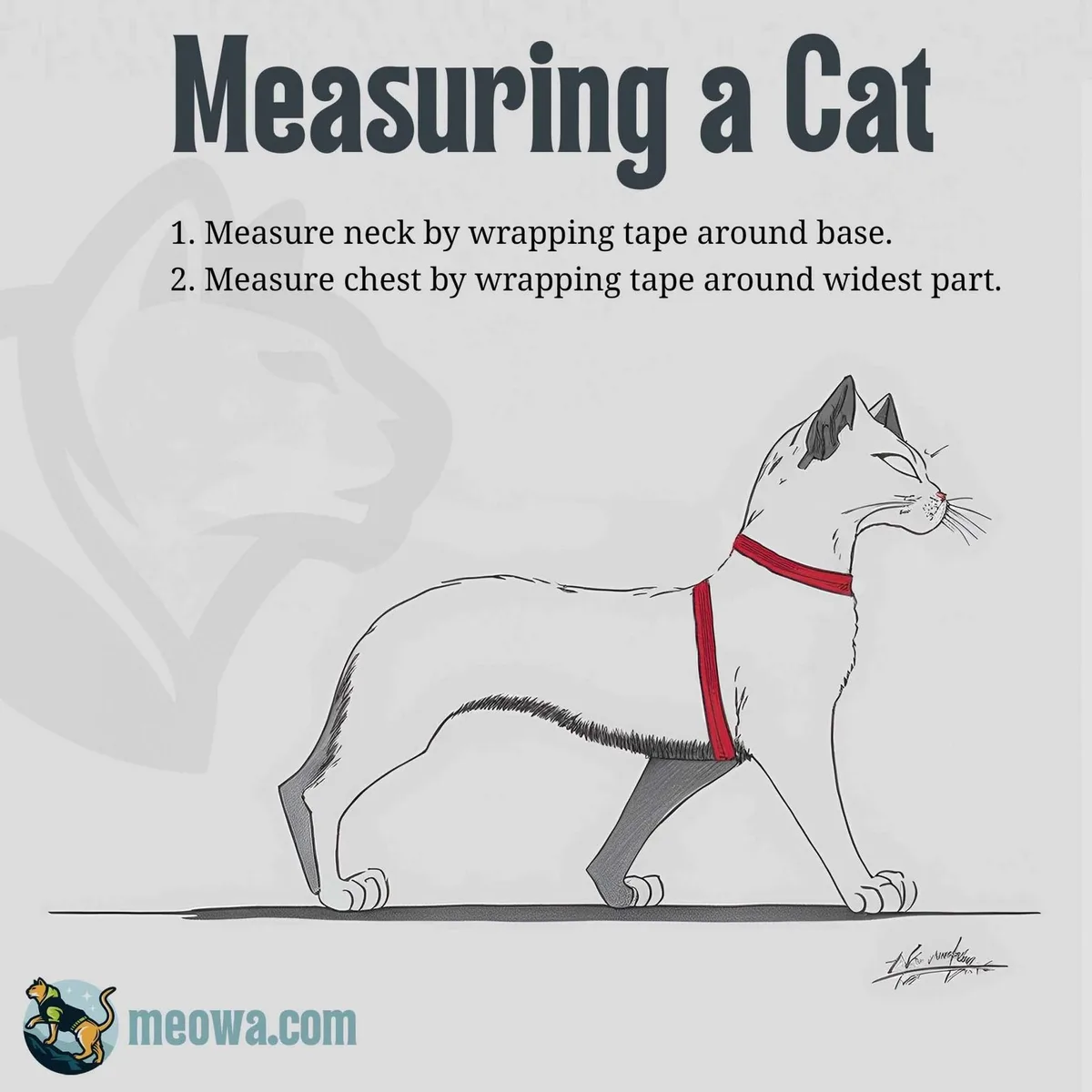
Image source: Bing (Web (fair-use with source credit))
You need two critical measurements: the chest girth and the neck girth. The chest girth is the most important number of all. It's the widest part around their chest, just behind their front legs.
Wrap the tape measure around this area, snug but not tight; you should be able to slip two fingers between the tape and their fur. The neck girth is measured at the base of the neck, where a collar would naturally sit. This ensures the shirt doesn't choke them when they move their head and neck.
Here is a simple step-by-step to get you through it without ending up with battle scars:
- Get your tools ready. Use a flexible cloth sewing tape measure, not a metal construction tape measure. Bribery with treats pays massive dividends here.
- Measure the chest correctly. Make sure the tape is level all the way around the body and is sitting behind the armpits, right where the cat's body expands when they breathe. This is the biggest point of the body.
- Measure the neck. Place the tape where the collar sits, then add a little bit of slack. The shirt needs to pass over the head and sit comfortably without leaving a mark in their fur.
- When in doubt, size up. A shirt that's slightly too big is a minor annoyance. A shirt that's too tight is a danger, restricting movement and potentially causing skin abrasions. The safest habit is to check the manufacturer's size chart and match it against your cat's chest measurement, never their weight.
Step-by-Step: How to Get the Shirt On (and Off) Without a Fight
You have the right shirt, and you have the right measurements. Now comes the actual battle, I mean, the dressing. You only have one shot to make this a positive experience, so don't blow it by rushing.
If you act like putting the shirt on is a stressful event, your cat will pick up on that and make it a self-fulfilling prophecy.
Here is the calmest, most effective method we've found to dress a cat. Do not attempt this if you are in a hurry or stressed. Set the tone with a calm voice and treats.
- Prep the environment. Stay in a quiet room away from other pets or loud noises. Lay out the shirt and have treats ready in a bowl nearby.
- Start with the front legs (paws). Gather the shirt in your hands so the neck opening is accessible. Gently guide your cat's front paw through the opening, just like you would with a sleeve on a baby. Do one leg at a time, and let them pull their leg back out if they struggle, then try again.
- Bring it over the head. Once both front paws are through, gather the shirt into a tube and slide it over their head and ears. You should not be pulling it tightly; the goal is to get the head through the top hole smoothly.
- Fasten the back. This is where your fidgety cat might bolt. Immediately reach for the velcro or snaps on the back and fasten them. Give them a treat the second it's secure so they associate the fastening with a reward.
- The "Time Out" rule. Don't keep the shirt on for hours during the first few sessions. Five minutes is plenty for the first try. Then take it off and give them a high-value treat. Gradually increase the wearing time over a few days. The moment your cat stops moving or starts excessive grooming, the session is over; you never want to reach their stress threshold.
If, during this process, your cat turns into a thrashing, hissing fury, stop immediately. A slow and steady approach, or a two-person effort, is better than a fight that creates a lasting negative association. Never scold them for wiggling, patience is your best tool here.

Similar Posts