How to Tell If My Cat Has Separation Anxiety: Signs & Solutions
Have you ever noticed that your cat seems a little too attached to you? Maybe they follow you from room to room, or perhaps they meow incessantly when you leave.
You might wonder if your feline friend is just being extra affectionate or if there might be something more behind their behavior. Understanding the signs of separation anxiety in cats can be crucial for ensuring their happiness and well-being. In this blog post, we’ll explore the telltale signs that your cat might be experiencing separation anxiety and provide you with practical tips to help soothe their nerves.
Stick around, because what you learn today could make all the difference in your cat’s life and your peace of mind. Let’s dive in and discover how you can help your furry companion feel secure, even when you’re not around.
Recognizing Behavioral Changes
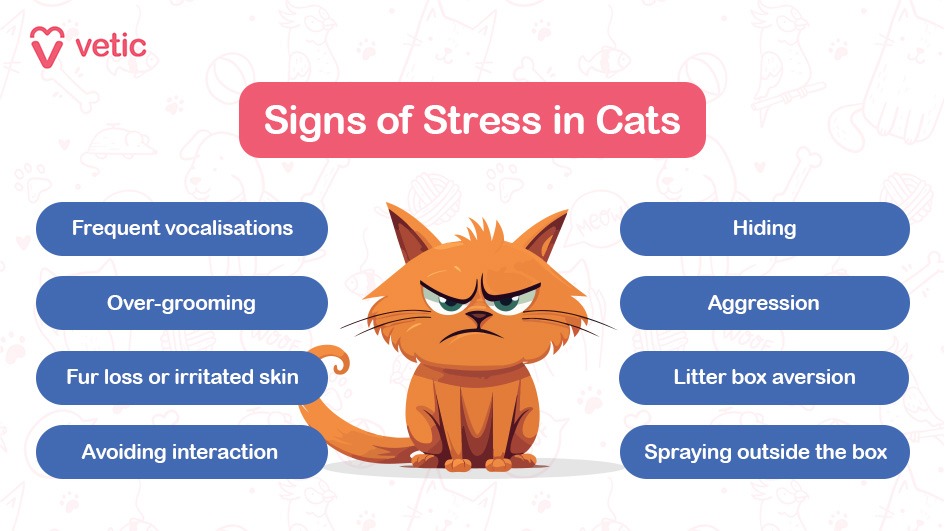
As a cat owner, you might notice subtle changes in your furry friend’s behavior that could indicate separation anxiety. Cats, like humans, can experience anxiety when left alone. Identifying these behavioral changes is crucial for ensuring your pet’s well-being. Let’s explore some signs that might suggest your cat is feeling anxious in your absence.
Excessive Meowing
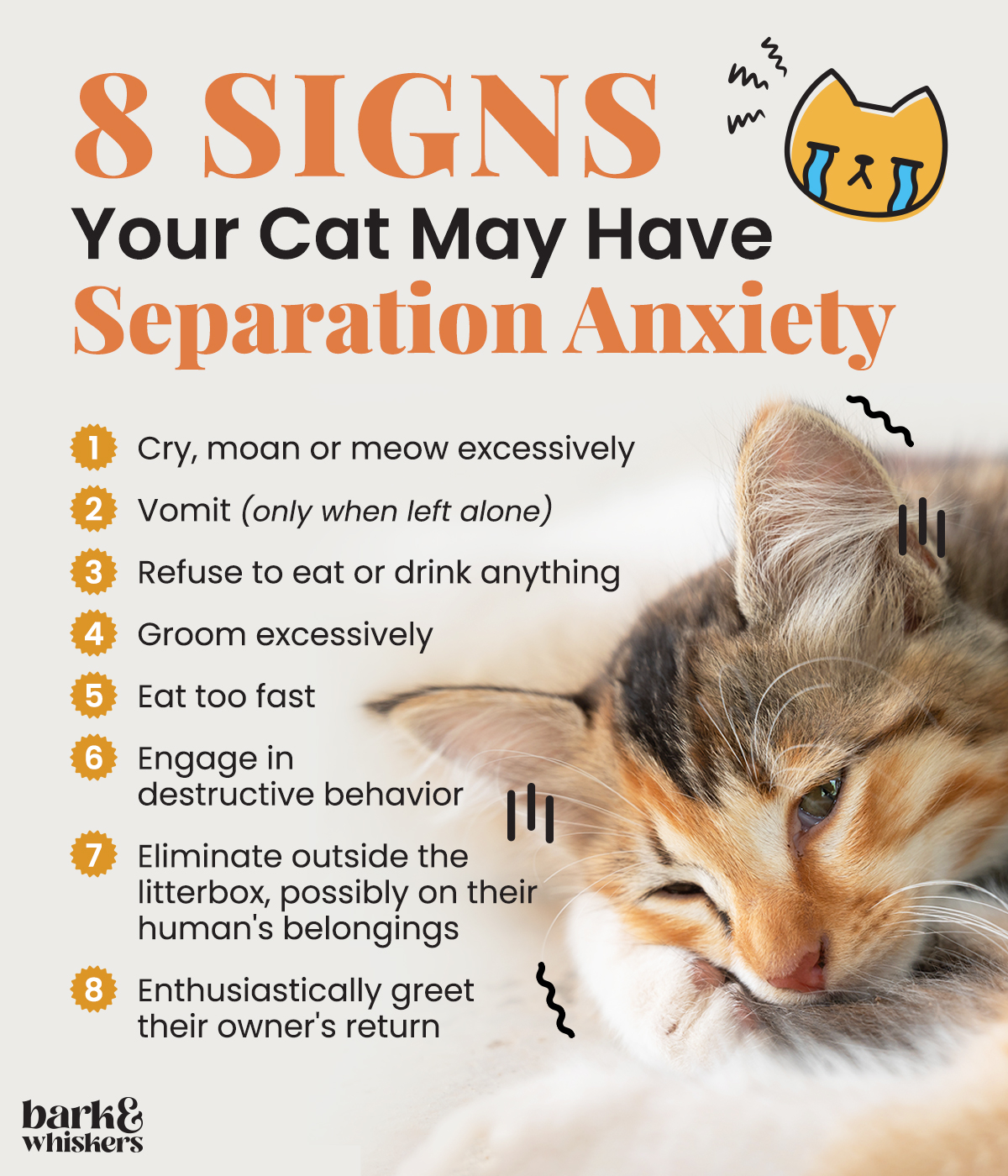
Does your cat seem to transform into a chatterbox when you’re about to leave? Excessive meowing can be a sign of distress. Cats often vocalize more when they feel anxious or are trying to get your attention. If your kitty starts meowing loudly or persistently, it might be expressing discomfort with being left alone.
Destructive Behavior
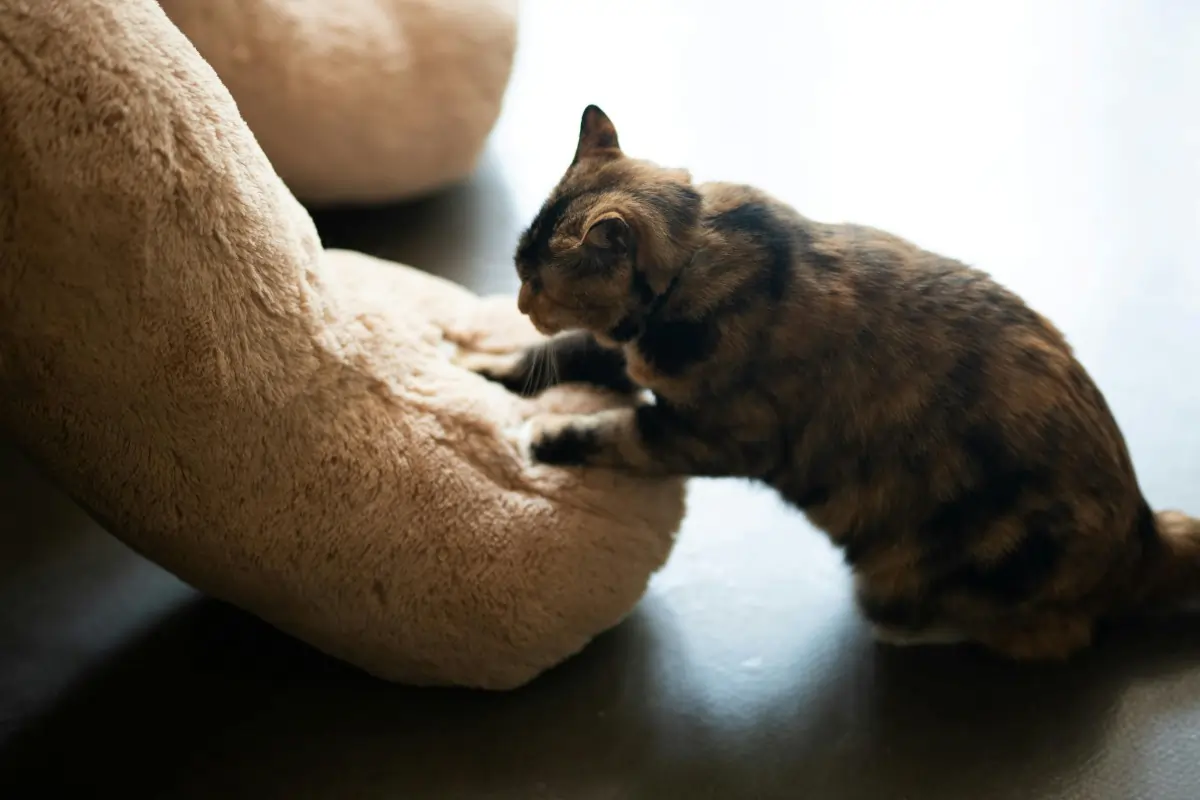
Have you ever returned home to find your furniture scratched or things knocked over? Destructive behavior is not just a mischievous act; it can be a cry for help from your cat. Anxious cats may scratch excessively, chew on items, or knock things over as a way to cope with their stress. Observing these actions might indicate your cat is struggling with separation anxiety.
House Soiling
Unexpected accidents outside the litter box can be a frustrating experience. However, house soiling is often linked to anxiety rather than defiance. Cats may urinate or defecate in inappropriate places when they’re feeling stressed. Consider whether your cat’s litter box habits change when you’re away. Such changes could be a clear sign of separation anxiety.
Recognizing these behavioral changes requires attentiveness and understanding. Have you noticed any of these signs in your cat? Observing and responding to these cues can help you support your feline friend through anxious times.

Credit: www.pawmaw.com
Physical Symptoms To Watch
Cats may display signs like excessive meowing, pacing, or going to the bathroom outside the litter box. Watch for changes in appetite or grooming habits. These could indicate separation anxiety.
Noticing changes in your cat’s behavior can be puzzling, especially when you’re trying to determine if they have separation anxiety. One of the key ways to identify this is by observing physical symptoms. These signs can be subtle or pronounced, but understanding them can help you provide the support your cat needs. Let’s explore some of the physical symptoms you should watch for in your feline friend.Loss Of Appetite
Has your cat suddenly lost interest in their favorite treats or meals? A change in eating habits might indicate that your cat is stressed. A cat suffering from separation anxiety may refuse to eat when left alone. This can lead to weight loss and other health issues. Ensure your cat has access to food that they find comforting when you’re not around. If the problem persists, consulting a vet is a wise step to rule out any underlying health concerns.Over-grooming
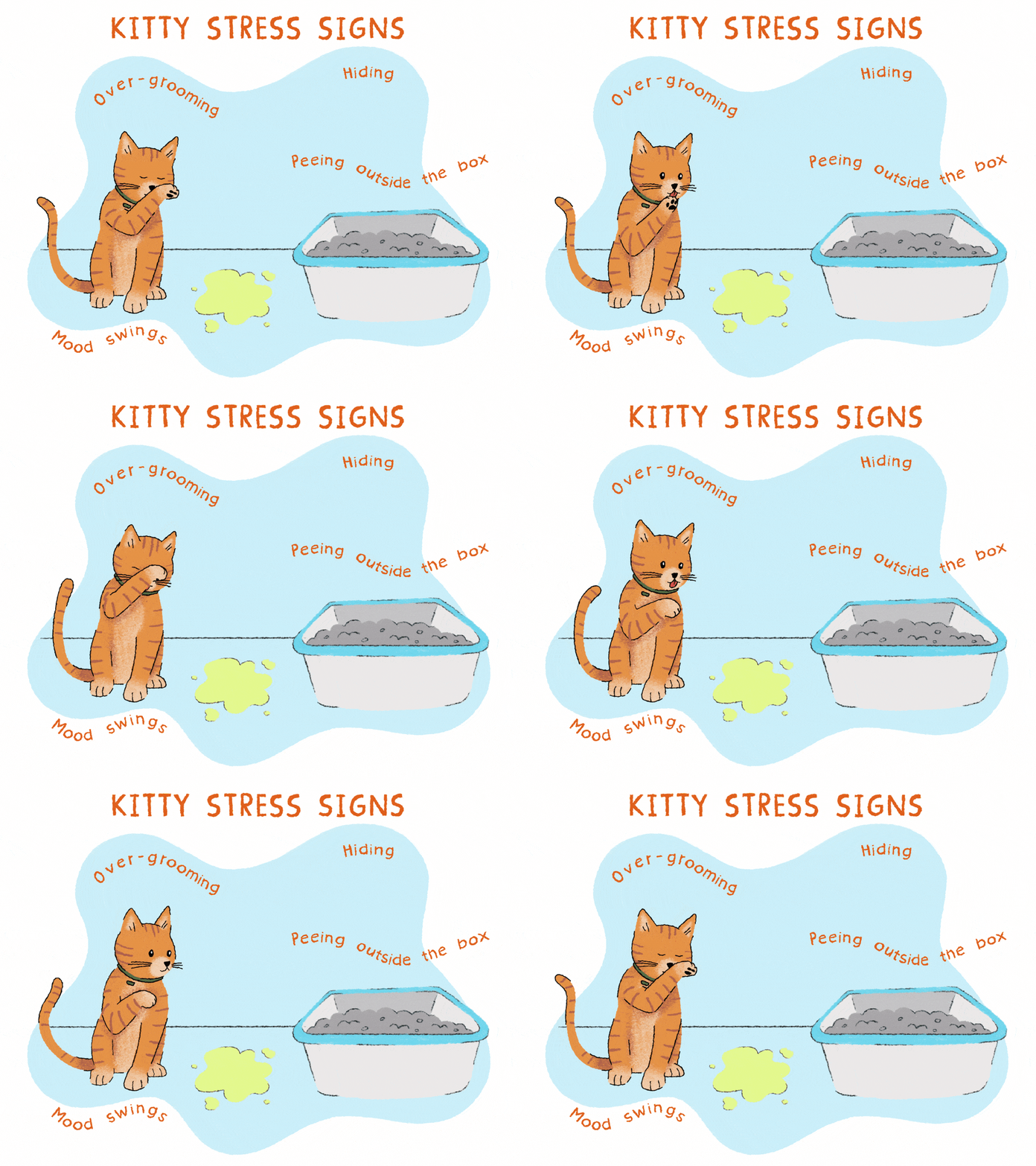
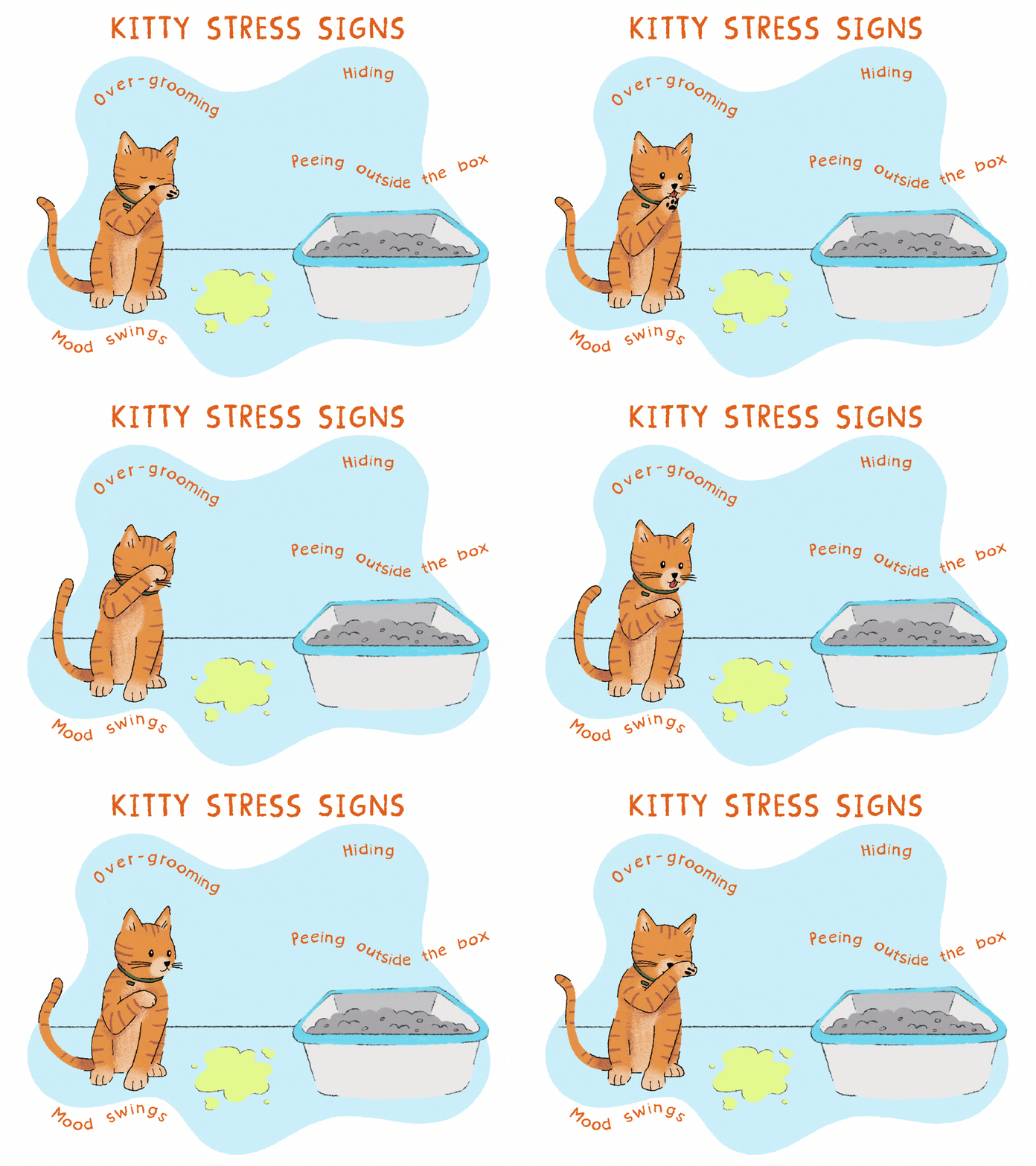
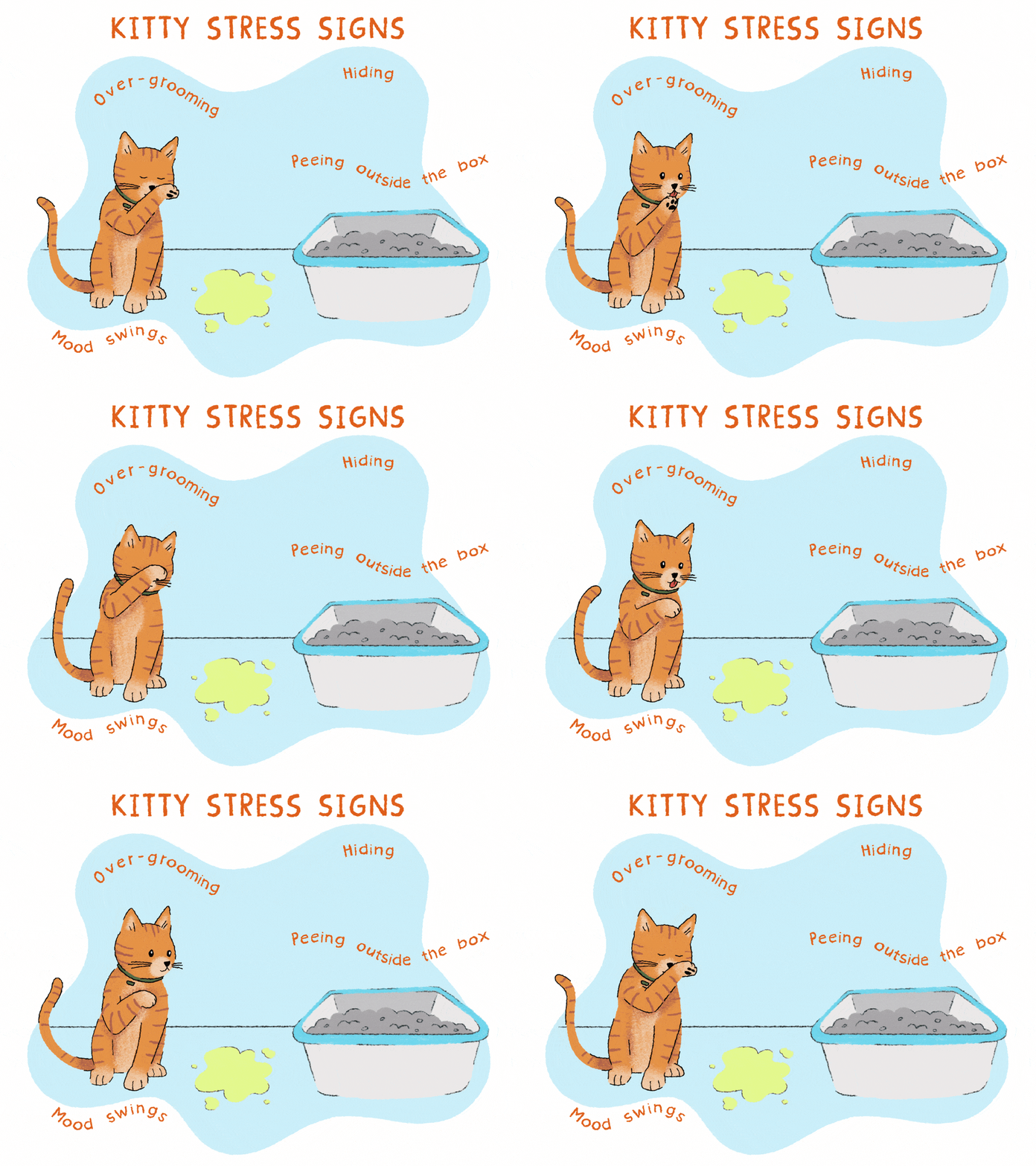
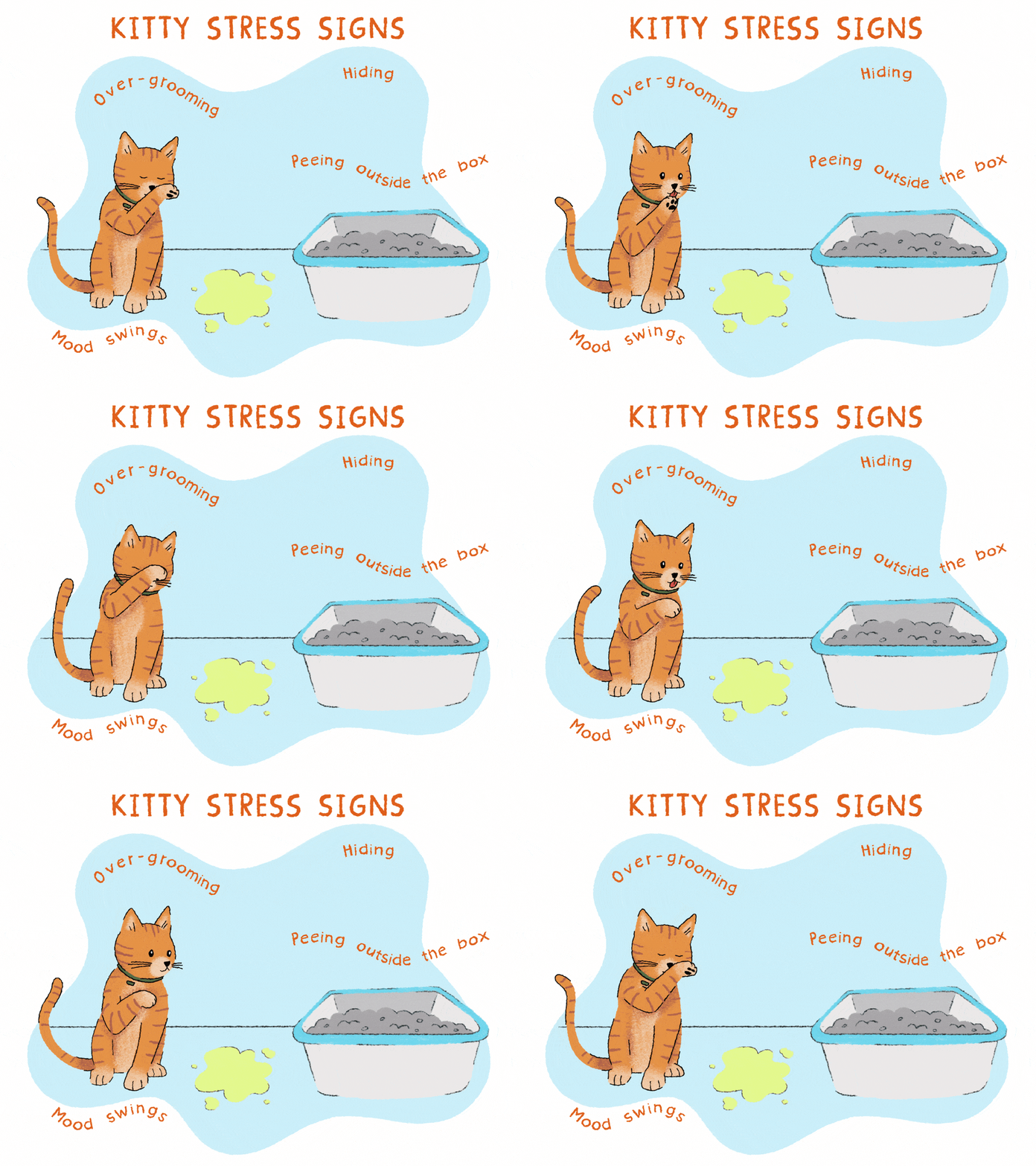
Is your cat grooming themselves more than usual? Excessive grooming is a common sign of anxiety in cats. They might lick themselves to the point of having bald patches or irritated skin. This behavior is similar to how humans might bite their nails when anxious. Providing interactive toys or leaving a piece of your clothing with them might help ease their stress. It’s important to address this behavior early to prevent skin infections or other complications.Lethargy
Have you noticed your cat lounging around more than playing? Lethargy can be a sign your cat is feeling down when you’re not there. They might sleep more or show less interest in activities they once enjoyed. Try to engage them with toys or routines they love before you leave. If their energy levels don’t improve, it might be time for a vet visit to ensure there’s no other health issue at play. Understanding these physical symptoms can help you better care for your anxious cat. Have you noticed any of these signs in your pet? Addressing separation anxiety early can make a significant difference in their well-being. Your feline friend will thank you for it with purrs and snuggles.Understanding Triggers
Cats can show separation anxiety through behaviors like excessive meowing, destructive acts, or inappropriate urination. Watch for changes in eating or grooming habits. These signs might indicate your cat is stressed when left alone. Understanding these triggers helps in providing comfort and care.
Cats, like humans, can experience anxiety, especially when they are left alone. Understanding the triggers of separation anxiety can help you address your cat’s needs effectively. Identifying these triggers is the first step in ensuring your feline friend feels safe and secure, even when you’re not around.Changes In Routine
Cats thrive on routine and predictability. Even minor changes in your daily schedule can unsettle them. A sudden shift in your working hours might leave your cat confused and anxious. You might notice your cat acting clingy or vocalizing more than usual. Try to maintain a consistent routine, even if it means sticking to regular feeding and playtimes.Prolonged Absences
Extended periods away from home can be tough for cats. If you’re planning a long vacation or have a job that requires travel, your cat might feel abandoned. Consider how you would feel in a new environment without familiar faces. Cats often experience a similar sense of loss during prolonged absences. Leaving them with a trusted pet sitter or a family member can offer comfort. Regular video calls can also reassure them with the sound of your voice.New Environment
Moving to a new home can be exciting for you but overwhelming for your cat. They might struggle to find their favorite spots or feel threatened by unfamiliar smells and sounds. Imagine being suddenly placed in an unfamiliar city without your usual comforts. This is how your cat might feel in a new environment. Introduce them slowly to different areas of the house, and provide familiar items like their bed or toys to ease the transition. Are there any changes in your life that might be affecting your cat’s behavior? Recognizing these triggers can help you create a more stable and comforting environment for your feline friend. Remember, understanding and patience are key to alleviating your cat’s separation anxiety.Effective Coping Strategies
Cats, like humans, can experience separation anxiety. This can manifest through excessive meowing, destructive behavior, or changes in eating habits. Understanding how to help your feline friend is crucial. Effective coping strategies can ease their distress and improve their well-being. Let’s explore some practical methods to tackle separation anxiety.
Gradual Desensitization
Gradual desensitization involves slowly increasing the time your cat spends alone. Start with short periods. Leave your home for a few minutes, then return. Gradually extend your absence. This helps your cat adjust to being alone. Consistency is key. Repeated exposure diminishes anxiety over time.
Interactive Play
Interactive play strengthens the bond between you and your cat. It keeps them mentally and physically active. Use toys that mimic prey. Feather wands or laser pointers are excellent options. Engage your cat in a daily play routine. This builds trust and provides mental stimulation. A well-exercised cat is a calmer cat.
Comforting Spaces
Create comforting spaces to make your cat feel secure. Use soft bedding or cozy blankets in quiet areas. Cats love perching spots. Window shelves or cat trees are ideal. Familiar scents, like your clothing, can soothe them. These spaces provide refuge and reduce anxiety levels.
Professional Help And Therapies
Sometimes, separation anxiety in cats requires professional help. These experts can provide guidance and support. They can help manage your cat’s stress. Explore the options available. This can lead to a happier pet.
Consulting A Veterinarian
Veterinarians can offer valuable insights into your cat’s behavior. They can rule out medical problems that mimic anxiety. A vet can suggest the best course of action. They might recommend specific therapies or treatments. Always start with a professional evaluation.
Behavioral Therapy
Behavioral therapy is a popular method for treating anxiety. It involves changing your cat’s responses to being alone. Professional behaviorists can work with you and your cat. They teach techniques to reduce stress. This can improve your cat’s comfort when you’re away.
Medication Options
In some cases, medication might be necessary. Vets can prescribe anti-anxiety medications. These can help manage severe symptoms. Medication should be a last resort. Always combine it with other therapies. Discuss all options with your vet to ensure safety.
Credit: x.com

Credit: www.instagram.com
Frequently Asked Questions
What Are The Signs Of Separation Anxiety In A Cat?
Cats may show signs like excessive meowing, destructive behavior, and litter box issues. Increased clinginess and hiding can also indicate anxiety. Changes in appetite or grooming habits might occur. These symptoms suggest your cat may be experiencing separation anxiety. Addressing them early can improve your pet’s well-being.
How Do You Tell If Your Cat Is Too Attached?
A cat might be too attached if it follows you everywhere and demands constant attention. Excessive meowing, anxiety when alone, and always sitting on you could indicate overattachment. Ensure your cat’s emotional health by providing toys and creating a comfortable environment.
Do Cats Get Sad When You Leave For Vacation?
Cats can feel sad when you leave for vacation. They might miss your presence and routine. Providing toys, familiar items, and a trusted pet sitter can help comfort them. Cats are sensitive and may show signs of stress, so minimizing changes in their environment can ease their anxiety.
How Do I Get My Cat To Stop Having Separation Anxiety?
Create a consistent routine for your cat. Provide engaging toys and interactive play. Use calming pheromones or treats. Gradually increase time apart to build confidence. Consult a vet for severe anxiety.
Conclusion
Recognizing separation anxiety in cats is crucial for their well-being. Notice any changes in behavior or mood. Is your cat meowing excessively? Or perhaps hiding more than usual? These can be signs. Spend quality time with your cat. It helps build trust and reduce anxiety.
Interactive toys can also keep them engaged. And remember, patience is key. Gradual changes in routine can ease their stress. Consulting a vet provides further guidance and reassurance. Understanding your cat’s needs leads to a happier, healthier relationship. Your furry friend deserves the best care and attention.

Similar Posts