What Can I Give My Cat for Anxiety: Effective Solutions
If your beloved feline friend seems a little more on edge than usual, you might be wondering, “What can I give my cat for anxiety?” It’s a question that tugs at your heart, knowing that their well-being and happiness are in your hands.
Cats, much like us, can experience anxiety for various reasons, whether it’s a change in environment, a new addition to the household, or simply stress from everyday life. You want to help them feel calm and secure, but figuring out the right approach can be daunting.
We’ll explore effective solutions and remedies to ease your cat’s anxiety, ensuring you and your furry companion can enjoy peace of mind. Let’s dive into the options and discover what might work best for you both.
Understanding Cat Anxiety
Cats can feel anxious due to changes or stress. Consider calming treats or pheromone sprays to help your pet relax. Consult your vet for safe options tailored to your cat’s needs.
Understanding cat anxiety is essential for every cat owner. Just like humans, cats can experience anxiety, and it can affect their behavior and well-being. Recognizing the signs and knowing what causes anxiety in your feline friend can help you address it effectively.Common Causes
Cats are sensitive creatures, and many things can trigger anxiety in them. Changes in their environment, like moving to a new home, can be unsettling. Even rearranging furniture might disturb your cat’s sense of security. Have you noticed your cat acting differently after you’ve had guests over? Social interactions can also be a source of stress, especially for shy cats. Loud noises such as fireworks or thunderstorms can frighten cats. They might hide or become overly aggressive. Separation from their favorite human can lead to anxiety. Have you ever returned from a trip to find your cat more clingy or aloof? It’s a clear sign that they missed you.Signs And Symptoms
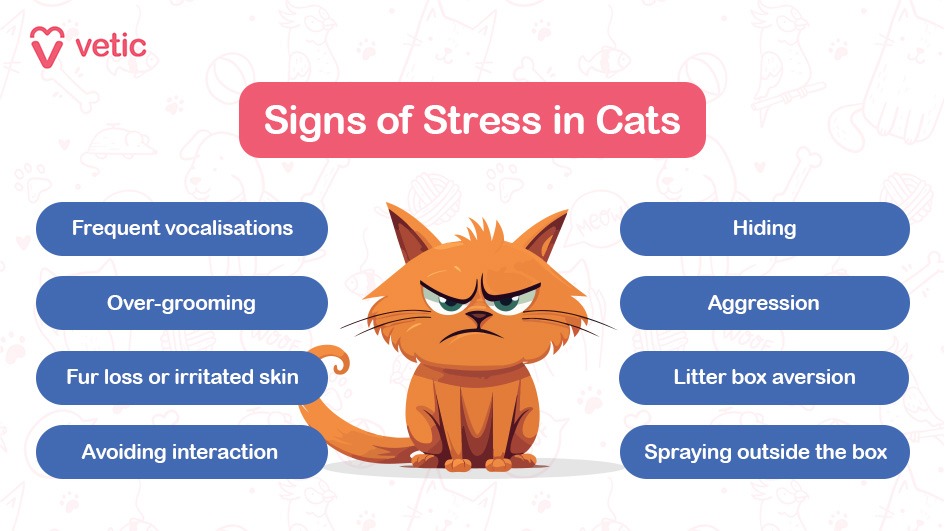
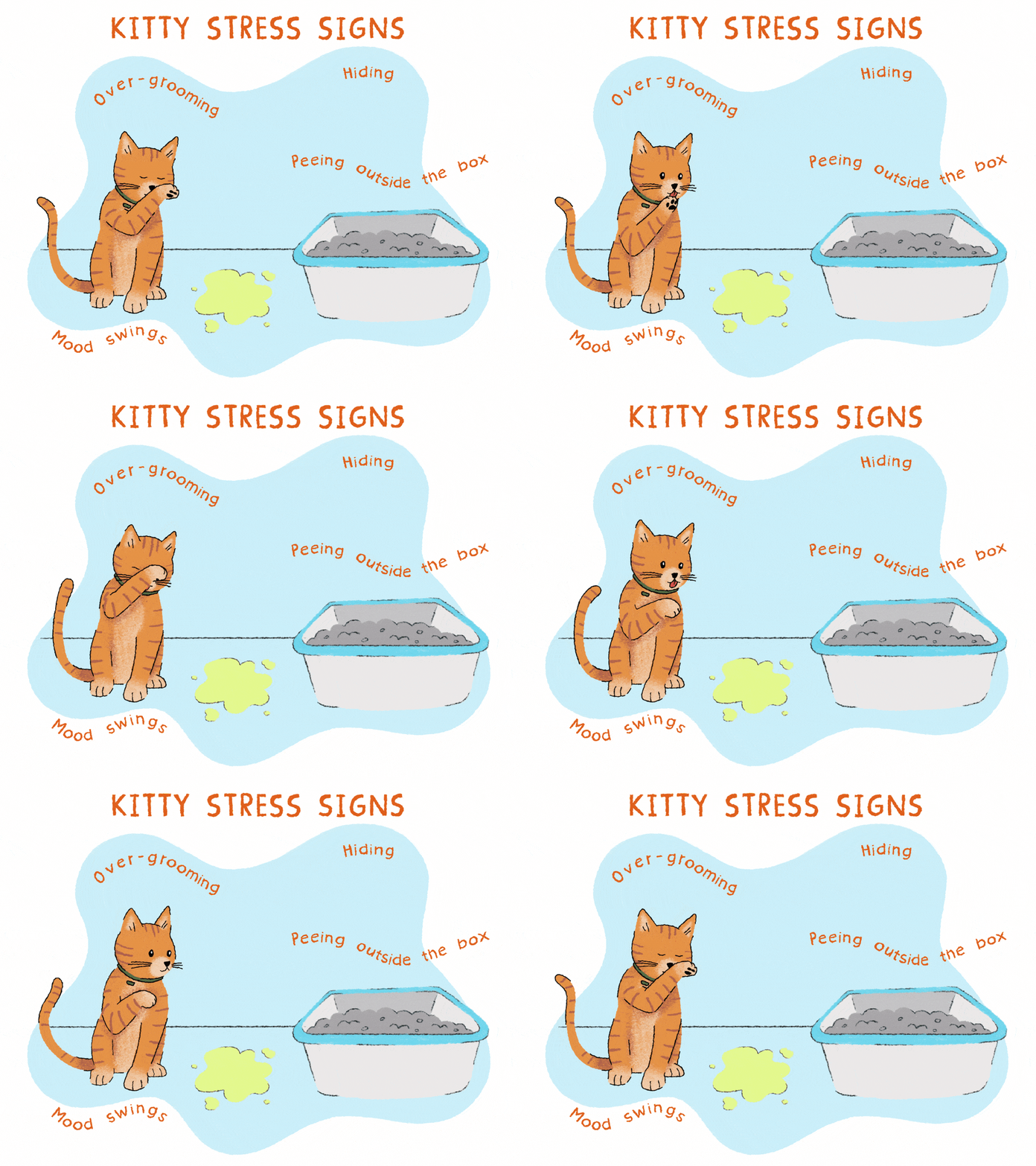
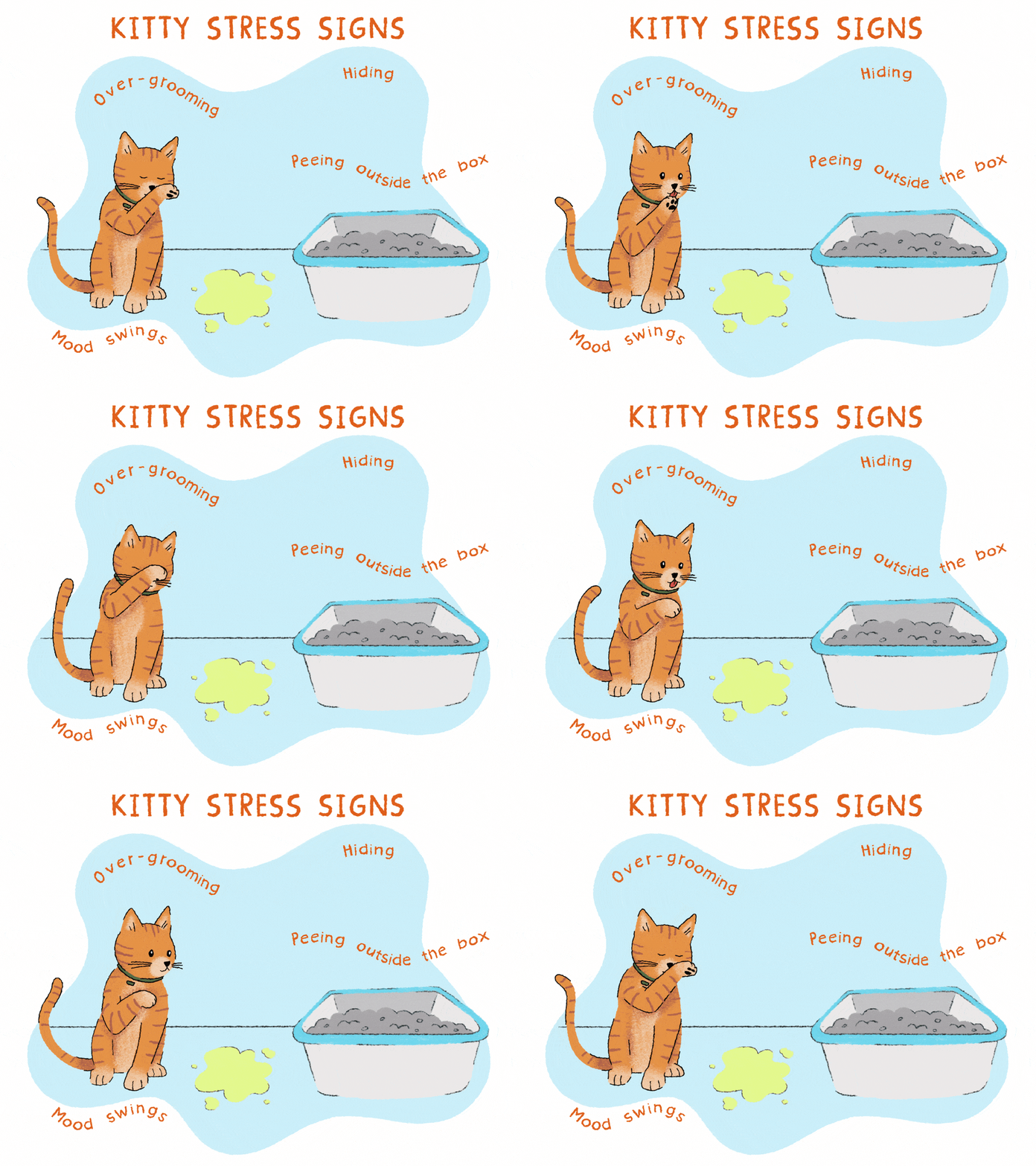
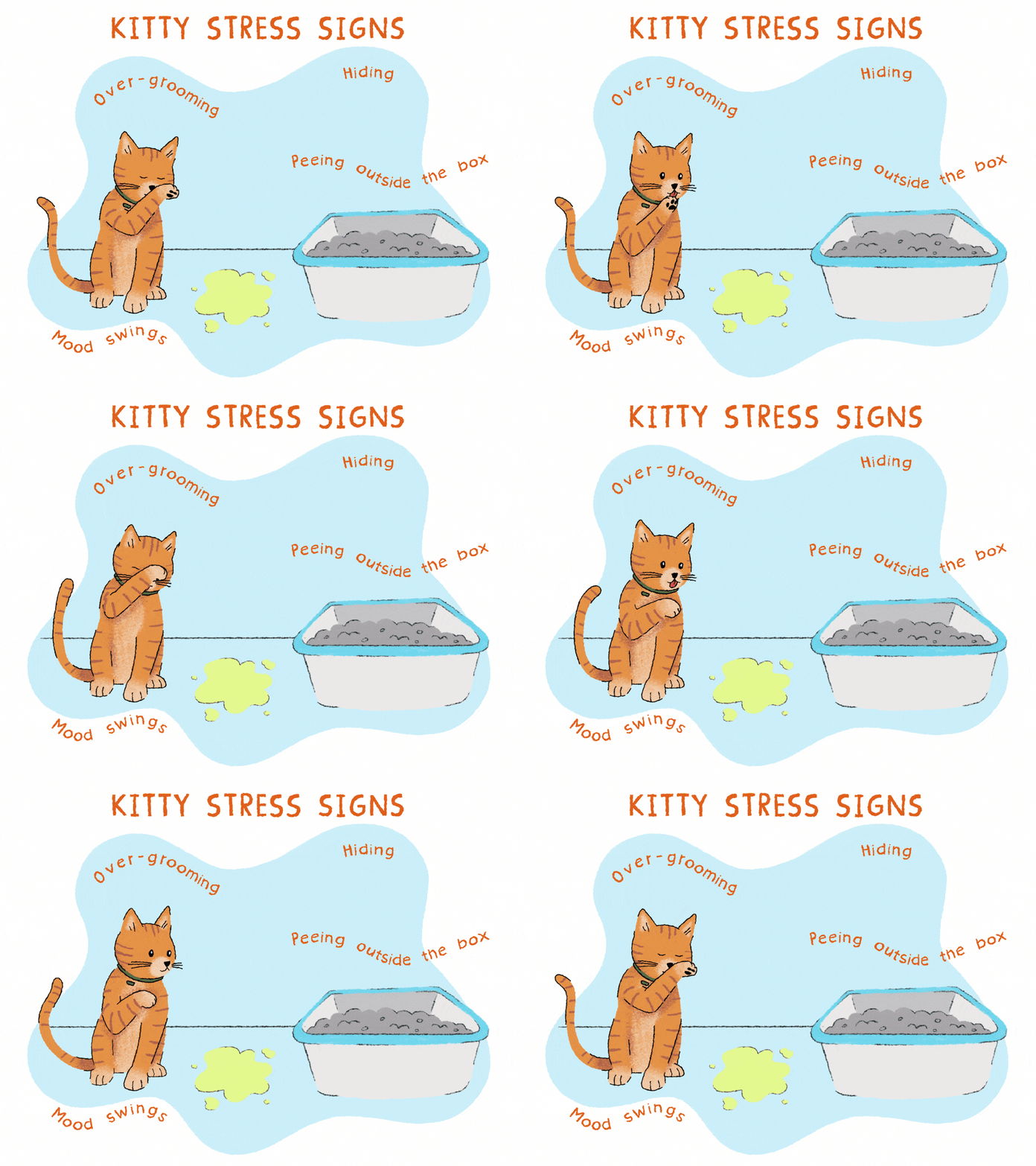
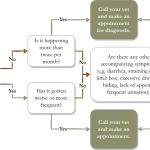
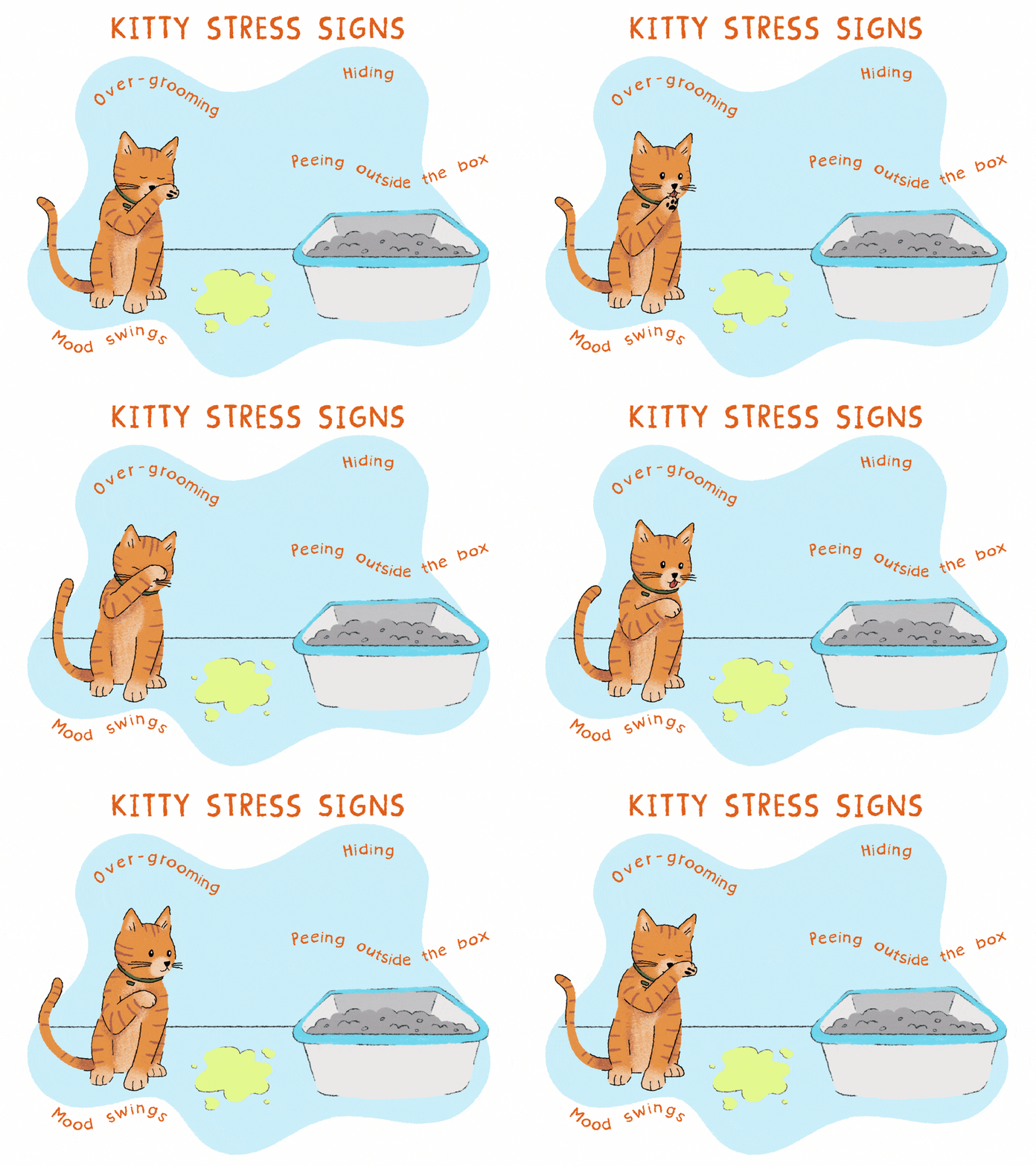
How do you know if your cat is anxious? Watch for changes in behavior. Increased hiding is common; your cat might spend more time under the bed or in closets. Some cats become excessively vocal, meowing loudly and persistently. A change in appetite can also signal anxiety. Your cat might eat less or refuse food altogether. Have you noticed your cat grooming excessively? This could be a coping mechanism for stress. Additionally, destructive behavior, like scratching furniture, often indicates underlying anxiety. Understanding these signs can help you take action. Consider how you would feel if you were in a new environment without familiar comforts. Your cat feels the same. Addressing these issues can lead to a happier, more relaxed pet. What steps can you take to create a soothing environment for your anxious cat?:strip_icc()/reducing-anxiety-in-cats-554064-FINAL-5b9faac146e0fb00507d984e.png)
Credit: www.thesprucepets.com
Natural Remedies
Many cat owners seek natural remedies to calm their anxious pets. Natural options can be gentle and effective. They can help ease a cat’s anxiety without harsh chemicals. These remedies often provide a soothing effect. Let’s explore some popular natural remedies for cat anxiety.
Herbal Supplements
Herbal supplements can help reduce anxiety in cats. Valerian root is a popular choice. It has calming properties that help soothe anxious cats. Chamomile is another safe option. It can relax the nervous system. Both are generally safe when used correctly. Consult your vet before giving any supplement.
Essential Oils
Essential oils can also aid in reducing cat anxiety. Lavender oil is known for its calming effects. Cats may benefit from its soothing scent. Frankincense oil can also promote relaxation. Remember, cats are sensitive to strong smells. Use essential oils in a diffuser. Ensure the room is well-ventilated. Avoid direct application on your cat’s skin. Always keep oils out of their reach. Proper usage is key for safety.
Behavioral Strategies
Calming treats and pheromone diffusers can help reduce cat anxiety. Creating a safe space with toys and blankets also offers comfort. Consult a vet for advice on medications if needed.
Anxiety in cats can be a puzzling issue, leaving you wondering how to ensure your feline friend feels calm and secure. While medications are available, many cat owners prefer natural and behavioral strategies to help manage their pet’s anxiety. By focusing on creating a safe and consistent environment, you can often alleviate stress in your cat without resorting to medication.Safe Spaces
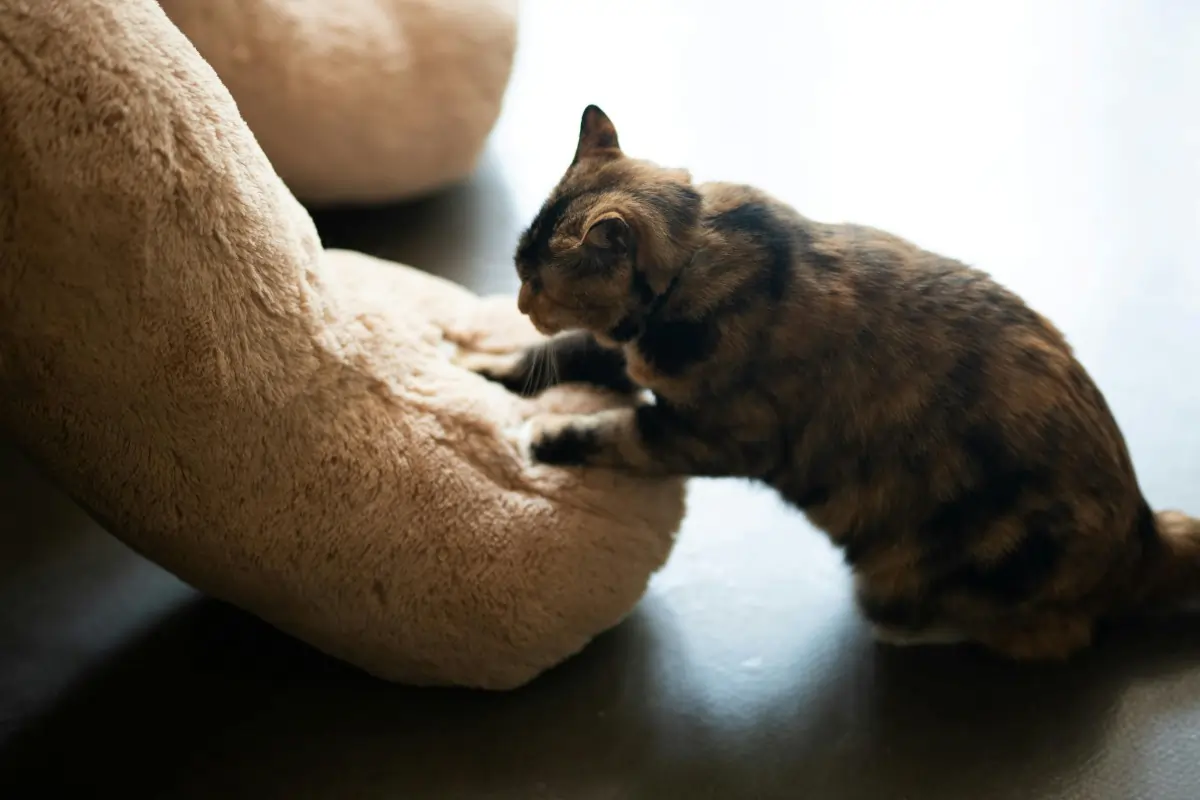
Creating a safe space for your cat is essential. Think about areas in your home where your cat can retreat when they feel overwhelmed. Cats often find comfort in high places, so consider adding shelves or a cat tree. These can provide vantage points where your cat can observe without feeling threatened. You might also want to designate a quiet room in your house with familiar items, like their favorite blanket or toys. This becomes their haven, a place they can associate with safety and relaxation.Routine Adjustments
Cats thrive on routine, and sudden changes can be a major source of anxiety. Evaluate your current daily schedule. Are there any abrupt shifts that could be causing distress to your cat? Consistent feeding times, play sessions, and even bedtime can help your cat feel more secure. Imagine how unsettling it would be for you if your daily routine changed without warning. By maintaining consistency, your cat learns what to expect, which minimizes stress and anxiety. Have you noticed your cat’s behavior change with a shift in your routine? What adjustments can you make to ensure your cat feels more at ease? Remember, your actions can have a profound impact on your cat’s emotional well-being.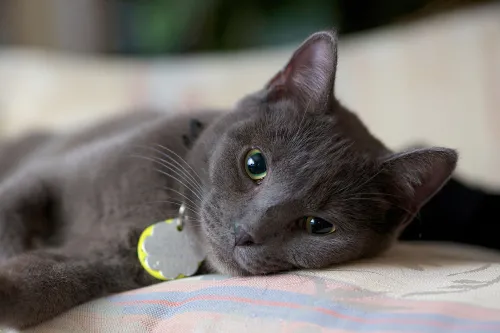
Credit: www.humaneworld.org
Prescription Medications
Cats, like humans, can experience anxiety, and in some cases, prescription medications might be the solution. When your cat seems stressed, it’s vital to explore options that can effectively ease their discomfort. Prescription medications are often recommended for chronic anxiety issues that don’t respond to behavioral changes or natural remedies.
Types Of Medications
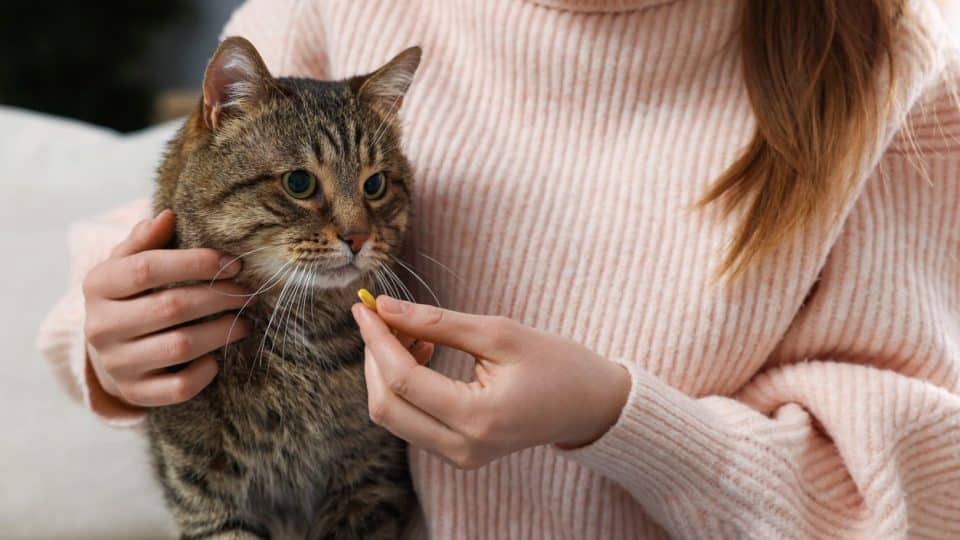
Several types of medications are available to help your cat manage anxiety. Common options include antidepressants like fluoxetine, which can help balance neurotransmitters in the brain. Benzodiazepines, such as diazepam, provide immediate relief by relaxing your cat’s muscles and calming their nerves.
Another option is buspirone, a medication designed to reduce anxiety without causing sedation. These drugs can be life-changing for your cat, but they come with potential side effects. Knowing how each medication works can help you make informed decisions about your cat’s health.
Consulting A Veterinarian
Before giving your cat any medication, consulting a veterinarian is crucial. They can assess your cat’s health and determine the best course of action. A vet will consider factors like age, weight, and overall health before recommending a prescription.
Do you wonder why professional advice is so important? Vets can help spot underlying conditions that might be contributing to your cat’s anxiety. Remember, self-diagnosing can lead to complications, and it’s always better to have a professional guide your decisions.
Have you ever faced a situation where you thought your cat was just moody? A vet visit could reveal that anxiety was the root cause. Taking this step ensures you’re doing what’s best for your furry friend. Consider how you would feel if you were in their paws—anxiety is a challenge, but with the right help, it can be managed effectively.
Dietary Changes
Cats can feel anxious, just like humans. Some dietary changes might help soothe your cat’s nerves. Consider foods rich in omega-3 fatty acids or supplements like chamomile and valerian root to promote calmness.
Dietary changes can play a crucial role in managing your cat’s anxiety. Food affects mood. The right nutrients can calm your feline friend. Let’s explore how nutrition and special diets can help.Nutrition And Anxiety
The link between nutrition and anxiety is significant. Certain nutrients influence mood. Omega-3 fatty acids are essential. They reduce stress and anxiety. They also promote brain health. Vitamins like B-complex support nervous system function. They help stabilize moods. Protein is vital. It provides amino acids. These are building blocks for neurotransmitters. They affect mood regulation. Taurine is another important amino acid. It’s necessary for cats. It supports heart and eye health. But it also impacts mood. Fiber aids digestion. A healthy gut can improve mood. Probiotics are beneficial too. They balance gut bacteria. This can reduce anxiety. Ensure your cat gets a balanced diet. This helps maintain physical and mental health.Special Diets
Special diets might benefit anxious cats. Some foods are designed for stress relief. Prescription diets are available. They contain calming ingredients. These diets may reduce anxiety symptoms. Hydrolyzed protein diets are helpful. They contain broken-down proteins. This reduces allergic reactions. Allergies can increase anxiety levels. Limited ingredient diets are another option. They minimize digestive issues. This can improve overall mood. Consider veterinary guidance. A vet can recommend the best diet. They ensure your cat receives essential nutrients. Dietary changes should be gradual. Sudden changes can worsen anxiety. Monitor your cat’s response closely. Adapt the diet as needed. Diet plays a major role in anxiety management. Proper nutrition supports emotional balance. Special diets can offer targeted relief. Your cat deserves to feel calm and happy.Environmental Enrichment
Creating a stress-free environment for your cat can reduce anxiety. Environmental enrichment plays a key role in keeping your cat calm and happy. It provides mental and physical stimulation, which is essential for their well-being. Adding engaging elements to your cat’s surroundings can make a huge difference.
Interactive Toys
Interactive toys can keep your cat occupied and engaged. These toys stimulate their hunting instincts, reducing stress levels. Feather wands and laser pointers are great for active play. Puzzle feeders can make meal times exciting and rewarding. They challenge your cat’s mind, promoting curiosity and problem-solving skills. Rotate toys to maintain interest and prevent boredom.
Climbing Structures
Climbing structures give your cat a sense of security and adventure. Cats love to climb and observe their surroundings from a height. Cat trees and shelves provide vertical space for exploration. They offer a safe area to retreat when feeling anxious. Make sure the structures are stable and placed near windows. This allows your cat to enjoy natural light and outside views.
Professional Help
Sometimes, home remedies don’t ease your cat’s anxiety. Seeking professional help can be beneficial. Experts understand feline behavior and provide effective solutions. They offer guidance tailored to your cat’s needs.
Professional help can significantly improve your cat’s well-being. Let’s explore two main options: animal behaviorists and therapy sessions.
Animal Behaviorists
Animal behaviorists specialize in understanding pets’ actions. They identify the root cause of your cat’s anxiety. Behaviorists use techniques to modify unwanted behaviors. This can improve your cat’s comfort and happiness.
Consulting a behaviorist might involve observing your cat at home. They will provide a personalized plan. These experts work closely with you to ensure the best outcomes.
Therapy Sessions
Therapy sessions can help anxious cats. They provide structured environments for stress relief. Sessions may include play therapy or interactive activities.
A trained professional will guide these sessions. They focus on reducing anxiety through positive reinforcement. Therapy can be a soothing experience for your cat.
Regular sessions can make a noticeable difference. Your cat might become calmer and more relaxed.
Monitoring And Adjustment
Dealing with a cat’s anxiety can be a challenging journey. It requires patience and a keen eye on your feline friend’s behavior. Monitoring and adjustment are crucial components in helping your cat overcome anxiety. This means observing changes and tweaking approaches to ensure your cat feels safe and secure in their environment.
Tracking Progress
When you start helping your cat manage anxiety, consider keeping a simple diary. Note down changes in behavior, appetite, or sleep patterns. Did your cat stop hiding under the bed? Are they more playful?
These observations can give you valuable insights. They help you understand what works and what might need a little more time. A small notebook or digital notes on your phone can be handy tools.
Don’t worry if progress seems slow. Every cat is unique, and their responses can vary. What’s important is to notice even small shifts in their demeanor.
Modifying Strategies
Sometimes, the initial strategies might need a few adjustments. Maybe the calming music isn’t as effective as you hoped. Or perhaps the new routine is creating more stress instead of reducing it.
It’s okay to change tactics. You might find that a different approach works better. For example, trying out pheromone diffusers or adjusting feeding times could make a difference.
Ask yourself: What else can you try? Could adding a new toy or changing the environment bring comfort? Experiment with different solutions to find what truly calms your cat.
Remember, you’re not alone in this journey. Consult with your vet if you feel stuck or overwhelmed. They can offer advice tailored to your cat’s specific needs.
By tracking progress and modifying strategies, you’re actively helping your cat find peace. This ongoing process not only supports their well-being but strengthens your bond. Your dedication and love are key to easing their anxiety. What small change could you make today to help your cat feel more at ease?
Credit: www.rover.com
Frequently Asked Questions
What Can I Give My Cat To Calm Her Anxiety?
Consider using calming pheromone diffusers or sprays for your cat. Offer a cozy, quiet space to relax. Provide interactive toys and engage in gentle play. Consult your vet for anxiety-specific supplements or medications if needed. Maintain a consistent routine to help ease stress.
What Is The Best Calming Treat For Cats?
The best calming treats for cats often contain natural ingredients like chamomile, valerian root, or L-theanine. Opt for vet-recommended brands like Feliway or Composure for safety and effectiveness. Always consult your veterinarian before introducing new treats to ensure they suit your cat’s specific needs.
What Are Signs Of Anxiety In Cats?
Cats show anxiety through excessive grooming, hiding, and aggression. They may vocalize more or stop using the litter box. Changes in appetite and destructive behavior are also signs. Watch for increased clinginess or pacing as indicators of stress. Early detection helps address their anxiety effectively.
Can Cats Take Something For Anxiety?
Cats can take medications like antidepressants for anxiety, prescribed by a vet. Natural remedies like calming treats or pheromone diffusers might help. Consult a vet for the best approach to manage your cat’s anxiety. Always ensure any treatment is safe and suitable for your pet’s needs.
Conclusion
Finding the right solution for your cat’s anxiety is vital. Always consult a vet before trying new treatments. They can guide you on safe options. Natural remedies may help, like calming treats or pheromone diffusers. Consistent routines can ease stress.
Create a peaceful environment at home. Give your cat time and affection. A gentle touch often reassures them. Remember, each cat is unique. What works for one might not work for another. Be patient. With care and attention, your cat can find peace.
Your efforts can make a big difference.

Similar Posts