Is Essential Oil Bad for Cats: Unveiling Hidden Dangers
Are you a cat owner who loves the soothing aroma of essential oils? Before you diffuse that lavender or peppermint scent, it’s crucial to know how it might affect your furry friend.
Many cat owners are unaware of the potential dangers that essential oils pose to their beloved pets. You might be surprised to learn that some of these oils, which are often praised for their natural benefits, can be harmful or even toxic to cats.
Imagine the peace of mind you could have by ensuring your home is a safe haven for your feline companion. Dive into this article to discover whether your favorite essential oils could be putting your cat at risk and learn how to protect your pet while still enjoying the calming scents you love.

Credit: in.pinterest.com
Understanding Essential Oils
Cats are sensitive to essential oils, which can be harmful. Some oils cause breathing problems or skin irritation. Always consult a vet before using essential oils near cats.
Understanding essential oils is crucial if you share your home with a cat. These potent plant extracts are hailed for their therapeutic properties, but they can pose significant risks to your feline friends. You might wonder, are essential oils as harmless as they seem? Let’s dive into what essential oils are and their common uses to better grasp their impact on your cat’s health.What Are Essential Oils?
Essential oils are concentrated extracts from plants. They capture the plant’s scent and flavor, or “essence.” You might have seen these little bottles at health stores, claiming benefits from stress relief to better sleep. However, their intensity is precisely why they can be dangerous for cats. Cats lack certain liver enzymes needed to break down these oils. This makes them more susceptible to toxicity. Have you ever noticed how sensitive cats are to smells? That’s because their olfactory senses are powerful, making even small amounts of essential oils overwhelming.Common Uses Of Essential Oils
Essential oils are used for various purposes. People often use them for aromatherapy, skincare, and even household cleaning. It feels great when your home smells like lavender or peppermint, doesn’t it? While these uses are popular, they can be harmful to your cat. Cats can inhale the oils or absorb them through their skin. Imagine using a diffuser in your living room; your cat walks in and begins to breathe in those potent vapors. Could your love for fresh scents be unwittingly harming your pet? Always consider your cat’s safety when using essential oils at home. Understanding the potential risks is the first step in making your home safe for your furry companion. Remember, your cat’s well-being should always come first.Cats And Their Unique Physiology
Cats have a unique physiology that makes them sensitive to essential oils. These oils can lead to respiratory issues and skin irritation. It’s crucial to keep essential oils away from areas where cats sleep or play to ensure their safety.
Cats are fascinating creatures with unique physiology that sets them apart from other pets. Their bodies process substances differently, which can have significant implications for their health. As a cat owner, understanding these differences is crucial, especially when it comes to the use of essential oils in your home.How Cats Process Substances
Cats have a liver enzyme deficiency that affects how they metabolize certain substances. Unlike humans and dogs, their liver lacks specific enzymes needed to break down compounds found in many essential oils. This can lead to a build-up of toxins in their system, which can be harmful or even fatal. A friend of mine once learned this the hard way. She loved using lavender essential oil in her diffuser, thinking it was a natural and safe choice. However, her cat started showing signs of lethargy and vomiting. After a visit to the vet, she discovered that the lavender oil was to blame. Cats’ unique metabolic pathways mean they can’t process some things as effectively as other animals. This is why it’s so important to be cautious with what you introduce into their environment.Sensitivity To Aromatic Compounds
Cats are highly sensitive to strong smells. Their sense of smell is around 14 times stronger than that of humans. Aromatic compounds in essential oils can be overwhelming and irritating to them. Essential oils like tea tree, peppermint, and eucalyptus can be particularly problematic. Even in small amounts, they can cause respiratory issues and skin irritation. If you’ve ever noticed your cat sneezing or pawing at their nose when you’ve used a diffuser, it’s likely because the scent is too strong for them. It’s worth asking yourself: Is a pleasant scent worth the risk to your cat’s health? There are safer alternatives you can consider. Opt for unscented or pet-safe products and always ensure your pet has a scent-free space to retreat to if needed. Understanding your cat’s unique physiology can help you make informed decisions about their well-being. Your cat’s health is in your hands, and a little knowledge goes a long way in ensuring they live a happy, healthy life.Potential Risks Of Essential Oils For Cats
Essential oils have gained popularity in homes for their aromatic benefits. Yet, they may pose risks to our feline friends. Cats process substances differently than humans. Their liver lacks certain enzymes, making them vulnerable. This vulnerability increases the risk of essential oil toxicity. Pet owners should be aware of these potential dangers.
Toxicity Concerns
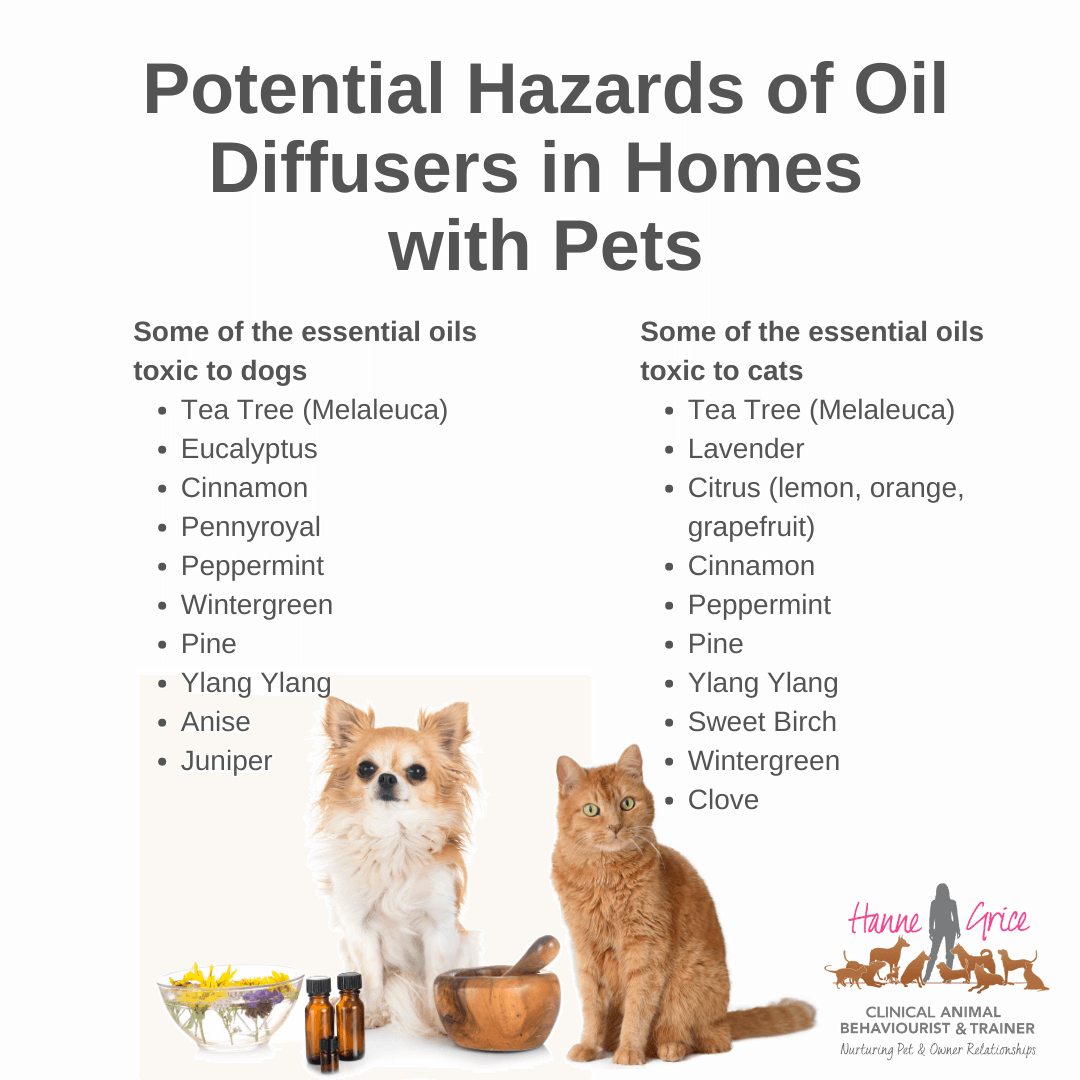
Cats are sensitive to many essential oils. Some oils can be toxic. Tea tree, eucalyptus, and peppermint are common culprits. Even small amounts can be harmful. Inhaling or ingesting these oils can cause serious health issues. Always keep essential oils out of reach of cats.
Symptoms Of Essential Oil Exposure
Signs of exposure can vary. Common symptoms include drooling and vomiting. Your cat may also experience difficulty breathing. Lethargy and tremors might occur. Watch for skin irritation or redness. If you notice any of these signs, seek veterinary care immediately.
Common Essential Oils Harmful To Cats
Essential oils are popular in homes for their soothing aromas. Yet, many are unaware of the dangers they pose to cats. These oils can cause serious health issues. Knowing which oils are harmful is crucial for cat owners.
Tea Tree Oil
Tea tree oil is toxic to cats. It can lead to skin irritation and nausea. Even small amounts can be dangerous. Cats may experience weakness and lack of coordination. Keep this oil far away from your feline friends.
Lavender Oil
Lavender oil is often considered calming. For cats, it can be harmful. It may cause vomiting and loss of appetite. Cats might also suffer from breathing difficulties. A small exposure can lead to serious health problems.
Eucalyptus Oil
Eucalyptus oil is another common oil with risks for cats. It can lead to drooling and lethargy. Cats might also have tremors. This oil affects their nervous system. Avoid using eucalyptus oil in areas your cat can access.
Safe Practices For Pet Owners
Pet owners love essential oils for their many benefits. They can enhance mood or relieve stress. Cats are curious creatures. They need protection from harmful substances. Essential oils can be dangerous for them. Knowing safe practices is key.
Avoiding Direct Exposure
Cats have sensitive skin and noses. Avoid direct contact with essential oils. Do not apply oils to their skin or fur. Keep bottles out of their reach. Store them in cabinets or high shelves. Cats might lick or touch them otherwise.
Using Diffusers Safely
Diffusers can spread oils through the air. Choose oils that are safe for cats. Use them in well-ventilated spaces. Keep diffusers away from your cat’s favorite spots. This prevents strong exposure to the oils. Monitor your cat’s behavior for any changes.

Credit: www.cbc.ca
Alternatives To Essential Oils
Essential oils can be harmful to cats. Consider safe alternatives like herbal sachets or pet-friendly air fresheners. These options provide pleasant scents without risking your cat’s health.
When considering the safety of our feline friends, it’s crucial to explore alternatives to essential oils. These oils can be harmful to cats, causing various health issues. Fortunately, there are safer options that can provide aromatic pleasure and therapeutic benefits without risking your pet’s well-being.Pet-friendly Aromatic Options
Cats have a highly sensitive sense of smell. Strong scents can overwhelm them, leading to stress or health problems. Instead of using essential oils, consider using pet-safe candles or diffusers that use natural ingredients safe for cats. Look for products specifically labeled as safe for pets. They can offer pleasant aromas without the harmful effects of essential oils. Another option is to grow cat-friendly plants like catnip or cat grass. These not only smell good but also offer enrichment for your cat’s environment.Natural Remedies For Cats
Are you seeking remedies for minor cat ailments? There are natural alternatives that don’t involve essential oils. Chamomile tea can be a gentle option to soothe an anxious cat. If your cat struggles with fleas, try food-grade diatomaceous earth. It’s a natural way to combat fleas without exposing your pet to harsh chemicals. For digestive health, a small amount of pumpkin puree can help. It’s rich in fiber and can support your cat’s digestive system. Always consult with your vet before introducing new remedies to ensure they’re safe for your specific cat. By choosing these alternatives, you maintain a safe environment for your cat while still enjoying aromatic and therapeutic benefits. What other pet-friendly options have you tried?Consulting Veterinary Experts
Consulting veterinary experts reveals that essential oils can be harmful to cats. Cats have sensitive systems that struggle to process certain compounds found in these oils. It’s crucial to seek professional advice before using any essential oils around your feline friend.
Engaging with essential oils can be risky for cats. Their unique physiology makes some oils harmful. Consulting veterinary experts ensures your pet’s safety. Veterinarians understand the impact of oils on feline health. They offer guidance based on scientific knowledge. Proper consultation can prevent potential health issues. It provides peace of mind.Veterinarians can suggest safe practices for using essential oils. They can also recommend alternatives that are cat-friendly. Consulting experts is crucial for maintaining your pet’s well-being.When To Seek Professional Advice
Seek professional advice if your cat shows unusual symptoms. Signs like drooling or vomiting might indicate exposure. Difficulty breathing is another red flag. Behavioral changes can also signal distress. Contact a vet if you suspect essential oil toxicity. Early intervention is key to effective treatment. Veterinarians can assess the situation accurately. They offer tailored advice for each case.Preventive Measures
Preventive measures protect your cat from harmful exposure. Store essential oils out of your cat’s reach. Use a secure cabinet for storage. Avoid using oils in areas your cat frequents. Choose diffusers with safety features. Ensure proper ventilation when diffusing oils. Consider using alternatives that are safe for cats. Regular vet check-ups help monitor your pet’s health. These steps minimize risks associated with essential oils. `
Credit: lolahemp.com
Frequently Asked Questions
Which Essential Oils Are Toxic To Cats?
Many essential oils are toxic to cats, including tea tree, lavender, eucalyptus, citrus, and peppermint oils. Always store oils safely and consult a vet before use. Essential oils can cause serious health issues for cats, such as liver damage or respiratory problems.
What Happens If You Diffuse Essential Oils Around Cats?
Diffusing essential oils around cats can be harmful. Cats may experience respiratory issues or skin irritations. Some oils, like tea tree and eucalyptus, are toxic. Always ensure proper ventilation and consult a vet before using oils. Keep diffusers out of reach to protect your cat’s health.
Are Essential Oils Safe For Pets To Breathe?
Essential oils can be harmful to pets if inhaled. Some oils may cause breathing issues or allergic reactions. Always consult a veterinarian before using essential oils around pets to ensure their safety. Proper ventilation and dilution can help minimize risks.
Keep oils out of reach from curious pets.
Are Essential Oils Safe For Cats?
Essential oils can be toxic to cats. Their livers lack the enzymes to break down certain compounds. Even small amounts can cause poisoning. It’s crucial to keep oils like tea tree, eucalyptus, and lavender away from cats. Always consult a veterinarian before using any essential oils around your pet.
Conclusion
Cats and essential oils can be a risky mix. Some oils are harmful to cats. It’s crucial to research before using oils around them. Consult a vet for safe options. Always prioritize your cat’s health and safety. Avoid using strong scents near your furry friend.
Keep essential oils out of their reach. Cats are sensitive creatures. They deserve a safe environment. A little caution keeps your cat happy and healthy. Stay informed, and protect your pet. Their well-being depends on your careful choices. Be wise and watchful with essential oils.
Your cat will thank you.

Similar Posts