
Imagine this: You’re relaxing after a long day, but your furry friend is darting around the house, meowing nervously, and hiding in every corner. If this sounds familiar, your cat might be experiencing anxiety.
It’s more common than you think, and as a caring pet parent, understanding how to calm your cat’s anxiety can transform both your lives. You’ll discover simple yet powerful strategies to help your cat feel safe and secure. By tapping into insights from neuroscience, we’ll guide you in creating a peaceful environment that speaks to your cat’s instincts.
Ready to turn chaos into calm? Let’s dive into the heart of your feline’s comfort and happiness.
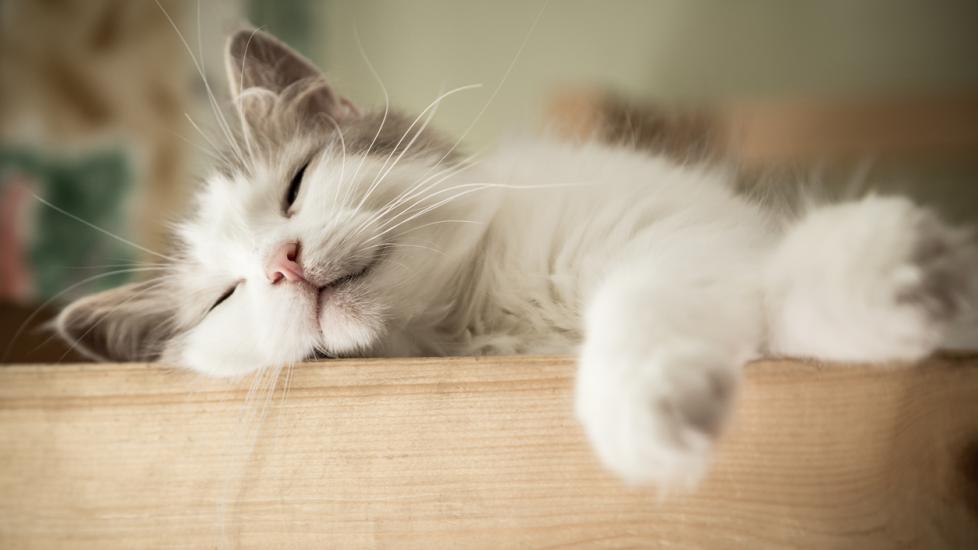
Credit: www.petmd.com
Identifying Cat Anxiety
Cats, like humans, can experience anxiety. Recognizing the signs early helps in providing relief. Anxiety in cats can stem from various factors. These might include changes in their environment, new pets, or loud noises.
Understanding the root cause is essential. It aids in creating a comforting atmosphere for your feline friend. Early identification leads to effective management. Let’s explore the common signs and triggers of cat anxiety.
Common Signs Of Stress
Stress in cats can manifest in many ways. One common sign is excessive grooming. Cats may groom themselves to the point of losing fur. Another sign is changes in appetite. Some cats eat more, while others may stop eating altogether.
Vocalization can also indicate stress. Increased meowing or yowling might signal anxiety. Litter box issues are another sign. Cats may urinate outside the box when stressed. Watch for hiding behaviors. A stressed cat may seek solitude more often.
Understanding Cat Triggers
Understanding what triggers your cat’s anxiety is crucial. Loud noises, like fireworks, can be frightening. A new pet or family member can also cause anxiety. Environmental changes, like moving, may trigger stress.
Even rearranging furniture can unsettle a cat. Lack of socialization can lead to anxiety. Cats need interaction to feel secure. Recognizing these triggers helps in managing their stress effectively.

Credit: www.banfield.com
Creating A Safe Environment
Creating a peaceful space helps calm cat anxiety. Soft lighting and cozy corners ease stress. Gentle music or soothing scents can create a relaxing atmosphere.
Creating a safe environment for your cat is one of the most effective ways to alleviate anxiety. Cats, like humans, find comfort in familiar and secure surroundings. When your feline friend feels safe, their anxiety levels can significantly decrease, leading to a happier and healthier life. This section will guide you through creating comfortable spaces and safe hiding spots, ensuring your cat feels secure at all times.Comfortable Spaces
Designate specific areas in your home where your cat can relax. These spaces should be quiet and away from high-traffic areas. A cozy corner in the living room or a spot by a window can work wonders. Add soft bedding or blankets to these areas. Cats love to knead and curl up in soft materials. This simple addition can make them feel more at ease. Consider placing a few toys or a scratching post nearby. This not only provides mental stimulation but also encourages play, which can reduce anxiety.Safe Hiding Spots
Cats often seek small, enclosed spaces when they feel anxious. You can create safe hiding spots by providing boxes or cat caves. These are ideal for a quick retreat. Ensure these hiding places are accessible but not in the middle of household chaos. Cats need their own space to escape when things get overwhelming. Observe where your cat naturally hides and enhance those spots. If they love hiding under the bed, make it comfortable with a small blanket or pillow. Have you ever noticed your cat disappearing during a thunderstorm or when guests arrive? Understanding their need for a safe haven can help you proactively create these spaces. By anticipating their needs, you can help reduce their anxiety and foster a sense of security.Using Calming Products
Calming products can ease cat anxiety effectively. Try pheromone sprays or diffusers to create a peaceful environment. Soft calming collars also help by gently releasing soothing scents.
When your cat feels anxious, it can impact both of you significantly. Using calming products may help ease your cat’s stress and create a peaceful home. These solutions are designed to address anxiety directly, offering relief for your feline friend. Let’s explore some effective options.Pheromone Diffusers
Pheromone diffusers can be a game-changer for anxious cats. They release synthetic versions of the natural pheromones that cats produce to mark their territory as safe. Plug one into your wall socket in a room where your cat spends a lot of time. A few years back, I tried a pheromone diffuser for my cat, Luna, when she was stressed by a move. Within days, she seemed more relaxed, spending more time lounging in her favorite sunspot. Could this simple device help your cat find its calm as well?Herbal Supplements
Herbal supplements offer a natural way to calm your cat’s nerves. Many contain ingredients like chamomile, valerian root, or passionflower, known for their soothing properties. You can mix these supplements into your cat’s food or water. Consider trying a product like a calming treat with added herbal ingredients. My friend’s cat, Max, loves his daily treat that’s packed with these calming herbs. It’s become a part of his routine, and his anxiety during thunderstorms has decreased significantly. Choosing the right calming product can make a huge difference in your cat’s life. Have you explored these options yet?Establishing Routine
Establishing a routine for your cat can be a powerful antidote to anxiety. Cats thrive on predictability, and a structured daily schedule can help them feel secure and relaxed. By setting consistent times for feeding, play, and exercise, you create a stable environment that reduces stress and promotes calmness. Let’s dive into how to set up these routines effectively.
Consistent Feeding Times
Timing is crucial when it comes to feeding your cat. Choose specific times each day for meals and stick to them. This consistency helps your cat know what to expect, reducing anxiety about when they’ll eat next.
Consider using a timer or setting alarms on your phone to remind you. This helps you maintain the schedule even on busy days. My own cat, Whiskers, became much calmer once we established a regular feeding routine. His anticipation for meals turned from frantic meows to peaceful purrs.
Do you notice your cat becoming anxious before meals? Experiment with different feeding times and observe their behavior. You might find that adjusting the timing slightly can have a big impact.
Playtime And Exercise
Physical activity is not just a joy for cats; it’s a necessity. Allocating specific times for play and exercise can significantly reduce anxiety. Regular play sessions help burn excess energy, which can otherwise manifest as nervousness.
Incorporate interactive toys and games like feather wands or laser pointers. These not only engage your cat physically but also mentally. I found that 15 minutes of focused play in the evening worked wonders for calming my cat’s pre-bedtime jitters.
Do you have a shy or reserved cat? Try gentle encouragement during playtime. Gradually increase the intensity and duration of activities as they become more comfortable. This routine helps build trust and alleviates their anxiety over time.
Establishing a routine might sound simple, yet its effects are profound. Consistent feeding times and dedicated play sessions create a safe, predictable world for your cat. What changes will you make today to help your furry friend feel more at ease?
Interactive Play
Interactive play helps calm cat anxiety by providing mental stimulation and physical exercise. Toys that mimic hunting can engage their instincts, reducing stress. Regular playtime builds trust and strengthens the bond between you and your furry friend.
Cats are curious creatures, often full of energy and adventure. Yet, like humans, they can experience anxiety. Interactive play is an excellent way to calm their nerves and build a stronger bond with them. Playing with your cat not only entertains them but also offers a therapeutic escape from their stresses. Imagine turning your living room into a playground where your cat feels safe and happy. Let’s explore how you can achieve this.Toys For Engagement
Choosing the right toys can make all the difference in engaging your cat during playtime. Think about toys that stimulate their senses. Balls with bells, feather wands, or laser pointers can intrigue your cat’s natural hunting instincts. A friend of mine swears by puzzle feeders. They not only entertain her cat but also mentally stimulate it, reducing anxiety. Have you noticed what toys your cat responds to best? Experiment and observe their favorites.Bonding Through Play
Interactive play isn’t just about the toys; it’s about the connection you build with your cat. Spending time together chasing a toy mouse or playing hide and seek can strengthen your bond and reduce anxiety. I recall a time when my cat was visibly anxious after moving homes. By dedicating just 15 minutes a day to play, she slowly became more relaxed and trusting. Do you have moments like these with your cat? Creating these bonding opportunities can be as simple as setting aside a few minutes each day. Consistent playtime lets your cat know they are loved and safe. Isn’t it amazing how something as simple as play can change your cat’s world?Providing Mental Stimulation
Cats often experience anxiety due to boredom or lack of stimulation. Keeping their minds active can help reduce stress. Providing mental stimulation engages their natural instincts. It keeps them entertained and less anxious. Let’s explore some ways to stimulate your cat’s mind.
Puzzle Feeders
Puzzle feeders are a great way to challenge your cat. They make your cat work for their food. This mimics hunting behavior, which cats love. Puzzle feeders come in many shapes and sizes. Choose one that suits your cat’s abilities. Start with simple puzzles. Gradually increase the difficulty as your cat learns. Puzzle feeders can slow down eating. This helps with digestion and weight control.
Training And Tricks
Training your cat can be a fun way to engage them. Use treats as rewards for learning new tricks. Start with simple commands like “sit” or “high five.” Keep sessions short to maintain interest. Positive reinforcement builds trust and strengthens your bond. Training provides mental exercise. It also helps redirect energy from anxious behaviors. Cats enjoy learning new things, just like dogs.
Behavioral Therapy
Behavioral therapy can significantly help in calming cat anxiety. Cats, like humans, often develop anxiety due to stress. It can stem from a variety of environmental factors or past experiences. Behavioral therapy involves understanding the root causes of anxiety. Then, applying techniques to gradually change the cat’s behavior. This method aims to make the cat feel safe and secure in its surroundings. Let’s explore two effective techniques under behavioral therapy.
Desensitization Techniques
Desensitization involves slowly introducing a cat to a stressor. This is done in a controlled manner. The goal is to reduce the cat’s fear response over time. Start with the stressor at a low intensity. Gradually increase the exposure. For example, if your cat fears loud noises, begin with softer sounds. Gradually increase the volume as the cat becomes comfortable. Patience is key here. Each session should be short and positive.
Counterconditioning Strategies
Counterconditioning replaces a negative reaction with a positive one. It involves associating a feared object or situation with something pleasant. Treats are often used in this strategy. If a cat is anxious about strangers, offer treats when they visit. This creates a positive association. Over time, the cat learns that strangers bring rewards. Consistency is crucial in counterconditioning. Regular practice helps reinforce the desired behavior.

Credit: www.amazon.com
Consulting With Veterinarians
Calm your cat’s anxiety with professional guidance. Consulting a veterinarian is essential. They offer expert advice tailored to your pet’s needs. Understanding the causes of your cat’s anxiety ensures effective treatment. Professional insights provide clarity on managing feline stress. Veterinarians are trained to detect subtle signs of distress. They help pinpoint underlying issues that may trigger anxiety.
Professional Advice
Veterinarians give detailed advice on cat anxiety. They assess your cat’s behavior thoroughly. This helps identify triggers. Their expertise is invaluable for addressing specific concerns. They suggest practical solutions to ease your cat’s stress. Your cat’s environment plays a role in anxiety. Veterinarians recommend changes that promote calmness.
Medication Options
If anxiety persists, medication might be considered. Veterinarians discuss safe options. These can help reduce your cat’s stress levels. Medications are prescribed based on your cat’s needs. It’s vital to follow the vet’s guidance. Medications are not a one-size-fits-all solution. Regular monitoring ensures effectiveness and safety.
Frequently Asked Questions
How Do You Treat Anxiety In Cats?
Treat anxiety in cats with calming pheromone sprays, interactive toys, and regular play sessions. Consult a vet for advice.
What Calms Cats Naturally?
Natural remedies like catnip, valerian root, and chamomile tea can calm cats. Lavender and pheromone sprays also help. Provide a quiet environment and interactive toys for mental stimulation. Regular playtime and a stable routine contribute to a cat’s calm demeanor.
Ensure their comfort with cozy bedding and safe spaces.
What Are The Signs Of A Stressed Cat?
Stressed cats may hide more, eat less, or groom excessively. Increased aggression or clinginess can also indicate stress. Watch for changes in litter box habits and vocalization. A stressed cat might also display destructive behavior or have a tense body posture.
Address these signs to help your cat feel secure.
What Are Signs Of Cat Anxiety?
Signs of cat anxiety include excessive grooming, hiding, aggression, and loss of appetite. Your cat might also show signs of restlessness or vocalize more than usual. Identifying these behaviors early can help in managing anxiety effectively.
Conclusion
Helping your cat feel calm is important. Anxiety in cats can be tricky. But with patience, you can help. Try creating a safe space for them. Use calming products if needed. Spend quality time with your cat. Play and interact daily.
Watch for signs of stress. Early action makes a difference. Remember, every cat is unique. What works for one might not work for another. Keep trying different solutions. Your care and attention matter. With time, your cat can feel more at ease.
A calm cat is a happy cat.