How to Figure Out My Cat’s Breed: Expert Tips & Tricks
Curious about your cat’s mysterious lineage? You’re not alone!
Discovering the breed of your feline friend isn’t just fascinating—it’s essential for understanding their behavior, health, and unique quirks. Imagine unlocking the secrets behind those captivating eyes or that peculiar meow. This guide will help you determine your cat’s breed, offering insights that could deepen your bond and enhance your pet care routine.
Ready to unveil the mystery? Let’s dive in and decode the genetics of your whiskered companion. Your journey to becoming a cat breed detective starts here!
Identifying Physical Traits
Discovering your cat’s breed involves observing physical traits like coat color, eye shape, and body structure. Some breeds have distinct features, making identification easier. Comparing these traits with breed charts can help narrow down possibilities.
Identifying the physical traits of your cat can be an exciting journey. Whether you’ve adopted your cat from a shelter or found a stray, discovering its breed can offer insights into its behavior and health. Observing physical traits like coat type, body shape, and eye color can be a fun way to decode your feline friend’s origins. Ready to become a cat detective?Coat Types And Colors
Cats come in a dazzling array of coat types and colors. Some have long, fluffy fur that requires regular grooming, while others are sleek and short-haired. For instance, a Maine Coon often boasts a thick, bushy coat, whereas a Siamese displays a smooth, short-haired look. Color patterns can also be telling. The tabby pattern, with its unique stripes, is common among domestic cats, while a solid color like pure white or black might suggest breeds like the Turkish Van or Bombay. Ever noticed how your cat’s coat shines in different lights? Is it spotted or solid? These observations can guide you closer to identifying its breed.Body Shape And Size
Body shape and size can be crucial clues. Does your cat have a muscular build or a slender frame? Persians, for example, are known for their stocky bodies and flat faces. On the other hand, an Oriental Shorthair flaunts a slender, elongated frame. If your cat seems larger than average with tufted ears, you might be living with a Maine Coon. Consider the tail too. A long, bushy tail might indicate a Norwegian Forest Cat, while a shorter, stubby tail could suggest a Manx. These features can narrow down your cat’s breed.Eye Colors And Patterns
The eyes can be windows to understanding your cat’s breed. Do they have an unusual color or pattern that catches your attention? Cats like the Siamese are known for their striking blue eyes, while the Russian Blue captivates with its vivid green gaze. Some breeds might even have odd-colored eyes, such as the Turkish Angora, known for one blue and one amber eye. Observe if your cat’s eyes change in different lighting. Are they round or almond-shaped? These subtle details can be your best clues. Have you discovered anything surprising about your cat’s physical traits? With each observation, you get closer to knowing its breed. Happy sleuthing!
Credit: www.reddit.com
Understanding Cat Behavior
Identifying your cat’s breed involves observing distinct physical traits and unique behaviors. Spotting fur patterns, eye shapes, and ear sizes can help you determine the breed. Consulting breed charts or veterinarians can provide additional insights into your feline’s lineage.
Understanding your cat’s behavior is a key step in identifying its breed. Cats are fascinating creatures, each with unique quirks and habits. By observing how your cat behaves, you can gather clues about its lineage. Are you curious about why your cat acts the way it does? Let’s dive into some common behaviors and see what they might reveal about your feline friend.Common Breed Behaviors
Certain breeds exhibit distinctive behaviors. Siamese cats, for example, are known for their talkative nature. They often meow loudly and frequently, demanding your attention. Maine Coons, on the other hand, are gentle giants who often display dog-like loyalty. Observe how your cat communicates and interacts with its environment. Does it chatter at birds or toys? This might hint at its breed’s hunting instincts. Pay attention to its temperament too. A calm and laid-back cat might have Ragdoll or British Shorthair ancestry.Activity Levels
Different breeds have different energy levels. If your cat is constantly zipping around the house, it might have Abyssinian or Bengal traits. These breeds are known for their high energy and love for play. A more relaxed cat might remind you of a Persian or a Scottish Fold. These cats often prefer lounging in the sun to chasing a laser pointer. Consider setting up a play schedule to see how your cat responds to different activities. Does it get excited with interactive toys, or does it prefer a cozy nap?Social Interaction Styles
How your cat interacts with you and others can also offer insights into its breed. Some cats, like the Burmese, are known for being extremely social and crave human companionship. They might follow you around the house or jump into your lap whenever possible. Other breeds, such as the Russian Blue, may be more reserved, preferring to observe from a distance. Does your cat seek out attention, or is it more independent? Try introducing new people or pets into the environment to see how your cat reacts. Understanding these behaviors not only helps in identifying your cat’s breed but also strengthens your bond. Have you noticed specific traits in your cat that align with certain breeds? Share your observations and see if others have similar experiences. You might just unlock the mystery of your feline’s heritage.Using Dna Testing
Curious about your cat’s breed? DNA testing offers a scientific way to discover it. This method provides detailed insights into your feline’s genetic makeup. It’s simple and reliable. You can learn more about their ancestry and potential health issues.
Benefits Of Genetic Testing
DNA testing reveals breed details. It identifies potential health risks. You understand your cat’s unique traits better. It helps in planning their care. Knowing breeds aids in understanding behavior. It can also inform nutritional needs.
How Dna Tests Work
DNA tests involve collecting samples. Usually, it’s saliva or cheek swabs. The samples are sent to labs. Experts analyze them. They compare DNA with known breeds. Results show breed percentages.
Interpreting Test Results
Test results show breed mix. They often include health data. Reports explain breed characteristics. They may suggest care tips. The information helps in making informed decisions. It’s easy to understand.
Consulting With Veterinarians
Visiting a veterinarian can help identify your cat’s breed. They have the tools and knowledge to analyze physical traits. Discussing your cat’s behavior and history can also provide clues.
Consulting with veterinarians can help identify your cat’s breed. Veterinarians have the knowledge and tools to assist you. They can offer insights based on your cat’s physical traits and behaviors. This expert guidance can be crucial in narrowing down your cat’s breed possibilities.What To Ask Your Vet
Prepare specific questions for your vet. Ask about your cat’s physical characteristics. Inquire about common breeds with similar traits. Discuss any unique behaviors your cat displays. These questions can lead to helpful insights. Your vet can provide information based on their experience.Professional Insights
Veterinarians have a wealth of knowledge. They understand breed-specific traits and habits. Their expertise can help identify less common breeds. They might also suggest DNA testing. This can confirm or narrow down breed possibilities. Professional insights can offer clarity.Follow-up Actions
Take notes during your vet visit. Ask for recommendations on breed-specific care. Consider scheduling a follow-up appointment. Discuss any new findings with your vet. They can help interpret DNA test results. Follow their advice for further research. This can lead to a better understanding of your cat’s breed.Exploring Online Resources
Discovering your cat’s breed can be fun and informative. Use online databases and cat breed identification tools. Pictures and descriptions aid in comparing your cat’s features.
Figuring out your cat’s breed can be as intriguing as it is challenging. With the right resources at your fingertips, identifying your feline friend’s breed becomes more manageable. The internet offers a treasure trove of tools and communities ready to assist you in this journey. By navigating these online resources, you can uncover the mysteries of your cat’s lineage.Breed Identification Apps
In the digital age, there’s an app for almost everything, including identifying your cat’s breed. Apps like “Cat Scanner” or “Cat Breed Identifier” can be incredibly useful. Simply snap a picture of your cat, and these apps analyze physical features to suggest potential breeds. The convenience of having this information at your fingertips is invaluable. It also saves you the time and effort of manually researching. Have you ever thought about how technology could make understanding your pet easier?Online Cat Breed Databases
Online databases are a goldmine for cat breed information. Websites like The International Cat Association (TICA) and Cat Fanciers’ Association (CFA) offer extensive breed profiles. These databases provide detailed descriptions of physical characteristics and temperaments. This can help you make informed guesses about your cat’s breed. Accessing a wide range of breeds in one place simplifies your search. Have you ever considered how a small detail, like your cat’s eye shape, can reveal its breed?Community Forums And Support
Connecting with other cat enthusiasts online can offer personalized insights. Platforms like Reddit or specialized cat forums host discussions where you can ask for advice. Sharing photos and descriptions of your cat might get you opinions from experienced cat owners. These communities can be warm and welcoming, sharing their own stories and tips. Engaging with them not only aids your search but also builds a support network. Who knows, you might even make a few friends along the way! Exploring online resources is a practical step in your quest to identify your cat’s breed. With the right tools and community support, you’ll be one step closer to solving the mystery. Have you checked out these online options yet?:max_bytes(150000):strip_icc()/black-white-cat-on-lap-dpddm-JD-913-2000-9ba4ae3a902544d88af9f7ded6d7fe0c.jpg)
Credit: www.dailypaws.com
Leveraging Cat Shows And Exhibitions
Discovering your cat’s breed can be a fascinating journey. Cat shows and exhibitions offer a treasure trove of information. These events showcase a wide variety of feline breeds. They provide a perfect opportunity to learn more about your furry friend. Engage with experts and breeders who can help identify your cat’s breed traits. Let’s dive into how these events can aid in your quest.
Attending Local Events
Start by exploring local cat shows near you. These events feature many different breeds. Observe cats that resemble your own pet. Pay attention to specific traits, like fur patterns and eye colors. This can help narrow down possibilities. Most shows have brochures or guides. These resources offer detailed breed descriptions. They can be very helpful in your research.
Networking With Breeders
Breeders often attend these events. They have extensive knowledge about various cat breeds. Approach them with questions about your cat’s unique features. Breeders can offer insights into your cat’s lineage. They might even recognize specific breed characteristics. Building relationships with breeders can be beneficial. They can guide you in understanding your cat’s heritage.
Learning From Experts
Cat shows also host seminars with feline experts. These sessions cover breed identification and genetics. Attend these to deepen your understanding. Experts can provide tips on distinguishing subtle breed traits. They might even offer personalized advice. Engaging with them can enrich your knowledge. This can bring you closer to discovering your cat’s breed.
Understanding Mixed Breeds
Determining your cat’s breed involves observing physical traits like fur patterns and eye color. Genetic testing provides more precise information. Mixed breeds exhibit unique characteristics, blending traits from different breeds, making identification a fascinating process.
Understanding Mixed Breeds Discovering the breed of your cat can be quite the adventure, especially if your feline friend is a mixed breed. Mixed breeds, often referred to as “moggies,” are cats with a blend of multiple breeds, making them unique in appearance and personality. While it may seem daunting at first, understanding these delightful mixes can bring you closer to identifying your cat’s lineage.Characteristics Of Mixed Breeds
Mixed breed cats can exhibit a wide range of characteristics. They often have a combination of physical traits from their parent breeds, which can make them look distinct and charming. You might notice a mix of fur patterns, colors, or even eye shapes that are not typical of purebred cats. These cats also tend to have diverse temperaments. Some may inherit the playful nature of a Siamese, while others could have the calm demeanor of a Persian. Observing your cat’s behavior can offer clues about its genetic makeup.Common Mixes And Combinations
Certain breed combinations are more common than others. For instance, a tabby pattern mixed with a solid color is frequently seen. You might have a tabby with a splash of calico, creating a delightful blend of stripes and patches. Breeds like Maine Coons and Siamese are often found in mixed breeds due to their popularity. Does your cat have a fluffy tail like a Maine Coon or a sleek body like a Siamese? These features might hint at its mixed ancestry.Adapting Identification Techniques
To identify your mixed breed cat, start by observing its physical features. Take note of fur length, color, and any distinctive markings. Compare these traits with known breeds to spot similarities. Behavioral traits can also provide insights. Does your cat meow frequently like a Siamese or enjoy lounging like a Ragdoll? Behavioral patterns can be as telling as physical ones. Consider using a cat DNA test for more accuracy. These tests can reveal the breed composition of your cat, offering a scientific approach to satisfy your curiosity. Have you ever thought about how much of your cat’s personality is inherited from its breed mix? A DNA test might just surprise you. Understanding mixed breeds adds a layer of fascination to owning a cat. Each discovery about your cat’s background brings a deeper connection and appreciation for your unique companion.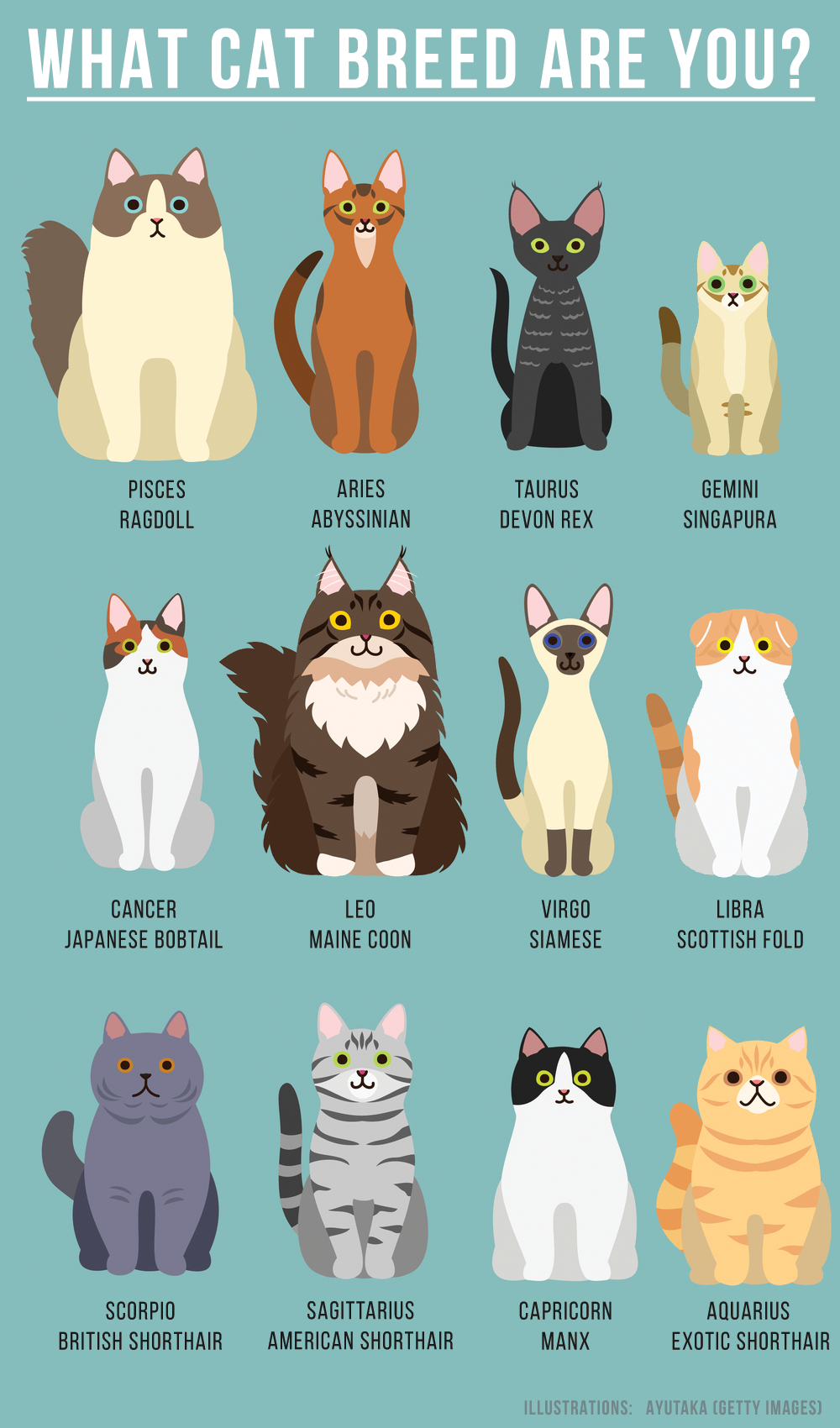
Credit: www.facebook.com
Frequently Asked Questions
How Do I Figure Out What Breed My Cat Is?
Identify your cat’s breed by observing its physical traits and behavior. Use online breed identification tools or consult a vet for expert guidance. DNA testing can also provide accurate breed information.
Can Google Lens Identify Cat Breeds?
Yes, Google Lens can identify cat breeds. It uses image recognition technology to analyze photos and provide breed information. Users can snap a picture of a cat, and Google Lens will suggest possible breeds based on visual characteristics. It’s a handy tool for pet lovers and cat enthusiasts.
How Much Is It To Find Out What Breed My Cat Is?
Testing your cat’s breed can cost between $40 and $130. Various companies offer DNA kits for analysis. Prices may vary based on the brand and features included. Consider checking reviews and comparing options for the best results.
What Is Taylor Swift’s Cat Breed?
Taylor Swift owns a Scottish Fold cat named Olivia Benson. Scottish Folds are known for their unique folded ears. Taylor’s love for her pets often features in her social media posts, adding charm to her public persona. Olivia is one of her three beloved cats.
Conclusion
Discovering your cat’s breed can be a fun journey. Observe their traits closely. Size, fur color, and behavior offer clues. Use online resources for guidance. DNA kits can provide detailed insights. Visit local veterinarians for expert advice. They can help identify specific breed characteristics.
Share your findings with fellow cat lovers. Every cat has unique qualities worth exploring. Appreciate your furry friend’s individuality. Each discovery strengthens your bond. Keep learning and celebrating your cat’s unique beauty. Enjoy the process of figuring out your cat’s breed.
It’s a rewarding adventure for every pet owner.