How to Teach a Cat to Use a Litter Box: Expert Tips

Are you tired of your cat treating your entire home like its personal playground? If the answer is yes, you’ve stumbled upon the right place.
Teaching a cat to use a litter box can seem like a daunting task, but it doesn’t have to be. Imagine a cleaner, odor-free home and a happier cat. Sounds appealing, right? The secret to achieving this lies in understanding your feline friend’s behavior and guiding them gently to the litter box.
We’re going to unlock these secrets, helping you and your cat live in harmony. Ready to transform your home and improve your pet’s habits? Let’s dive in.
Choosing The Right Litter Box
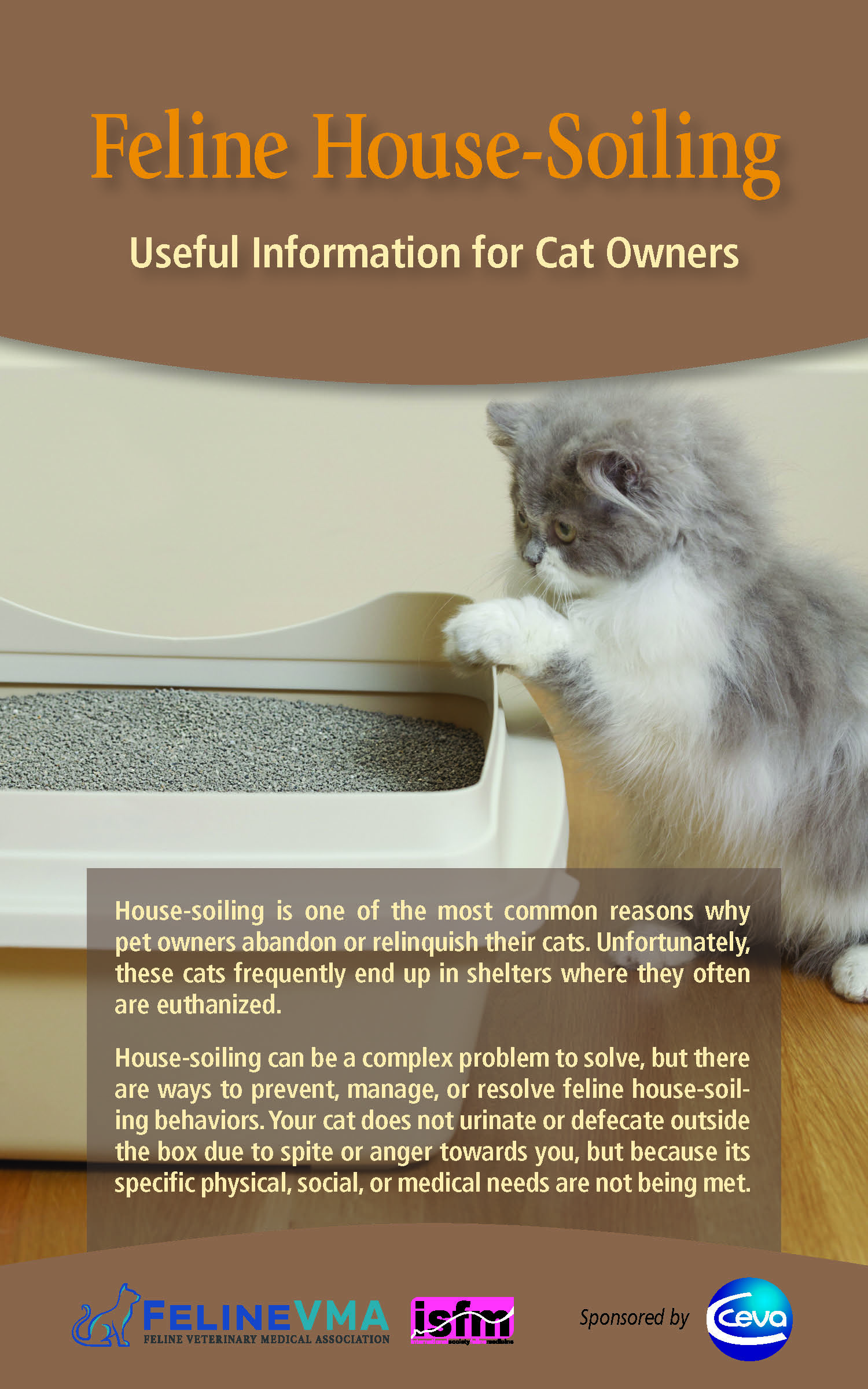
Choosing the right litter box for your feline friend is crucial to ensuring they use it consistently. A cat’s comfort and ease of access can significantly impact their litter box habits. Selecting the perfect litter box involves considering several factors, including size, type, and whether a covered or uncovered option is best for your cat.
Size And Type Considerations
Size matters when it comes to your cat’s litter box. Cats need enough space to turn around comfortably. A box that is too small can deter them from using it, leading to accidents elsewhere in your home.
Think about your cat’s size and age. Kittens may prefer smaller boxes, while adult cats need larger ones. If you’ve ever stepped into a cramped elevator, you know the feeling of being squished. Don’t subject your cat to that in their litter box!
Types of litter boxes vary. Some come with high sides to prevent litter scatter, while others are low for easy access. Consider how much mess your cat makes. If they’re a ‘digger’, a high-sided box could save you time cleaning up.
Covered Vs. Uncovered Options
Covered litter boxes offer privacy. Some cats appreciate the seclusion, while others might feel trapped. Imagine yourself in a tiny restroom; some might find it cozy, others claustrophobic.
Uncovered boxes allow for easy monitoring. You can see if your cat is using the box correctly and spot issues like urinary tract infections early. Plus, they are generally easier for your cat to access.
Think about your home’s layout. If your litter box is in a busy area, a covered option might reduce odors and mess. However, if it’s tucked away, uncovered could be more convenient.
Ultimately, consider what your cat prefers. Experiment with both types to see which one they favor. Could a trial period help you make the right choice?
Choosing the right litter box is not just about style or price. It’s about ensuring comfort for your furry companion. When your cat feels comfortable, they’re more likely to use their litter box consistently. What considerations will you prioritize for your beloved pet?
Credit: www.youtube.com
Selecting The Appropriate Litter
Choosing the right litter is crucial for teaching a cat to use a litter box. Opt for unscented, clumping litter to make it easy to clean and attractive to your feline friend. A comfortable litter box setup encourages regular use and helps avoid accidents.
Selecting the right litter is crucial when teaching your cat to use a litter box. The choice can influence how quickly your feline friend adapts to using the box. A comfortable and inviting litter choice can make all the difference.Clumping Vs. Non-clumping
The debate between clumping and non-clumping litter is a common one. Clumping litter forms solid masses when wet, making it easy to scoop and clean. It tends to keep the box fresher longer, which might appeal to your cat’s preference for cleanliness. Non-clumping litter, on the other hand, absorbs moisture but doesn’t form clumps. It needs to be changed more frequently. Some cat owners prefer it because it often produces less dust. Have you noticed your cat sneezing around the litter box? Dust from some clumping litters could be the culprit. Testing different types can help you find what works best for your cat.Scented Vs. Unscented
Scented litter might seem like a good idea to mask unpleasant odors. However, your cat’s sensitive nose might not agree. Strong scents can be off-putting, leading your cat to avoid the box altogether. Unscented litter, on the other hand, presents a more neutral smell. It’s often better for cats with sensitive noses. Consider whether you prefer a slightly more natural smell or if you need to rely on frequent cleaning for odor control. Have you ever changed your own perfume and had someone comment on it? Cats experience the same with their litter. Their sense of smell is far more acute than ours, so it’s crucial to consider their comfort. In my experience, my cat completely avoided the box when I switched to a heavily scented option. It was a quick lesson in understanding my cat’s preferences. Have you tried different types of litter to see how your cat reacts? Choosing the right litter is a small but significant step in litter training. Your cat’s comfort and health should guide your decision. What litter will you try next?Positioning The Litter Box
Positioning the litter box matters when teaching a cat to use it. Choose a quiet, accessible spot away from their food. Ensure it’s easy for the cat to find and reach, promoting regular use.
Positioning the litter box correctly can make a world of difference in teaching your cat to use it effectively. Cats are creatures of habit and comfort, and they appreciate a litter box that is both convenient and comfortable to access. A well-placed litter box not only encourages consistent use but can also prevent accidents around your home. Let’s explore the ideal spots to place your cat’s litter box for optimal success.Quiet And Accessible Locations
Choose a quiet spot for your cat’s litter box. Cats prefer privacy, just like you do. A serene environment helps them feel safe and comfortable. Ensure the location is easily accessible. If you’ve ever had to search for something in a cluttered room, you know how frustrating it can be. Cats feel the same way about their litter box. Avoid placing it in areas that are hard to reach or have obstacles. Consider proximity. If your cat spends most of their time in the living room, placing the litter box in a nearby quiet corner can be a great choice. This minimizes the distance your cat has to travel.Avoiding High Traffic Areas
Stay away from placing the litter box in high traffic areas. Imagine trying to relax in a bustling hallway—it’s distracting and uncomfortable. Your cat needs a peaceful spot to do their business. Kitchens and living rooms are often too busy. The constant activity can discourage your cat from using the litter box. An unexpected noise or sudden movement might scare them away. Basements or laundry rooms can be tricky. Though these areas might seem quiet, machines like washers and dryers can startle your cat with sudden noises. Always think about your cat’s comfort and peace of mind when choosing the right spot. Positioning the litter box in a thoughtful way can lead to a happier cat and a cleaner home. What changes can you make today to ensure your cat’s litter box is in the best possible location?Introducing The Cat To The Litter Box
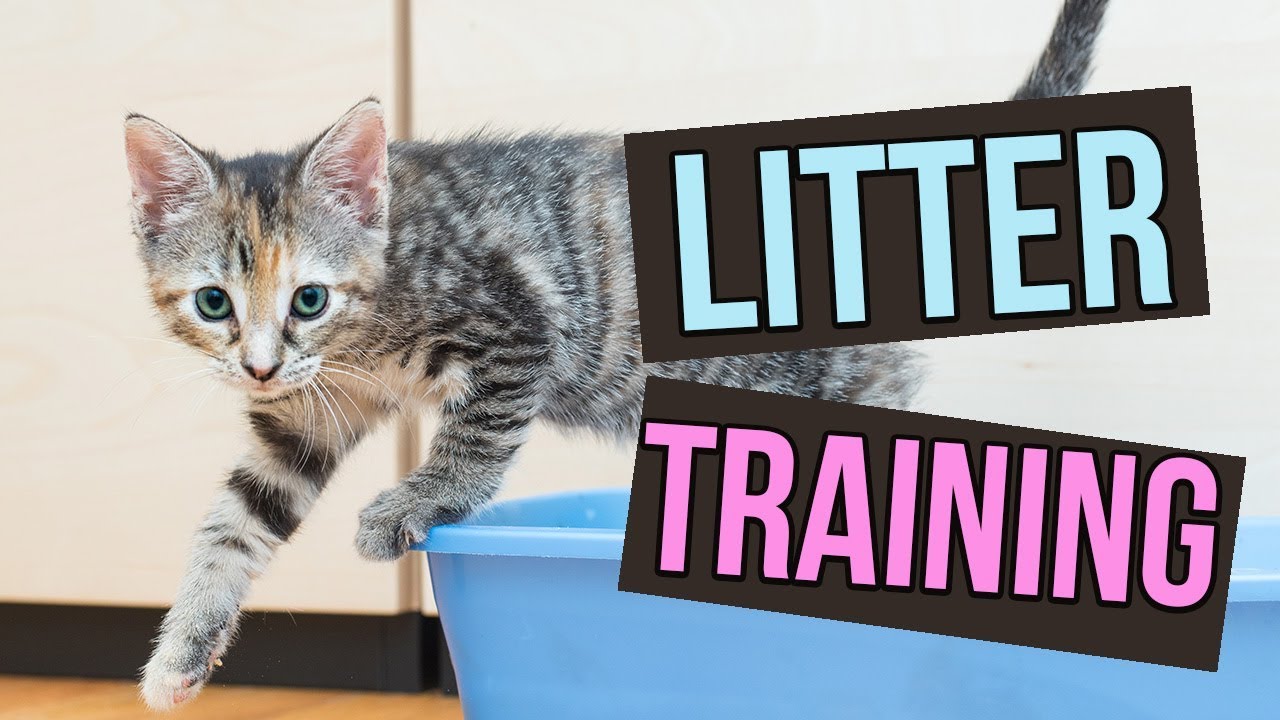
Teaching a cat to use a litter box is simple with patience and consistency. Place the box in a quiet spot and introduce your cat gently. Regularly guide your cat to the box, rewarding positive behavior to reinforce learning.
Introducing your cat to the litter box is a crucial step in ensuring they feel comfortable and confident in their new environment. Cats naturally seek out soft, sandy areas to relieve themselves, but your role in guiding them to the litter box can make all the difference in their success. Whether you’re welcoming a kitten or an adult cat, patience and understanding are key.Guiding Your Cat
Place the litter box in a quiet, accessible spot. Avoid areas with heavy foot traffic or loud noises. Cats prefer privacy when doing their business, much like humans. Consider the size of the litter box; it should be spacious enough for your cat to turn around comfortably. When introducing the box, gently place your cat near it. Allow them to sniff and explore at their own pace. If they seem hesitant, softly guide them into the box without forcing them. Your calm demeanor can reassure them that this is a safe space. Think about how you’d feel stepping into a new place—uncertain yet curious. Your cat feels the same. Be patient and let them explore the area.Using Positive Reinforcement
Celebrate small victories. If your cat uses the litter box successfully, reward them with their favorite treat or affection. This positive reinforcement encourages them to repeat the behavior. Avoid punishment if accidents occur. Cats don’t respond well to negative reinforcement; it can lead to stress and confusion. Instead, clean the area thoroughly and show them the box again. Consider incorporating toys or interactive elements near the box to create positive associations. A playful environment can make the litter box seem less daunting. Have you ever tried rewarding a behavior only to see it flourish? This approach works wonders with cats. They thrive on positive interactions and will soon associate the litter box with good experiences. Teaching your cat to use a litter box is not just about training—it’s about building trust and understanding. What strategies will you employ to make this transition smooth for your feline friend?Maintaining Cleanliness
Cats can be taught to use a litter box with patience. Place the box in a quiet spot. Encourage your cat by gently placing it in the box after meals. Cleanliness attracts cats, so keep the litter box tidy and fresh.
Teaching your cat to use a litter box is only half the battle. Maintaining cleanliness is crucial for your cat’s health and happiness, as well as your own. A clean litter box can prevent behavioral issues and ensure your home remains fresh and odor-free. Let’s dive into how you can achieve this effortlessly.Regular Cleaning Routine
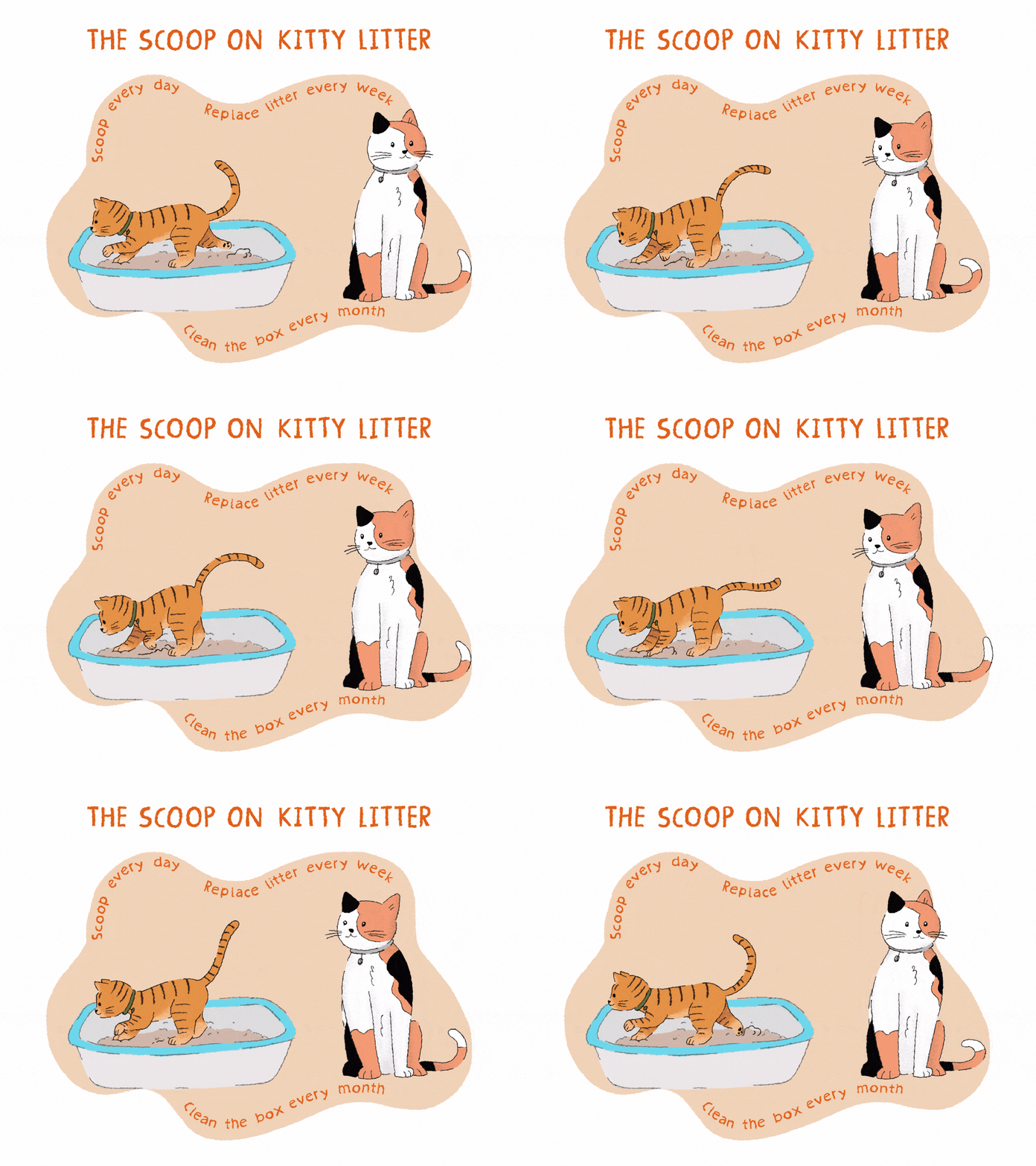
A consistent cleaning routine is key. Scoop the litter box at least once a day. This keeps the box inviting for your cat and prevents waste buildup. Replace the litter entirely every week. This prevents any hidden odors from lingering. Fresh litter also encourages your cat to use the box more often. Wipe the litter box with warm water and mild soap during each full litter change. Ensure it’s dry before adding new litter. A clean box is a healthy box.Handling Odors
Consider using an odor-control litter. These are designed to neutralize smells effectively. They can make a big difference in maintaining a pleasant home environment. Place a small air purifier near the litter box. This can help in circulating clean air and trapping odors. It’s a simple solution that can enhance the room’s air quality. Think about the litter box location. Is it in a well-ventilated area? Proper airflow can significantly reduce smells. Avoid enclosed spaces that trap odors. What tricks do you have up your sleeve to keep the litter box fresh? By incorporating these tips, you not only ensure your cat’s comfort but also improve your living space. A little effort in maintaining cleanliness can go a long way in keeping both you and your feline friend happy.
Credit: www.youtube.com
Addressing Common Issues
Teaching a cat to use a litter box involves understanding common issues like location and litter type. Cats often prefer quiet, accessible spots. Experiment with different litters to find the right fit for your feline friend.
Addressing Common Issues Teaching a cat to use a litter box is usually straightforward, but what happens when things don’t go as planned? You might find yourself scratching your head over common issues like reluctance or accidents outside the box. These challenges can be frustrating but remember, solutions are within reach. Let’s explore some effective strategies to tackle these common problems and ensure your cat feels at home in their litter box.Dealing With Reluctance
Is your cat avoiding the litter box? It might be because they’re picky about the box itself. Consider the size and depth of the litter box; a spacious box can make a world of difference. The type of litter matters too. Some cats prefer unscented options or softer textures. Experiment with different kinds to find the one your cat likes. Location is another key factor. Cats need privacy, just like us. Place the litter box in a quiet, accessible area where your cat feels safe. Notice where your cat spends most of their time and place the box nearby.Handling Accidents Outside The Box
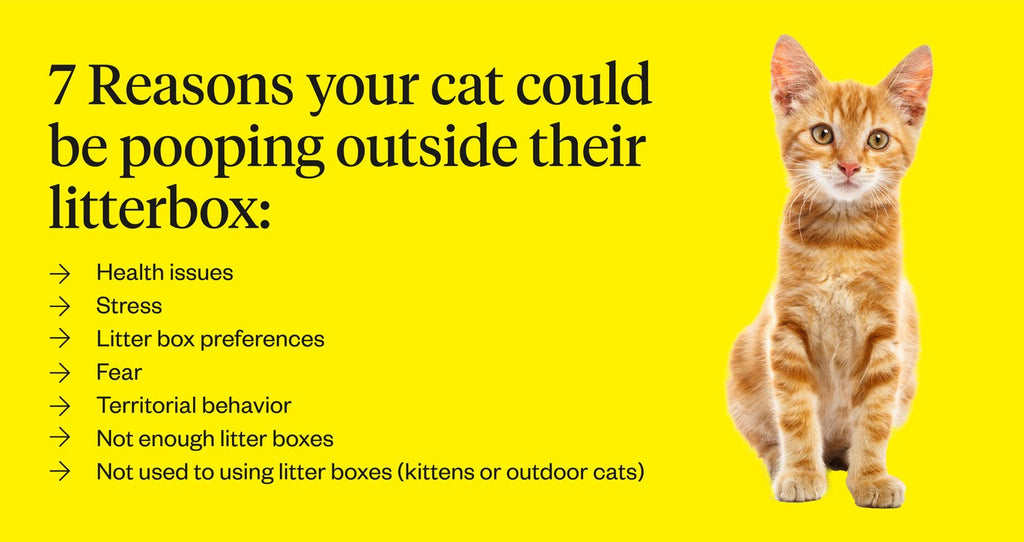
Accidents are bound to happen, but they don’t have to become a habit. First, clean up accidents promptly using an enzyme-based cleaner to eliminate odors that might attract your cat back to the same spot. Observe your cat’s behavior. Are they stressed or anxious? Changes in their environment, like a new pet or furniture rearrangement, could be the cause. Address these stressors to help your cat feel comfortable. Ensure your litter box is always clean. Cats have a keen sense of smell and a dirty box might push them to find cleaner areas. Scoop the box daily and change the litter frequently to maintain freshness. Have you tried adding an extra litter box? In multi-cat households, having multiple boxes can prevent territorial disputes and ensure every feline finds their spot. What’s your cat trying to tell you when they go outside the box? Understanding their behavior is crucial to finding a lasting solution.Consulting A Veterinarian
Training a cat to use a litter box can be challenging. Cats are independent and have unique behaviors. If your cat struggles, consulting a veterinarian can help. A vet provides expert guidance tailored to your cat’s needs. This ensures your cat stays healthy and happy while learning. Let’s explore how a vet can assist in this process.
Identifying Health Concerns
Sometimes, health issues prevent a cat from using a litter box. A veterinarian can identify these concerns. They will perform a thorough examination. This helps rule out any medical problems. Common issues include urinary tract infections or digestive problems. Early detection can prevent further complications. A healthy cat is more likely to use a litter box successfully.
Behavioral Advice
Veterinarians also offer behavioral advice. They understand feline psychology. They can pinpoint why a cat avoids the litter box. This may involve stress, anxiety, or territorial issues. A vet can suggest strategies to address these behaviors. Simple changes can make a big difference. For instance, altering the litter type or box location can help. Their insights can lead to more effective training.
Credit: www.banfield.com
Frequently Asked Questions
How Long Does It Take To Train A Cat To Use A Litter Box?
Training a cat to use a litter box typically takes about one to two weeks. Most cats learn quickly with consistent guidance. Start by placing them in the box after meals and naps. Positive reinforcement helps encourage good habits, making the process smoother.
How Can I Encourage My Cat To Use The Litter Box?
Place the litter box in a quiet area. Keep it clean by scooping daily. Use unscented litter and ensure the box is easily accessible. Praise your cat after using it. If problems persist, consult a vet.
How Do I Get My Cat To Start Peeing In The Litter Box?
Place the litter box in a quiet area. Keep it clean and use unscented litter. Encourage your cat by placing it in the box after meals. Reward successful attempts with treats or praise. Consult a vet if the problem persists.
What Is The Fastest Way To Litter Train A Kitten?
Place the litter box in a quiet, accessible area. Encourage the kitten to use it after meals and naps. Clean the box regularly to prevent odors. Use unscented litter to avoid confusion. Reward with praise or treats when the kitten uses it correctly.
Be patient and consistent.
Conclusion
Teaching your cat to use a litter box is simple. Start with choosing the right box and litter. Place it in a quiet, accessible spot. Show your cat where it is. Be patient and consistent with your efforts. Reward your cat for using the box correctly.
Clean the box regularly to keep it fresh. Watch for any signs of discomfort or refusal. Cats are smart and will learn quickly with your help. Enjoy a cleaner home and a happy pet. Your patience will pay off in the end.
Keep supporting your furry friend.

Similar Posts